Sustainable gardening doesn’t have to mean building an elaborate compost system or growing every single thing you eat.
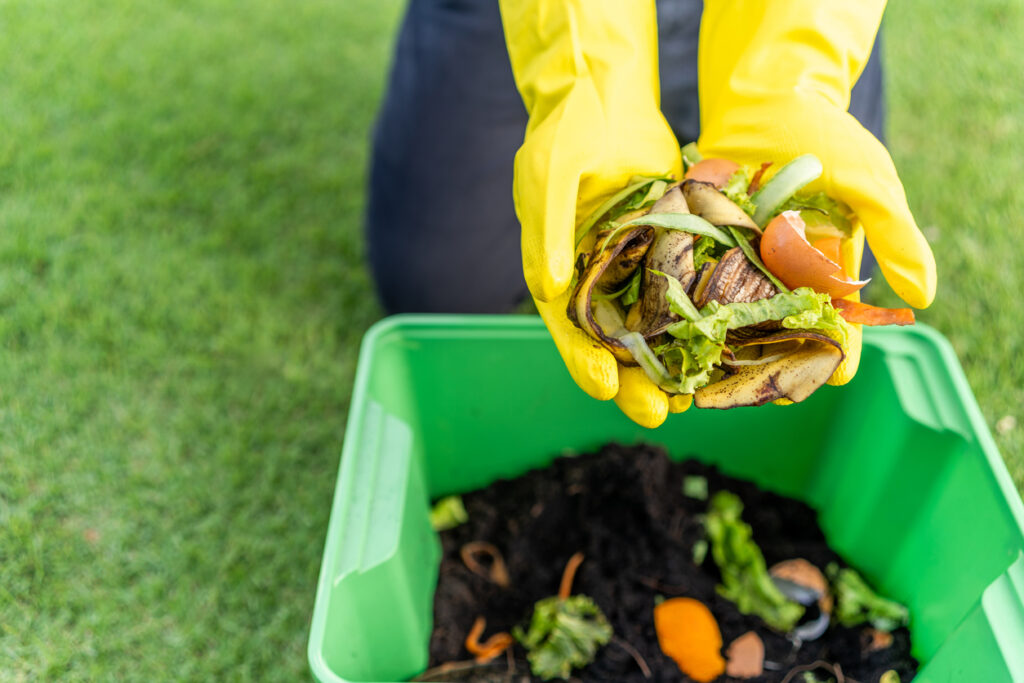
Sometimes, it’s just about tweaking your routine to make less mess, waste less stuff, and work more with nature instead of against it. Whether you’re in a flat with a balcony or have a full garden to play with, these tips will help you keep your green space thriving, without leaving a trail of plastic pots and wasted water behind.
1. Start a compost pile (even a tiny one).
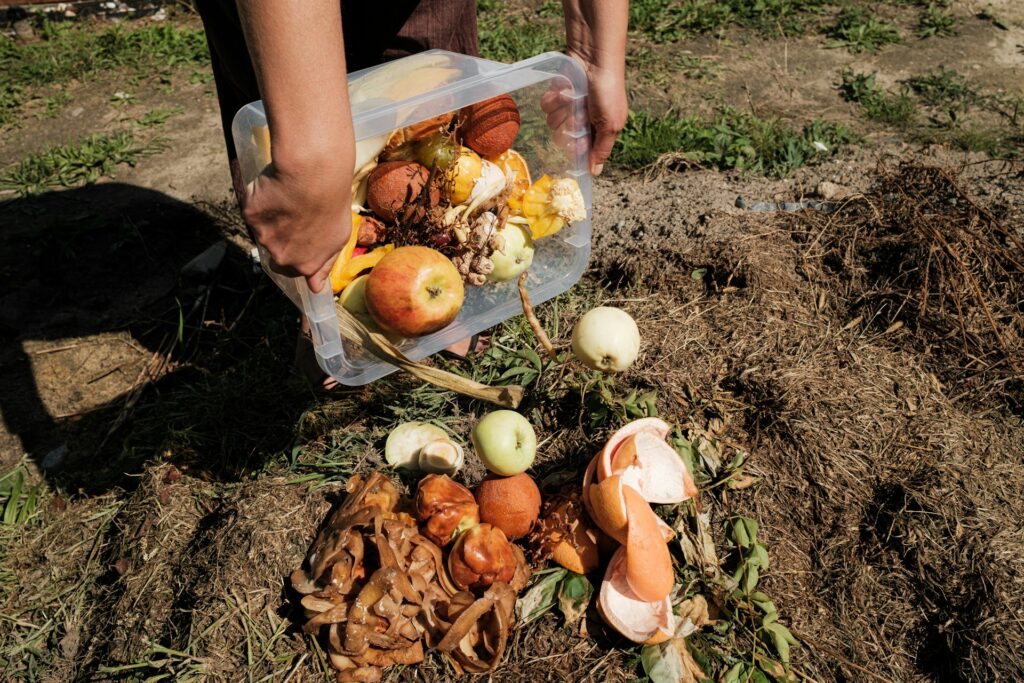
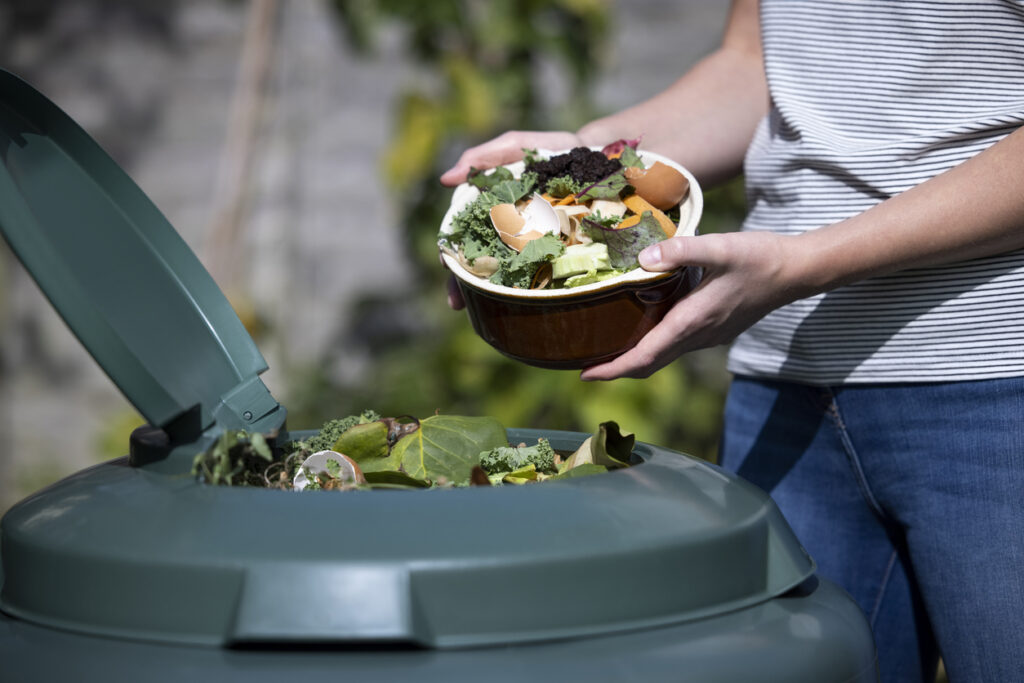
Composting is the gateway to zero-waste gardening. You don’t need a massive bin or a fancy setup, just a container for food scraps and garden clippings. Even a small indoor bokashi bin or worm farm works wonders if space is tight. Instead of chucking your veg peels, coffee grounds, or lawn clippings in the bin, feed them back into the soil. It turns waste into rich, nutrient-packed compost your plants will love, no shop-bought fertiliser needed.
2. Save seeds from what you grow.

Instead of buying new seeds every year, start collecting them from your own plants. Tomatoes, peppers, lettuce, and sunflowers are all easy to harvest from if you know when and how to dry them properly. Not only does this save money, it also means you’re creating plants that are naturally adapted to your garden’s conditions. Plus, it’s weirdly satisfying to grow something entirely from your own leftovers.
3. Use greywater, but do it safely.
If you’ve got a way to collect leftover water from your sink, bath, or even your washing-up bowl, that can be used to water non-edible plants. Just make sure it’s free of harsh chemicals or bleach. Mild soaps? Usually fine. This reduces your reliance on the hose during dry spells and makes use of water that would otherwise be wasted. Just don’t use greywater on veggies or herbs unless you’ve got a proper filtering system in place.
4. Turn food scraps into fertiliser.
Banana peels, crushed eggshells, and used coffee grounds aren’t just compost material. They can go straight into your garden beds as fertiliser. They release nutrients slowly and improve the soil over time. You can also make a simple “scrap tea” by soaking banana peels or veg trimmings in water for a few days, then using that nutrient-rich water to feed your plants. It smells weird but works wonders.
5. Ditch plastic pots for good.
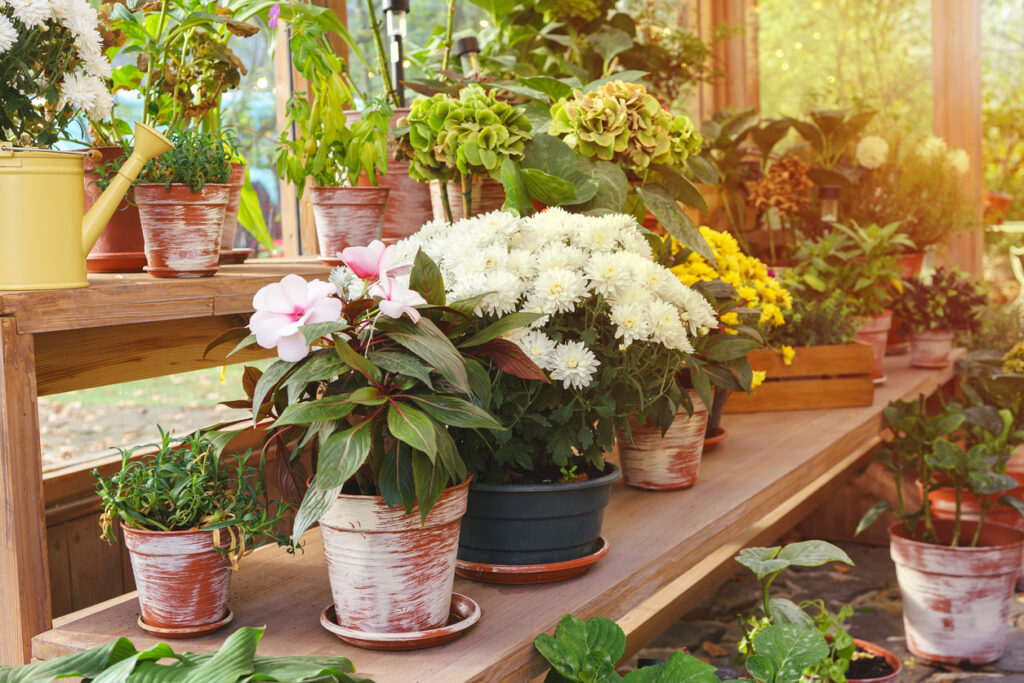
Most garden centres are swimming in single-use plastic pots. Instead, reuse yogurt containers, paper cups, tin cans, or even toilet rolls to start seeds. Once they’ve done their job, you can recycle, or plant them directly if biodegradable. Also consider investing in long-lasting terracotta, ceramic, or fabric grow bags. They last much longer and don’t crack into a hundred pieces when the weather turns like those brittle plastic ones do.
6. Grow your own mulch.
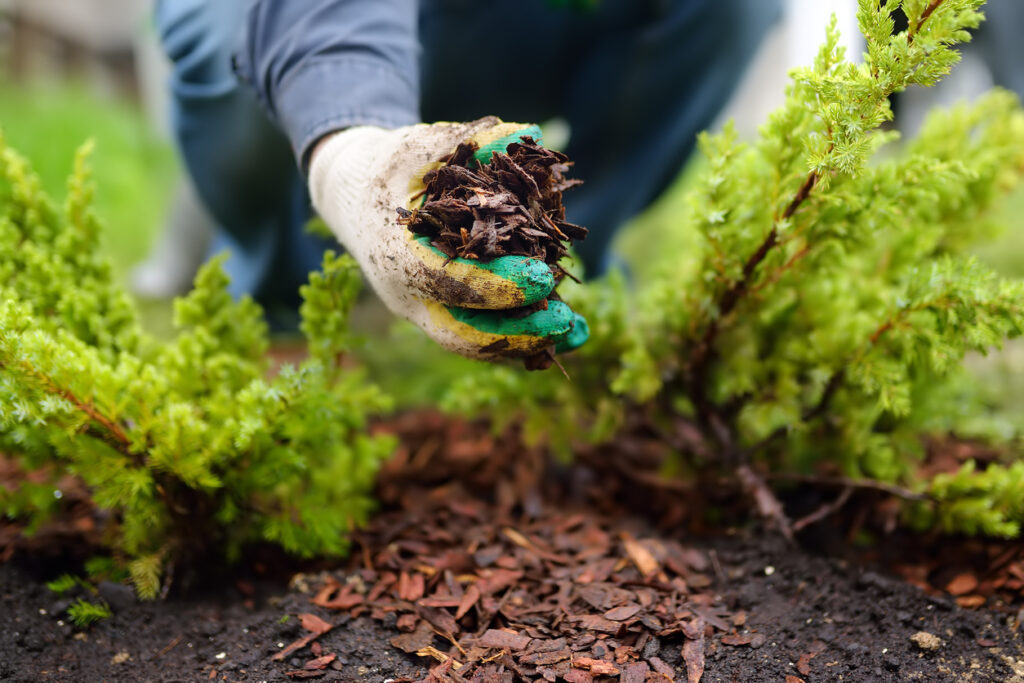
Instead of buying plastic-wrapped mulch or bark chips, try growing plants that become mulch, like comfrey, clover, or grass cuttings. You chop them down and lay them over your soil as a natural moisture lock. It keeps weeds down, holds in water, and slowly feeds your soil as it breaks down. Plus, it saves you the faff (and the fuel) of hauling bags home from the garden centre every year.
7. Use cardboard as weed control.
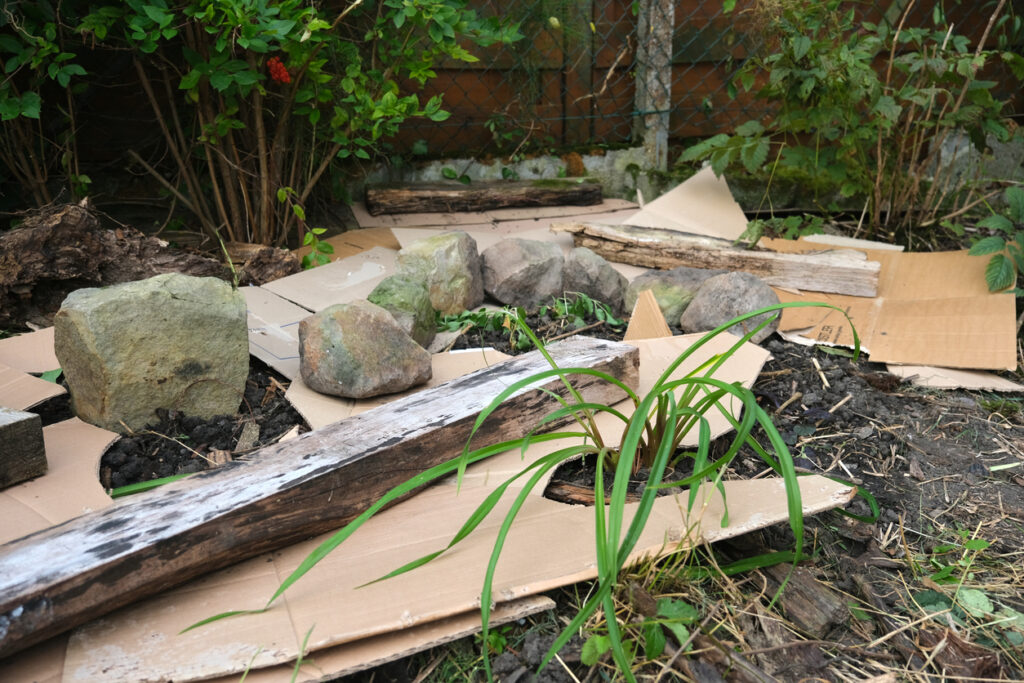
Don’t toss those Amazon boxes; flatten them and use them in your garden instead. A thick layer of cardboard under mulch smothers weeds and eventually breaks down into the soil, leaving no trace. It’s a simple, no-dig method that avoids using weedkillers or plastic sheeting. Just make sure to remove any glossy stickers or tape first, as your soil doesn’t need a barcode.
8. Harvest rainwater where you can.
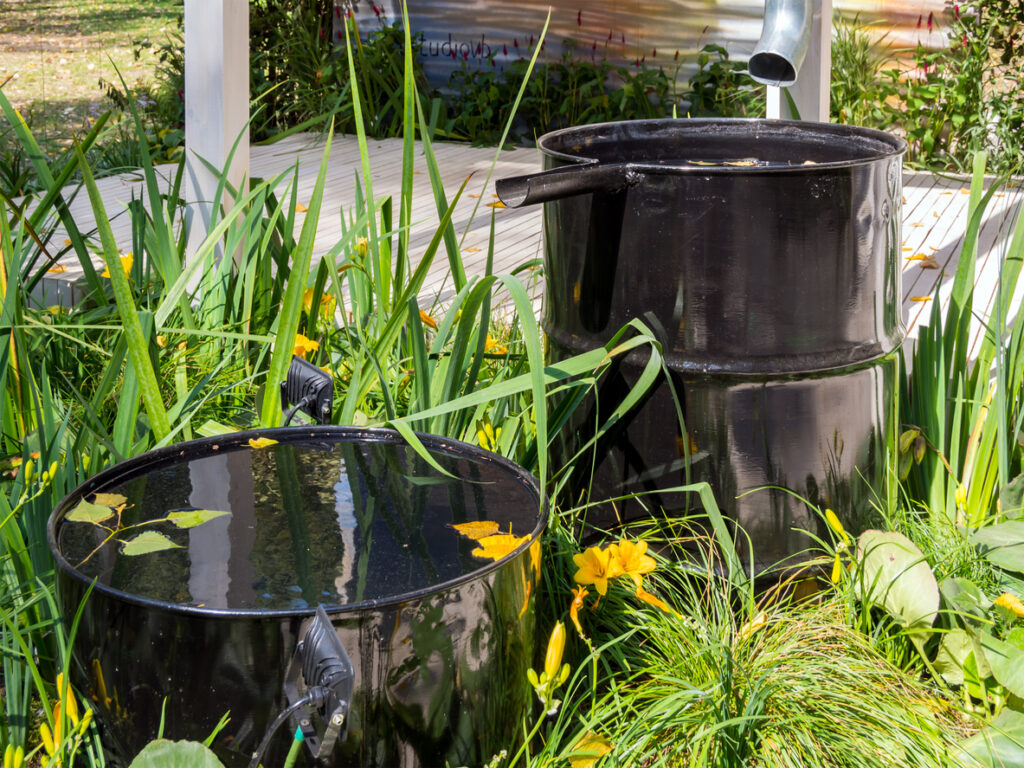
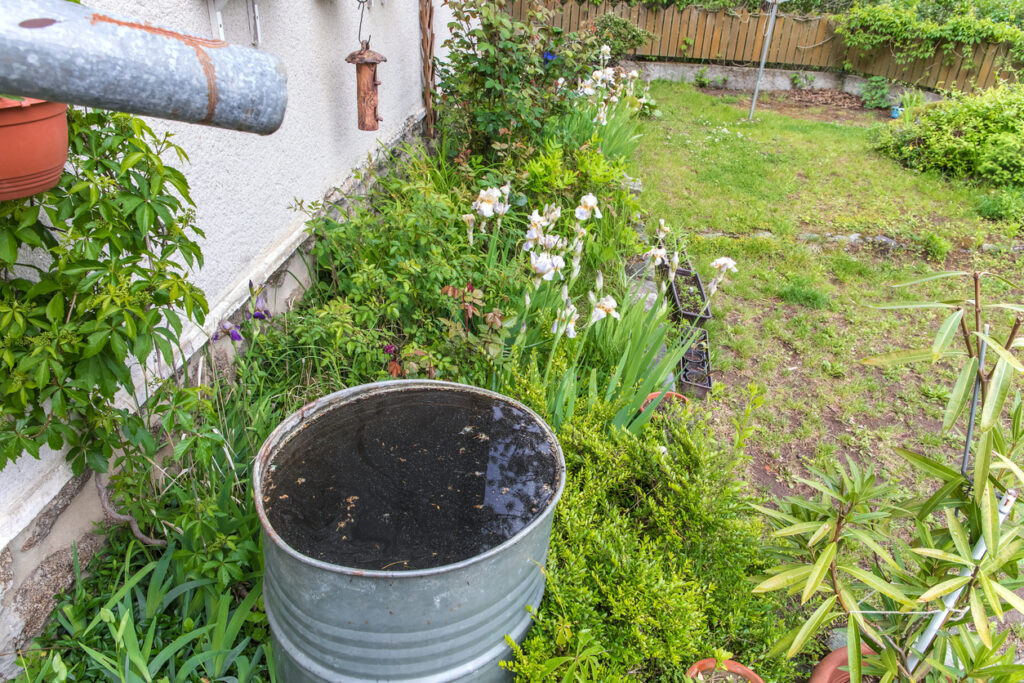
Installing a water butt or rain barrel is one of the easiest ways to cut down on water waste. You can hook it up to your drainpipe and collect water for your garden during every downpour (which, let’s be honest, happens a lot in the UK). It’s free, better for your plants than chlorinated tap water, and gives you a reliable backup during hosepipe bans or dry spells. Once you start using rainwater, you’ll wonder why you ever watered with anything else.
9. Choose perennial plants over annuals.
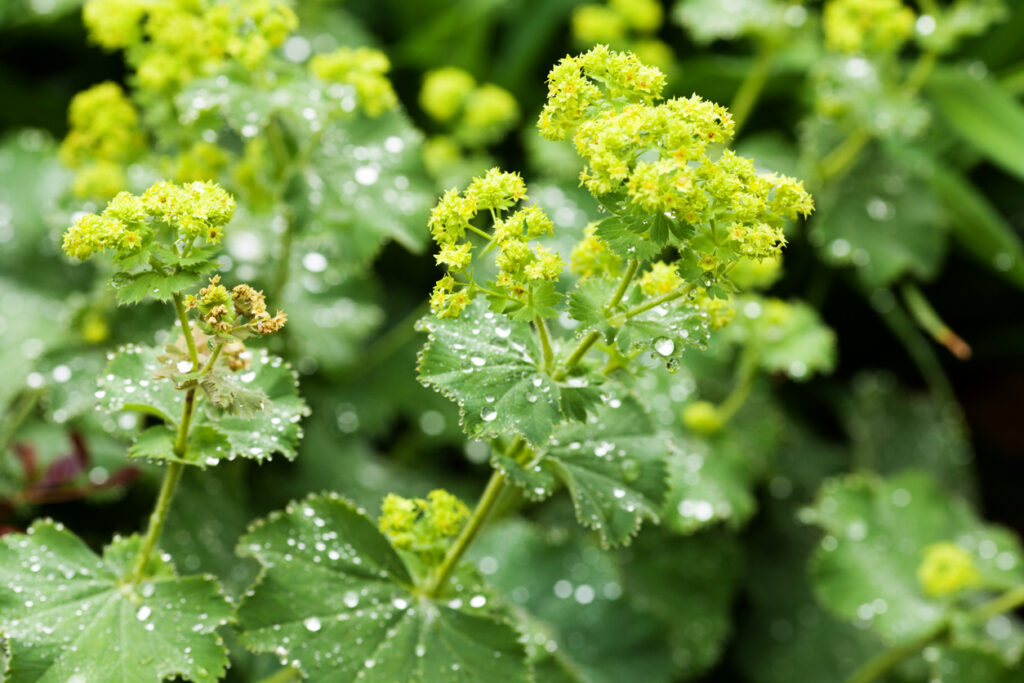
Perennials come back year after year without needing to be replanted, which means less digging, less seed-buying, and less waste overall. Think herbs like rosemary, thyme, and mint, or low-maintenance crops like rhubarb and asparagus. They’re the low-effort MVPs of a sustainable garden. You plant once, give them a bit of care, and they keep on giving without needing to be replaced every spring.
10. Share cuttings and seedlings with neighbours.
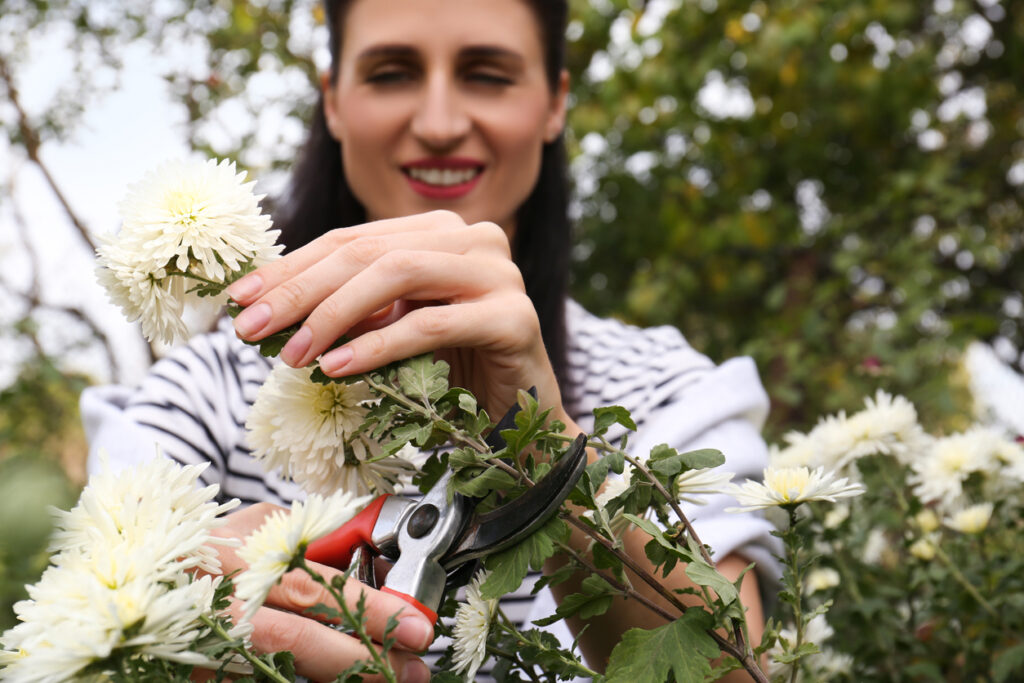
Instead of buying new plants or chucking your extras, swap with friends, neighbours, or local gardening groups. You’ll save money, cut waste, and get new plants that are already thriving in your local climate. Some areas even have seed libraries or plant-share stations where you can take and leave what you’ve got spare. It’s gardening meets community-building, and it keeps more plants out of bins.
11. Reuse everything you can (and get creative).
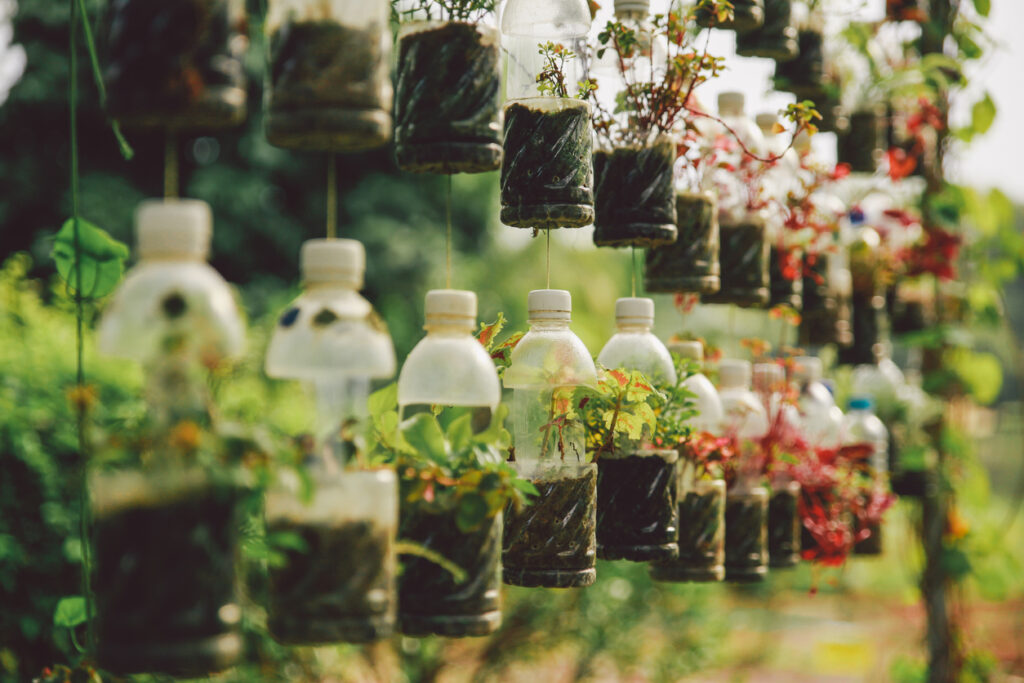
Plastic trays, yogurt tubs, broken mugs, chipped teapots, old colanders—if it can hold soil, it can become a plant pot. Instead of binning things, give them a second life as garden containers or decor. It adds character to your garden and keeps random junk out of landfill. Plus, there’s something oddly satisfying about watching your herbs grow out of an old kettle that used to leak anyway.
12. Let parts of your garden go a little wild.
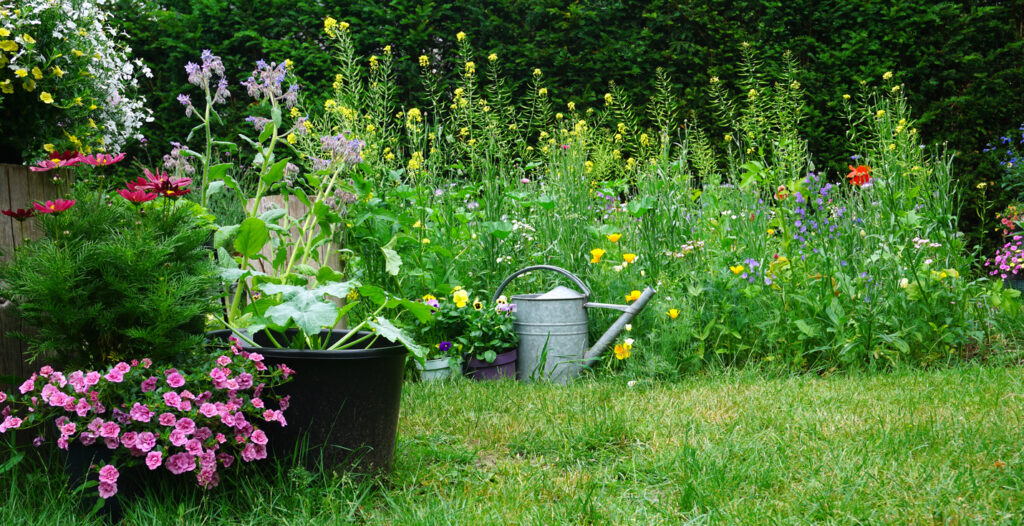
A sustainable garden isn’t about perfection. Leaving a corner a bit scruffy with long grass, wildflowers, or logs can give pollinators, frogs, and hedgehogs a safe place to live. Incidentally, the less tidying you do, the more nature shows up. It’s the ultimate zero-waste move, doing less. You’ll boost biodiversity, attract natural pest control, and create a garden that looks (and feels) more alive. Sometimes, the mess is the magic.