Guinea pigs might look like chill little fluffballs, but under all that squeaking and snack-begging is a smart, social animal that really doesn’t want to be bored.
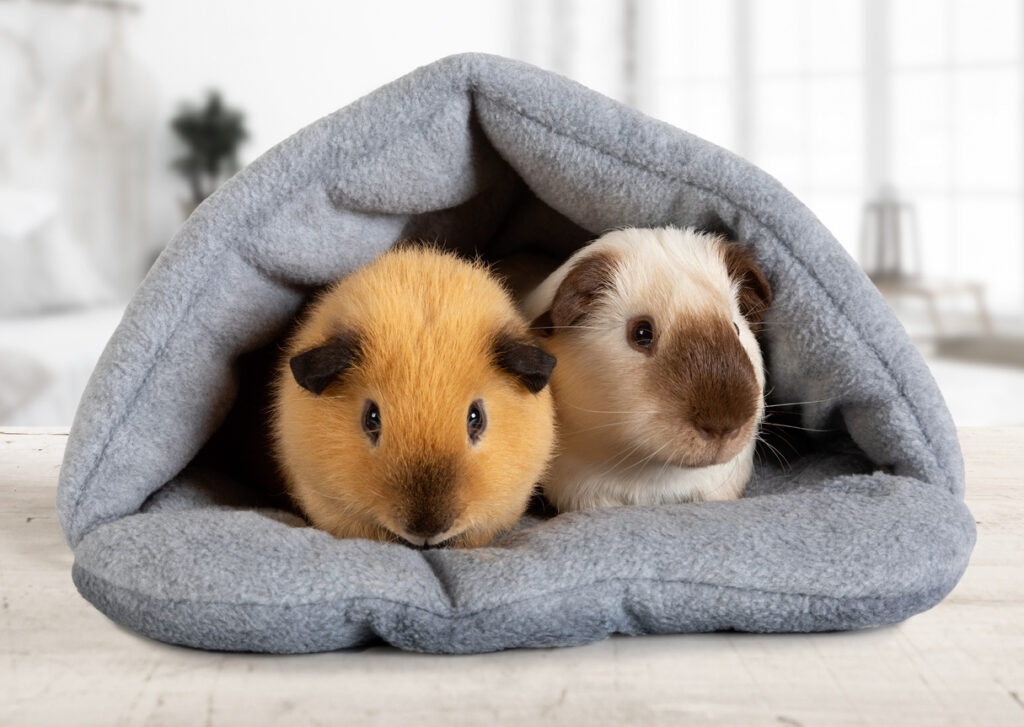
When they’re stuck in the same cage day in and day out with nothing new to explore, they can get restless, withdrawn, or even depressed. These tips will help your guinea pig live their best life, not just survive it, by keeping their mind stimulated, their body moving, and their environment way more exciting than a food bowl and a single plastic igloo.
1. Give them more space than you think they need.
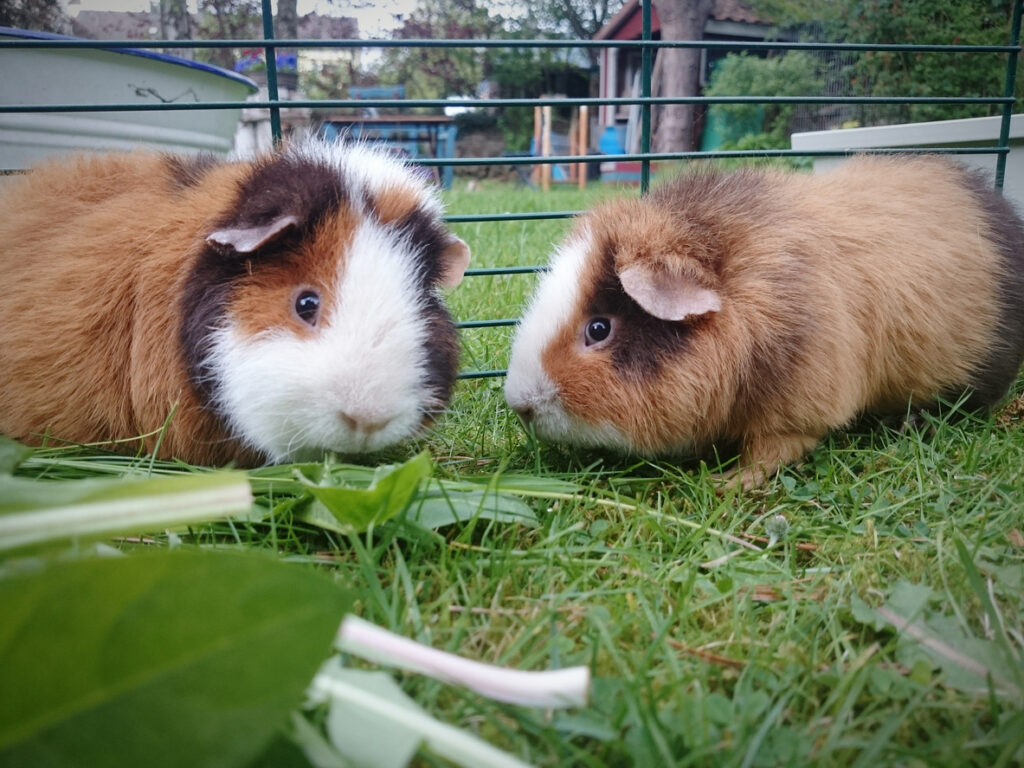
Those tiny cages sold at pet shops? Often way too small. Guinea pigs need room to run, zoom, stretch, and explore, ideally a minimum of 7.5 square feet for a pair. Bigger is always better. A cramped setup is basically the guinea pig version of living in a studio flat with no windows.
Upgrade to a large C&C cage, a pen-style setup, or a DIY enclosure with multiple hidey-holes and open areas. Even a spacious floor-time setup outside their cage (daily!) can do wonders for their energy and mood.
2. Don’t keep them alone because they’re social creatures.
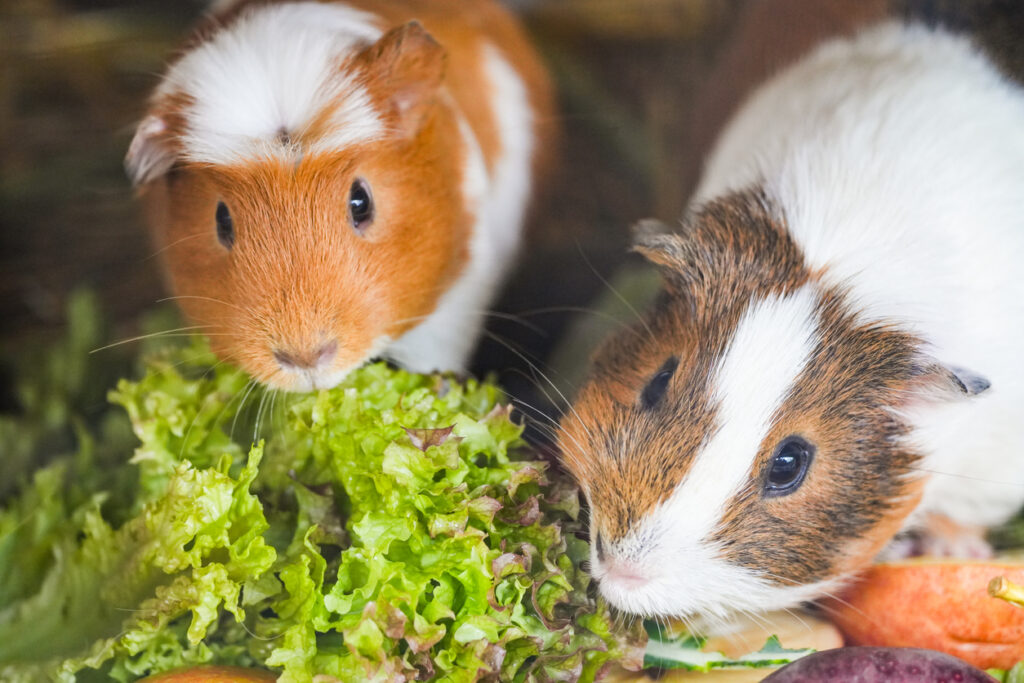
Guinea pigs are herd animals. They’re wired to live with their own kind. Keeping just one can lead to loneliness and confusion, no matter how much attention you give. A single pig often ends up sad, silent, and less active. Ideally, they should live in bonded pairs or small groups (same sex or neutered, of course). Watching them interact, groom each other, and have little chats is not only adorable, it’s necessary for their emotional health.
3. Rotate their toys and tunnels often.
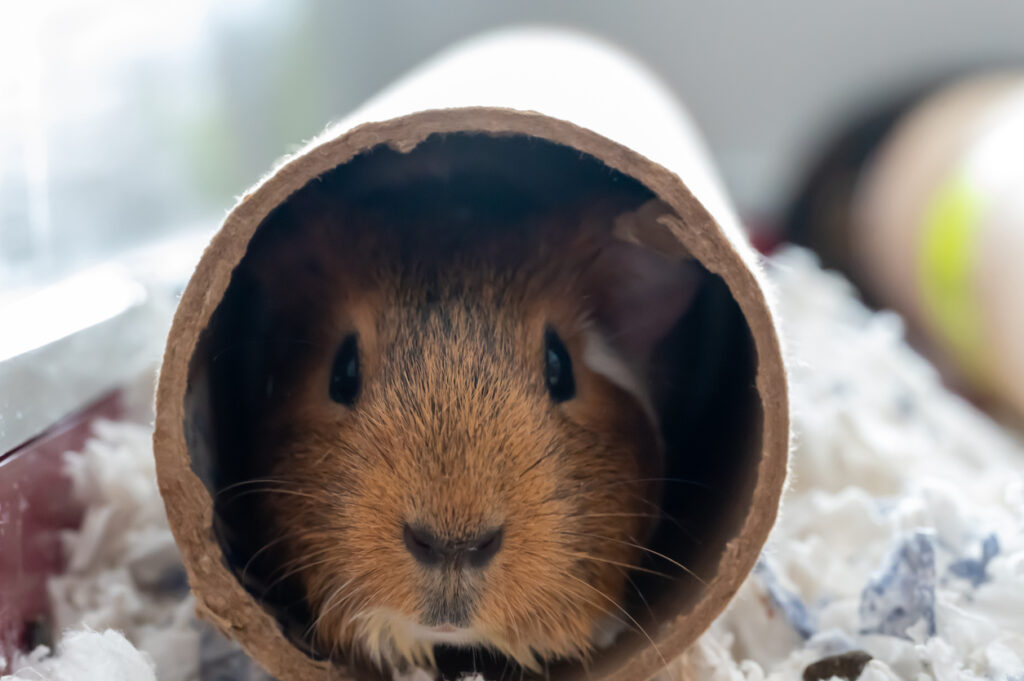
Even if your guinea pig loves that cardboard tube or hanging chew toy, it’ll get old fast if it’s the only option. Like anyone, they crave novelty. Rotate toys in and out every few days to keep things fresh and interesting. This can be as simple as moving a tunnel to a new corner, switching out chew blocks, or introducing a new crinkle tunnel. No need to buy fancy things constantly—just keep it varied, and they’ll stay curious and engaged.
4. Offer plenty of hiding spots, not just one.
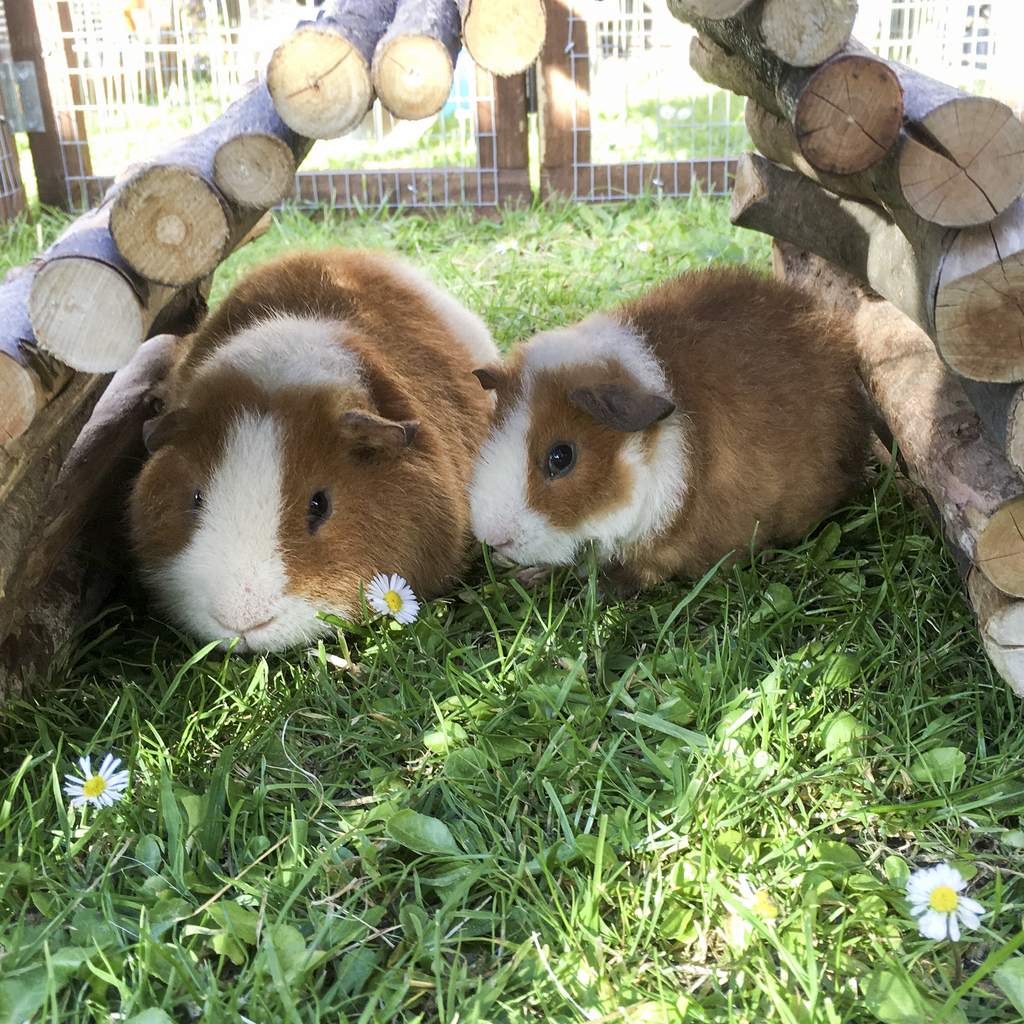
One hidey house isn’t enough. Guinea pigs like having options when they want privacy, or when they’re playing chase with their cage mate. Think tunnels, boxes, fleece draped over corners, or little wooden huts with more than one entrance. More hiding places means more mental stimulation and less stress. It gives them control over their environment, which is a big deal for prey animals. Bonus: watching them pop in and out of random spots never gets old.
5. Add safe things to chew (because they need to).
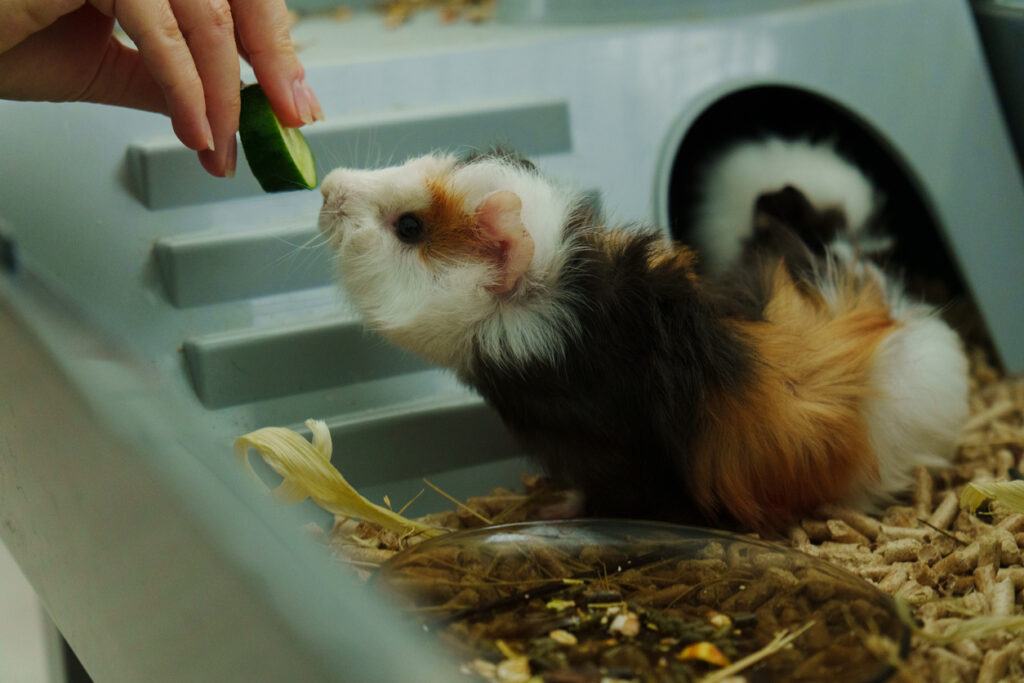
Their teeth never stop growing, which means guinea pigs need to gnaw constantly. Boredom chewing is one thing, but if they don’t have enough appropriate options, they’ll go after cage bars, or nothing at all, which can cause health problems. Offer chew-safe items like hay cubes, willow sticks, apple wood, or cardboard. Rotate them out like toys to keep things from going stale. Chewing isn’t just physical maintenance; it’s also enrichment.
6. Use multiple textures in their setup.
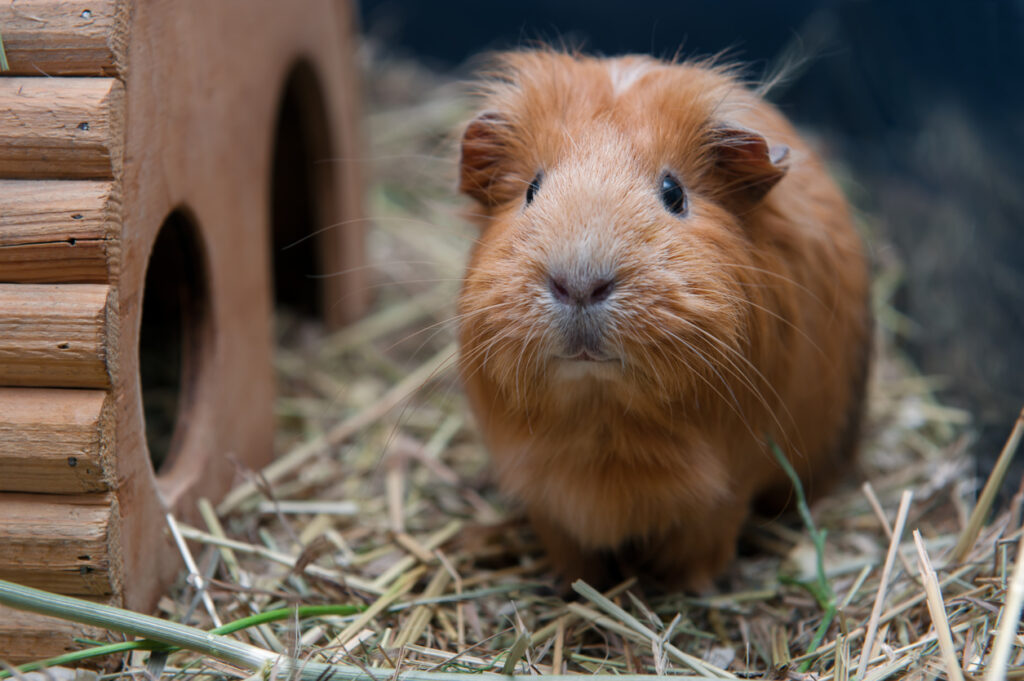
One type of flooring or bedding throughout the cage? Boring. Mix things up with fleece, seagrass mats, woven tunnels, soft hay piles, and even flat rocks (to help naturally wear down nails). The more textures, the better the sensory experience.
This keeps their feet healthy, gives them more things to explore, and encourages natural behaviours like digging, burrowing, or sprawling in their favourite comfy spot. It’s like changing the flooring in each room of their little piggy mansion.
7. Make snack time more of a game.
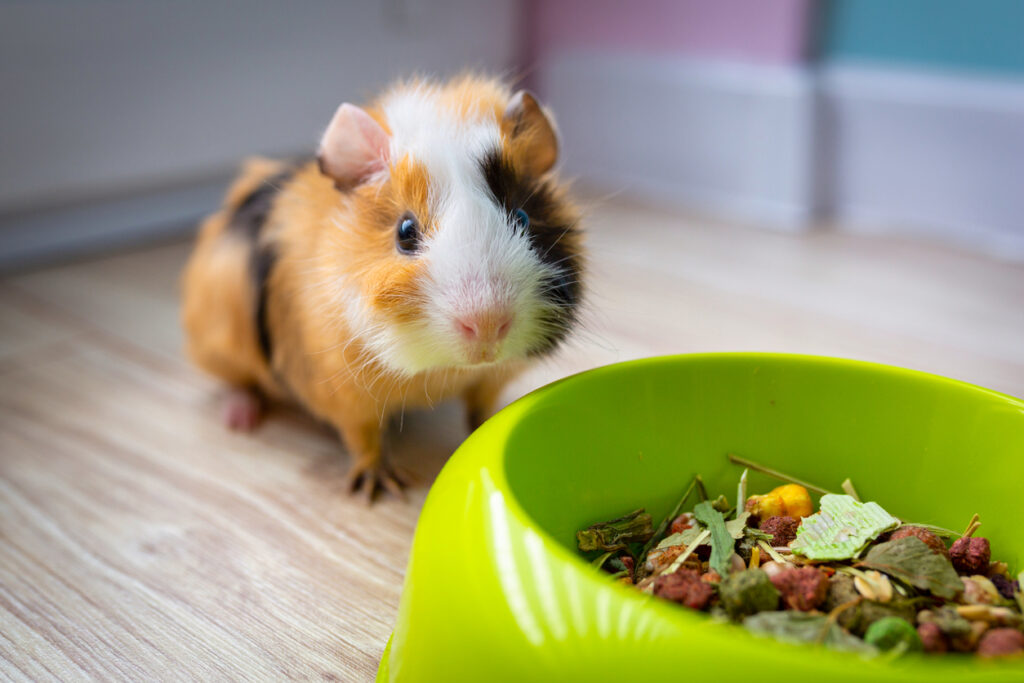
Instead of just dropping pellets or veggies in a bowl, hide food in hay piles, stuff it into toilet roll tubes, or hang leafy greens from the cage bars at different heights. Foraging mimics how they’d eat in the wild, and keeps them mentally engaged.
Scatter feeding (spreading small amounts of food around the cage) encourages movement and investigation. It turns mealtime into an activity, not just a moment. Plus, watching them hunt for a bit of romaine is surprisingly entertaining.
8. Offer supervised floor time every day.
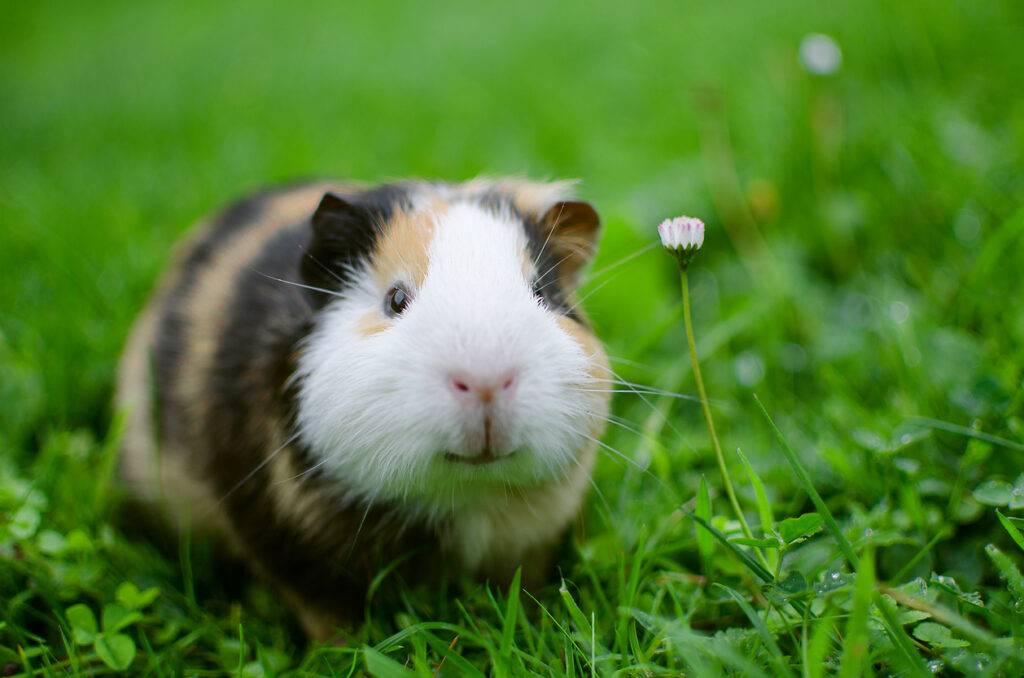
Even the biggest cage can’t replace the freedom of floor time. Letting your guinea pig roam safely around a larger space (with barriers, of course) is vital for physical exercise and mental exploration. It breaks the routine and gets their little legs moving.
Lay down blankets, cardboard boxes, safe chewables, or obstacle courses made from stuff around your house. Floor time should be fun, not just a quick “stretch your legs” chore. Make it an adventure, not an errand.
9. Get them used to gentle handling (with treats!).
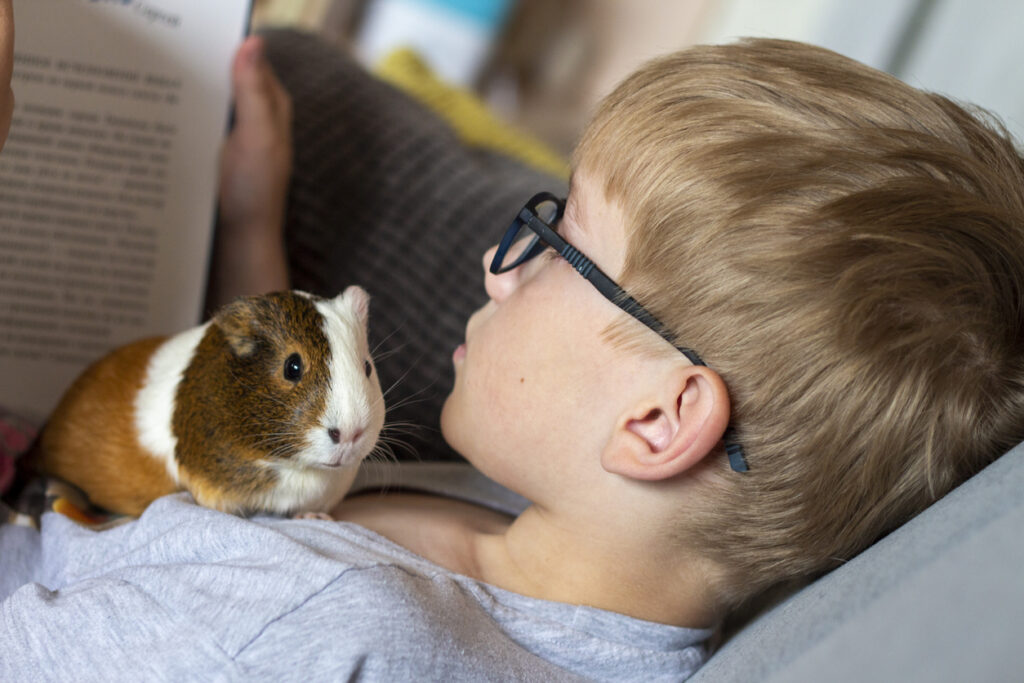
Guinea pigs aren’t always naturally cuddly, but with time and positive reinforcement, they can become very tame. Use treats to associate your hands with good things, and give them the choice to come to you. Don’t grab, invite. When pigs feel safe in your presence, their confidence grows. You’ll start seeing more personality, more interaction, and even the occasional excited popcorn hop. Yes, that’s really what it’s called.
10. Learn their different sounds, and respond.
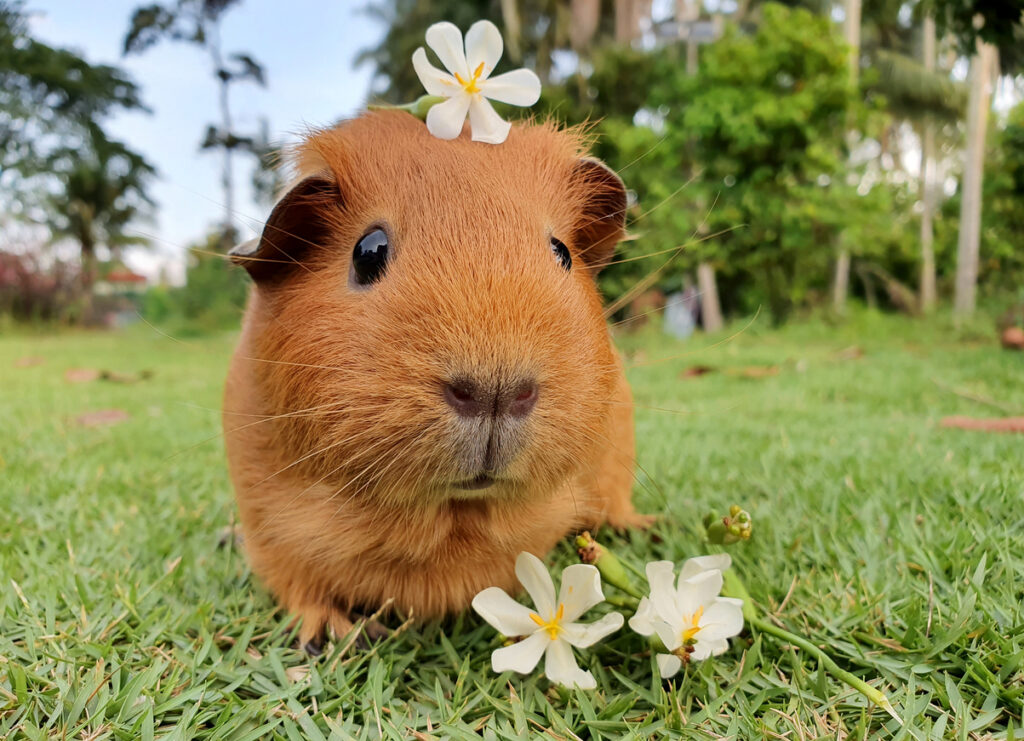
That little “wheek wheek” isn’t just cute. Guinea pigs have a whole language of squeaks, rumbles, and purrs. Pay attention to what they’re trying to say and how they behave when they say it, as it helps you tune in to their needs. If they wheek at you every time you open the fridge, you’re officially being trained. If they’re rumble-strutting, they might be showing dominance or feeling flirty. The more you understand them, the more confident and connected they’ll be.
11. Keep their surroundings clean, but not clinical.
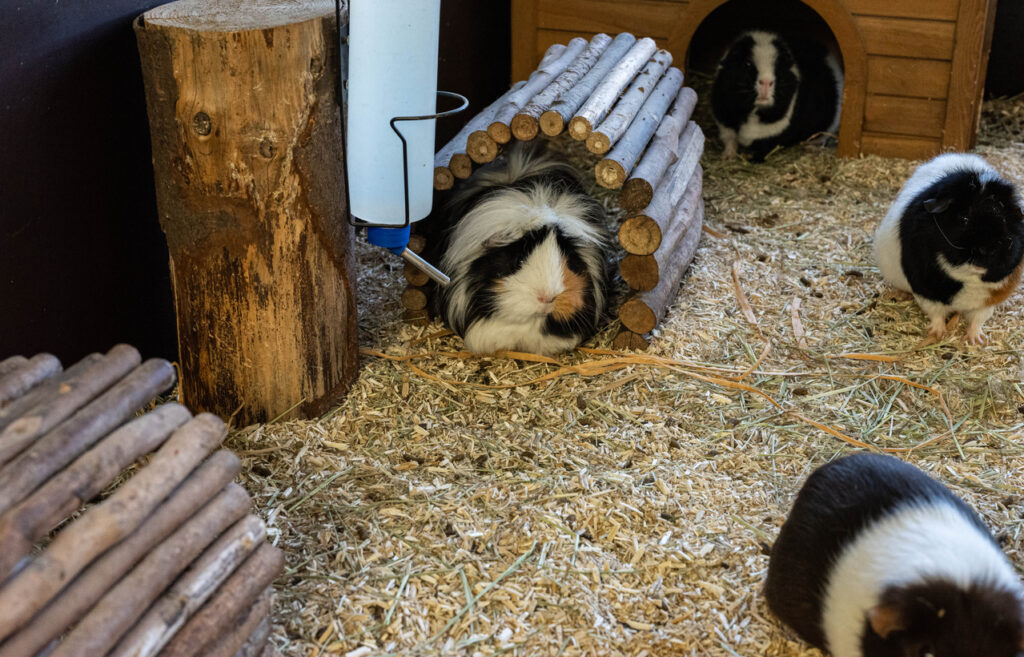
No one thrives in a filthy space, but guinea pigs also don’t want their scent wiped out daily. Spot-cleaning poop and wet areas daily is great, but don’t go overboard scrubbing everything with strong-smelling cleaners. Keep their bedding fresh, but leave their familiar smells and routines intact. They’re comforted by the scent of their own space (and their cage mates). Too much disruption = grumpy pig. Clean, but don’t make it feel like a hotel turnover.
12. Introduce new sounds, smells, and sights slowly.
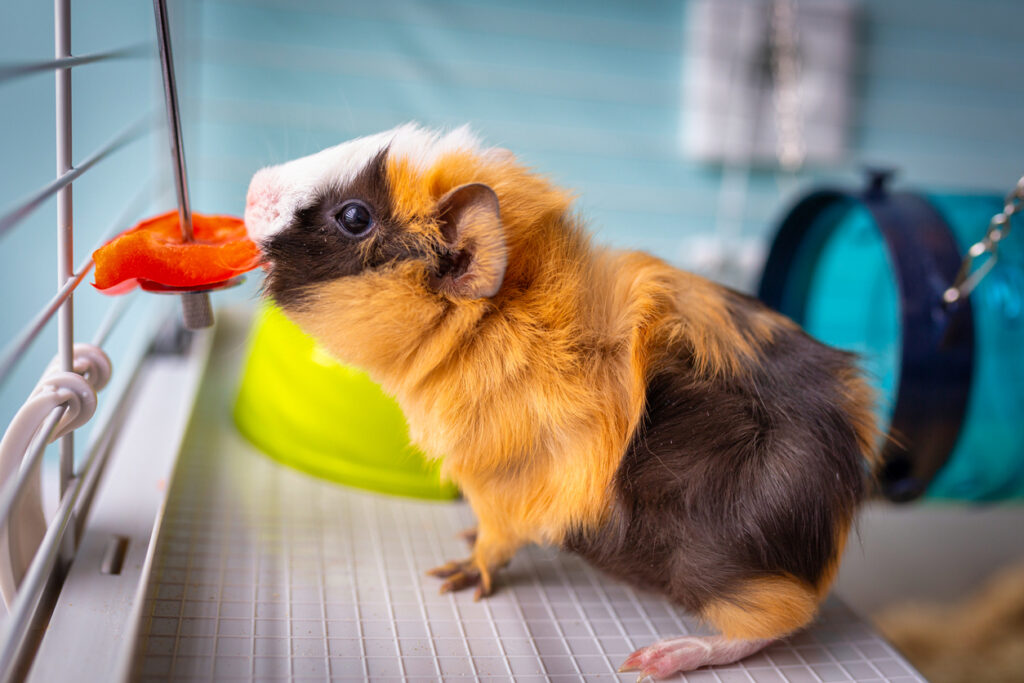
Guinea pigs get bored with same-old everything, but they also spook easily. Slowly introduce them to new noises (TV, music, nature sounds), gentle new smells (hay varieties or herbs), or new visuals like toys, tunnels, or even safe outdoor views. The key is gradual change. Curiosity thrives on variety, but safety is still king. Let them explore new things at their own pace, and you’ll get more confident, alert, and curious piggies in return.
13. Keep the vibe calm and friendly.
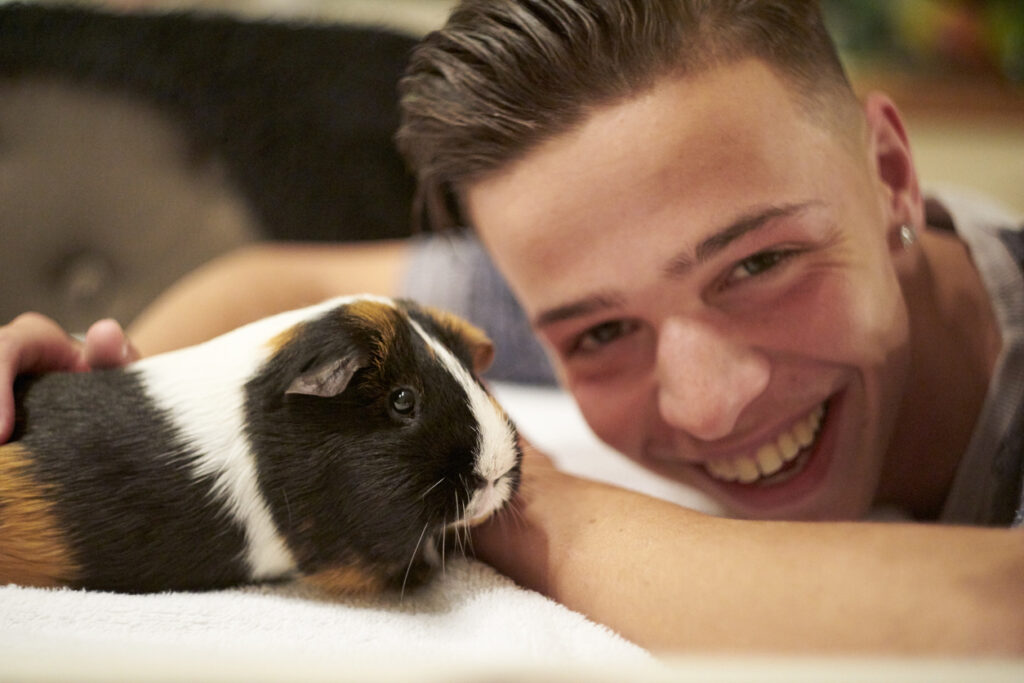
Loud noises, sudden movements, or overstimulation can make guinea pigs anxious. If their environment feels safe, predictable, and gentle, they’ll be more active, social, and playful. Yes, even the shy ones.
So talk to them calmly. Give them little routines. Let them recognise your voice and your footsteps. Guinea pigs do better when they trust the world around them. And when they’re thriving, you’ll definitely know it, usually from the joyful chaos of popcorning at 2 a.m.