Modern sharks might rule the oceans today, but they’re honestly the toned-down sequel compared to the monsters that came before them.

Prehistoric seas were home to creatures that were faster, bulkier, weirder, and in some cases, so extreme they make the great white look like a minnow with an attitude. From giant jawed fish to razor-toothed reptiles, here are 13 ancient marine predators that easily outclass anything swimming today.
1. Megalodon
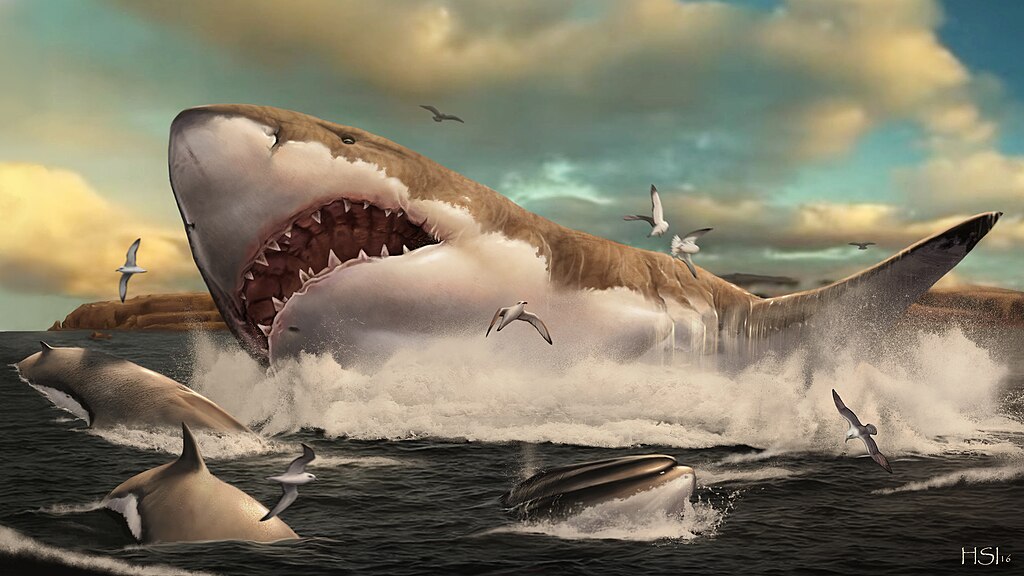
This one’s the obvious heavyweight. Megalodon wasn’t just a big shark. It was a bus-sized monster, estimated to reach up to 60 feet in length. With teeth the size of your hand and a bite force that could crush a car, it hunted whales and probably ruled entire regions of the ocean.
Despite being extinct for around 3.6 million years, Megalodon’s legend lives on partly because no modern shark comes close. Even the biggest great whites are just a fraction of its size, and wouldn’t have stood a chance in a head-to-head encounter.
2. Dunkleosteus

Dunkleosteus looked like something out of a metal album cover: armoured plates for a face, a jaw that snapped shut with incredible force, and no actual teeth, just bony blades sharp enough to slice through bone. It could reach 30 feet long and had one of the strongest bites in prehistoric seas. It lived over 350 million years ago, long before the first dinosaurs appeared. Its sheer bite power and head armour made it nearly untouchable in its time. Think of it as a swimming tank that could decapitate prey in a single lunge.
3. Liopleurodon
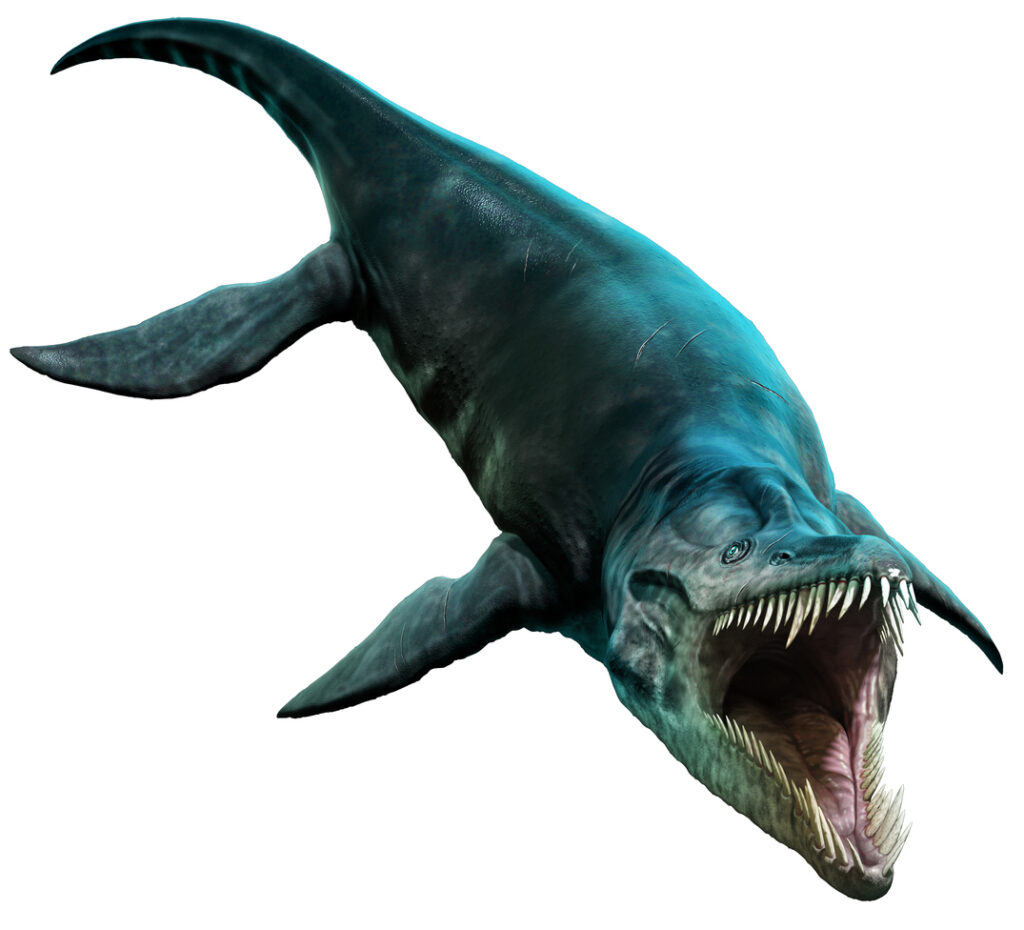
This massive pliosaur was a short-necked cousin of the plesiosaurs, but way more intimidating. Estimates put it around 20 to 30 feet long, though some early claims pushed it to exaggerated lengths. Even at its more conservative size, it had a huge head and powerful flippers for torpedo-style lunges. It wasn’t just big; it was built for ambush. Liopleurodon likely used its sense of smell and strong jaws to hunt prey in deeper waters. If you saw one coming, it was probably already too late.
4. Mosasaurus
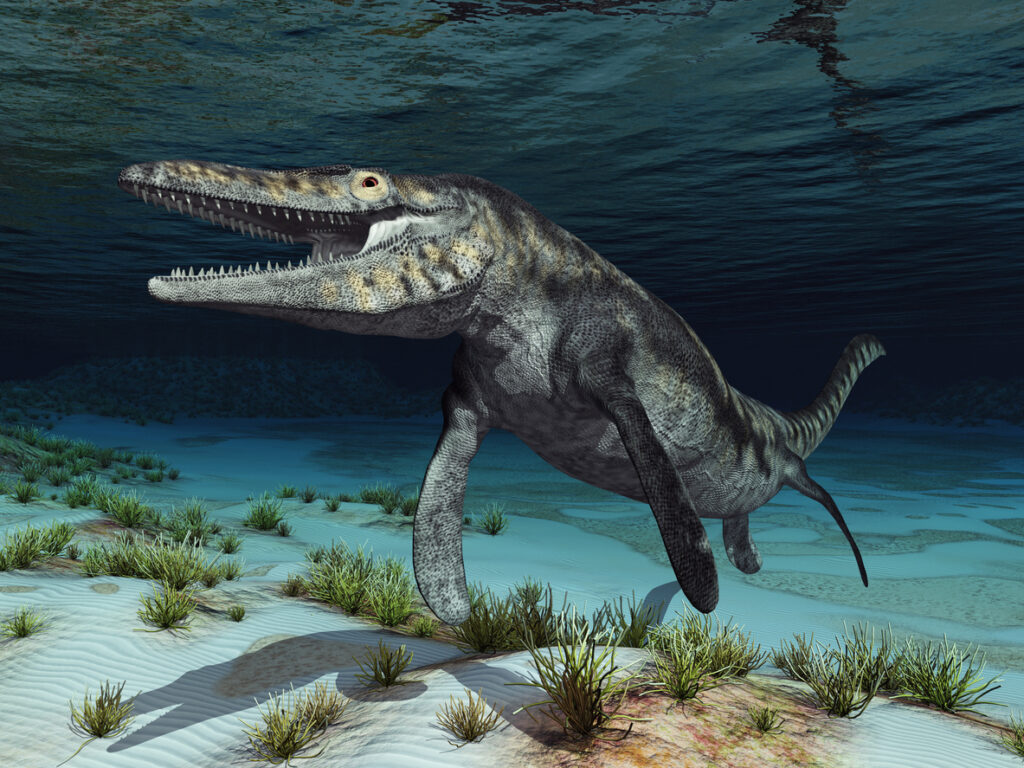
Mosasaurus was basically the ocean’s answer to a T. rex. It had a long, muscular body, double-hinged jaws full of sharp teeth, and could grow over 50 feet long. These reptiles weren’t fish. They were marine lizards, and they dominated the Late Cretaceous seas.
They hunted turtles, fish, sharks, and even other mosasaurs. Their long tails and paddle-like limbs made them strong swimmers, and their size alone meant very few creatures would dare challenge them. If Megalodon had been around at the same time, it would’ve had serious competition.
5. Helicoprion
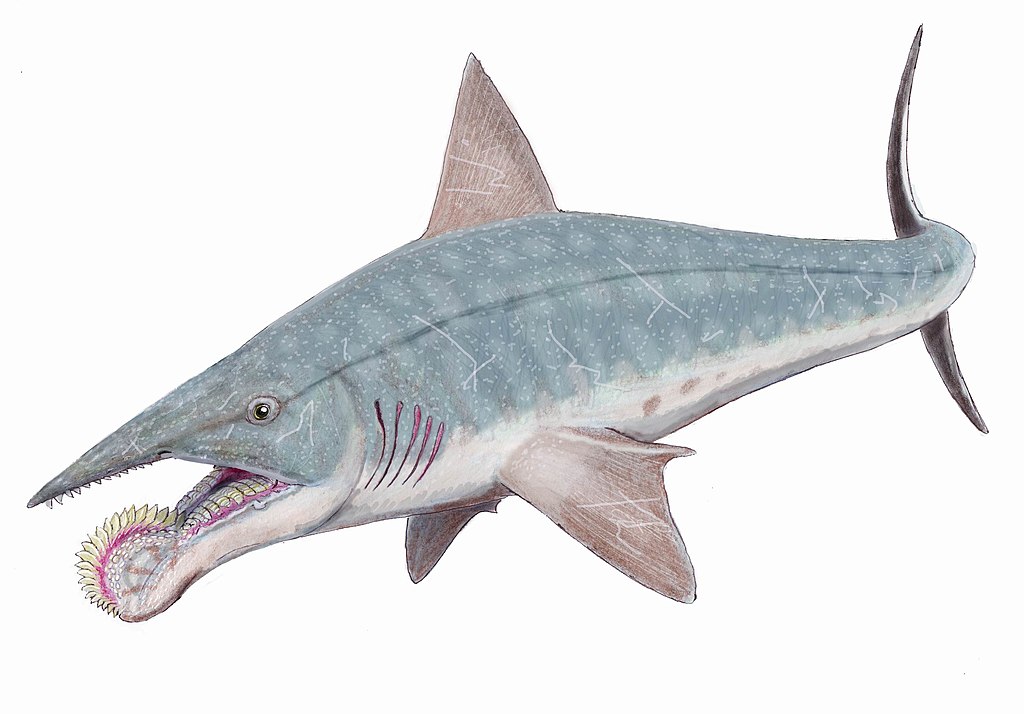
This bizarre shark-like fish is best known for its spiralled tooth whorl, basically a buzzsaw of teeth tucked into its lower jaw. For years, scientists debated how it actually worked, but the current thinking is that it used that whorl to slice into soft-bodied prey like squid.
It wasn’t enormous (most estimates put it at around 13 to 25 feet long), but the strange structure of its jaw made it a standout predator. Even today, no living creature has anything quite like it, and that alone is enough to earn it a spot on this list.
6. Pliosaurus funkei (a.k.a. Predator X)

Nicknamed “Predator X” before it got a formal name, this pliosaur was one of the top marine predators of the Jurassic period. With a skull longer than a man is tall and teeth designed for crushing prey, it likely fed on large marine reptiles and anything unlucky enough to swim nearby.
It had the muscle and bulk of a killer whale, but with a crocodile’s head and no hesitation. This thing wasn’t just terrifying in size. It was aggressive and designed to dominate its ecosystem. If you’re swimming in the Jurassic, you’re better off on land.
7. Basilosaurus

Despite the name, Basilosaurus wasn’t a reptile; it was an early whale. However, it didn’t filter feed or sing underwater songs. It was over 50 feet long, had sharp conical teeth, and actively hunted other marine mammals. It was, in short, a whale with a predator’s mindset.
It had a long, snakelike body and likely swam more like an eel than a modern whale. That flexibility made it fast and agile, giving it a serious edge in the chase. Prey that mistook it for a gentle sea giant didn’t get a second chance.
8. Thalattoarchon

This ichthyosaur was one of the earliest marine reptiles to develop true apex predator traits. It lived around 244 million years ago and had massive teeth capable of grabbing prey close to its own size, and that’s something rare for predators that early in Earth’s history.
It looked vaguely like a dolphin crossed with a barracuda, but there was nothing friendly about it. Its appearance marks a point where marine reptiles started getting properly scary, paving the way for beasts like Mosasaurus and Liopleurodon.
9. Anomalocaris
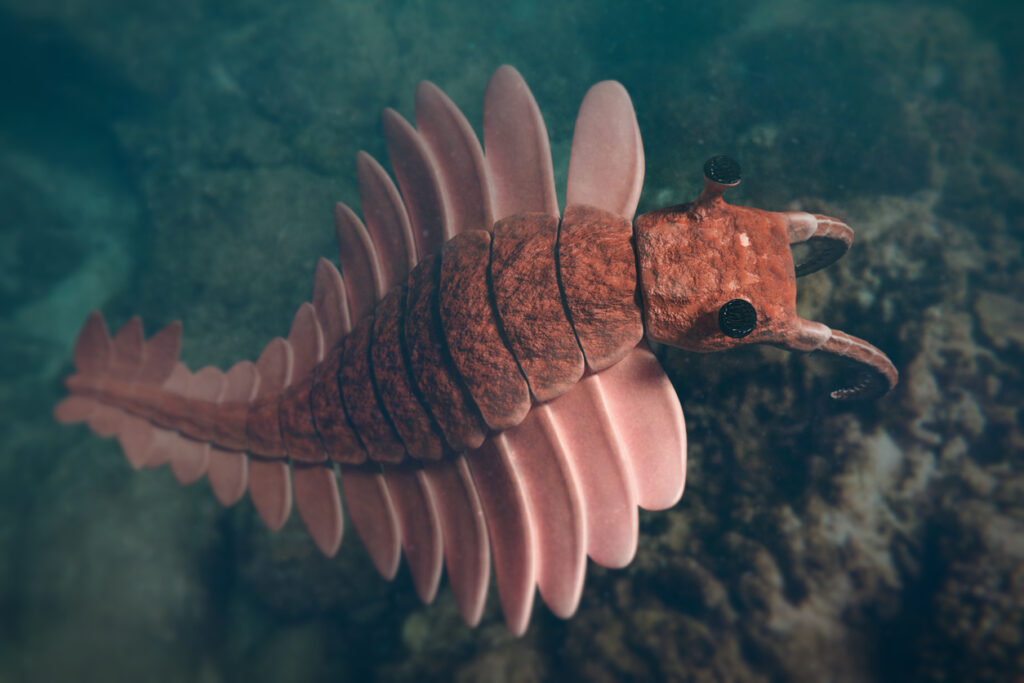
Jumping way back to the Cambrian period, Anomalocaris was one of the earliest known apex predators in Earth’s oceans. It looked bizarre, like a shrimp mixed with a squid, and used its spiny arms to grab prey and shove it into a circular, crushing mouth.
It wasn’t huge (about 2 to 3 feet long), but at the time, that made it a giant. It ruled a world before bones and shells were common, meaning it could gobble up just about anything that wriggled past. It’s proof that the ocean has always been a little unhinged.
10. Jaekelopterus
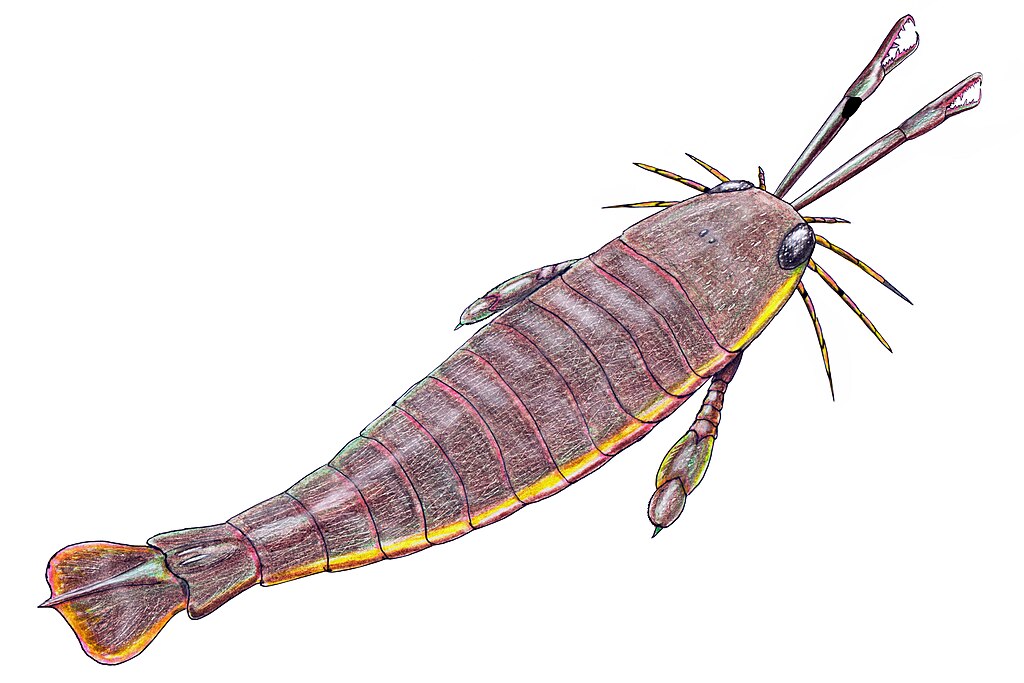
This wasn’t a fish or a reptile. It was a sea scorpion, and one of the largest arthropods to ever exist. It could grow over 8 feet long and had massive pincers to grab and subdue prey. Its long tail likely helped with both swimming and attack manoeuvres. It lived in freshwater as well as coastal seas, and would’ve been a nightmare to come across while wading in the shallows. Modern scorpions are creepy enough, but super-sized, aquatic ones? That’s a hard no.
11. Xiphactinus

This prehistoric fish looked like a tarpon with an attitude problem. It grew up to 20 feet long and had a mouth full of sharp teeth. Fossil evidence even shows it swallowing other fish almost its own size, sometimes so quickly that it died with the meal still inside it.
Xiphactinus didn’t need weird features or giant size to be terrifying. Its speed, aggression, and “swallow first, digest later” approach made it a serious threat in the Late Cretaceous seas. If it fit in its mouth, it was probably going in.
12. Shastasaurus

Despite being one of the largest marine reptiles ever discovered, measuring up to 70 feet, Shastasaurus wasn’t a violent hunter. It likely fed on small fish and squid, using suction like a modern-day whale. So what’s it doing on this list?
Simple: it shows that size alone doesn’t make something terrifying. The idea of a 70-foot creature moving silently through the ocean, unnoticed until it’s right next to you, taps into something deep and instinctive. Sometimes the scariest things aren’t the ones with teeth.
13. Kronosaurus
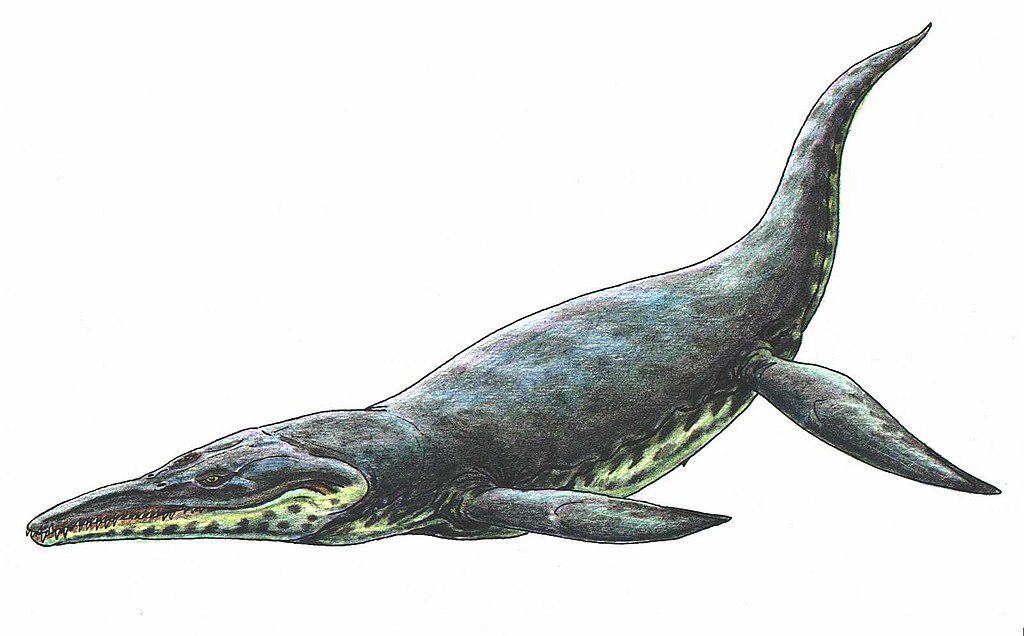
This pliosaur had an enormous skull and short, powerful jaws packed with teeth. It was roughly 30 feet long and likely fed on turtles, fish, and smaller marine reptiles. It didn’t just eat; it overpowered and crushed. Its heavy build and muscular flippers made it more of a bruiser than a sleek chaser. It wasn’t elegant, but it didn’t need to be. It just had to get close enough to clamp down, and that was game over for whatever it was hunting.