Frogs might not get the same hype as pandas or polar bears, but don’t underestimate them.
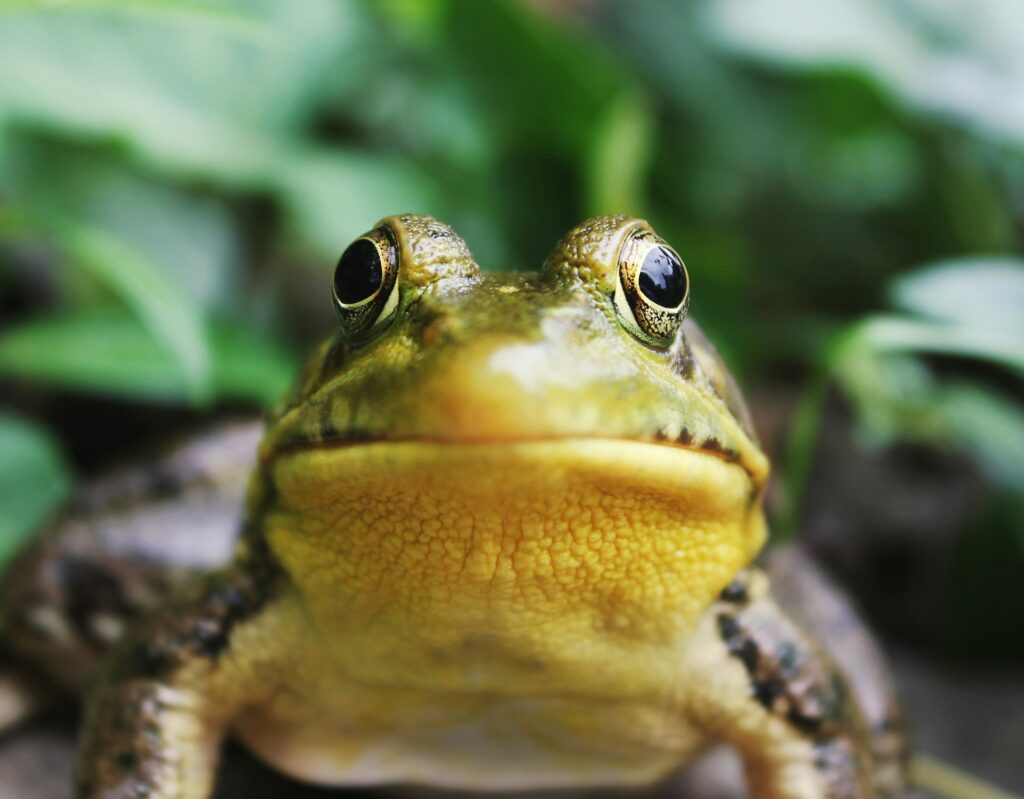
These bouncy, bug-eyed little creatures are more important than they get credit for, and they’re in serious trouble. With habitat loss, pollution, disease, and climate change stacking up against them, frogs are disappearing faster than most people realise. However, before you write them off as just background noise in a pond, here’s why saving frogs actually matters way more than you might have initially thought.
1. Frogs are nature’s pest control squad.

Frogs love insects, and not just the cute ones. They munch on mosquitoes, flies, and other bugs that bite, buzz, and generally make life annoying. A single frog can eat hundreds of insects in one night, which makes them the unofficial heroes of summer evenings.
If frogs vanish, those pest populations can explode. That doesn’t just mean itchier legs—it also increases the spread of diseases like malaria and dengue. So yeah, your friendly neighbourhood frog is actually doing you a favour every time it croaks.
2. They’re a sign your ecosystem isn’t falling apart (yet).
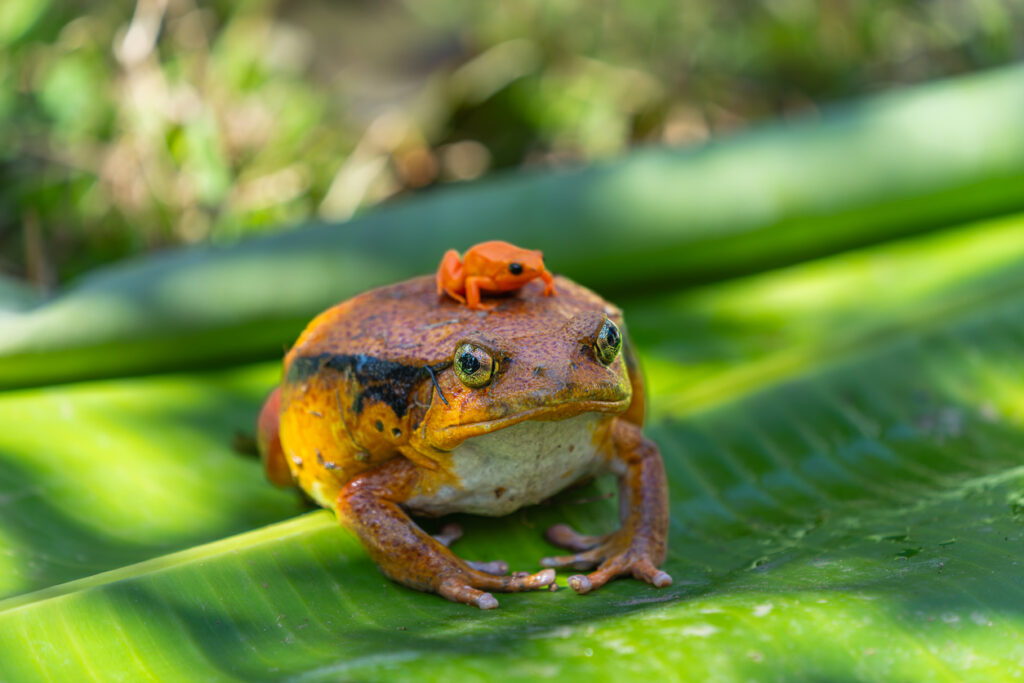
Frogs are what scientists call “bioindicators,” which basically means they’re one of the first species to react when an ecosystem goes sideways. If frogs start disappearing, it usually means something’s off: pollution, habitat loss, water contamination, you name it.
When frogs are doing well, it’s a good sign the environment is relatively healthy. When they aren’t? It’s like nature sending up a flare. Ignoring that sign means we miss the early warning signs that things are going wrong across the whole food chain.
3. They help control food webs from both ends.

Frogs don’t just eat bugs; they also become dinner for a whole bunch of other animals, including birds, snakes, and fish. That makes them a vital link in the food chain, smack in the middle between tiny creepy crawlies and bigger predators.
When frogs disappear, the ripple effect is real. Their predators lose a food source, and their prey goes unchecked. Suddenly, a delicate balance is thrown off, and the whole system can start wobbling. Think of frogs as the Jenga blocks of biodiversity; pull them out, and the tower’s at risk.
4. Tadpoles are mini water purifiers.
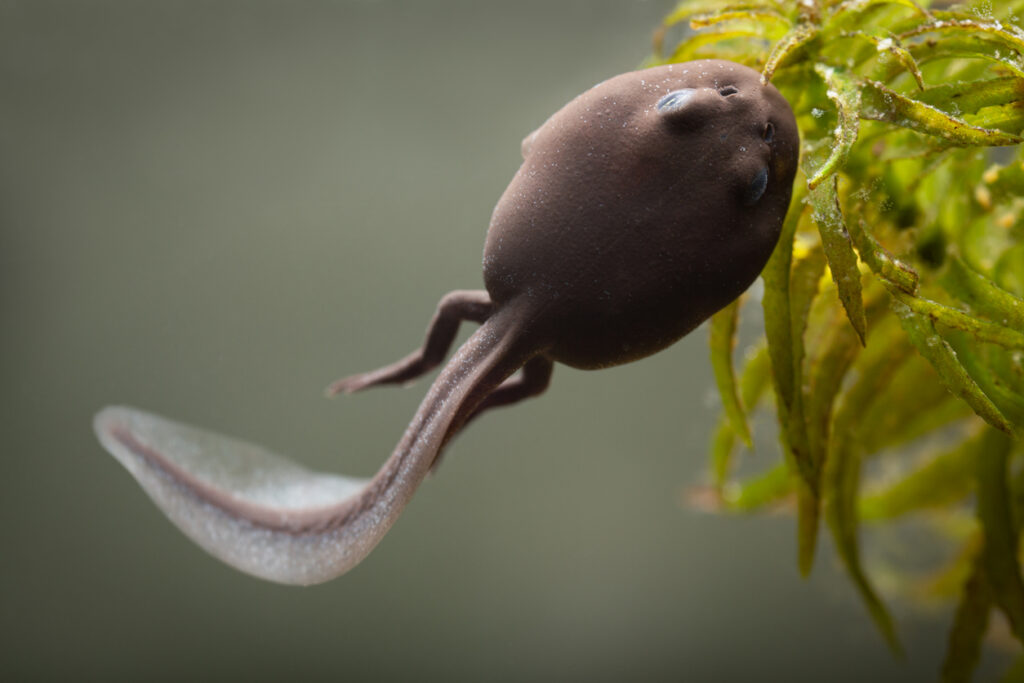
While adult frogs hang out on land and in water, tadpoles are full-time aquatic, and they’ve got a side hustle cleaning up freshwater systems. They eat algae and decaying plant matter, which helps keep ponds and streams from turning into gunky, slimy messes.
Without tadpoles, these ecosystems can quickly lose their balance. Algae blooms can take over, oxygen levels drop, and other aquatic life suffers. So even if they’re not cute yet, tadpoles are doing the dirty work that keeps freshwater habitats in check.
5. They’ve helped shape modern medicine.
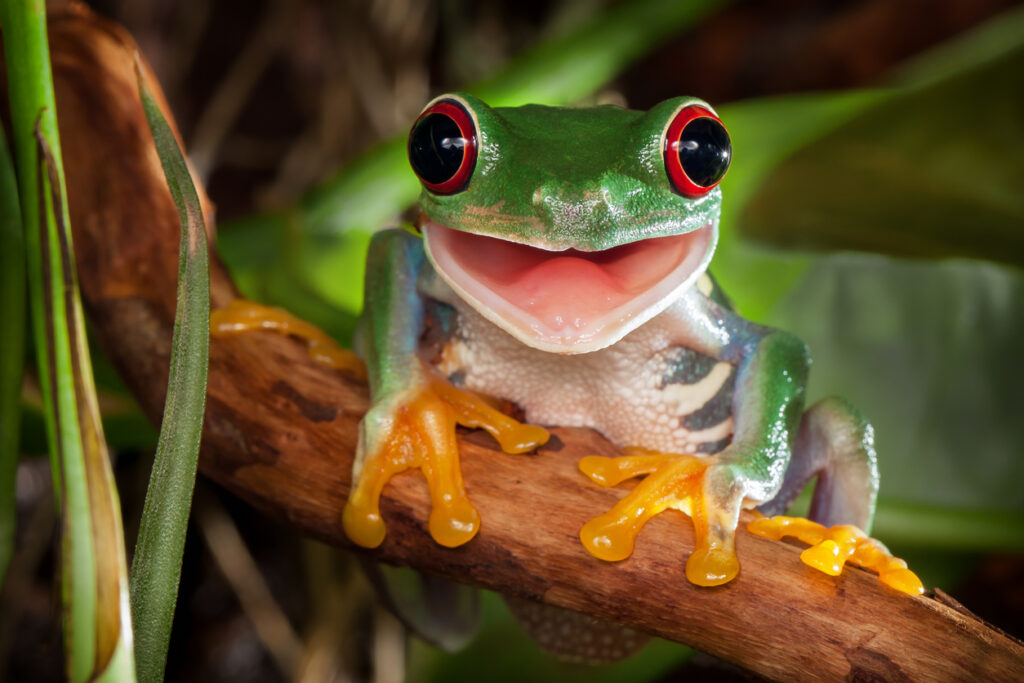
Frog skin might look weird and slimy, but it’s packed with chemical compounds that scientists are still learning from. Some species produce substances with antibacterial, antiviral, and even pain-relieving properties, and a few have even contributed to breakthroughs in medical treatments. If frogs disappear, so do those natural resources. We don’t even know the full potential of what’s out there yet. So yes, the next big medical discovery could genuinely be hiding on the back of a bright green tree frog.
6. They’ve been around since the dinosaurs.
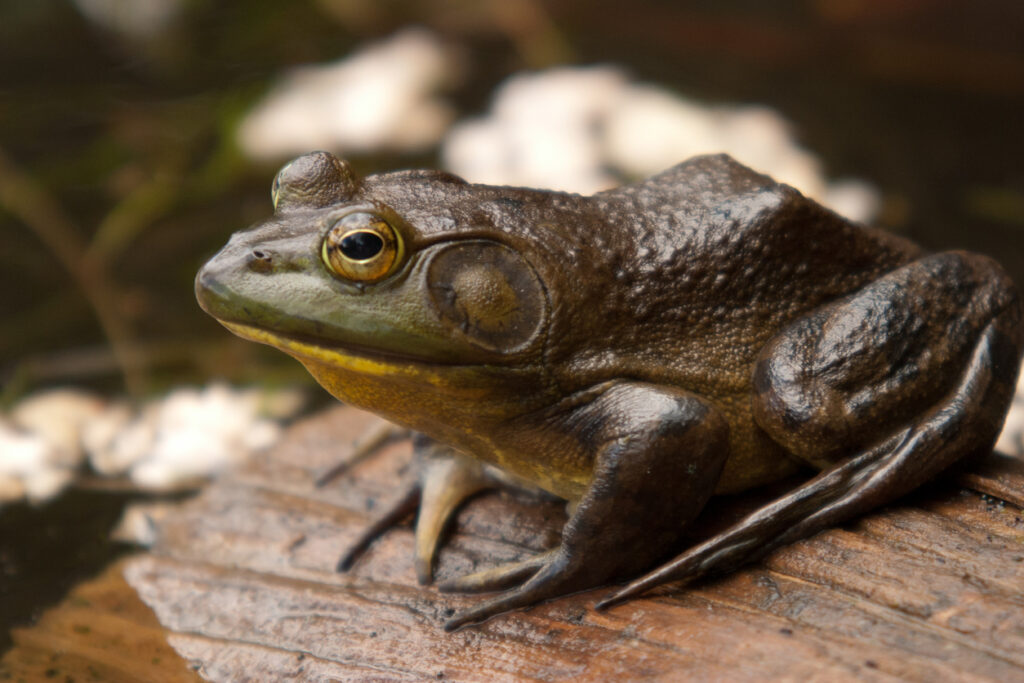
Frogs have existed for over 200 million years. They’ve outlived meteors, ice ages, and continental drift. These creatures are survivors… until now, that is, when human activity is pushing them to the brink faster than ever before.
Letting frogs go extinct isn’t just tragic, it’s embarrassing. We’re watching one of nature’s longest-running success stories get wiped out in real time. If they’ve made it this far, they deserve a little more respect (and protection) than they’re getting.
7. Frogs are weird in the best way.
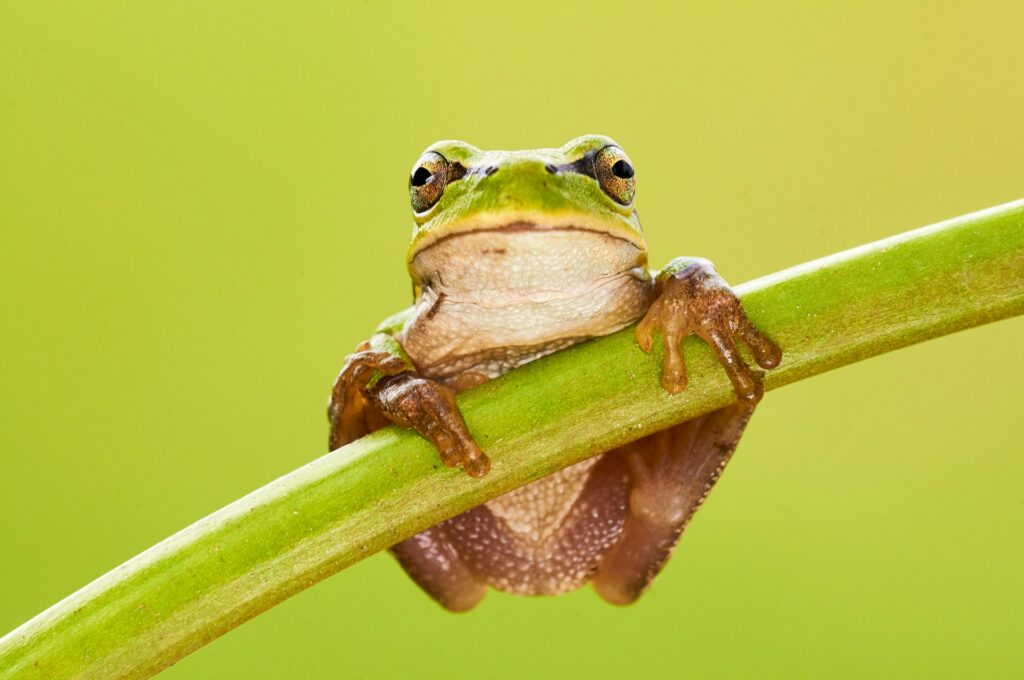
They breathe through their skin. They can freeze solid and thaw out like it’s no big deal. Some species change colour, while others carry their young in their stomachs or backs. Frogs are bizarre, fascinating, and full of evolutionary tricks that we barely understand. Losing them means losing some of the strangest biology nature has to offer. These aren’t just green blobs in the background; they’re living proof that evolution has a wild sense of humour, and it’s worth preserving that weirdness.
8. They’re global citizens.
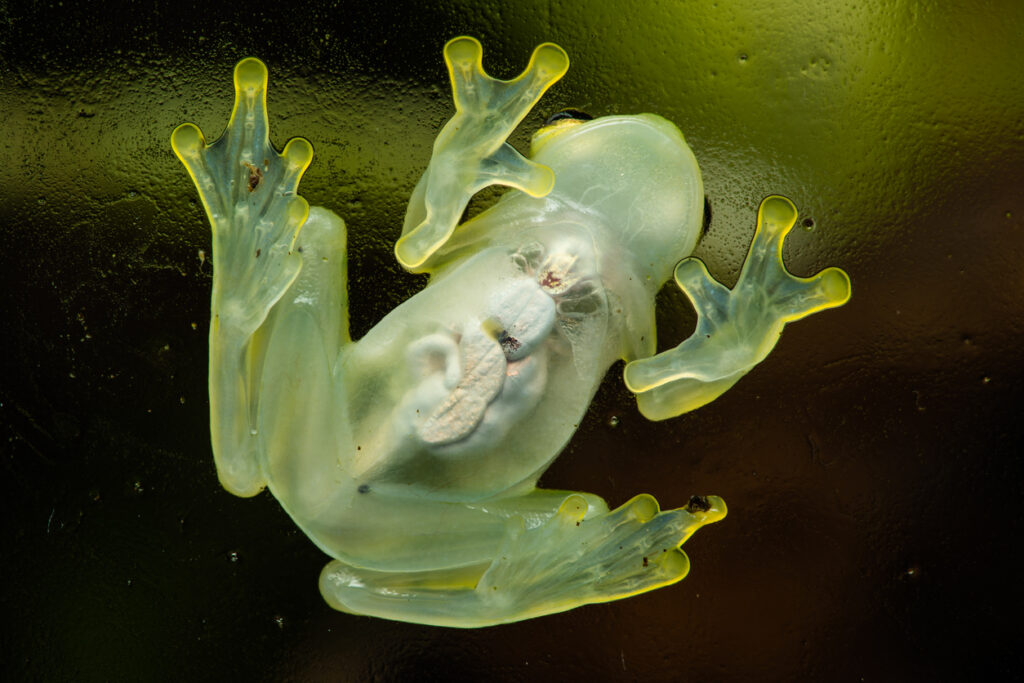
You’ll find frogs on every continent except Antarctica. From tree frogs in the Amazon to desert frogs in Australia, they’ve adapted to all kinds of environments. That makes them one of the most widespread and versatile animals on the planet. When frogs start disappearing from multiple parts of the world, it’s not just a local problem. It’s a sign that something bigger is happening, something global. Saving frogs means paying attention to environmental issues that cross borders.
9. They inspire everything from cartoons to fashion.
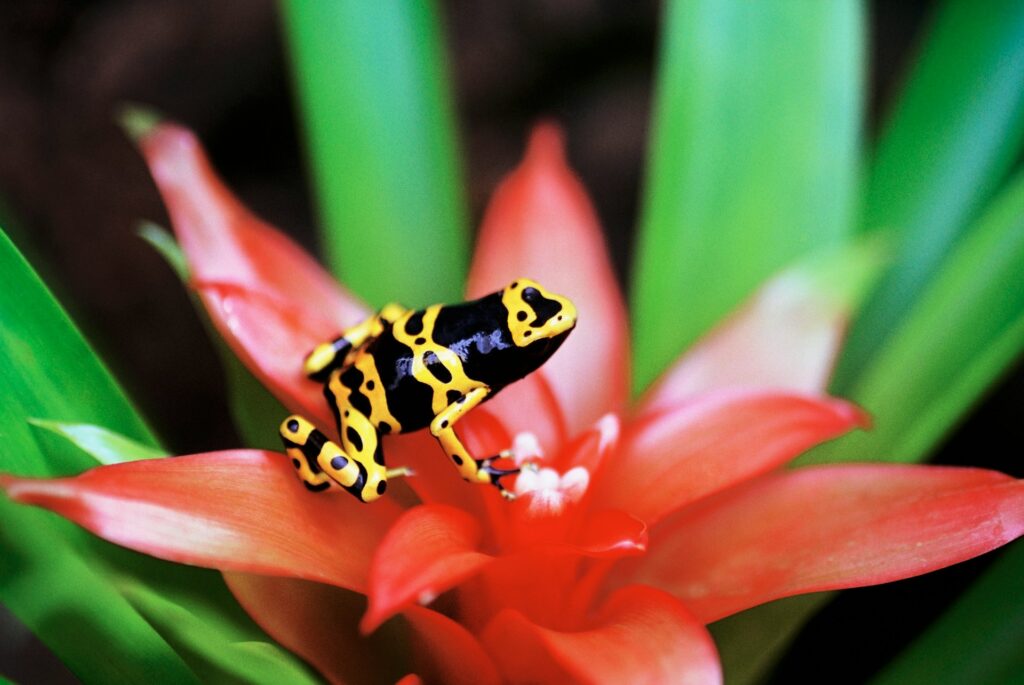
Frogs have charmed their way into pop culture like few other animals. Kermit, Pepe, frog emojis, viral TikTok audios—these little guys have range. People love them, even if they don’t realise how endangered they really are. This makes frogs the perfect ambassador for conservation. They’re memorable, loveable, and surprisingly relatable. If people connect with frogs, they’re more likely to care, and caring is the first step toward action.
10. They’re essential to Indigenous and local cultures.

In many parts of the world, frogs hold cultural and spiritual significance. They’re seen as symbols of renewal, luck, fertility, or rain, and sometimes all of the above. Losing frog populations can also mean losing pieces of these traditions and stories. Conservation isn’t just about species; it’s also about people, heritage, and connection to the natural world. Protecting frogs means protecting a deeper cultural relationship that’s existed for generations.
11. Kids love frogs, and that’s a gateway to caring about nature.
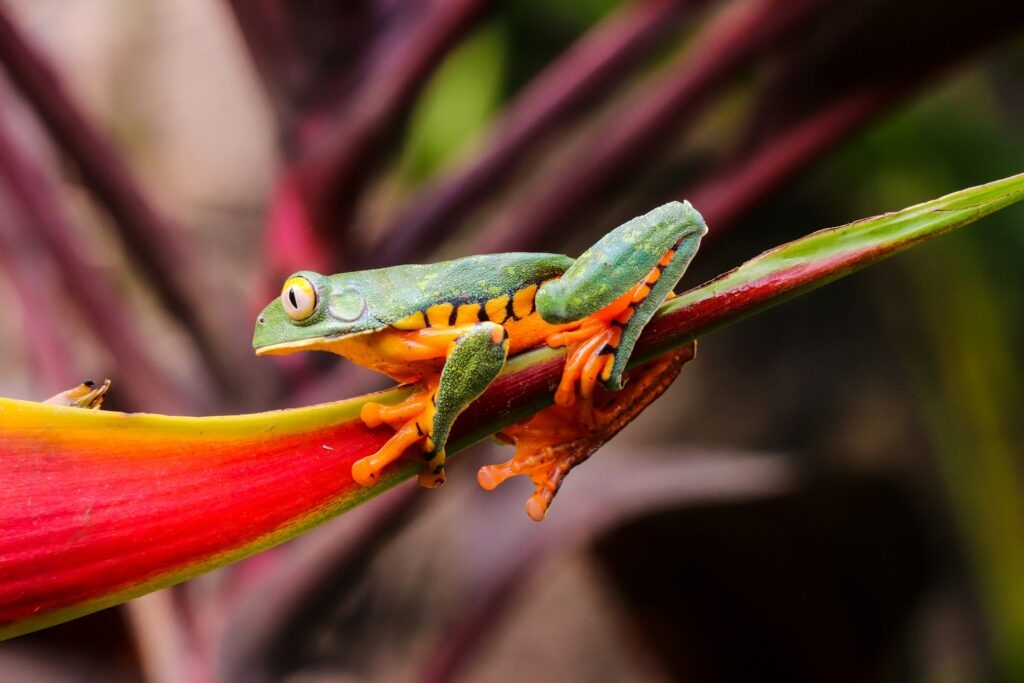
Frogs are one of the first wild animals many kids interact with. They’re small enough to hold (gently), weird enough to be fascinating, and accessible even in back gardens and parks. That early curiosity can spark a lifelong interest in the natural world. When frogs start disappearing, so does that magical moment of discovery. Fewer frogs mean fewer opportunities for kids to fall in love with wildlife in real life, and that’s something we should all be worried about.
12. If we save frogs, we save everything around them too.
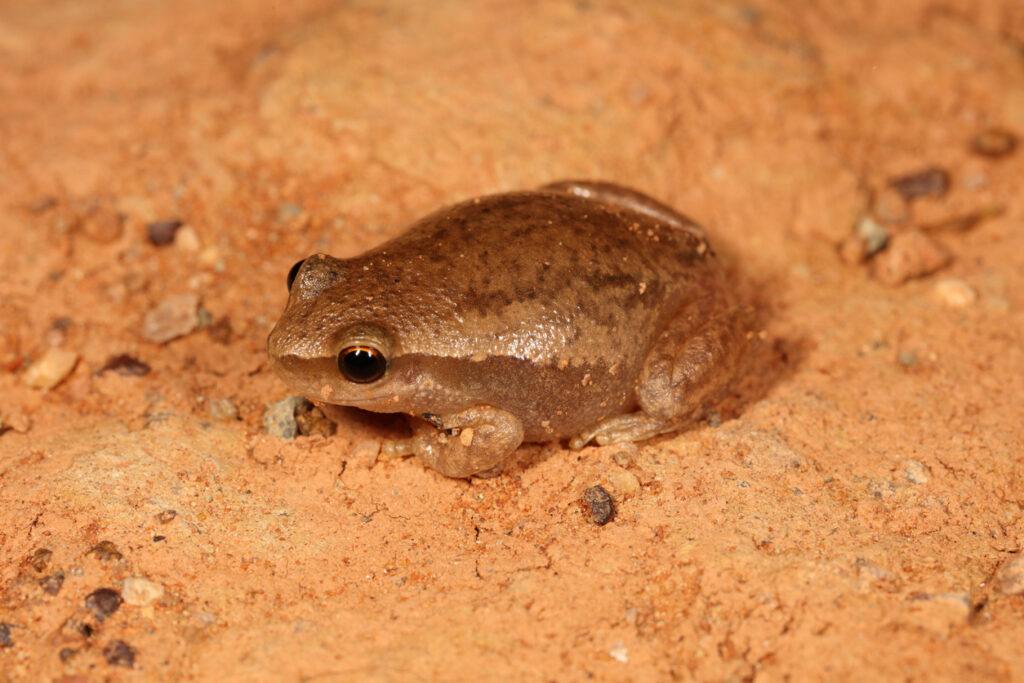
Frog conservation isn’t just about frogs. It’s about protecting wetlands, forests, rivers, and all the other species that rely on them. Because frogs are so sensitive to change, efforts to protect them usually end up improving entire ecosystems. In short, saving frogs is like hitting the “restore all” button on a habitat. It helps plants, animals, water quality, and biodiversity overall. So even if you’re not a frog fan yet, trust that they’re carrying a lot more than just their own weight.