They might look pretty in pots or come with a “low maintenance” label, but some plants at your local garden centre are secretly troublemakers.

Invasive species spread aggressively, outcompete native plants, and create chaos in gardens, parks, and beyond. The worst part? Many of them are still sold like they’re perfectly harmless. So before you grab that tempting leafy bargain, here are 14 plants you should absolutely think twice about bringing home.
1. Japanese knotweed
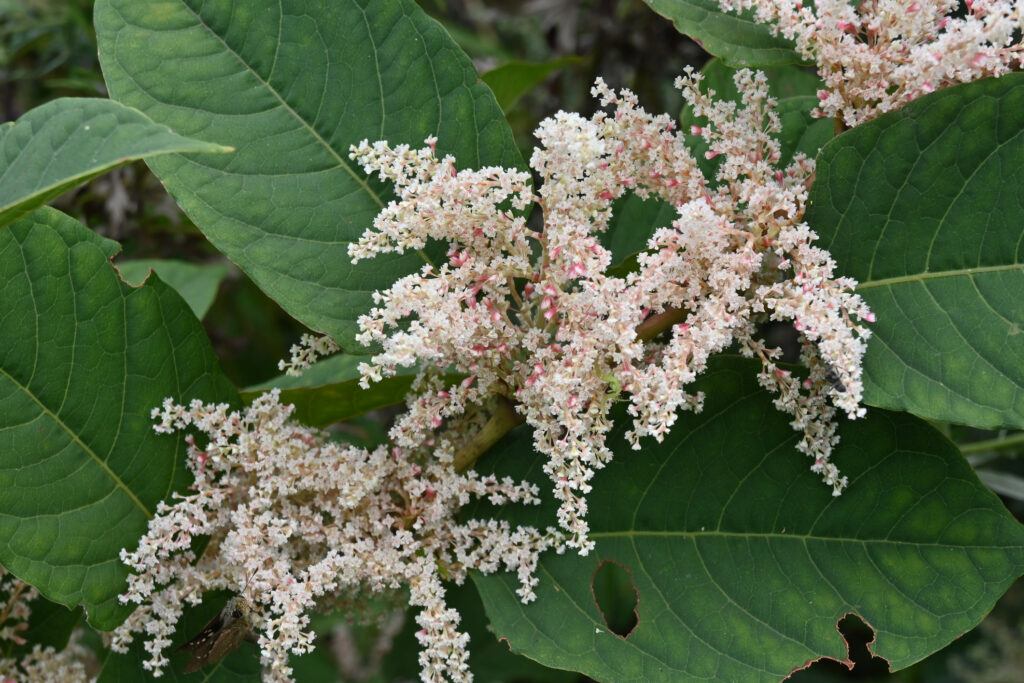
This one’s a legal headache disguised as greenery. Japanese knotweed is so aggressive that it can push through concrete, damage foundations, and even make your property harder to sell. It’s banned from being planted in many areas, but it still crops up where it shouldn’t.
If you see it for sale anywhere, run the other way. Garden centres shouldn’t be stocking it, but online sellers sometimes sneak it through under other names. Once it’s in the ground, it’s a nightmare to get rid of, and you’ll need professionals to even try.
2. Himalayan balsam
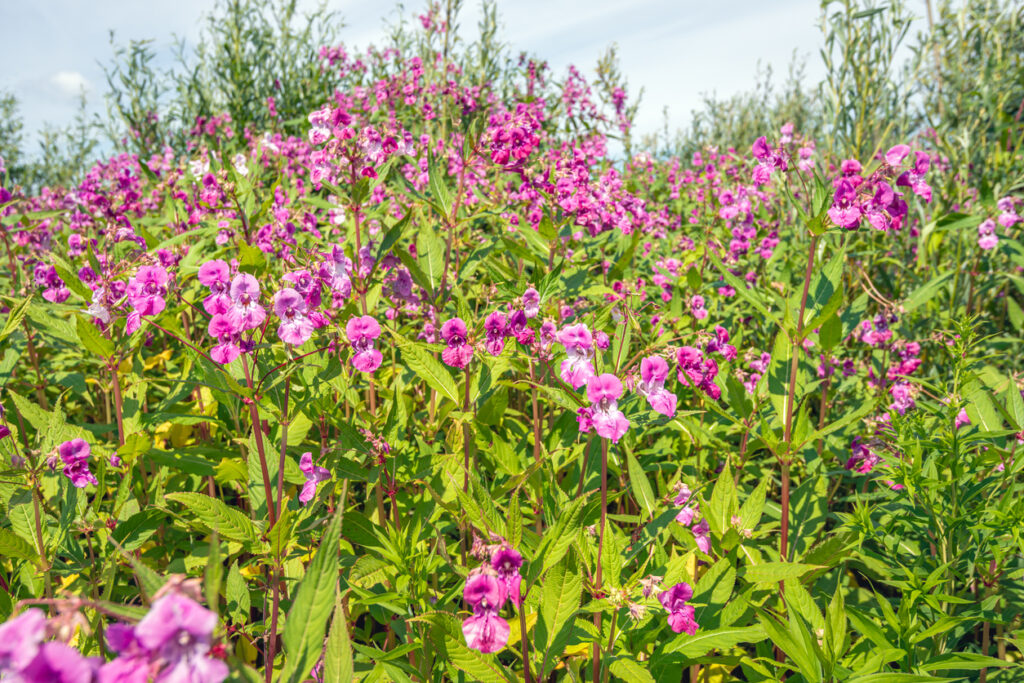
With its tall stems and pink flowers, Himalayan balsam looks harmless, almost lovely. Unfortunately, it spreads like wildfire, especially along riverbanks, where it outcompetes everything else and leads to serious erosion when it dies back in winter.
It’s technically illegal to plant in the wild in the UK, but you might still spot it in private gardens or community plots. It reseeds like mad, so once it’s in your garden, it won’t stay there. Your neighbours, and the local wildlife, won’t thank you for it.
3. Rhododendron ponticum
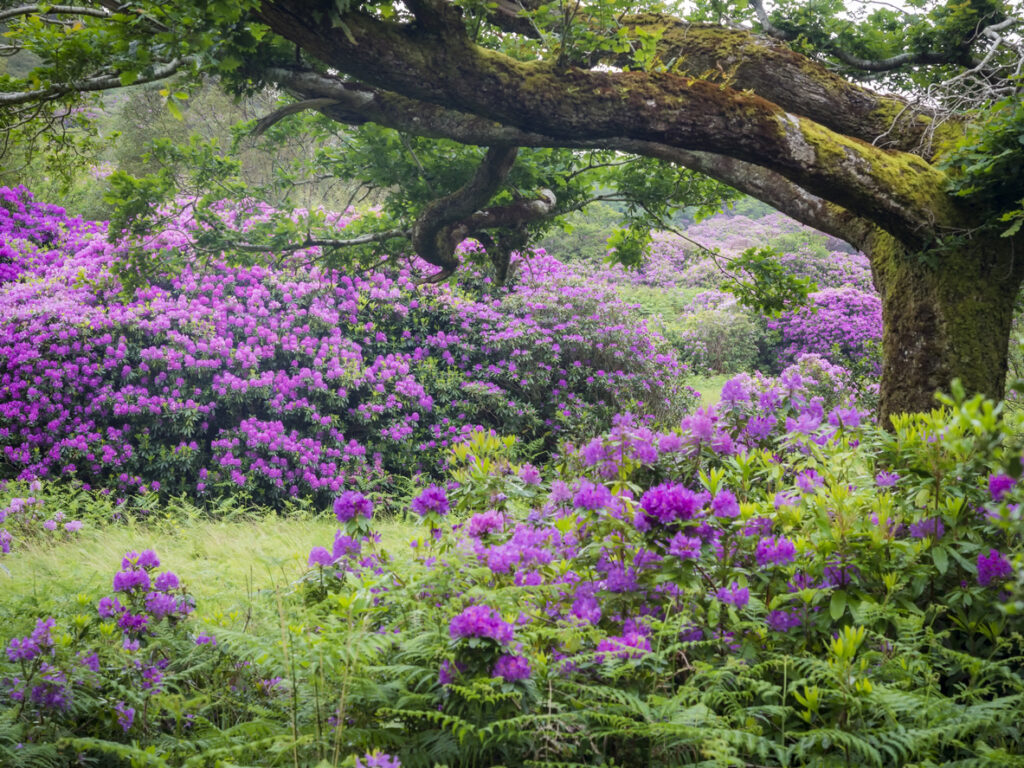
Not all rhododendrons are bad, but Rhododendron ponticum has a nasty habit of taking over. It forms dense thickets that block light, kill off native plants, and create dull, lifeless areas in woods and hillsides across the UK. It also produces toxic nectar and foliage, making it a poor choice for pollinators and grazing animals. Unless you’re 100% sure you’re getting a non-invasive hybrid, it’s better to skip this one altogether. It’s beauty with a destructive streak.
4. Cherry laurel
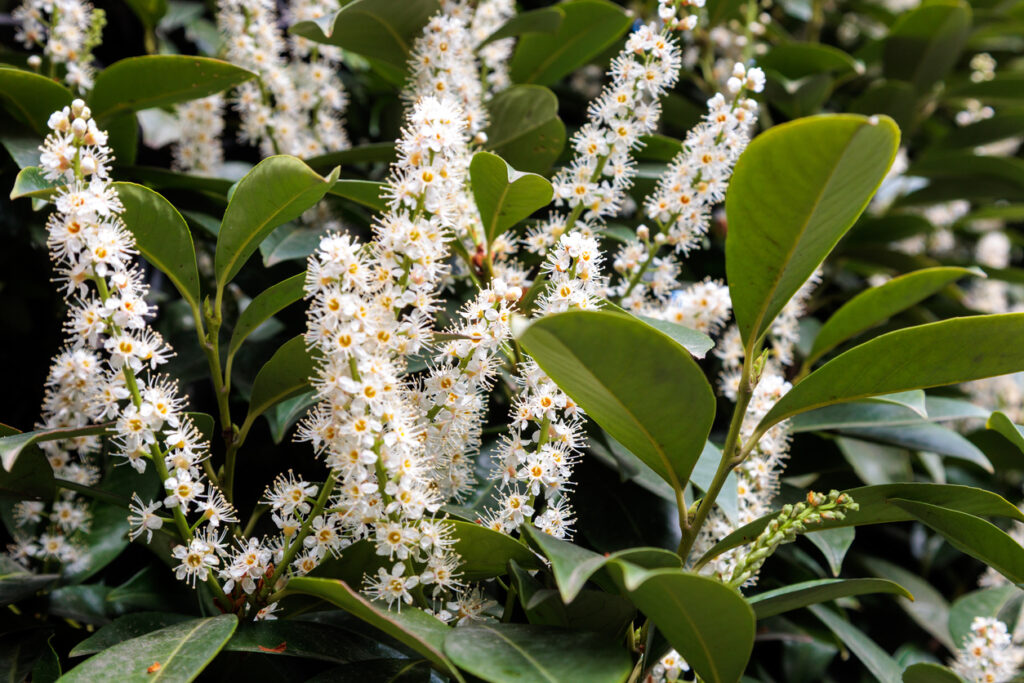
Commonly sold as a fast-growing hedge, cherry laurel can get out of control fast. It forms dense walls of greenery that are great for privacy, but awful for biodiversity. Its thick leaves block sunlight, stopping other plants from growing beneath it. It’s also toxic to people and animals if ingested, which makes it a double risk in gardens with kids or pets. Native hedges like hawthorn or hazel are much better alternatives if you want something that plays nicely with local wildlife.
5. Bamboo (running varieties)
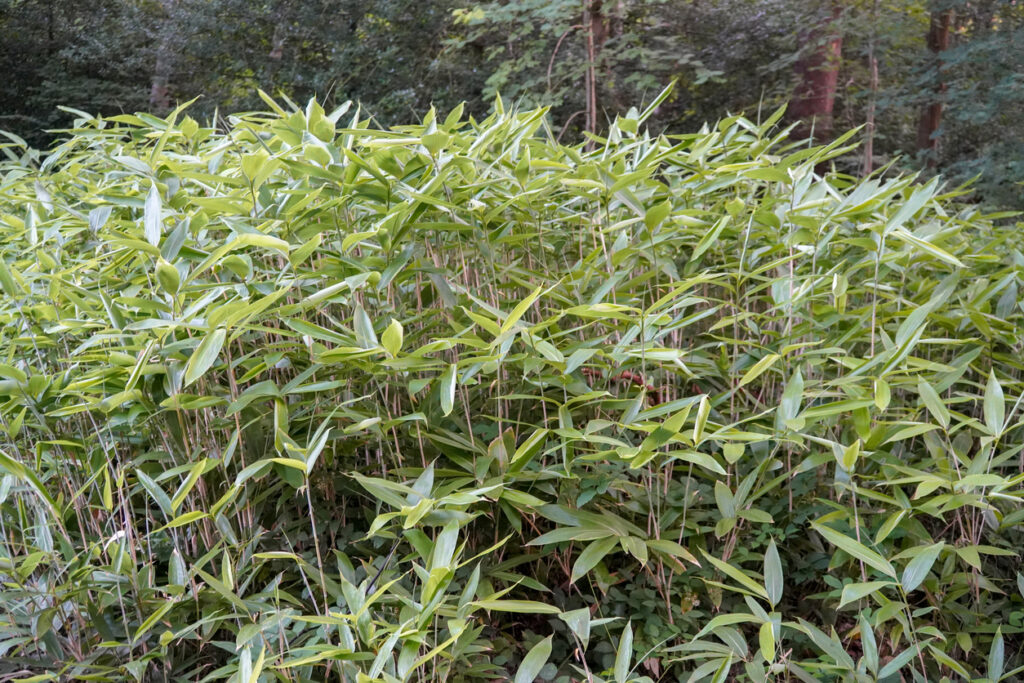
Bamboo might look chic and low-fuss, but the running types, like golden bamboo, spread faster than most people expect. Underground runners travel far from the original plant and can pop up all over your garden (or your neighbour’s) before you even notice. Containment barriers can help, but they’re not foolproof. If you’re set on bamboo, stick to clumping varieties and always check the label. Better yet, consider ornamental grasses or native shrubs that won’t go rogue overnight.
6. Montbretia (Crocosmia × crocosmiiflora)

This fiery orange flower is often sold as a pollinator-friendly perennial, but it’s surprisingly invasive, especially in milder parts of the UK. Once established, it spreads rapidly through underground corms and can smother other plants.
It’s technically a hybrid, but it still behaves like a pest in many gardens. Some local councils even include it in removal efforts. If you want something similar, try native foxglove or red campion instead. They’re just as striking without the drama.
7. Cotoneaster
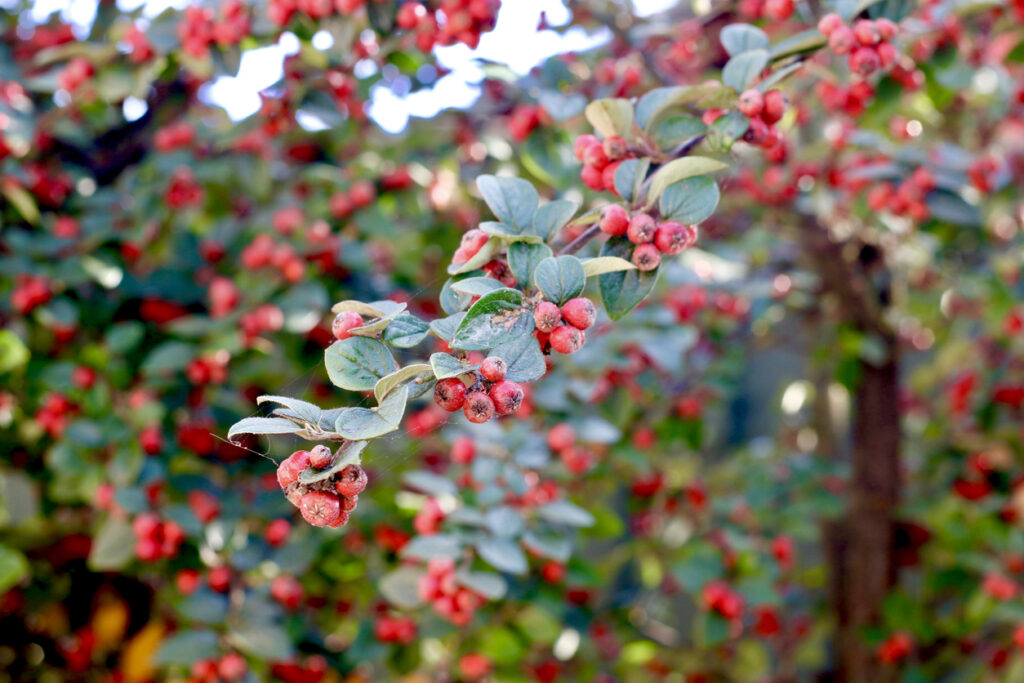
With its glossy leaves and bright red berries, cotoneaster looks like a dream for winter interest, but several varieties are now classified as invasive, particularly in wild areas where they crowd out native flora and dominate hillsides.
The birds love the berries, which means they help the plant spread far and wide, whether you want it to or not. It’s a great example of how a “nice” garden plant can cause big ecological problems. Opt for something like dogwood or rowan if you want berries without the risk.
8. Snowberry (Symphoricarpos albus)
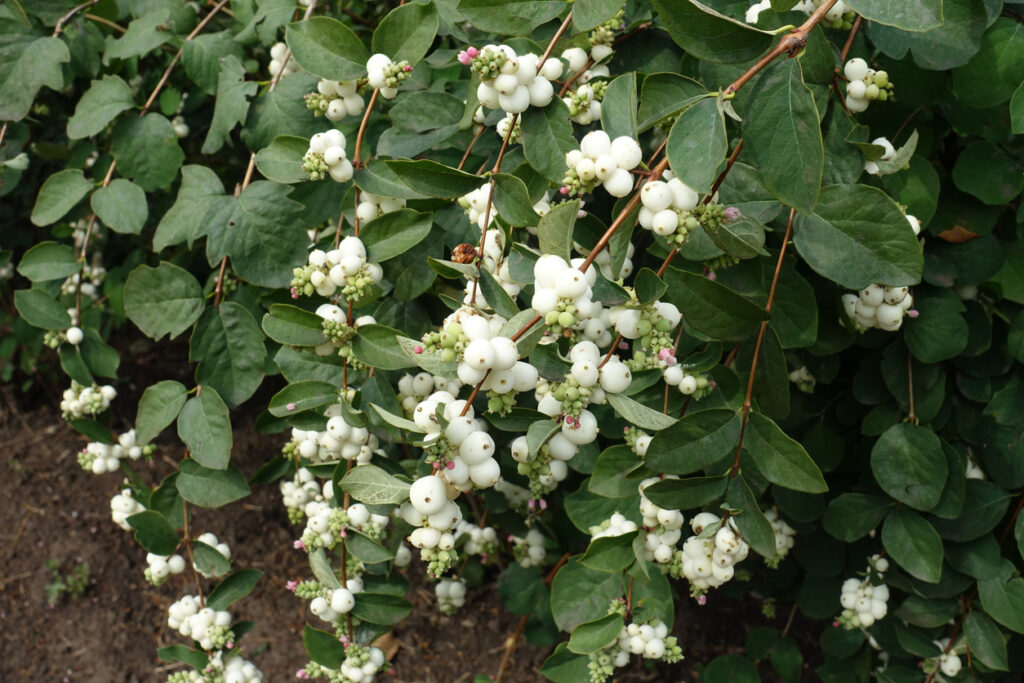
Snowberry shrubs are known for their pretty white berries and low-maintenance vibe, but those berries also help it spread far beyond where you planted it. It easily escapes gardens and colonises hedgerows and woodland edges. It can be especially harmful to chalk grasslands, where it displaces rare native plants. While the berries might look appealing, they’re mildly toxic and not much use to wildlife. Plenty of native shrubs do the job better without spreading chaos.
9. Purple loosestrife (Lythrum salicaria)
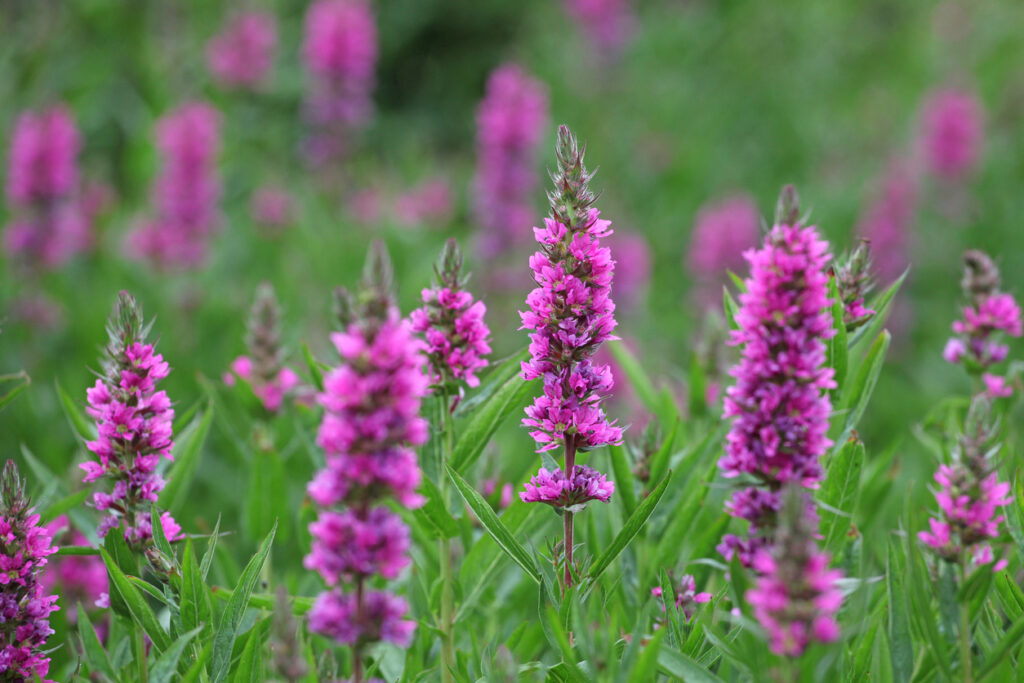
This plant is native to parts of the UK but has become invasive in many places due to overplanting and cultivation of aggressive varieties. It loves wetlands and waterways, which is exactly where you don’t want something dominating the space. While it is good for pollinators, its dense growth crowds out other native wetland species. It’s one of those plants where the balance has tipped too far. If you want something wetland-friendly, go for meadowsweet or ragged robin instead.
11. Buddleia (butterfly bush)
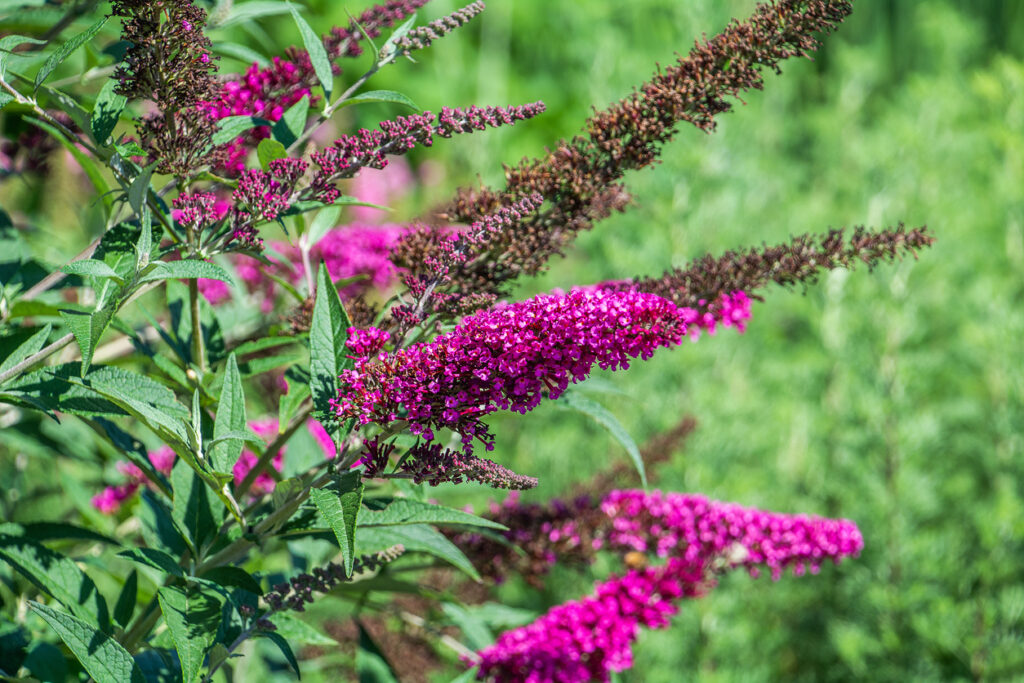
This one’s a heartbreaker. It’s famous for attracting butterflies, but it’s also infamous for spreading rapidly along railways, cracks in walls, and abandoned lots. Once it goes wild, it’s tough to control and can damage infrastructure. If you love buddleia, look for sterile or non-invasive cultivars that won’t produce viable seeds. Or better yet, plant native wildflowers that support pollinators without turning feral. Even good plants can become a problem in the wrong place.
11. New Zealand flax (Phormium)
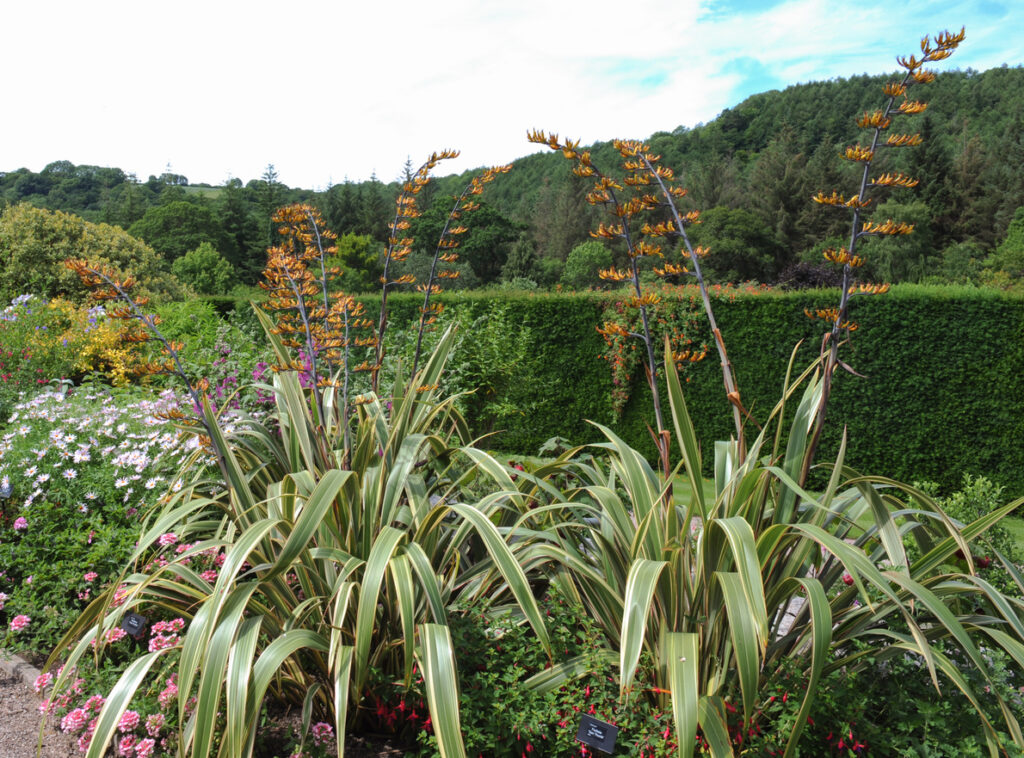
Phormium might look like a stylish architectural statement, but it doesn’t stay in its box. In milder regions, it escapes into the wild and spreads fast, particularly in coastal habitats. Its dense clumps block out native grasses and wildflowers. It also does very little for UK pollinators or insects. It’s the garden equivalent of choosing style over substance, and ending up with something that doesn’t even match the house. Choose native reeds or ornamental grasses instead.
12. Spanish bluebells
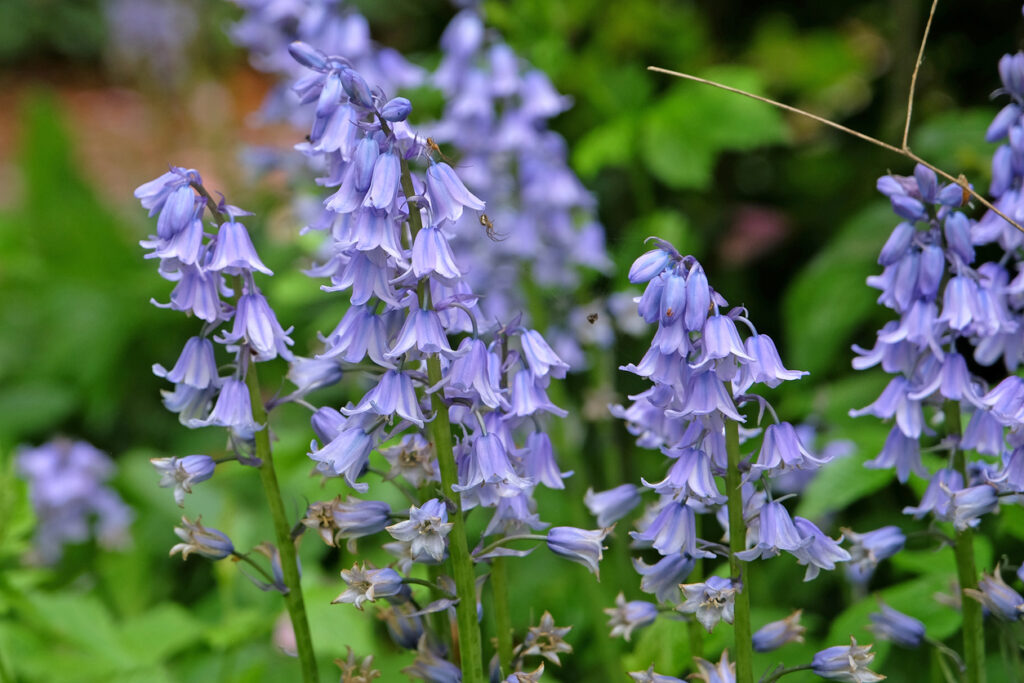
These might seem like a lovely springtime option, but Spanish bluebells can hybridise with our native bluebells and wipe them out in the process. The hybrids are stronger, bulkier, and much less delicate than the ones that carpet our ancient woods. Once they spread, they’re almost impossible to remove. If you want true British bluebells in your garden, look for Hyacinthoides non-scripta; they’re native, better for local ecosystems, and just as beautiful when they bloom en masse.
13. Variegated ground elder
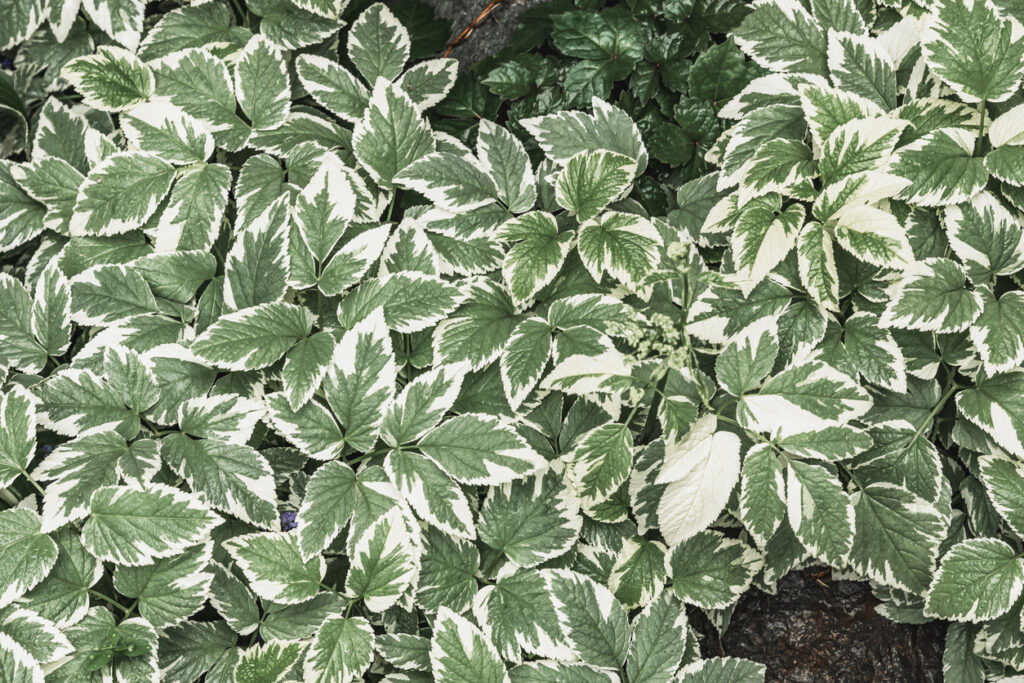
This one’s sneaky. The plain version of ground elder is already a menace, but the variegated kind is often sold as a “contained” ornamental. Unfortunately, it reverts back to its all-green form, and then spreads like wildfire underground. It’s incredibly difficult to eradicate once established and tends to creep under fences and into neighbouring gardens. If you want low-growing plants to fill in borders, stick to things like bugleweed, lungwort, or wild geraniums instead.