When we think of vegetables, we often picture them as gifts from nature: plants that have always existed just as they are.

Of course, the truth is that many of the vegetables we eat today didn’t evolve on their own. They’re the result of centuries of selective breeding, human cultivation, and in some cases, outright invention. They might look like they came straight out of the soil, but they wouldn’t be here without a helping hand. Here are 12 vegetables that are actually man-made and don’t exist in nature in their current form.
1. Broccoli
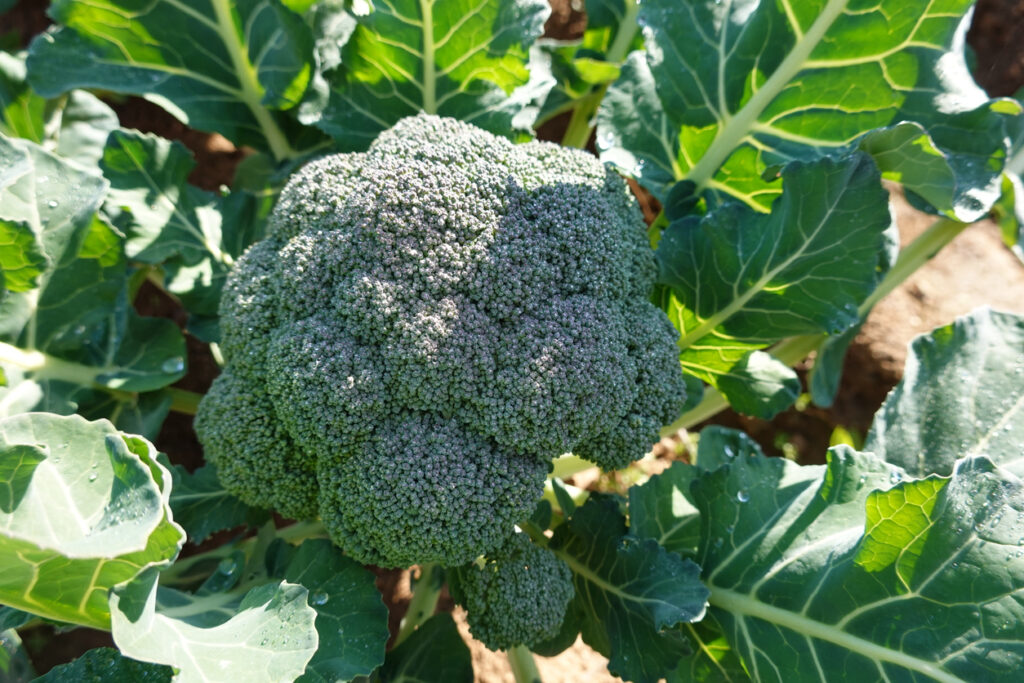
Broccoli doesn’t grow wild. It was carefully bred from a type of wild cabbage, selected over generations for its large, edible flower heads and thick stalks. Ancient farmers in the Mediterranean region are the ones who first started shaping it into what we know today. Its slightly bitter flavour and dense nutrient profile aren’t accidental. They’re the result of humans choosing traits that supported both taste and health. So if broccoli feels a bit like a science project disguised as dinner… well, it kind of is.
2. Cauliflower

Cauliflower, like broccoli, comes from wild cabbage. In fact, it’s part of the same plant family as kale, cabbage, and Brussels sprouts. Through selective breeding, farmers encouraged mutations that led to those pale, compact florets we now associate with cauliflower.
Its strange, almost alien look is due to a growth mutation where the flower doesn’t fully develop. It’s not a vegetable that evolved on its own; humans nudged it into existence for its unique texture and ability to soak up flavour.
3. Brussels sprouts
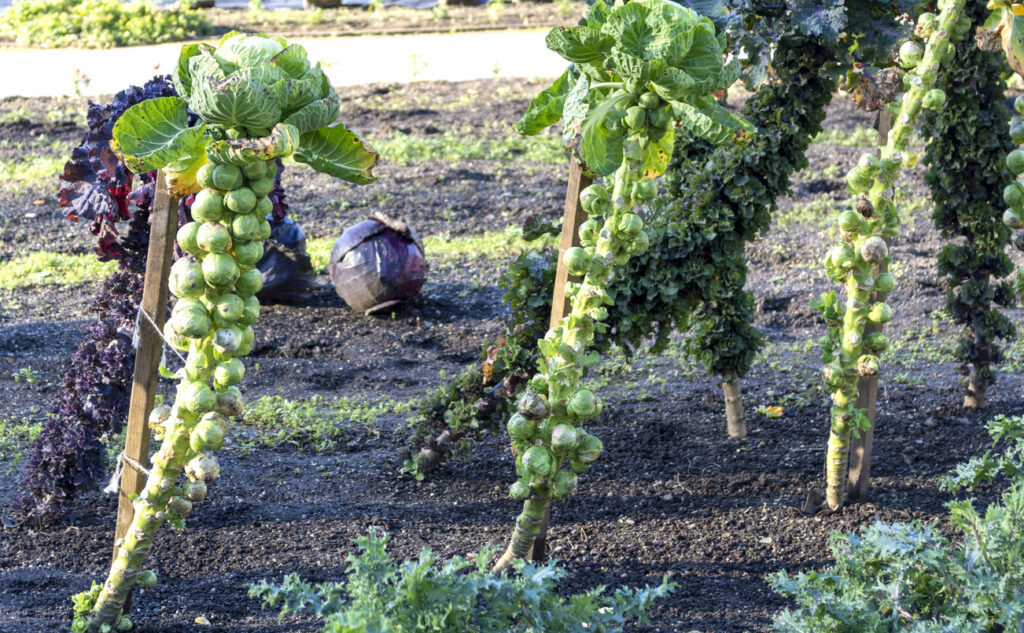
These mini cabbages weren’t found growing in a forest somewhere. They’re another offshoot of the wild Brassica plant, selectively bred over time to form tight, leafy buds along a tall stalk. The result? Those love-them-or-hate-them sprouts that appear every Christmas. They’ve been cultivated this way since at least the 13th century in Belgium, hence the name. Modern varieties are now bred to be less bitter, so if you hated them as a kid, today’s sprouts might surprise you.
4. Cabbage
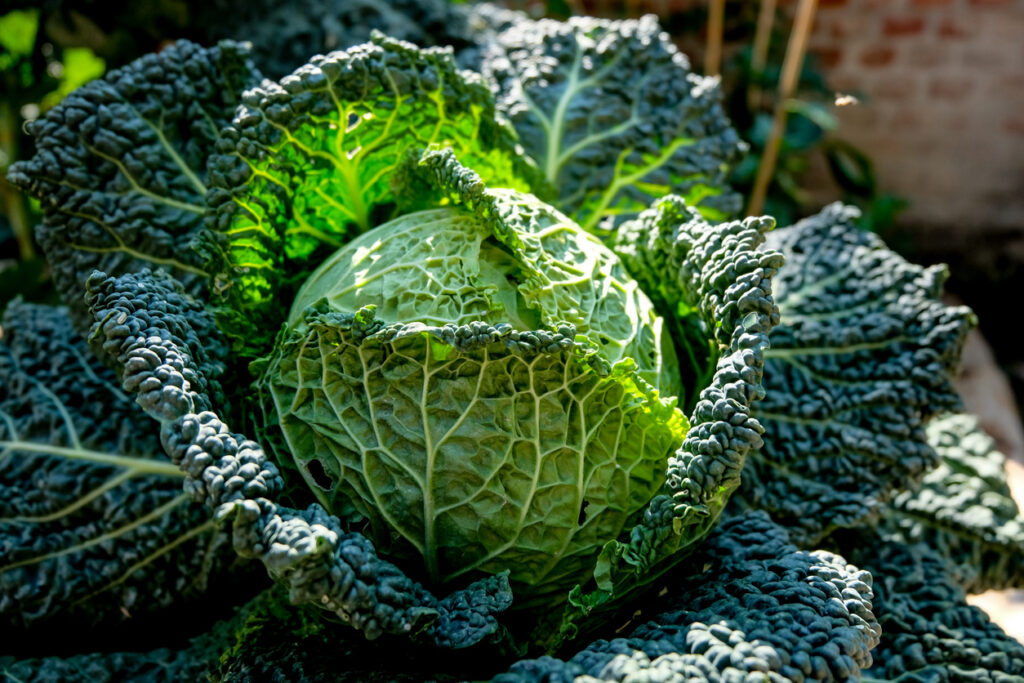
Cabbage as we know it didn’t just pop up naturally. It was shaped through centuries of careful selection from wild mustard plants. Early farmers bred for tightly packed leaves and a dense head that could be stored and used for longer periods. It’s one of the earliest vegetables to be heavily domesticated, and from it came a whole family of related crops. If you think cabbage, broccoli, and cauliflower seem oddly similar, it’s because they all come from the same genetic starting point.
5. Kale
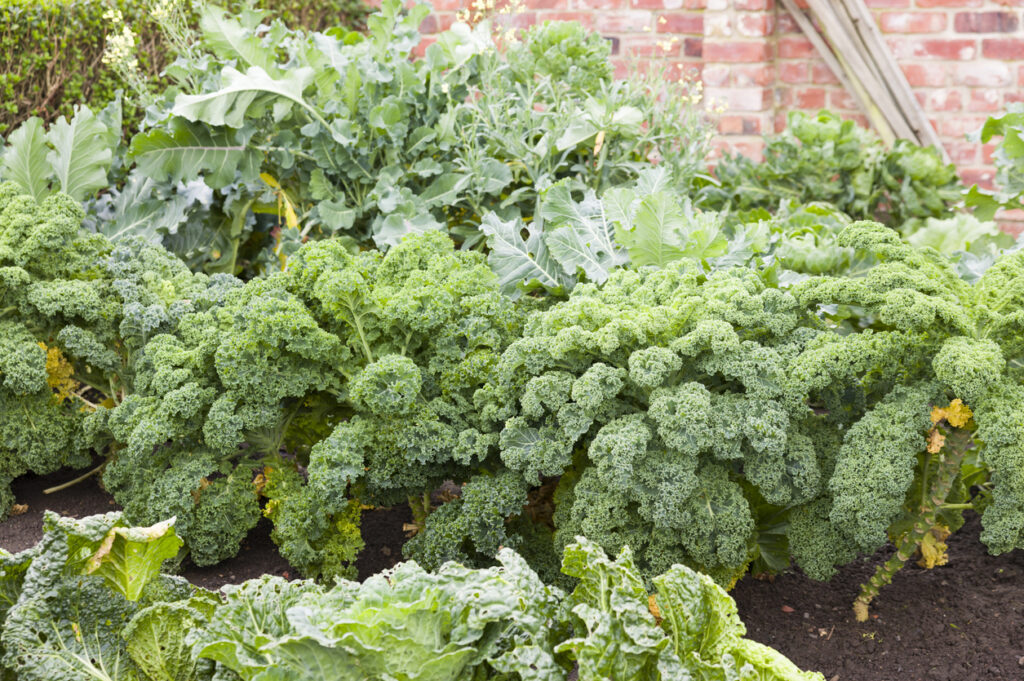
Kale is another Brassica cousin. It was bred from wild cabbage for its big, leafy greens rather than its flowers or stalk. Early cultivators preferred the rough, curled leaves, which were hardy, nutritious, and survived colder climates better than other greens.
Although it looks more natural than some of the others on this list, the kale you see at the supermarket has been fine-tuned over centuries to grow bigger, resist pests, and have a longer shelf life. The wild version is far less impressive, and a lot tougher to chew.
6. Carrots
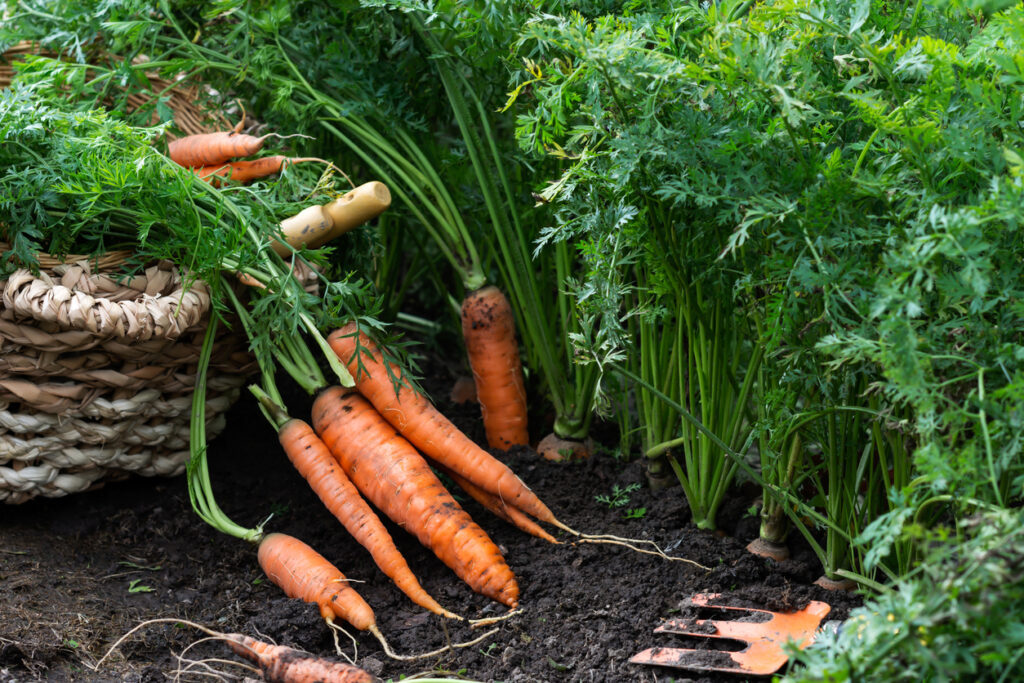
Wild carrots are small, white, and tough, not the sweet, orange ones we eat today. Humans bred them to be larger, less bitter, and more colourful. The orange variety was specifically cultivated in the Netherlands in the 16th century, partly in tribute to the House of Orange. Before that, carrots came in shades of purple, red, and yellow. The modern carrot is a great example of how humans can take something wild and reshape it to be sweeter, softer, and far more appealing on a plate.
7. Corn (Maize)
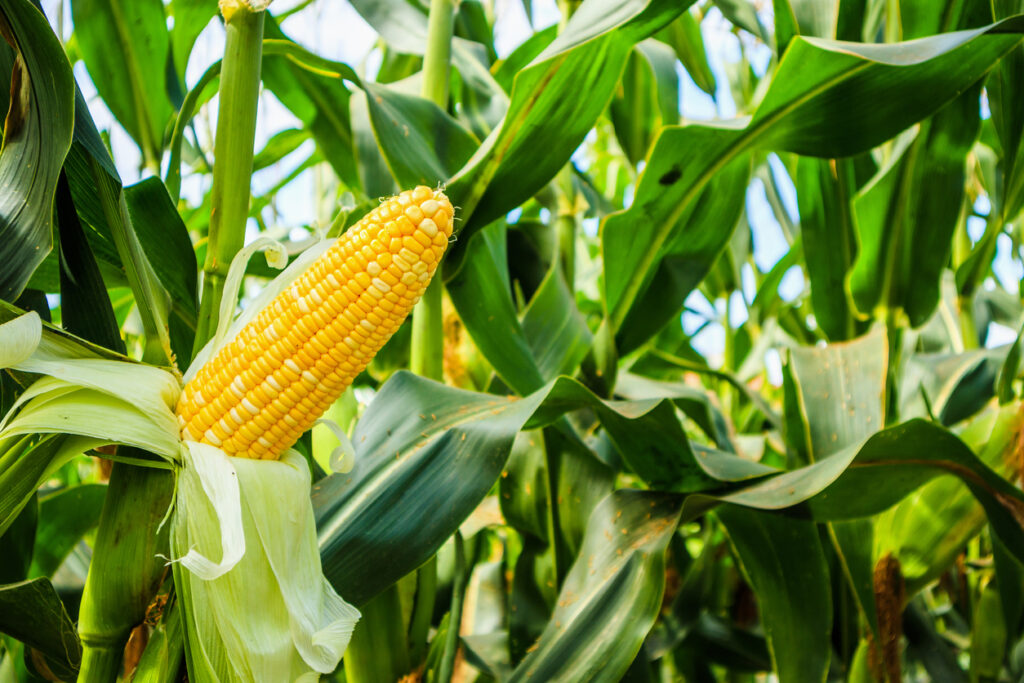
Corn is one of the most dramatic plant transformations ever. It started as a grass called teosinte, which looks nothing like the golden ears we know now. Over thousands of years, Indigenous peoples in Central America bred it to have bigger cobs and more edible kernels.
Without human intervention, corn wouldn’t exist. It can’t even reproduce properly without help. It needs to be planted and harvested manually. It’s one of the clearest examples of a crop that owes its entire existence to people.
8. Tomatoes

Wild tomatoes still exist, but they’re tiny, bitter, and nothing like the juicy red ones you slice into salads. The modern tomato was developed by South American farmers who bred selectively for size, sweetness, and colour. Even in recent decades, tomatoes have continued to evolve. Modern supermarket varieties are often bred more for shelf life than taste, though heirloom strains aim to bring some of that old-school flavour back.
9. Potatoes

Potatoes are native to South America, but the versions we eat today have been heavily modified over centuries. Early varieties came in all shapes and colours, and many were toxic unless processed correctly. Selective breeding created safer, more starchy, and uniform potatoes for cooking. Even now, new potato breeds are constantly being developed for disease resistance, flavour, and yield. So while they started out natural, modern potatoes are the result of a very long, hands-on evolution.
10. Aubergines
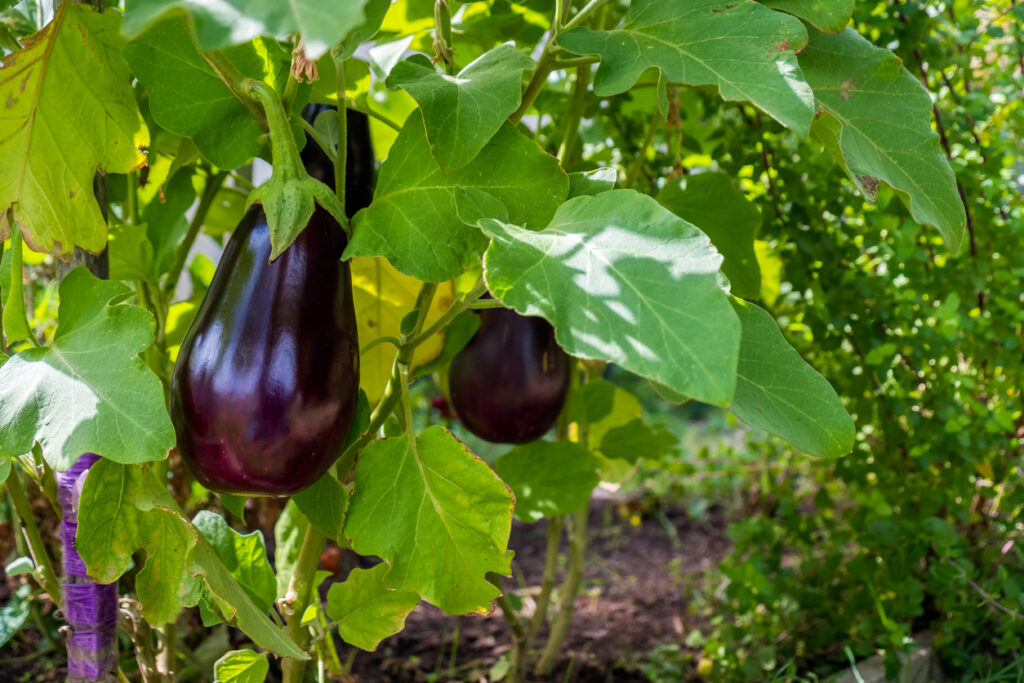
Wild aubergines were small, spiky, and often yellow or green, not the smooth purple vegetables we recognise today. Early versions were bitter and tough, but over time, farmers cultivated varieties with fewer seeds and a softer, richer flesh. The modern aubergine is entirely man-made, from its deep colour to its glossy skin. Even the familiar teardrop shape is the result of generations of breeding aimed at making it easier to slice, cook, and store.
11. Lettuce
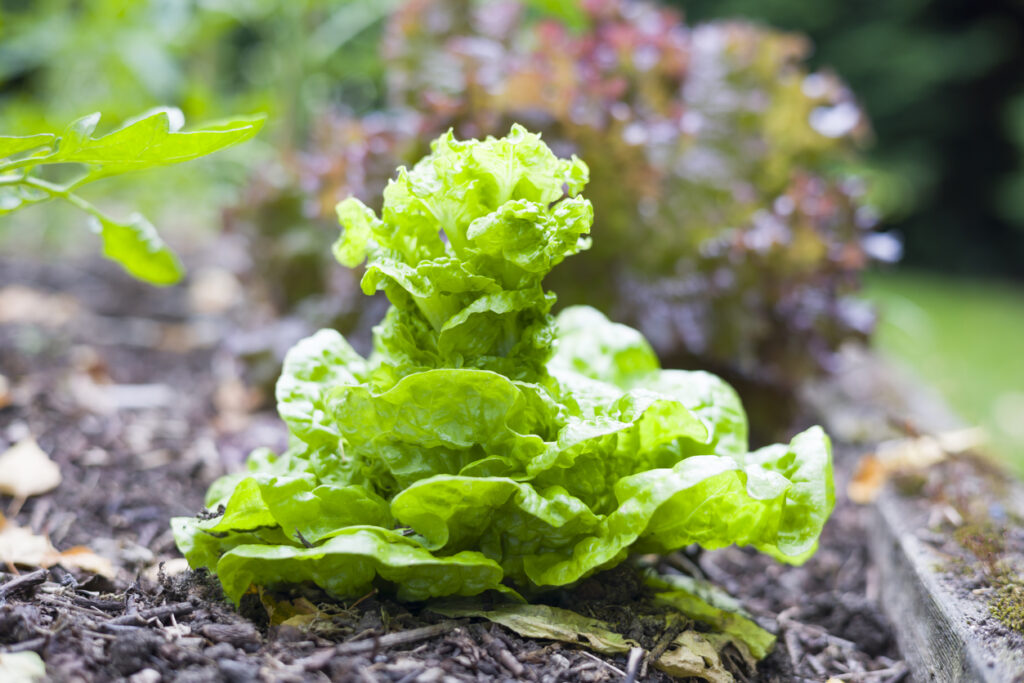
Lettuce didn’t always look like crisp romaine or curly leaf varieties. It began as a prickly, bitter plant used more for its oil than for salads. Through centuries of cultivation, it was softened and sweetened into the leafy green staple we eat today. There are still wild lettuces out there, but they’re nothing you’d want to eat raw. The ones in your fridge were shaped by people, not nature, to be fast-growing, mild-tasting, and endlessly versatile.
12. Beetroot
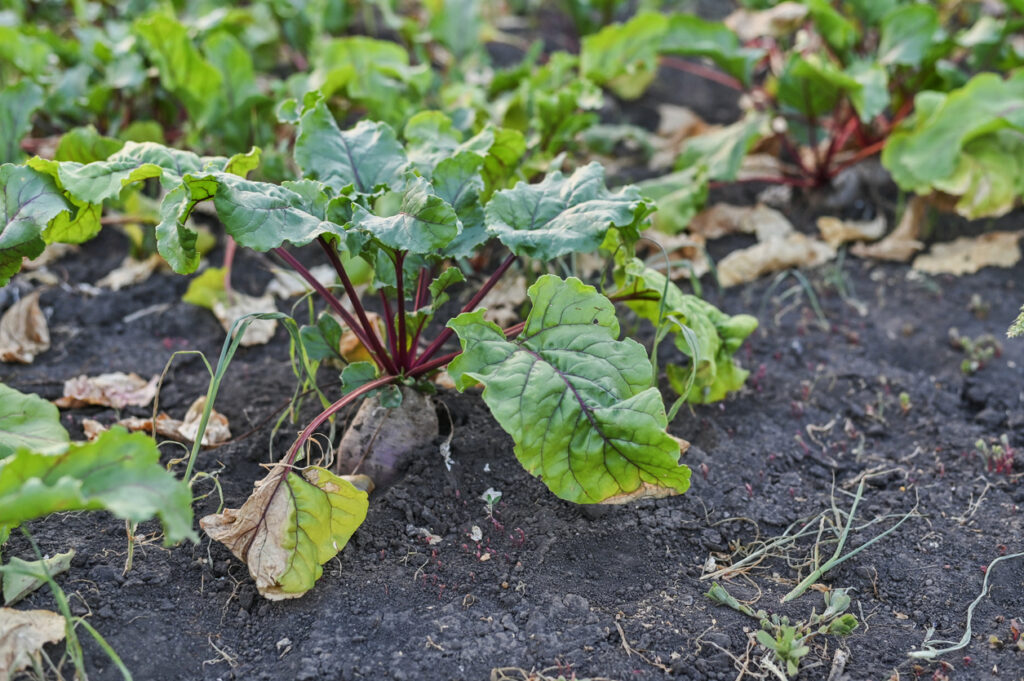
Originally used for their leafy tops and not their roots, wild beets weren’t the bulbous, sweet vegetables we roast today. Through human selection, the root was gradually encouraged to swell and become sweeter, while the bitterness was bred out.
Now, beetroot comes in everything from deep red to golden and even candy-striped varieties. None of that happens without careful breeding, and without humans deciding that beets were worth the effort to sweeten and shape over centuries.