Death usually seems like a one-way street, but that’s not always true in the animal kingdom.
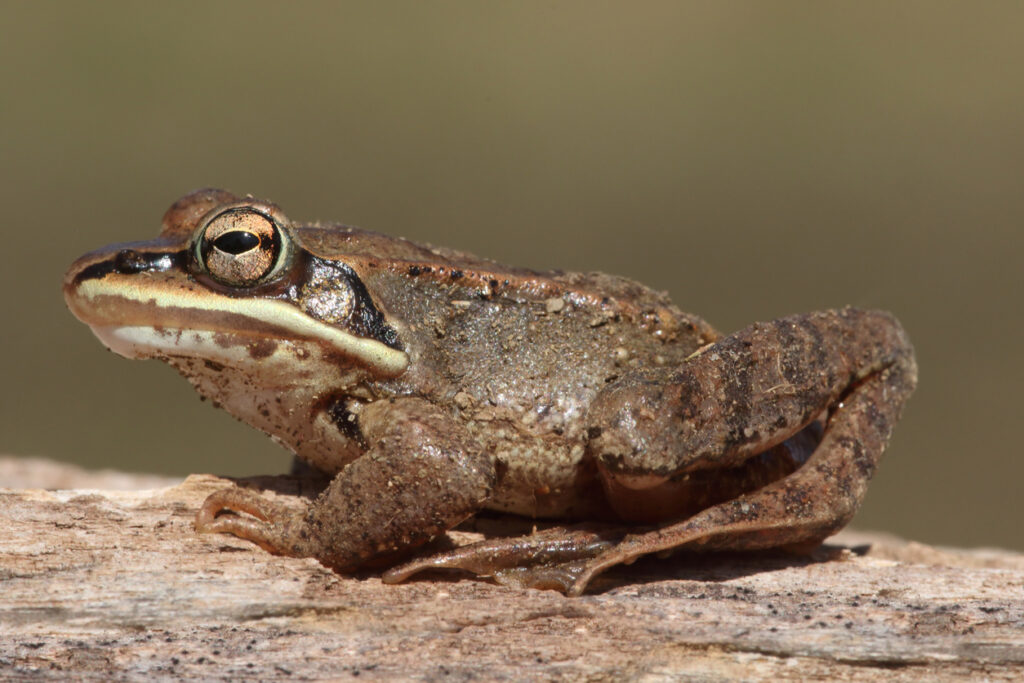
In fact, there are a handful of strange and resilient creatures that blur the line between dead and alive. Whether it’s surviving extreme conditions that would kill almost anything else, or literally reanimating after appearing lifeless, these species seem to have missed the memo on mortality. Here are 12 creatures that can, in their own bizarre way, bring themselves back from the dead.
1. Tardigrades
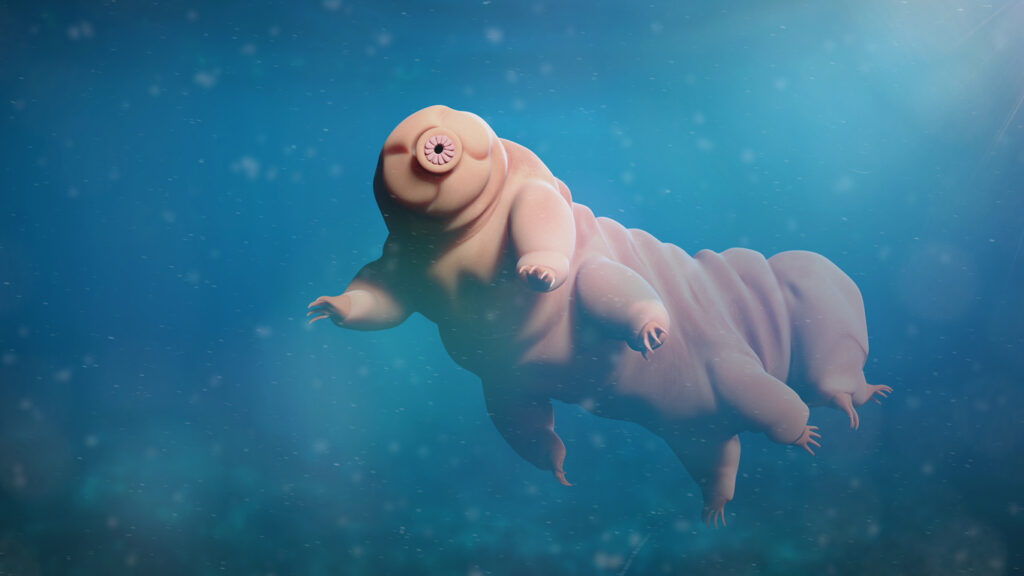
Tardigrades, also known as water bears, are tiny, eight-legged creatures that can survive just about anything. When conditions get extreme (freezing, boiling, radiation, dehydration), they enter a state called cryptobiosis. In this state, they dry out, curl up, and essentially shut down every biological function.
They can stay like this for years, possibly even decades, before rehydrating and coming back to life. It’s not just survival; it’s literal biological pause and restart. Some have even survived the vacuum of space. If anything deserves to be called “unkillable,” it’s them.
2. Resurrection plants (Selaginella lepidophylla)

Okay, not a creature, to be fair, but worth including. This desert plant dries up completely during drought, curling into a brown, brittle ball. It looks undeniably dead. But when water returns, it unfurls and turns green again in just hours, back from the brink. Nicknamed “resurrection plants,” they can survive years without water. Their ability to rehydrate and photosynthesise again makes them a biological marvel, and a reminder that life can look completely over without actually ending.
3. Wood frogs
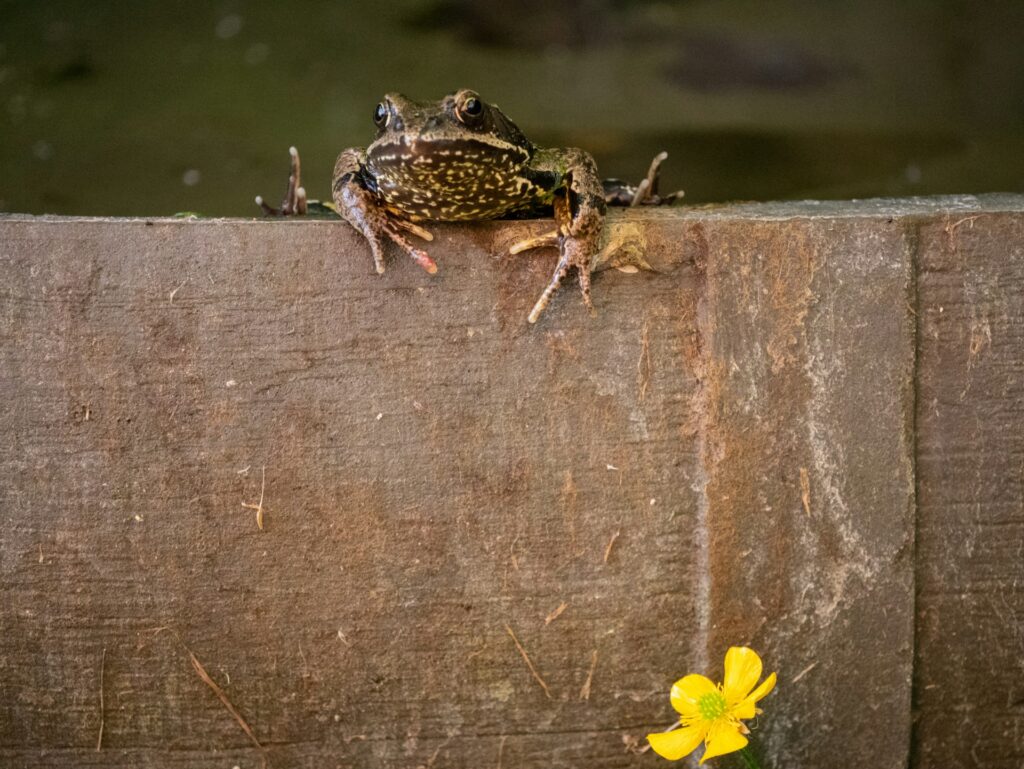
In freezing temperatures, wood frogs literally stop breathing. Their heart stops. Their blood turns to ice. Most animals would be done for, but not these frogs. When spring comes and temperatures rise, their body slowly thaws, the heart restarts, and they hop off like nothing happened.
They survive by producing a glucose-based antifreeze that protects their organs during freezing. For several weeks each winter, they’re technically dead by most definitions, and then they just… come back. No defibrillator needed.
4. Sea cucumbers
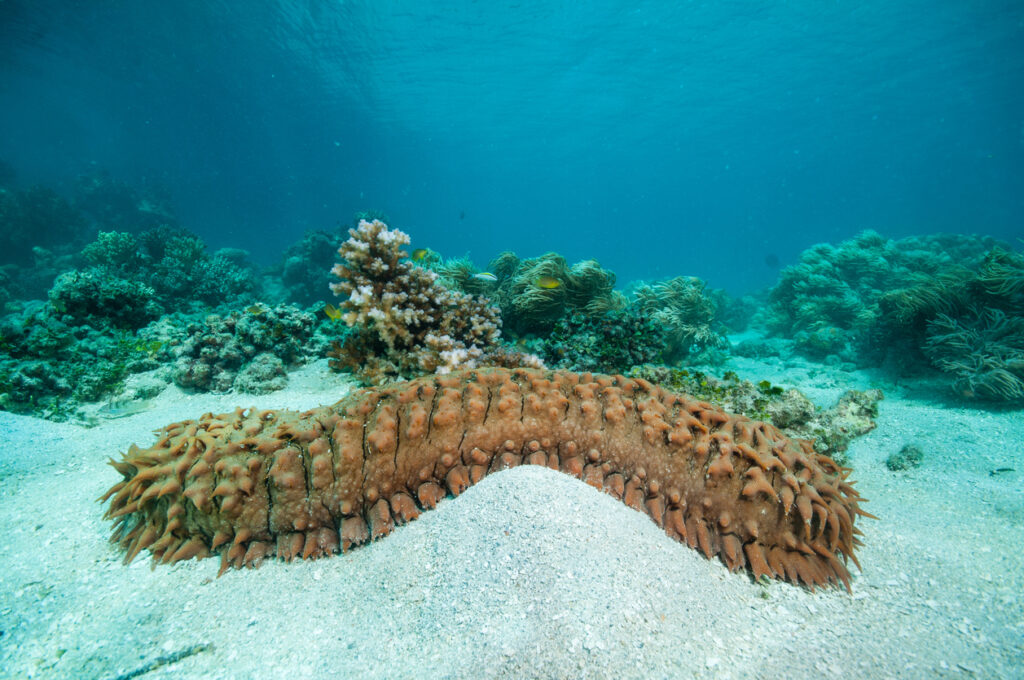
Sea cucumbers have a strange, stretchy biology. If attacked or overly stressed, they can eject their internal organs (yes, really!) through their rear end. It’s a defence mechanism meant to distract predators while they slink away.
What’s even weirder is that they grow all those organs back. Not over months, either; sometimes in a matter of days. It’s not exactly death, but if you saw a sea cucumber mid-process, you’d probably assume it was done for. Then it regenerates like nothing happened.
5. Immortal jellyfish (Turritopsis dohrnii)
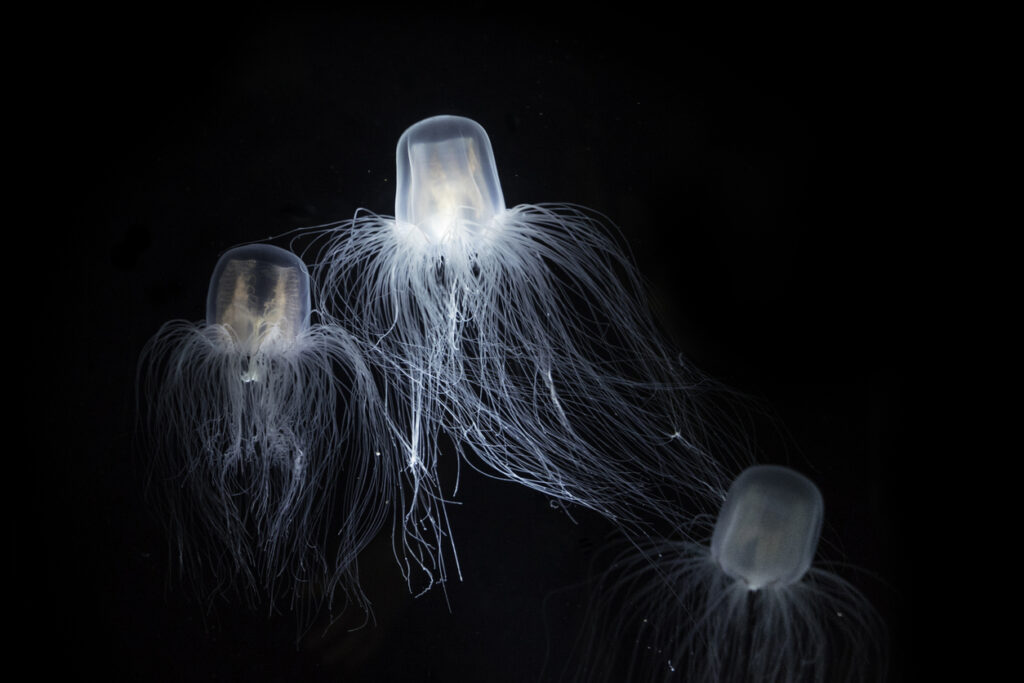
This jellyfish is often called “biologically immortal” because it has the ability to revert its adult cells back to a younger stage. If injured, stressed, or starving, it essentially hits reset, turning back into a polyp, its earliest form of life. It’s not invincible (it can still be eaten or destroyed), but in theory, it could live indefinitely if the conditions allow. It’s not just surviving damage. It’s turning time backwards. If that’s not a version of coming back from the dead, nothing is.
6. African lungfish
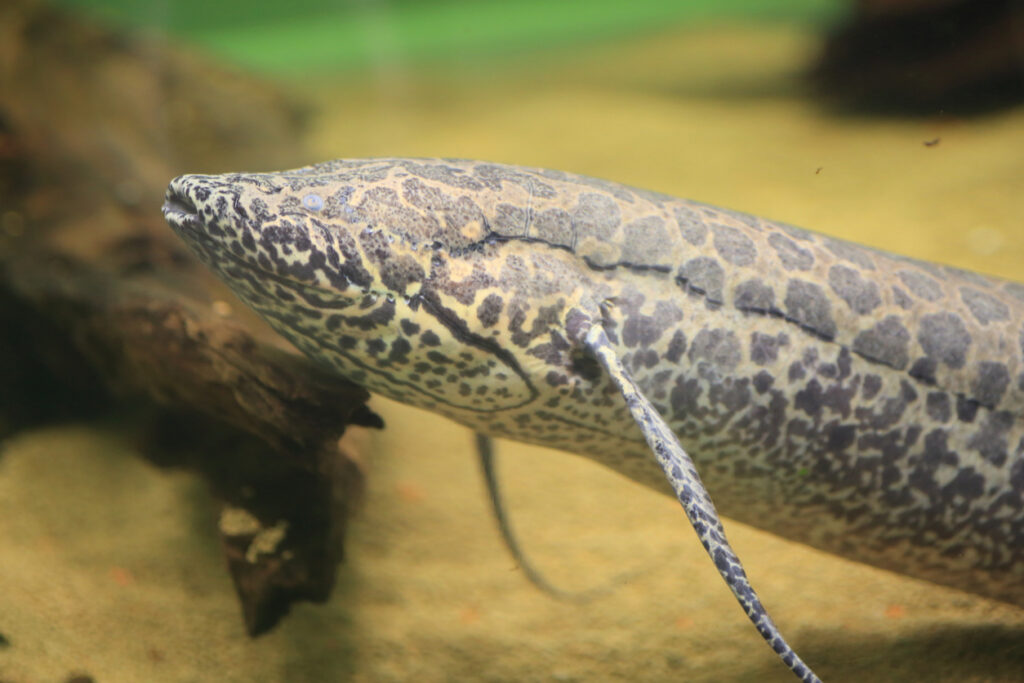
These prehistoric-looking fish can survive years without water by burrowing into mud and forming a protective mucus cocoon. Inside, they slow their metabolism to a near halt and wait for rain. To outside observers, they appear dried-up and long gone.
But add water, and the lungfish rehydrates, wakes up, and starts swimming again, often after years of total inactivity. It’s a trick that’s helped them survive harsh droughts for millennia. No heartbeat monitor needed, just patience and a puddle.
7. Brine shrimp (aka sea monkeys)
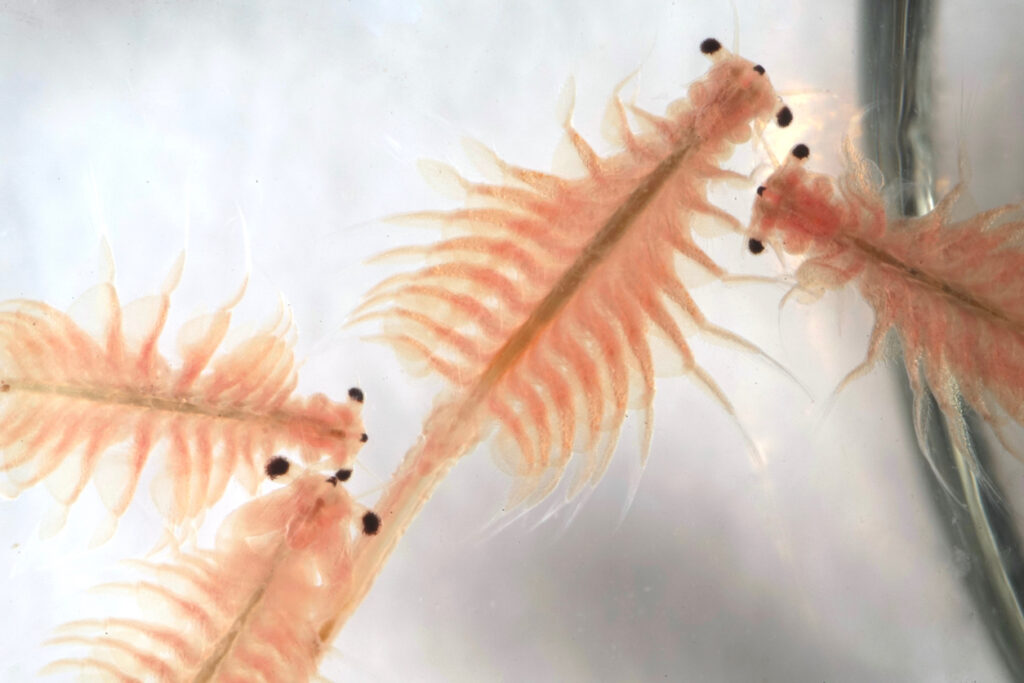
Remember sea monkeys? These tiny crustaceans are sold as novelty pets, but their real magic lies in how they survive. Brine shrimp eggs can dry out and stay dormant for years, even decades, until rehydrated. Then they hatch and swim like they were never gone. This ability is called cryptobiosis, and it’s why you can mail them in packets and still have them hatch months later. In a way, they’ve mastered time travel through dehydration. Not bad for something that fits in the palm of your hand.
8. Flatworms (planarians)
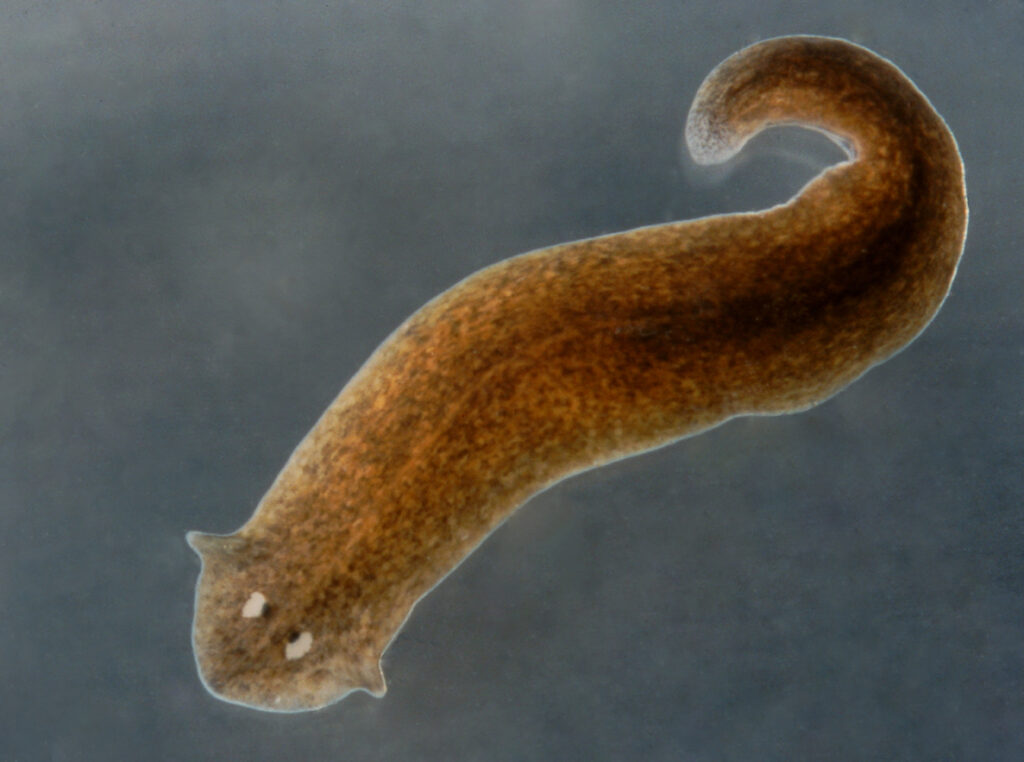
These humble worms have an almost supernatural ability to regenerate. Cut one in half? You’ll get two. Cut it into five pieces? You’ll get five worms. Each part regrows the missing bits, including the brain. And it’s not just physical, they seem to retain memories too.
In some cases, even seemingly dead or damaged fragments can come back to life under the right conditions. It’s not dramatic like lightning bolts or glowing eyes, but for a soft-bodied worm, it’s pretty much the closest thing to resurrection we’ve got.
9. Nematodes (roundworms)

Nematodes are one of the most abundant animals on Earth, and some of them can survive being frozen for thousands of years. In 2018, scientists thawed out Siberian permafrost samples and found living nematodes that had been frozen for over 40,000 years.
Once defrosted, they started moving and feeding again, essentially waking up after being dormant since the Ice Age. They may not have been dead in the traditional sense, but for all functional purposes, they were. And then they weren’t.
10. Axolotls
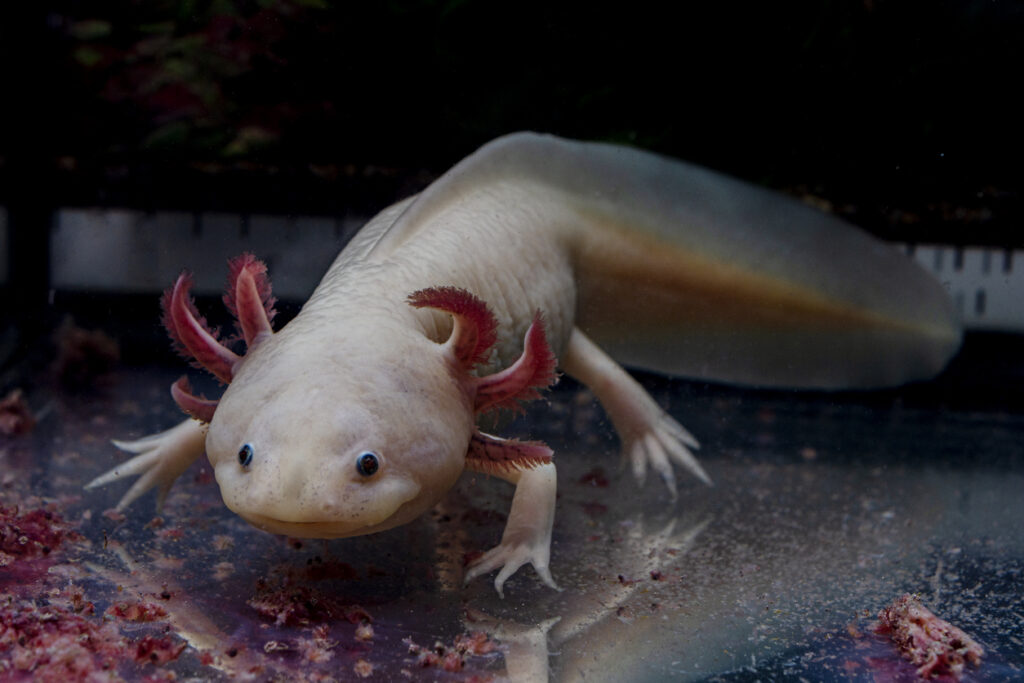
These smiley-faced amphibians aren’t invincible, but they’re famous for their ability to regenerate lost limbs, spinal tissue, and even parts of their brain and heart. While they don’t resurrect themselves entirely, their ability to recover from injuries that would be fatal to most creatures is incredible.
It’s why axolotls are studied so closely in regenerative medicine. Their powers aren’t about escaping death, but about coming back from things that would definitely kill almost anything else. It’s resilience turned up to eleven.
11. Sponges
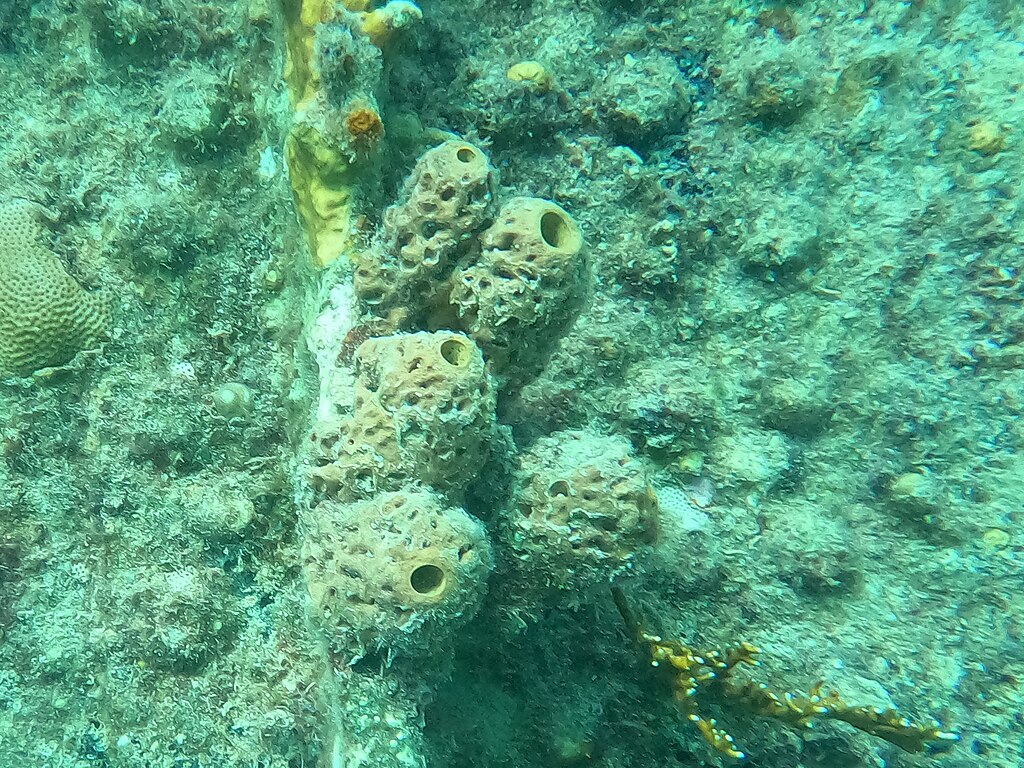
If you break up a sea sponge into tiny bits and blend it in water, it can reassemble itself. No joke. The individual cells reorganise and rebuild into a full sponge, like some kind of underwater resurrection puzzle. This is called totipotency, where each cell contains the instructions to rebuild the whole organism. It’s not dramatic, but it is mind-blowing. Sponges don’t just survive damage; they undo it entirely and start over, from scattered cells back to a living creature.
12. Red flat bark beetles
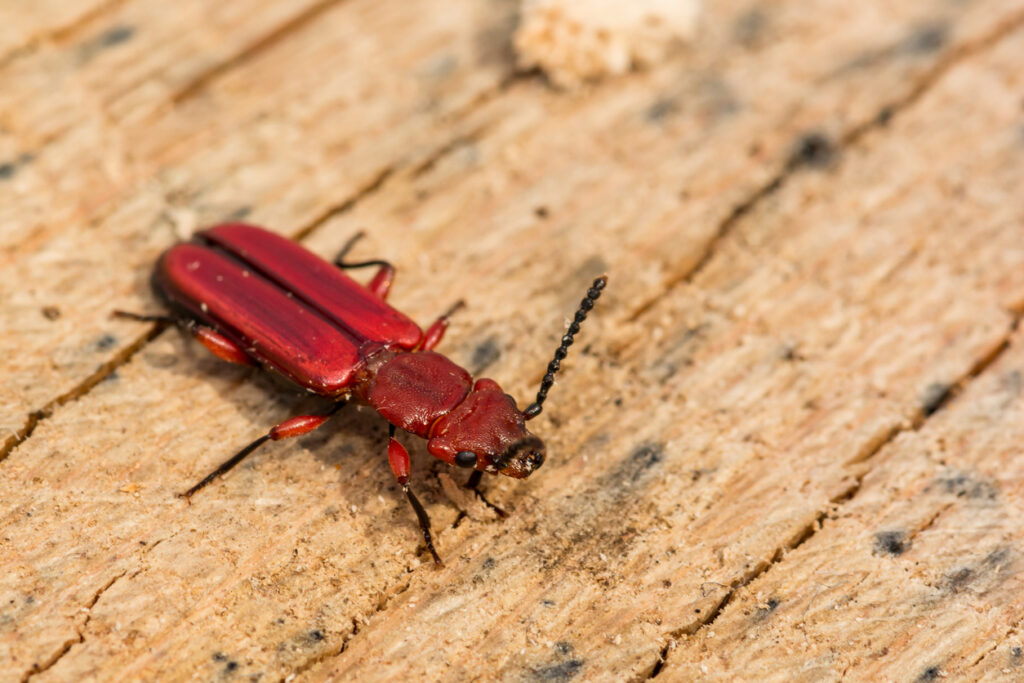
These beetles, found in freezing climates like Alaska and Siberia, survive by letting their bodies freeze solid. Ice crystals form between their cells, but natural antifreeze chemicals keep those cells from rupturing. They look dead: stiff, unmoving, and completely frozen.
But once temperatures rise, they thaw out and get moving again. This freeze-tolerant state allows them to “die” for the winter and come back in spring like nothing happened. If insects could write comeback stories, these beetles would be bestsellers.