Cats and dogs might both be furry, four-legged companions, but when it comes to whiskers, cats take things a bit more seriously.
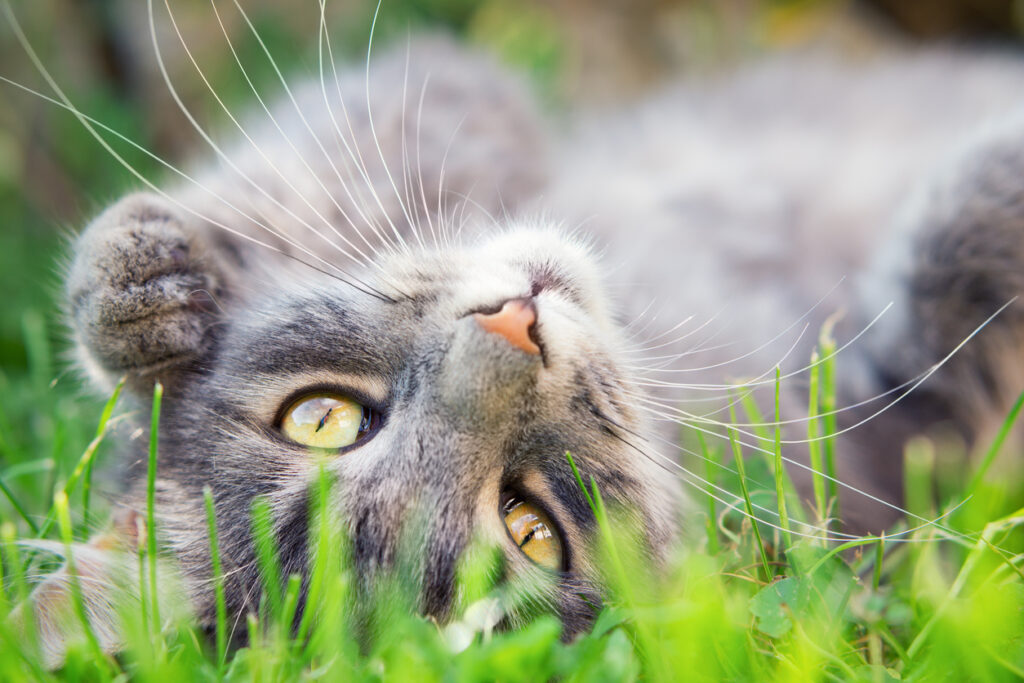
Those stiff little face-strands aren’t just decoration; they’re highly sensitive tools built for survival. Dogs have whiskers too, but they don’t rely on them in quite the same way. So why the difference? It all comes down to how each animal interacts with the world. Here are 14 reasons cats are so reliant on their whiskers, and why dogs just don’t need them in the same way.
1. Cats are built for sneaking through tight spaces.
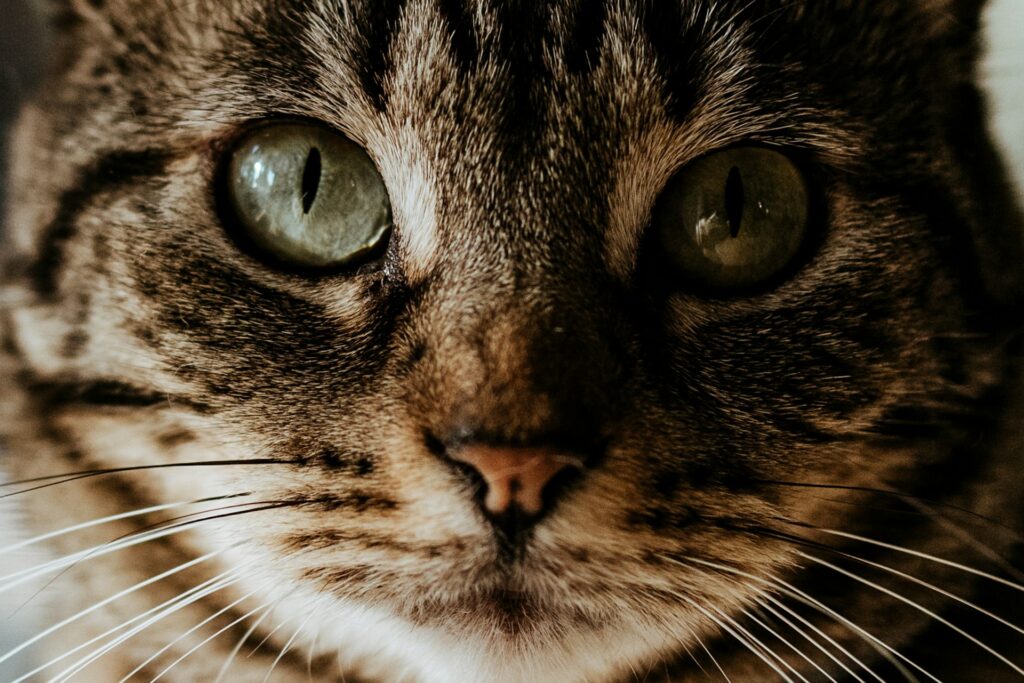
Whiskers help cats figure out whether they can squeeze through an opening without getting stuck. The width of a cat’s whiskers typically matches the width of its body, giving it a built-in measuring tape for gaps, doorways, and hiding spots. Since dogs aren’t usually crawling into crevices or slipping between fences in the same way, they don’t need this kind of precision. Their movement is broader, bolder, and a lot less stealthy. Whiskers just don’t play the same daily role for them.
2. Cats hunt in low light, and whiskers help them navigate.
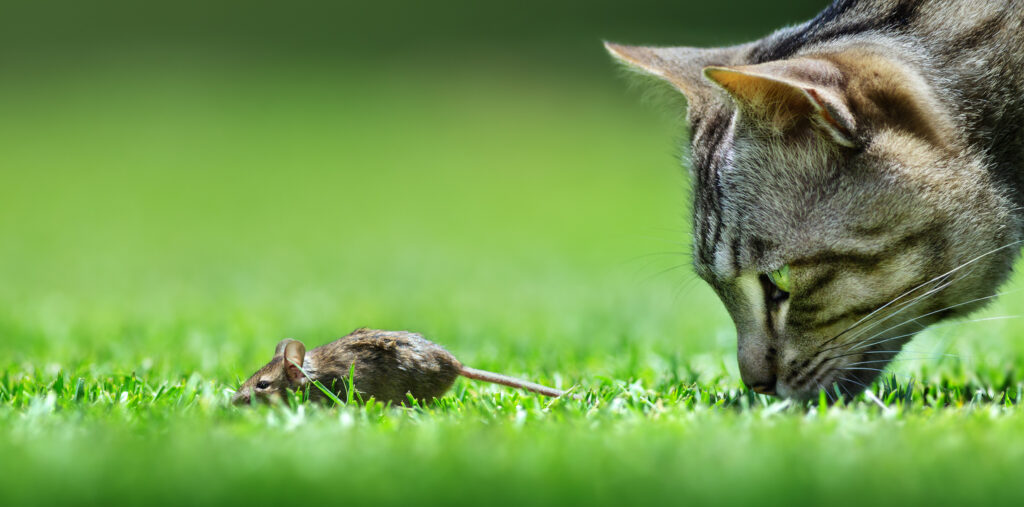
Cats are crepuscular, meaning they’re most active at dawn and dusk when light is dim. Their whiskers help them sense objects and prey in the dark by picking up tiny changes in air currents as they move. Dogs, by contrast, are more likely to rely on their powerful sense of smell and hearing than whisker feedback. They’re not built for quiet ambushes; they’re built for pursuit, which doesn’t need the same fine-tuned sensory input.
3. Cat whiskers are deeply wired into their nervous system.
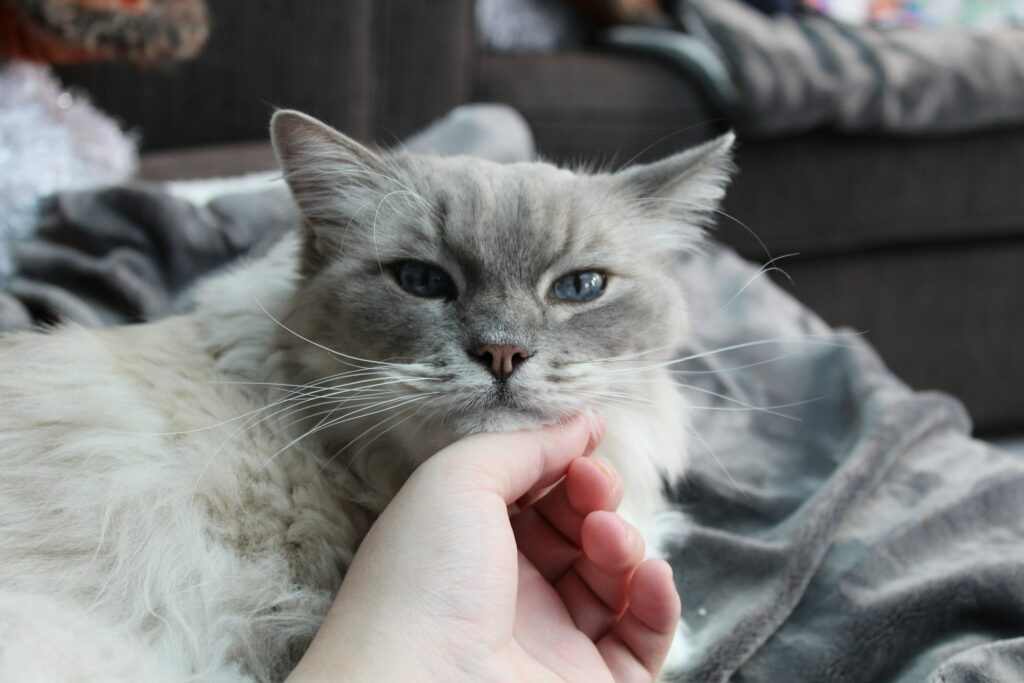
Each whisker is rooted in a follicle filled with nerves and blood vessels. When a whisker touches something, it sends immediate signals to the brain, helping the cat build a 3D map of its environment without needing to look. Dogs have some sensory whiskers too, but they’re not as densely wired or as essential to their perception of the world. For cats, whiskers are like antennae. For dogs, they’re more of a bonus feature than a critical tool.
4. Cats don’t rely on their noses as much as dogs do.
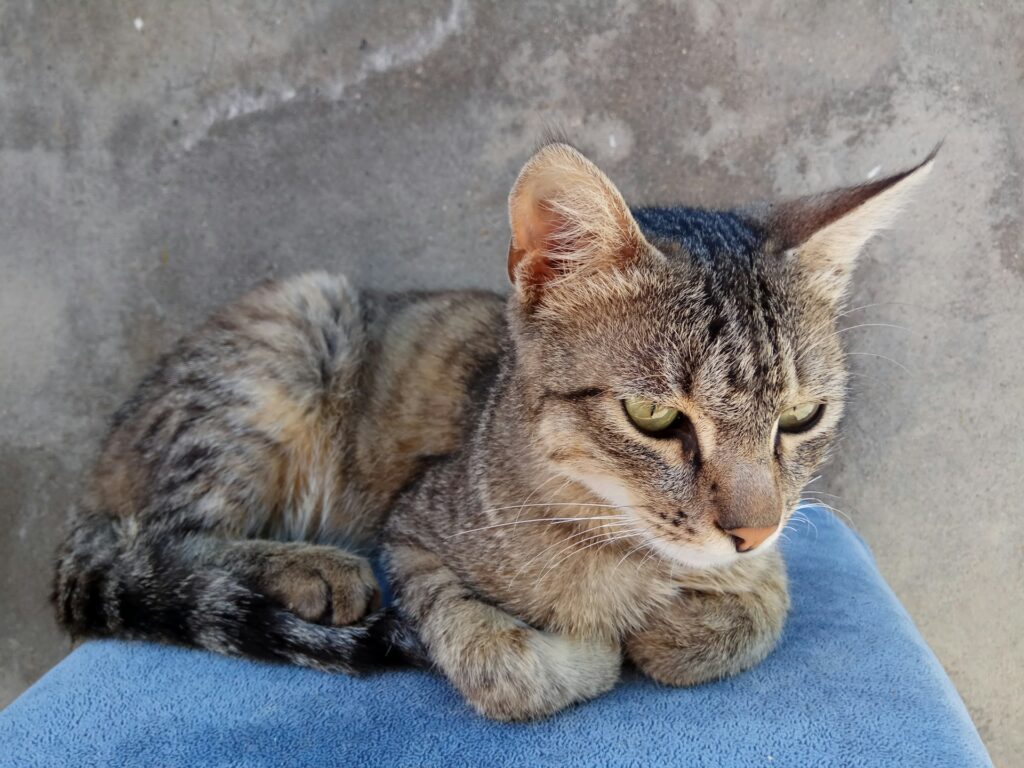
Dogs experience the world through scent. Their sense of smell is so powerful it practically replaces the need for extra tools like hyper-sensitive whiskers. They can sniff out danger, direction, and even emotions. Cats, while good sniffers in their own right, need more backup for close-range navigation. That’s where their whiskers come in. If a cat’s nose gets it close, its whiskers handle the detail work of judging space and precision.
5. Whiskers protect a cat’s face and eyes.
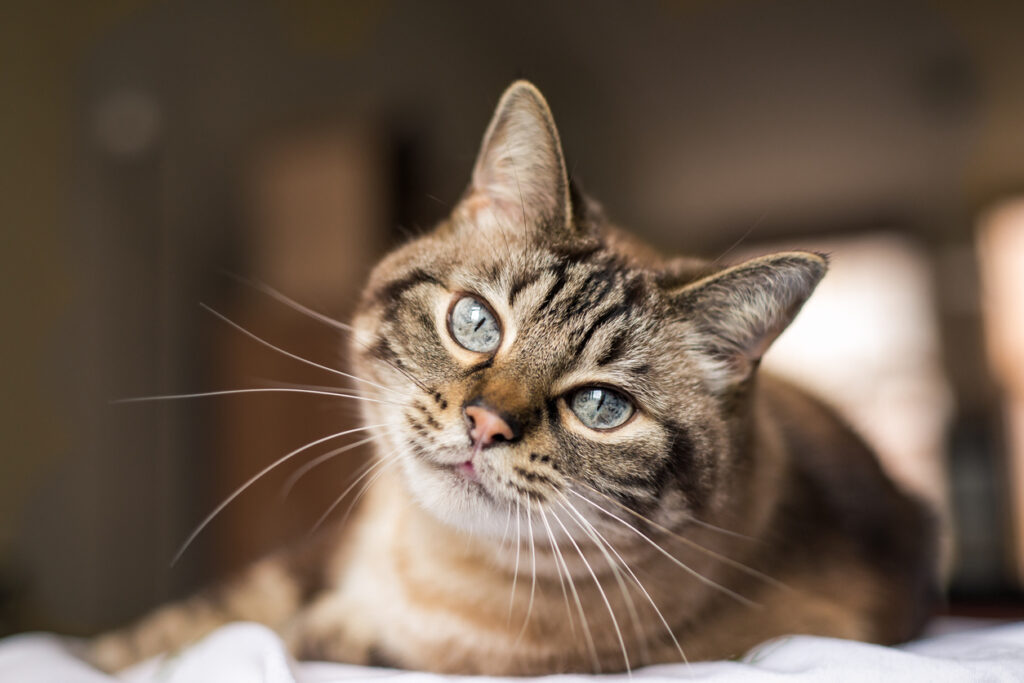
Whiskers can detect things before they touch a cat’s face, giving them a chance to blink, dodge, or adjust before bumping into something. It’s like having an invisible shield that warns them of danger or irritation. Since cats often slink into brush, crawl under furniture, or hunt in tight corners, this early-warning system is genuinely useful. Dogs tend to barrel through their environments rather than tiptoe, so they’re less in need of such sensitive front-line gear.
6. Cats use whiskers to judge distance while hunting.
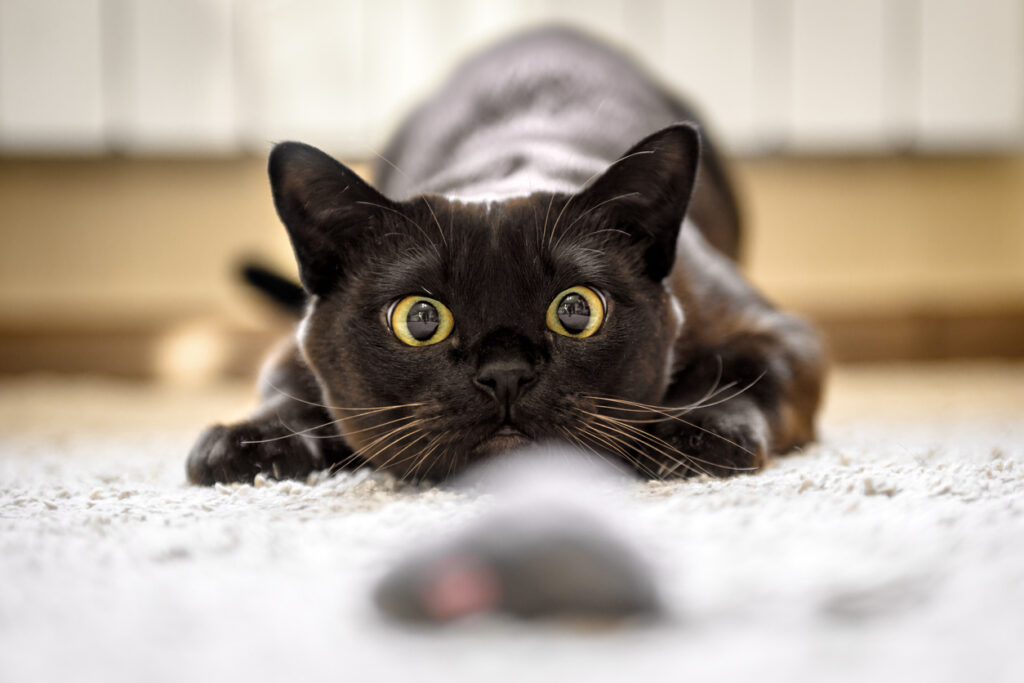
Once a cat is close to its prey, especially in dim conditions, its vision can’t always handle the final few centimetres. That’s when whiskers step in, helping pinpoint exactly where to strike with teeth or claws. Dogs usually chase prey across open space and rely more on movement and scent. Their hunting approach is about endurance and strength, not delicate calculation, so their whiskers don’t need to be as advanced.
7. Whiskers help cats land on their feet.
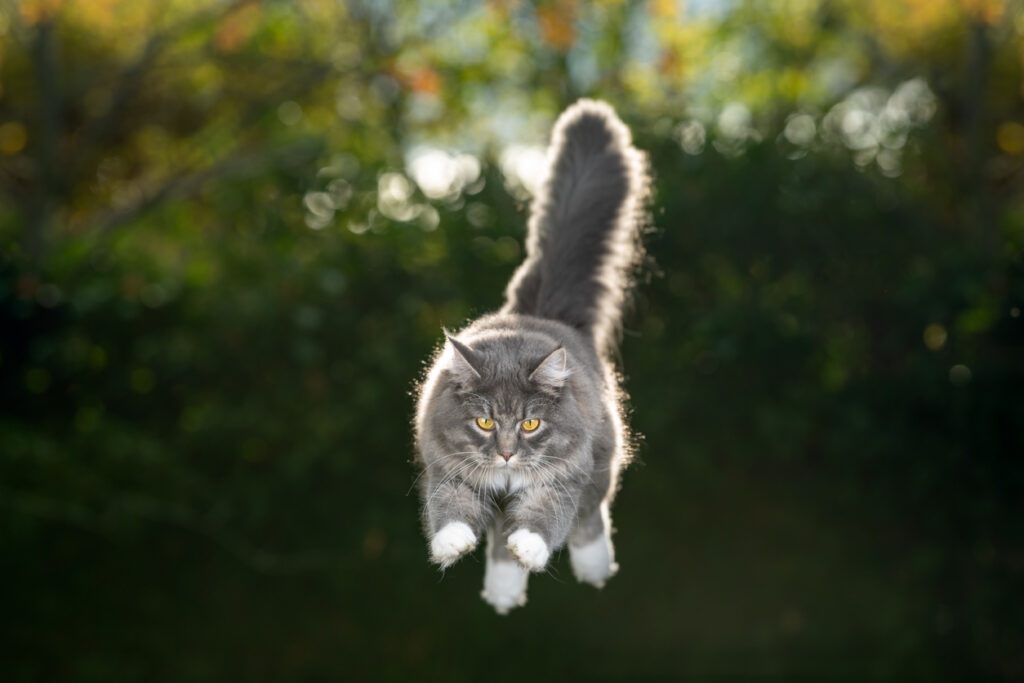
Cats are famous for their ability to twist mid-air and land gracefully. Their whiskers play a small but helpful role by providing spatial feedback that assists with orientation and balance during those dramatic leaps or falls. Dogs aren’t built for the same kind of acrobatics. While they’re agile in their own way, they don’t climb, jump, or fall with the same intensity or frequency. Their internal balance systems don’t need the same whisker boost.
8. Cats use whiskers to read vibrations in the air.
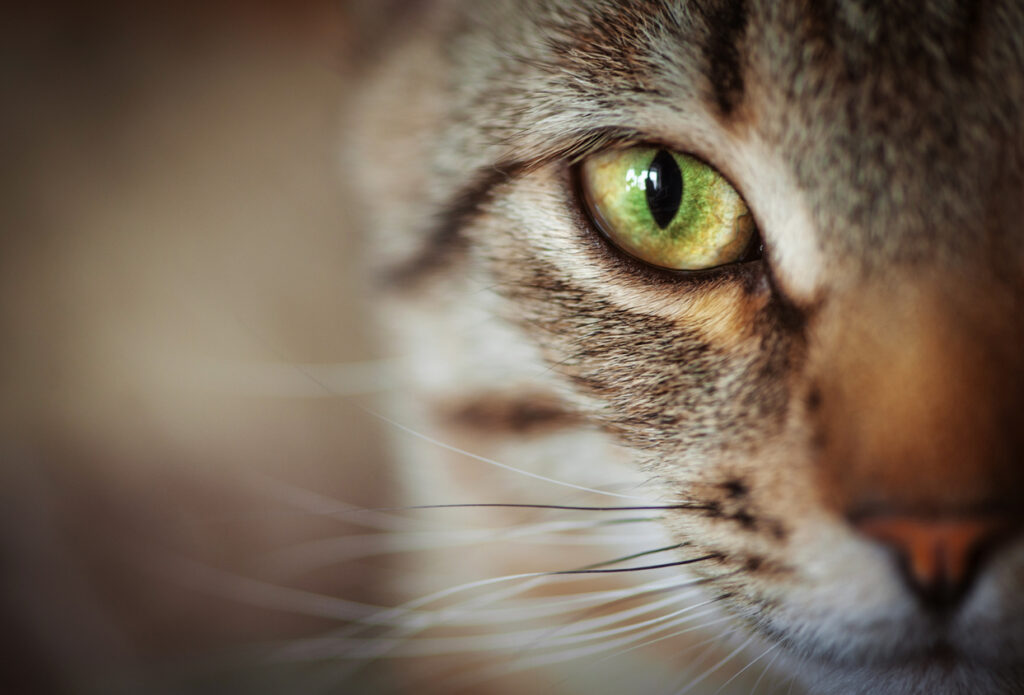
A small gust of wind or the flicker of nearby movement creates air movements are tiny changes cats can feel with their whiskers. This lets them detect nearby motion, even when their eyes can’t quite see what’s there yet. Dogs are more likely to bark first and ask questions later. They’re not built for this level of stealth detection. While some whisker movement might still register with dogs, it’s not the main way they pick up information.
9. Whiskers help cats communicate.
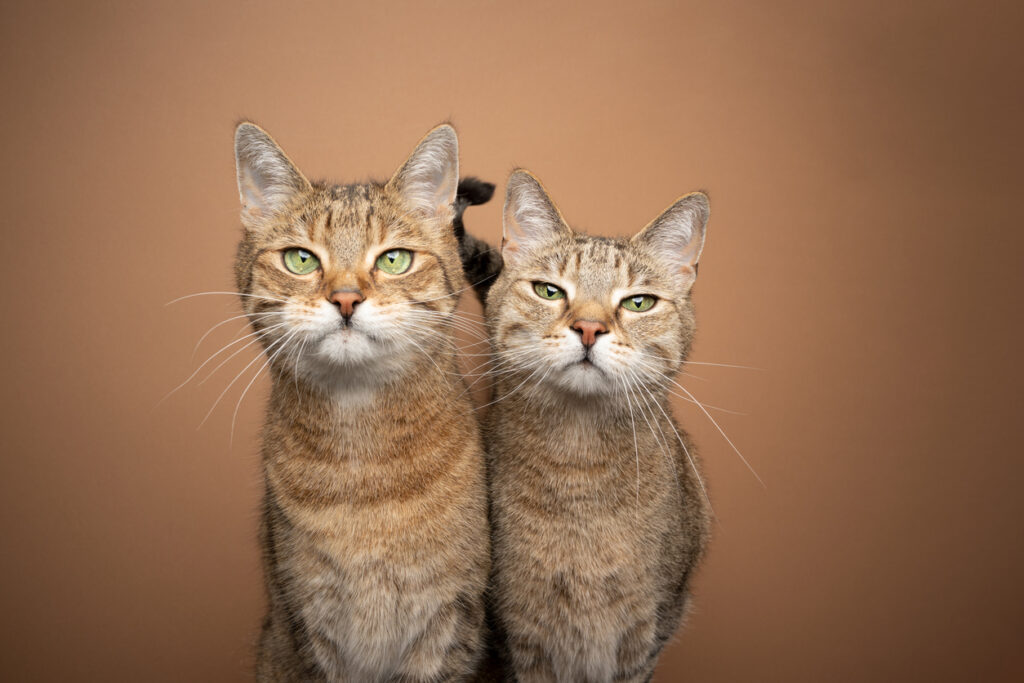
Watch a cat’s whiskers during different moods. When they’re curious or playful, the whiskers push forward. When they’re scared or annoyed, they flatten back. It’s a subtle form of feline body language. Dogs communicate mostly through tail position, ear movement, posture, and sound. Their whiskers might move slightly, but it’s not an expressive tool like it is for cats. For a cat, whiskers can practically talk.
10. Cats often move in near silence.
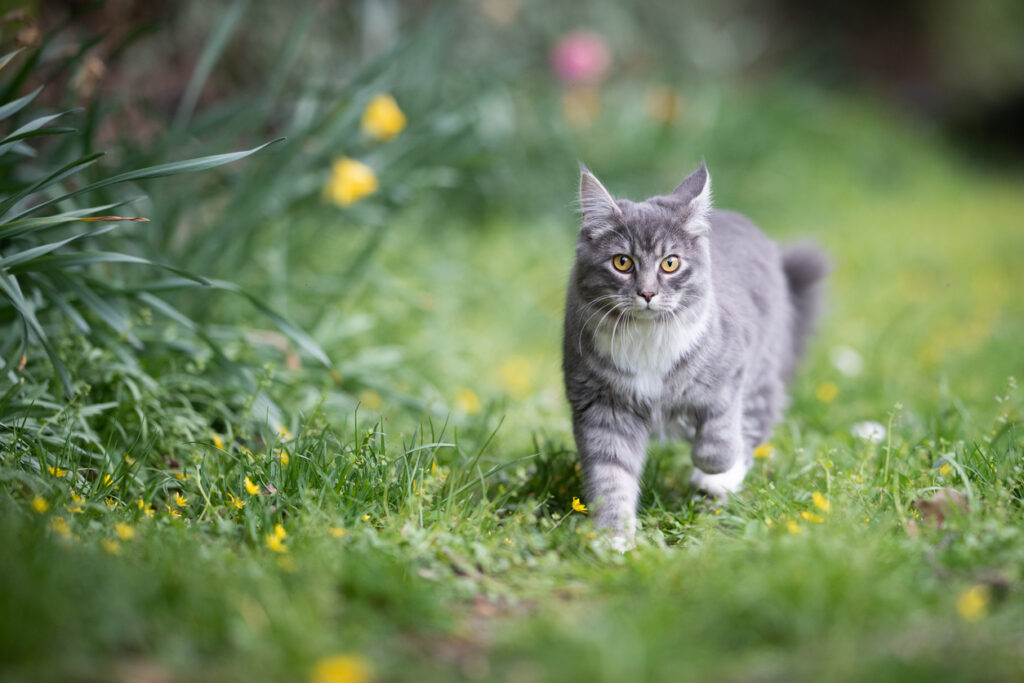
Part of what makes cats such skilled hunters is their ability to move without a sound. Whiskers support that by helping them avoid bumping into obstacles, knocking things over, or disturbing prey before it’s time. Dogs, lovable chaos machines that they are, aren’t exactly built for quiet. They’re less worried about making a noise and more focused on the chase. Their whiskers don’t need to help them tiptoe, they just go.
11. Cats rely on whiskers when squeezing into strange places.

Ever seen a cat crawl into a shoebox or slide behind a sofa? Their whiskers help them decide if it’s a good idea, or a bad squeeze waiting to happen. It’s all about spatial awareness in real time. Dogs might poke their heads into odd spots, but they’re not serial tight-space explorers in the same way. Their broader, bolder movements don’t require whisker approval first. If they fit, they just go for it.
12. Whiskers are part of a cat’s personal radar system.
From detecting air pressure changes to sensing objects without seeing them, whiskers offer cats a kind of 360-degree feedback system. Even the ones on the back of their legs help with movement and balance. Dogs don’t need this same radar because their behaviour and instincts are built for a different purpose. They’re more social, scent-driven, and movement-based, so they’re wired for feedback from different sources.
13. Cat faces are designed around precision.
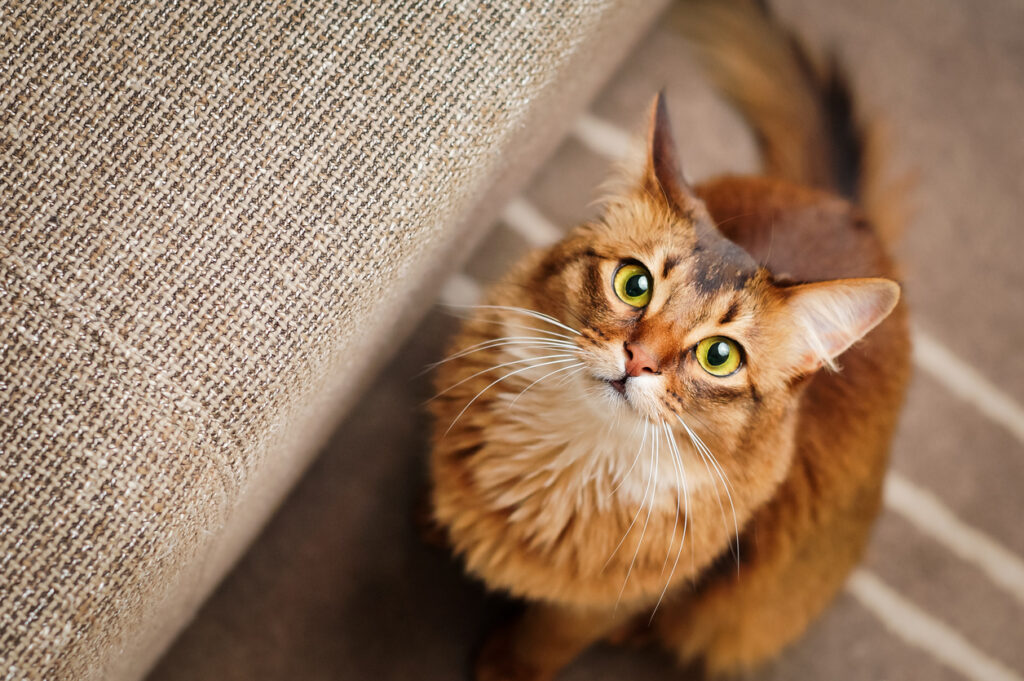
Cats need close-up sensitivity for everything from hunting to grooming. Their faces are shaped to funnel information inward, toward the eyes, ears, and whiskers that help them make sense of the moment. Dogs’ faces are often longer and more sniff-focused. They lead with the nose, not the whiskers. Their world is built from smells rather than spatial feedback, and that shapes the way they interact with it.
14. Dogs just don’t need whiskers in the same way.
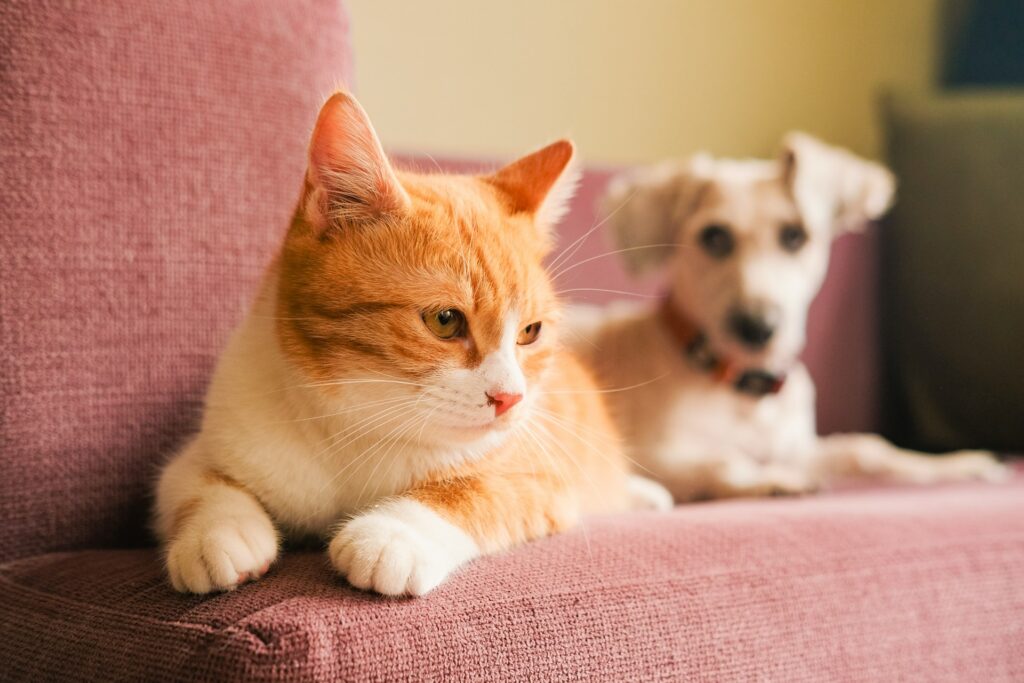
It’s not that dogs don’t have whiskers because they do. However, theirs are smaller, less sensitive, and far less crucial to everyday functioning. A dog could lose a few and barely notice. A cat, on the other hand, might struggle. The difference lies in behaviour, instinct, and the ways each species is designed to experience its environment. Cats are slow, quiet, precise, and observant. Dogs are loud, fast, bold, and nose-first. It’s all down to how nature equipped each of them to survive.