When an animal vanishes from a place it used to thrive, there’s rarely just one reason. Sometimes it’s sudden, like a natural disaster or disease. Other times, it’s slow and barely noticeable until it’s too late. From frogs to foxes, species disappear for all kinds of interconnected reasons. And in many cases, we’re only just beginning to understand the long-term impact of their absence. Here are 12 reasons animals disappear, many of which are linked to us, whether we realise it or not.
1. Habitat loss
One of the biggest reasons animals vanish is because the places they live are being destroyed. Forests are cut down for farming or development, wetlands are drained, and natural spaces shrink bit by bit until there’s simply nowhere left for them to go. It doesn’t always look major at first. In fact, sometimes it’s just one patch of trees at a time. However, the effect adds up fast.
Even animals that seem adaptable struggle when their home is gone. They might try to move elsewhere, but if neighbouring areas are already full or equally disturbed, they have nowhere safe to land. Eventually, population numbers drop, and before long, the species becomes a rare sight, or disappears completely from the area.
2. Climate change
As temperatures rise, the world changes in ways that throw entire ecosystems out of balance. Animals that rely on cold weather are pushed further north or up into mountains. Others face mismatched timing, like birds migrating before their food sources are ready, or frogs hatching during heatwaves.
It’s not just about warmth or cold. Climate changes can affect rainfall, breeding cycles, food availability, and even where predators show up. When animals can’t adapt fast enough, or can’t move to more suitable environments, they start to disappear from places they once called home.
3. Pollution
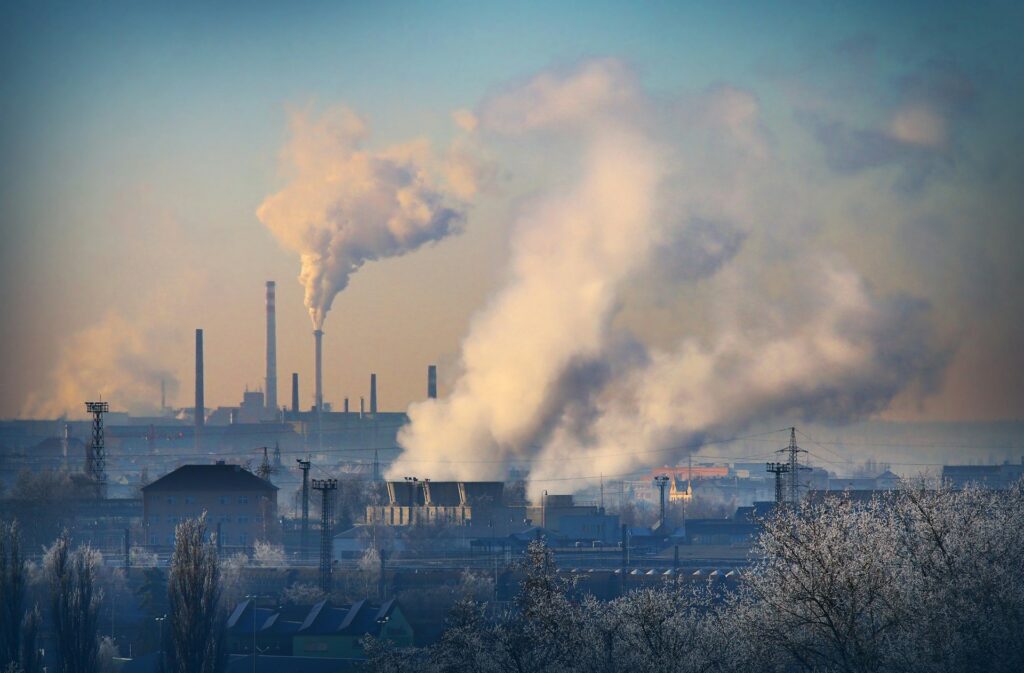
From plastic in the ocean to chemicals in rivers and air, pollution causes serious harm to wildlife. Toxic runoff from farms, oil spills, microplastics, and even noise pollution can disorient, poison, or slowly wear down animal populations. For some species, even low levels of toxins can affect reproduction or survival rates.
Insects and amphibians are particularly vulnerable, and when they decline, it has ripple effects. Birds, fish, and mammals that rely on them for food are affected too. Over time, polluted environments become too hostile for many species to survive in at all.
4. Overhunting and poaching
Some animals disappear because they’re hunted faster than they can reproduce. This includes both legal hunting and illegal poaching. Whether it’s for meat, fur, traditional medicine, or sport, human activity has pushed many species to the edge, especially when there are no limits or protections in place.
Even when laws exist, enforcement is often weak, especially in remote areas. Once populations shrink past a certain point, it becomes harder for animals to find mates, raise young, or avoid being wiped out completely. Recovery, if it happens at all, can take decades.
5. Invasive species
When non-native animals or plants are introduced into an ecosystem, either accidentally or on purpose, they can outcompete or prey on the local wildlife. Often, the native animals aren’t equipped to handle these newcomers, especially if they have no natural predators.
Invasive species can change entire ecosystems. They might eat all the food, spread diseases, or destroy the habitats that native animals rely on. It’s not always dramatic at first, but over time, the original species can disappear without people even noticing the change.
6. Disease outbreaks
Just like humans, animals can be wiped out by sudden or widespread disease. In some cases, these outbreaks come from natural sources. But increasingly, they’re linked to human activity, like wildlife trade, intensive farming, or environmental stress that weakens immune systems.
One well-known example is the chytrid fungus devastating amphibians around the world. In many cases, diseases spread rapidly across regions and species with no cure or resistance. The speed and scale can be shocking, and by the time anyone reacts, the damage is already done.
7. Fragmented ecosystems

Even when some habitat remains, if it’s broken up into small, disconnected patches, animals can struggle to survive. Roads, cities, fences, and farmland can cut off wildlife from mates, food sources, or migration routes. It’s like living on islands that keep drifting further apart.
Without the ability to move freely, populations become isolated. This leads to inbreeding, lower genetic diversity, and a higher risk of extinction over time. Creating wildlife corridors or rewilding landscapes can help, but fragmentation still poses one of the biggest ongoing threats.
8. Natural disasters
Fires, floods, hurricanes, and droughts can all wipe out animal populations, especially if they hit the same area repeatedly or the animals have nowhere else to go. Climate change is making many of these events more frequent and more intense, leaving wildlife with less time to recover in between.
In some cases, a single event can wipe out a species if it lives in a very specific or isolated location. Island species, in particular, are vulnerable to disasters because they often have nowhere else to retreat to.
9. Noise and light pollution
We don’t always think of sound and light as threats, but for animals that rely on darkness or quiet to hunt, mate, or migrate, it can be a serious problem. Artificial light disrupts insect cycles and sea turtle hatchlings. Constant noise from traffic or industry messes with birdsong, echolocation, and predator-prey dynamics.
As time goes on, these disruptions can reduce breeding success, make animals more vulnerable, or drive them out entirely. Some may adapt, but many simply leave, if they can, or stop returning altogether.
10. Changes in food chains
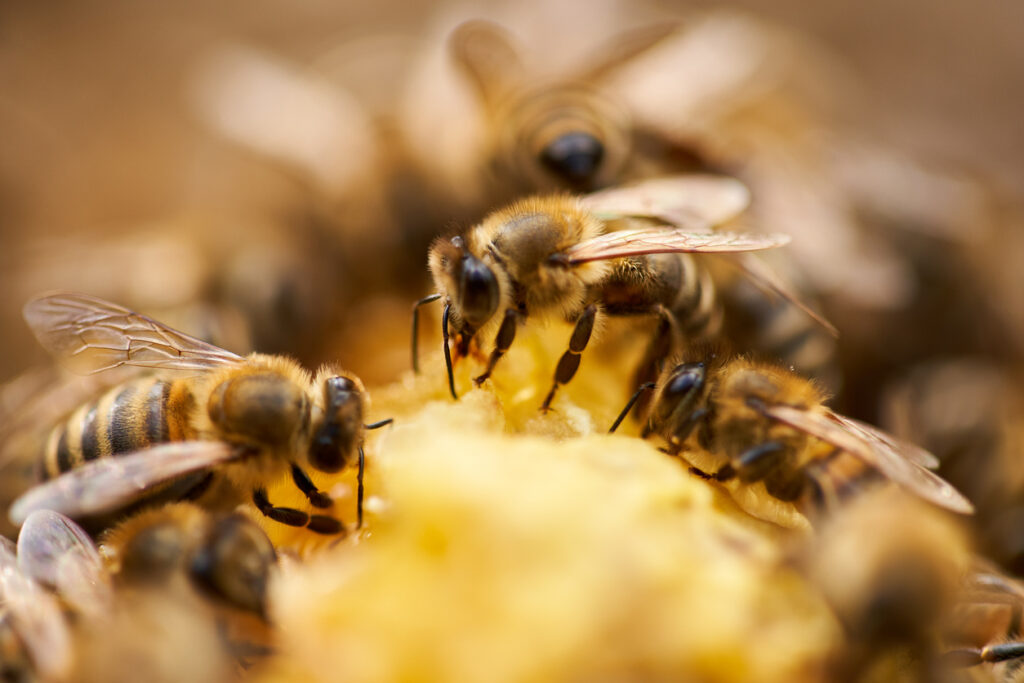
When one part of the food chain breaks—say, a pollinator declines or a prey species disappears—it sends shockwaves up and down the system. Predators go hungry. Herbivores lose plants. Everyone’s out of sync, and the balance that kept the ecosystem running quietly collapses.
These changes often start small, but once they pick up speed, it becomes hard to stop the domino effect. By the time you notice the big animals are gone, it usually started much further down the chain.
11. Human-wildlife conflict
In some areas, animals are forced to compete with people for space or resources. When animals eat crops, attack livestock, or wander into towns, they’re often seen as a threat, and are removed or killed. This conflict is only increasing as more human development pushes into natural areas.
While some communities have found ways to coexist peacefully, others don’t have the resources or support to do so. As a result, species seen as “nuisances” or “dangerous” are pushed out or eliminated, even if they’re already under threat.
12. Loss of cultural value
Sometimes, animals disappear not because they’re hunted directly, but because people stop caring about them. When species lose their place in local stories, beliefs, or traditions, they often lose protection too. Conservation tends to follow emotion; if no one’s paying attention, it’s easier to let something vanish.
Reviving cultural links to wildlife through education, storytelling, or community-based conservation can be surprisingly powerful. When people feel connected to the animals around them, they’re far more likely to step in before it’s too late.