
They might not be cute, but black soldier fly larvae are quietly revolutionising the way we deal with food waste. These wriggly little insects don’t just break down our scraps, they turn them into nutrient-rich fertiliser that can feed soil, reduce emissions, and support more sustainable farming. It’s one of those rare solutions that’s low-tech, high-impact, and surprisingly efficient. Here’s why this unassuming bug might be the key to greener food systems in the future.
1. They can eat way more than you’d expect.
Black soldier fly larvae are basically living waste processors. They can consume up to ten times their body weight in food scraps daily, everything from kitchen leftovers to agricultural waste. Their digestion process is rapid, which speeds up composting timelines significantly and keeps food waste from rotting in landfills.
That quick breakdown also cuts down on the methane and carbon emissions that usually come from decomposing waste. So not only are they cleaning things up, but they’re helping the environment while they’re at it. For something the size of a paperclip, that’s a pretty big impact.
2. Their waste (called frass) is actually good for soil.
Frass might not sound appealing given that it’s essentially bug poop, but it’s packed with nitrogen, phosphorus, and helpful microbes. Farmers and gardeners are already using it as an organic fertiliser because it improves soil structure and helps crops grow stronger without synthetic chemicals.
It’s also rich in carbon, which means it helps lock nutrients into the soil while improving water retention. Compared to some commercial fertilisers, frass is cleaner, safer, and better for long-term soil health. Basically, it’s a natural way to feed the earth back.
3. It’s safer than animal manure.
Unlike traditional fertilisers made from animal waste, frass is low in pathogens and doesn’t carry the same risks of contamination. That makes it easier to regulate and safer to use, especially on edible crops. It’s already being allowed in some organic farming systems across Europe.
It’s also easier to process and store. The low odour and fast breakdown mean it fits neatly into small-scale operations and big agricultural systems alike. You get all the benefits of organic fertiliser, with fewer of the messy complications.
4. Nothing goes to waste, not even the bugs.
The system is completely circular. Once the larvae have finished processing the waste, they can be harvested themselves as protein-rich animal feed. They’re already being used in fish farms, poultry feed, and even pet food as a more ethical, sustainable alternative to soy and fishmeal.
That means the food scraps you throw away can be turned into both fertiliser and food for other animals, without relying on deforestation or overfishing. It’s one of those rare closed-loop systems that actually works in practice, not just in theory.
5. Cities are already giving it a go.

Sydney is one of the first big cities to pilot black soldier fly systems on a city-wide scale. Using stacked containers filled with larvae, they’re processing tonnes of food waste every week and converting it into fertiliser and animal feed on the spot.
It’s scalable, efficient, and surprisingly low-maintenance. Other urban areas are watching closely because the model could help cut landfill use and lower city emissions without needing high-tech infrastructure. All it takes is the right bug in the right box.
6. Scientists are trying to make them even better.
In Australia, researchers are exploring gene editing to make these insects even more effective at processing waste. The goal is to help them break down more types of organic material and produce even more useful byproducts like enzymes and oils.
They’re also working on ways to keep everything safe and contained, making sure these super-efficient bugs don’t disrupt natural ecosystems. It’s early days, but the idea of turning a humble composting insect into a full-on green tech solution is gaining ground fast.
7. The fertiliser works with nature, not against it.
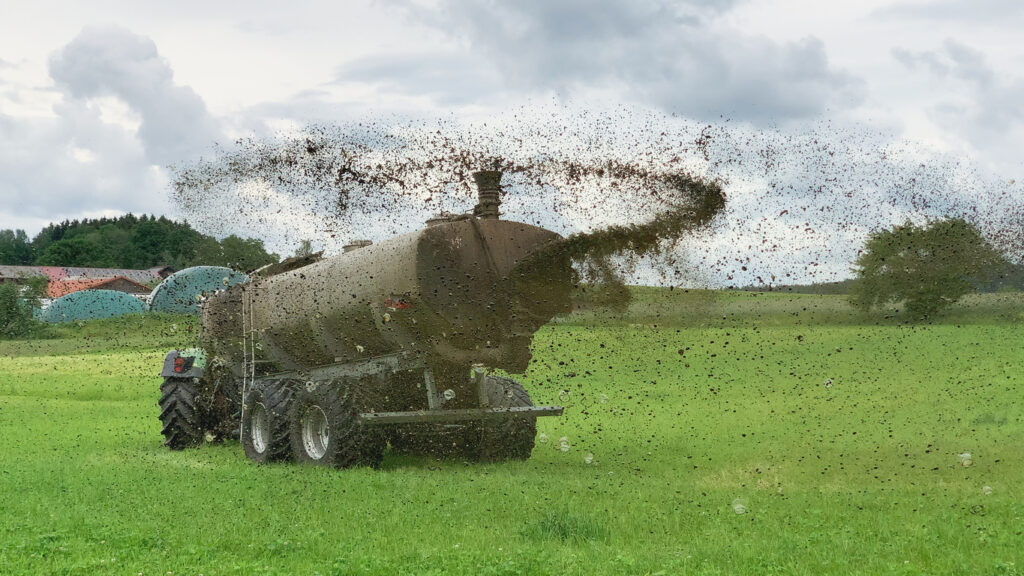
Frass boosts the kind of soil health that supports long-term agriculture. It improves carbon content, strengthens microbial life, and doesn’t leach harmful chemicals into water systems the way some fertilisers do. That makes it a smart choice for climate-friendly farming.
With extreme weather becoming more common, anything that makes crops more resilient without damaging the environment is worth paying attention to. Frass might not sound glamorous, but it ticks a lot of boxes that future farming desperately needs.
8. You don’t need a massive setup to use it.
The beauty of black soldier fly systems is how scalable they are. You can run them at home in a small container or manage them commercially with thousands of larvae. All you need is a controlled environment, a regular supply of organic waste, and a little know-how. That makes it accessible to communities, farmers, and even schools looking to turn food waste into something useful. It’s a rare mix of low-cost, low-tech, and high return, which is something we could use a lot more of right now.