We often think of dinosaurs as land dwellers—towering creatures stomping through forests and plains.

But while true dinosaurs stuck to the land, the ancient seas had their own terrifying giants. They weren’t technically dinosaurs, but they lived at the same time and ruled the oceans with just as much dominance. From long-necked swimmers to massive marine reptiles with crocodile-like jaws, these underwater predators helped shape prehistoric ecosystems and made the seas just as dangerous as the land. Here are some of the most impressive marine reptiles that lived alongside dinosaurs and completely dominated ancient oceans.
1. Mosasaurus
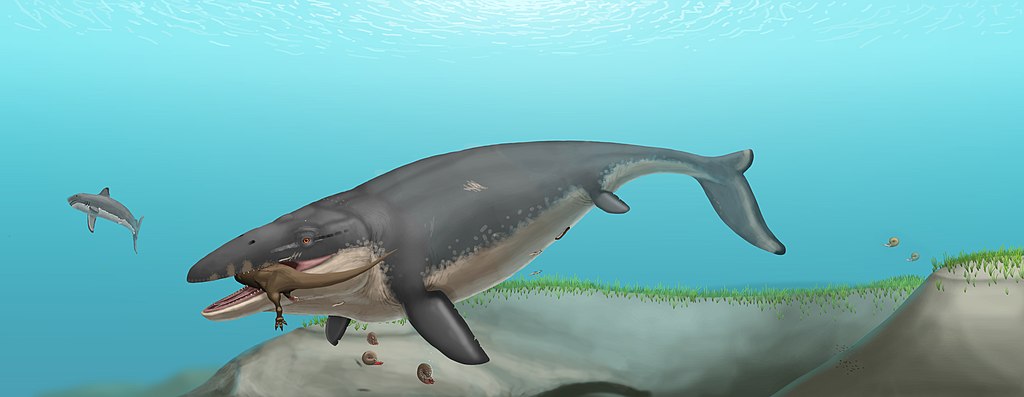
Mosasaurus was the undisputed king of the Late Cretaceous seas. At over 50 feet long, it looked like a cross between a crocodile and a giant lizard, with a tail built for speed and a jaw filled with hundreds of razor-sharp teeth.
It was a powerful predator that likely ate anything it could catch, including fish, turtles, and even other marine reptiles. It’s no wonder Mosasaurus ended up as the showstopper in more than one Jurassic World movie; it was basically a real-life sea monster.
2. Plesiosaurus
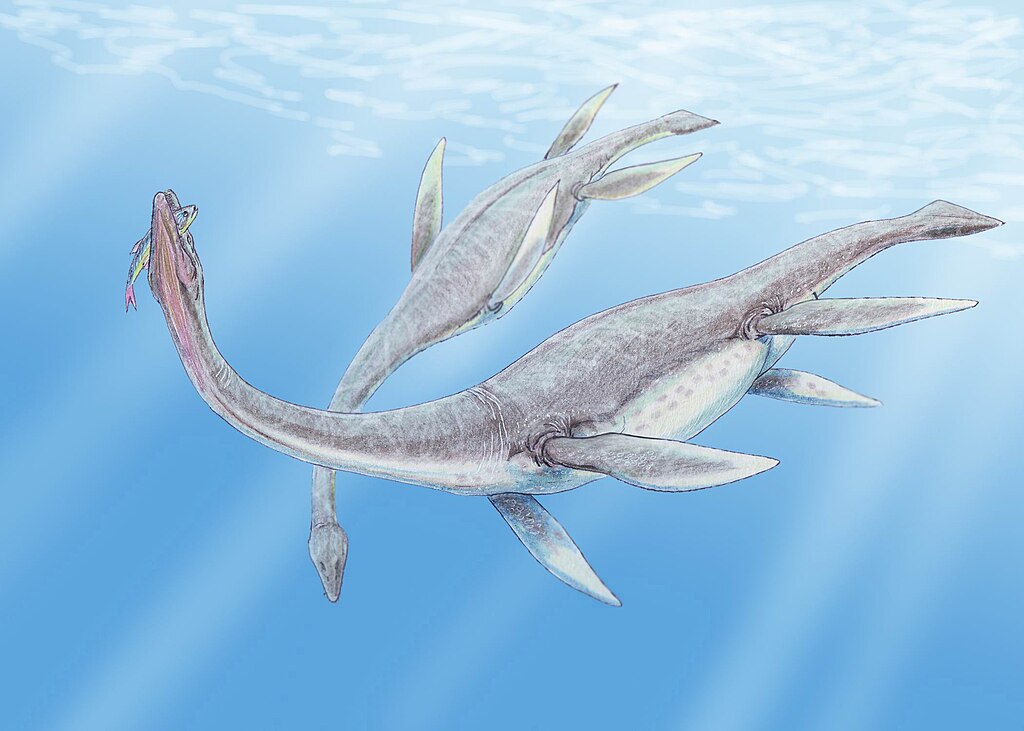
Plesiosaurus is often confused with the Loch Ness Monster because of its long neck and four flipper-like limbs. It was one of the earliest marine reptiles identified and lived during the early Jurassic period. With a body built for gliding through water and a head full of pointed teeth, it likely fed on small fish and squid. While not the biggest marine reptile, its unique body plan made it one of the most recognisable.
3. Liopleurodon

Liopleurodon was a massive pliosaur, a short-necked relative of Plesiosaurus, and it had an enormous head packed with conical teeth. Estimates suggest it could grow up to 25 feet long, though older claims were wildly exaggerated. It’s thought to have been a powerful ambush predator, using its strong flippers and keen sense of smell to stalk prey through prehistoric waters. Its bite was formidable, and its hunting skills made it a true top-tier carnivore.
4. Ichthyosaurus

Ichthyosaurus looked like a cross between a dolphin and a fish, but was actually a reptile that returned to the sea. It first appeared in the early Triassic and remained successful well into the Jurassic period. Fast and streamlined, it likely hunted fish and squid in open waters. Fossils even show it gave birth to live young, much like modern whales and dolphins. It was one of the earliest marine reptiles to really master the ocean.
5. Kronosaurus
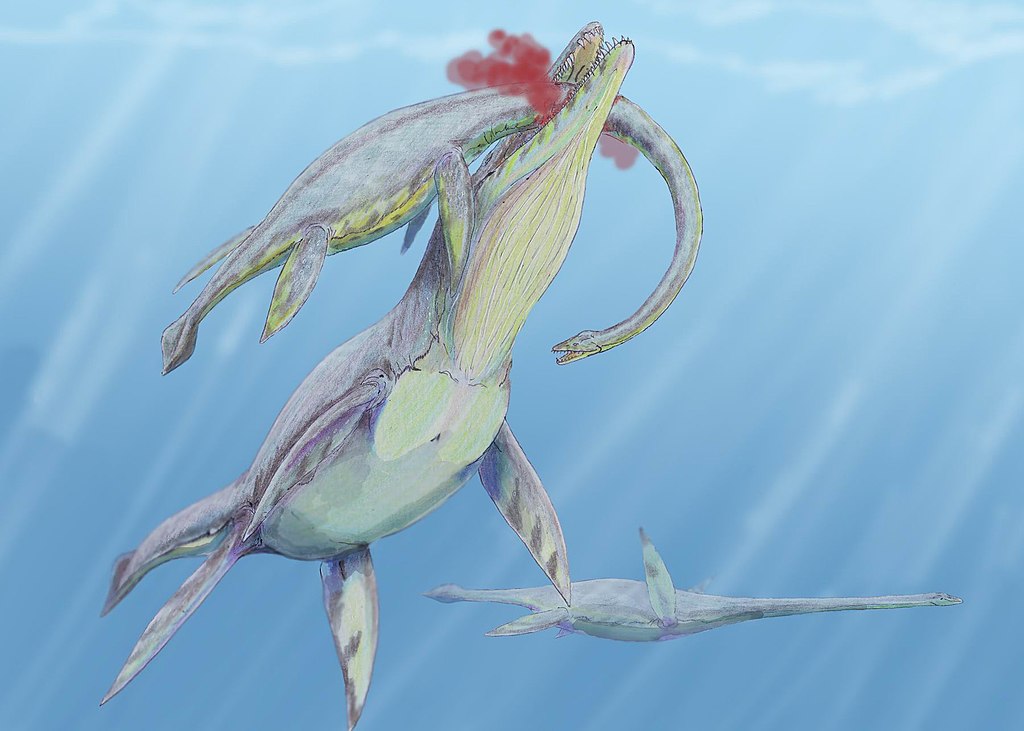
Kronosaurus was another pliosaur, named after the Titan Cronus in Greek mythology, and for good reason. At roughly 30 feet long, it had a bulky body, huge jaws, and four powerful flippers to propel it through the sea. Its skull alone was around 10 feet long, filled with thick, conical teeth ideal for crushing prey like turtles and other reptiles. It wasn’t just a swimmer; it was a brawler of the prehistoric oceans.
6. Elasmosaurus
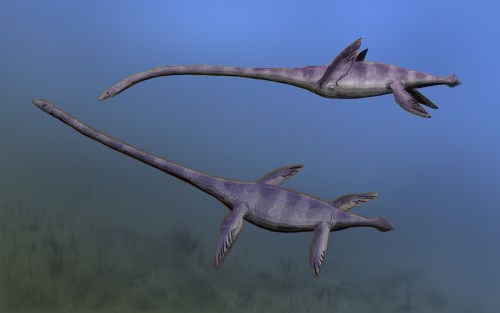
Elasmosaurus is best known for having one of the longest necks in the animal kingdom; its neck made up more than half of its 40-foot body. Despite the awkward proportions, it was a surprisingly graceful swimmer. Scientists believe it used its long neck to sneak up on schools of fish or squid, snatching them without disturbing the water too much. Its strange anatomy made it stand out, even among its already unusual marine reptile peers.
7. Nothosaurus
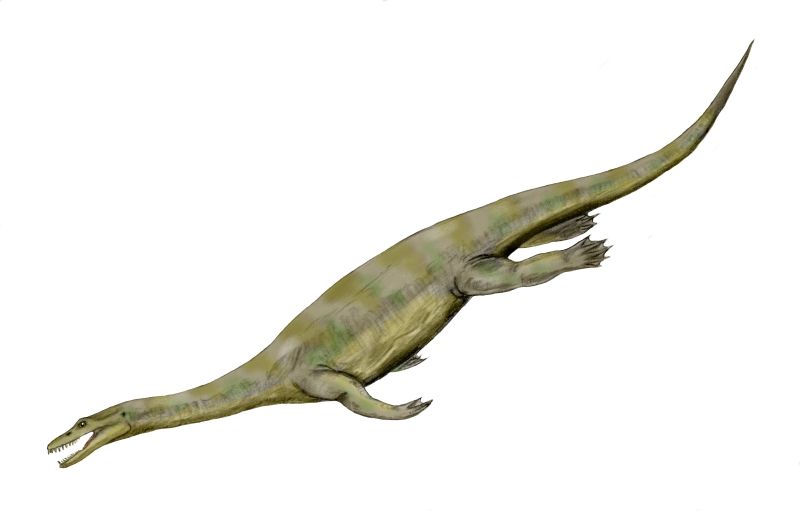
Nothosaurus lived during the Triassic and may have been one of the early experiments in marine reptile evolution. It had a long body, webbed feet, and a pointed snout: part lizard, part seal in appearance. It’s believed Nothosaurus spent time both in water and on land, like modern seals, and likely hunted fish in shallow seas. Though it wasn’t the biggest predator, it helped pave the way for more specialised swimmers to follow.
8. Shonisaurus
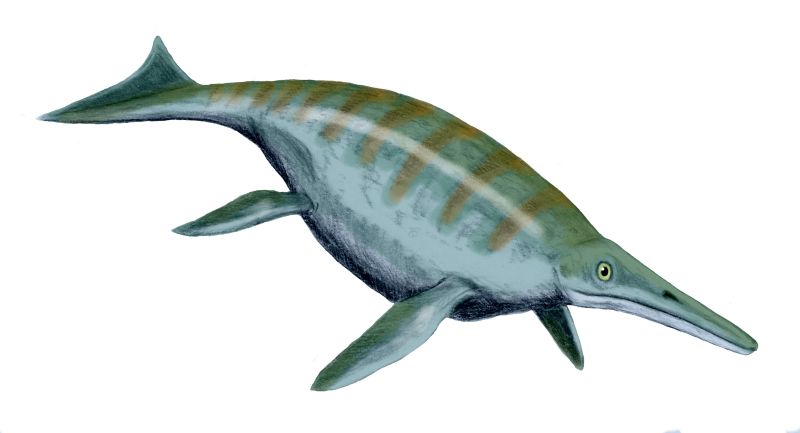
Shonisaurus was one of the biggest ichthyosaurs ever discovered, growing up to 70 feet long. Unlike its smaller relatives, it had a slimmer body and an elongated snout, more suited to feeding on soft-bodied prey like squid. Its sheer size suggests it didn’t have many predators, and it likely cruised open oceans like a prehistoric whale. Fossil finds in Nevada show these giants may have travelled in pods, hinting at social behaviour.
9. Tylosaurus
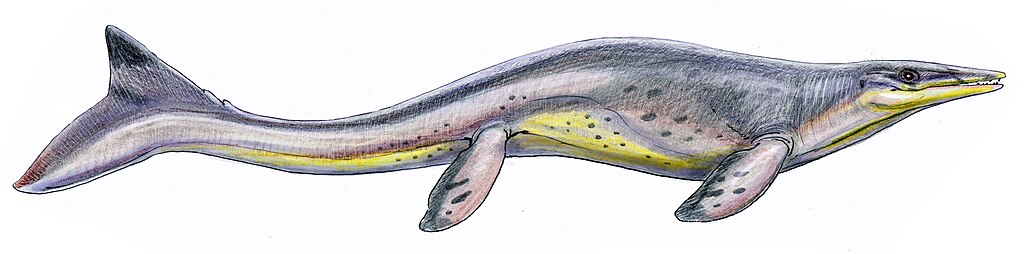
A cousin of Mosasaurus, Tylosaurus was another top predator in the Late Cretaceous seas. It had a long, narrow skull and grew up to 45 feet long, with a powerful tail that gave it bursts of speed. It’s thought to have hunted in deep water, preying on fish, birds, and even other mosasaurs. Some fossils show remains of turtles and other marine reptiles in its gut. Clearly, it wasn’t picky about its meals.
10. Pliosaurus

Pliosaurus was a pliosaur with an especially massive skull, some up to 7 feet long, and huge flippers for fast swimming. It lived during the late Jurassic and was one of the top predators of its time. Its body was stockier than many other marine reptiles, but it made up for it with raw power. Pliosaurus would’ve hunted large prey, including other marine reptiles, with crushing force and speed.
11. Temnodontosaurus
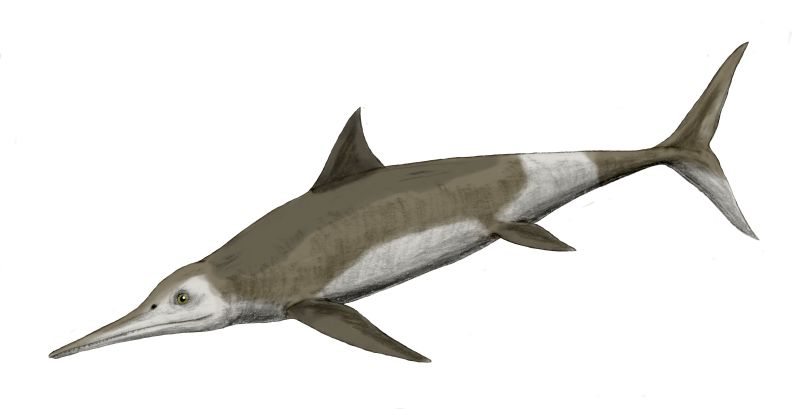
This early ichthyosaur had an impressively large head and some of the biggest eyes ever recorded in a prehistoric creature, which as perfect for hunting in deeper, darker waters. It could grow over 30 feet long. Temnodontosaurus likely hunted squid and fish using speed and excellent vision. Its streamlined shape and eye size suggest it was a deep diver, possibly similar in lifestyle to modern-day giant squid hunters like sperm whales.
12. Clidastes
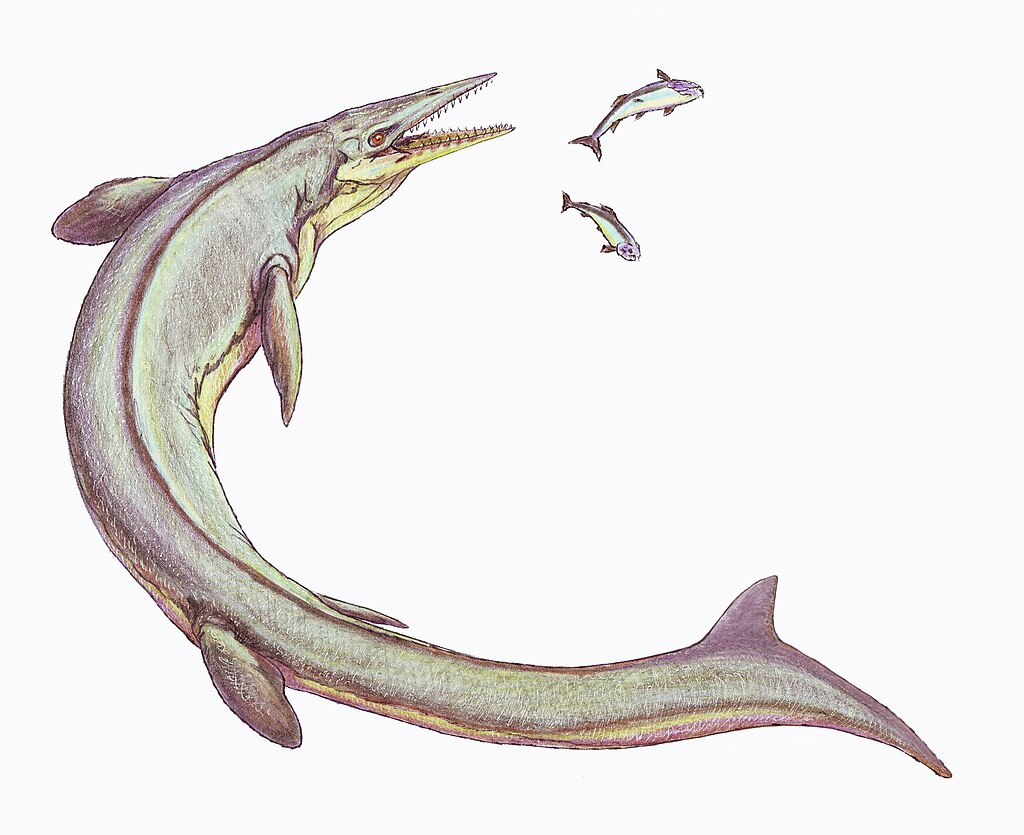
Clidastes was one of the smaller mosasaurs, growing up to 12–20 feet, but it was built for agility. It had a more flexible body than its larger cousins and could change direction quickly in the water. This made it especially deadly in tighter or reef-like environments, where quick turns and ambush tactics worked best. It fed on fish, shellfish, and likely smaller marine reptiles when it got the chance.
13. Ophthalmosaurus
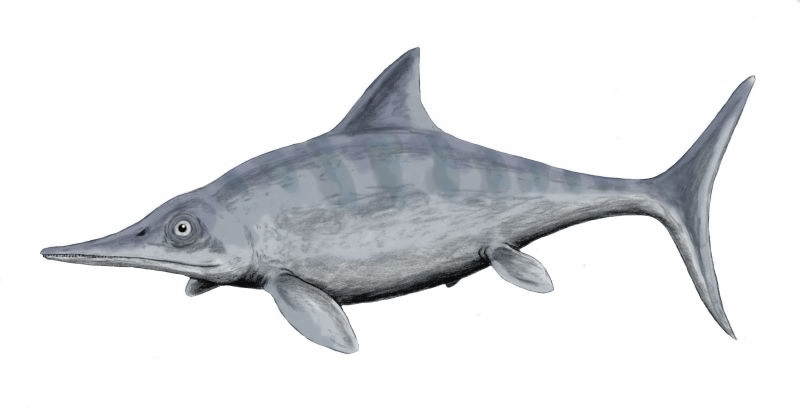
With huge eyes and a torpedo-shaped body, Ophthalmosaurus was another ichthyosaur built for the depths. Its name literally means “eye lizard,” and its vision was key to its survival in darker waters. It likely hunted at dusk or even during nighttime dives, relying on sight more than sonar or scent. The shape of its body suggests it was an efficient swimmer, capable of long journeys in search of prey.
14. Basilosaurus (honourable mention)
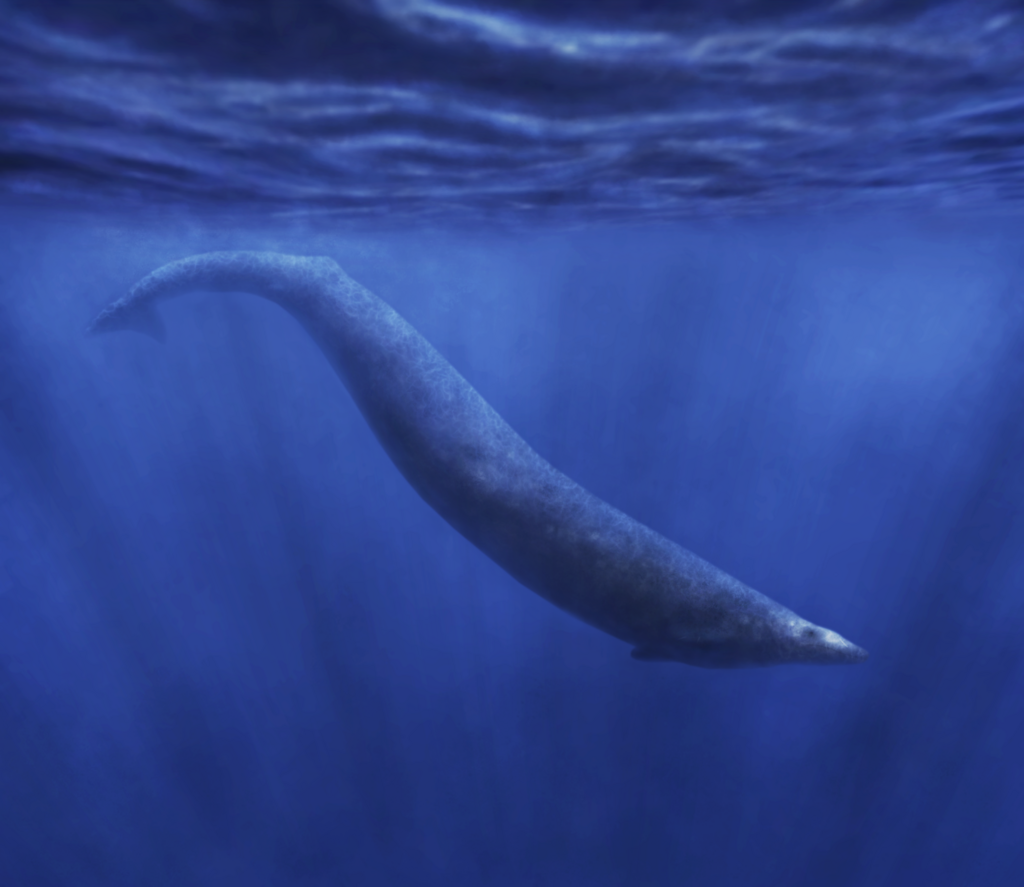
Technically not a reptile or a dinosaur, Basilosaurus was an early whale, but it gets a mention here because it ruled the seas after the dinosaurs became extinct. It looked like a sea serpent, with a long, slender body reaching up to 60 feet. Living around 40 million years ago, Basilosaurus was one of the first fully aquatic whales and fed on fish and other marine animals. It marked the transition from reptile-dominated oceans to the era of mammalian marine giants.