Most of us assume that vegetables need rich, fertile soil to taste their best, but that’s not always the case.
In fact, there are quite a few crops that actually thrive in less-than-perfect conditions. Poor, well-draining soils can help concentrate flavour, slow down growth in a good way, and reduce the risk of things like rot or disease. So if you’ve got stony, sandy, or nutrient-light soil, don’t panic. You might just be set up for some seriously tasty harvests. Here are 14 vegetables that often taste better when grown in leaner soil.
Carrots
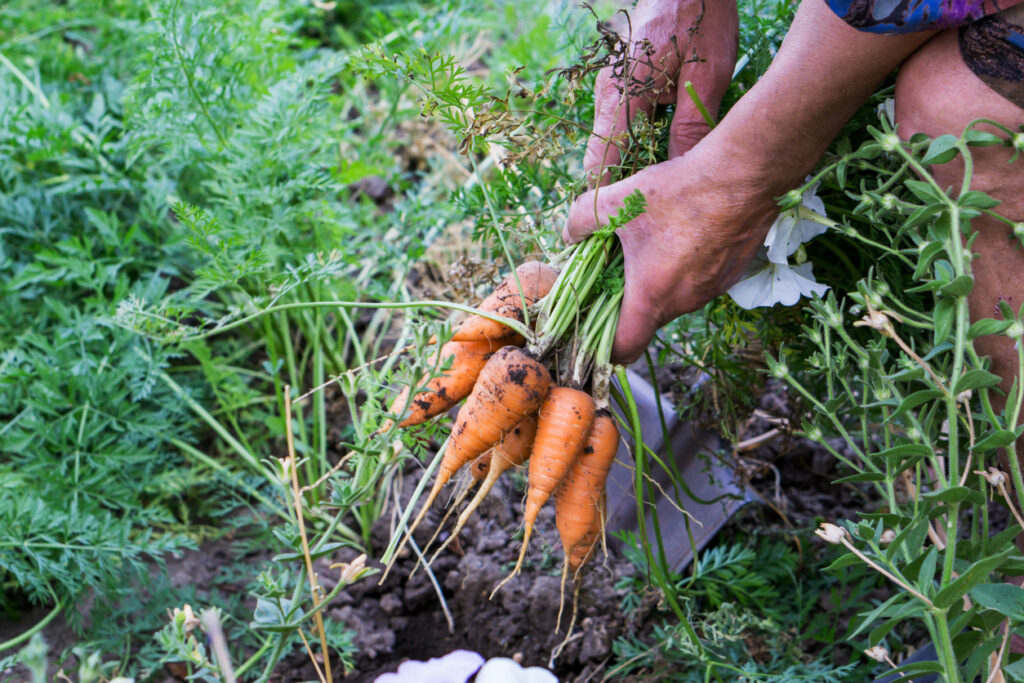
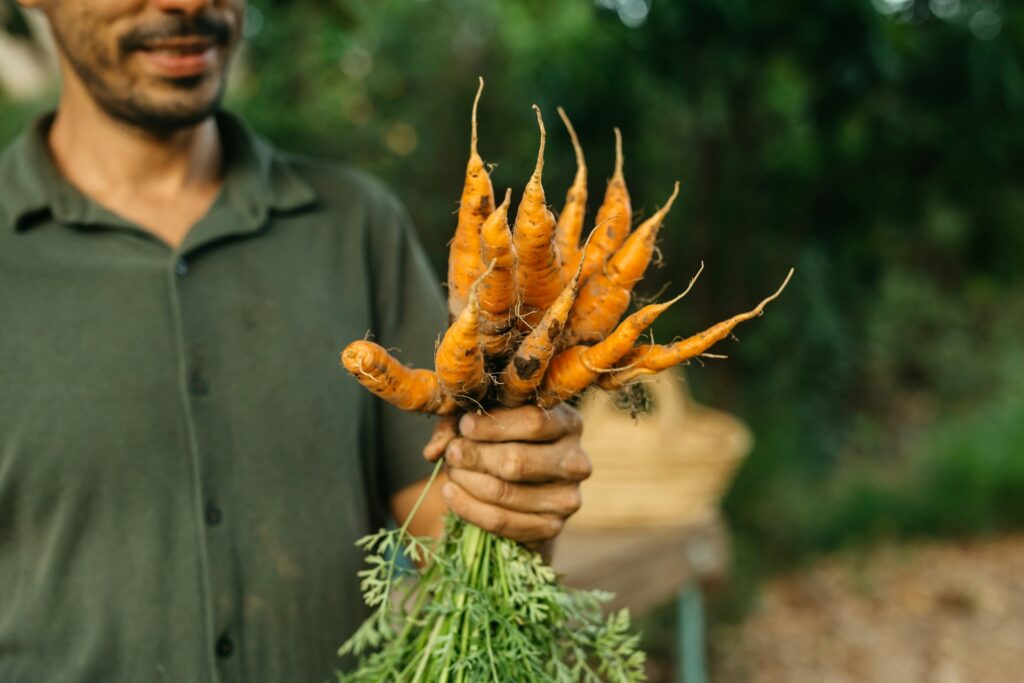
Carrots grow best in loose, well-draining soil, and if it’s a bit sandy or low in nutrients, even better. Rich, heavy soil can actually cause them to fork or split, while overly fertile conditions can lead to excessive leafy growth and bland, watery roots. When grown in lighter soil, the roots develop slowly and concentrate their sugars, giving you that deep, sweet carrot flavour. Just avoid compacted or rocky patches, which can still stunt or twist their growth.
Beetroot
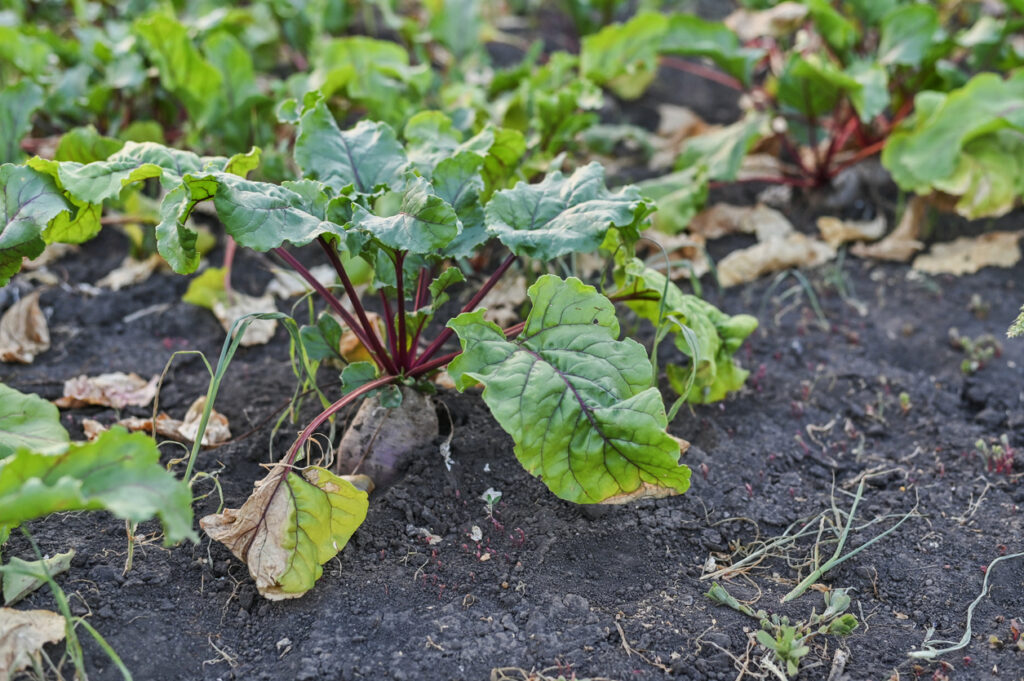
Beets are surprisingly tolerant of average or even slightly poor soils. In fact, if the soil’s too rich in nitrogen, they’ll put most of their energy into leafy tops rather than forming nice round roots underground. With leaner soil, the roots tend to grow smaller but denser, which can make their flavour more earthy and intense. You’ll also get better colour and texture, especially in well-drained beds that don’t hold too much moisture.
Chillies
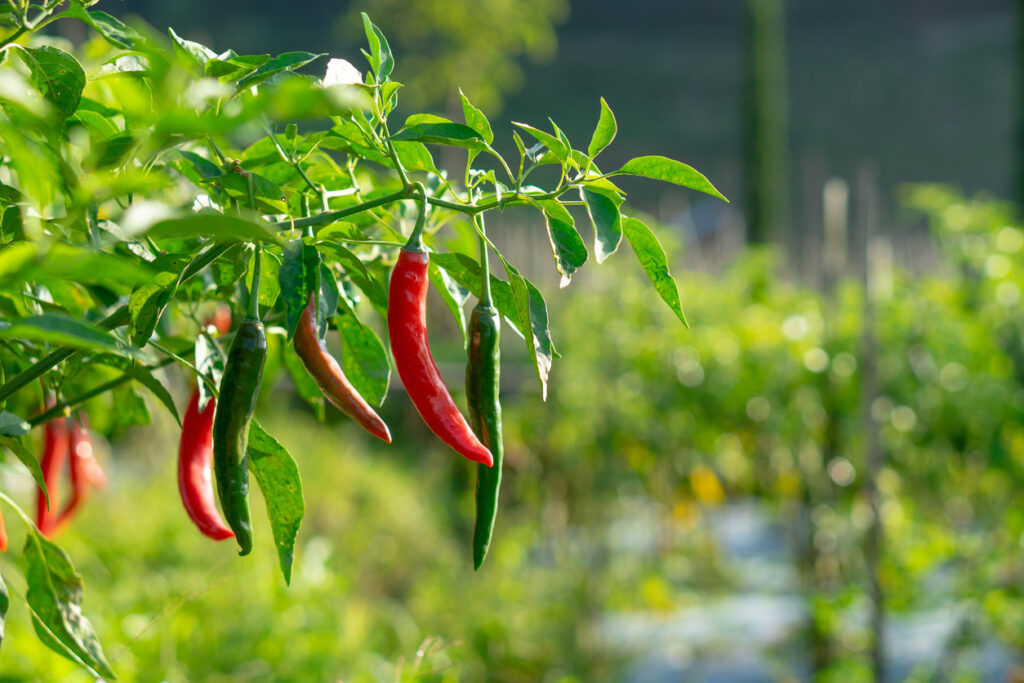
Chilli plants don’t like fuss. They do best in light, dry soil that’s not too fertile. If you overfeed them or grow them in overly rich compost, they’ll pump out lots of leaves but struggle to fruit properly, or worse, produce bland-tasting chillies. When grown in poorer soil with a bit of stress, chilli plants tend to produce smaller but much hotter and more flavourful fruits. It’s a case of quality over quantity, and the results can be surprisingly fiery in the best way.
Tomatoes
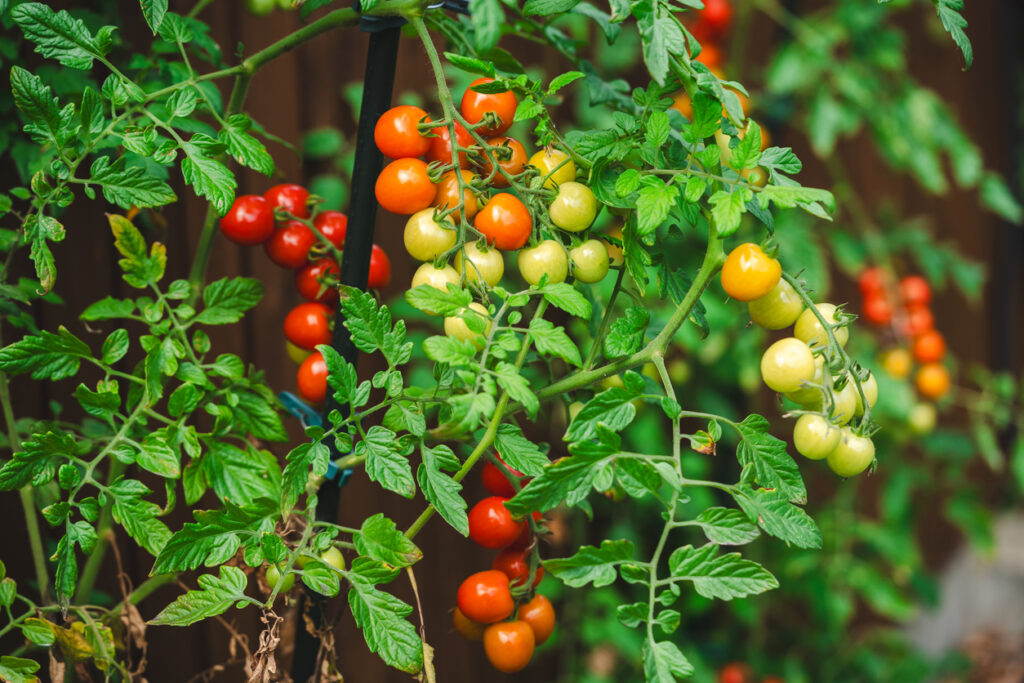
While tomatoes do appreciate good drainage and warmth, too much rich soil can cause them to produce lots of foliage at the expense of fruit. Overfeeding can also lead to watery, less tasty tomatoes that lack that sweet-savoury punch. With slightly leaner soil and more measured feeding, the plants stay more balanced, and the fruits often end up smaller, sweeter, and more concentrated. Mediterranean growers have used this trick for generations to get their famous intense flavour.
Turnips
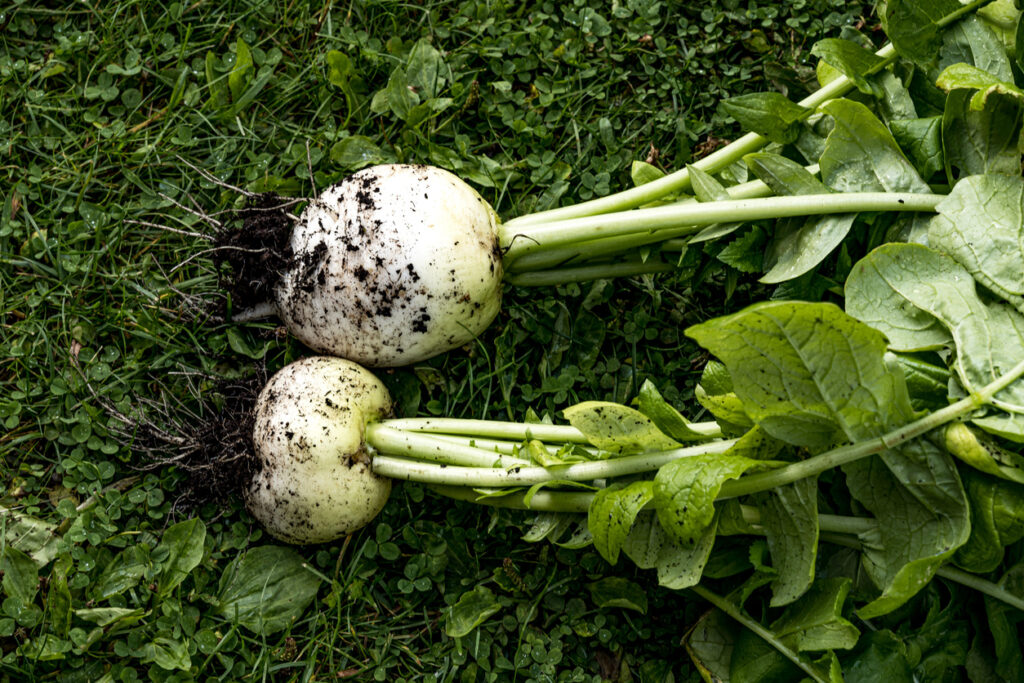
Turnips are tough and adaptable, and they’ll often do just fine in average to poor soils. In overly rich soil, they may grow quickly but develop a slightly bland or even woody taste as the roots bulk up too fast. When grown in leaner beds, especially with some sand or grit, the flavour sharpens and sweetens slightly, depending on the variety. They may stay smaller, but they’ll often be more tender and far tastier.
Radishes
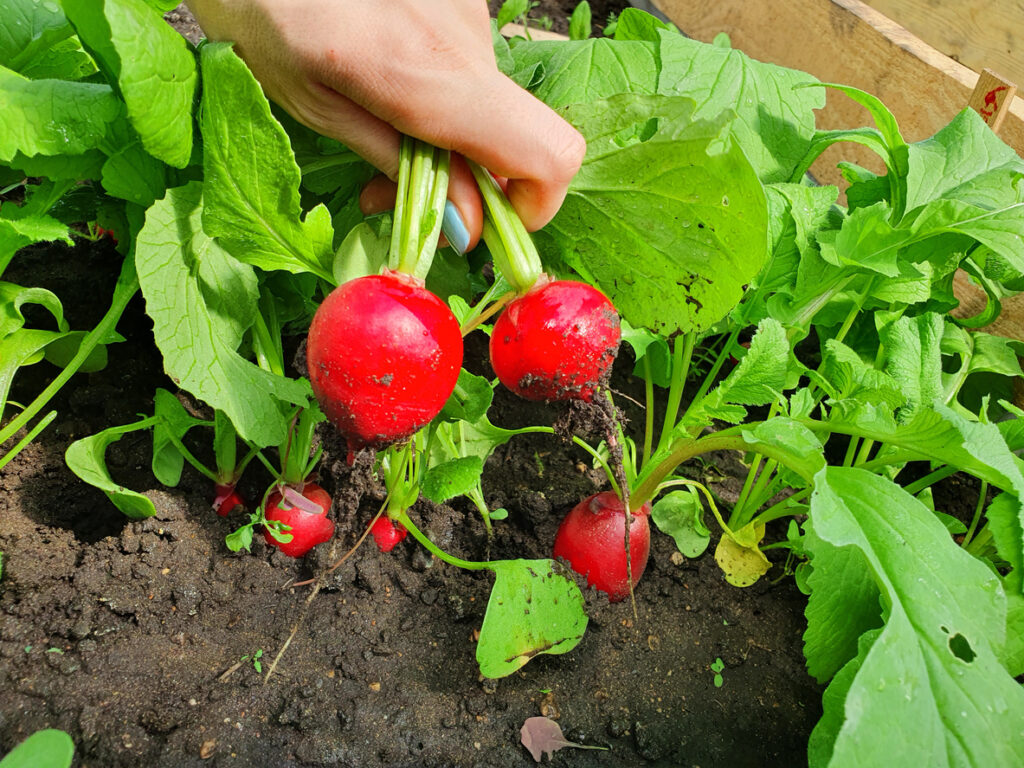
Fast-growing and unfussy, radishes are perfect for lean soil. Too much fertility, especially nitrogen, can cause them to bolt or grow big, soft, and overly mild. In contrast, poor soil helps keep their size in check and their peppery flavour intact. Plus, they’re quick enough to harvest before the soil has a chance to dry out or degrade too much. If your soil is sandy and drains well, you’re likely to end up with crisp, crunchy radishes packed with bite.
Parsnips
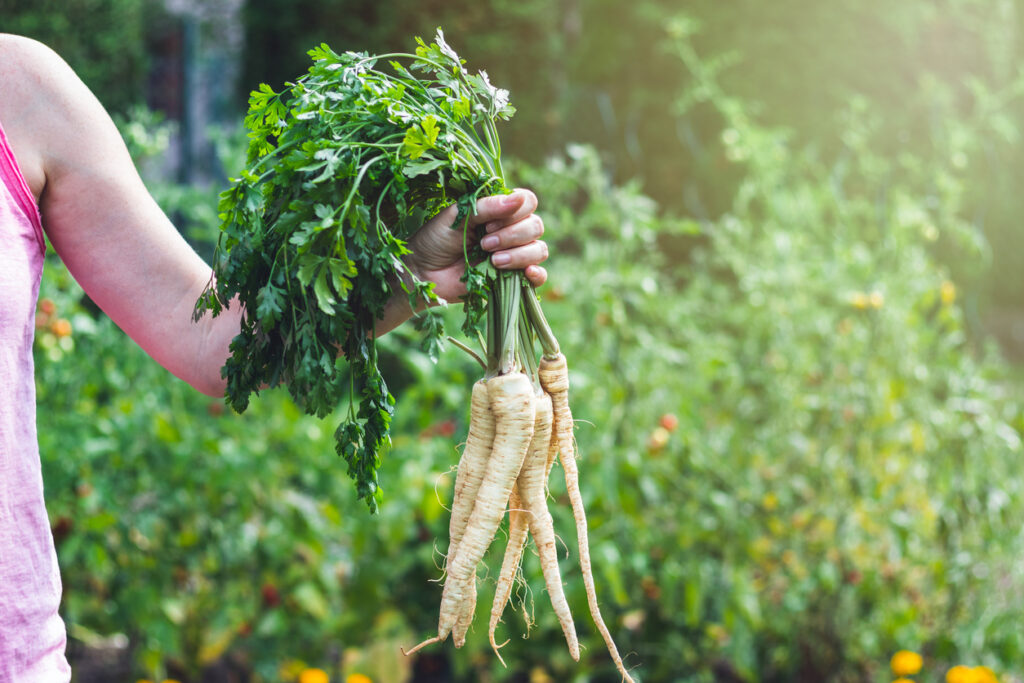
Like carrots, parsnips thrive in sandy or poor soil because it encourages their roots to grow deep and straight without splitting. Rich, damp soil increases the risk of rot or odd-shaped growth, especially in colder regions. With slower development in leaner soil, the roots can build up a complex, nutty flavour, especially after a light frost. It’s one of the reasons they’re often better when grown on unimproved beds or older allotments with thinner soil.
Kale
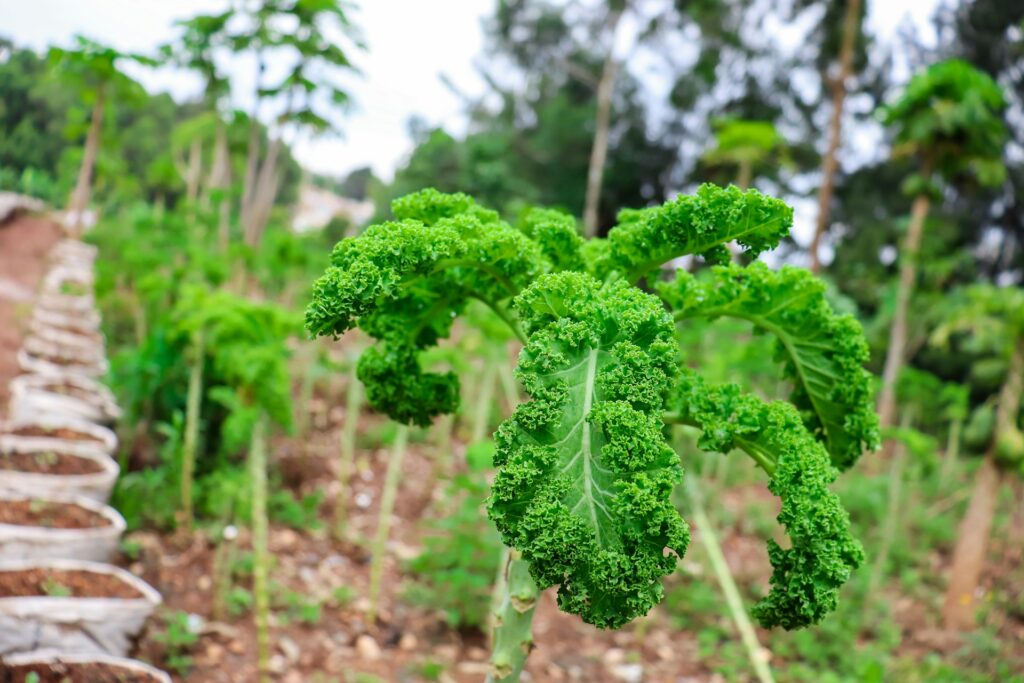
Kale is known for its hardiness, and it doesn’t need a luxury bed to produce good leaves. In fact, richer soil can cause it to grow too quickly and become watery or slightly bitter, especially in hot spells. In leaner soil, the growth is slower and more robust, often leading to crisper, tastier leaves. It also tends to be more frost-tolerant and resistant to disease, making it a great option for autumn and winter growing in tougher conditions.
Swiss chard
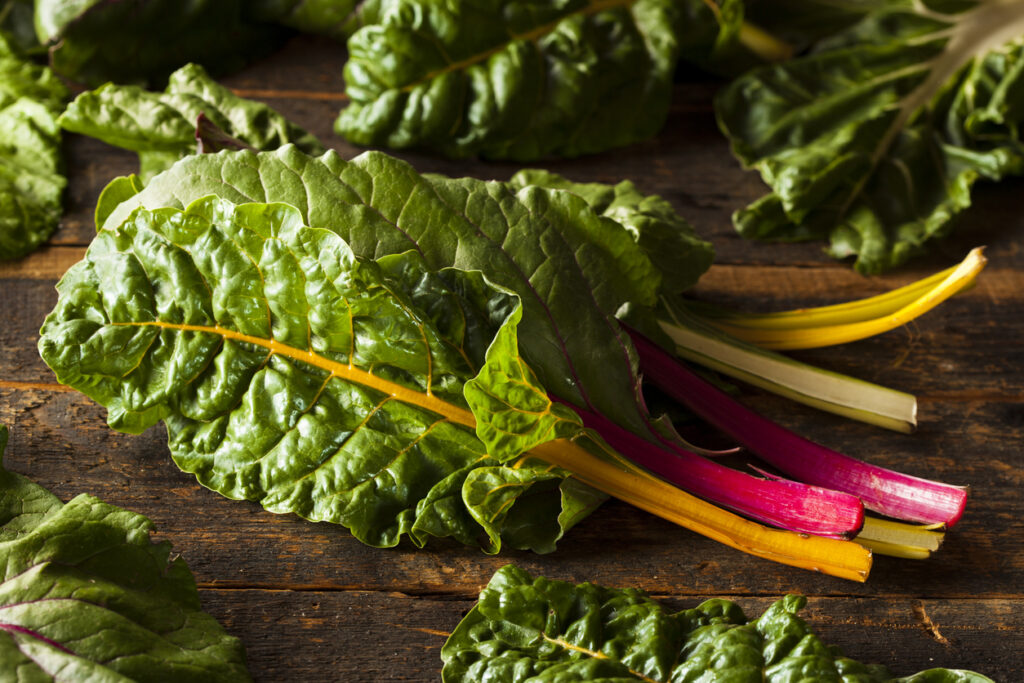
Chard is another leafy crop that doesn’t need heavy feeding to shine. When grown in less fertile soil, the leaves tend to be more colourful and richly flavoured, without turning soft or overly grassy. It can tolerate poor conditions surprisingly well, especially in raised beds or containers. You may not get massive yields, but what you do harvest will often be sweeter and more vibrant, especially when picked young.
Mustard greens
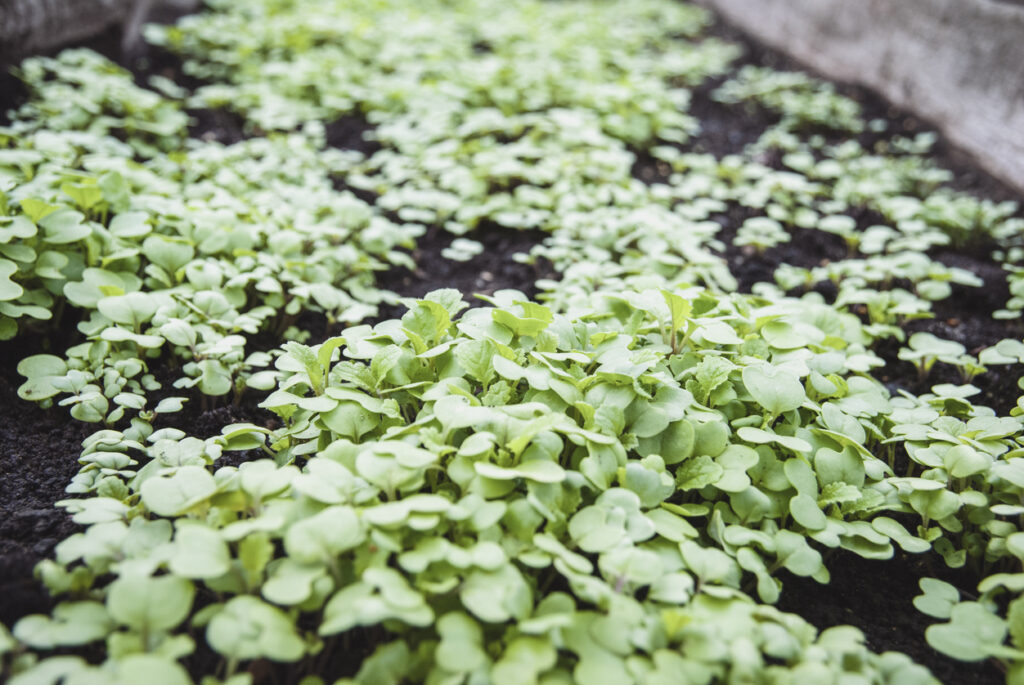
Mustard greens are naturally spicy, and when grown in poor soil, that sharpness gets dialled up in a good way. Too much nitrogen can make the flavour a bit muddy or metallic, while lean soil keeps it clean and peppery. If you like bold flavours in your salads or stir-fries, a low-fuss patch of mustard greens grown in average soil will deliver better punch than an overfed crop. Bonus: they also deter some pests with their natural spiciness.
Garlic
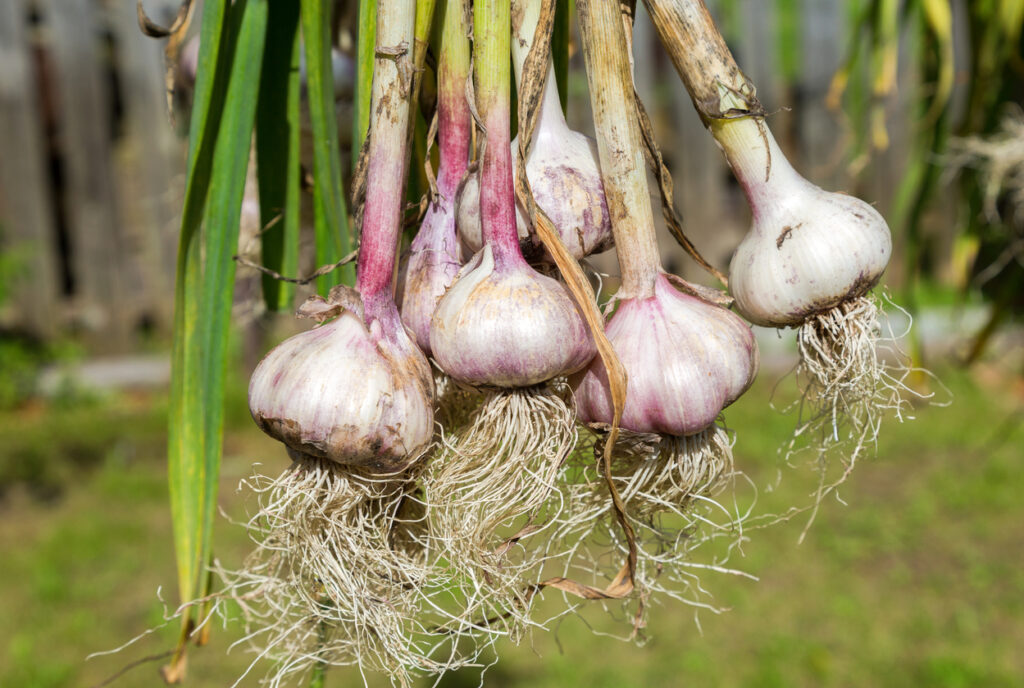
Garlic doesn’t want rich soil; it prefers light, well-drained ground that doesn’t stay soggy. Too much moisture and fertility can lead to bulb rot or soft cloves, especially in wet summers. In leaner soil, garlic tends to form tighter, more robust heads with a stronger, cleaner flavour. It’s also less prone to mildew and disease. Give it just enough feed to get going, then let the soil do its thing.
Shallots
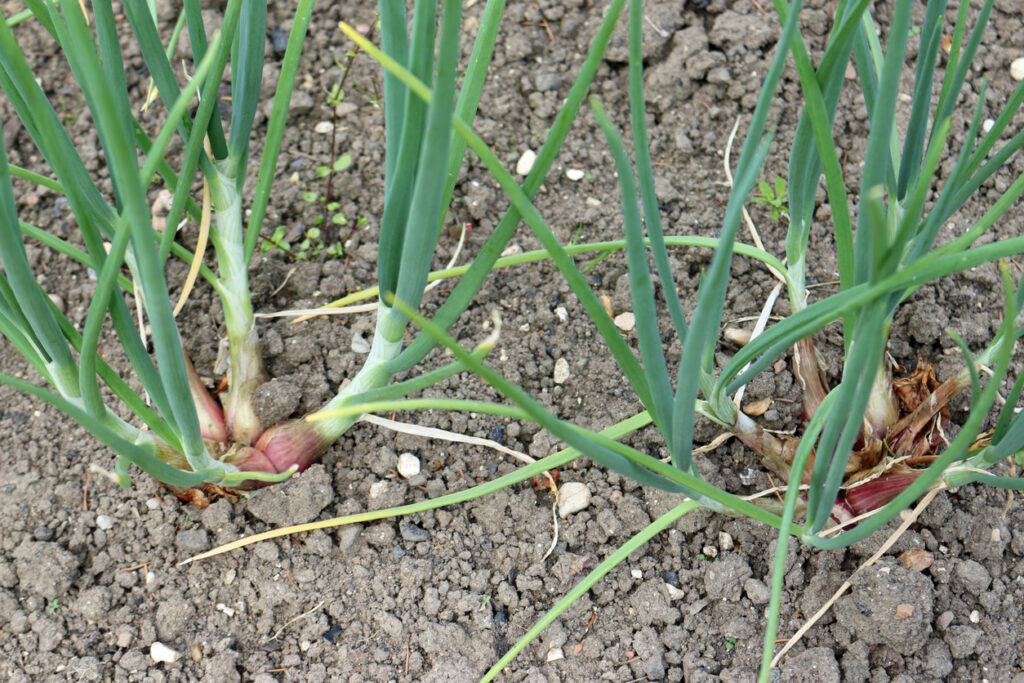
Much like garlic, shallots prefer well-drained, not-too-rich soil. They’re slow growers, and too much nitrogen will encourage leafy growth at the expense of bulb formation. That can lead to smaller or misshapen bulbs with less flavour. With a bit of stress and light soil, shallots produce tighter clusters with an intense, sweet oniony flavour that’s ideal for roasting or preserving. If your soil’s on the lighter side, they’re a great fit.
Leeks
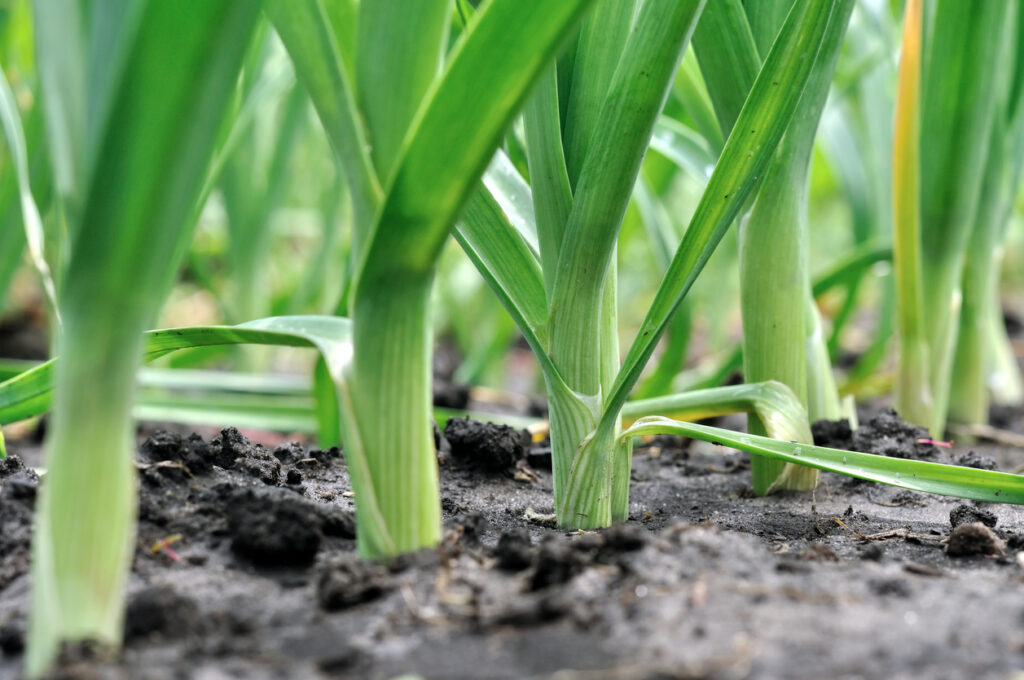
Leeks are surprisingly adaptable and often do better in average soil than most people realise. Overfeeding can make them too soft, watery, or prone to splitting, especially in warmer spells. In leaner beds, they grow slower and stronger, developing a firmer texture and more savoury flavour. You might not get the biggest leeks on the plot, but you’ll definitely get some of the tastiest.
Herbs like thyme and oregano
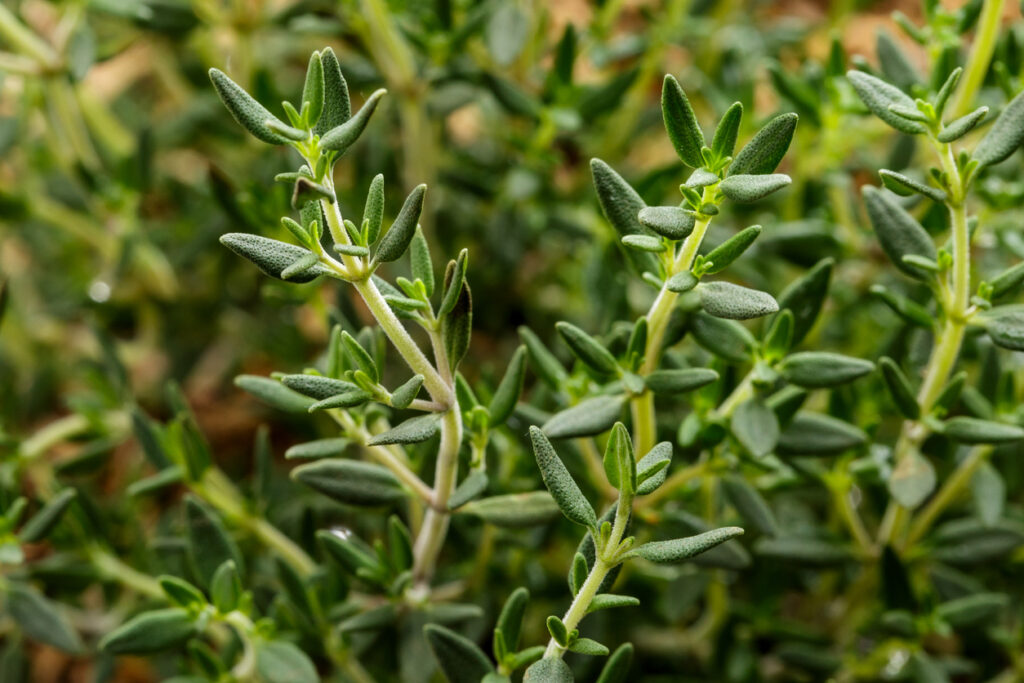
Okay, not technically vegetables, but worth including. Woody herbs like thyme, oregano, and rosemary absolutely prefer poor soil. Too much fertility makes them leggy, floppy, and weak in flavour. These Mediterranean natives thrive on neglect. Give them dry, scruffy soil and full sun, and they’ll reward you with concentrated oils that make them far more aromatic than anything shop-bought or overfed.