Good gardening doesn’t just mean keeping your roses happy or your veg patch productive.
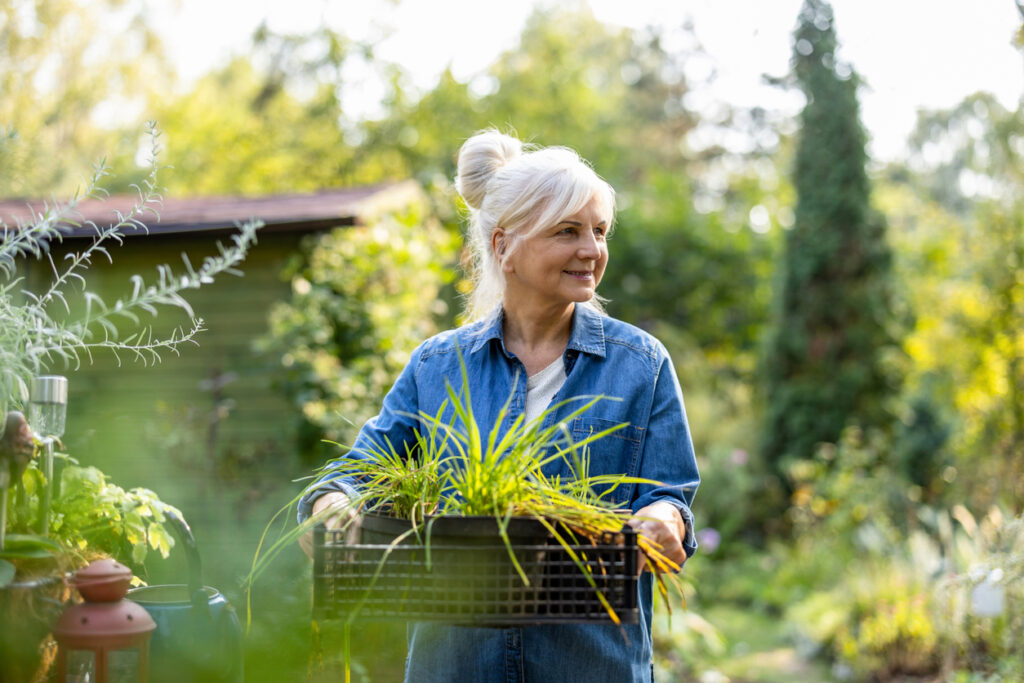
It can also mean giving something back to the environment around you. With a few small changes, your garden can become a little ecosystem of its own, helping support wildlife, reduce waste, and cut your carbon footprint. Whether you’ve got a huge lawn or a few pots on a patio, these tips can help your space thrive in a way that benefits both your plants and the planet.
1. Ditch the peat-based compost.
Peat might be common in garden centre compost bags, but its use comes at a high cost. Peat bogs are vital carbon sinks and home to rare species, and extracting peat releases huge amounts of stored carbon into the atmosphere. Switch to peat-free compost options, which are widely available now and just as effective. Look for mixes made from composted bark, wood fibre, or coir. It’s a small change that makes a surprisingly big difference long-term.
2. Collect rainwater.
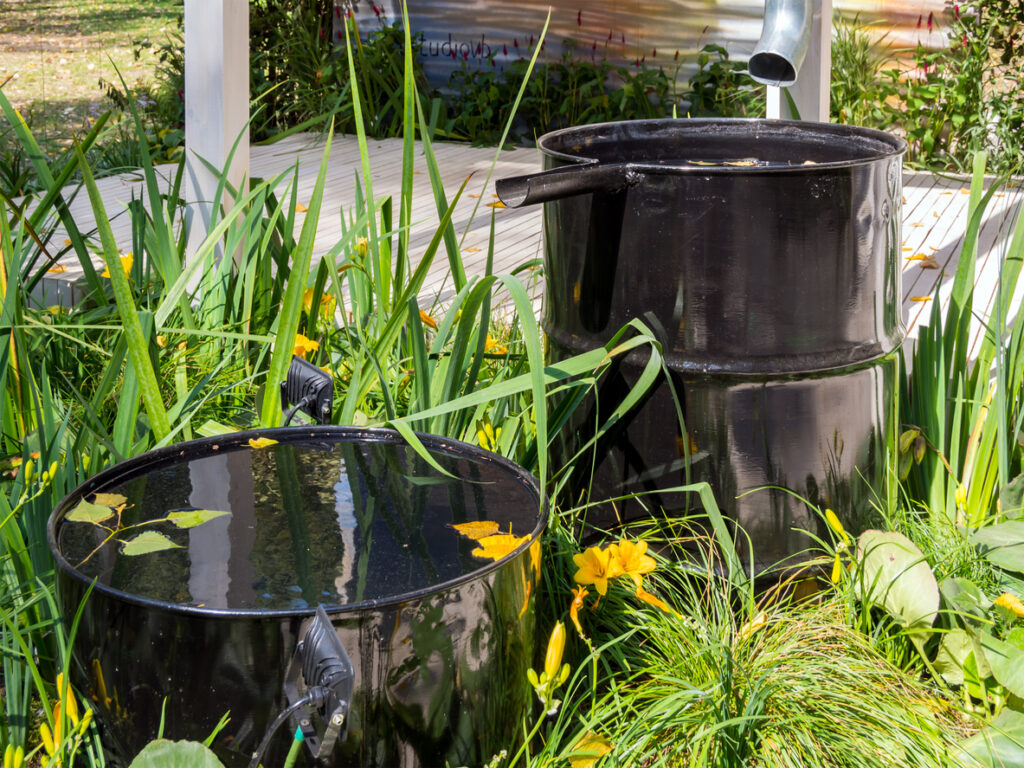
Using a water butt to collect rainwater is a simple, eco-friendly way to reduce your reliance on mains water, especially in dry spells. It’s better for plants, too, as it doesn’t contain the chemicals often found in tap water. Place your water butt under a downpipe and keep it covered to avoid mosquito breeding. You’ll be surprised how quickly it fills, and it can help keep your garden going through summer without touching the hose.
3. Let your lawn grow longer.
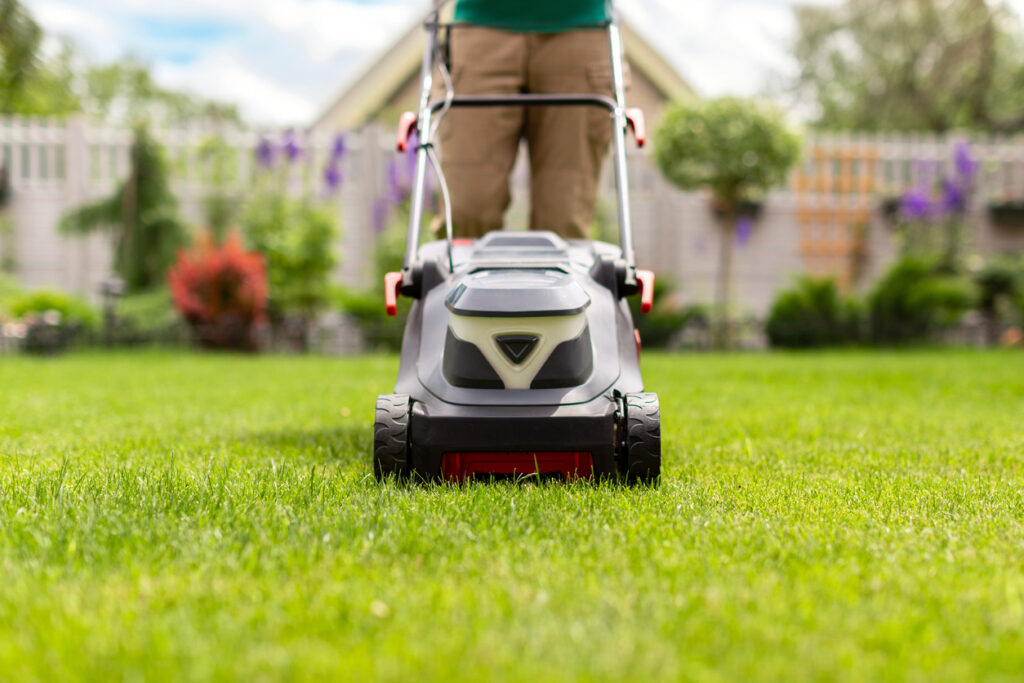
Short, pristine lawns might look neat, but they don’t do much for wildlife. Allowing your grass to grow a little longer, even in patches, can help pollinators, support soil health, and reduce the need for mowing. Try a “no-mow May,” leave strips uncut, or mow paths through longer sections to give your garden a meadow-like effect. Wildflowers and insects will thank you, and you’ll use less petrol or electricity on mowing, too.
4. Choose native plants.
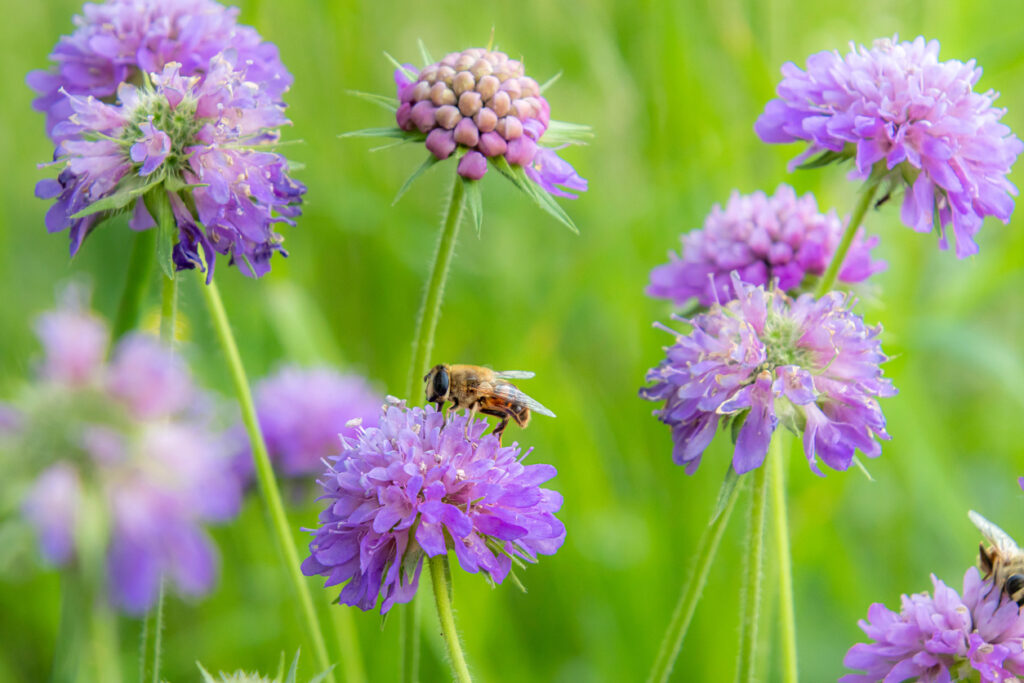
Native species are better adapted to local conditions and provide food and shelter for native wildlife. From bees and butterflies to birds and small mammals, a garden full of native plants becomes a genuine part of the local ecosystem. Look for things like foxglove, primrose, dog rose, or hawthorn. These not only look lovely but also give pollinators and birds exactly what they’ve evolved to rely on, creating a more balanced and natural space.
5. Avoid pesticides and herbicides.
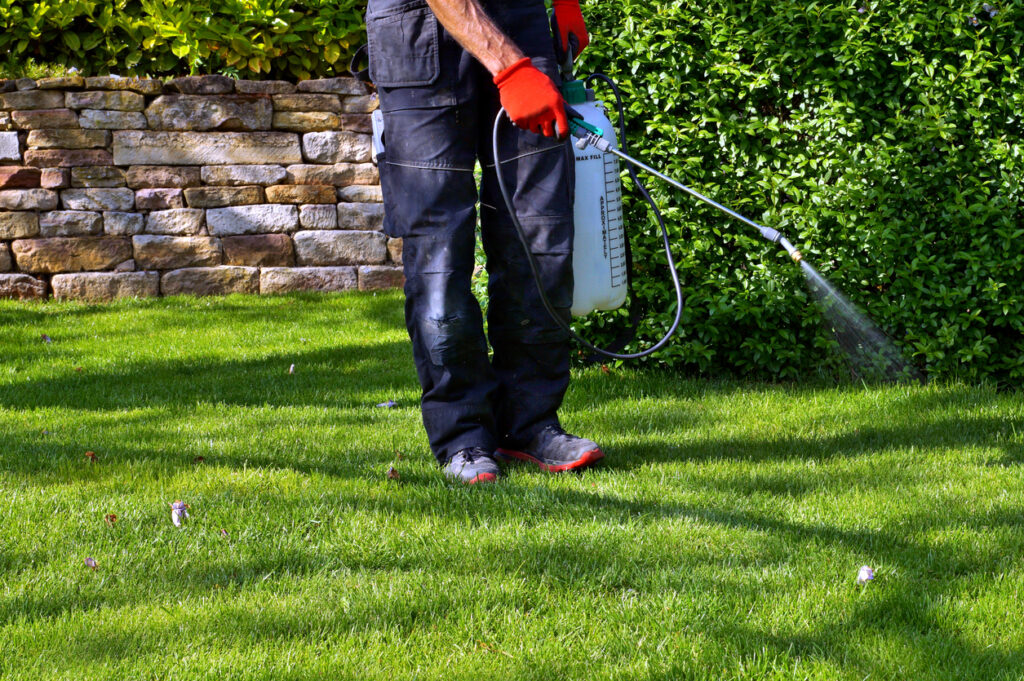
Sprays that kill pests and weeds don’t just affect your target; they often harm beneficial insects, contaminate soil, and can linger in the food chain. Over time, they can do more harm than good, especially to pollinators and birds. Instead, try natural deterrents, companion planting, or manual methods like hand-weeding or using physical barriers. A few chewed leaves here and there are a small price to pay for a healthier, more resilient garden overall.
6. Make your own compost.
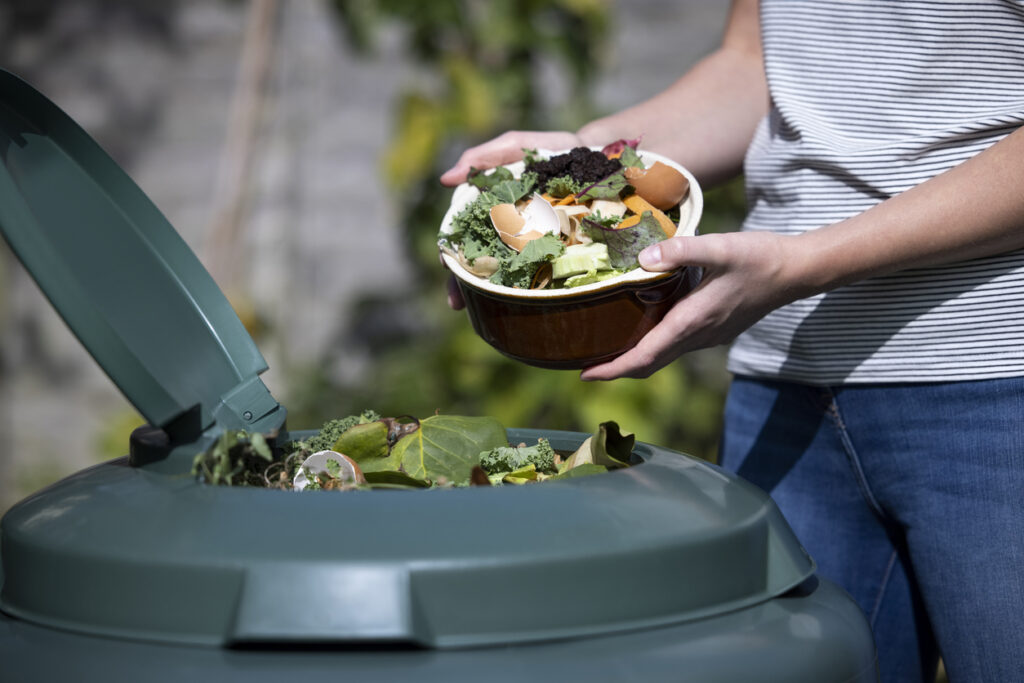
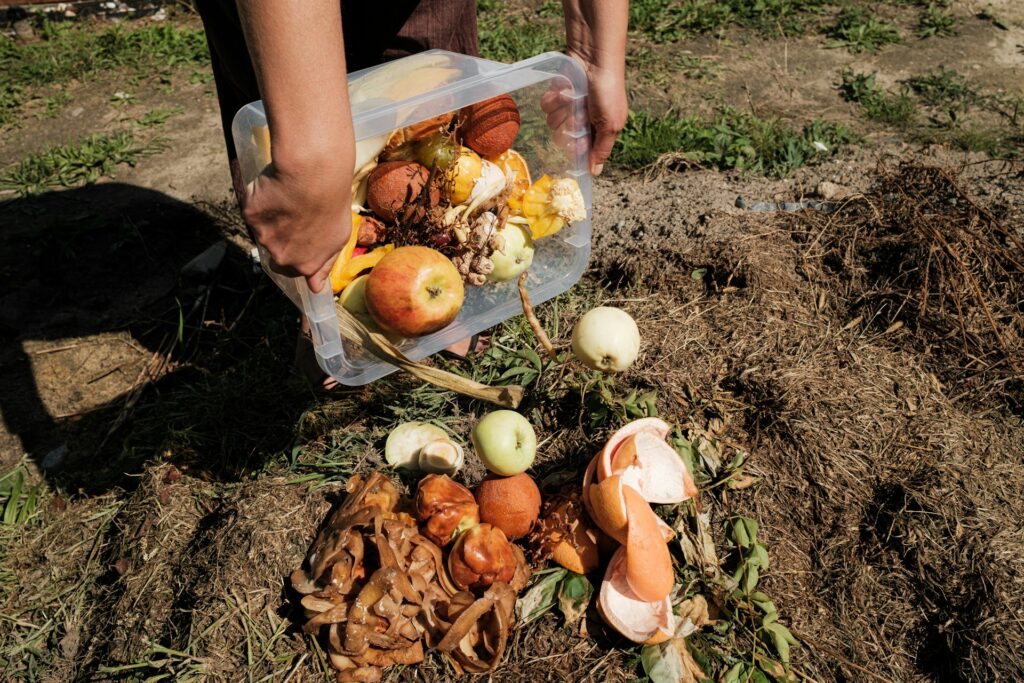
Home composting turns kitchen waste and garden clippings into rich, nutrient-filled soil conditioner, and keeps all that organic matter out of landfill. It’s one of the most satisfying and practical ways to reduce waste and improve soil health. Start with a simple compost bin or heap and add a balance of “green” (veg scraps, grass) and “brown” (leaves, cardboard) materials. With a bit of patience, you’ll have dark, crumbly compost that feeds your plants naturally.
7. Embrace messier corners.
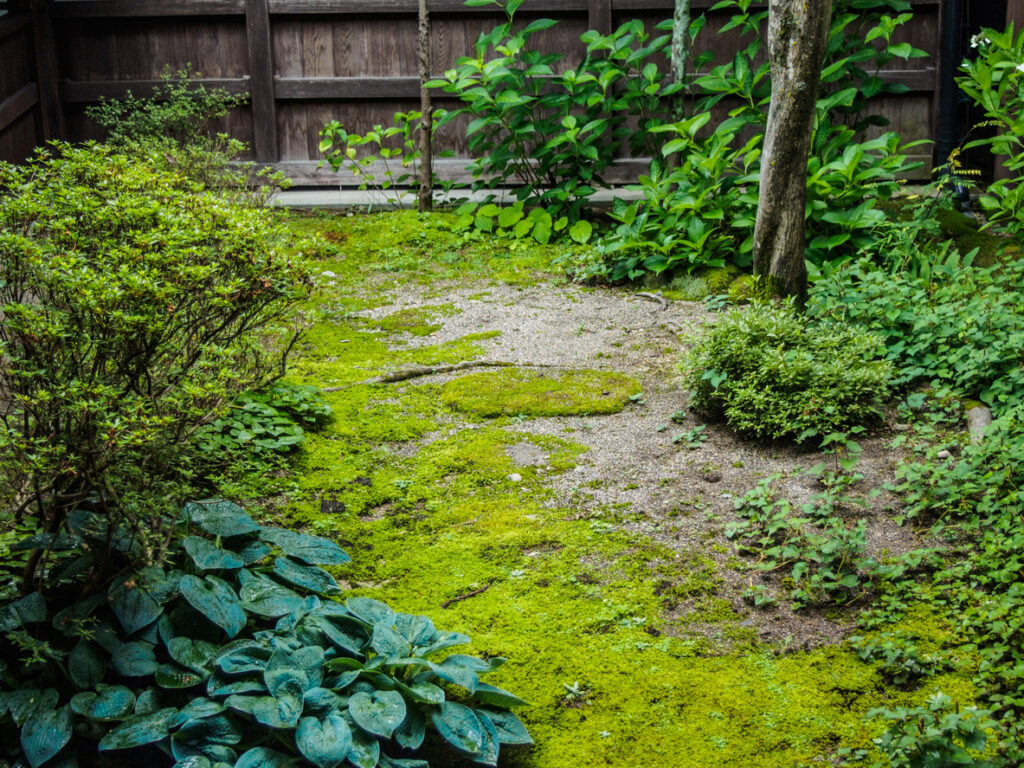
A perfectly tidy garden might look nice, but it’s often sterile for wildlife. Leaving piles of leaves, a few dead stems, or a log pile can create vital habitats for insects, frogs, hedgehogs, and even nesting birds. Designate a “wild corner” where nature can do its thing. You don’t need to let your whole garden go wild. Just allowing a patch to grow freely gives creatures a place to shelter and helps keep your garden ecosystem healthy.
8. Grow your own food (even a little bit).
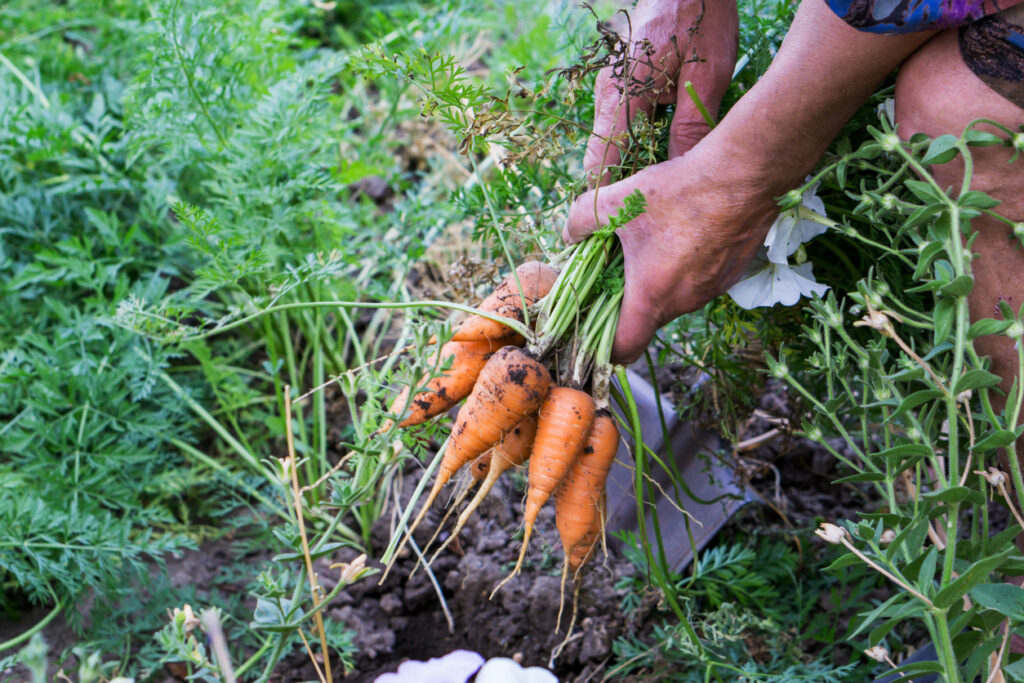
Growing fruit and veg, even in small quantities, cuts down on packaging, food miles, and supermarket waste. It also reconnects you with where your food comes from and reduces your reliance on industrial farming systems. Start with easy wins like salad leaves, tomatoes in pots, or herbs on a windowsill. Homegrown food tastes better, creates less waste, and gives you a sense of satisfaction that shop-bought produce just can’t match.
9. Provide fresh water for wildlife.
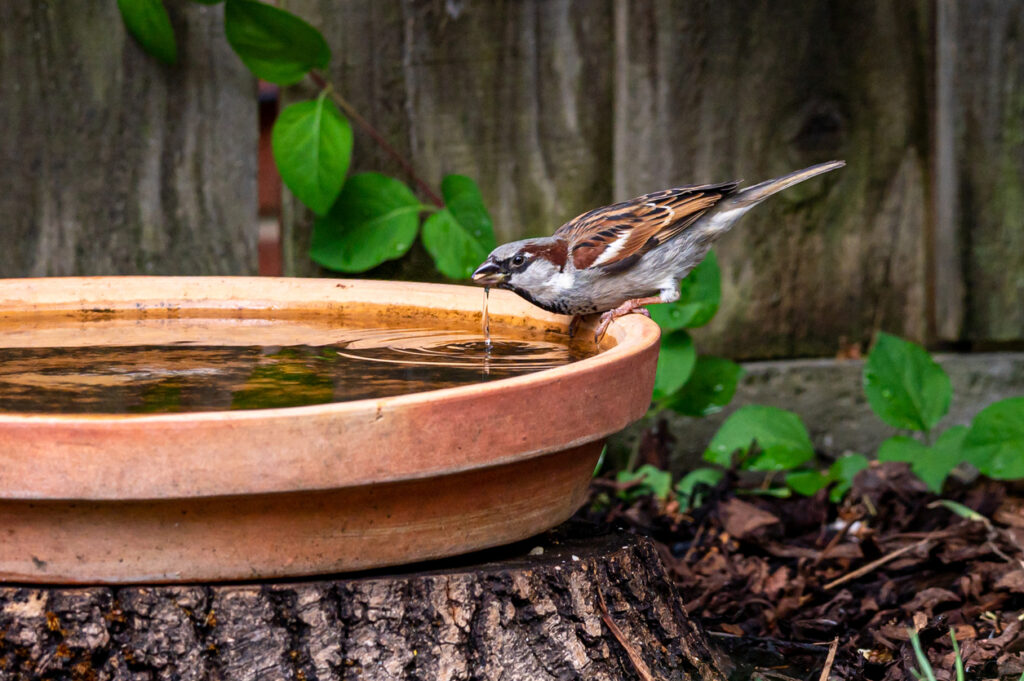
Birds, bees, and small mammals all need access to water, not just in summer, but year-round. A simple dish of water, a birdbath, or even a shallow bowl with pebbles for bees can make a huge difference. Change the water regularly to keep it clean, and try to keep it in a shaded spot to avoid algae build-up. It’s a low-effort way to attract life into your garden and help creatures through the heat and dry spells.
10. Use mulch to protect your soil.
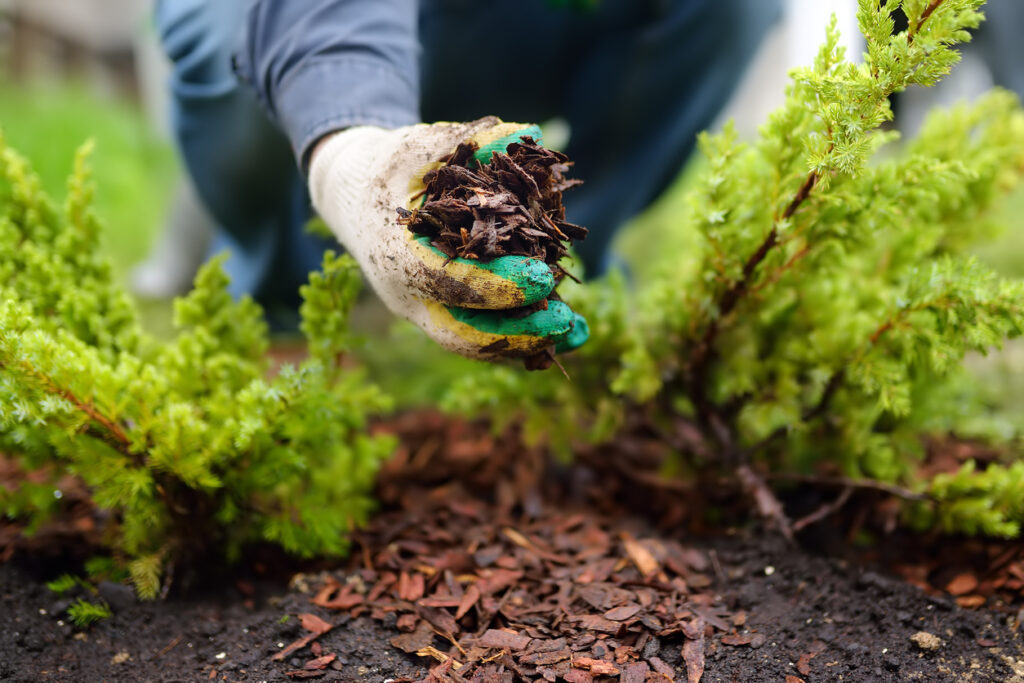
Mulching helps retain moisture, suppress weeds, and improve soil structure. It also protects the delicate web of fungi and microbes living just below the surface, and that’s the very life support system your plants rely on. Use organic mulch like bark chips, compost, or leaf mould. It not only keeps your garden looking neat but also reduces your need for chemical feeds and frequent watering, making everything more self-sustaining.
11. Avoid over-lighting your garden.
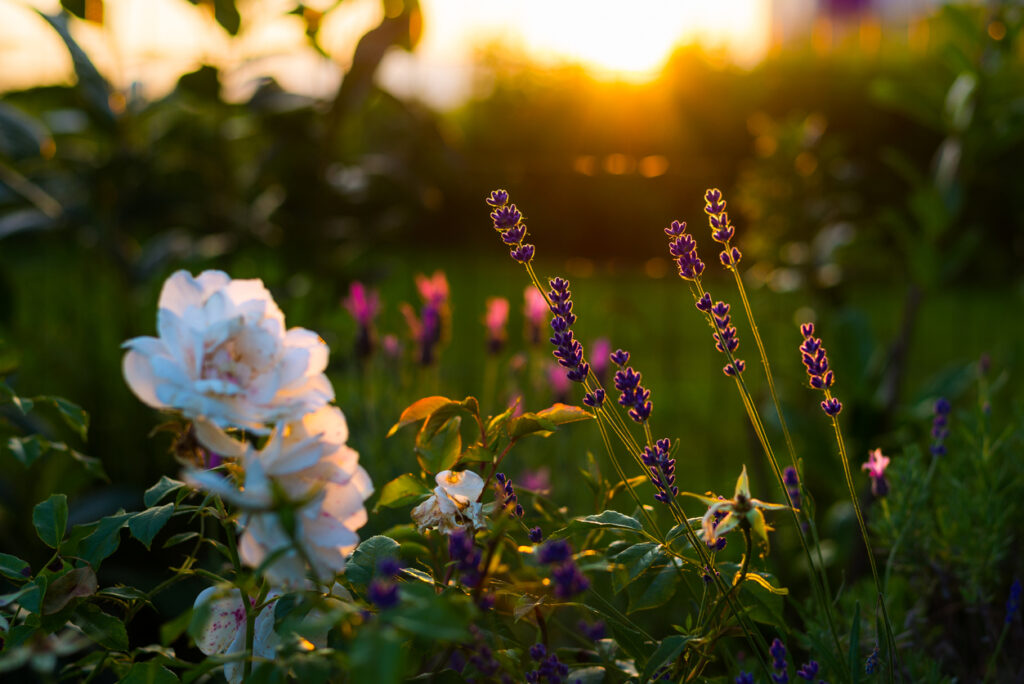
While outdoor lighting can be cosy or practical, too much of it can disorient nocturnal insects, disturb roosting birds, and reduce natural pollination at night. Many moths and bats are impacted by excessive artificial light. If you do use lights, opt for warm-toned bulbs and motion sensors to limit how long they’re on. Shielding lights downward and away from trees and hedges also helps reduce their environmental footprint.
12. Reuse and repurpose materials.
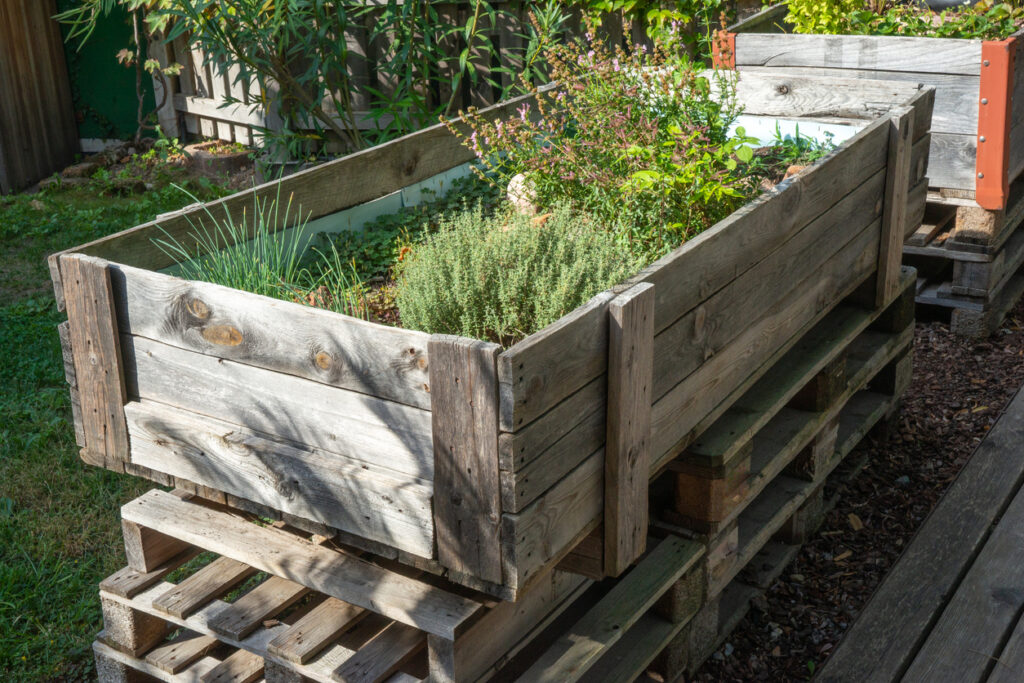
Gardening often comes with its fair share of pots, tools, and containers, but you don’t always need to buy new. Repurposing old items like buckets, crates, or even broken crockery can give your space character while cutting waste. Try swapping plant labels for old lolly sticks, reusing compost bags as weed barriers, or turning a pallet into a vertical planter. These little tweaks help reduce landfill while still being fully functional.
13. Leave seed heads and stems over winter.
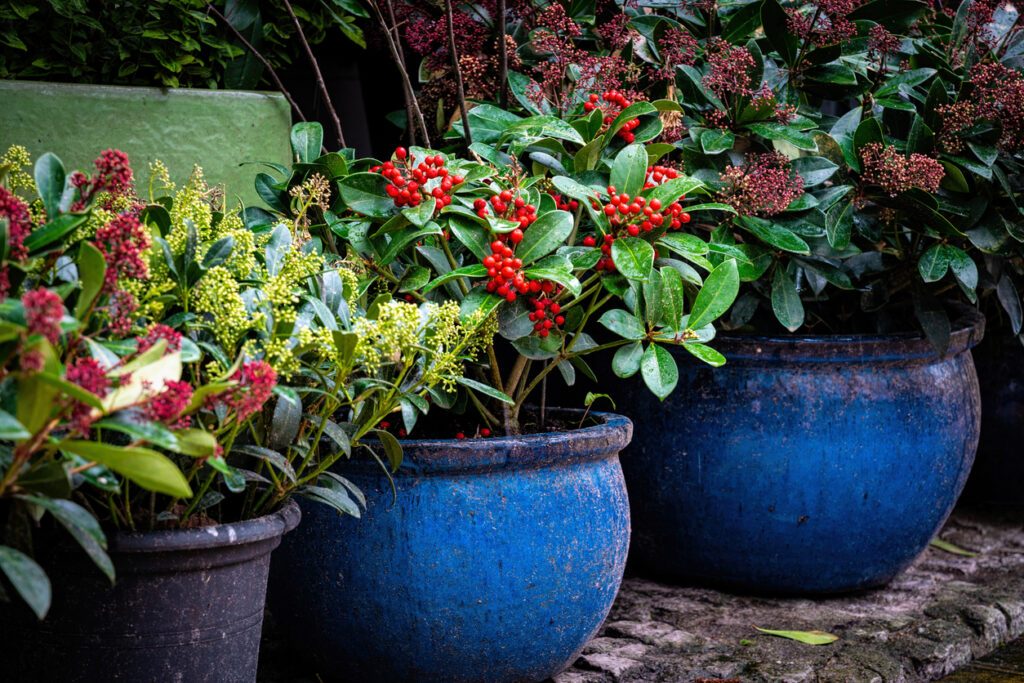
Rather than clearing everything away in autumn, try leaving some stems, seed heads, and dead foliage through winter. They provide food and shelter for insects, birds, and other wildlife at a time when it’s in short supply. Plus, frost-covered seed heads add natural beauty to your garden in the colder months. Come spring, you can cut them back as part of your prep, and feel good knowing they served a real purpose in the meantime.
14. Think of your garden as part of something bigger.

Every garden, balcony, and allotment is a tiny puzzle piece in a much larger ecological picture. When you garden with nature in mind, you contribute to bigger networks of pollinator corridors, green spaces, and biodiversity hotspots. Even if it’s just a small space, the impact adds up when lots of people do the same. Your garden can be more than just your own personal oasis. It can become part of a larger, thriving, life-giving landscape.