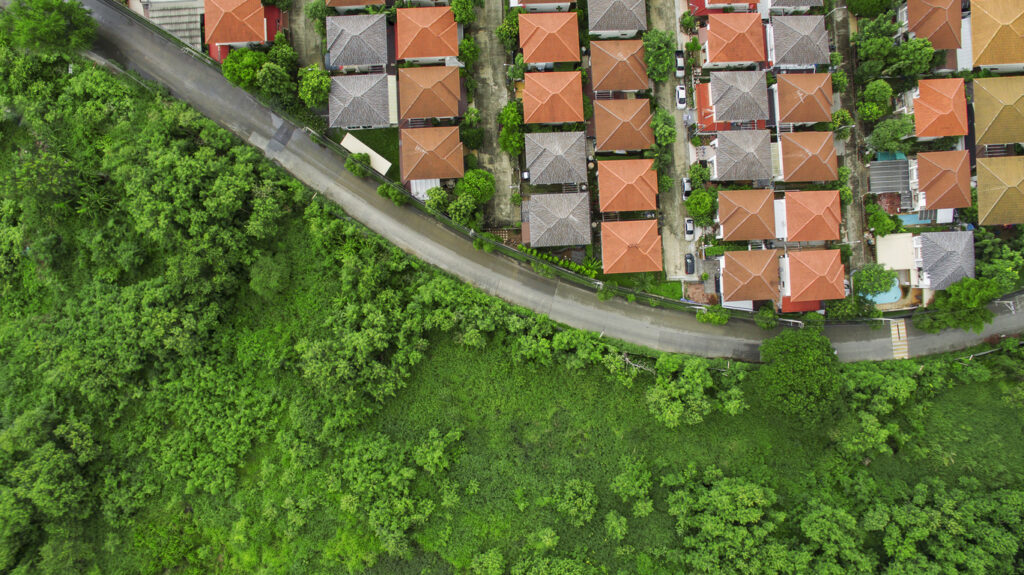
You’ve probably heard about deforestation or urban sprawl harming wildlife, but the damage doesn’t always come in one big sweep. Sometimes, it’s death by a thousand cuts, where once-thriving habitats get split into smaller and smaller chunks. That’s habitat fragmentation. On paper, it sounds like a patch of trees here and a field there might still be “green space.” But for wildlife, the gaps between those patches can be just as harmful as total loss. Here’s what habitat fragmentation actually means, and why it causes so many problems for nature.
It cuts habitats into isolated pieces.
At its core, habitat fragmentation happens when roads, farms, buildings, or other developments split a large, connected natural area into smaller, separated patches. These patches might still exist, but they’re no longer linked in ways that allow wildlife to move freely.
That separation can be devastating for species that rely on big territories or specific nesting grounds. An animal might still be “nearby” in human terms, but for species that can’t cross roads or fields safely, those gaps might as well be oceans.
It makes it harder for animals to find mates.
One of the first things to break down in a fragmented landscape is breeding. Many species rely on long-range movement to find mates, especially those with smaller populations or solitary lifestyles. When groups get cut off from one another, genetic diversity suffers. Animals become more likely to breed within smaller groups, increasing the risk of genetic disorders and weakening the population over time.
Food sources become harder to reach.
Foraging isn’t as simple as just finding the nearest tree or bush. Many species follow seasonal or daily patterns to access different food sources, especially in large, complex ecosystems. Fragmentation disrupts that access. A bird that once had a diverse buffet of berries, insects, and seeds in a single forest may now need to fly across roads, fences, or open farmland just to find a full meal, if it can get there at all.
It exposes animals to more danger.
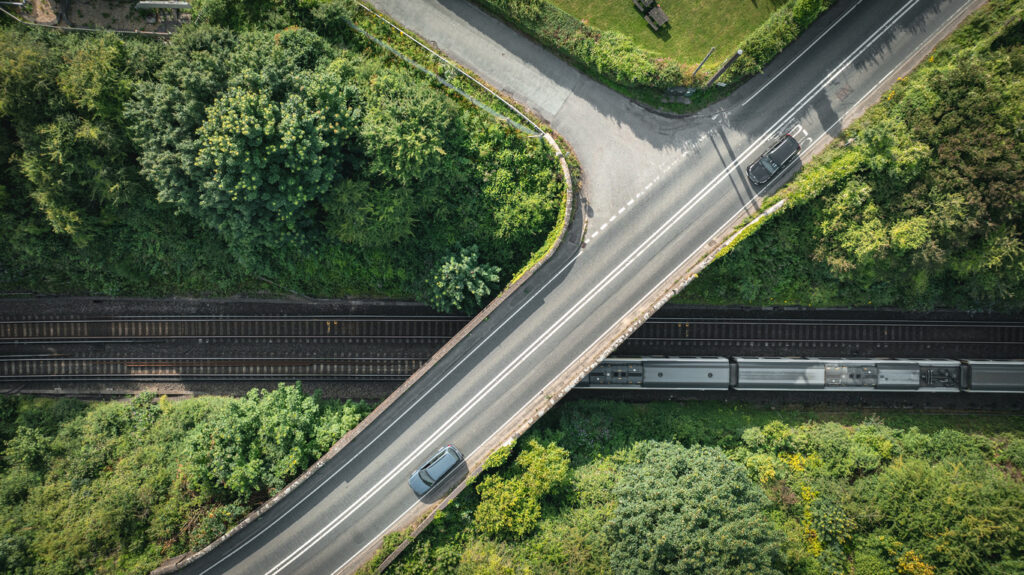
When animals are forced to cross between fragments, they often end up in hostile or unfamiliar environments. Roads, predators, pets, and even humans become unexpected threats simply because animals are out of their usual cover. Species that don’t typically venture far, such as hedgehogs or amphibians, are particularly vulnerable. Even a short journey across a garden or path can become fatal without safe passageways in place.
Small patches can’t support big populations.
Once a habitat is broken up, the smaller pieces often can’t provide enough food, shelter, or breeding space to sustain larger populations. That leads to local extinctions, even if the species still exists elsewhere. This is especially true for animals higher up the food chain, like birds of prey or foxes. They need bigger territories and more complex ecosystems than a narrow strip of woodland can offer on its own.
It disrupts migration and seasonal movement.
Some species depend on seasonal migration to survive. Birds, deer, bats, and even insects move between feeding grounds, breeding sites, or hibernation spots at specific times of year. When those routes are cut off by motorways, fences, or new housing, those animals can get stuck in areas that no longer meet their needs. Even if the weather patterns stay the same, their natural cycles get thrown off completely.
It changes the types of plants and animals that can live there.
Edge effects are one of the sneaky impacts of fragmentation. When a large forest becomes smaller patches, more of the habitat sits near the edge, where it’s windier, drier, and more exposed to human activity. This favours species that do well in disturbed areas, like brambles, rats, or crows. More sensitive or specialised species, like woodland orchids or dormice, often struggle to survive in those edge zones and eventually disappear.

It increases competition and stress.
When resources become scarce, competition naturally ramps up. Fragmentation squeezes more animals into less space, forcing them to compete over the same food, nesting areas, and territory. This kind of pressure doesn’t just lead to fighting; it also causes chronic stress, which affects reproductive success, immune health, and overall survival rates. It’s a slow, grinding impact that adds up over time.
It makes recovery from disasters harder.
In a connected landscape, if one area suffers from a fire, flood, or disease outbreak, animals can flee to safer areas and recolonise later. But when habitats are fragmented, those backup options vanish. The isolation makes species far more vulnerable to sudden events. A storm that destroys a small woodland might wipe out an entire population if they have nowhere else to go or can’t reach the next patch in time.
Invasive species thrive in fragmented areas.
Non-native species like grey squirrels or Himalayan balsam often do well in disturbed or edge environments. Fragmentation creates more of these edge habitats, giving invaders more chances to get a foothold. These newcomers can outcompete, prey on, or spread disease to native wildlife, adding yet another layer of pressure to already struggling populations. Once they’re in, they’re hard to remove.
It messes with pollination and seed dispersal.
Pollinators like bees, butterflies, and even birds rely on connected habitats to travel between plants. When those connections are broken, pollination rates drop, affecting not just wildflowers but trees and crops too. Seed dispersal also takes a hit. Animals that eat fruit and spread seeds, such as thrushes or badgers, can’t do their job properly if they’re cut off from certain areas. Over time, plant diversity drops and regeneration slows down.
It creates ecological dead zones.
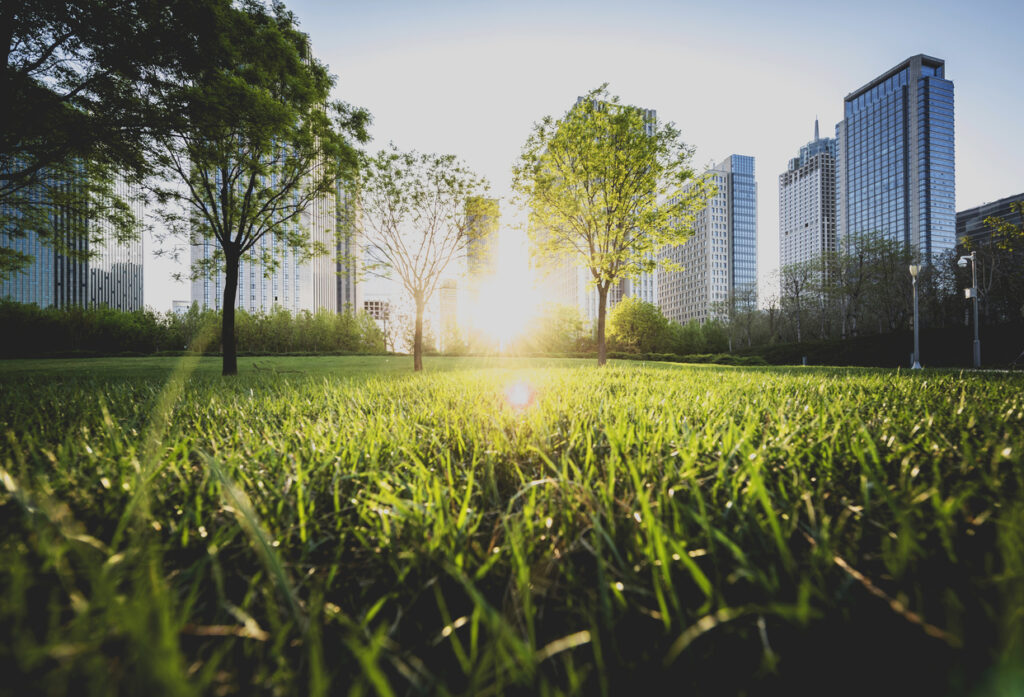
Sometimes green patches between buildings or roads look wild enough, but they’re too small, too noisy, or too exposed to actually support meaningful biodiversity. These become “dead zones,” places that don’t help wildlife, but still take up space that used to be habitat. These patches may still look nice to humans, but they function more like placeholders than true ecosystems. And when too many of these appear, the landscape stops working for the species that used to call it home.
It makes conservation much harder.
Protecting one small site doesn’t mean much if it’s isolated. Species need corridors—hedgerows, riverbanks, connected woodland—to move, feed, and survive. Fragmentation makes all of this more complicated and expensive to restore.
It’s no longer just about saving one wood or wetland. It’s about linking them back together in a way that allows wildlife to roam freely again. And that requires big-picture thinking, long-term planning, and cooperation across landowners, towns, and regions.