Britain might not be the first place that comes to mind when you think of dinosaurs, but millions of years ago, it was one of the most active prehistoric landscapes on Earth.
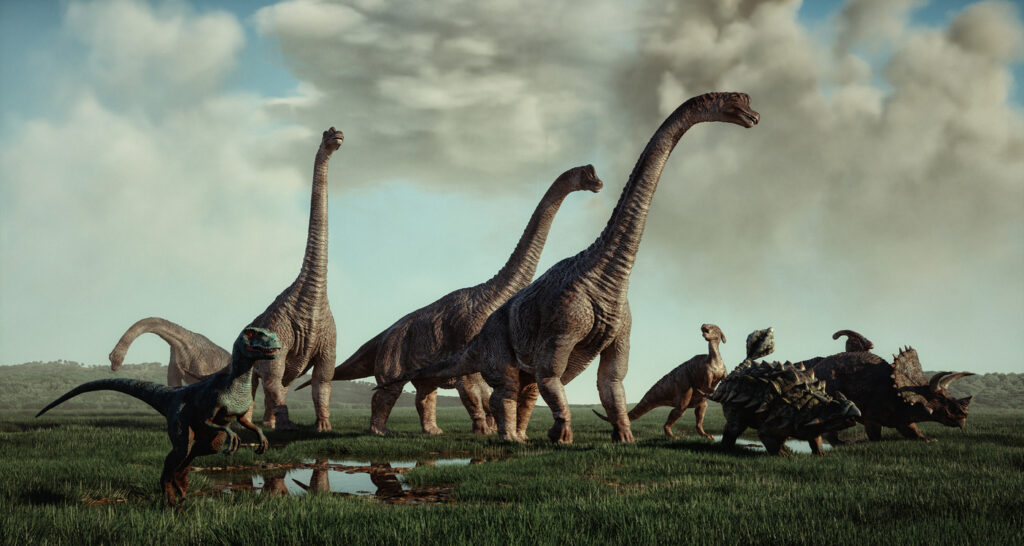
Long before cities and motorways, vast swamps, tropical forests, and coastal plains were home to an incredible variety of species, from massive plant-eaters to sharp-toothed predators. Fossils found across the country have helped scientists piece together a forgotten world that thrived right beneath our feet.
Some of Britain’s quietest countryside and most familiar coastlines were once crawling with creatures that would now look straight out of a museum. These are the places that still carry traces of that ancient life, offering glimpses into the time when dinosaurs ruled what would one day become the UK.
1. Isle of Wight
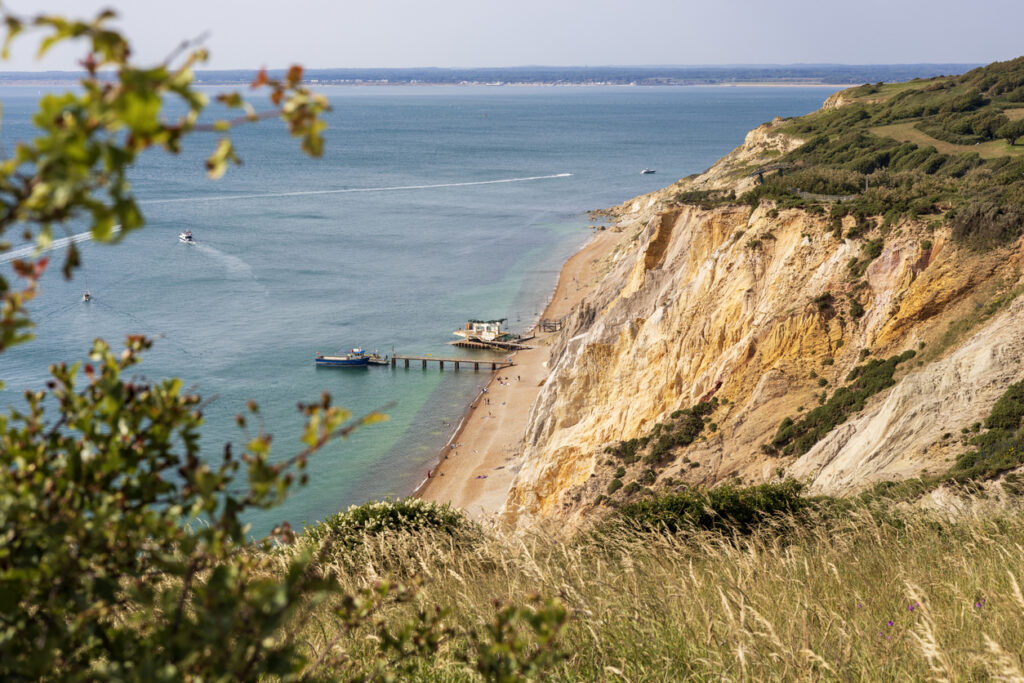
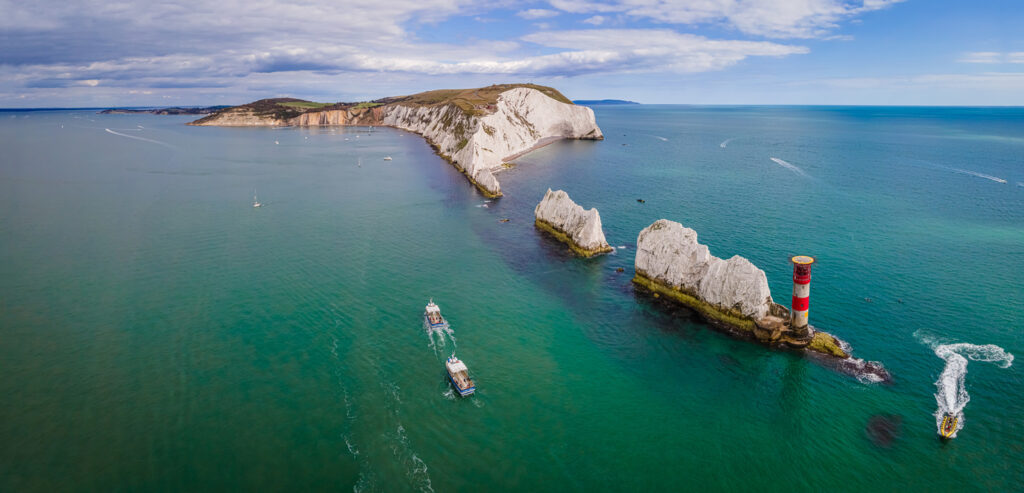
The Isle of Wight is often called “Dinosaur Island” for a reason. This small stretch off England’s south coast has produced more dinosaur fossils than anywhere else in the country. Scientists have identified more than twenty different species from rocks that are around 120 million years old.
Some of the most famous finds include Iguanodon bones, armoured Polacanthus fossils, and the fierce Neovenator. If you walk along Compton Bay, you can even spot real fossilised footprints pressed into the sandstone. It’s one of the few places in Britain where you can literally walk where dinosaurs once did.
2. Oxfordshire
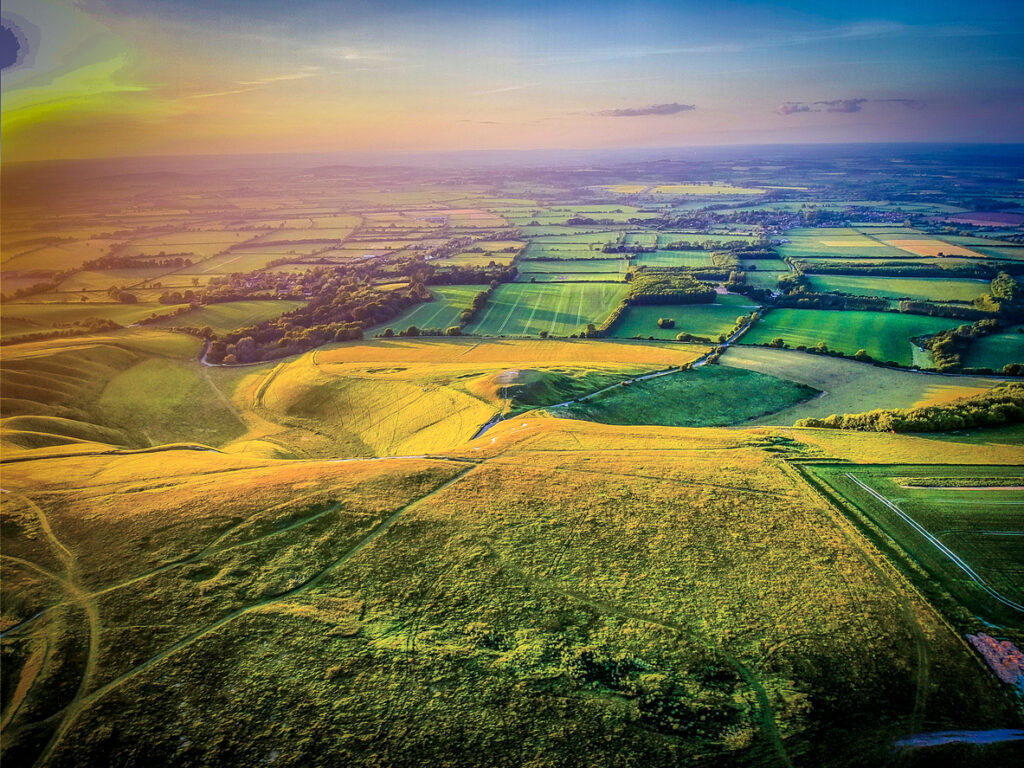
In 2025, researchers uncovered nearly two hundred dinosaur footprints in a quarry in Oxfordshire. These tracks, preserved in limestone, date back around 166 million years to the Middle Jurassic period. They show both long-necked sauropods and meat-eating theropods moving through what was once a shallow coastal landscape.
What makes this site so fascinating is that it reveals behaviour, not just bones. The footprints suggest that herds of plant-eaters may have passed through, followed closely by predators. It’s a rare glimpse into daily life during Britain’s dinosaur age and shows that Oxfordshire was once a thriving prehistoric habitat.
3. Dorset and the Jurassic Coast
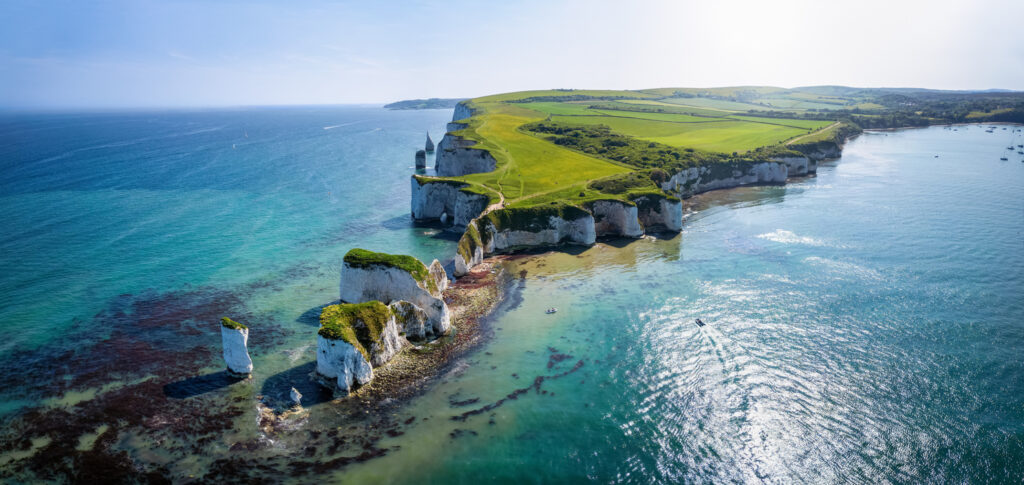
The Jurassic Coast, stretching across Dorset, is world-famous for fossils. It’s a UNESCO World Heritage Site, and while it’s best known for marine reptiles like ichthyosaurs and ammonites, dinosaur remains have been found here too. Cliffs around Swanage and Weymouth contain fragments of bones and even tracks from species that once roamed nearby floodplains.
What makes the coast special is its constant erosion, which keeps revealing new fossils each year. Walks along Charmouth or Lyme Regis can still uncover pieces of prehistory washed up by the tide. It’s a reminder that this part of Britain once looked more like a tropical lagoon than a breezy seaside town.
4. The Isle of Skye, Scotland
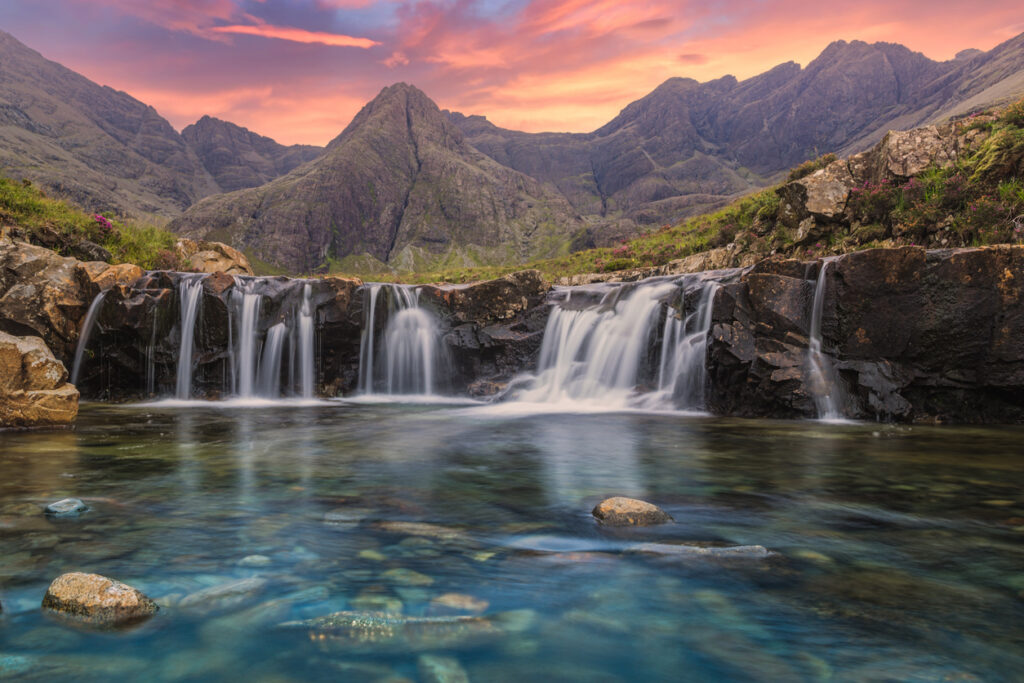
Further north, the Isle of Skye is Scotland’s best window into the age of dinosaurs. Scientists have found hundreds of fossilised footprints there, including prints from both herbivores and carnivores. Some of the best-preserved tracks belong to sauropods that were over fifteen metres long.
The rocks on Skye date back around 170 million years, making them some of the most important Middle Jurassic fossils in the world. The discovery proved that dinosaurs roamed what’s now the Scottish Highlands, even when the climate was far warmer and wetter than it is today.
5. Sussex and the Wealden Beds
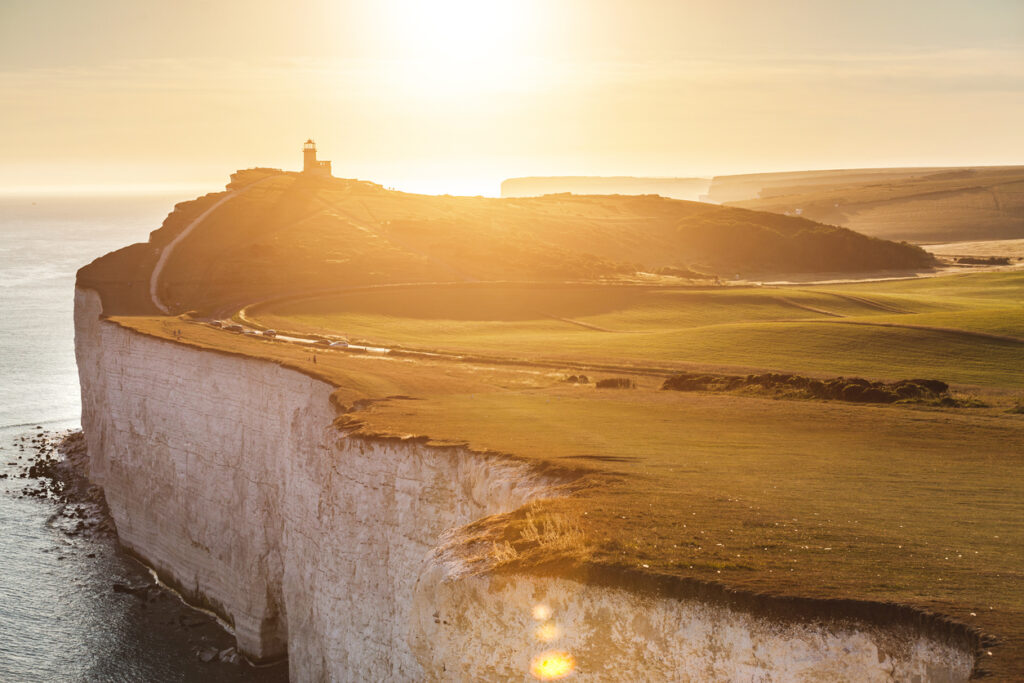
In East Sussex, the Wealden Beds have yielded some of the oldest known dinosaur fossils in Britain. This region, stretching through Hastings and Battle, was once a vast swampy floodplain filled with ferns, rivers, and herds of plant-eaters. The world’s first scientifically described dinosaur, Iguanodon, was discovered here in the 1800s.
Even today, fragments still turn up in quarries and along eroded cliffs. Many of the bones are from the Early Cretaceous period, giving researchers a detailed look at how Britain’s dinosaurs evolved as the landscape changed over millions of years.
6. The Vale of Glamorgan, Wales
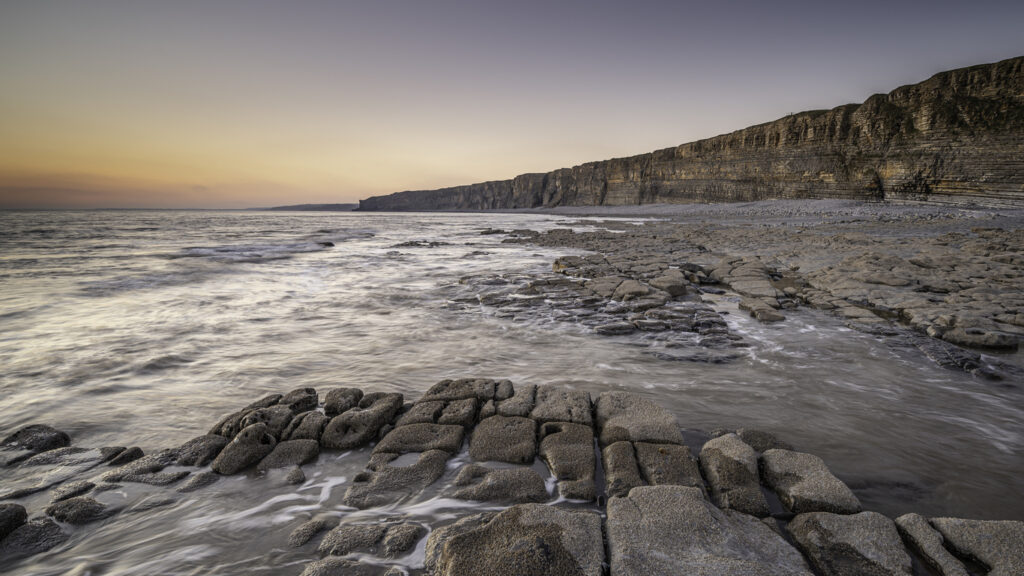
Wales also has its share of prehistoric secrets. Along the coast near Barry and Cowbridge, scientists have found the footprints of some of the earliest known dinosaurs in Britain. These rocks date back around 200 million years, to the Triassic period, when Britain was much closer to the equator.
The prints show small, agile two-legged dinosaurs that would’ve darted across tidal flats and sandy lagoons. Although no full skeletons have been found here, these tracks prove that dinosaurs were already living in Britain long before the giant species of the Jurassic appeared.
7. Yorkshire’s Dinosaur Coast
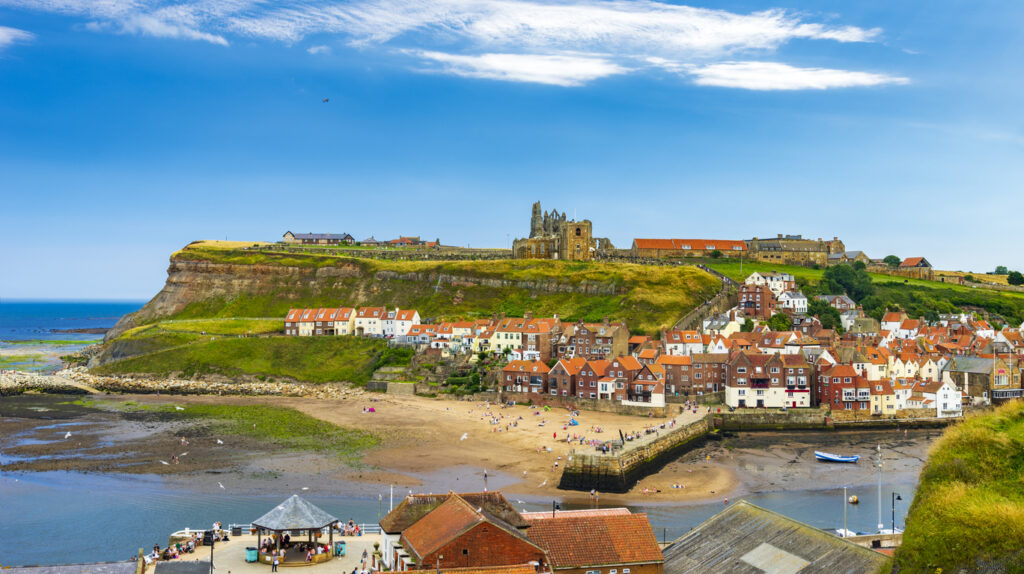
North Yorkshire’s coast between Whitby and Scarborough is another hidden gem. The cliffs here are full of fossilised footprints, with some trackways stretching for metres across the rock. They belong to both plant-eating and carnivorous dinosaurs that lived around 160 million years ago.
The area is now known as the “Dinosaur Coast” and is one of the few places where you can see tracks from multiple species preserved in one spot. They’re often exposed after storms or high tides, so timing your visit can mean walking alongside the footprints of real Jurassic giants.
8. Isle of Eigg, Scotland
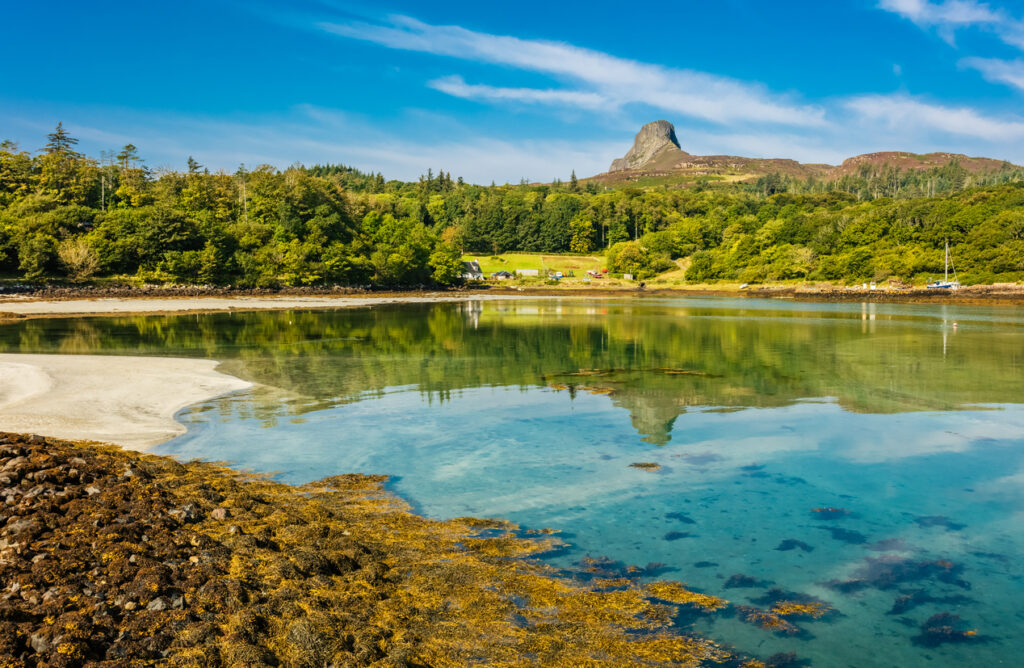
Another Scottish island, Eigg, has produced scattered dinosaur fossils that suggest it was once part of the same land environment as Skye. Though not as rich in tracks, Eigg’s geological layers show it shared a similar subtropical ecosystem during the Jurassic period.
Scientists believe it might once have been part of a chain of islands connected by shallow seas, where herds of dinosaurs could roam freely. It’s a reminder that much of prehistoric Scotland was greener, warmer, and full of life.
9. Buckinghamshire’s Clay Pits
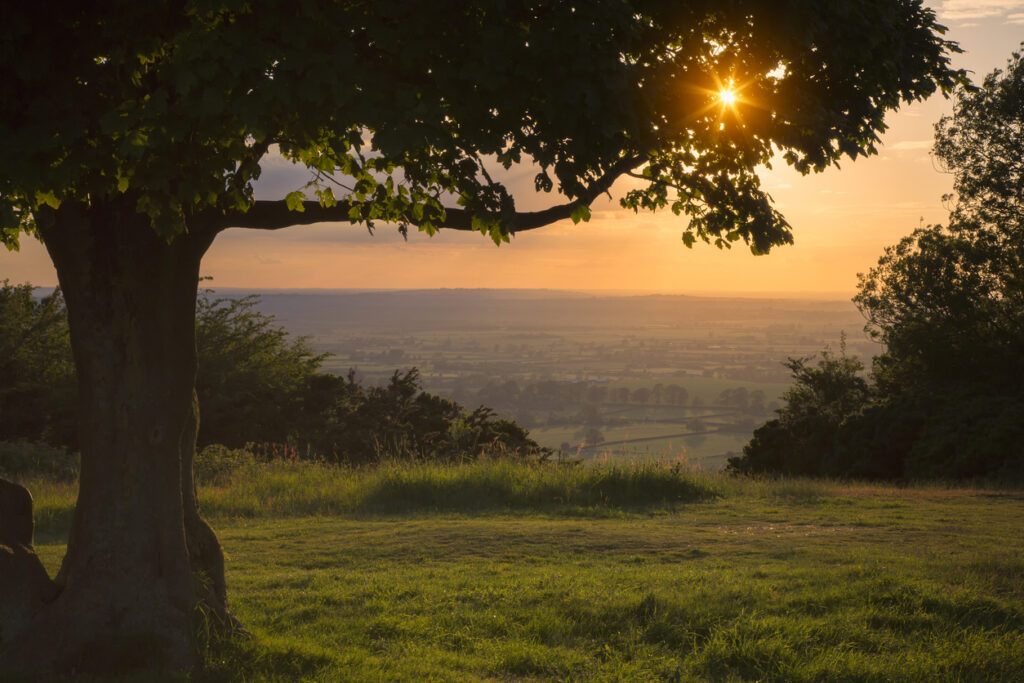
Deep within old clay pits and quarries, fossils from the Jurassic period have been discovered, including bones from both herbivores and predators. The most famous is Aylesbury’s “Rutland Dinosaur”, a nearly complete skeleton of an Iguanodon-like creature found in the 1970s.
These inland sites show that dinosaurs didn’t just live along the coasts. They thrived across the floodplains and forests that once covered central England, long before it turned into farmland.
Why these sites matter
Each of these places reveals a different part of Britain’s prehistoric past. Together, they show that the UK wasn’t a cold, rainy island during the age of dinosaurs, but a lush, tropical landscape filled with life. From the beaches of Dorset to the cliffs of Skye, fossils continue to appear and rewrite what we know about how these animals lived and evolved.
Whether you visit the Isle of Wight or walk the Jurassic Coast, you’re stepping through layers of time that stretch back over a hundred million years. Britain might look peaceful now, but once, it was ruled by giants.