For decades, Australia’s rainforests have been seen as vital carbon sinks.

They’re natural systems quietly absorbing vast amounts of carbon dioxide and helping to stabilise the planet’s climate… or they once were, at least. However, new research is revealing a troubling change. As global temperatures rise and extreme weather intensifies, these once-reliable ecosystems are beginning to release more carbon than they store.
Deforestation, drought, and wildfire damage have weakened their ability to recover, turning them from allies in the climate fight into unintentional contributors to the problem. Instead of offsetting emissions, they’re starting to add to them. It’s a stark reminder that even the most resilient natural systems have a breaking point, and that protecting what’s left of these forests is now more urgent than ever.
What does it mean when rainforests become carbon emitters?

Normally, rainforests are called “carbon sinks” because they soak up more carbon dioxide than they release. Living trees pull CO2 out of the air as they grow, which helps offset the pollution from burning fossil fuels. But when more trees are dying than growing, all that stored carbon gets released back into the atmosphere as the dead wood decays. Instead of helping fight climate change, the forest is now making it worse.
Australia’s rainforests crossed this line 25 years ago.
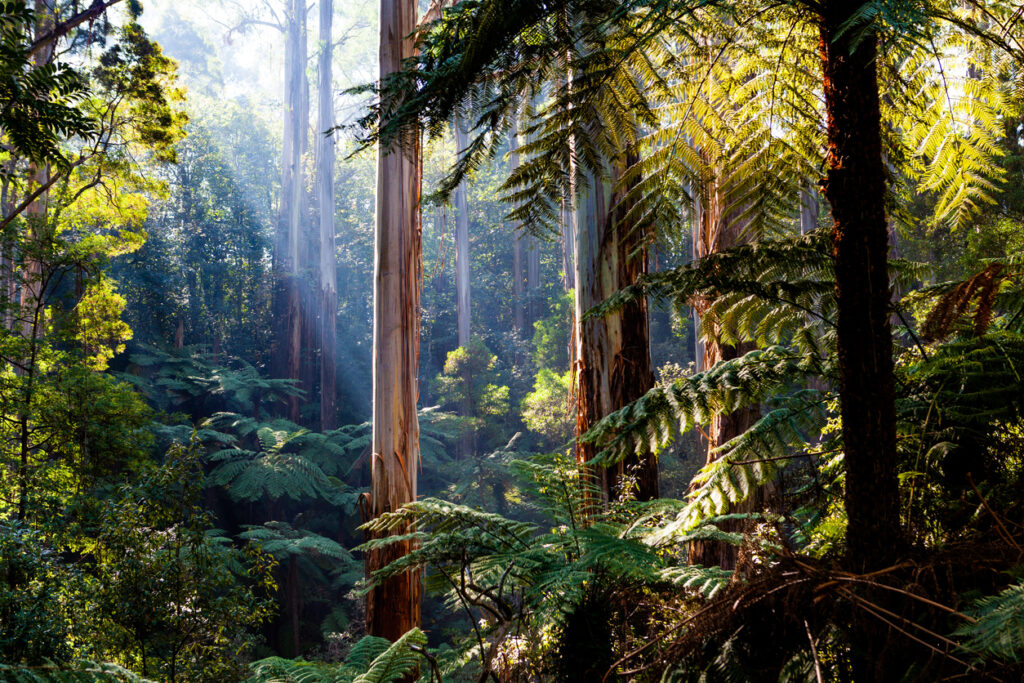
According to the study published in the journal Nature, Queensland’s tropical rainforests quietly became net carbon emitters around 2000. That means for the last quarter-century, these forests have been releasing more carbon than they’ve been absorbing, but nobody realised until now. The scientists tracked 49 years of data from 20 different forests to spot this trend, and the results are pretty grim.
Extreme heat is killing trees faster than new ones can grow.

The main culprit is climate change itself. Rising temperatures, severe droughts, and increased atmospheric dryness are killing established trees faster than young trees can replace them. It’s a vicious cycle where climate change damages the very ecosystems we’re counting on to help fix climate change. The trees can’t cope with the increasingly extreme conditions, so they’re dying off in larger numbers.
More intense cyclones are battering the forests.
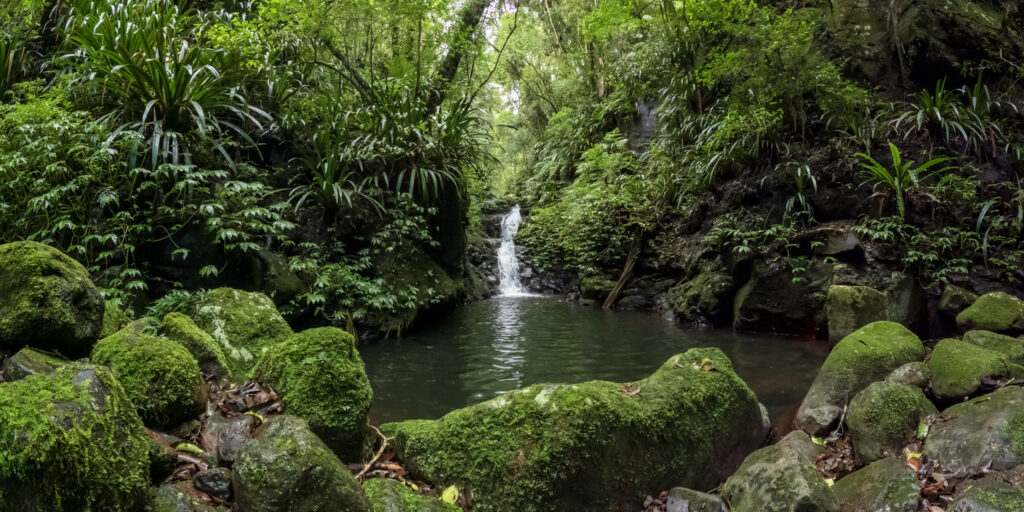
On top of the heat and drought, the study found that cyclones have become both more frequent and more severe. These storms physically destroy trees, snapping trunks and ripping branches off. The damage makes it even harder for forests to recover because new saplings struggle to establish themselves in the wreckage. Each cyclone sets the forest back further, and they’re not getting the breathing room they need to bounce back.
Dead wood is now releasing stored carbon.

When trees die, their trunks and branches, called woody biomass, don’t just disappear. As this dead wood decays, it releases all the carbon that tree spent decades or centuries storing up. With more trees dying and fewer new ones growing to replace them, there’s a massive amount of decaying wood pumping carbon back into the atmosphere. The forest has essentially reversed its job.
This could be happening to all tropical rainforests soon.

The lead researcher, Dr Hannah Carle, called Australia’s rainforests “a canary in the coal mine,” meaning they’re the first warning of what’s coming for other tropical forests worldwide. Senior author Patrick Meir warned that all tropical rainforests would “likely respond fairly similarly” to climate change. If he’s right, the Amazon, Congo Basin, and Southeast Asian rainforests could all flip from carbon sinks to carbon sources in the coming years.
Climate models are probably too optimistic.
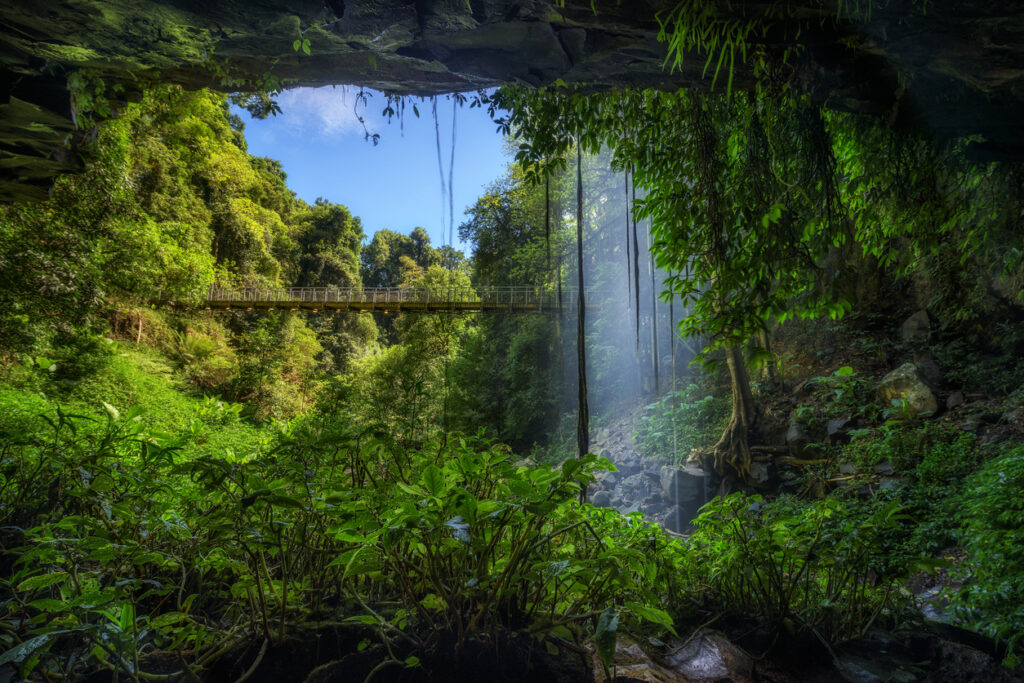
Global emissions reduction targets are partly based on the assumption that rainforests and other ecosystems will continue absorbing carbon and helping offset our fossil fuel pollution. However, Dr Carle points out that “current models may overestimate the capacity of tropical forests to help offset fossil fuel emissions.” If the models are wrong about how much help we’re getting from nature, our actual emissions situation is worse than we thought.
Australia’s own emissions record isn’t helping.

It’s particularly ironic that this is happening in Australia, one of the world’s biggest polluters per capita. The country just announced plans to cut emissions by 62% compared to 2005 levels over the next decade, which sounds impressive. But they’ve also approved massive gas projects like Woodside’s North West Shelf to keep operating for another 40 years. You can’t really claim to be serious about emissions whilst approving decades more fossil fuel extraction.
Australia has already blown past 1.5 C of warming.
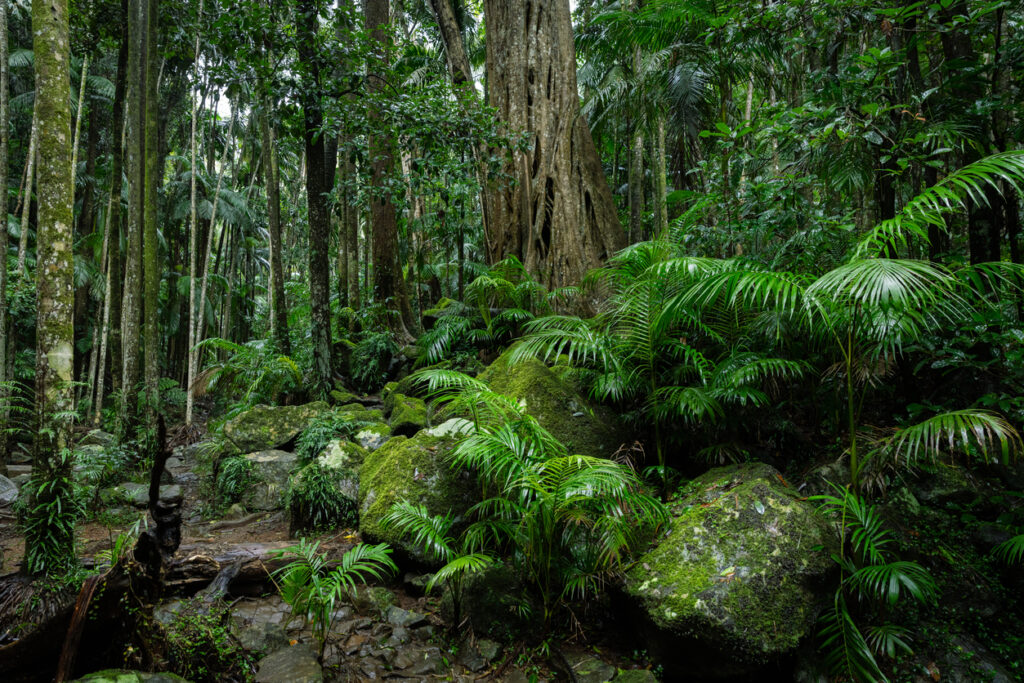
A recent report found that Australia has already experienced warming above 1.5C, the target that global climate agreements are desperately trying not to exceed. The report warned that no Australian community would be immune from “cascading, compounding and concurrent” climate risks. In other words, climate impacts are piling on top of each other faster than anyone can adapt to them, and it’s only going to get worse.
What this means for global climate goals

If tropical rainforests worldwide follow Australia’s lead and become carbon emitters instead of absorbers, we’re in serious trouble. The global community is already struggling to cut emissions fast enough, and we’ve been counting on natural ecosystems to do some of the heavy lifting for us. If nature stops helping and starts adding to the problem, we’ll need to cut fossil fuel emissions even more drastically than planned. The safety net we thought we had is disappearing.