Some gardening tips sound completely bonkers the first time you hear them—but then you try them, and suddenly, your tomatoes are thriving, and your roses look award-winning. These weird little hacks often come from old-school gardeners or accidental discoveries, and they’re proof that not everything has to come from a garden centre. Here are some slightly odd but surprisingly effective tricks to try in your own patch.
1. Bury banana peels under your roses.
It sounds like compost corner madness, but banana peels are full of potassium and phosphorus, which are two nutrients roses love. Burying them near the roots gives your plants a slow-release natural feed. Just chop them up first to speed up the breakdown, and bury them a few inches down to avoid attracting pests. Your roses will thank you with bigger blooms and stronger stems.
2. Stick crushed eggshells around seedlings.
Slugs and snails hate crawling over sharp, jagged surfaces, which makes eggshells a perfect natural deterrent. Crumble them around young plants to protect them from nighttime nibblers. They also slowly release calcium into the soil as they break down, which can help with things like blossom-end rot in tomatoes. Just make sure they’re clean and dry first.
3. Use coffee grounds to perk up your soil
Spent coffee grounds are a great way to add organic matter to your soil. They can help improve structure and boost drainage, while also adding a little nitrogen back into the mix. They’re especially loved by acid-loving plants like azaleas, hydrangeas, and blueberries. Just sprinkle them lightly, as too much in one spot can cause mould or mess with the pH. And just a hint: if you’re not a coffee drinker, shops like Costa and Starbucks make their used grounds available for free expressly for this purpose!
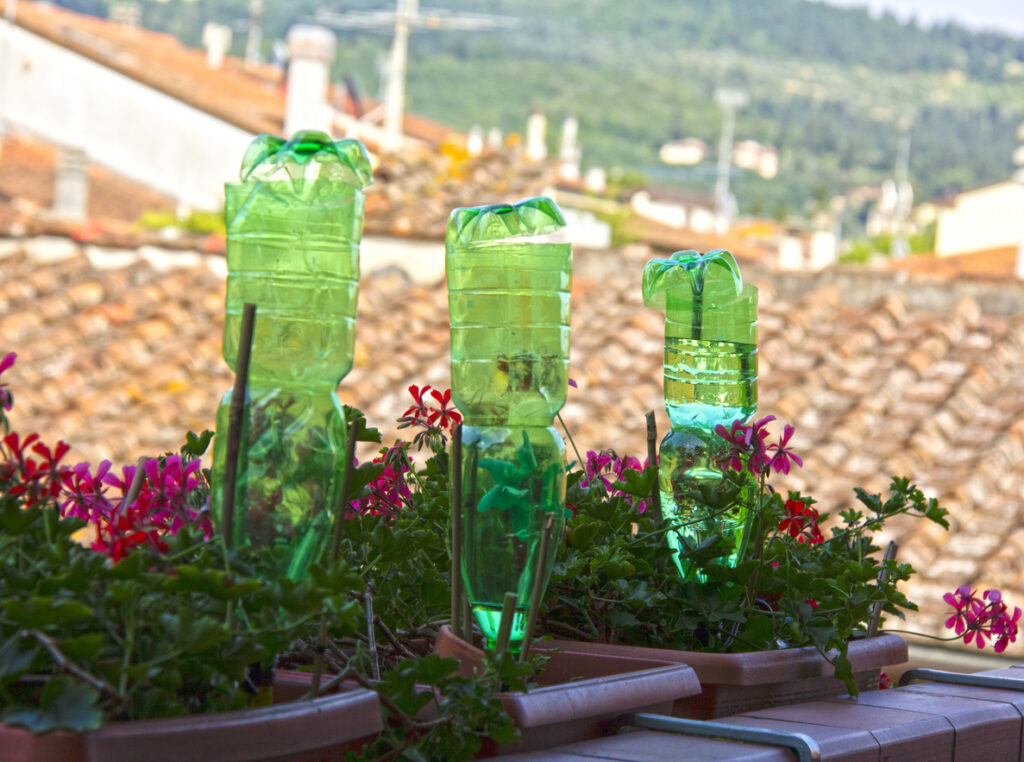
4. Plant upside-down bottles for slow watering.
If you’re forgetful with watering (or just away a lot), this hack is gold. Fill an old wine or plastic bottle with water, turn it upside down, and bury the neck in the soil near your plant’s base. The water seeps out slowly as the soil dries, giving your plants a steady supply without drowning them. It’s perfect for tomatoes, courgettes, or anything that hates drying out.
5. Sprinkle cinnamon on seedlings.
Cinnamon has natural antifungal properties, and a light dusting over soil can help stop damping-off disease, which is a common killer of young seedlings. It’s cheap, easy to apply, and smells amazing while doing the job. Keep a jar on hand when you’re starting seeds, especially if you tend to overwater a bit.
6. Bury rusty nails for acid-loving plants.
Some gardeners swear by sticking a few old rusty nails into the soil near hydrangeas or rhododendrons. As the metal breaks down, it releases iron, which these plants need to stay healthy and vibrant. It’s not an overnight miracle, but it can give your soil a slow iron boost over time. Just make sure you’re not doing it around anything that dislikes acidic conditions.
7. Use baking soda to sweeten tomatoes.
Sprinkling a little baking soda around the base of your tomato plants can reduce soil acidity, which some say helps produce sweeter fruit. It’s not a guaranteed fix, but it can subtly shift the flavour if your soil is on the acidic side. Just don’t go overboard. It’s still a chemical, and a little goes a long way.
8. Water your plants with cooled pasta water.
After boiling the pasta, let the water cool and use it to water your plants. It’s full of starches and trace nutrients that can benefit the soil—especially for container plants. Just make sure there’s no salt in it, as that can damage roots. Stick to plain, unsalted water and pour it directly into the soil, not over the leaves.
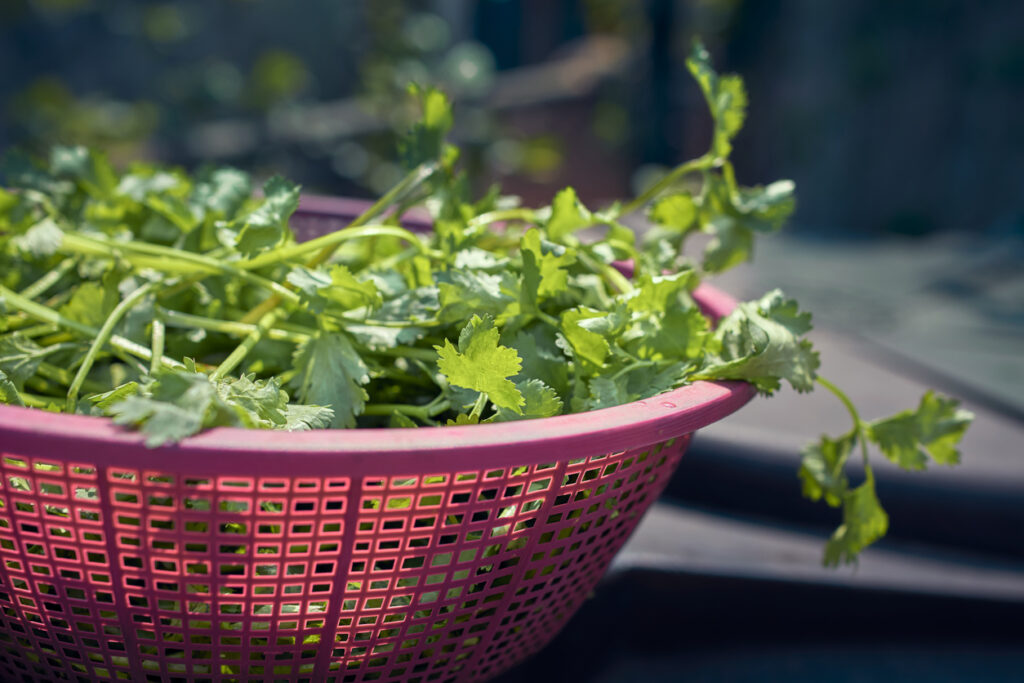
9. Plant herbs in old colanders.
Colanders make surprisingly good herb planters. They’ve already got built-in drainage holes, and they’re usually the perfect size for a few basil or mint plants. Line the inside with a bit of newspaper or landscape fabric to stop the soil falling through, then fill it up with compost and plant away. They’re great for balconies or windowsills.
10. Use hair clippings to deter pests.
Human hair can confuse the scent trails of rabbits, deer, and other munchers that like to nibble at your plants. Sprinkle some around the edges of your garden or around particularly tasty crops. It sounds odd, but the scent signals “human presence,” and it often works better than sprays. Just make sure it’s chemical-free and not from a salon full of product.
11. Drop a raw egg into your planting hole.
Some gardeners plant a raw egg under tomato seedlings or courgettes to act as a slow-release fertiliser. As it decomposes, it feeds calcium and protein into the soil. It’s definitely on the smellier side of gardening tricks, but if you bury it deep enough, you won’t notice a thing—and your plants might just thrive a little extra.
12. Use Epsom salts to green up leaves.
Epsom salts contain magnesium and sulphate, which many plants use to help with chlorophyll production. A sprinkle in the soil or a weak solution sprayed on leaves can perk up tired-looking foliage. It’s especially handy for peppers, tomatoes, and roses. Just don’t go mad with it; once every few weeks is plenty, and always dilute it if you’re spraying directly.
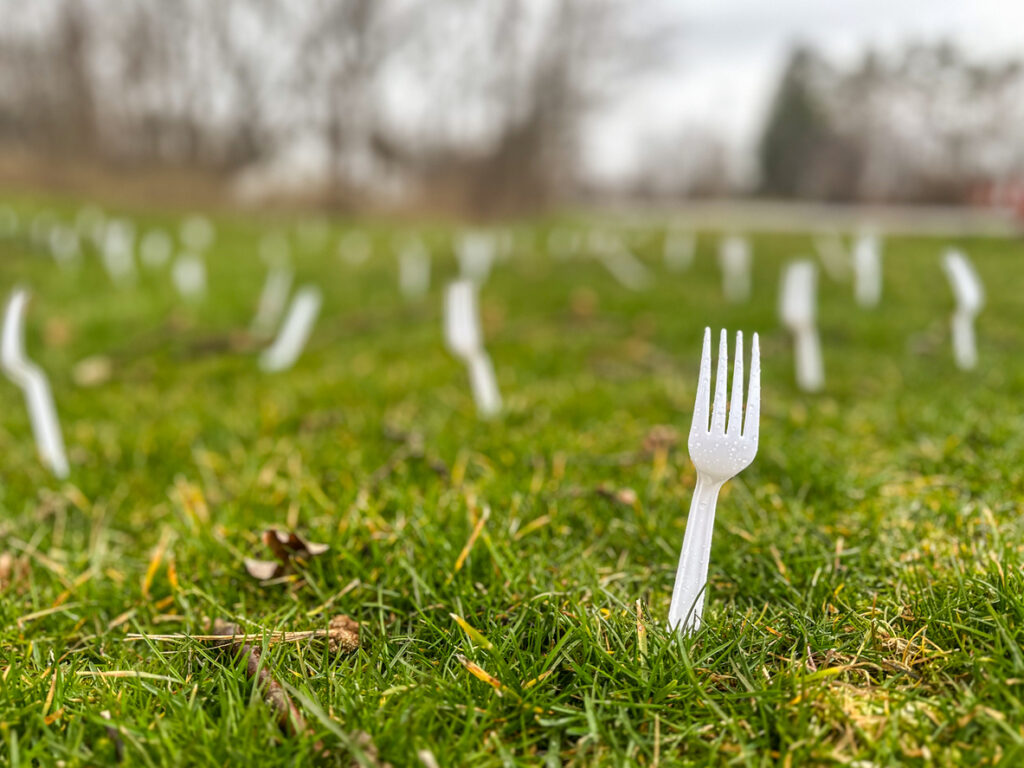
13. Put plastic forks around seedlings.
It looks a bit mad, but sticking plastic forks in the soil (tines up) can deter cats, squirrels, and other curious garden visitors from digging up your seedlings. It’s a simple physical barrier that doesn’t involve any chemicals or repellents. Once the plants get bigger, you can remove them, or keep them there if you like the spiky aesthetic.
14. Freeze herbs in olive oil.
If you’ve got a bumper crop of herbs and no way to use them fast enough, chop them up and freeze them in an ice cube tray filled with olive oil. It locks in the flavour and makes cooking a breeze later. Pop a cube into a pan when you’re cooking veg, pasta, or rice, and you’ve got instant herb-infused oil. It’s not just a kitchen trick. It helps you get more from your garden harvest, with zero waste.