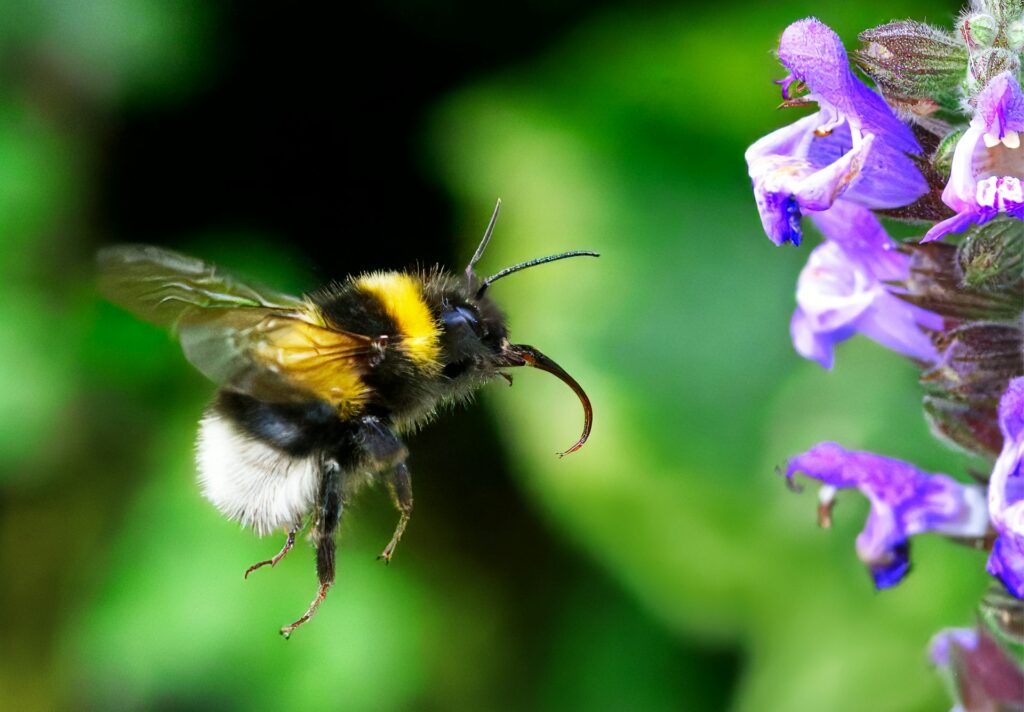
Most people know that if a bee stings you, it’s game over for the bee, but if a wasp stings you, it flies off just fine (and might even come back for round two). But why is that? The difference comes down to some weird anatomy, hive logic, and evolutionary quirks. Here’s what’s really going on when a bee stings, and why wasps get away with it.
A honeybee’s stinger is barbed.
When a honeybee stings a mammal like a human, its stinger doesn’t come out cleanly. It’s shaped like a tiny harpoon with backward-facing barbs, which get stuck in our elastic skin. As the bee tries to fly away, the stinger tears from its body, along with part of its abdomen, digestive tract, and nerves. It’s a fatal injury, and the bee usually dies shortly after. Brutal, but effective.
Wasps have smooth stingers.
Unlike honeybees, most wasps have stingers that are smooth or only very lightly barbed. That means they can sting, withdraw the stinger easily, and sting again if they feel like it. They also use their sting repeatedly to hunt or defend themselves, especially social wasps, which are far more aggressive than their bee cousins. Their stinger is more like a reusable weapon than a one-shot defence.
Honeybees evolved their stingers for hive defence.
Bees aren’t just protecting themselves—they’re defending the entire hive. When a worker bee stings, it releases alarm pheromones that alert the rest of the colony to the threat. In that sense, one bee’s sacrifice can trigger a coordinated attack that helps save the queen and the hive. It’s a bit like a bee version of laying down your life for the team.

Bee stings still hurt, and for good reason.
The venom in a bee sting contains melittin, a compound that causes pain and inflammation. It’s meant to hurt; it’s a strong message for predators (and unlucky humans) to back off. Even though the bee dies, the sting it delivers is more than enough to send a warning. And once that alarm pheromone is released, more bees may follow if you don’t make a quick exit.
Wasps sting for both defence and offence.
Wasps use their stinger to defend themselves and the nest, but they also use it to hunt. Many species paralyse their prey with a sting before dragging it back to the nest as food. This offensive use is one reason their sting is reusable. They need it to survive, not just protect their queen. It’s part of their hunting toolkit, not just a defence mechanism.
Not all bees die after stinging.
Honeybees are the famous martyrs, but they’re not the only kind of bee. Other bee species, like bumblebees and solitary bees—can often sting more than once without dying. That’s because their stingers are smoother and don’t get stuck in the skin the same way. The one-sting-and-die scenario is mostly limited to honeybee workers.
Honeybee queens can sting without dying.
The queen bee actually has a smooth stinger, too, and she can use it multiple times without harm. However, she rarely leaves the hive and almost never stings humans. She mainly uses her stinger to kill rival queens during power struggles inside the hive. So while she’s just as deadly, her battles are usually more political than defensive.
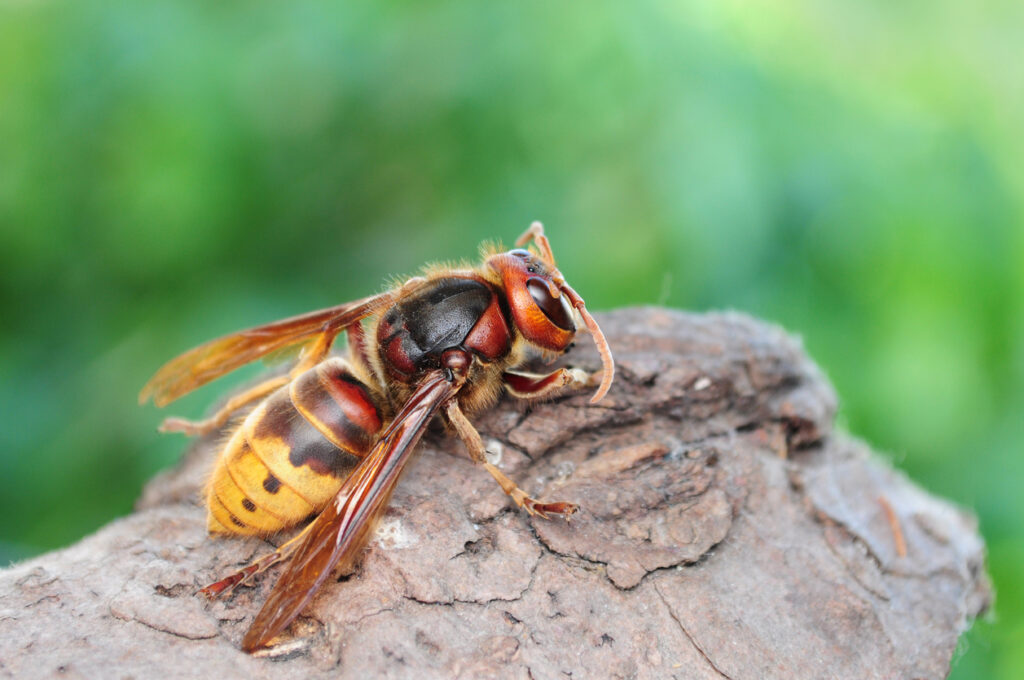
Wasps are naturally more aggressive.
Wasps are more territorial and more likely to sting unprovoked, especially later in the summer when food gets scarce and they start scavenging. They’re built for repeat attacks and aren’t shy about it. Bees, on the other hand, usually only sting if they feel directly threatened. They’re not trying to pick a fight. They just don’t want you too close to their queen or honey supply.
Bees die faster from mammal skin than from other animals.
The barbed stinger gets stuck mainly in thick, elastic skin like ours. When bees sting insects or animals with thinner exoskeletons, they can sometimes pull the stinger back out and survive. So in the wild, bees might sting smaller threats like wasps or other bees and live to tell the tale. It’s mostly us humans who trigger their fatal defence move.
Wasps don’t lose organs when they sting
The smooth design of a wasp’s stinger means there’s no tearing or internal damage when they sting. They can jab, fly away, come back, and jab again. No drama, no sacrifice. That’s why wasps can feel so relentless when they attack, especially if you’ve swatted one. If it doesn’t get you the first time, it’s still got plenty of chances left.
Bee stings are a kind of evolutionary gamble.
For honeybees, sacrificing one worker to protect thousands in the hive makes evolutionary sense. The workers don’t reproduce, so their role is to serve the queen and colony above all else. That’s why the dramatic death-by-sting evolved in the first place. It’s not great for the individual bee, but it increases the odds that the colony will survive, which is the ultimate evolutionary win.
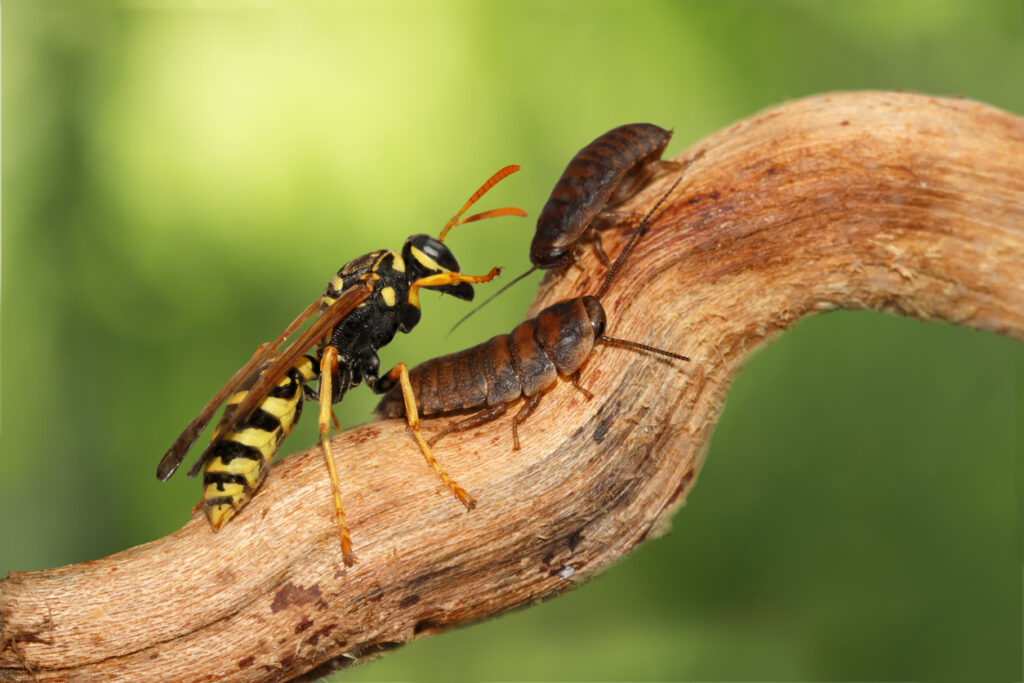
You’re not imagining it—wasps are just meaner.
There’s a reason wasps have a worse reputation than bees. They’re more aggressive, more persistent, and much more likely to sting multiple times. And unlike bees, they don’t die doing it. Bees sting as a last resort, while wasps sting as a matter of course. One gives its life to protect the group. The other gives you a reason to sprint indoors and close all the windows.
Still, both are vital to the ecosystem.
It’s easy to think of bees as the gentle pollinators and wasps as the angry cousins, but both actually do important work. Bees pollinate crops and wild plants. Wasps control pest populations and help with natural balance. You might not love them buzzing around your picnic, but the planet would be in trouble without either one. Just maybe give bees a bit more respect. They’re literally dying to keep things running.