Dogs feel emotions just like we do—boredom, excitement, loneliness, and joy.

While they might not tell you in words, you can usually tell when your pup’s feeling a bit flat or restless. Luckily, it doesn’t take grand gestures to turn things around. A little effort, some novelty, and genuine attention go a long way. Here are some easy ways to lift your dog’s spirits and make their tail wag a little harder.
1. Take them somewhere new.
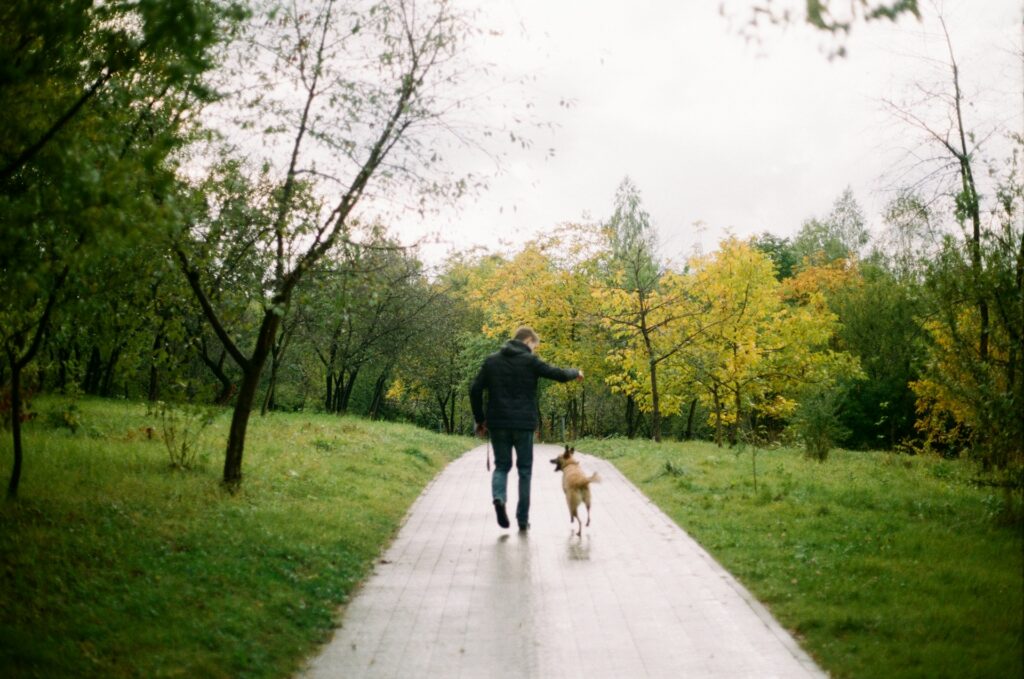
Dogs thrive on new smells, sights, and sounds. Even a simple change in walking route can perk up their mood and engage their curious brains. It doesn’t have to be a big day out; just mixing it up does wonders. Think park one day, woodland the next, or even just a different side of your neighbourhood. New environments offer mental stimulation, and for dogs, that’s as refreshing as a holiday.
2. Teach them a new trick.
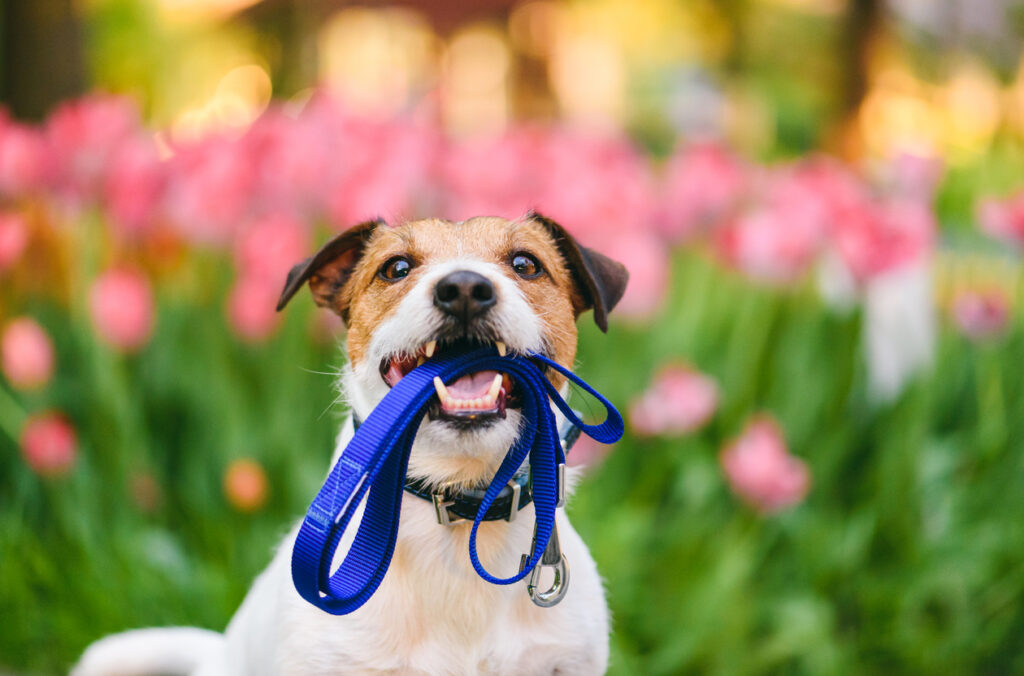
Training isn’t just about obedience, it’s enrichment. Learning something new gives dogs a sense of purpose and achievement, and it helps strengthen your bond in the process. Keep it short and fun. Whether it’s a spin, high-five, or simple “wait,” even five minutes a day gives their brain a little workout and keeps boredom at bay.
3. Give them a food puzzle.
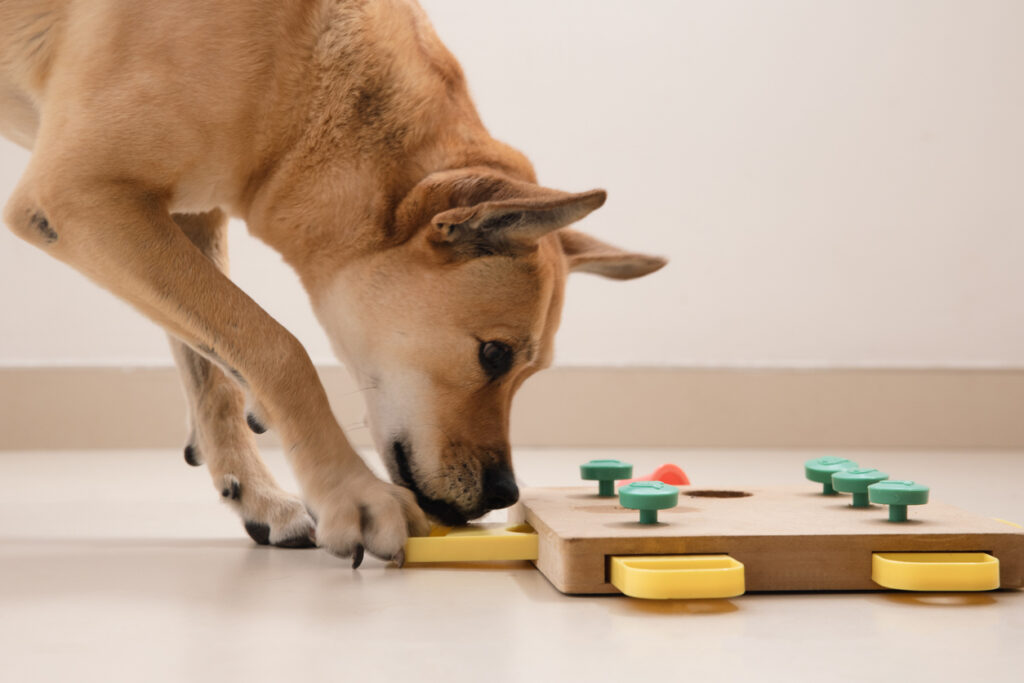
Snuffle mats, treat balls, and puzzle toys turn mealtime into playtime. They engage your dog’s natural problem-solving instincts and make their brain work a little for their rewards. Dogs often feel happiest when they get to “hunt” or forage—even if it’s just for a bit of kibble. Plus, these toys are perfect for rainy days when they need indoor stimulation.
4. Offer short bursts of play.

Not all dogs want to play fetch for an hour, but most love a quick game. A tug with their favourite toy, a dash around the garden, or a silly “chase me” moment can reset their whole mood. Play doesn’t have to be structured. The goal is connection and fun. Even a few minutes of your full attention can make your dog feel noticed and loved.
5. Let them sniff everything on walks.
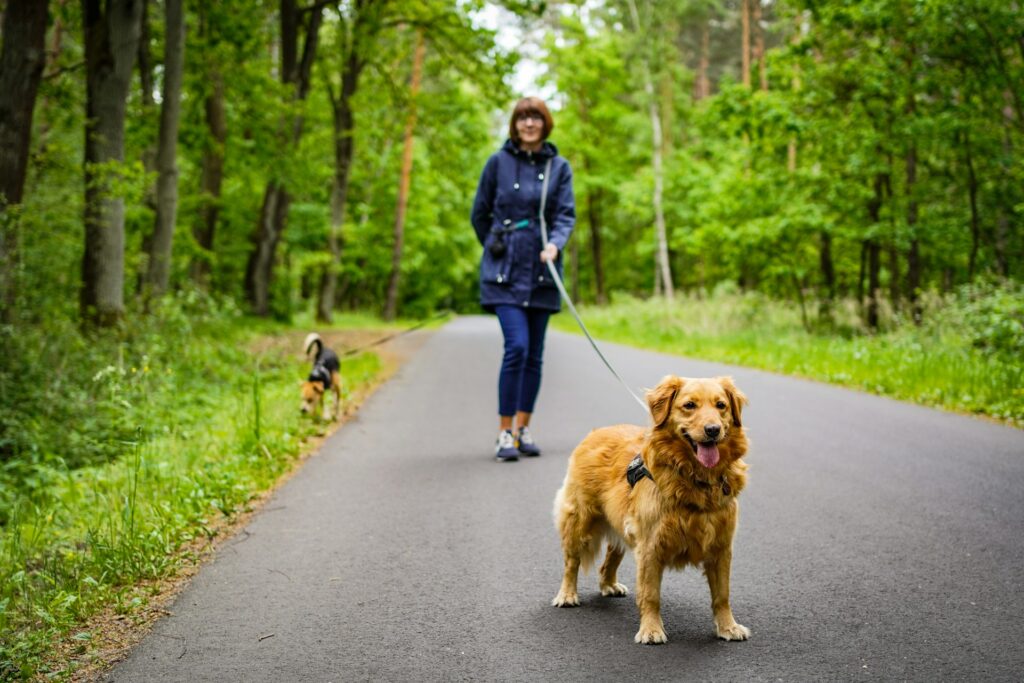
A “sniff walk” is a slower-paced stroll where your dog gets to sniff as much as they like. For them, sniffing isn’t just exploring. It’s how they gather information, decompress, and mentally process the world. Instead of rushing the walk, give them time to take it all in. It’s not wasted time; it’s their version of reading the news, and it does wonders for their mental health.
6. Try a canine enrichment app.
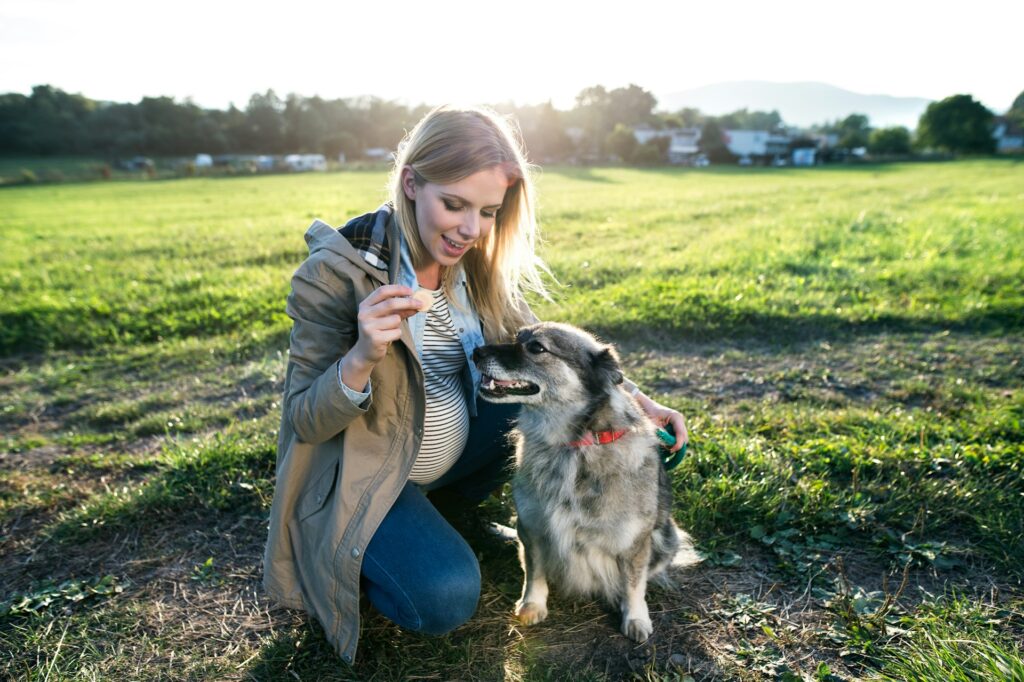
There are now apps and videos designed with dogs in mind, featuring animal sounds, moving objects, or calming music. Some dogs genuinely enjoy watching these, especially on slow days indoors. It’s not for every dog, but if yours is a curious observer, it can provide low-key entertainment. Just make sure the volume and pacing are gentle enough not to overstimulate.
7. Give them a massage or gentle brushing.
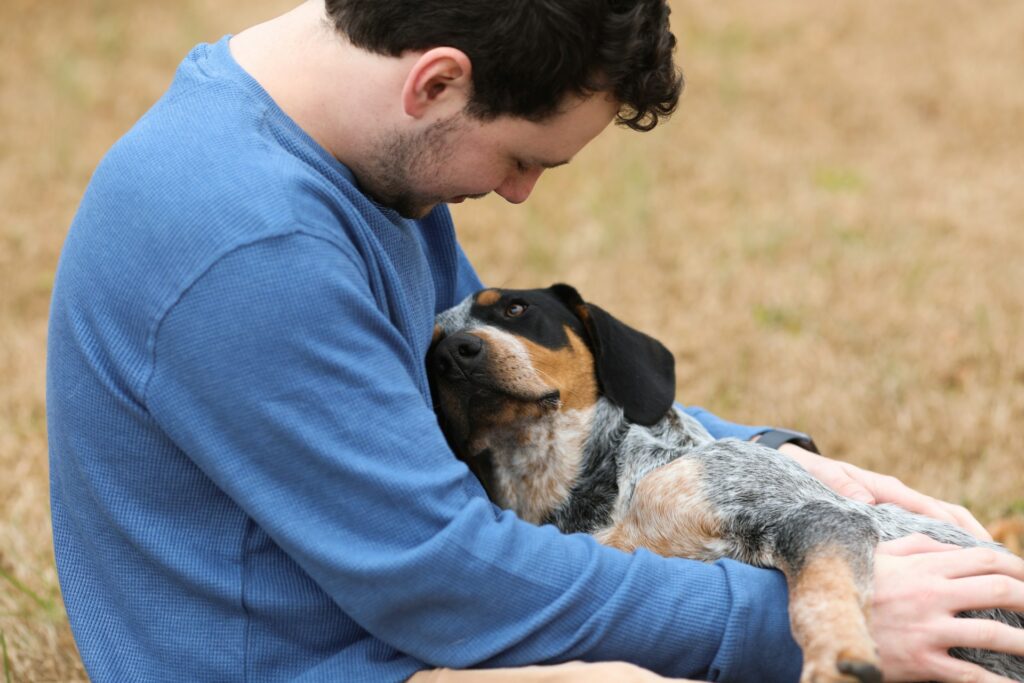
Many dogs love a good massage or brushing session. It’s calming, promotes bonding, and helps them feel physically cared for. Just be sure to read their body language and keep it light. Focus on their ears, neck, shoulders, or back—areas where tension builds. It’s soothing for you, too, and turns everyday grooming into a little act of love.
8. Rotate their toys.

Dogs get bored of the same old stuff. Rotating their toys every few days makes them feel like they’re getting something new, without actually buying anything extra. Put a few favourites away and reintroduce them later. You’ll often see your dog light up as if they’ve rediscovered a long-lost treasure.
9. Let them dig (in the right place).

Digging is a natural stress-reliever for many dogs. If you’ve got a garden, consider creating a small digging zone with soft soil or sand where they’re allowed to go wild. If that’s not possible, try a digging box with hidden toys indoors. Giving them a safe outlet for this instinct stops frustration from building up elsewhere (like in your flowerbeds).
10. Schedule one-on-one time.
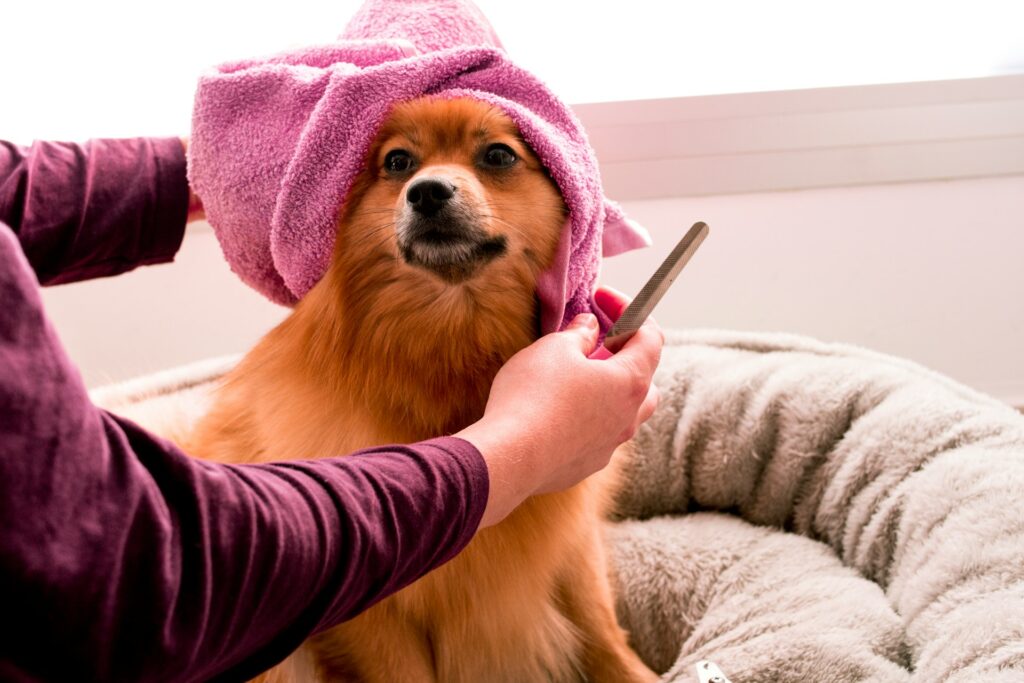
It sounds obvious, but carving out specific time just for your dog—not while watching TV, scrolling your phone, or multitasking—means a lot to them. They notice when you’re fully present. It could be a 10-minute cuddle, a quiet sit outside, or an extra walk. That focused attention helps them feel secure and genuinely happy.
11. Let them choose the pace.

Not every walk needs to be brisk. Some dogs love a meander, while others like to lead the way and explore every bush and lamppost. Letting them set the pace occasionally gives them a sense of agency. Choice matters more than we think when it comes to a dog’s wellbeing. It builds trust and boosts confidence when they feel like they get a say in how their day goes.
12. Use praise more than commands.

We’re quick to say “no” or “leave it,” but dogs light up when they hear they’ve done something right. Saying “good job,” “clever pup,” or even just “yes!” in a cheerful tone boosts their confidence. Positive reinforcement makes them feel good about themselves—and it strengthens your bond. Praise is free, easy, and one of the best mood-boosters out there.
13. Give them a safe place to retreat.

Just like us, dogs need downtime. Whether it’s a cosy bed, crate, or corner of the sofa, having a space that’s all theirs helps them feel calm and safe, especially after stimulation or guests. Respect their need to rest and recharge. Knowing they can retreat when they’re overwhelmed actually makes them more relaxed and content overall.
14. Celebrate the little things.

Dogs don’t need fancy gestures to feel joy. A smile, a new smell, or a gentle stroke can turn their whole day around. The more you celebrate the little wins, like learning something new or just sitting calmly, the more relaxed and happy they’ll be. In return, you’ll probably notice your own mood lift, too. Because let’s be honest, cheering up your dog almost always cheers you up as well.