Glaciers look like frozen scenery, but they’re more like deep freezers that have been locking away clues for centuries.
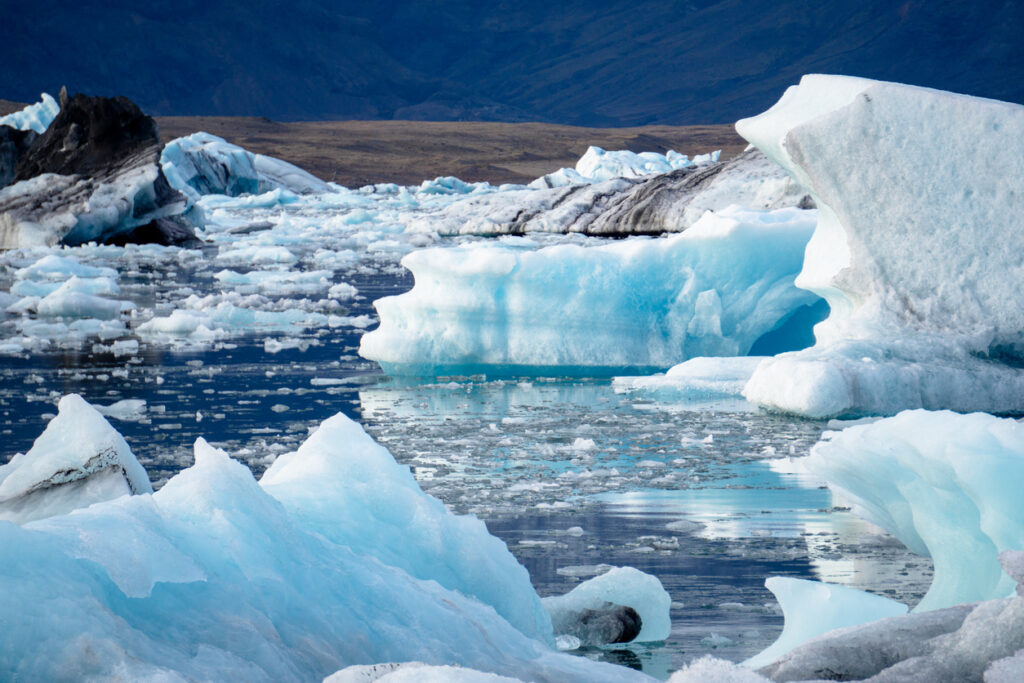
As they melt and retreat, they expose things nobody has seen in living memory. Some of it is fascinating, like ancient tools and lost landscapes. Some of it is unsettling, like pollution records and microbes waking up again. The strange part is that the melting itself is also part of the story because glaciers don’t just reveal the past. They also show, very clearly, what’s happening to the planet right now.
1. They’re revealing what the air was like long before we had factories.
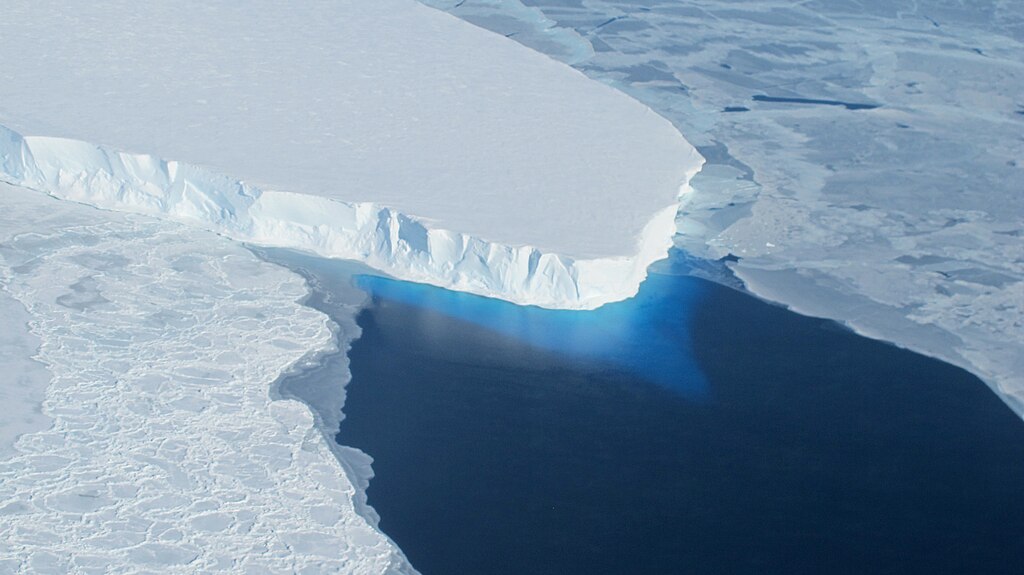
Ice forms in layers, year after year, and tiny bubbles of air get trapped inside as it builds. Those bubbles are like time capsules. Scientists can analyse them to see how greenhouse gases like carbon dioxide and methane changed over time, and how those changes linked to warmer and colder periods.
The wild part is that these records don’t just tell you temperatures. They show how the atmosphere itself shifted, which helps explain why the climate can flip between patterns over thousands of years. As glaciers melt, researchers are racing to drill and store ice cores before the archive disappears. Once the ice is gone, that specific record is gone with it, and you can’t recreate it later with guesses.
2. They’re exposing a hidden history of human pollution.
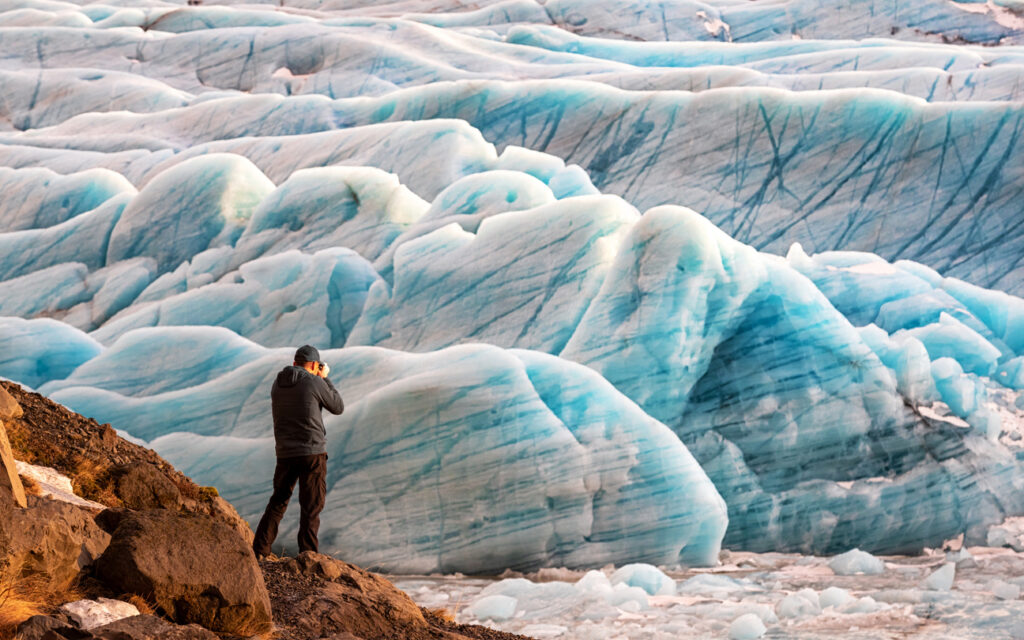
Glacier ice doesn’t only trap air. It also traps particles that fell from the sky, like soot, dust, and chemicals from industry. That means glaciers can show when lead pollution rose, when coal smoke thickened the air, and when newer pollutants started showing up in remote places that felt untouched. In some regions, ice layers even carry signals from nuclear testing and other major human events, since fallout travelled through the atmosphere and settled onto snow.
When you look at those layers, you can often see the sharp jump in pollution after the mid-20th century, which makes the timeline hard to ignore. Melting glaciers are still carrying those pollutants into rivers and lakes as they break down, which means the past is not only being revealed. It’s also being released.
3. They’re showing how often the planet burned, and when wildfires spiked.
Smoke travels. When large wildfires happen, tiny particles of soot and char can end up far from the flames, settling onto snowfields and glaciers. As time goes on, those layers build a kind of wildfire diary. Researchers can look at black carbon levels and trace periods when fire activity increased, and sometimes link it to warmer, drier conditions or to changes in land use.
There’s a second twist, too. Soot darkens ice, which makes it absorb more sunlight, which speeds up melting. So the same particles that record fire history can also help push glaciers toward faster loss. When glaciers melt, they reveal those old fire signals in the ice, but they also show how easily the system can get stuck in a loop where warming and darkening feed each other.
4. They’re uncovering ancient objects that feel weirdly fresh.
Ice can preserve organic material in a way soil often can’t. As glaciers and ice patches retreat, archaeologists are finding tools, clothing, arrows, skis, and everyday items that would normally rot away. Some of these objects are thousands of years old, yet the preservation can be so good that they look like they were dropped recently. These finds can change what we know about travel routes, hunting practices, and how people survived harsh mountain environments.
The catch is that once an object melts out, it starts degrading fast. Wood can split, leather can break down, and textiles can crumble. So glaciers are not only revealing history, they’re also putting a timer on it, which is why there is a real urgency in glacial archaeology right now.
5. They’re bringing back missing people and long-lost stories.
As grim as it is, melting ice is increasingly revealing human remains from accidents decades ago. In mountain regions, people have fallen into crevasses, been buried by snow, or vanished in storms, and their bodies were held in place by the ice. When the ice moves and thins, those remains can reappear, sometimes along with personal items that help identify them.
For families, it can bring a strange mix of relief and grief because a mystery ends after years of not knowing. It also changes how people understand risk in these environments. Places that seemed stable for generations are becoming more unpredictable, and the ice is no longer keeping things sealed away. The glacier becomes both a witness and a messenger, returning what it once swallowed.
6. They’re exposing wreckage from past wars and forgotten crashes.

Glaciers don’t care what something is. If it gets buried, it gets stored. That includes aircraft wreckage, equipment, and other debris from the 20th century, especially in places like Greenland and high mountain ranges where wartime flights and training missions went wrong. As ice moves and melts, pieces of metal, fabric, and machinery can reappear, sometimes startlingly intact.
These finds are more than mere curiosities. They can also be hazards, since old fuel, chemicals, and sharp debris can end up in meltwater streams or on newly exposed ground. In some cases, recoveries turn into major operations because the ice has shifted wreckage deep below the surface. It’s a reminder that glaciers have been collecting modern history too, not just ancient history.
7. They’re releasing microbial life that has been frozen for centuries.
Glacier ice holds bacteria, viruses, and other microorganisms that have been trapped for hundreds or thousands of years. As melting speeds up, huge amounts of that microbial material are being released into downstream ecosystems. Sometimes that’s beneficial because microbes can help fertilise soils and support new plant growth in freshly exposed areas.
Other times, it raises questions as we don’t fully understand what gets released, how it behaves, or what it could interact with as conditions change. It doesn’t mean ancient plagues are about to return, but it does mean there is real scientific interest in how glacier melt reshapes microbial communities in rivers, lakes, and coastal waters. It’s another way glaciers act like vaults. They store life, and now the lock is breaking.
8. They’re revealing enzymes and genes that could be useful, and risky.
Some microbes in glaciers have unusual abilities because they evolved to survive extreme cold, low nutrients, and long periods of darkness. That can include enzymes that function at low temperatures, and genetic traits that help them break down certain compounds. Scientists are interested in these for all sorts of reasons, from medicine to environmental clean-up.
At the same time, melting can also release antibiotic resistance genes that were locked away in ice, which raises concerns about how these traits might spread through natural systems. This isn’t a simple good news story or a simple threat story. It’s more like a reminder that glaciers contain biological information we’re only beginning to understand. As the ice retreats, that hidden library is being opened all at once, whether we’re ready or not.
9. They’re exposing brand-new landscapes that have been buried for thousands of years.
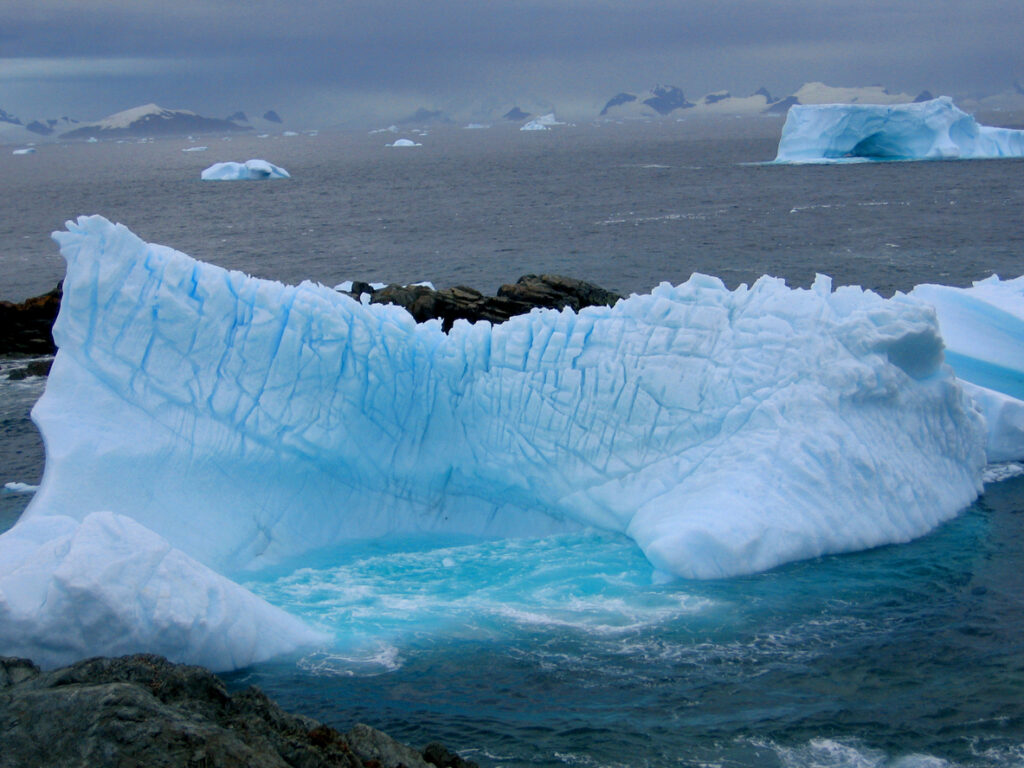
When a glacier pulls back, it reveals ground that hasn’t seen sunlight in a very long time. Sometimes it’s bare rock and gravel. Sometimes it’s ancient soil surfaces, unusual landforms, and scoured valleys that show how the ice once moved. These landscapes help scientists understand past glacier size, flow, and speed, which feeds into better models for future melting.
They also affect modern life immediately. New lakes can form, river channels can move, and slopes that were supported by ice can become unstable. What looks like a new stretch of land is often fragile, raw, and unpredictable. Glaciers are revealing the shape of the Earth underneath them, but they’re also changing the rules for what that land will do next.
10. They’re showing how ecosystems start from scratch.
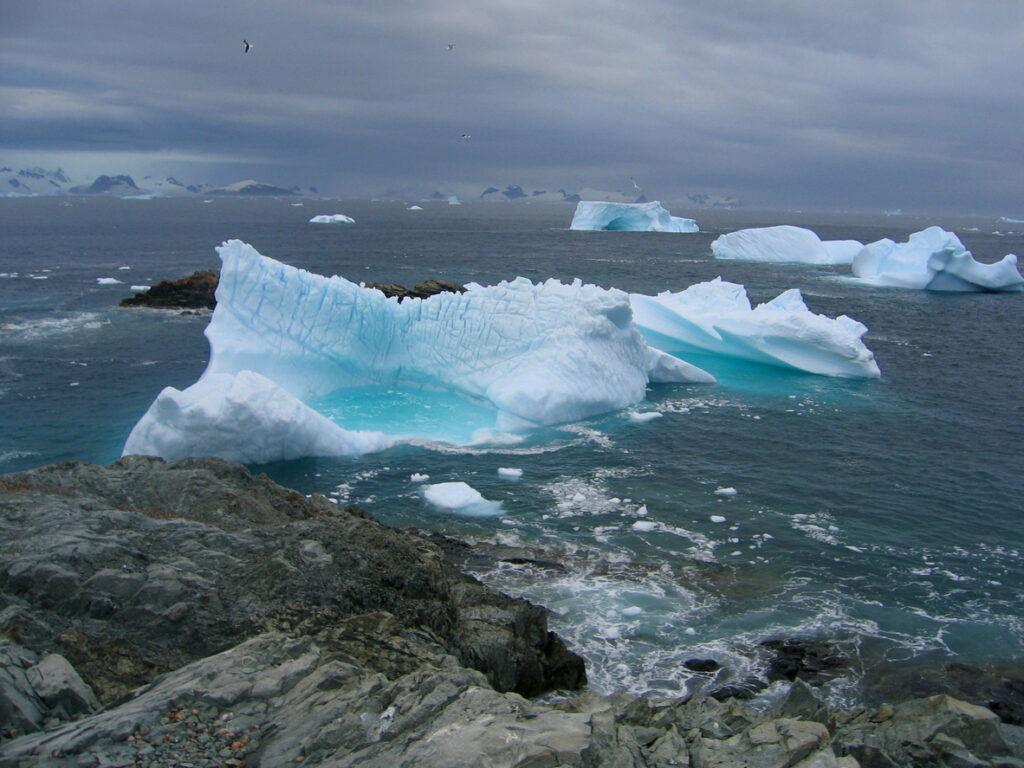
Freshly exposed ground is like a blank page, and nature wastes no time. Microbes arrive first, then hardy mosses and pioneer plants, and eventually insects and birds follow. Watching that process gives scientists a real-world view of how life builds soils, cycles nutrients, and creates habitats from nothing. It sounds hopeful, and in some ways it is, but it’s also complicated.
As glaciers retreat faster, the pace of change can favour invasive species or create unstable conditions where plants struggle to establish. The new ecosystems don’t always look like the old ones that existed nearby. In other words, glaciers are revealing not only what was hidden under ice, but also how quickly the living world tries to claim it, and what happens when the climate is changing at the same time.
11. They’re exposing minerals, fossils, and geological clues that were out of reach.
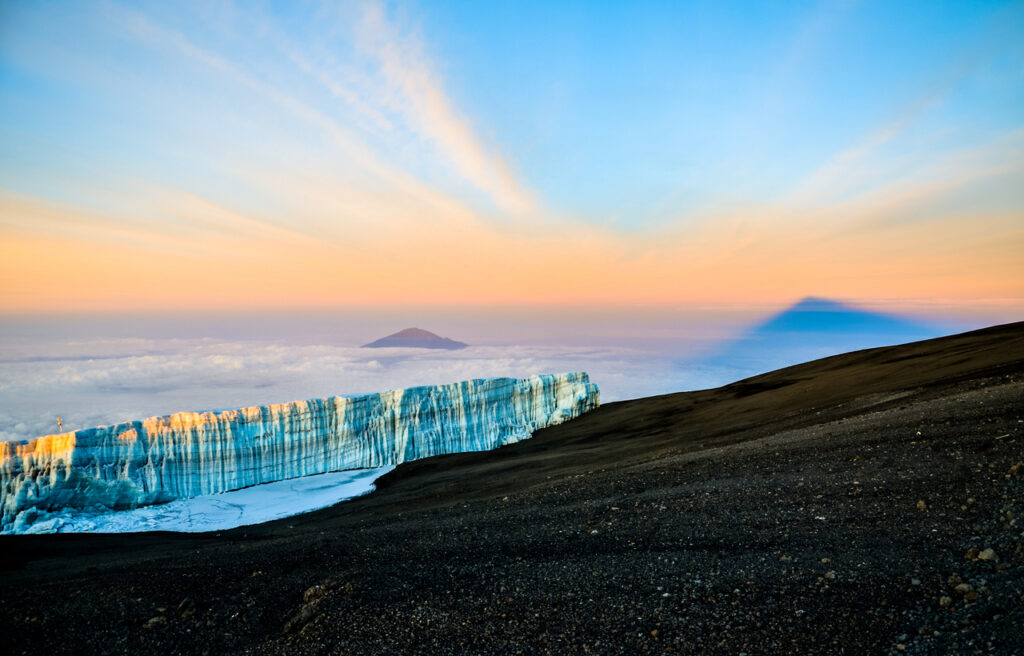
As ice peels back from mountain ranges and polar regions, it can uncover rock layers and deposits that were previously unreachable without major drilling or extreme expeditions. That includes fossils, ancient sediments, and mineral seams that help geologists piece together how landscapes formed over millions of years. These finds can improve understanding of tectonic movement, erosion, and long-term climate shifts.
Of course, there’s also a less comfortable angle. Newly exposed minerals can affect water chemistry, and increased rock weathering can change what flows into rivers. In some places, interest in resources rises when ice retreats, which brings questions about extraction in fragile environments.
12. They’re making it obvious how fast change is happening.
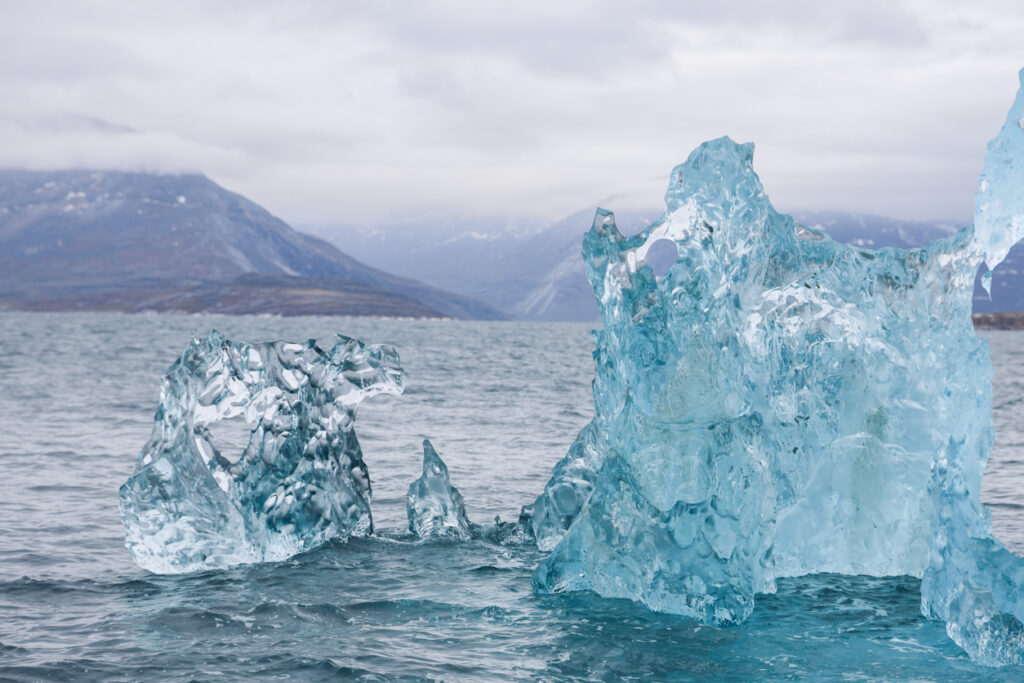
People can argue about charts, but it’s harder to argue with a glacier that has visibly shrunk within a single lifetime. Retreat lines, newly exposed rock, and thinning ice show a before-and-after story that’s easy to grasp. The chemistry side matters too because melting changes the concentration of things trapped in the ice, and it can blur or damage the clean layering that scientists rely on for accurate dating.
In other words, glaciers aren’t only revealing clues; they’re also losing their ability to hold them neatly. That creates a strange urgency. The more we need these records to understand the future, the faster the records are being erased.
13. They’re revealing hazards that were held back by ice.
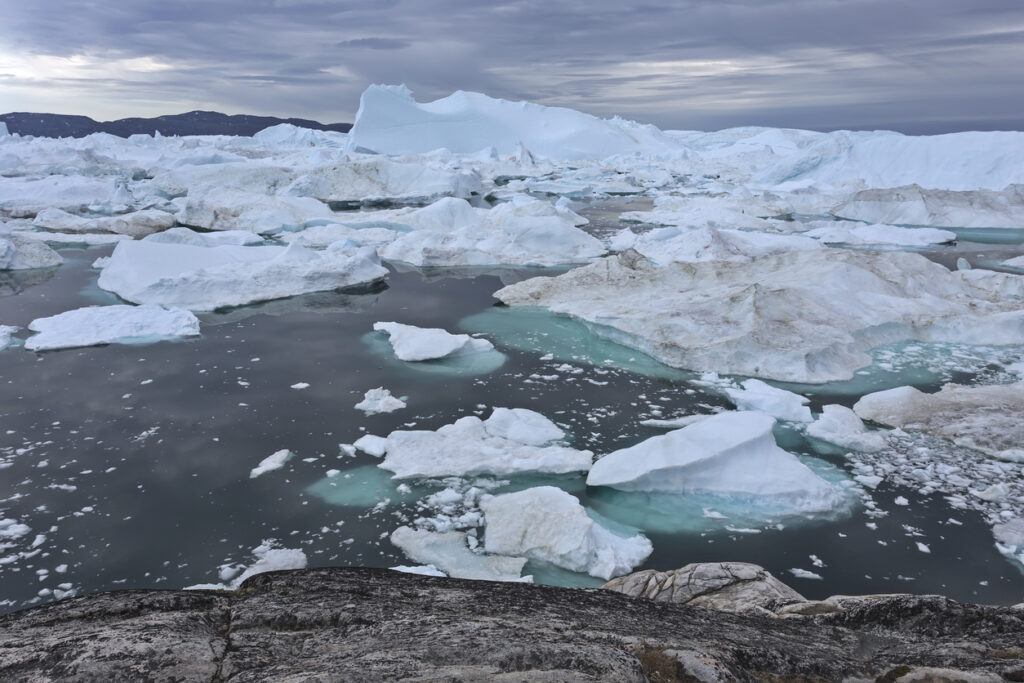
Glaciers can act like natural dams, holding lakes in place and supporting steep slopes. When ice melts, those supports can fail. Lakes can burst, floods can surge down valleys, and landslides can become more likely as frozen ground softens. Even smaller changes matter. Meltwater can undermine paths, bridges, and mountain routes that people assumed were stable.
This is a different kind of secret, but it’s still one glaciers are revealing. They show where water will run, where the ground is unstable, and where human planning was based on a landscape that no longer exists. As the ice fades, it leaves behind not only discoveries, but new risks that communities have to learn quickly.