Cemeteries look still from the outside: rows of stone, clipped grass, maybe a few trees standing quietly in the background.
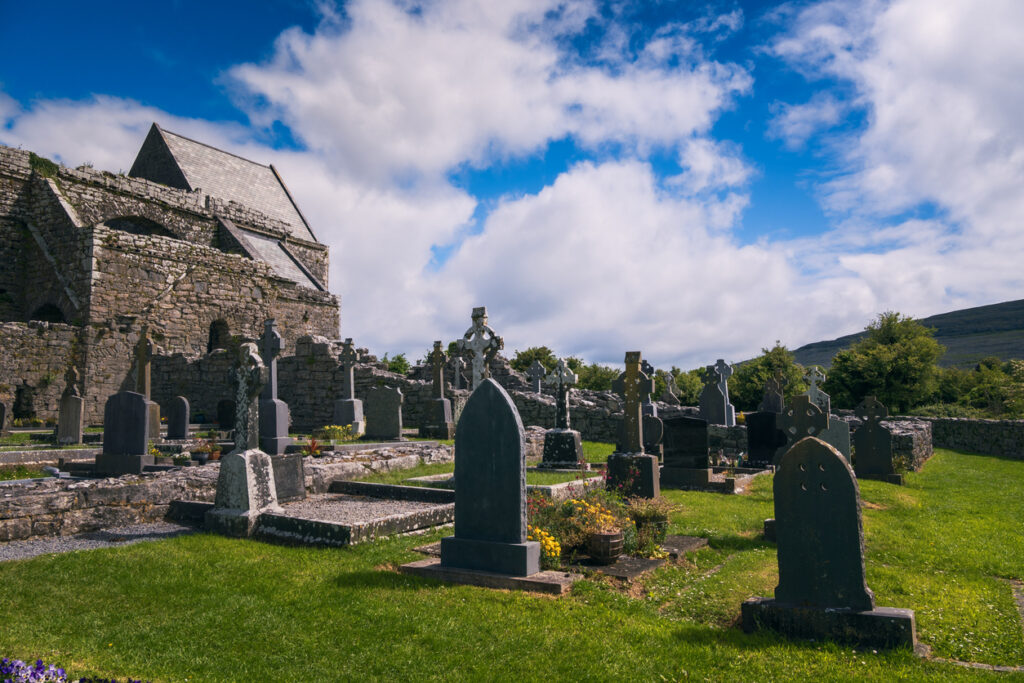
However, if you slow down and actually pay attention, they’re often some of the richest pockets of wildlife in a town. Many are decades, sometimes centuries old. That means mature trees, undisturbed soil, and fewer chemicals than modern parks. In a world where green space keeps shrinking, cemeteries can quietly become safe havens. Here are 12 things you’d never expect to find living in one, all rooted firmly in nature.
1. Bats tucked into old stone and roof spaces.

Historic chapels, mausoleums and stone walls develop tiny gaps and cracks over time. To us, they just look weathered. To bats, they look like ready made shelter. These small openings provide safe roosting spots during the day, protected from predators and harsh weather. At night, cemeteries often become feeding grounds. The mix of old trees, damp grass and insects rising from shaded corners creates ideal hunting territory. Because cemeteries are usually quieter after dark, bats can move freely without bright lights or heavy disturbance.
2. Rare lichens slowly spreading across gravestones
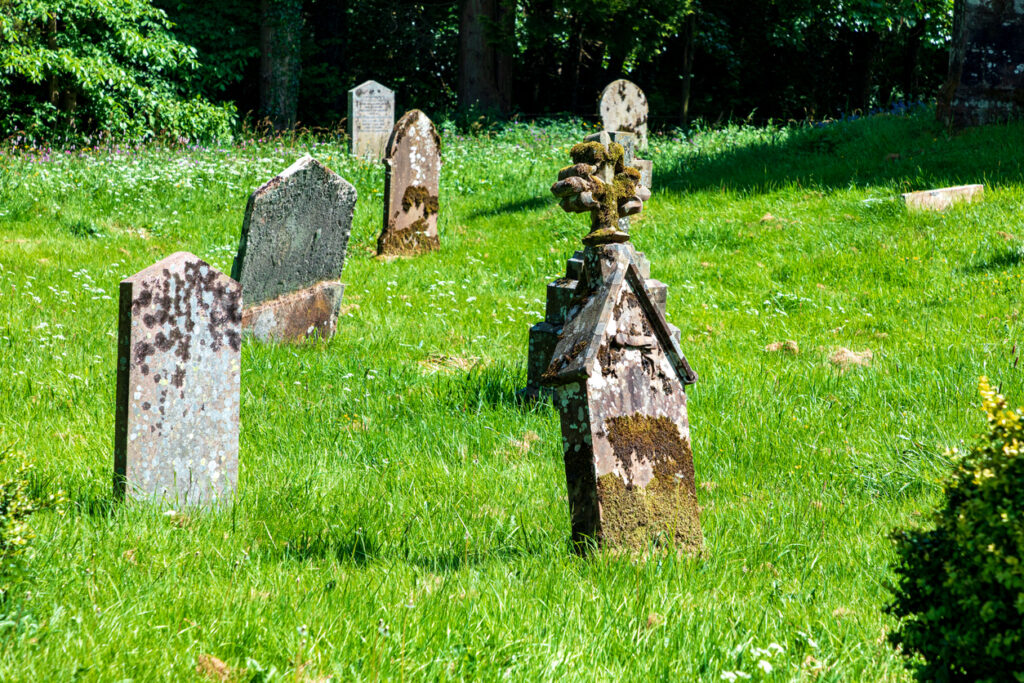
Old headstones aren’t just markers of history. They’re surfaces that have been sitting undisturbed for decades. Lichens grow extremely slowly, and some species only survive in places that haven’t been scrubbed or treated with chemicals. In certain UK churchyards, conservationists have found rare lichen communities that have vanished elsewhere. These tiny growths may look like patches of crust or powder, but they’re living organisms that tell a story about clean air and stability.
3. Fox families raising cubs out of sight
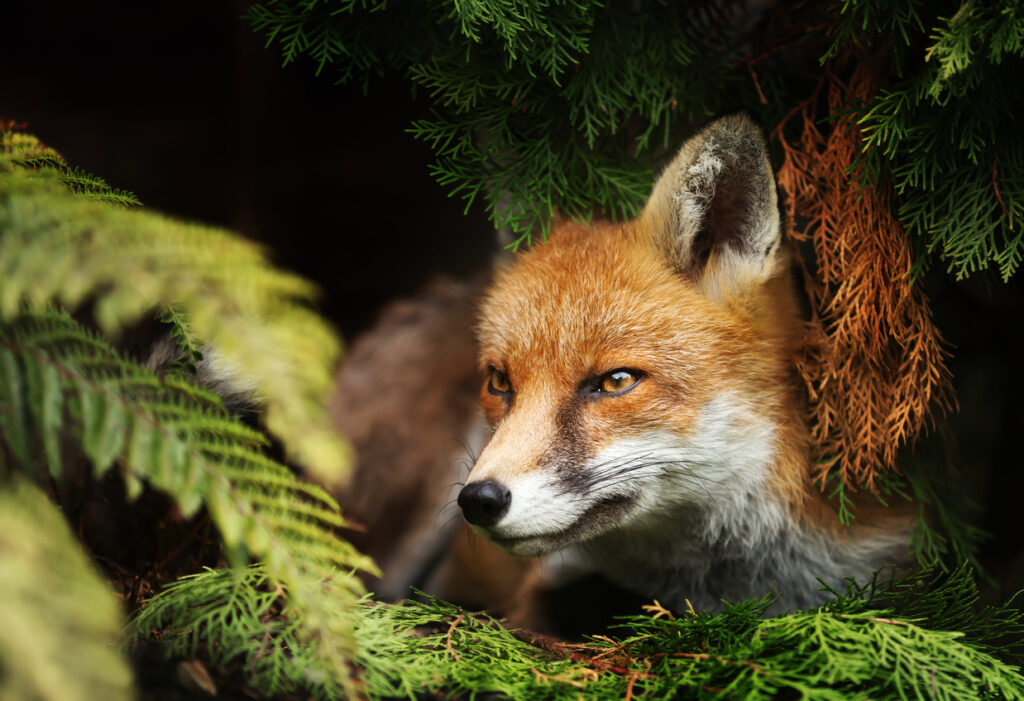
Urban foxes are experts at finding quiet corners, and cemeteries often provide exactly that. Thick hedges, older shrubs and less foot traffic make good den sites. During spring, fox cubs may be hidden just metres away from pathways without anyone realising. They tend to stay hidden during busy hours, but early morning or late evening might reveal quick flashes of movement between headstones. For foxes, cemeteries are calm pockets in otherwise busy towns.
4. Tawny owls nesting high in mature trees
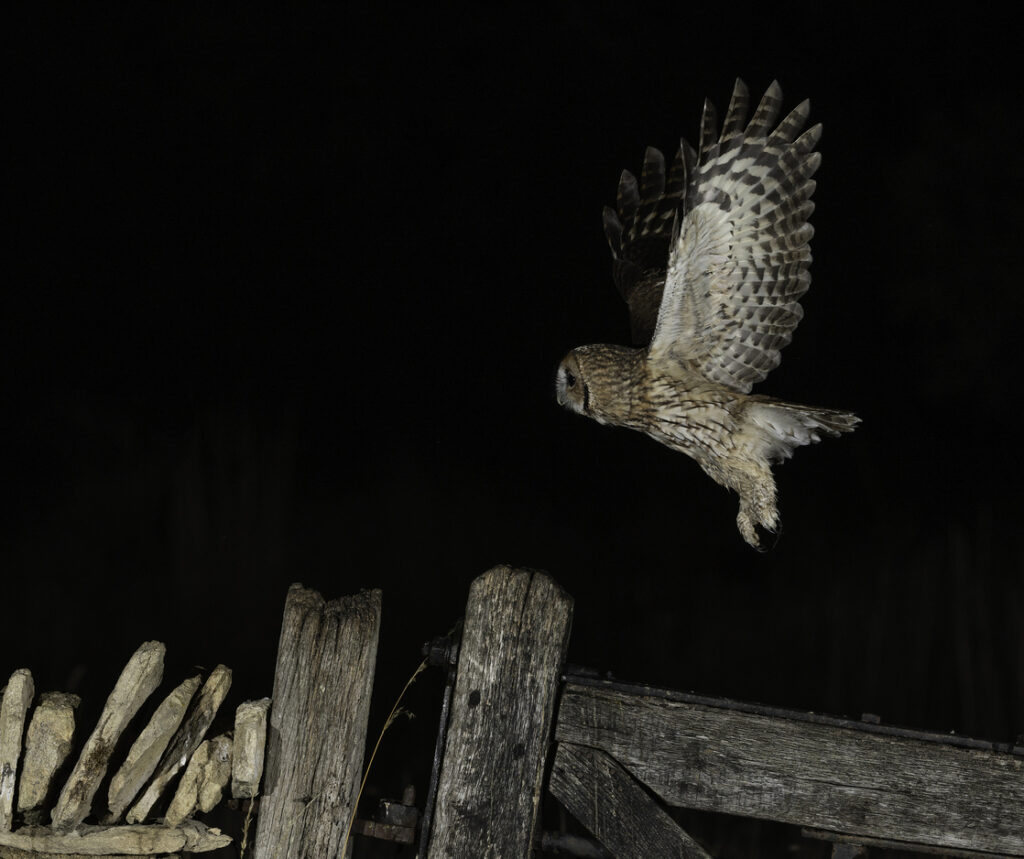
Many historic cemeteries were planted with long-lived trees, and those trees have now matured into full habitats of their own. Tawny owls prefer wooded edges and older tree cavities for nesting. If you hear an eerie call at dusk, it’s often an owl rather than anything supernatural. The presence of birds of prey like owls shows that the food chain is intact, with small mammals and insects supporting higher species.
5. Hedgehogs moving quietly through long grass

Hedgehogs are declining in many parts of the UK, but cemeteries can act as safe corridors for them. Long grass, leaf piles and natural borders give them shelter during the day. Because cemeteries often have low traffic and reduced pesticide use, they offer feeding opportunities without constant danger. At night, hedgehogs forage between graves, largely unnoticed.
6. Wild orchids growing in less tended corners

Where mowing is less frequent, wildflowers have a chance to thrive. Some older cemeteries support native orchid species that struggle in intensively managed parks. These orchids rely on specific soil conditions and fungi networks underground. Because cemetery land hasn’t always been heavily fertilised or disturbed, it can provide the stable environment these plants need.
7. Slow worms warming themselves on stone
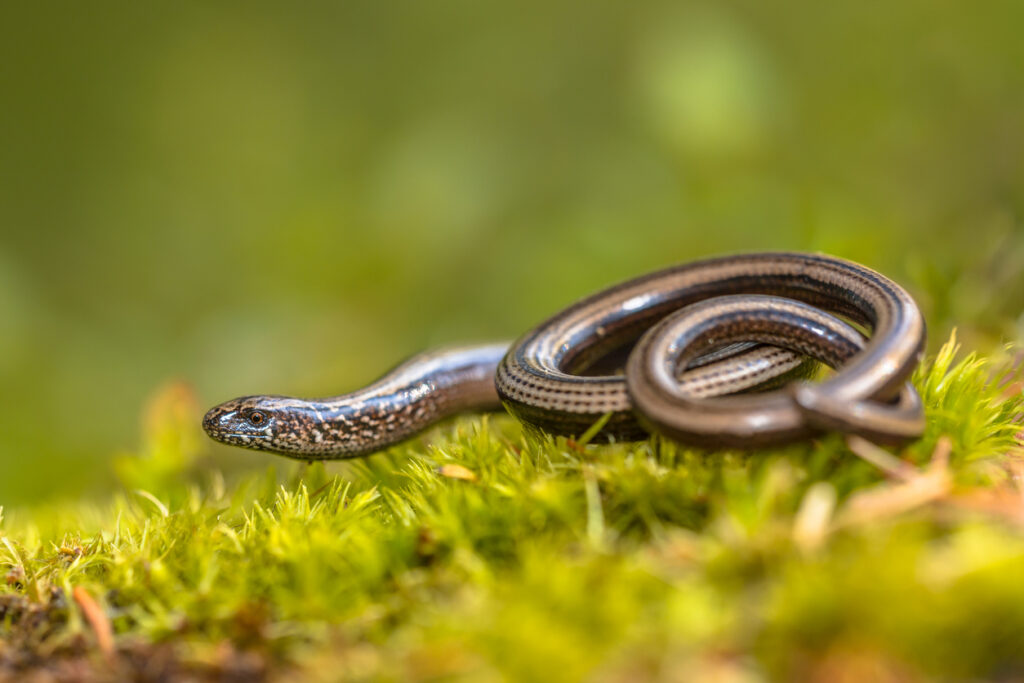
Slow worms are legless lizards, often mistaken for snakes. They prefer grassy areas with plenty of cover and minimal disturbance. Cemeteries offer both. Flat memorial stones and sun warmed paths act like natural heat pads during cooler days. Slow worms use these spots to regulate body temperature before slipping back into grass or leaf cover.
8. Bumblebees nesting underground

Not all bees live in hives. Many bumblebee species nest in abandoned burrows or beneath thick grass. Cemetery grounds that are cut less frequently give them suitable nesting sites. Flowering plants growing between graves provide nectar sources, especially if wildflower sections are left intact. In spring and summer, cemeteries can quietly hum with pollinator activity.
9. Woodpeckers feeding on old trunks
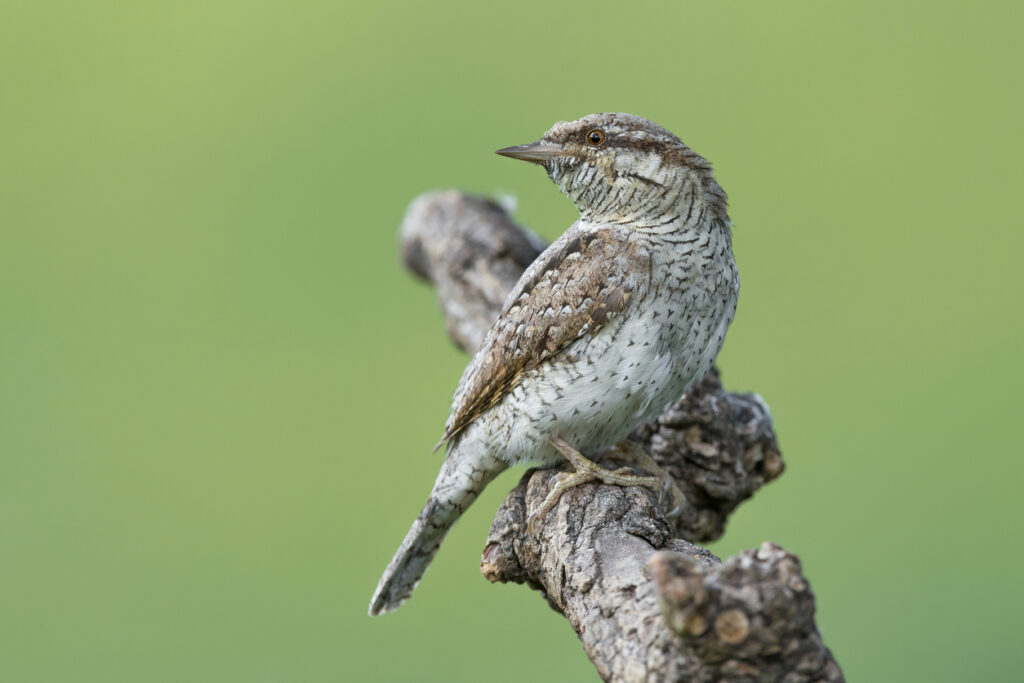
Dead or ageing trees are often removed quickly in urban parks for safety reasons. In cemeteries, some are left standing for historical or ecological reasons. These trees become food stores for insects. Woodpeckers drill into softer wood to reach larvae beneath the bark. If you hear steady tapping echoing across the grounds, it’s likely a bird making the most of a tree that has been left to age naturally.
10. Glow-worms shining in grassy banks
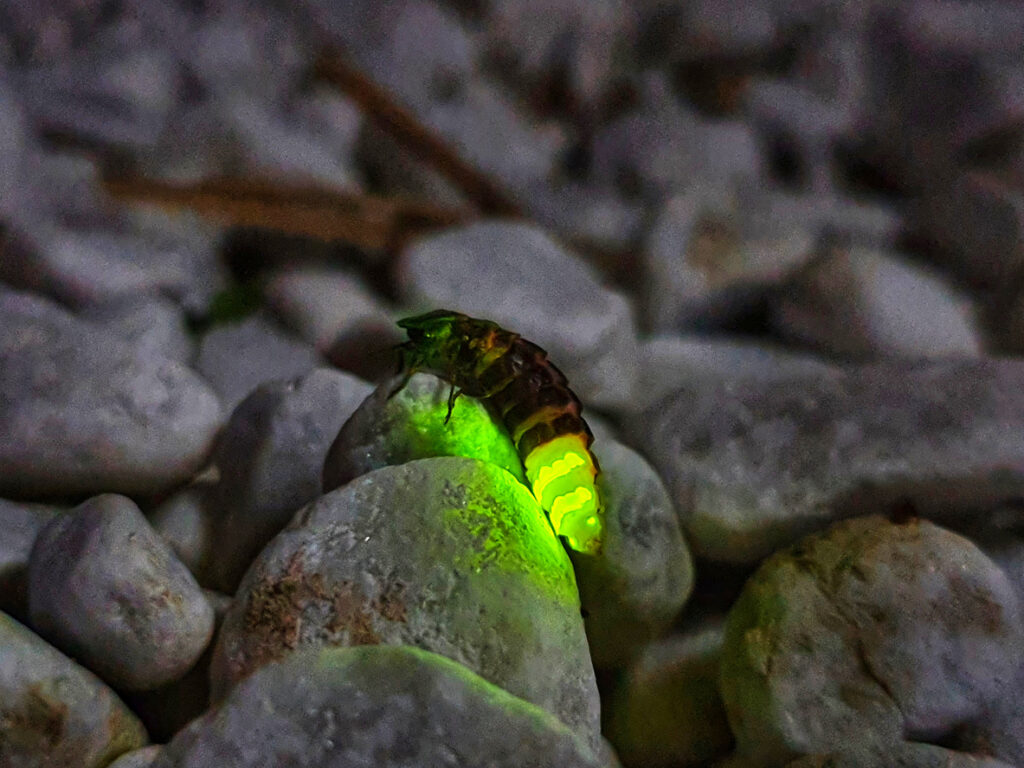
In some rural cemeteries, glow-worms have been recorded in undisturbed grassy patches. These beetles prefer low light areas with little disruption. On warm summer evenings, females emit a faint green glow close to the ground to attract mates. It’s subtle and easy to miss, but it transforms what seems like a quiet lawn into something quietly alive.
11. Stag beetles developing beneath decaying wood
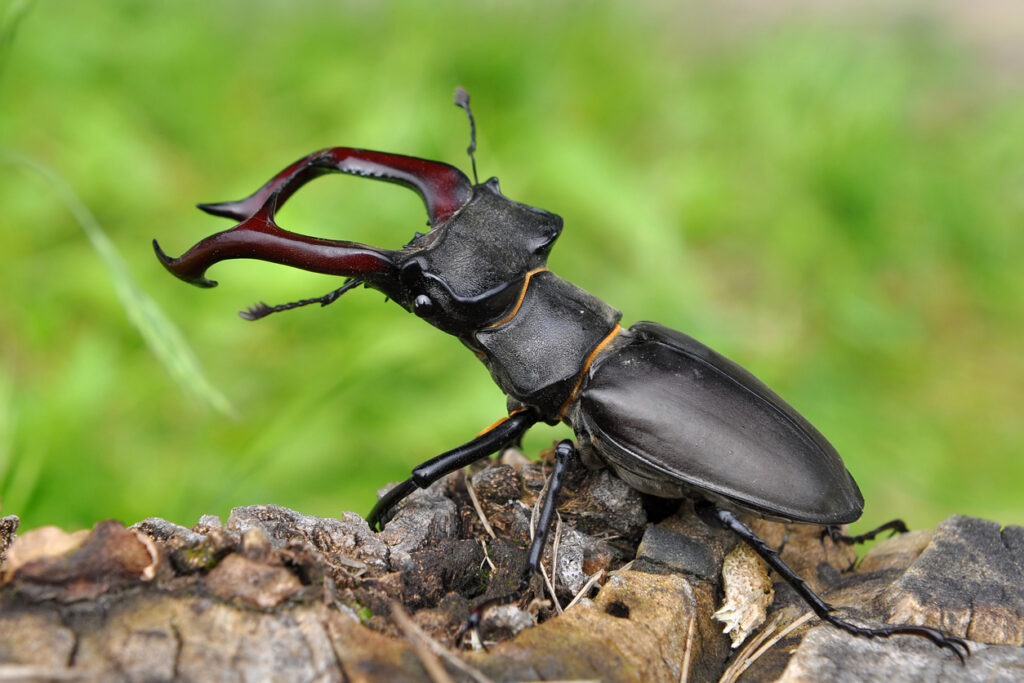
Stag beetles rely on rotting wood to complete their long life cycle, which can last several years underground. Old tree stumps and buried wood in cemeteries provide perfect conditions. Because these areas are not always tidied aggressively, larvae can develop undisturbed. The adults, when they emerge, are large and striking insects that rely on these forgotten patches of decay.
12. Butterflies feeding in unexpected meadows
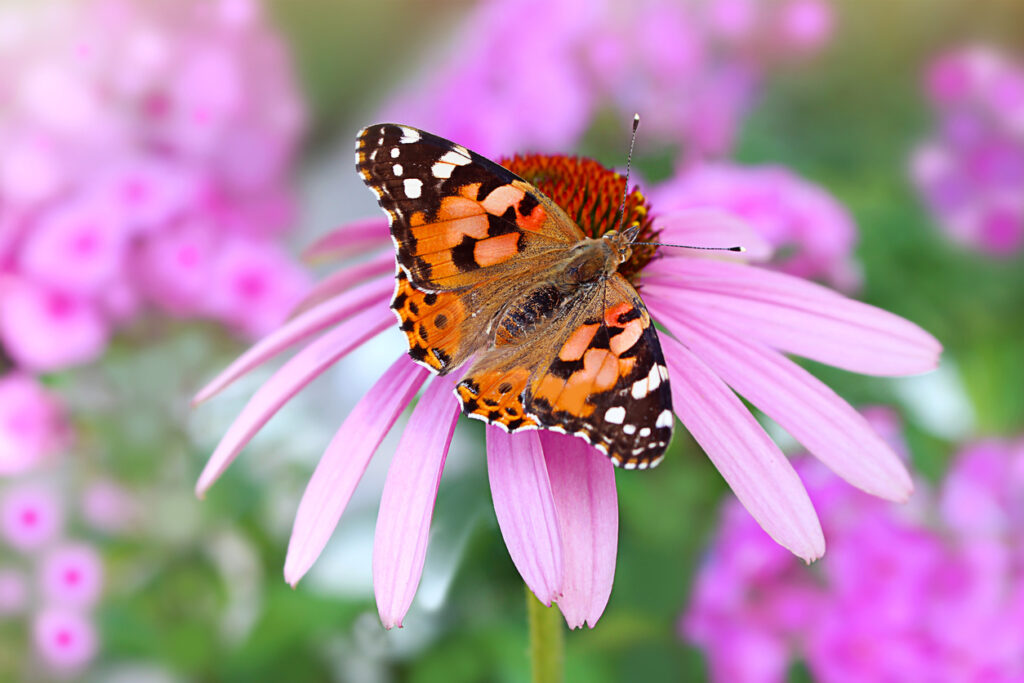
Some cemeteries now adopt wildlife friendly mowing schedules, leaving sections to grow naturally. Even older grounds that are less intensively managed can develop small wildflower patches. These areas attract butterflies that struggle in heavily landscaped environments. Among the quiet stones, you might see species that have become rare in other parts of town.
What looks like stillness from a distance is often quiet activity. Cemeteries hold history, but they also hold habitat. In many towns, they are some of the oldest surviving green spaces left, which gives wildlife something rare in modern life: stability. If you walk through one slowly, you’ll realise it’s less about silence and more about subtle life unfolding around you.