The UK has strict wildlife protection laws that most people don’t know about until they accidentally break them.
Disturbing, harming, or even photographing certain species can result in hefty fines or prosecution. Ignorance isn’t a defence, so it’s worth knowing what’s protected. These are some of the species you should admire from afar, and simply let them be on their way.
1. Bats of any species
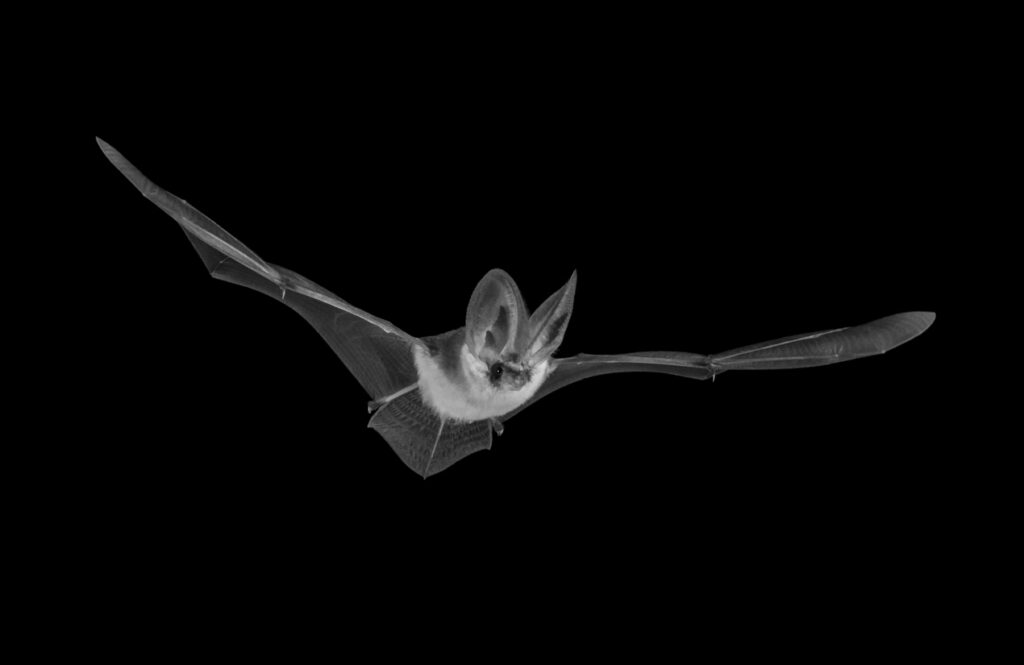
All 18 species of British bats are protected under the Wildlife and Countryside Act. You can’t touch them, disturb their roosts, or block access to where they live. Even accidentally disturbing them during building work can land you with a fine up to £5,000 per bat.
If you find bats roosting in your property, you need a licensed ecologist to survey before any work happens. You can’t remove them yourself or seal up entry points. The laws are strict because bat populations crashed dramatically, and they’re still recovering slowly.
2. Great crested newts
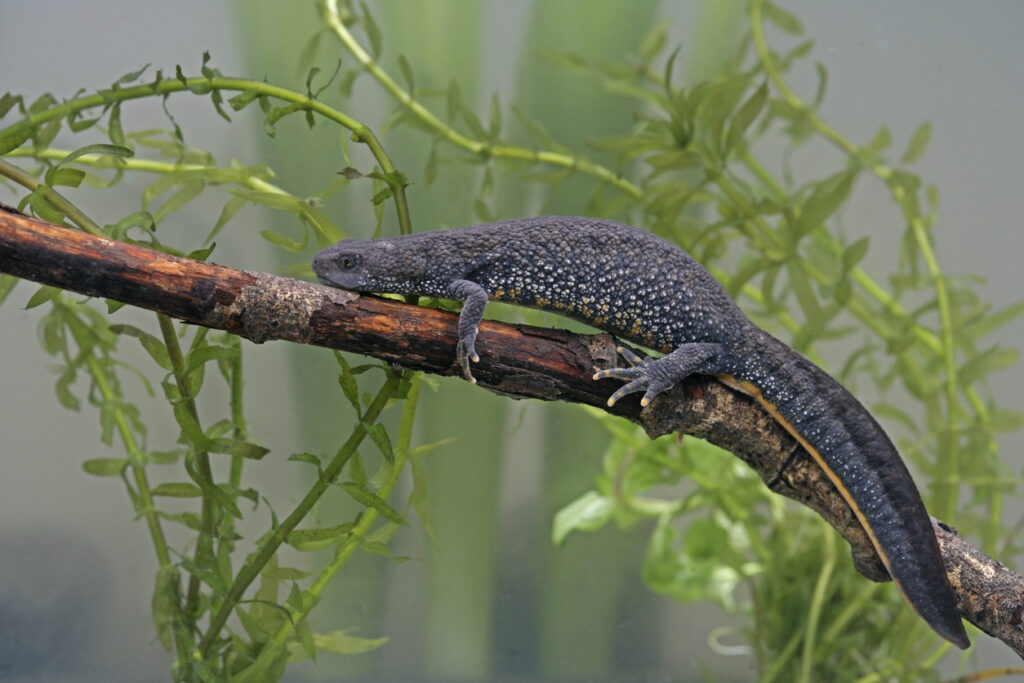
These amphibians are so protected that building projects get delayed for years because of them. It’s illegal to capture, kill, disturb, or damage their breeding ponds. Developers have to pay for expensive surveys and mitigation, sometimes creating new ponds elsewhere.
You can’t even move one off a path to safety without breaking the law technically. Maximum penalties include unlimited fines and six months in prison. They’re declining due to habitat loss, so protection is strict, even though they’re not that rare anymore in some areas.
3. Badgers
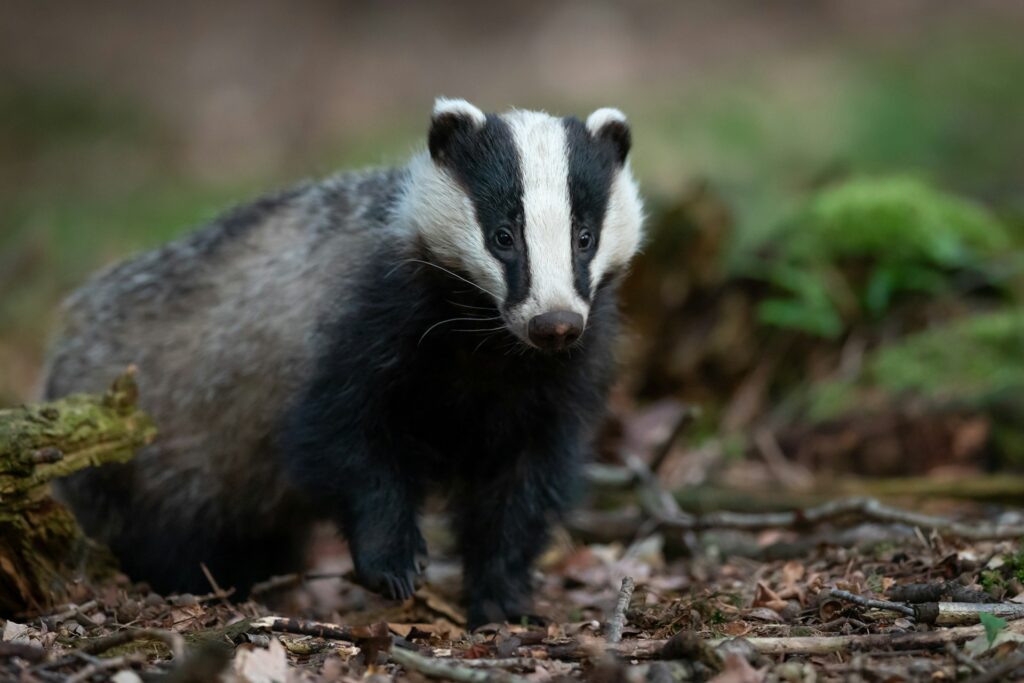
Badgers and their setts are heavily protected under the Protection of Badgers Act. You can’t disturb setts, block entrances, or harm badgers in any way. Even activities near setts require licences. Prosecutions happen regularly, with fines reaching thousands of pounds.
Badger baiting still happens illegally, which is why laws are so strict. You also can’t disturb setts accidentally during building work without proper surveys first. If you find a sett on your land, you’re stuck with it basically, as moving them is incredibly difficult legally.
4. Nesting birds
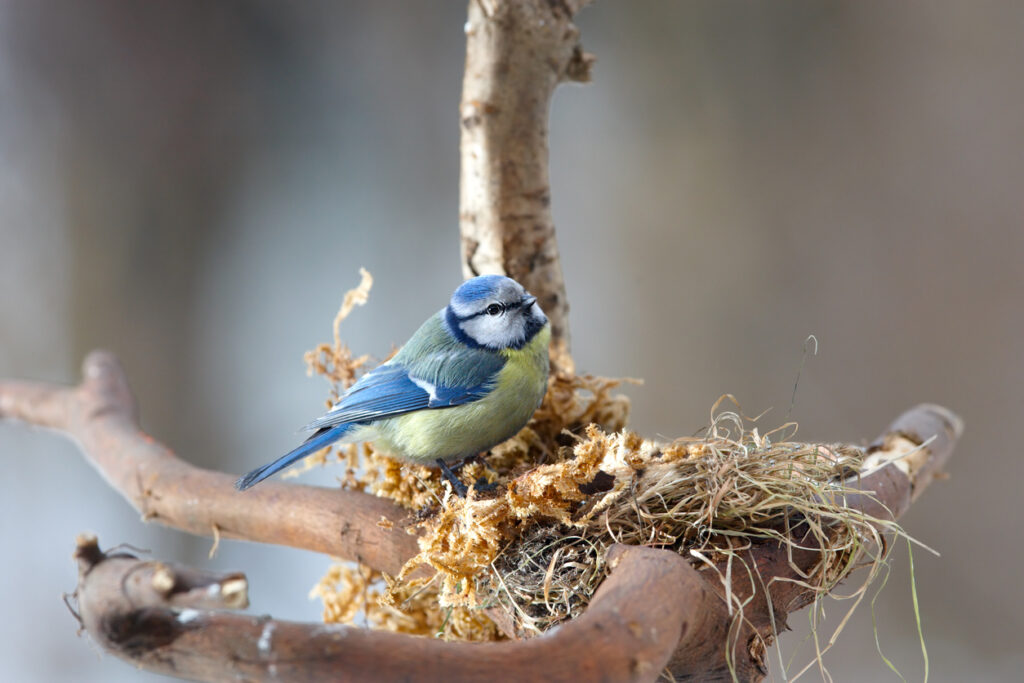
All wild birds, their nests, and eggs are protected while nesting. You can’t cut hedges or trim trees during nesting season without checking first. If you destroy an active nest, even accidentally, you can be prosecuted. Fines vary, but can reach thousands.
Nesting season runs roughly March through August, but some species nest earlier or later. Garden work that seems harmless can land you in trouble. Always check thoroughly before trimming hedges. Once birds have finished nesting, the protection lifts until next season.
5. Smooth snakes
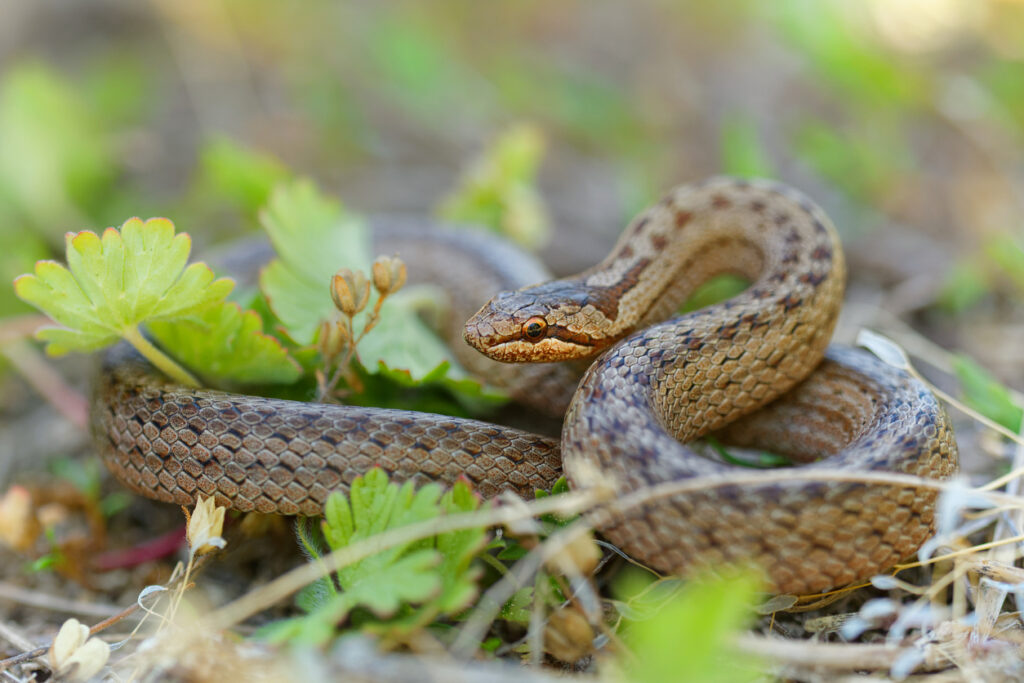
Britain’s rarest snake is found only in Dorset, Hampshire, and Surrey heathlands. They’re fully protected, so touching, moving, or disturbing them is illegal. Habitat destruction around them also requires special licences. Maximum penalty is six months imprisonment and unlimited fines.
Most people will never encounter one, but if you’re walking on southern heathland in summer, be aware. They’re harmless and shy, but photographing them too closely could be considered disturbance. Keep your distance and report sightings to local wildlife trusts instead.
6. Dormice
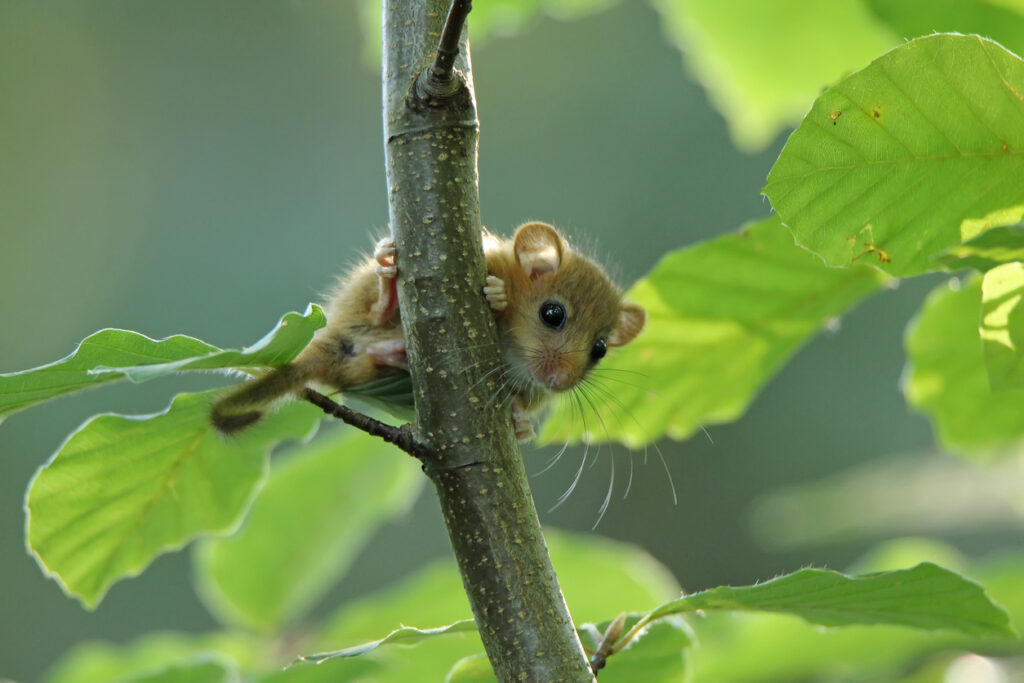
These tiny rodents are fully protected under the Wildlife and Countryside Act and the Conservation of Habitats and Species Regulations. You can’t handle them without a licence. Disturbing their nests or habitat, especially during hibernation, is illegal with serious penalties attached.
They’re woodland specialists that are declining due to habitat fragmentation. If you find a dormouse, don’t touch it, even if it seems injured. Contact a licensed wildlife rescuer instead. Amateur handling can stress them fatally, and you’ll be breaking the law.
7. Adders
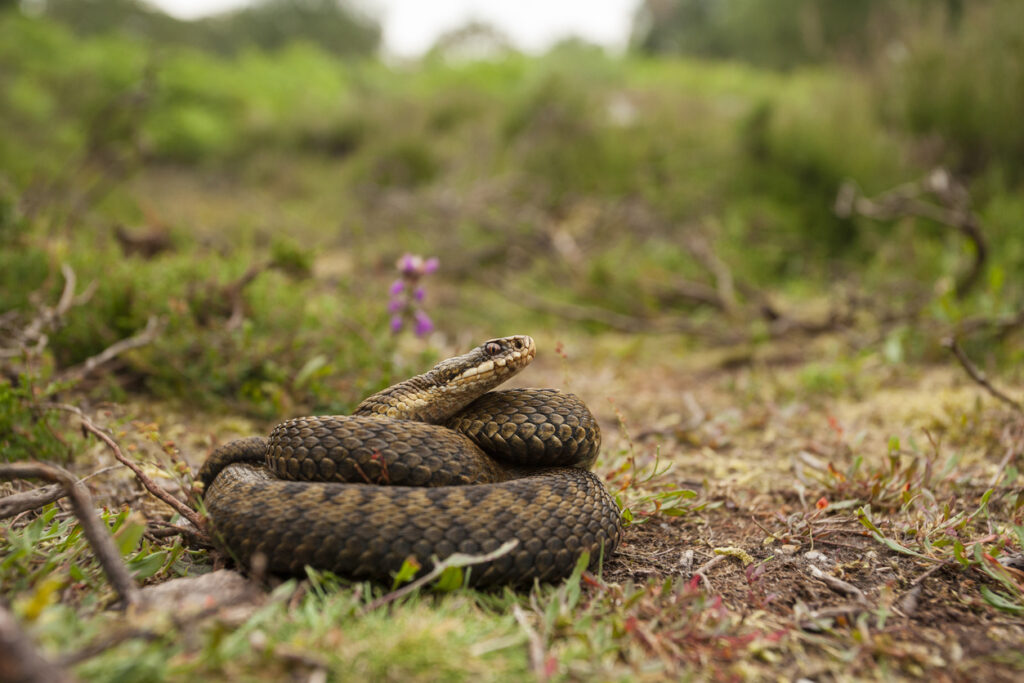
Britain’s only venomous snake is protected under the Wildlife and Countryside Act. You can’t kill, injure, or take them from the wild. People still illegally kill them out of fear, but prosecutions do happen. Fines can reach thousands for deliberately harming them.
If you encounter an adder, just leave it alone and it’ll move away. They’re not aggressive unless stepped on or cornered. Killing one on your property is still illegal, even if you’re worried about pets or children. They’re declining and need protection.
8. Red squirrels

Red squirrels are fully protected while grey squirrels aren’t, which confuses people. You can’t trap, harm, or disturb red squirrels or their dreys. They’re mostly found in Scotland, Northumberland, and a few isolated English populations now.
If you’re lucky enough to have red squirrels on your property, you’ve got responsibilities. You can’t do anything that harms their habitat without proper assessment. Grey squirrels can be legally controlled, but you must be absolutely certain which species you’re dealing with first.
9. Barn owls

These iconic birds are specially protected. Their nests and roosting sites are protected year-round, not just during breeding season. Disturbing them even for photography without a licence is illegal. Building work near nest sites requires licensed surveys and careful timing.
Barn owl numbers have recovered somewhat, but they’re still vulnerable. If you’ve got them nesting in your barn, you can’t disturb the site at all. Even well-meaning attempts to improve their habitat can break the law without proper guidance first.
10. Otters
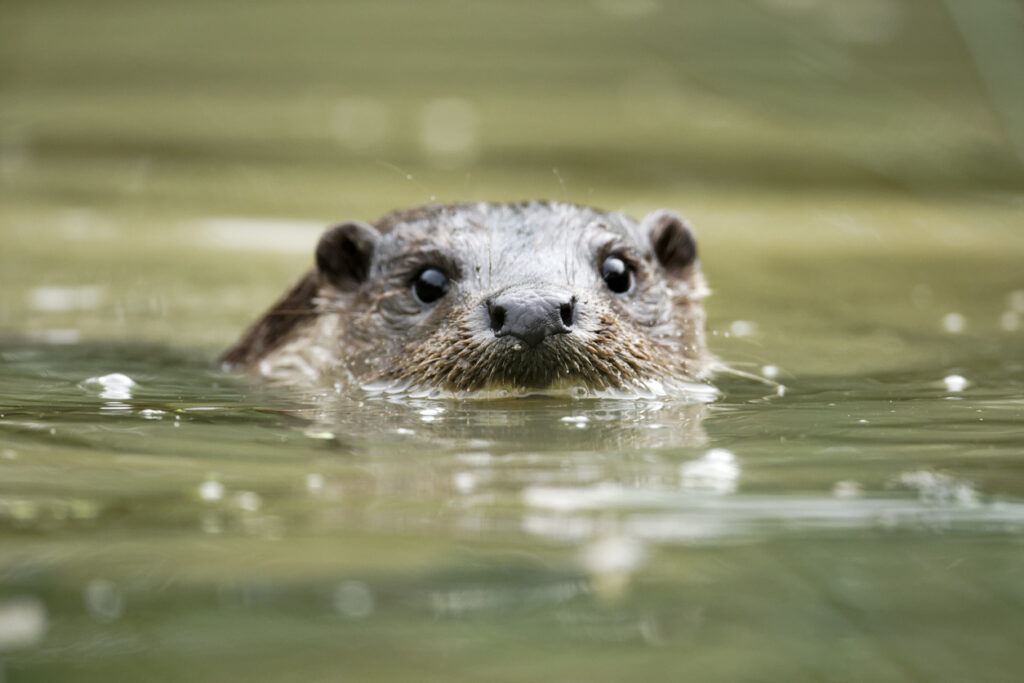
Otters made an amazing comeback in British rivers, but they’re still fully protected. You can’t disturb their holts, and even kayaking past a holt during breeding season could technically constitute disturbance. Maximum penalties include prison time and unlimited fines.
Most people would never intentionally harm an otter, but river developments and fishing activities can accidentally disturb them. If you spot signs of otters, report it to the Environment Agency. Development projects near rivers need otter surveys before any work starts.
11. Wild orchids
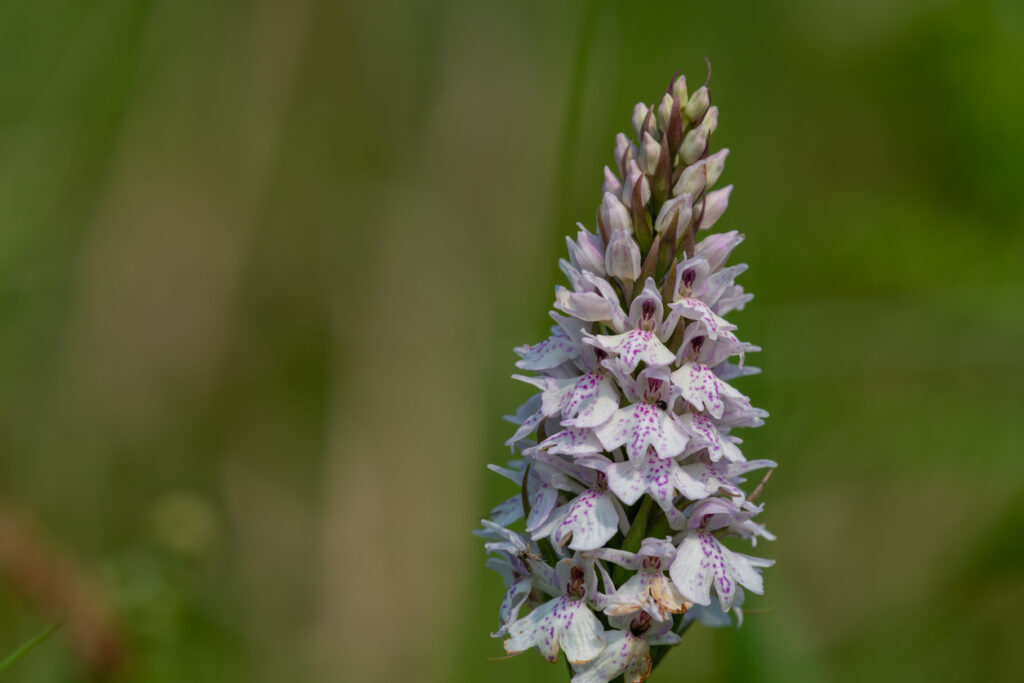
All wild orchids in Britain are protected under the Wildlife and Countryside Act. You can’t dig them up, pick them, or uproot them. Even collecting seeds is illegal without a licence. People still steal rare orchids from nature reserves, facing prosecution and fines.
Some species like the lady’s slipper orchid are so rare they have 24-hour protection at their sites. If you find wild orchids, photograph them but leave them untouched. Taking them for your garden means they’ll die anyway, as they need specific soil fungi to survive.
12. Basking sharks

These massive, harmless sharks visit British waters in summer and are fully protected. You can’t disturb them while diving or boating. Getting too close, even for photos, counts as disturbance. Boat strikes are a major threat, so approach rules are strict.
If you’re out on the water and spot one, keep your distance and slow down. Swimming with them might seem harmless, but it’s illegal without proper permits. They come to British waters to feed, and human disturbance disrupts that crucial behaviour.
13. Native crayfish
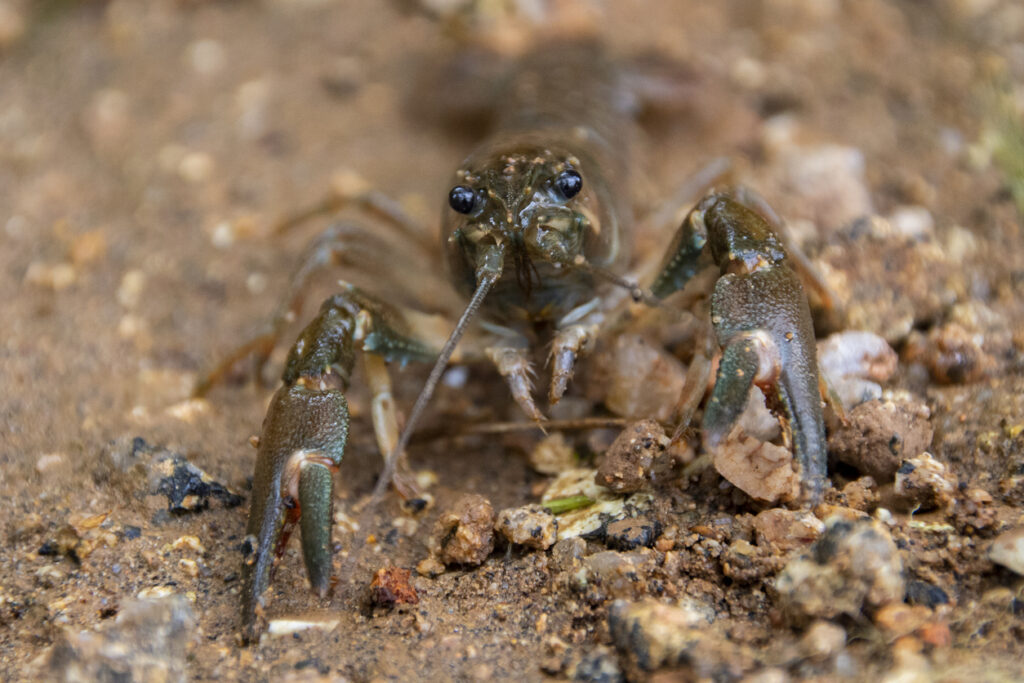
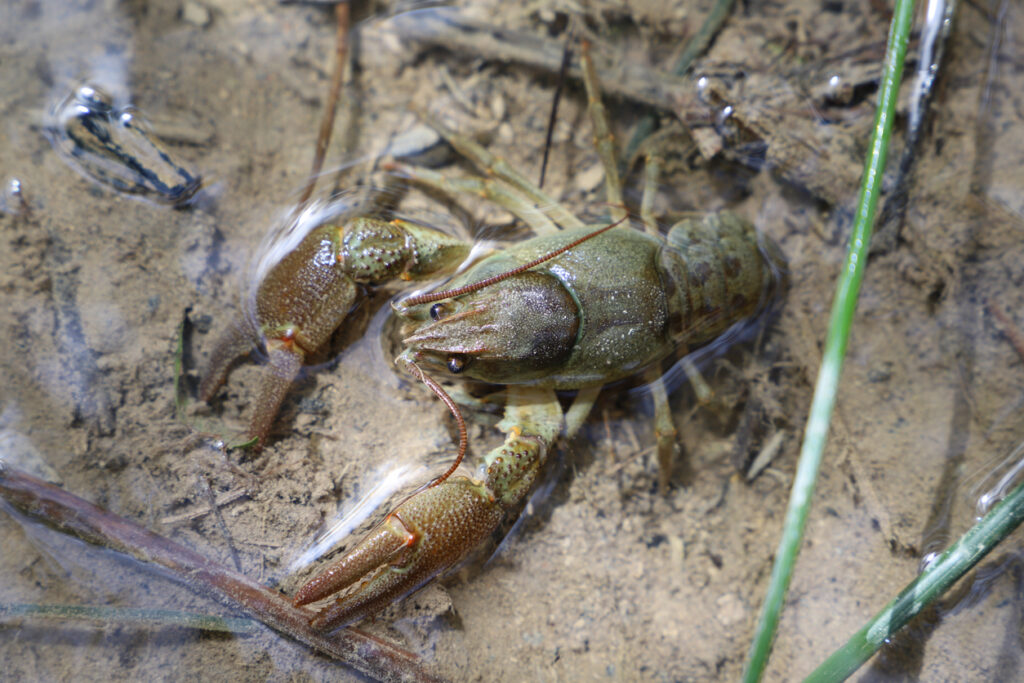
White-clawed crayfish are Britain’s only native crayfish, and they’re critically endangered. They’re fully protected, and you can’t catch, keep, or harm them. The invasive American signal crayfish outcompetes them, so protection is crucial, but often comes too late.
If you’re fishing or exploring streams, you need to know the difference. American signal crayfish can be removed, but native ones must be left alone. Getting it wrong could mean prosecution. They’re now so rare that finding them is worth reporting to wildlife trusts.