Butterflies are one of the most reliable sights on a sunny walk in Britain (at least from March through October-ish).
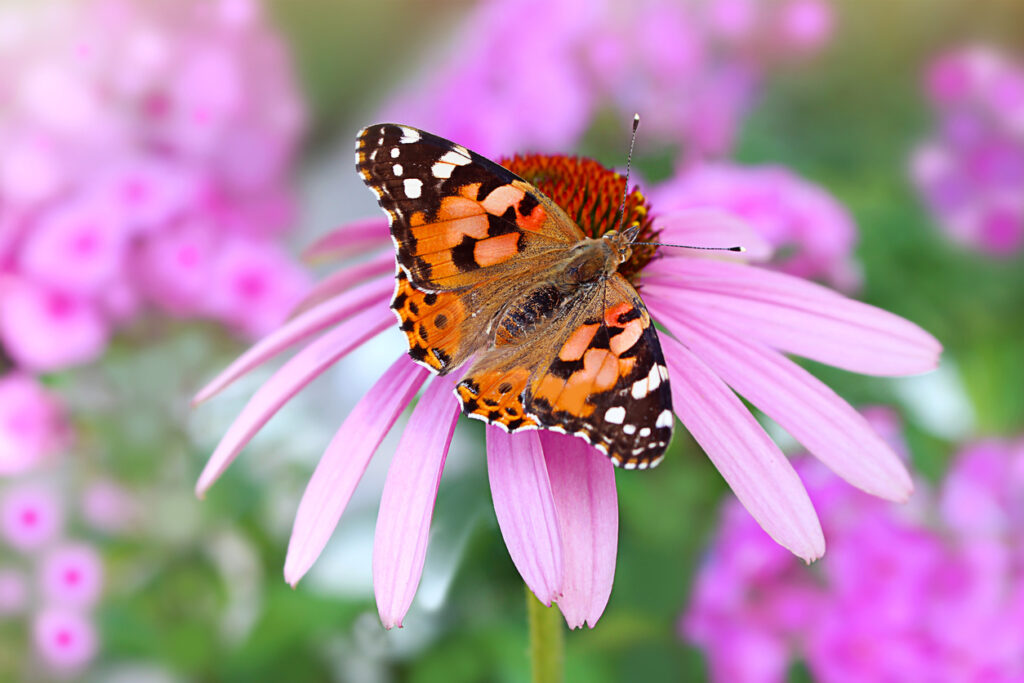
They’re colourful, familiar, and surprisingly easy to spot when you know what to look for. While some varieties tend to stick to certain parts of the country, others are more widespread and much more common. Here are the ones you’re most likely to come across if you keep your eyes peeled (and get a little lucky).
Small tortoiseshell

With their bright orange wings patterned with black and yellow, small tortoiseshells are easy to recognise. They love gardens and wildflower patches, so you’ll often see them darting around buddleia or nettle-rich areas. These butterflies are among the hardiest in the UK. They sometimes hibernate inside sheds or attics, so spotting one early in spring or late into autumn isn’t unusual at all.
Peacock

Peacock butterflies stand out thanks to their bold “eye” markings, designed to scare off predators. They’re often seen sunbathing with wings wide open, showing off their striking colours to anyone passing by. They’re especially common near nettles, which provide food for their caterpillars. On summer walks, you’ll likely see several together in warm, sheltered spots soaking up the sunshine.
Red admiral
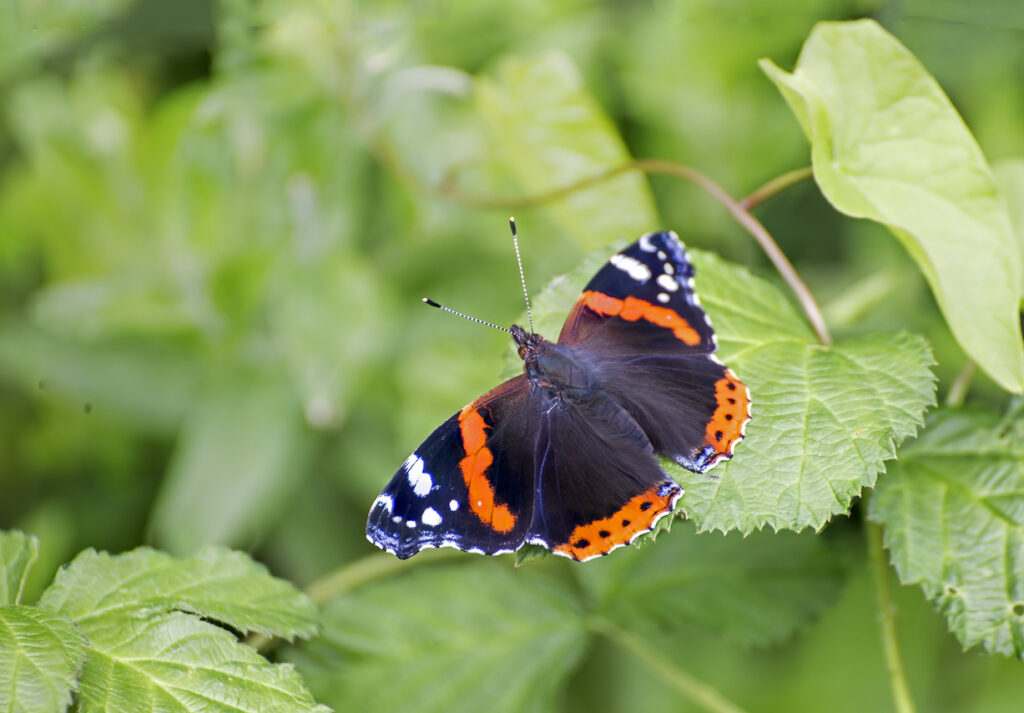
With deep black wings marked by striking red bands, the red admiral is unmistakable. Originally a summer migrant, warmer winters mean they’re now regularly seen in the UK throughout much of the year. You’ll often spot them feeding on buddleia, ivy blossom, or fallen fruit. Their bold colouring and confident flight mean they’re usually noticed quickly on any nature walk.
Painted lady
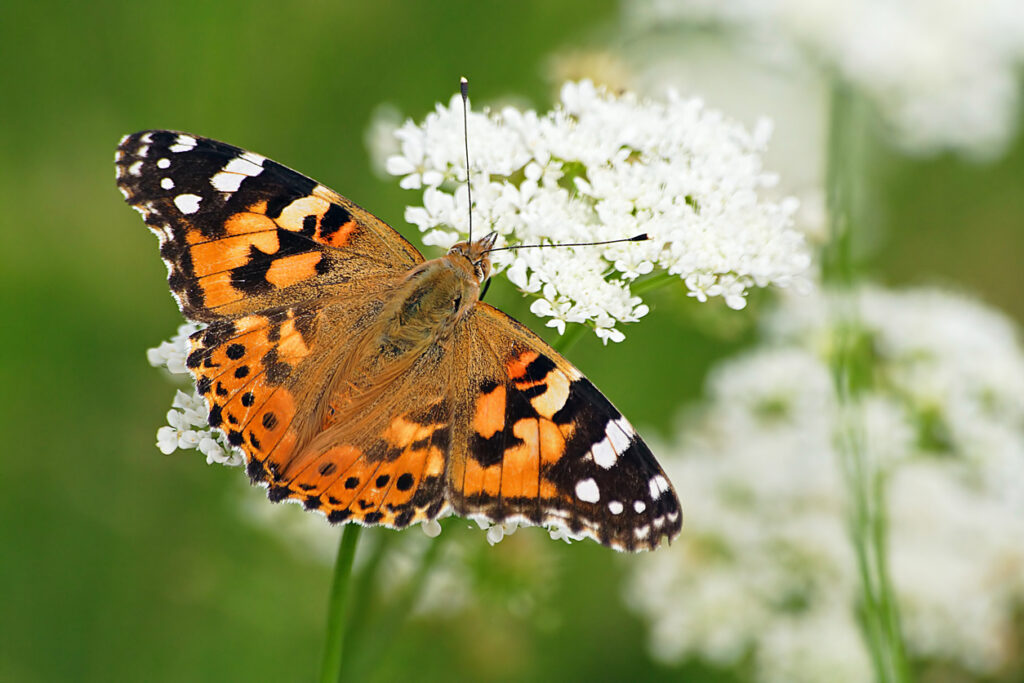
The painted lady is a long-distance traveller, migrating thousands of miles from North Africa. Their orange-and-black wings, with creamy spots, make them look similar to small tortoiseshells at a glance. Some years, millions arrive in Britain in huge waves. Even in quieter years, they still appear across the country, turning up in gardens, meadows, and hedgerows during summer.
Comma
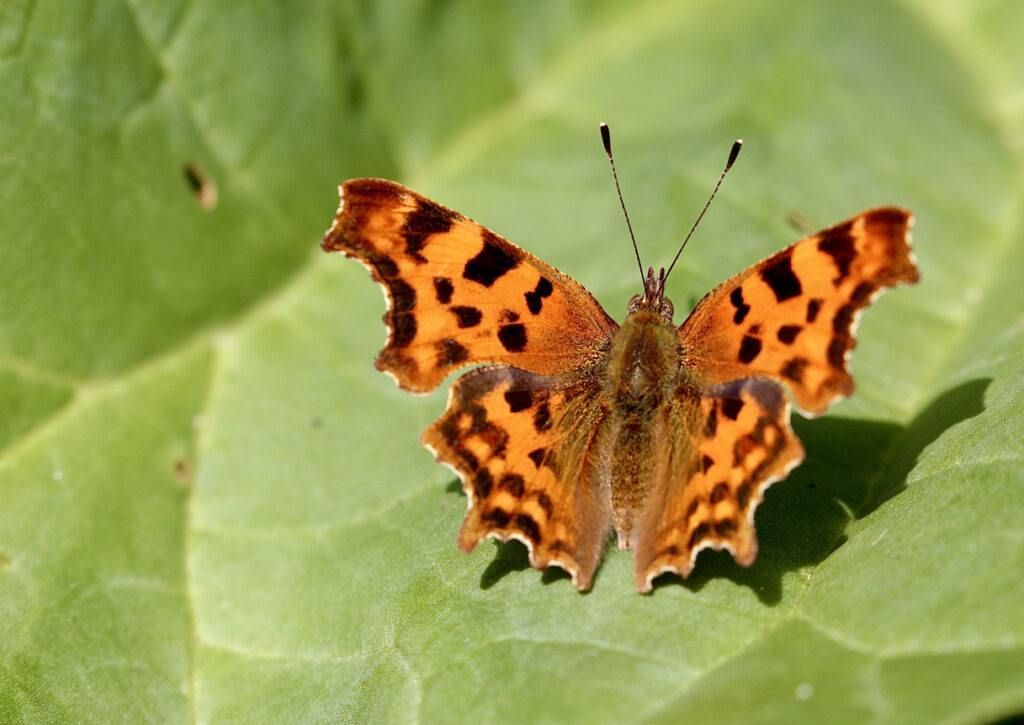
The comma is named after the small white mark on the underside of its wings. Its ragged edges give it a worn, leaf-like appearance, which helps it blend into woodland paths or hedges. When its wings are open, though, the fiery orange colour stands out. You’ll often see them basking in sunny spots along woodland tracks and country lanes.
Brimstone
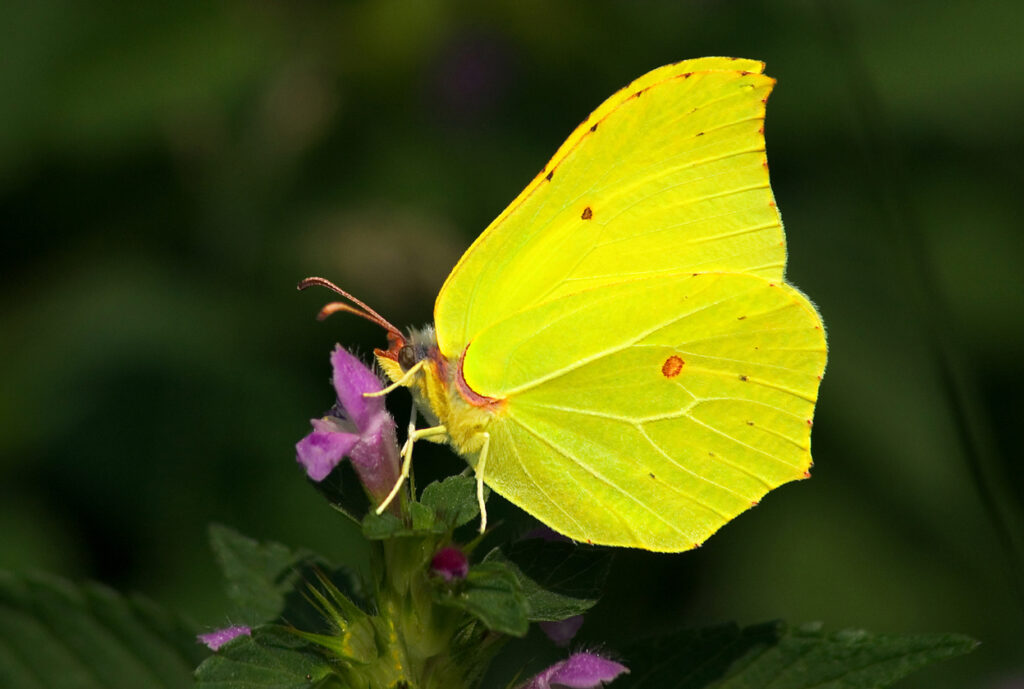
The brimstone is thought to inspire the very word “butterfly.” Males are a vivid yellow, while females are a paler greenish shade, and both have pointed wings that make them easy to spot in flight. These butterflies are among the first to appear in spring. If you’re walking on a sunny March day, a brimstone is usually the first bright flash of colour you’ll notice.
Meadow brown
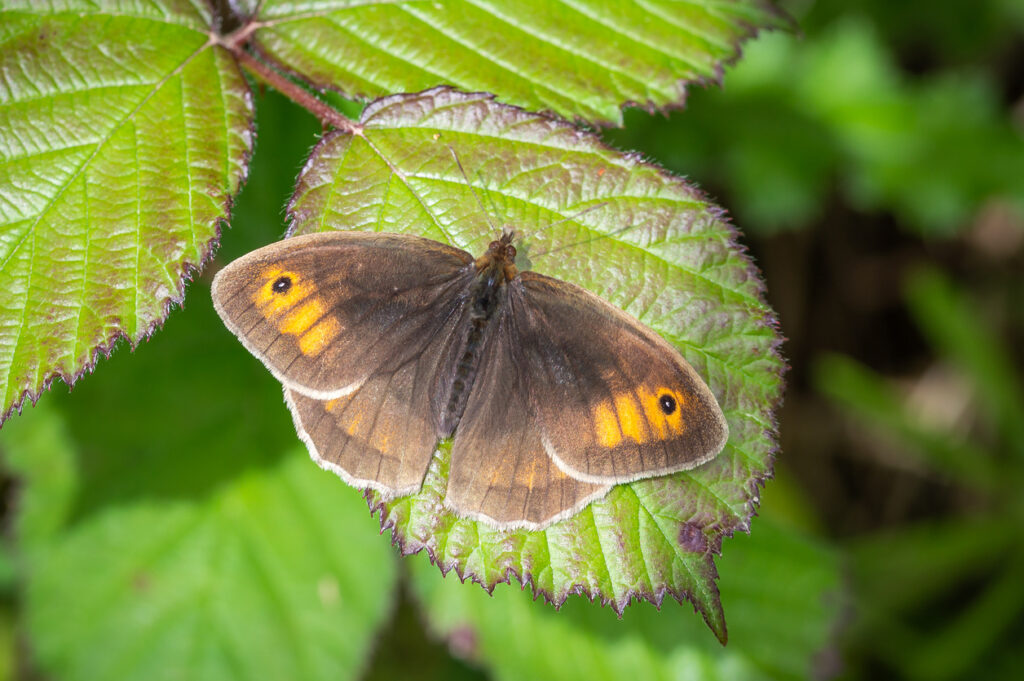
One of the most widespread butterflies in Britain, the meadow brown is a regular on grassland, fields, and verges. Its brown wings, with an orange patch and black eyespot, make it distinctive. They’re particularly active on warm days, often flying low over grass. Because of their numbers, spotting a meadow brown is almost guaranteed on summer countryside walks.
Gatekeeper
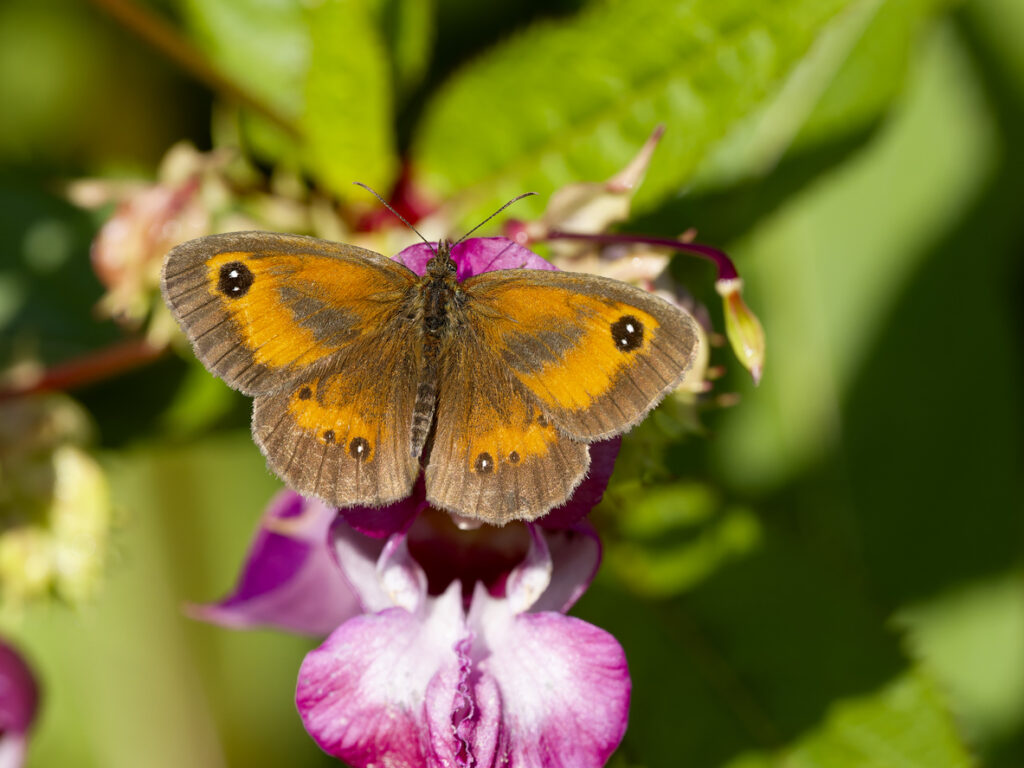
Sometimes confused with meadow browns, gatekeepers are smaller and brighter. Their orange wings, framed by brown edges, make them easier to tell apart when you stop for a closer look. They love hedgerows, field edges, and bramble patches, so they turn up often on footpaths. Gatekeepers are especially abundant in July and August, during peak butterfly season.
Speckled wood

These butterflies are happiest in dappled woodland light. Their brown wings are patterned with cream spots, which help them blend with leafy surroundings while they dart quickly between patches of sunlight. On shaded walks, they’re often the first butterflies you’ll see. They’re territorial too, so it’s common to watch two males spiralling around each other in quick bursts of flight.
Green-veined white
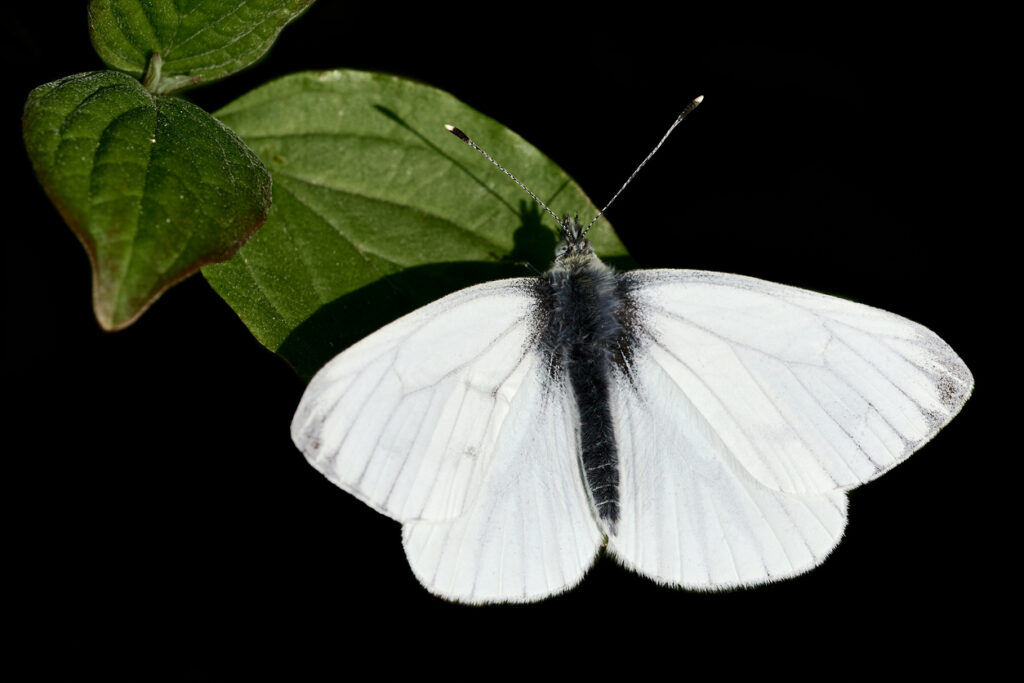
This butterfly is often mistaken for the more common cabbage white, but close up you’ll notice greenish veins running across its pale wings. It’s one of the most widespread white butterflies in the UK. You’ll spot them along hedgerows, meadows, and damp grassy areas. Their delicate colouring makes them easy to miss until they land, when the markings become clearer against greenery.
Large white
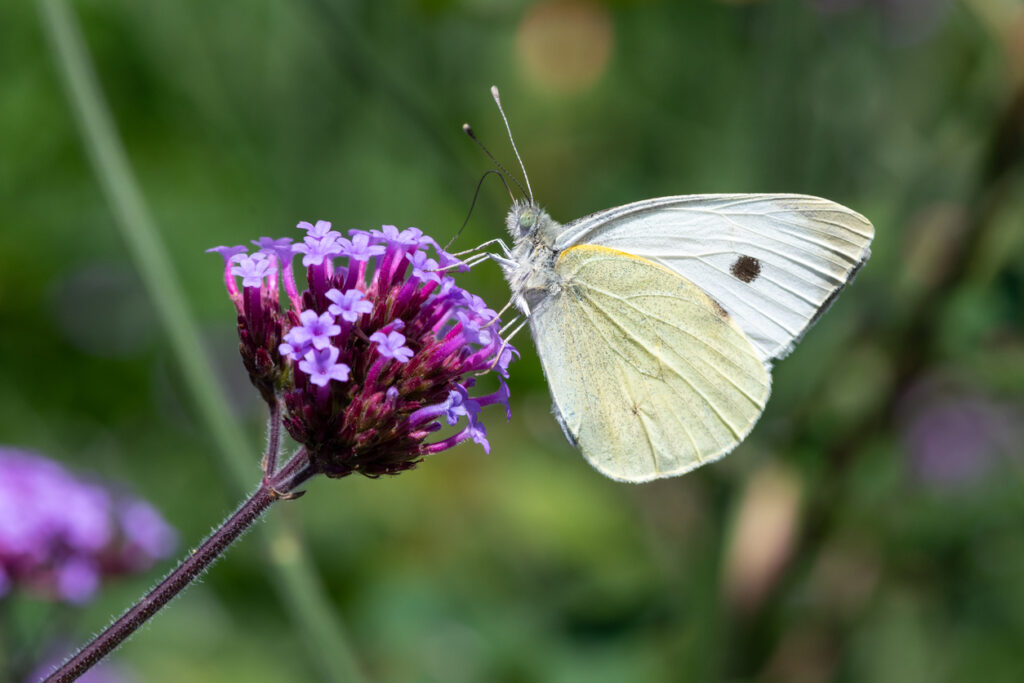
The large white, often called the “cabbage white,” is a familiar sight in gardens and allotments. Its bold white wings with black tips make it stand out as it flutters strongly over open ground. Though gardeners sometimes curse them for feeding on cabbages, their presence is almost guaranteed during summer walks, especially in areas with plenty of green vegetation.
Small white
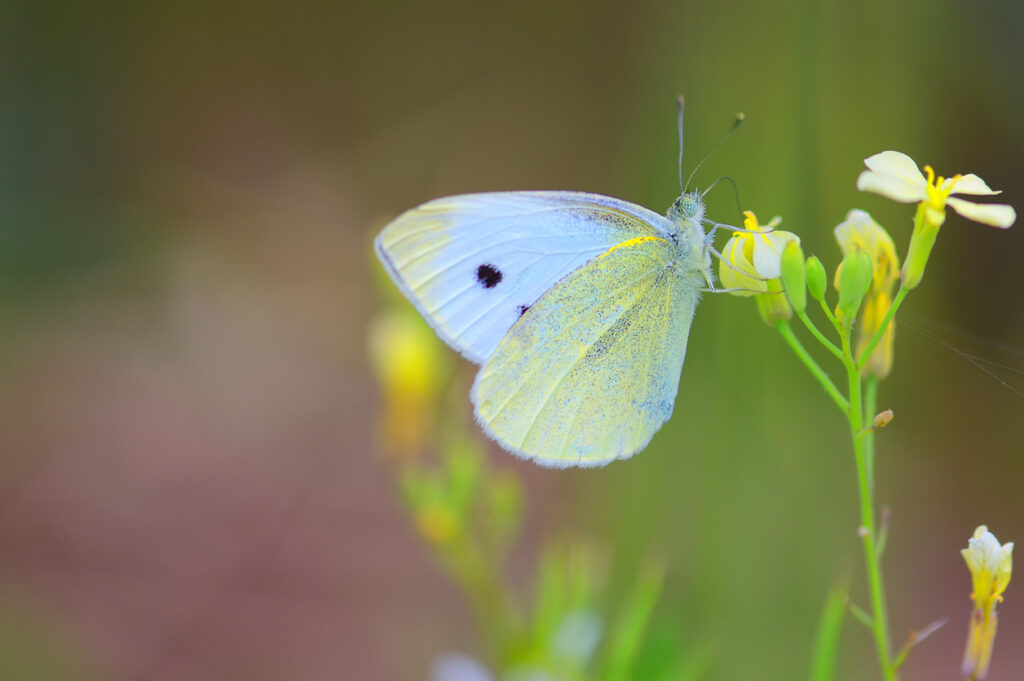
The small white looks similar to the large white but is, unsurprisingly, smaller and daintier. Its pale wings with faint black markings make it a common companion on warm summer strolls. You’ll find them almost anywhere, from gardens to city parks. Together with the large white, they’re often the butterflies people notice most regularly in everyday life.