According to the PDSA, 67% of cats in the UK have both indoor and outdoor access, but not everyone agrees with that.

It’s one of those debates that gets cat owners properly worked up, and honestly, there’s no perfect answer that suits everyone. What works for your cat depends on loads of factors, so here’s what you actually need to think about before you make a decision either way.
Indoor cats live significantly longer on average.
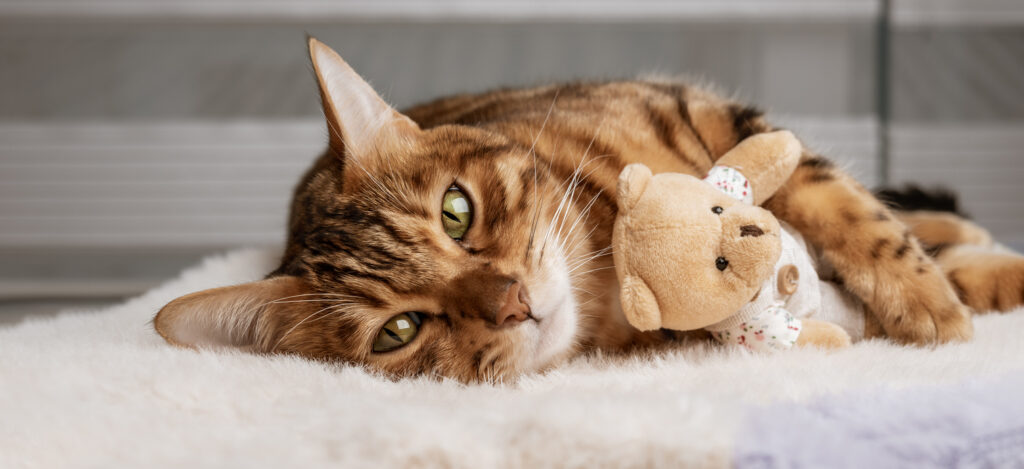
The stats are pretty clear here. Indoor cats typically live 12 to 18 years, while outdoor cats average around 2 to 5 years. That’s a massive difference that comes down to avoiding traffic, diseases, fights, and all the other dangers lurking outside their safe space.
If longevity matters to you, keeping your cat indoors is the safer bet by miles. However, it’s not just about quantity of years, it’s about quality too. An indoor cat needs proper enrichment or those extra years might be quite boring for them really.
Outdoor cats get natural exercise and stimulation.
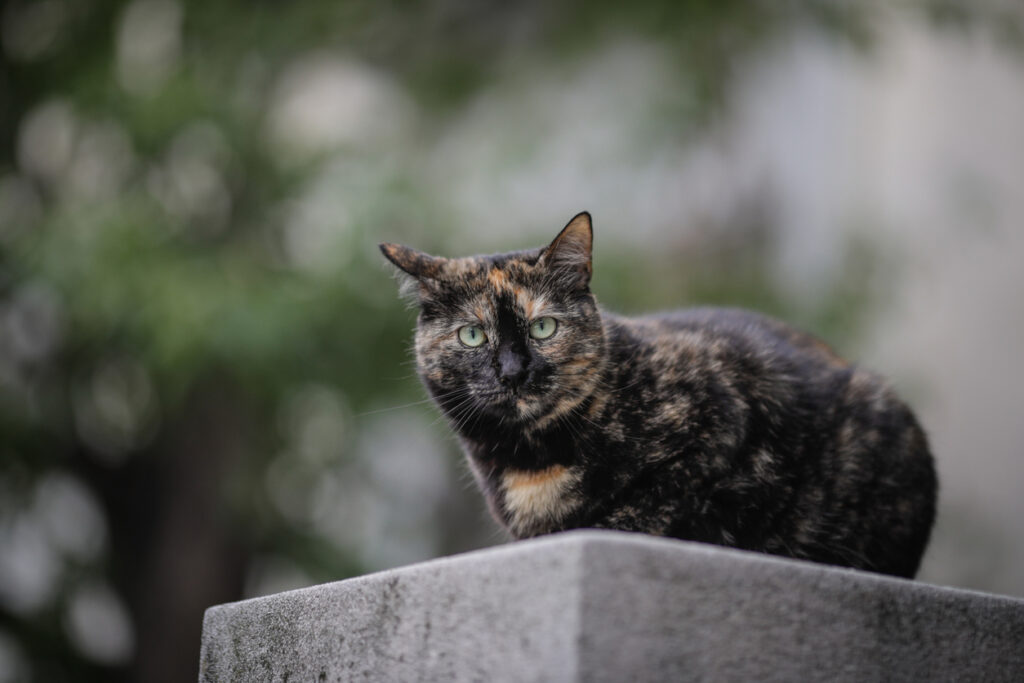
There’s something to be said for letting cats do what they’re naturally built to do, which is roam, hunt, climb, and explore their territory. Outdoor cats get proper physical and mental exercise without you having to provide it, which keeps them fit and engaged with their environment naturally.
This natural lifestyle means they’re less likely to get bored, overweight, or develop behaviour problems from understimulation. However, you’re trading that enrichment for risk, and whether that’s worth it depends on your area, your cat’s personality, and what you’re comfortable with as an owner.
Road traffic is the biggest killer of outdoor cats.
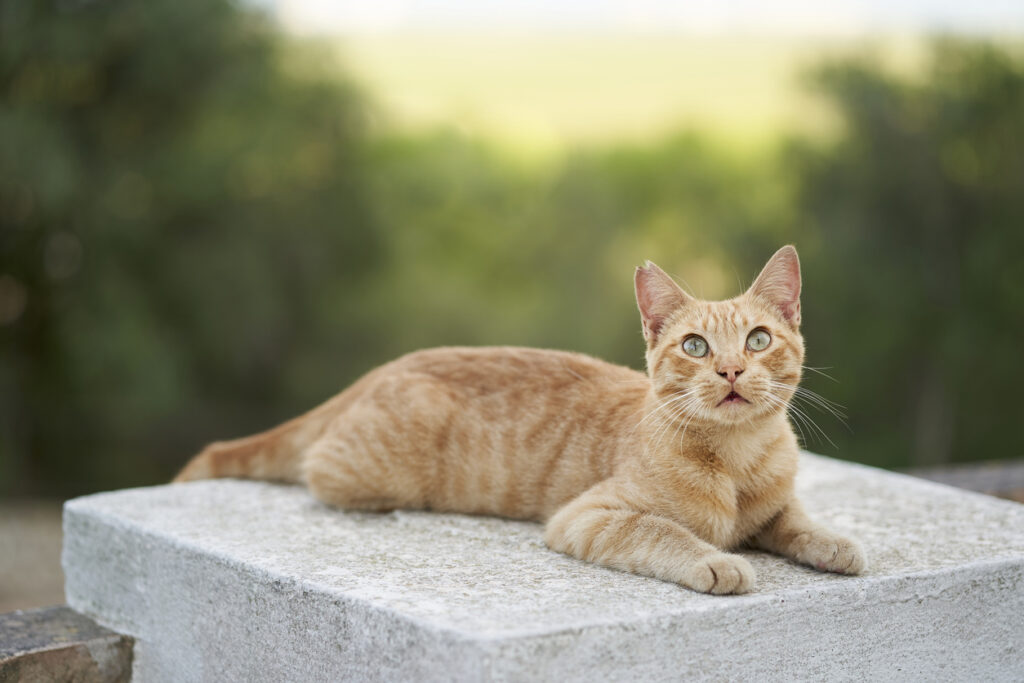
If you live near busy roads, letting your cat out is genuinely risky every single time they leave. Cats don’t understand traffic, and even careful ones can misjudge. One wrong move and that’s it, which is a horrible reality to consider but an important one when making this decision.
Some areas are quieter and safer, but even in smaller towns, cats get hit. You have to honestly assess your local roads and decide if you can live with that risk. Many owners who’ve lost cats to traffic say they wish they’d kept them inside from the start.
Indoor cats need serious environmental enrichment.
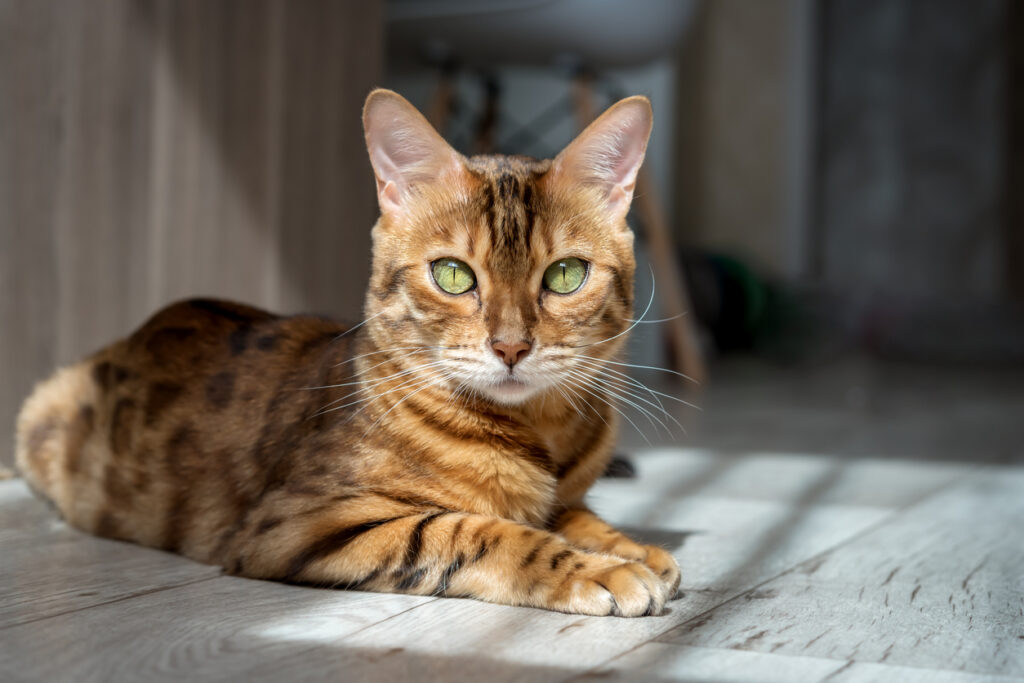
You can’t just stick a cat indoors and expect them to be fine with four walls forever. They need cat trees, scratching posts, toys, window perches, and interactive play every day. Without proper enrichment, indoor cats get bored, stressed, and develop behaviour issues like aggression or excessive meowing constantly.
Think of it like this. If you’re keeping them inside, you’re responsible for replacing everything they’d get outdoors. That takes effort, money, and commitment. Indoor cats aren’t lower maintenance, they’re different maintenance, and if you can’t provide that, they’ll be miserable long term.
Outdoor cats decimate local wildlife populations.

Cats are incredible hunters, and domestic cats in the UK kill millions of birds, small mammals, and other wildlife every year. Even well-fed cats hunt for sport, and the impact on local ecosystems is genuinely significant, especially for already vulnerable species trying to survive in urban areas.
If you care about conservation and wildlife, this is a real ethical consideration. Some people use bells on collars, but cats often learn to hunt silently even with them. Keeping cats indoors protects wildlife, which matters if you value biodiversity in your area at all.
Outdoor cats can pick up diseases and parasites.
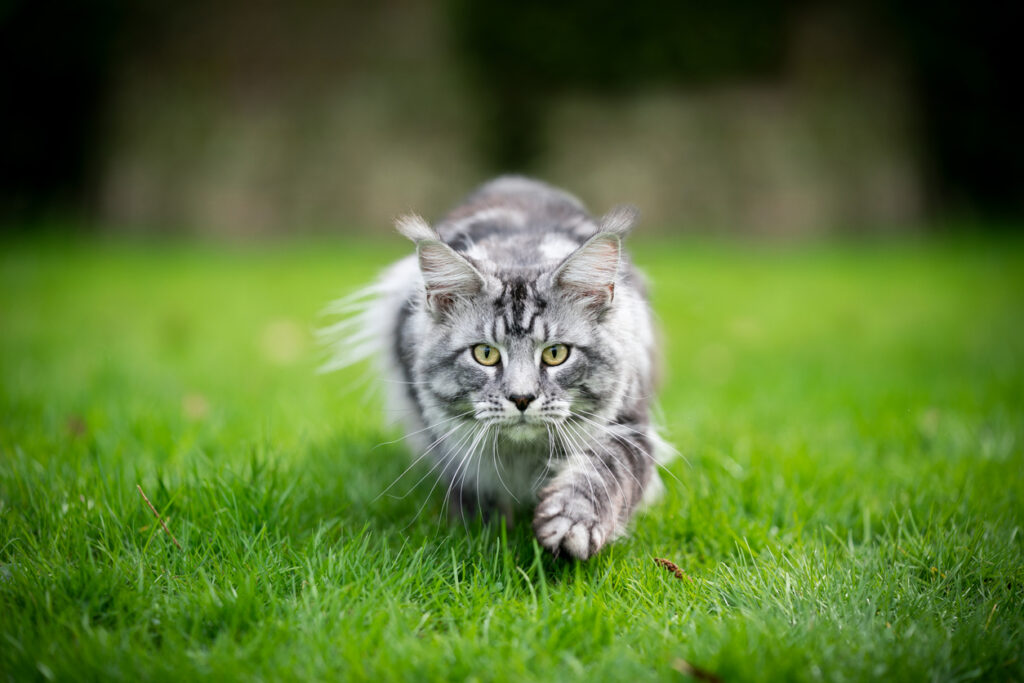
When your cat’s outside, they’re exposed to all sorts. Fleas, ticks, worms, FIV from fighting with other cats, infections from wounds. You’ll spend more on vet bills and preventative treatments, and some of these diseases are serious or even fatal if not caught early enough.
Indoor cats still need flea treatment and vaccinations, but their risk is drastically lower. You’re not dealing with abscesses from fights or mystery illnesses picked up from who knows where. It’s less stressful for you and statistically healthier for them over their lifetime.
Some cats are desperate to go outside.

If you’ve got a cat that was outdoor before or has outdoor cat personality, keeping them inside can make them absolutely miserable. They’ll scratch at doors, yowl constantly, try to escape every time you open a door, and generally make everyone’s life difficult because they want out desperately.
Forcing an outdoor cat to stay inside without proper transition can cause serious stress and behaviour problems. Some cats adapt, but others never do. You have to consider your specific cat’s temperament and history, not just what’s theoretically the safest on paper.
Indoor cats can still have outdoor access safely.

You don’t have to choose between completely indoor or roaming free. Catios, enclosed gardens, harness training for supervised outdoor time, these all give cats outdoor benefits without the risks. It takes more effort and possibly money, but it’s a genuine middle ground worth considering.
Lots of people think it’s all or nothing, but compromise options exist. A secure outdoor space means they get fresh air, sun, and natural stimulation while you’re not lying awake worried about them. It’s the best of both worlds if you can make it work.
Outdoor cats can get lost or stolen.
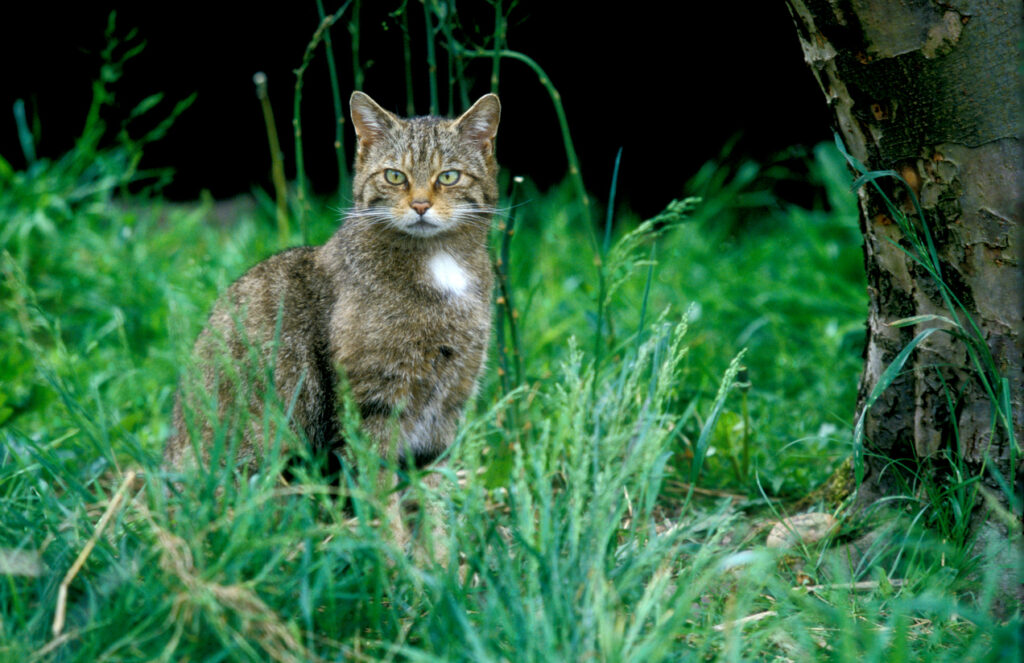
Cats wander, and sometimes they don’t come back. They might get shut in someone’s shed, picked up by someone thinking they’re a stray, or genuinely lost. Microchipping helps, but doesn’t guarantee you’ll get them back. The not knowing when they’re late home is stressful every single time it happens.
Some cats have excellent homing instincts, and others don’t. You’re trusting they’ll always find their way back, and that’s not guaranteed. Indoor cats can’t get lost, which gives you peace of mind that your cat’s safe and exactly where you expect them to be.
Your neighbours might hate your outdoor cat.

Cats don’t respect boundaries, so your cat’s probably toileting in neighbours’ gardens, walking on their cars, potentially killing their garden birds. Not everyone loves cats, and your outdoor cat can cause genuine neighbourhood tensions that affect your relationships with people you live near daily.
It’s not your cat’s fault, they’re just being cats. But the social aspect of having an outdoor cat is real, and some neighbours are vocal about their frustration. If you live somewhere with close neighbours, this is worth considering before making your decision about lifestyle.
Indoor cats are cheaper long term.
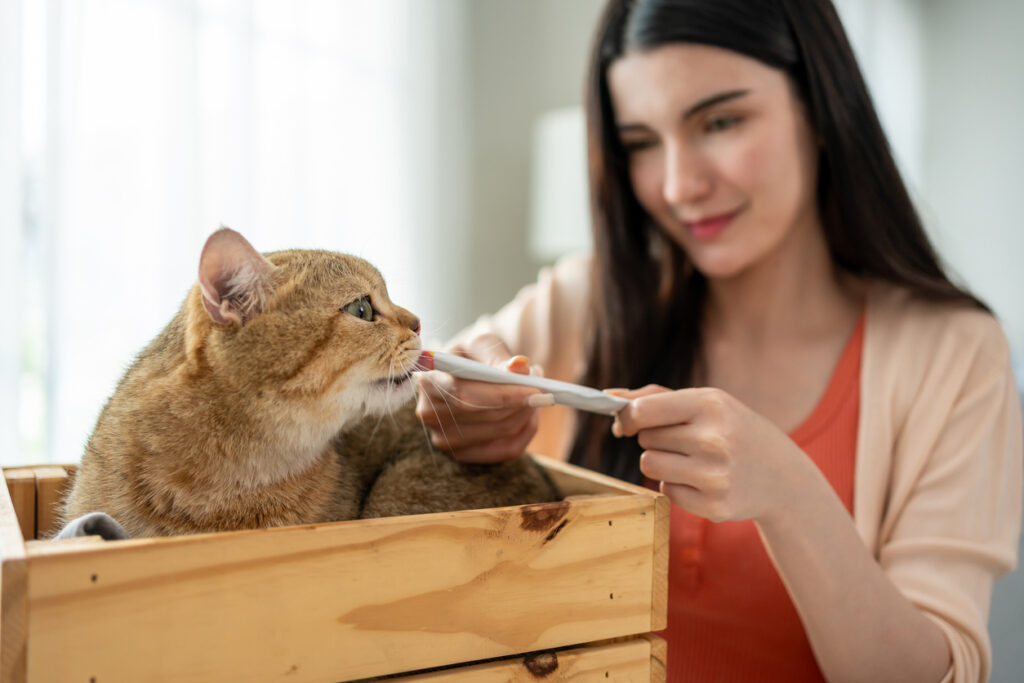
No traffic accidents, fewer fights, less disease exposure, all of this means lower vet bills over your cat’s lifetime. You’ll still have costs for enrichment and basics, but you’re avoiding the emergency visits and treatments that outdoor cats frequently need from various mishaps and injuries.
Money shouldn’t be the only factor, but it’s a practical consideration. If finances are tight, indoor is generally the more affordable option long term. You’re putting money into prevention and enrichment rather than treating injuries and illnesses from outdoor adventures gone wrong.
Outdoor cats might not come home one day.

This is the harsh reality nobody wants to think about. Outdoor cats face risks that might mean they simply don’t come back. Whether it’s traffic, predators, getting trapped somewhere, or something else, you have to accept that possibility every time they go out the door.
Some owners are fine with that risk as the cost of giving their cat freedom and natural life. Others can’t handle the uncertainty and worry. There’s no right answer, it’s about what you can personally cope with and what feels right for your specific situation.
The decision depends massively on where you live.
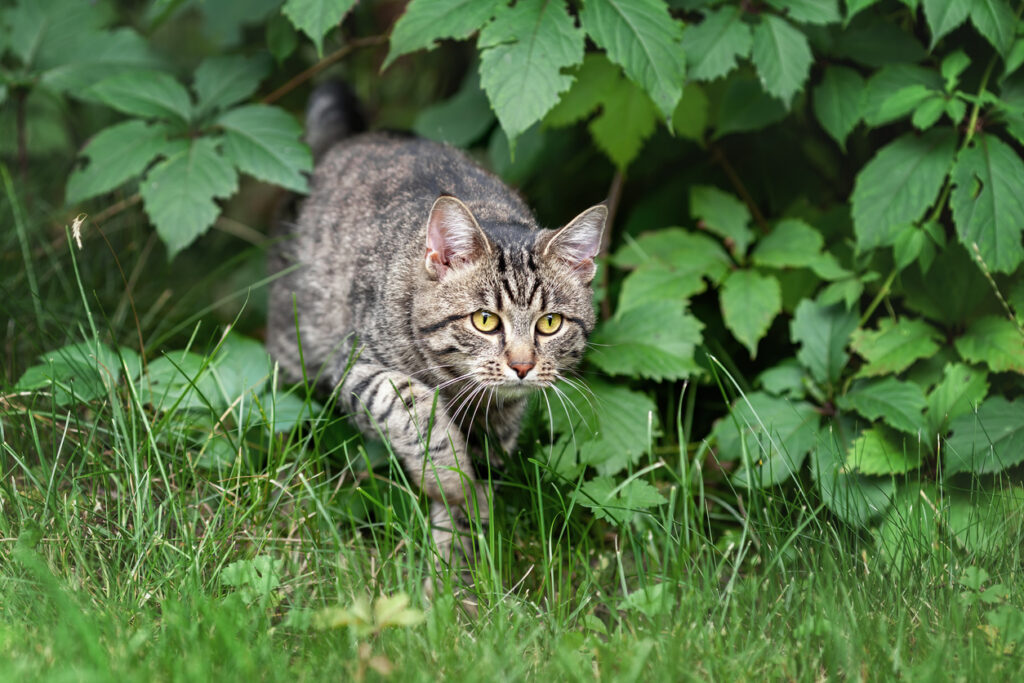
Rural areas with minimal traffic are completely different to busy urban settings. Your specific location matters hugely when making this choice. A farm cat and a city centre cat have totally different risk profiles, and what’s reasonable in one setting isn’t in another.
Consider your actual environment honestly. How busy are the roads, are there parks nearby, what’s the density of other cats, is there wildlife. Your location should heavily influence your decision, not just general advice about indoor versus outdoor that doesn’t account for context.
You can transition cats between lifestyles with patience.
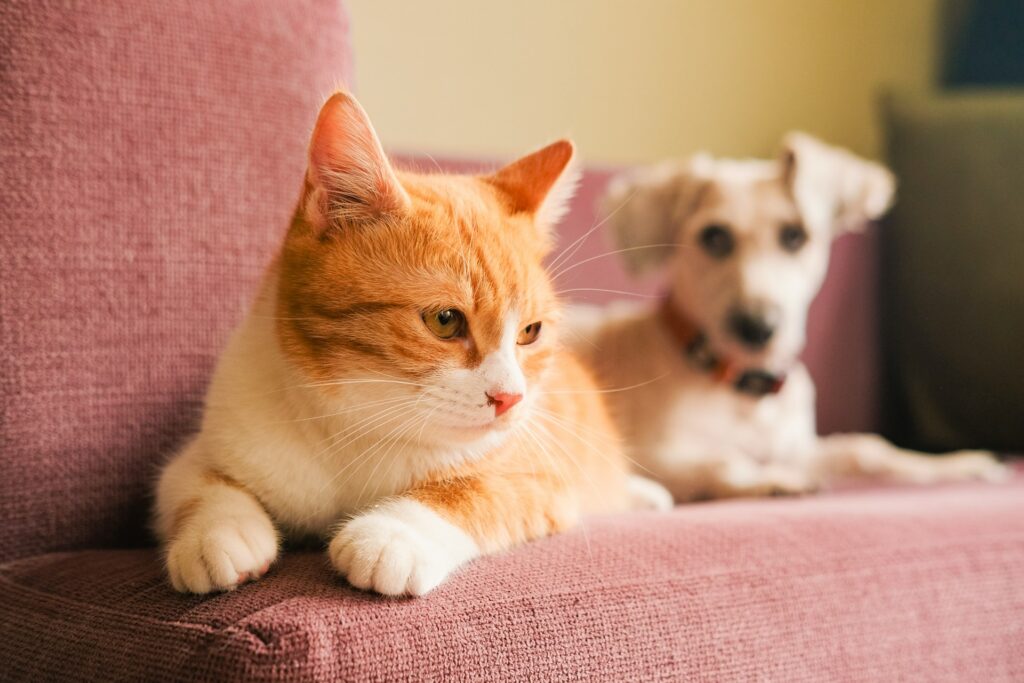
If you adopt an outdoor cat, you can transition them to indoor life gradually with proper enrichment and patience. Likewise, indoor cats can learn to go outside safely if you start slowly with supervision. Neither lifestyle has to be permanent if circumstances change over time.
The key is doing it gradually and providing what they need in their new situation. Sudden changes are stressful, but with time most cats adapt. Don’t feel locked into one choice forever if your situation or thinking changes down the line about what’s best.