Antarctica isn’t just another holiday destination with a bit of extreme weather; it is a place with its own rules, rhythms, and a reality that doesn’t bend for anyone.
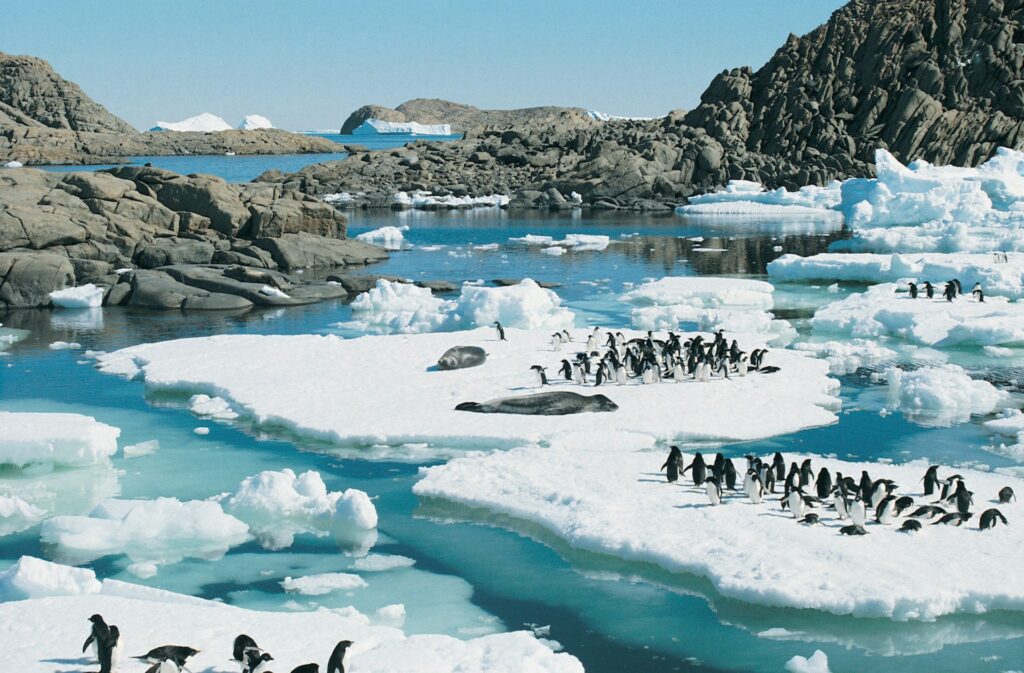
Most people turn up expecting some cold, a few penguins, and a bit of isolation, but they’re rarely prepared for how weirdly unfamiliar daily life feels once you’re down there. Movement is tightly controlled, the landscape is mind-bendingly huge, and the whole experience is mentally different from any other journey on the planet. It’s less like a trip to another continent and more like a visit to a different world where humans are very much the uninvited guests. Here’s what you need to know before you travel to the ends of the earth.
1. You’re not visiting a country in the usual sense.
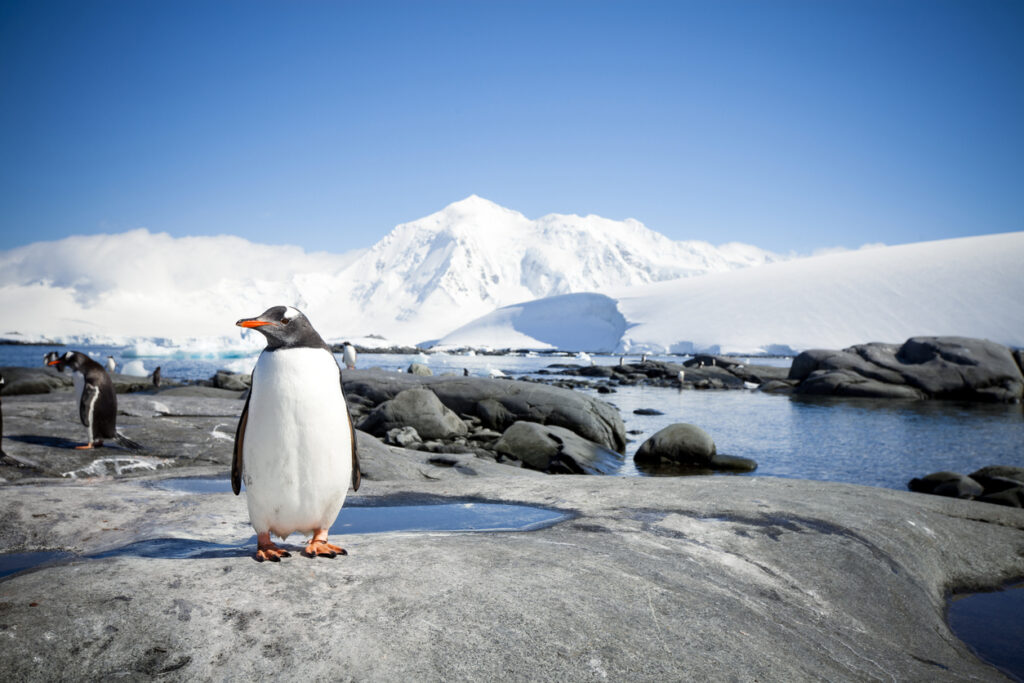
Antarctica doesn’t actually belong to anyone. It is governed by a treaty that prioritises science and peace over tourism or planting flags. There are no cities, no permanent residents, and no borders like the ones you’re used to crossing. This matters because nothing operates on normal logic—there’s no local council to moan to, no standard emergency services, and no infrastructure designed to make things easy for visitors. You’re stepping into a shared scientific preserve, not a tourist state.
2. Most trips are far more controlled than people realise.
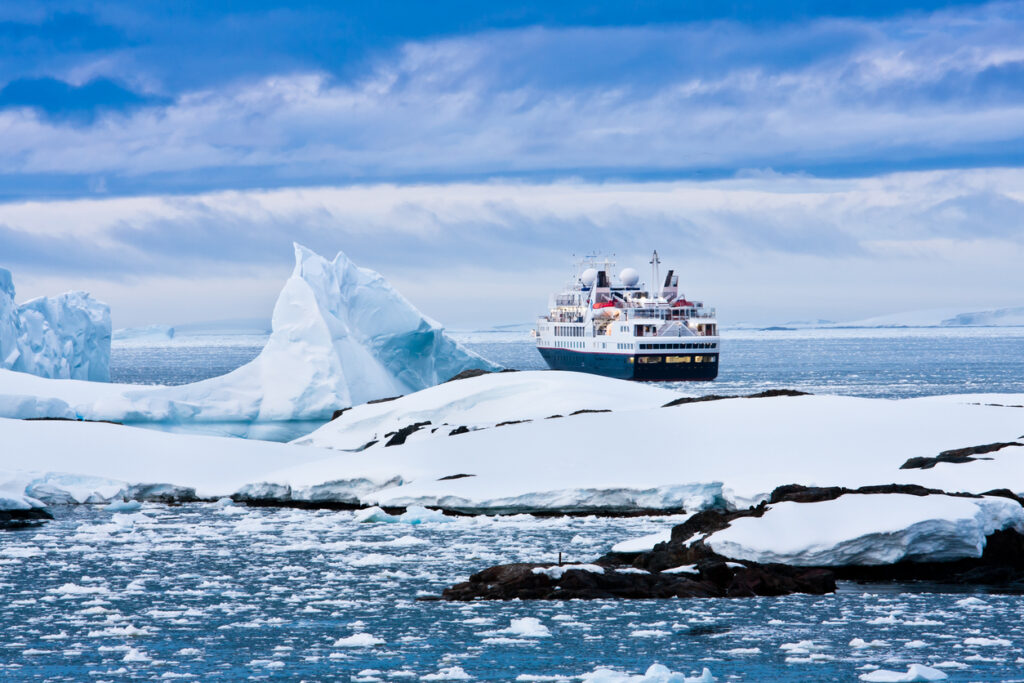
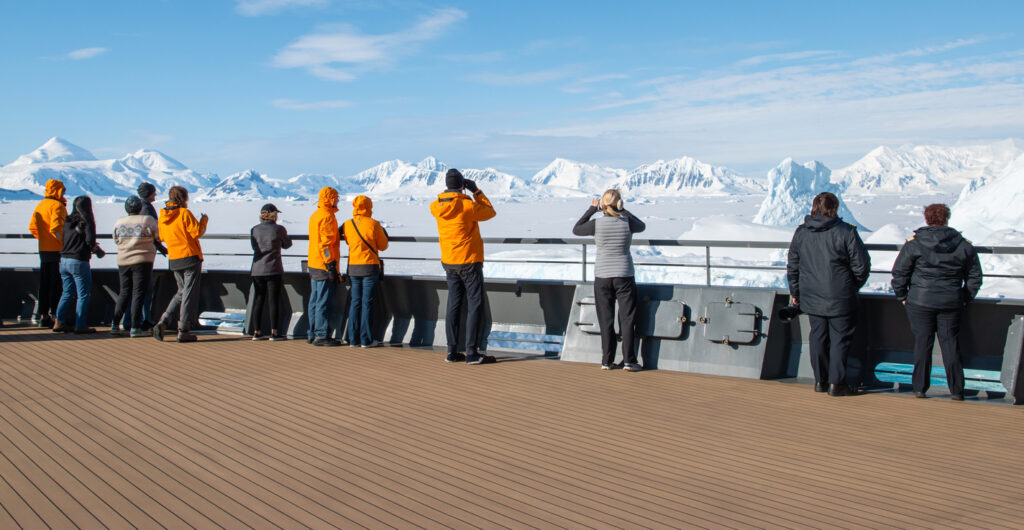
If you think you’re going to be wandering off for a solo hike, you’ve got another thing coming. Movement in Antarctica is heavily regulated; where you can land, how long you can stay, and how many people can be on the ice at once are all strictly managed. These rules aren’t optional or flexible because the ecosystem is so fragile that a single careless footprint can cause damage that lasts for decades. You’re always under supervision, and everything happens on a very tight schedule.
3. Weather dictates everything, not the itinerary.
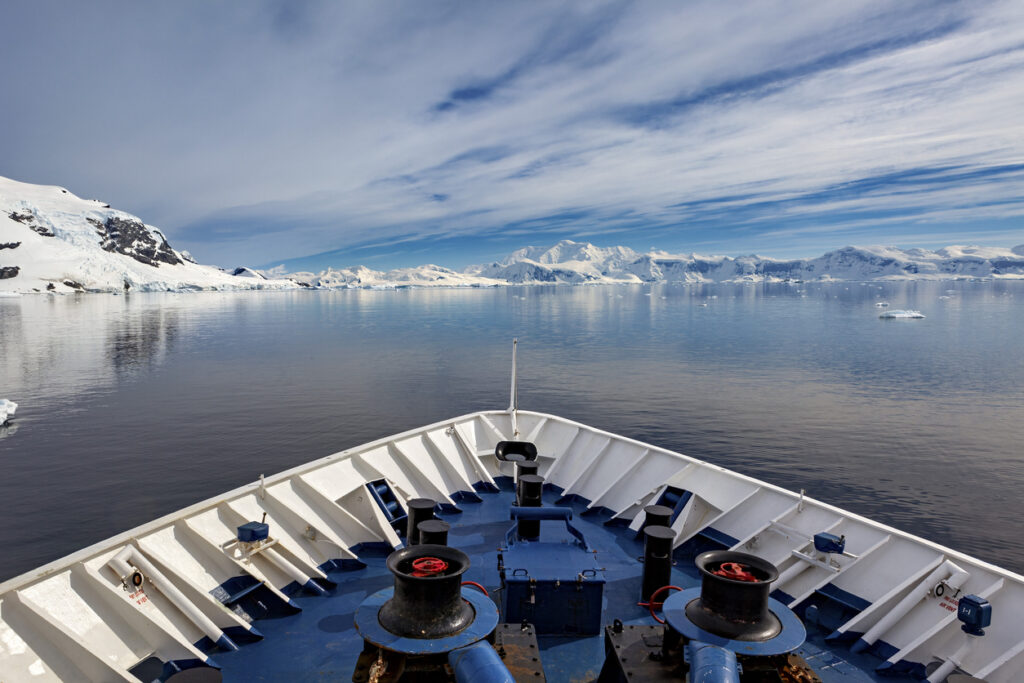
In the real world, a bit of wind might delay a train, but in Antarctica, it can bin off your entire day. Plans are always provisional, and landings or excursions can be cancelled at a moment’s notice if the visibility drops or the ice shifts. This can be properly frustrating for people who like a fixed schedule, but the environment doesn’t negotiate. Accepting that you’ve lost control is the only way to actually enjoy the trip rather than fighting against the elements.
4. The cold is different from what most people imagine.
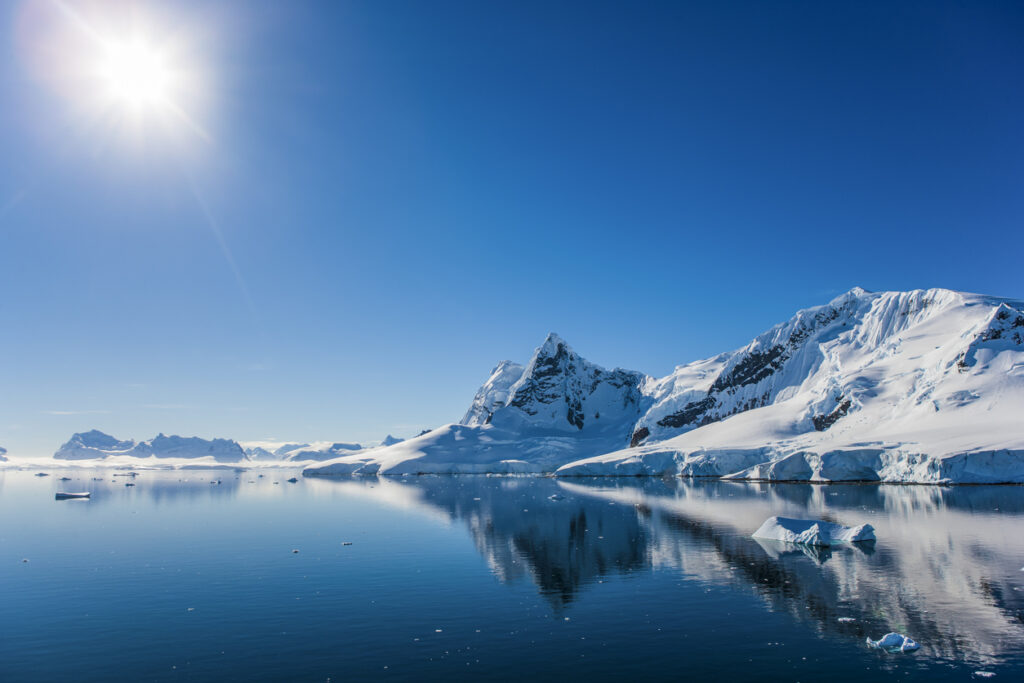
Antarctic cold isn’t just a low number on a thermometer; it is dry, penetrating, and completely relentless. The wind multiplies the chill instantly, and any exposed skin will let you know about it very quickly. Even if you’ve got all the best gear, the sheer physical toll of staying warm is exhausting. It isn’t just about dressing properly; it is a mental adjustment to a type of cold that feels like it is trying to get inside your bones.
5. Wildlife encounters are governed by strict distance rules.
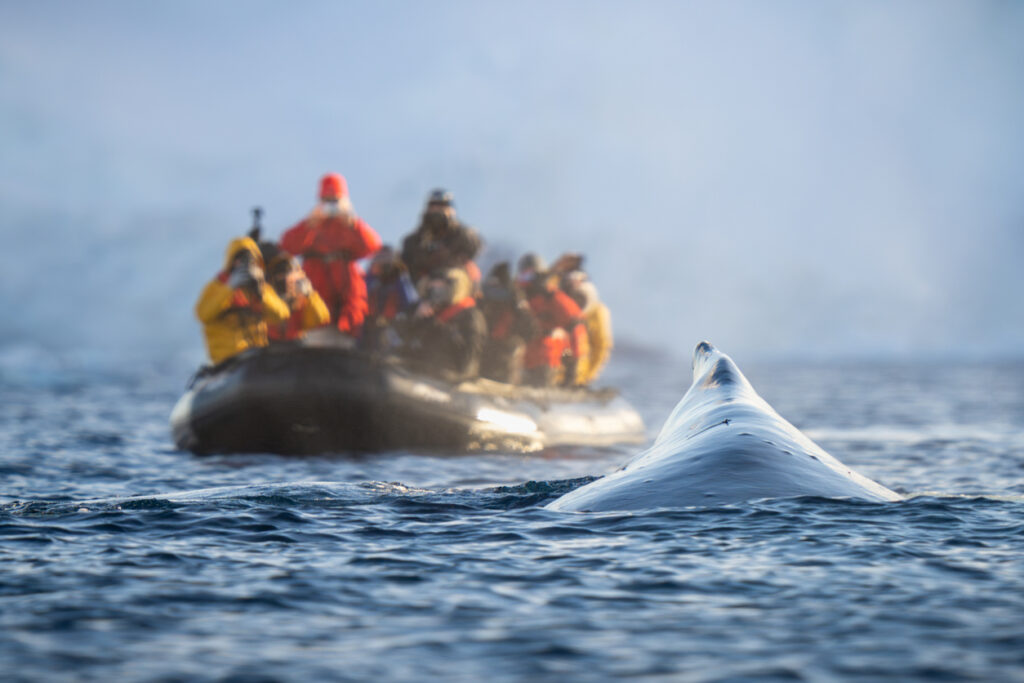
You aren’t allowed to just stroll up to a penguin for a selfie. There are minimum distances you have to keep from every animal, even if they seem curious or completely unbothered by you being there. This can feel a bit counterintuitive when a seal starts wobbling toward you, but the responsibility is always on the human to back off. The goal is to observe without messing with their day, keeping the interaction as one-sided as possible.
6. You won’t have reliable communication with the outside world.
Forget about scrolling through social media or checking your emails. Internet access, if you can get it at all, is usually slow, expensive, and incredibly limited. There are no phone signals in the conventional sense, which can be quite unsettling at first. For some, this total disconnection is the best part of the journey, but for others, it is a major shock to the system to be so far out of the loop.
7. Medical help is extremely limited.
There are no hospitals down there, and an evacuation can take days or even weeks depending on the weather. Medical facilities are basic and only designed for absolute emergencies, which is why the health screenings before you even leave home are so intense. A minor issue that would be a quick fix back in the UK can become a massive risk in Antarctica simply because help is thousands of miles away.
8. Environmental impact rules apply to everything you do.
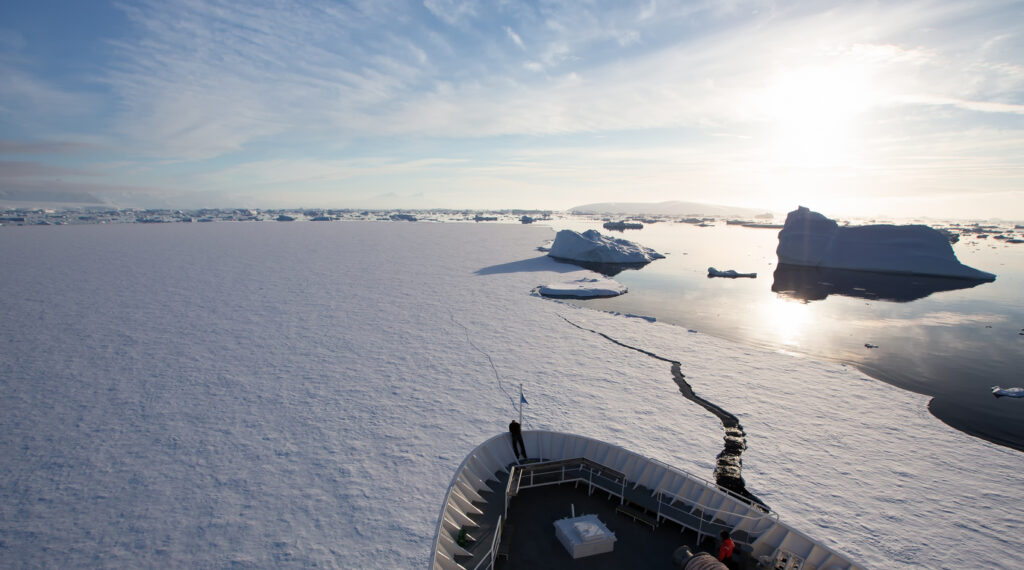
You aren’t allowed to leave anything behind—not even a few crumbs from a biscuit or a stray hair if you can help it. You’ll find yourself cleaning your boots constantly to make sure you aren’t introducing any foreign bacteria or seeds to the environment. It can feel a bit excessive, but when you realise how slowly the Antarctic recovers from any kind of disruption, these rules start to make a lot of sense.
9. The scale of the landscape can feel mentally overwhelming.
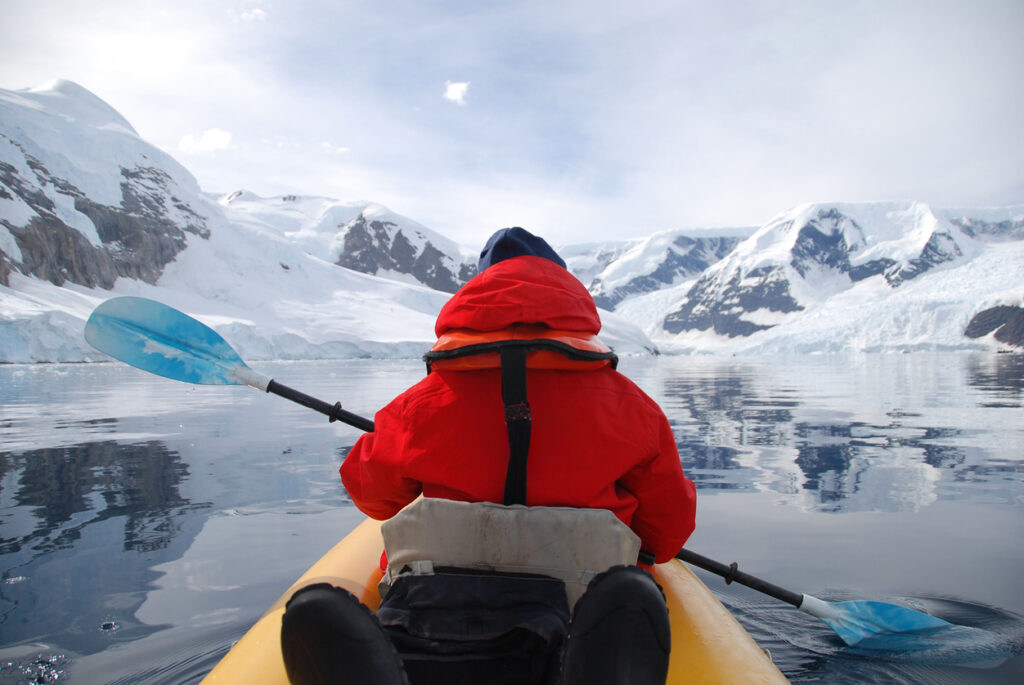
The vastness of Antarctica isn’t just something you see; it is something you feel. Without trees, houses, or roads to give you a sense of scale, your perception of distance goes completely haywire. That mountain might look like it is a mile away when it is actually 20. This lack of familiar landmarks can feel properly disorienting, leaving you with a weird mix of awe and a quiet sense of unease.
10. Time behaves differently near the poles.
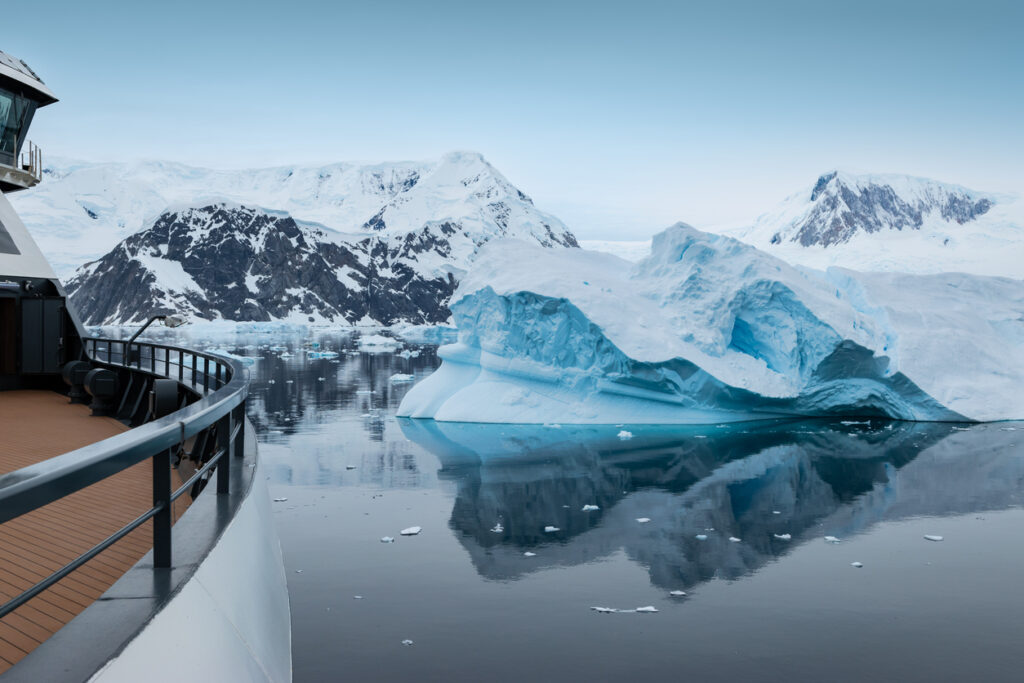
During the summer months, the sun basically forgets to go down. Having 24 hours of daylight completely messes with your sleep patterns and your sense of routine. Days start to blur together because you’ve lost the usual cues of evening and nightfall. Even a short trip can leave you feeling temporally confused, as if you’ve stepped out of the normal flow of time.
11. Tourism exists alongside active scientific work.
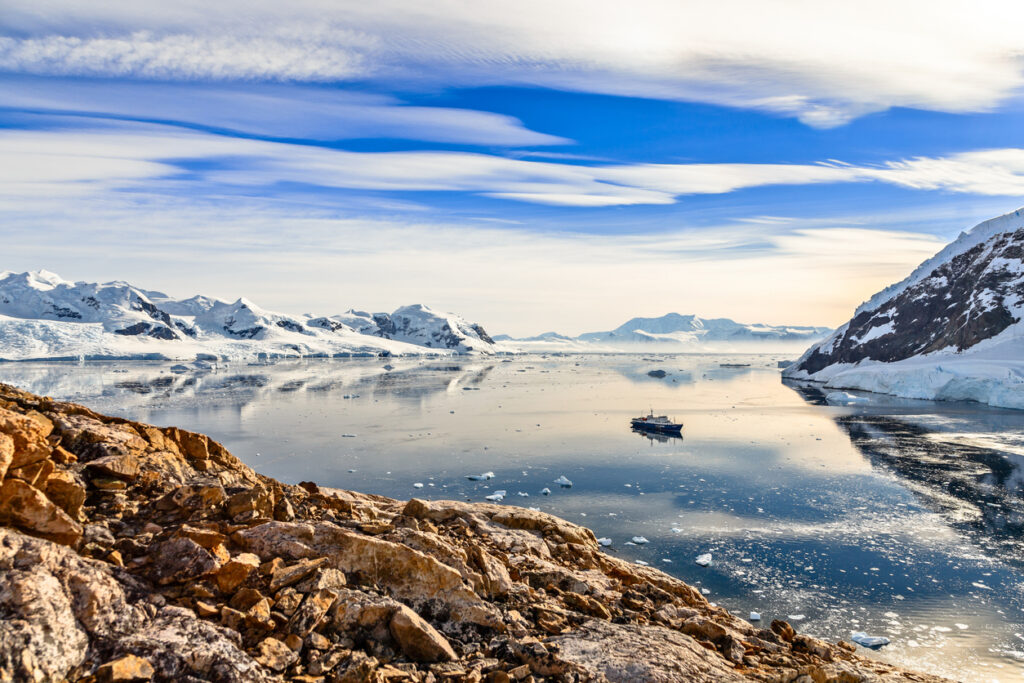
Many of the spots you’ll visit are near active research stations where scientists are living and working year-round. It is a bit of a sobering reminder that Antarctica isn’t a frozen theme park; it is a vital workplace where people are doing research that actually matters for the rest of the planet. Seeing the daily grind of station life puts the “holiday” side of things into perspective.
12. Physical fitness matters more than luxury.
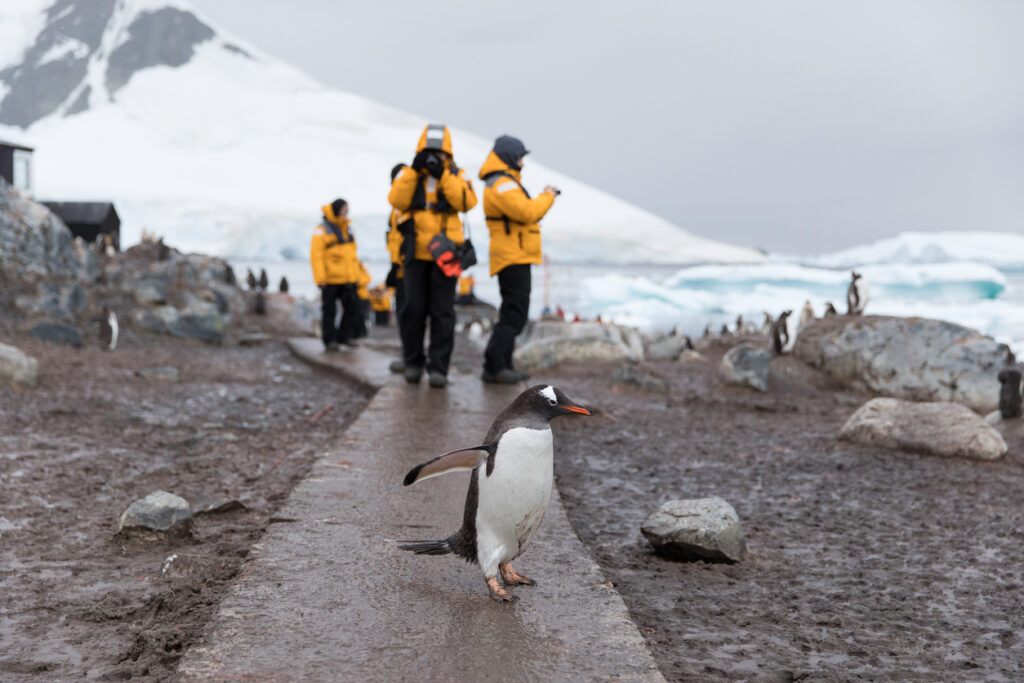
Getting in and out of small boats, trekking over uneven ice, and standing around in freezing conditions takes a lot more out of you than a standard sightseeing tour. While some ships are quite posh, the actual experience isn’t passive. You need a decent level of mobility and endurance to get the most out of the landings. Down there, comfort comes from being capable and well-prepared, not from the thread count of your sheets.
13. Antarctica often changes people in unexpected ways.
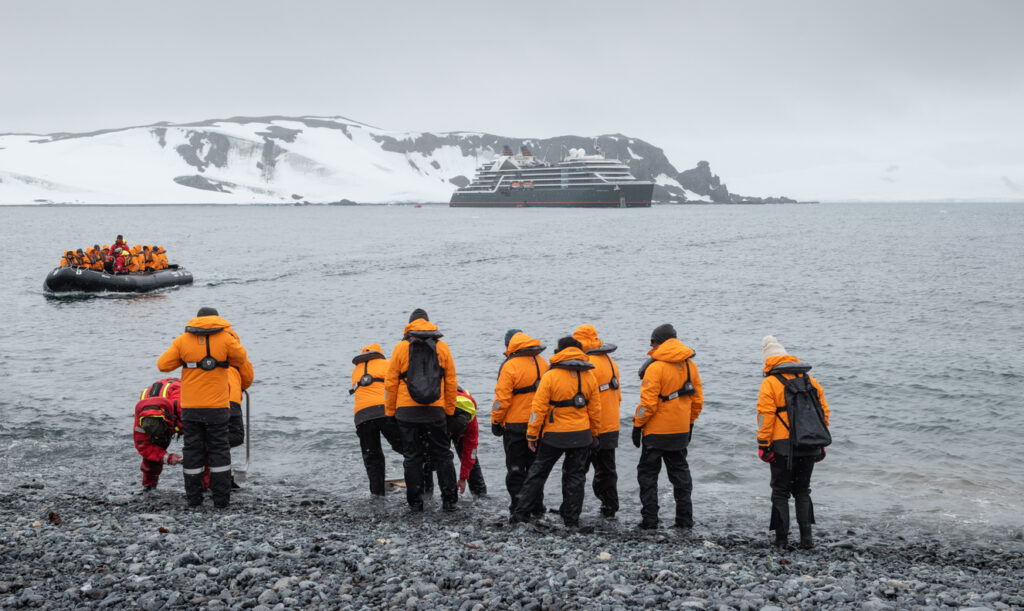
Most people go down there expecting to be impressed by the scenery, but they don’t expect to come back feeling different. The combination of the isolation, the silence, and the sheer scale of the place tends to recalibrate your perspective on life. You often leave thinking less about the photos you took and more about how small and fragile everything felt.