While most people see the local garden centre as nothing more than a place to buy some overpriced compost and a few bags of gravel, it is actually one of the last true sanctuaries of British life.
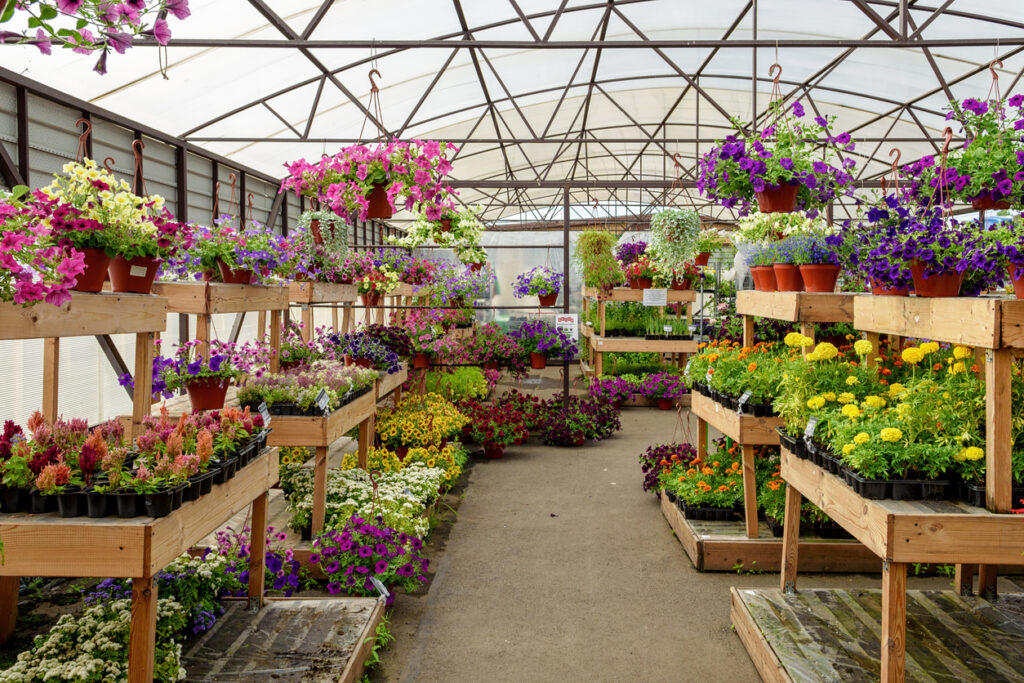
It’s a weird, wonderful world where the stress of the real world just doesn’t seem to exist, replaced instead by the smell of damp soil and the distant clink of tea cups. Whether you’re a serious horticulturalist or someone who just wants to look at some expensive patio furniture you’ll never buy, the garden centre offers a level of comfort that a standard high street simply can’t match. It is a proper institution that deserves a bit more respect for providing a weirdly specific type of weekend therapy for millions of us.
The cafe is genuinely better than it has any right to be.
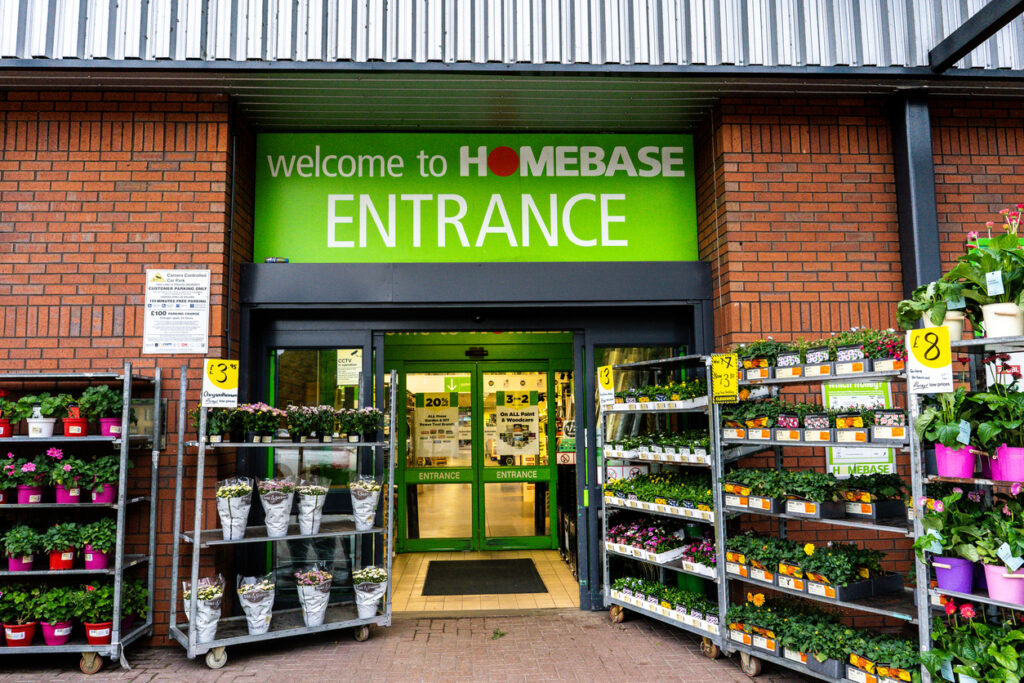
You went in for compost, and now you’re having a full roast dinner at 11 a.m. on a Tuesday. British garden centre cafes serve proper food, not just sad sandwiches and instant coffee. The scones are fresh, the jacket potatoes are massive, and the cream tea comes with actual clotted cream. Pensioners treat these cafes as social clubs, and honestly, they’re onto something because the quality is usually better than your average high street chain.
Christmas starts in September and nobody questions it.

Walk into a garden centre in late August and half the building is already decked out with baubles, fake snow, and inflatable Santas. By September, they’ve got full Christmas grottos set up while it’s still 20 degrees outside. This should feel ridiculous, but instead it’s comforting, like the garden centre is giving you permission to get excited about Christmas before anyone else does. They’ve normalised festive creep, and we’ve all just accepted it.
You can buy a plant, a chandelier, and a doormat in one trip.

British garden centres have embraced selling absolutely everything vaguely home-related. Need wellies? They’ve got them. Fancy a new set of wind chimes? Sorted. Looking for a decorative metal pig for your garden? They’ve got three sizes. The gift section sells candles, picture frames, kitchenware, and ornamental signs with inspirational quotes. You came for bedding plants and left with a throw cushion and artisan chutney.
The smell hits you before you even get through the door.

There’s a specific garden centre smell that’s part fresh compost, part wood, part whatever flowers are in season, and part cafe cooking. It’s earthy and green and slightly damp, and it immediately makes you feel like you’re doing something wholesome and productive even if you’re just wandering aimlessly. The covered outdoor bit has that particular cold greenhouse smell that’s oddly pleasant once you’re used to it.
Staff actually know what they’re talking about.

Ask someone in a supermarket about plants and they’ll just read you the label. Ask someone in a garden centre, and you’ll get a 10-minute explanation about soil pH, companion planting, and why your roses keep dying. They’re usually older blokes or women who’ve been gardening for decades and genuinely want to help you not kill whatever you’re buying. They’ll talk you out of purchases that won’t work and suggest alternatives you hadn’t considered.
The aspirational garden displays are completely unrealistic but inspiring anyway.

Garden centres set up these gorgeous patio displays with perfect furniture arrangements, lush plants, and artful accessories that look like something from a magazine. Your actual garden is a patch of weeds and a broken fence, but for five minutes you can imagine having this beautiful outdoor setup. Nobody’s garden actually looks like the display models, but that doesn’t stop you buying three new pots and a water feature you’ll never install properly.
It’s an acceptable day out for people who hate shopping.

Dragging your partner around shops is usually torture for someone, but garden centres somehow work for everyone. One person can look at plants, the other can browse tools or sit in the cafe, and you both feel like you’ve done something useful. It’s low-pressure enough that even people who hate shopping trips will agree to it, especially if lunch is involved.
The seasonal plant displays remind you what month it is.

Forget checking the calendar, just look at what’s prominent in the garden centre. Daffodils and pansies mean spring, bedding plants signal summer, mums and heathers say autumn, and poinsettias announce Christmas. They rotate stock so obviously with the seasons that walking through becomes a physical reminder of where you are in the year. It’s oddly grounding in a way that just seeing dates on your phone isn’t.
You can kill an entire afternoon without spending much.

Unlike most retail experiences designed to extract maximum money quickly, garden centres let you wander for hours. You can browse every aisle, sit in the cafe, look at the fish tanks or birds they sometimes have, check out the furniture displays, and maybe buy a £3 plant on your way out. They’re not rushing you or pressuring you, which makes them weirdly relaxing compared to normal shops.
They’ve become accidental community hubs.

Garden centres have filled a gap left by declining high streets and closed community centres. They’re warm, have toilets, serve food, and welcome everyone regardless of whether you’re actually buying anything substantial. Elderly people meet friends there, parents bring kids to look at the fish or play area, and couples treat it as a regular Saturday outing. They’ve become one of the few places where different generations and demographics mix naturally without it feeling forced or commercial.