One of the best things about gardening is getting plants that don’t need replacing every year.

Buy them once, look after them properly, and they’ll keep coming back on their own. It saves money, saves effort and gives your garden a bit more structure without constant replanting. Some plants spread on their own, some quietly return each season, and some just keep going for years without much attention. If you like the idea of building a garden that lasts instead of one you have to rebuild every spring, these are the plants worth picking up.
1. Perennial geraniums
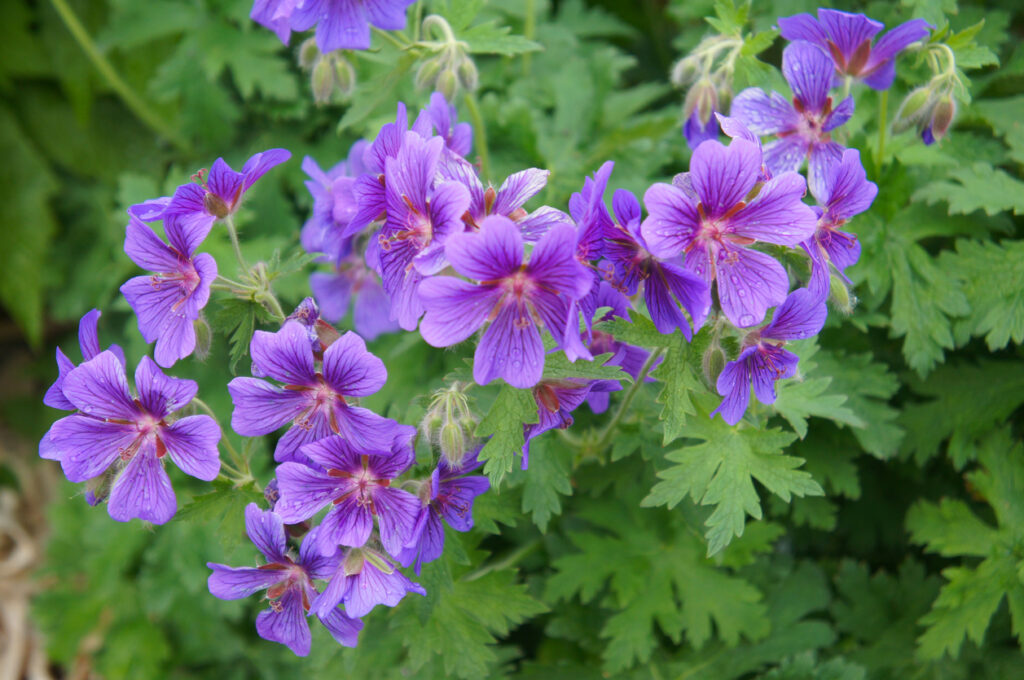
Hardy geraniums are entirely different from the tender bedding geraniums you see everywhere, coming back stronger each year and spreading into lovely clumps. They flower for months, need virtually no attention, and will happily fill spaces between other plants without becoming thuggish. Once established, they’re practically indestructible through British winters.
You can divide large clumps every few years to create more plants for free, meaning one purchase gives you garden geraniums for life. They come in loads of colours from white through pink to deep purple, all equally easy and reliable.
2. Lavender

Lavender thrives in UK gardens once it’s established, coming back year after year and getting bigger and bushier with time. It needs virtually no water once settled in, loves our chalky soils and fills the garden with scent all summer while attracting bees and butterflies. A small plant from the garden centre will grow into a substantial shrub within a couple of years.
You can take cuttings easily in late summer to propagate more plants, turning your initial purchase into dozens of lavender bushes. The only maintenance needed is a trim after flowering and a light prune in spring to keep it compact.
3. Hostas
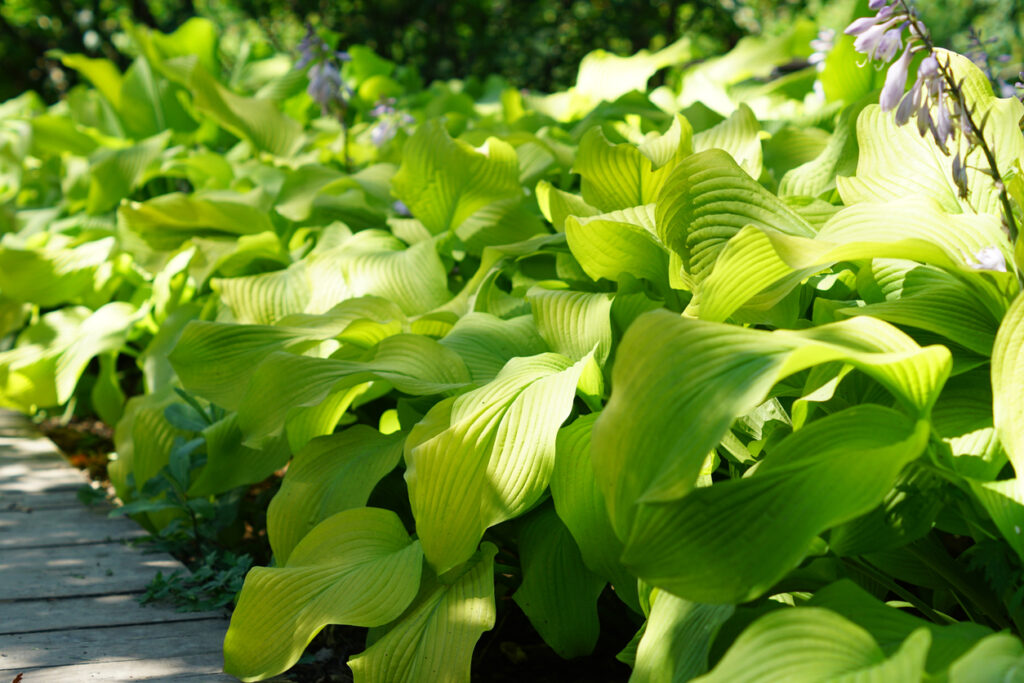
Hostas are the ultimate set and forget perennials, returning reliably every spring and getting bigger and more impressive each year. They’re perfect for shady spots where other plants struggle, with gorgeous foliage in greens, blues, golds and variegated patterns. One small pot will become a massive clump within five years that you can then divide to create even more plants.
Slugs love them, but there are slug resistant varieties, or you can just accept a few holes as part of their charm. The initial investment pays off massively as they slowly fill entire borders with virtually no effort from you.
4. Sedum (stonecrop)
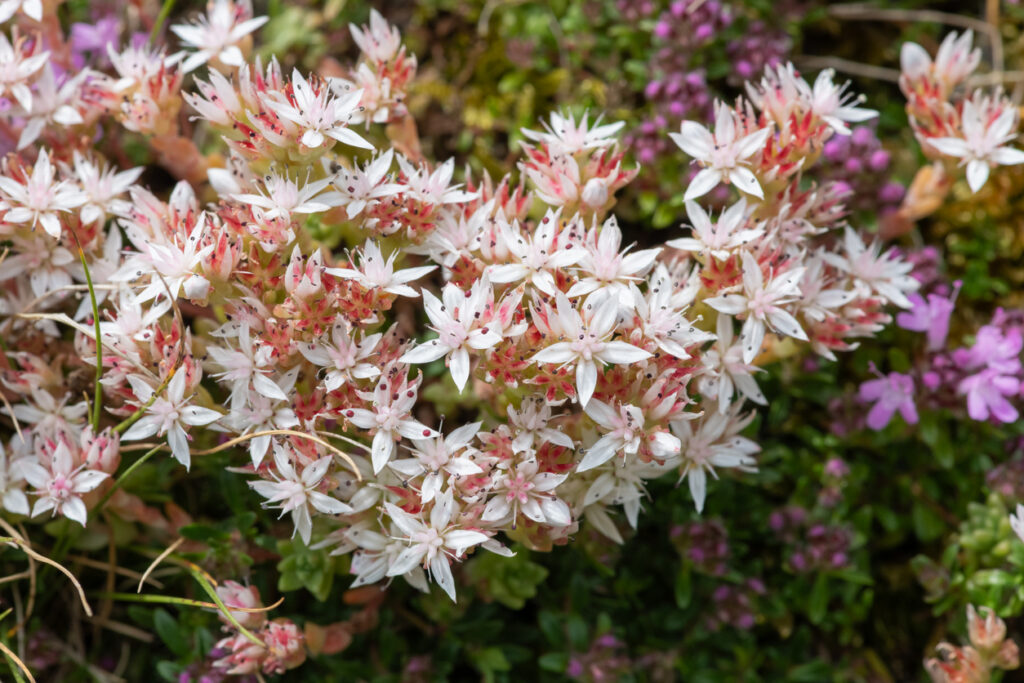
Sedums are tough as old boots, surviving drought, poor soil and complete neglect while looking fantastic from spring through autumn. The tall varieties like Autumn Joy provide structure and late season flowers that bees absolutely love. Once planted, they’ll come back bigger each year, and you can snap off bits to root elsewhere in the garden.
They’re perfect for those dry sunny spots where nothing else survives, asking for absolutely nothing except to be left alone. The dead flowerheads look beautiful through winter too, covered in frost, so you don’t even need to tidy them until spring.
5. Snowdrops
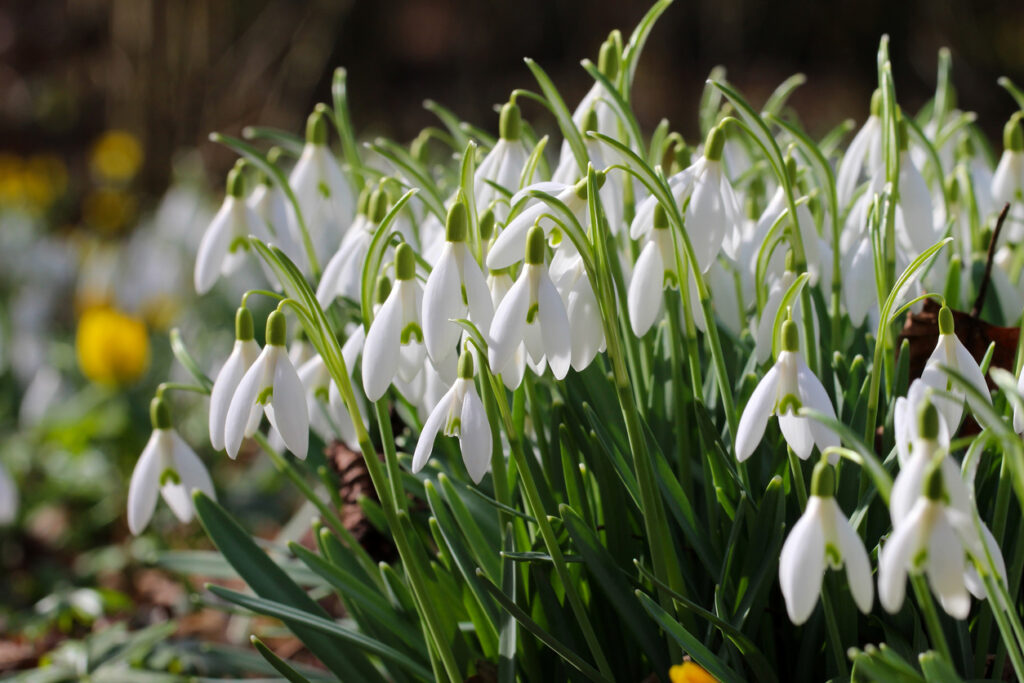
Snowdrops multiply like mad once they’re happy, spreading into drifts that get better every year. Buy them “in the green” right after flowering for best results, as dry bulbs often fail to establish. Within a few years, your initial dozen bulbs will become hundreds, naturalising under trees and in grass.
They’re the first flowers of the year, pushing through frozen ground in January and February when nothing else is happening. Once established, you can dig up clumps after flowering and split them to spread around the garden or give to friends.
6. Japanese anemones
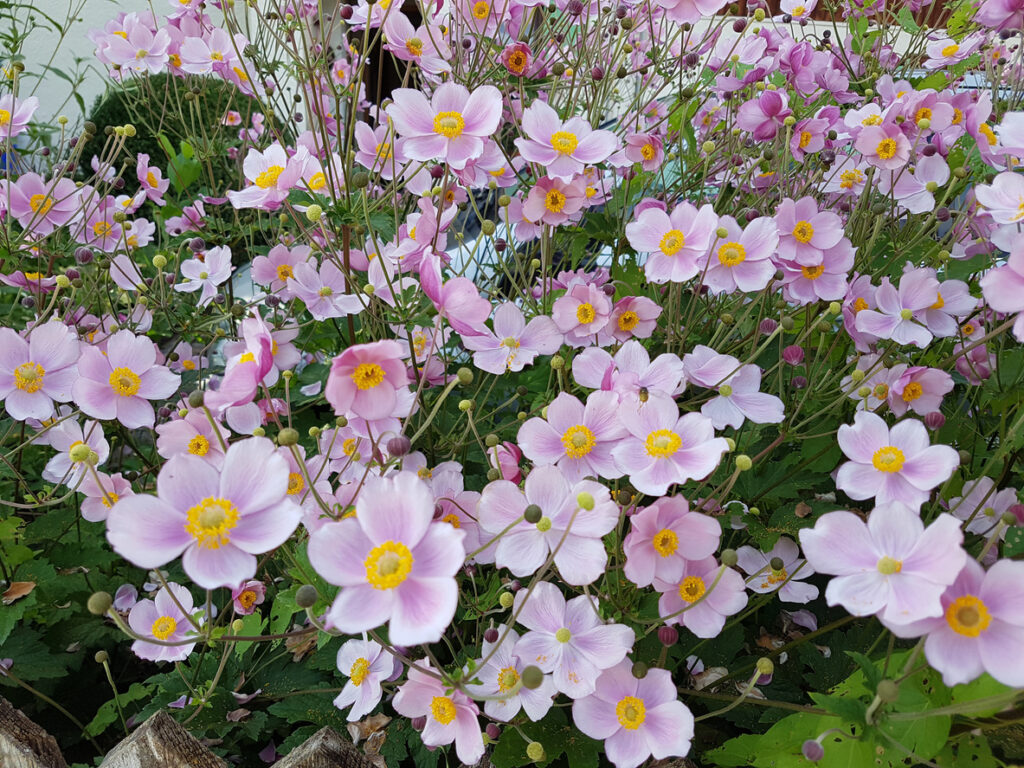
Japanese anemones take a year or two to settle in, then they’re off, spreading steadily and flowering their heads off from late summer into autumn. They’re perfect for filling awkward spots in partial shade and provide flowers when most other things have finished. The pink or white blooms float above attractive foliage on tall stems that don’t need staking.
They can be slightly thuggish once established, spreading by underground runners, but that just means more free plants. Dig up the babies that appear and pot them on or move them to fill gaps elsewhere in the garden.
7. Crocosmia
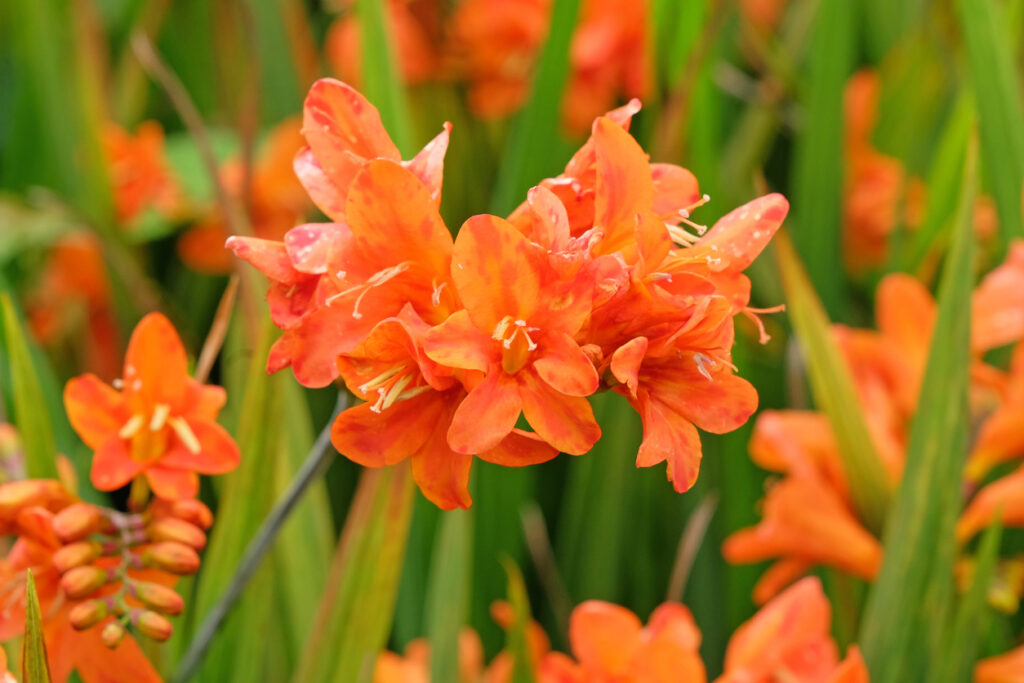
Crocosmia corms multiply rapidly underground, forming dense clumps that produce more and more of those brilliant orange or red flower spikes each year. They’re virtually indestructible in UK gardens, surviving anything our weather throws at them and also providing vibrant colour in late summer. The sword like leaves look good even when they’re not flowering.
Every few years you can dig up the clumps, separate the corms and replant them to create new drifts. They spread so enthusiastically that you’ll be giving them away to friends rather than buying more plants.
8. Hellebores
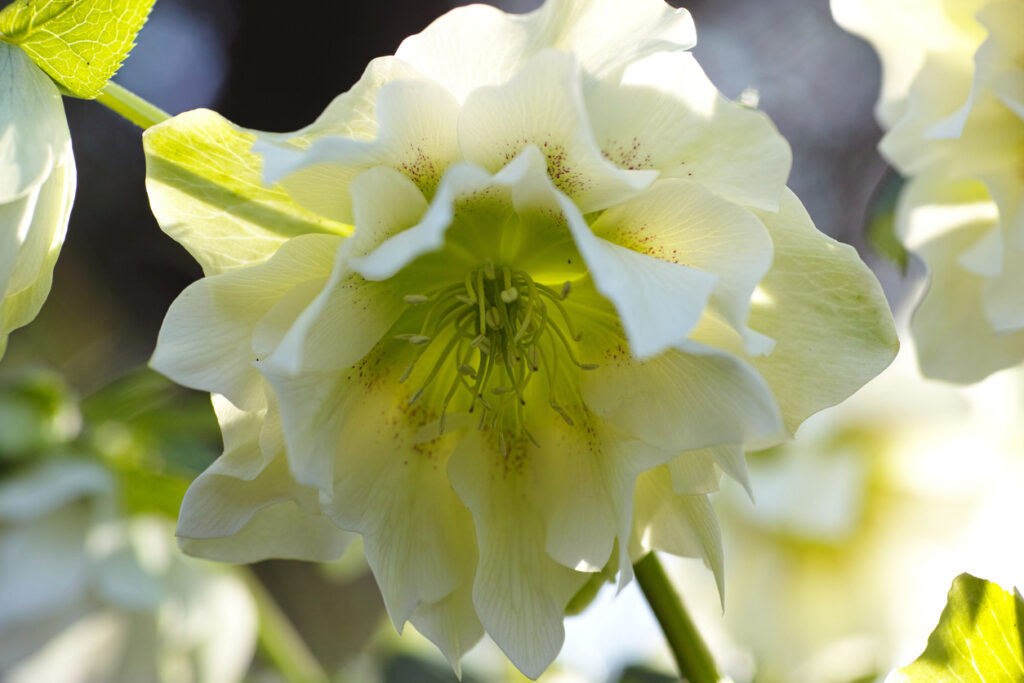
Hellebores flower in the depths of winter when barely anything else is blooming, coming back faithfully year after year and slowly forming impressive clumps. They’re perfect for shady spots and once established, they’ll self seed around the garden creating free baby plants. The flowers last for months, often from January through to April.
The evergreen foliage looks good all year, and they ask for virtually nothing except a shady spot with reasonable soil. Initial plants are a bit pricey, but they’re an investment that pays off for decades of winter flowers.
9. Aquilegia (columbine)
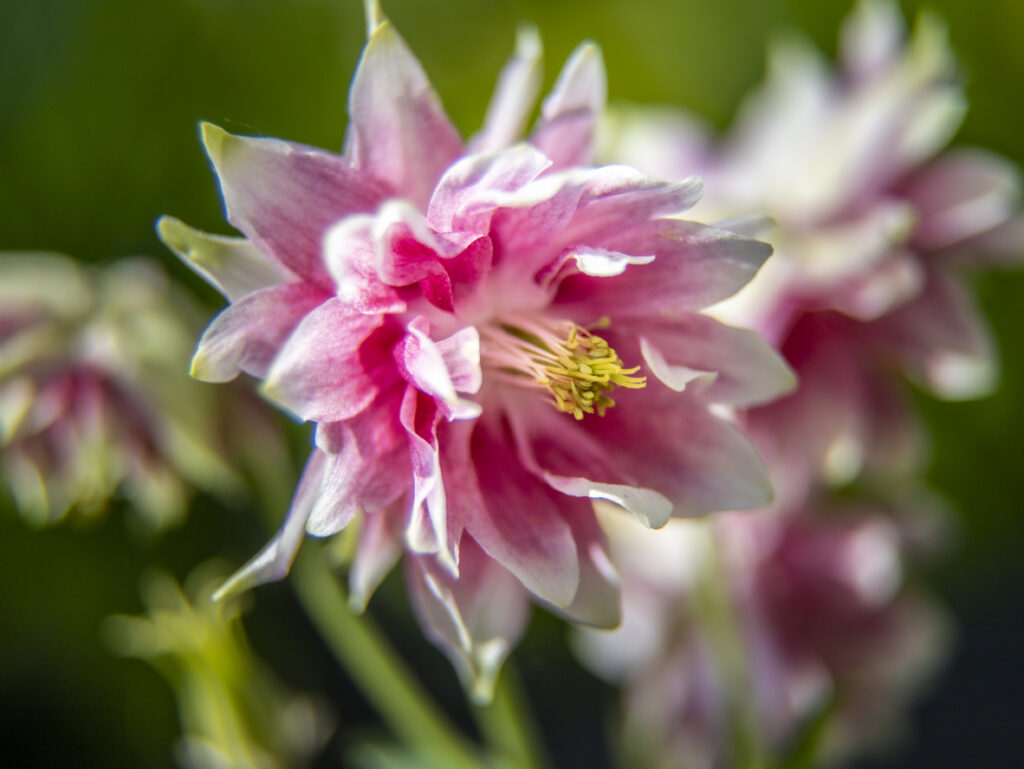
Aquilegias self seed with abandon once you’ve got them, popping up in cracks in paving and spreading through borders in the most charming way. The delicate flowers come in every colour imaginable, and they’re completely unfussy about conditions. After a few years, you’ll have aquilegias appearing all over the place without any effort.
They’re short-lived perennials, but the constant self seeding means you always have young plants coming through. You can pull out seedlings you don’t want and move others to better spots when they’re small.
10. Rudbeckia (black eyed Susan)

Rudbeckias are tough prairie plants that laugh at British weather, coming back bigger each year and flowering for months in late summer and autumn. The cheerful yellow daisies with dark centres brighten up any border, and they’re completely unfussy about soil or conditions. Clumps can be divided every few years to create more plants.
They’re drought tolerant once established and provide food for pollinators when many other plants have finished. One plant will become a substantial clump within three years that you can then split and spread around the garden.
11. Pulmonaria (lungwort)
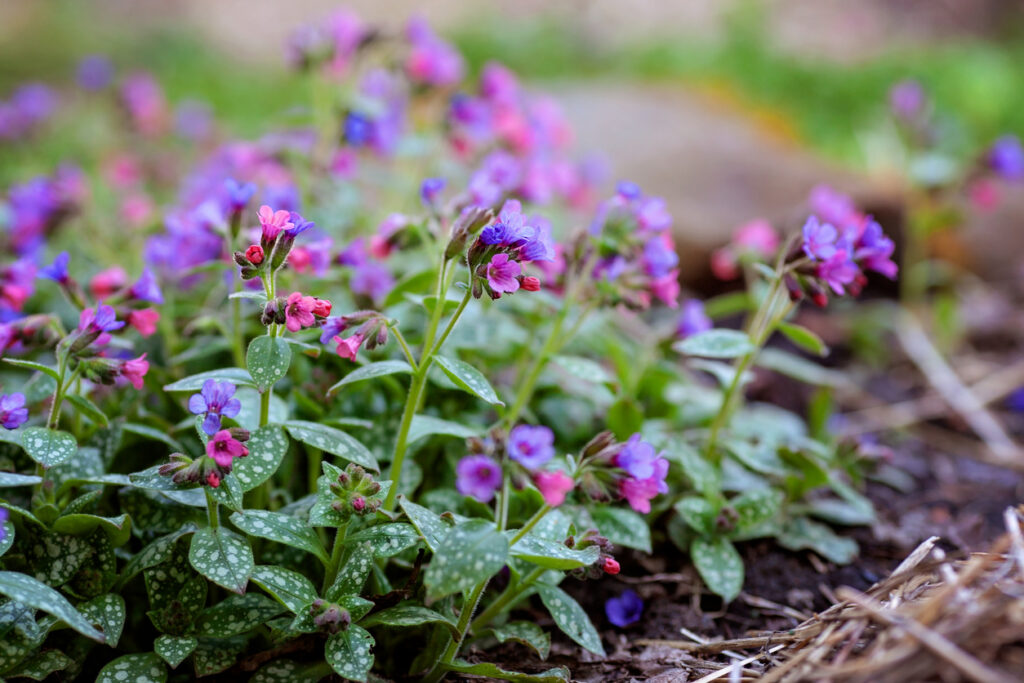
Pulmonaria thrives in shade, where its spotted leaves and early spring flowers brighten up dark corners that other plants find challenging. It spreads steadily to form ground covering clumps that suppress weeds while still looking attractive. The foliage remains decorative all year, especially the silver spotted varieties.
You can divide established clumps in autumn to create more plants, and it often self seeds in a polite, controlled way. It’s perfect under trees or along shady borders where you want reliable cover that looks after itself.
12. Hardy fuchsias

Hardy fuchsias die back in winter but return faithfully each spring, growing into substantial shrubs covered in dangling flowers all summer and autumn. Unlike tender fuchsias that need protecting, hardy varieties survive UK winters in the ground, getting bigger and better each year. They flower non-stop from June until the first frosts.
You can take cuttings easily in late summer to create more plants, and established shrubs can be divided. They’re perfect for adding height to borders while providing months of colour with virtually no maintenance needed.
13. Persicaria
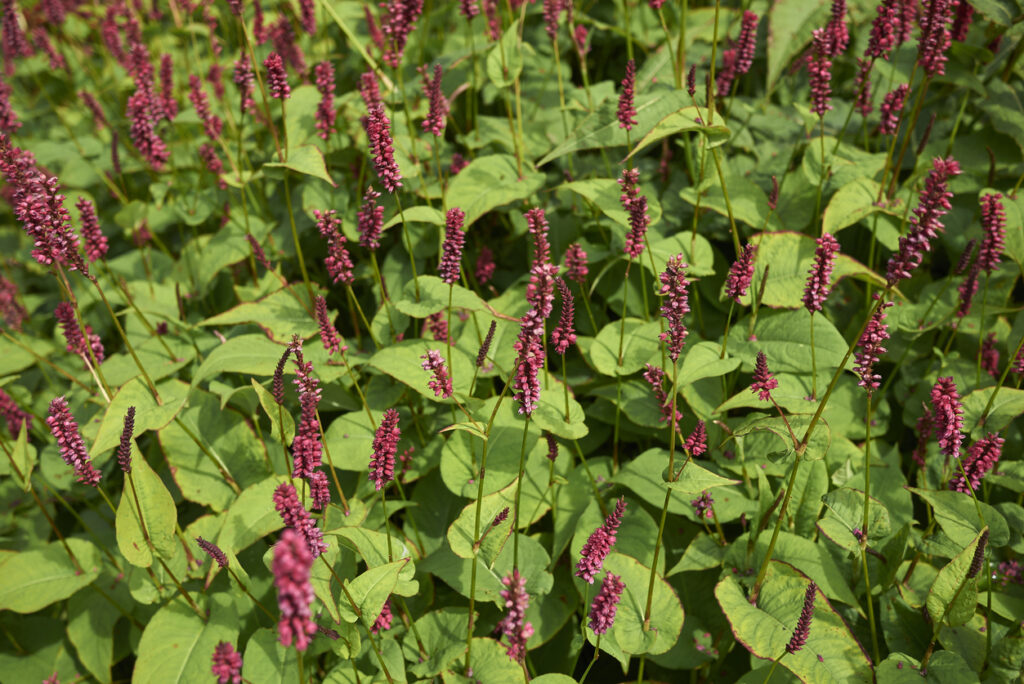
Persicarias are vigorous perennials that form substantial clumps covered in bottle brush flowers from summer through autumn. They’re completely unfussy, growing in sun or shade, damp or dry, and coming back reliably year after year. Some varieties spread enthusiastically, which means loads of free plants rather than a problem.
The tall varieties like Persicaria amplexicaulis provide great structure in borders, while the ground covering types quickly fill difficult spots. Divide clumps every few years to keep them tidy and create more plants to spread around the garden or give away.