History is full of animals that never stood a chance once fashion got involved.
People wanted a certain look, a certain coat, a certain colour, and entire species were wiped out before anyone thought about the cost. These weren’t slow declines, either. Once the demand hit, the hunting was relentless and the numbers collapsed fast.
It’s uncomfortable to look back on, but it explains how quickly greed can wipe out a species that had survived for thousands of years. Some of these animals disappeared before proper records were even kept. Here are the ones that were hunted out of existence purely for their fur or feathers.
1. The passenger pigeon
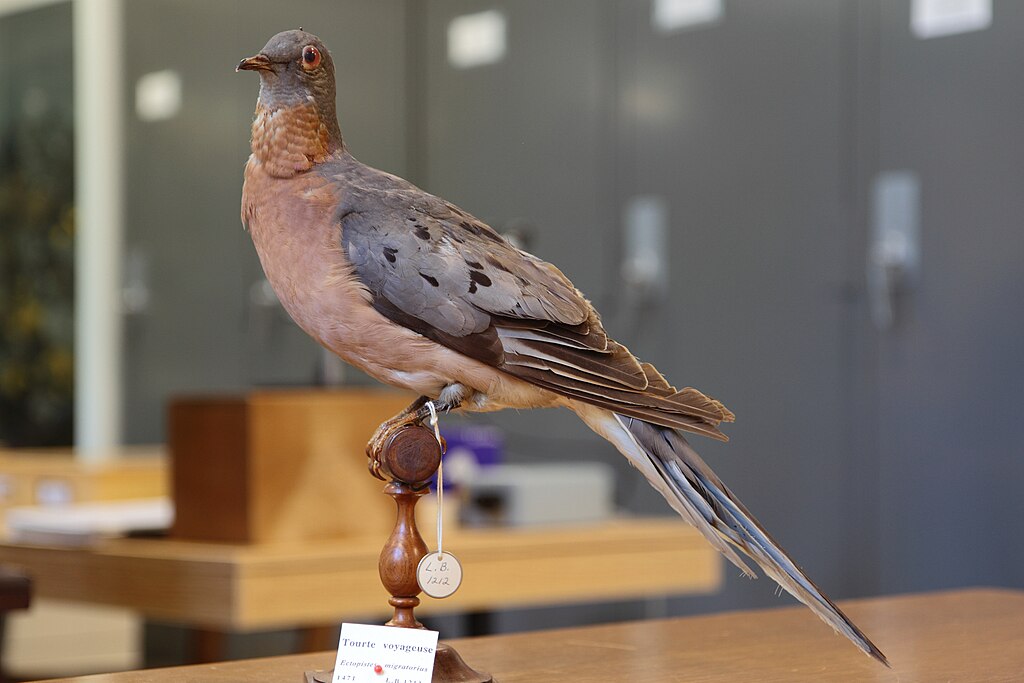
Passenger pigeons once darkened American skies in flocks so massive they took days to pass overhead, with populations estimated at three to five billion birds. Their feathers were used for bedding while their meat was sold cheaply, leading to industrial scale slaughter throughout the 1800s. Hunters killed them by the millions, shipping barrels of dead birds to cities where they were sold for pennies.
The last wild passenger pigeon was shot in 1901, and Martha, the last captive bird, died alone in Cincinnati Zoo in 1914. In just fifty years, humans transformed the most abundant bird in North America into a memory, proving that even billions of individuals can’t survive determined human exploitation.
2. The great auk
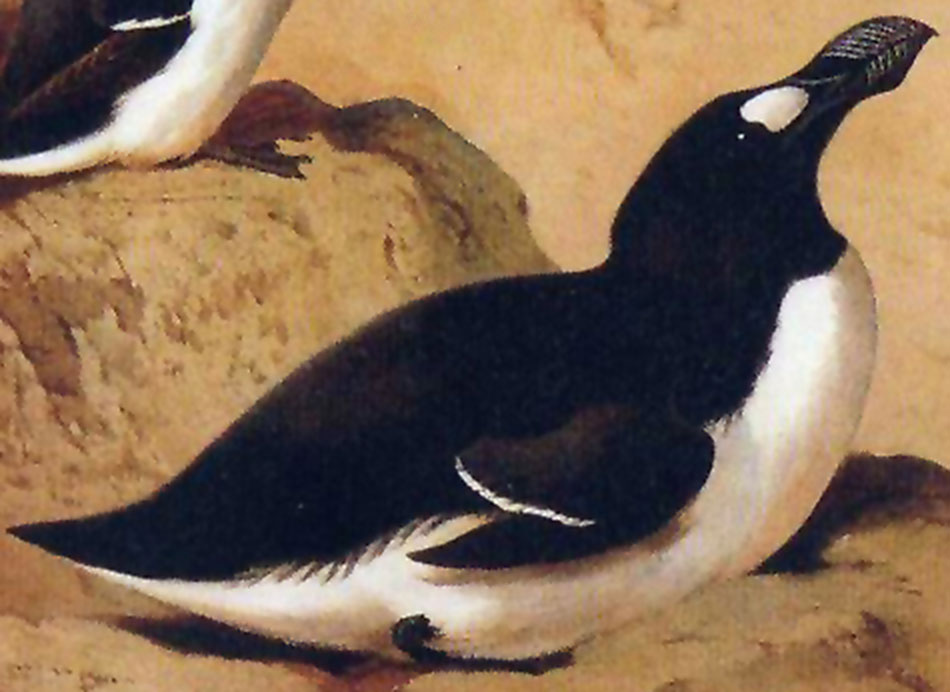

Great auks were large flightless seabirds hunted extensively for their feathers, which were used to stuff pillows and mattresses. Their inability to fly made them pathetically easy targets, and sailors would simply walk up to breeding colonies and club thousands to death. The birds were also killed for their meat, fat and eggs, with hunting parties wiping out entire nesting sites in single visits.
The last confirmed pair was killed in Iceland in 1844 by men who strangled them and smashed their single egg. Museums and collectors then made things worse by paying high prices for great auk specimens, encouraging the killing of the final surviving birds.
3. The Carolina parakeet
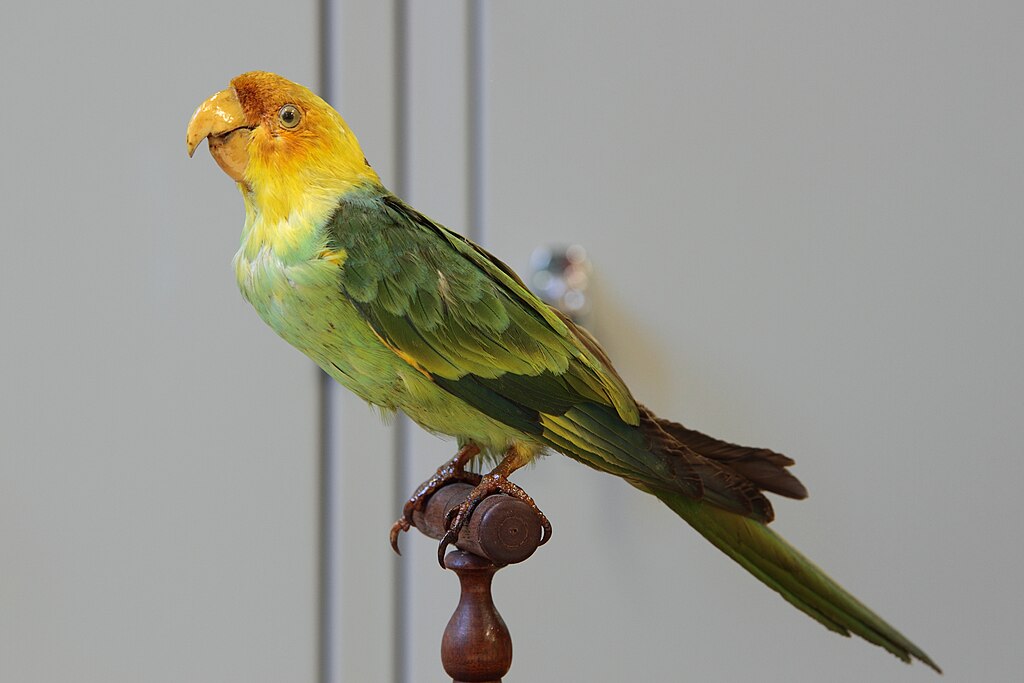

America’s only native parrot was hunted relentlessly for its vibrant green, yellow and orange feathers, which decorated ladies’ hats during the Victorian era. Farmers also killed them in huge numbers for eating crops, and the birds’ habit of returning to check on dead flock members made them tragically easy to slaughter. Entire flocks would be wiped out as birds kept coming back to their fallen companions.
The last wild Carolina parakeet was shot in 1904, and the last captive bird, named Incas, died in Cincinnati Zoo in 1918 in the same cage that had held Martha the passenger pigeon. Their beautiful feathers, once so prized for hats, now exist only in museum drawers.
4. The sea mink
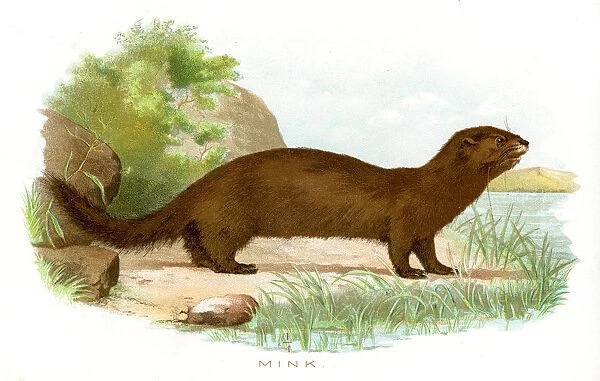
Sea minks were larger relatives of American minks, living along the rocky coasts of New England and prized for their luxurious reddish fur. Their pelts were considered more valuable than other mink species, leading to intensive hunting that gave them no chance of survival. Fur traders specifically targeted sea mink colonies, killing every animal they could find.
The species was extinct by 1894, hunted out of existence so quickly that scientists barely had time to study them. So few specimens were preserved that we’re still not entirely certain what distinguished them from other minks, making them one of the most poorly documented extinction victims.
5. Steller’s sea cow
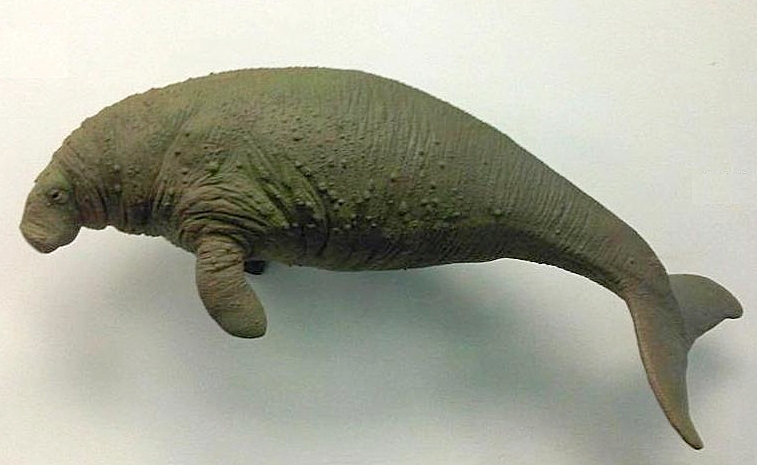

These massive gentle marine mammals, growing up to nine metres long, were discovered in 1741 and extinct by 1768, surviving only 27 years after European contact. While primarily hunted for meat and fat, their thick hide was used for making boats and shoes. The animals were completely defenceless, floating placidly in shallow water, where hunters could easily kill them with harpoons and hooks.
Hunting parties would kill far more than they needed because the enormous carcasses provided so much material. The speed of their extinction shows how vulnerable slow breeding species are to even moderate hunting pressure, especially when they’re large, approachable, and valuable.
6. The Falkland Islands wolf
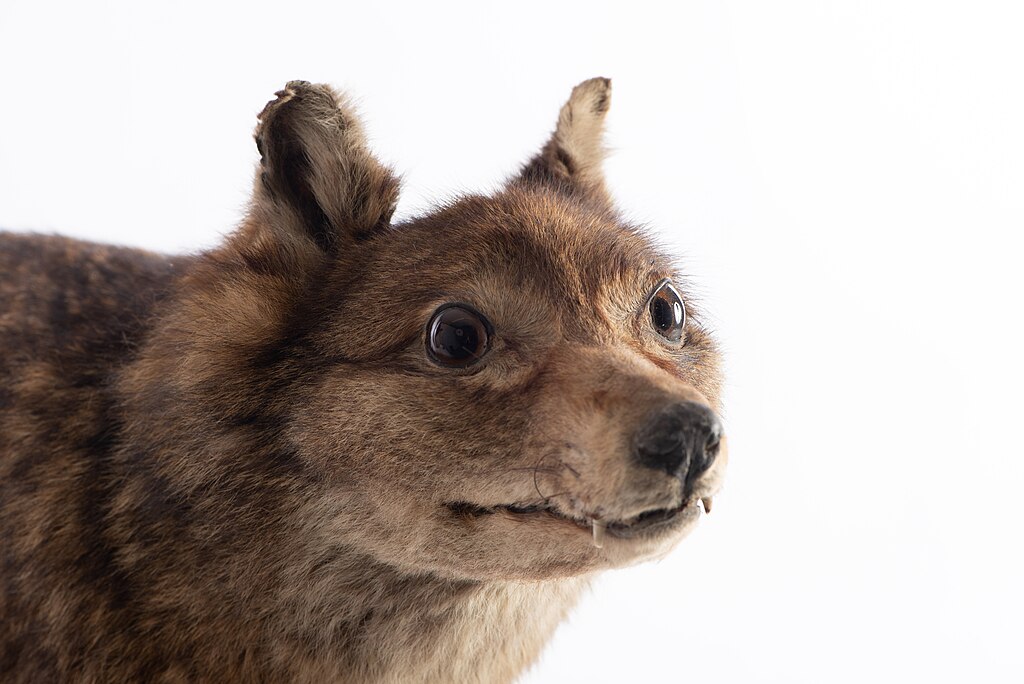
The Falkland Islands wolf was the only native land mammal on the Falkland Islands, with a thick fur coat that attracted hunters and settlers. Darwin encountered them during his voyage on the Beagle and noted how tame and curious they were, making them easy targets. Settlers killed them to protect sheep, while others hunted them specifically for their pelts.
By 1876, the species was completely extinct, wiped out in less than fifty years of European settlement. Their trusting nature and isolation on islands with no escape made them particularly vulnerable to the hunting that destroyed them.
7. The Caribbean monk seal
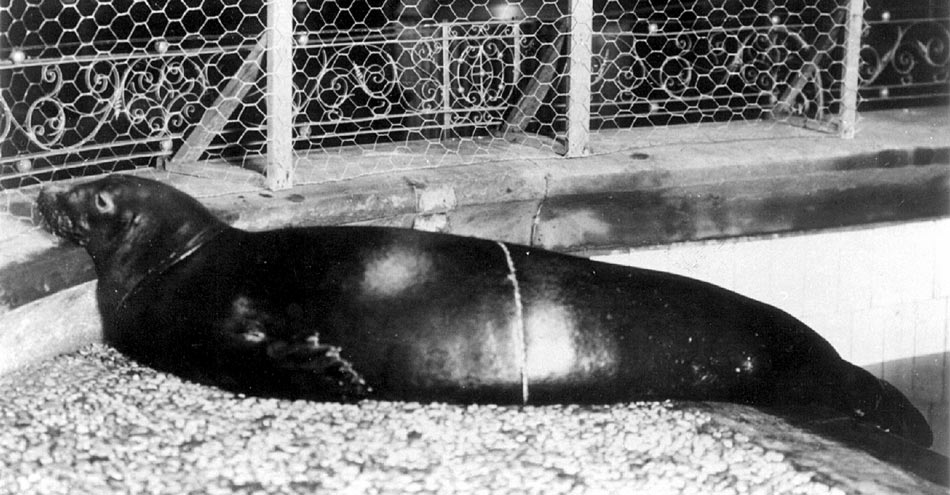

Caribbean monk seals were slaughtered extensively for their oil and skins from the moment Europeans arrived in the Caribbean. Their habit of resting on beaches in large groups made them incredibly easy targets, and entire colonies would be wiped out in single hunting expeditions. The oil was valuable for lamps and machinery, while their skins were made into leather goods.
The last confirmed sighting was in 1952, though the species wasn’t declared extinct until 2008. They were the first seal species driven to extinction by human activity, victims of hunting so relentless that they disappeared from waters where they’d lived for millions of years.
8. The eastern elk
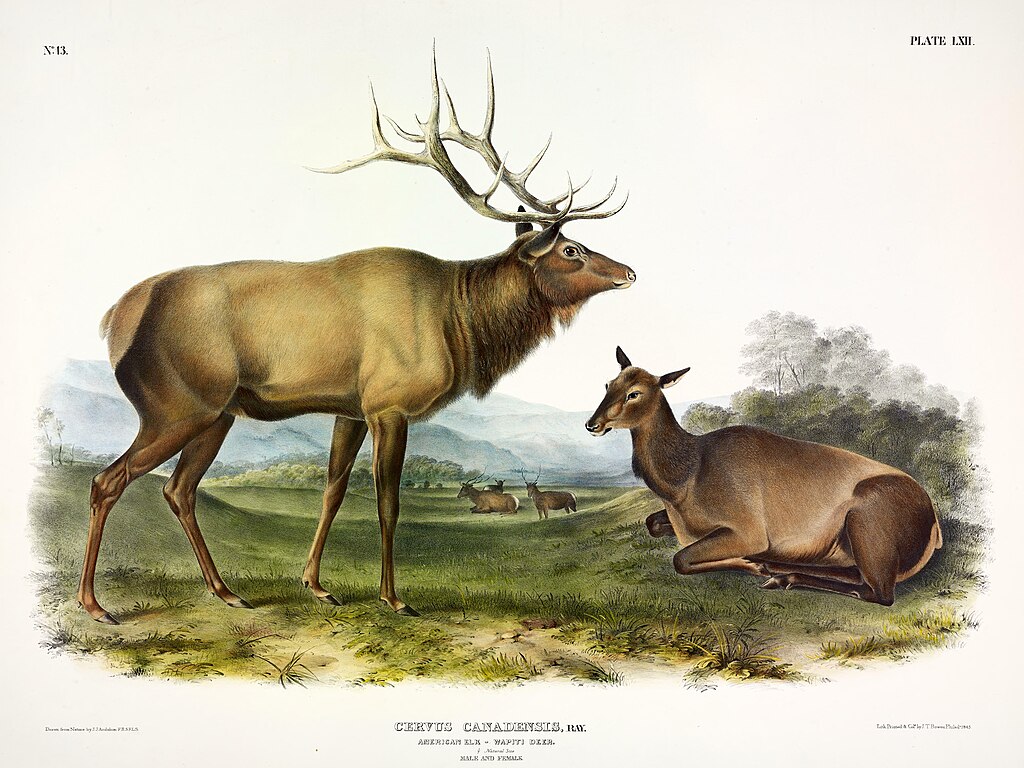
Eastern elk were hunted extensively for their meat and hides throughout the 1700s and 1800s as European settlement expanded across North America. Their large size made them valuable targets, providing substantial amounts of leather and meat per animal. The combination of hunting and habitat loss from forest clearing meant populations had no chance to recover.
By the late 1800s, eastern elk were extinct, surviving slightly longer than some species only because their range was so extensive. Western elk were later reintroduced to parts of their former range, but the original eastern subspecies is gone forever.
9. The bluebuck
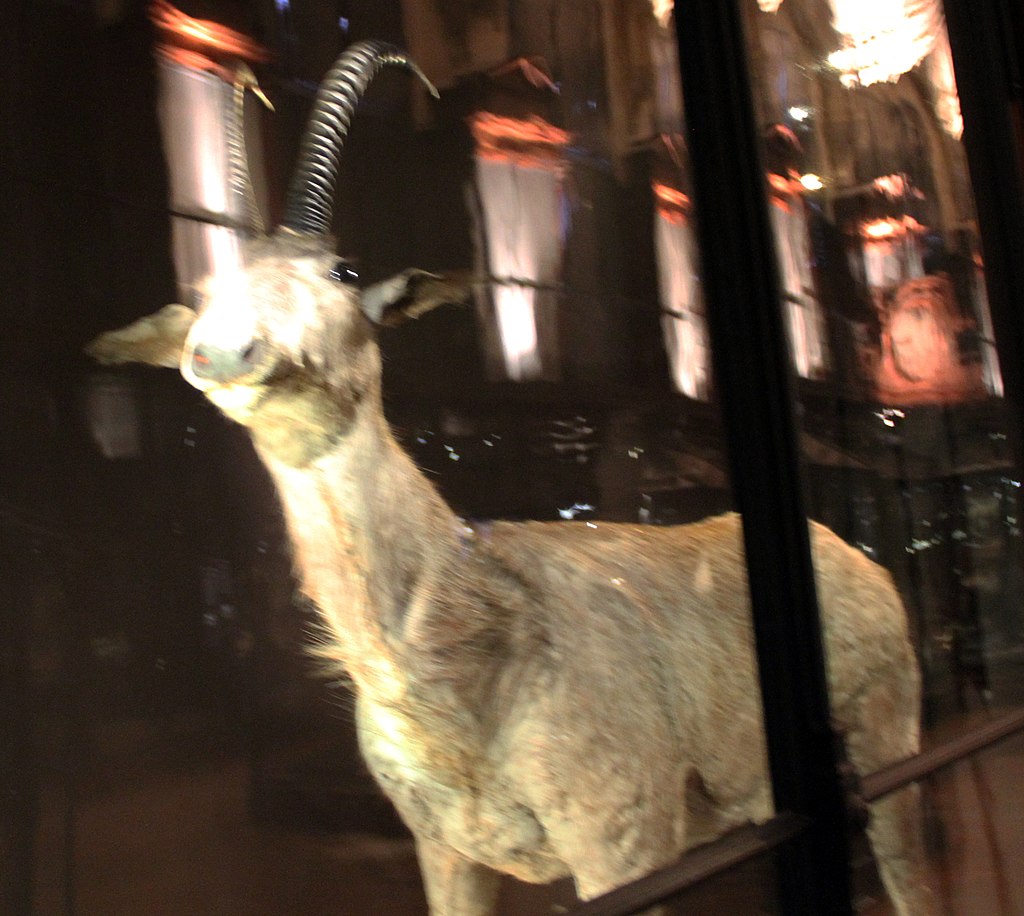
South Africa’s bluebuck was hunted to extinction by 1800, killed for its unusual blue grey coat and for meat by European settlers. This small antelope had already become rare by the time scientists properly described it, and continued hunting finished off the remaining population. Dutch settlers shot them casually, not realising or caring that the species was disappearing.
So few specimens were preserved that scientists still debate some aspects of the bluebuck’s appearance and behaviour. They became extinct so quickly after European contact that virtually nothing was learned about their ecology before they vanished.
10. The atlas bear
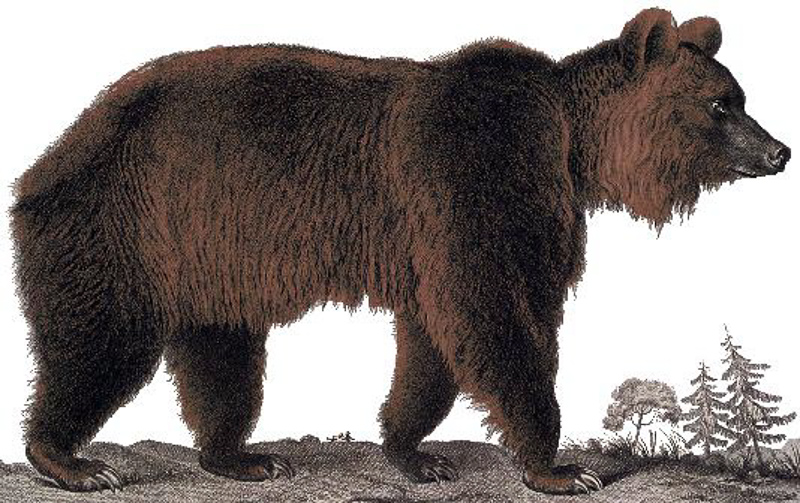
North Africa’s only native bear was hunted extensively by Romans for gladiatorial games and later by settlers for its fur and because it was seen as dangerous. The bears’ thick coats were valuable, and they were killed both for sport and to protect livestock. By the mid-1800s, hunting and habitat loss had pushed them to the brink.
The last atlas bear was probably killed in the 1870s in Morocco’s Atlas Mountains, ending the only bear population in Africa. Their extinction removed North Africa’s largest predator, fundamentally changing the region’s ecosystems.
11. The Barbary lion
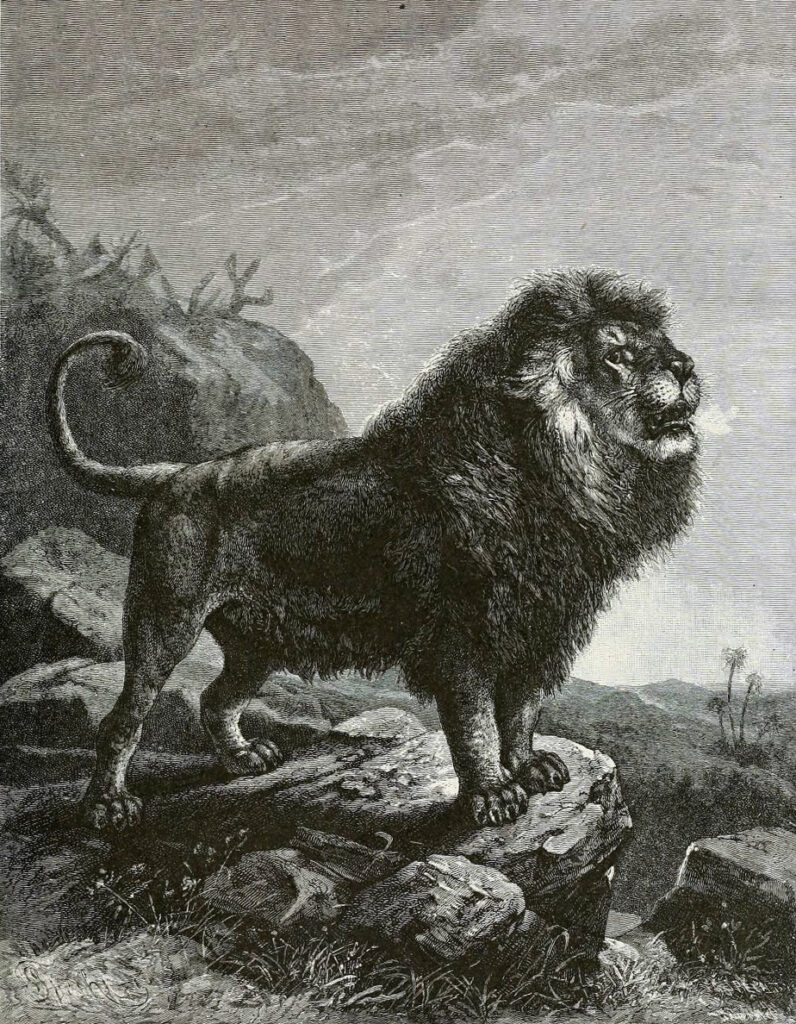
North Africa’s massive Barbary lions were hunted by Romans for arena spectacles and later by big game hunters who prized their impressive dark manes. European colonists also killed them to protect livestock and for trophy hunting. The combination of hunting pressure and habitat loss from expanding agriculture destroyed their populations across North Africa.
The last wild Barbary lion was shot in Morocco in 1942, ending thousands of years of these magnificent cats roaming North African mountains. Some captive lions may carry Barbary genes, but the wild population is gone forever.
12. The Tasmanian tiger
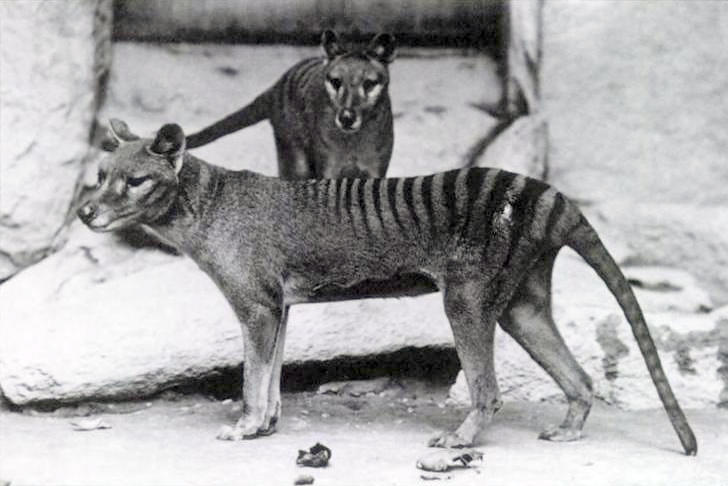
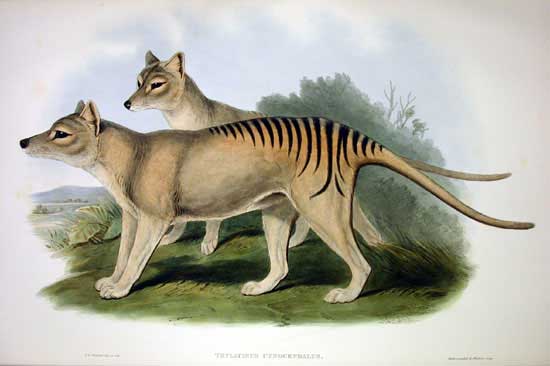
Tasmanian tigers, or thylacines, were hunted relentlessly in Tasmania with government bounties paid for their pelts throughout the late 1800s and early 1900s. Farmers blamed them for killing sheep, though dingoes and wild dogs were often the actual culprits. The distinctive striped coat that gave them their common name made their pelts recognisable trophies.
The last known thylacine, Benjamin, died in Hobart Zoo in 1936, bringing an end to the world’s largest carnivorous marsupial. Despite occasional unconfirmed sightings, the species is considered extinct, destroyed by hunting, habitat loss and disease in less than a century of European settlement.