Sometimes in the natural world, what you see isn’t exactly what you get.

Nature is full of tricksters and con artists that have evolved incredible ways to fool predators, prey, and even their own species through creative disguises and sneaky behaviour. Here are some of the cleverest creatures that have some impressive abilities to pull the wool over their fellow animals’ eyes.
1. Cuttlefish can change their appearance instantly.
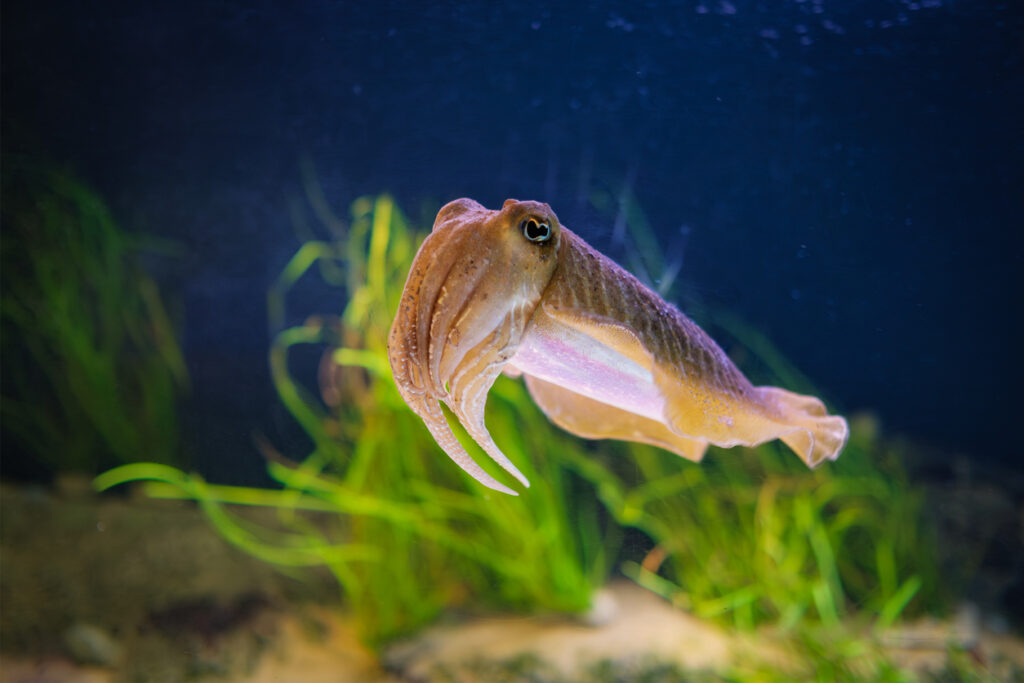
Cuttlefish are basically underwater chameleons on steroids, capable of changing not just their colour but also their skin texture and pattern within seconds to match their surroundings perfectly. They can make half their body look like coral while the other half mimics sand, creating living optical illusions.
These masters of disguise use their abilities for both hunting and hiding, and they can even create moving patterns across their skin to hypnotise prey or confuse predators. Their colour-changing skills are so advanced that they can display different messages to different viewers simultaneously by controlling each side of their body independently.
2. Orchid mantises pretend to be flowers.
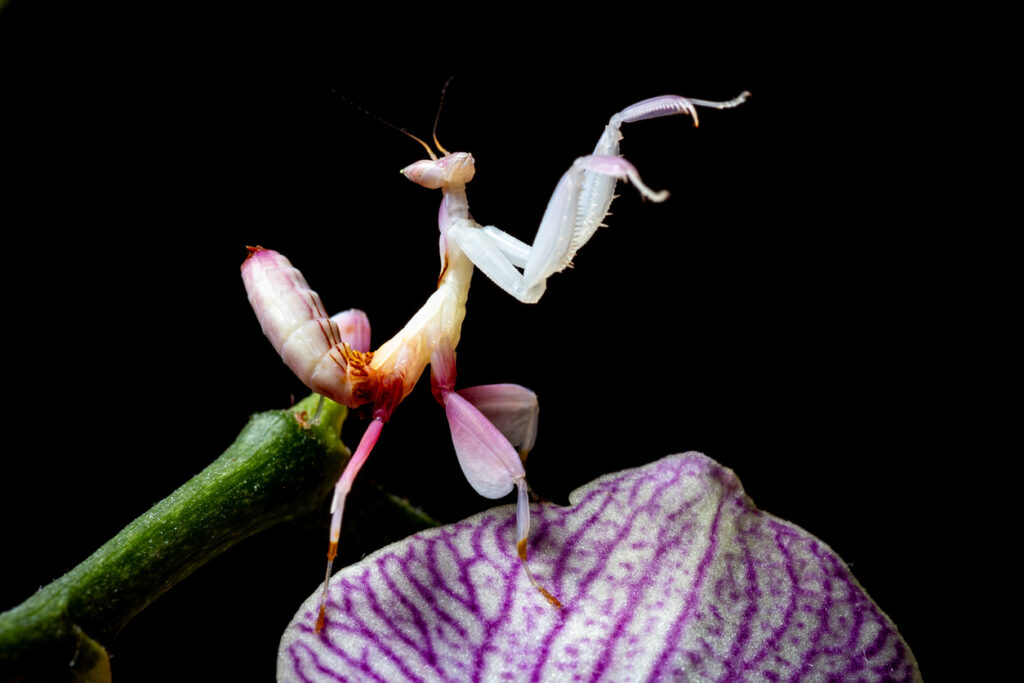
These stunning insects have evolved to look exactly like orchid petals, complete with the right colours, shapes, and even fake flower markings that fool both predators and prey. They sit motionless on real flowers, blending in so perfectly that even experienced naturalists walk right past them.
Unsuspecting insects land on what they think is a flower and get grabbed by the mantis before they realise their mistake. The disguise is so convincing that some orchid mantises are actually more attractive to pollinators than the real flowers they’re imitating, making them super-efficient hunters.
3. Mimic octopuses copy multiple species.
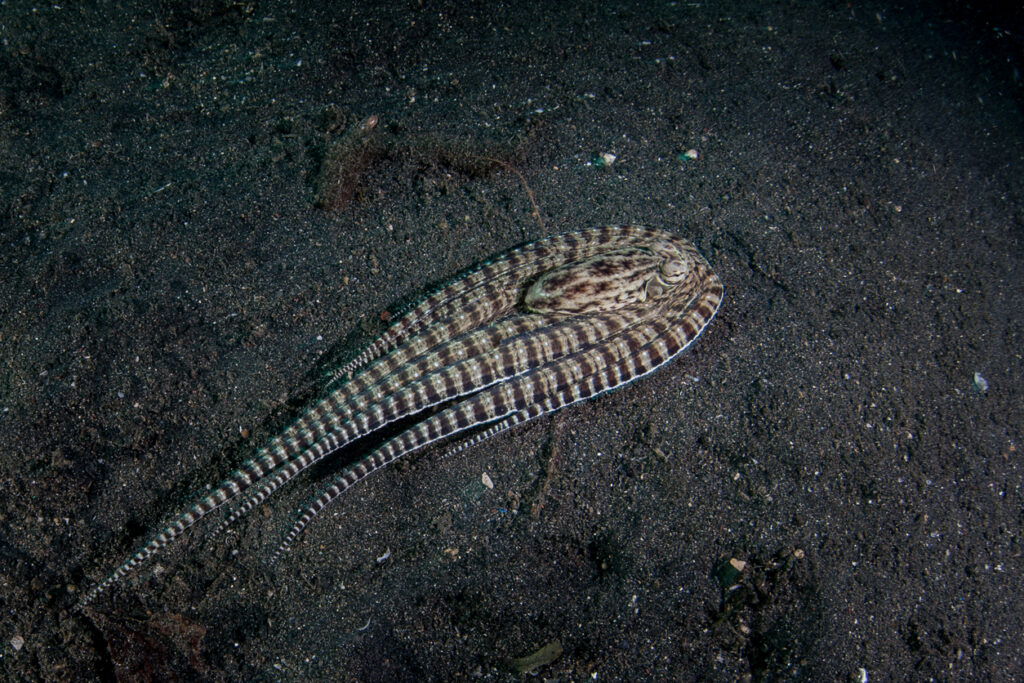
The mimic octopus takes impersonation to the next level by changing its appearance and behaviour to copy completely different sea creatures like flatfish, lionfish, stingrays, and sea snakes. It can switch between different disguises depending on what predator it encounters, choosing the most effective deterrent for each threat.
When threatened by a damselfish, it might mimic a flatfish and bury itself in sand, but if a different predator approaches, it could quickly transform into a lionfish complete with swimming motions and aggressive posturing. Such flexibility in disguise makes it one of the most versatile tricksters in the ocean.
4. Anglerfish use fake bait to lure prey.
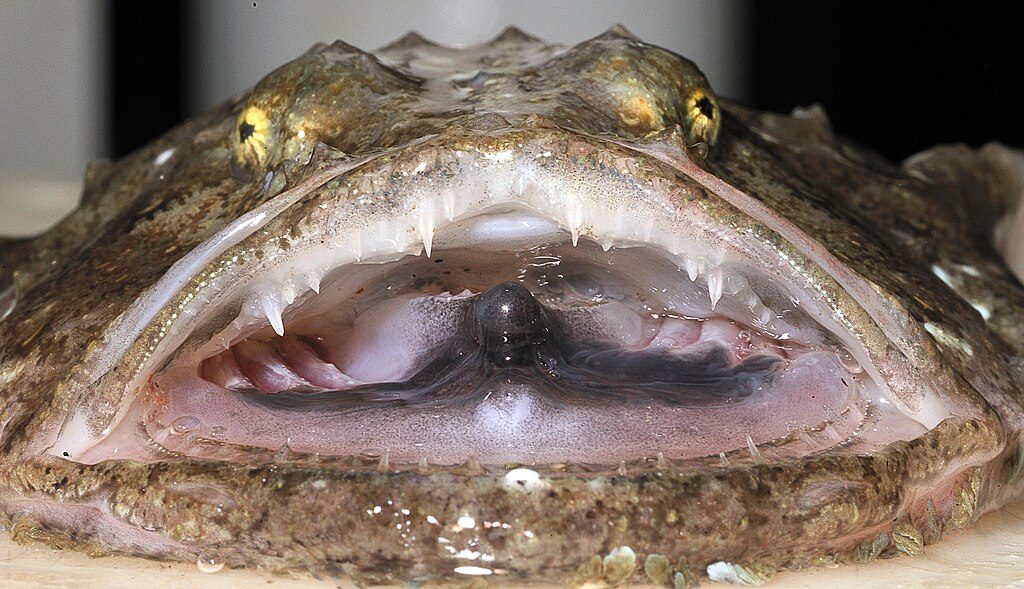
Deep-sea anglerfish have evolved a luminous lure that looks exactly like a small worm or shrimp, and they wave this fake bait in front of their massive mouths to attract hungry fish. The bioluminescent lure is so convincing that prey swim directly into the anglerfish’s jaws while thinking they’re chasing an easy meal.
The deception doesn’t stop there because some anglerfish species can adjust the colour and intensity of their lure to match different types of prey, essentially changing their bait to suit whatever fish they want to catch. It’s like having a tackle box full of different lures built into their own head.
5. Stick insects are living twigs.
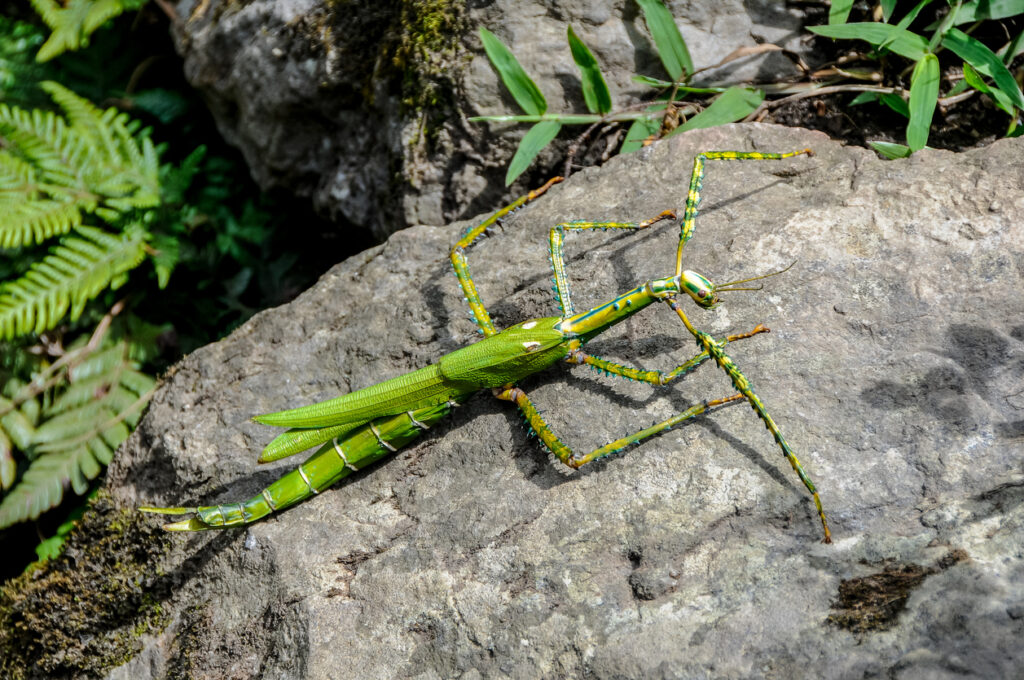
Stick insects have perfected the art of looking like dead branches and twigs, and they enhance their disguise by swaying gently in the breeze to mimic how real twigs move in the wind. Some species even have fake bark patterns, leaf-like extensions, and colour variations that match specific types of plants.
When threatened, many stick insects will drop to the ground and remain completely motionless, looking exactly like fallen twigs amongst leaf litter. Their commitment to the disguise is so complete that they’ll stay perfectly still even when handled, maintaining their act until the perceived danger has passed.
6. Cuckoo birds are master nest parasites.
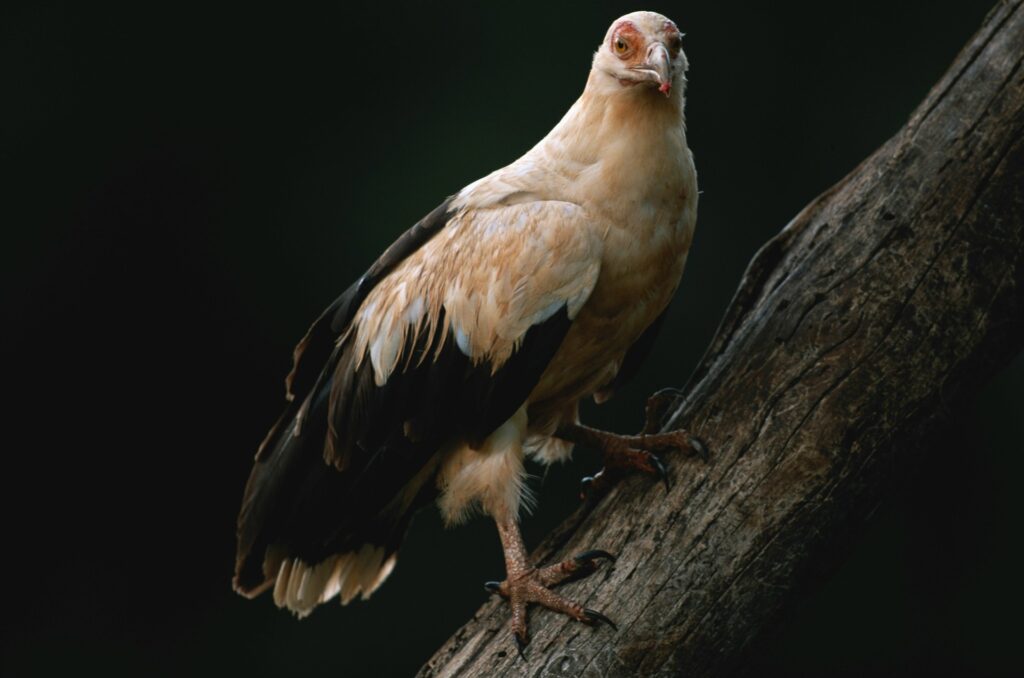
Cuckoos have evolved to lay eggs that perfectly mimic the eggs of their host species, and they’ve learned to time their egg-laying to coincide with the host’s laying period to avoid detection. The female cuckoo can produce eggs that match the size, colour, and pattern of dozens of different bird species.
Once hatched, cuckoo chicks often push the host’s eggs or babies out of the nest and then perfectly mimic the begging calls of the host species to trick the adoptive parents into feeding them. The deception is so complete that host parents will continue feeding the cuckoo chick even when it grows much larger than their own species.
7. Leaf insects disappear into foliage.
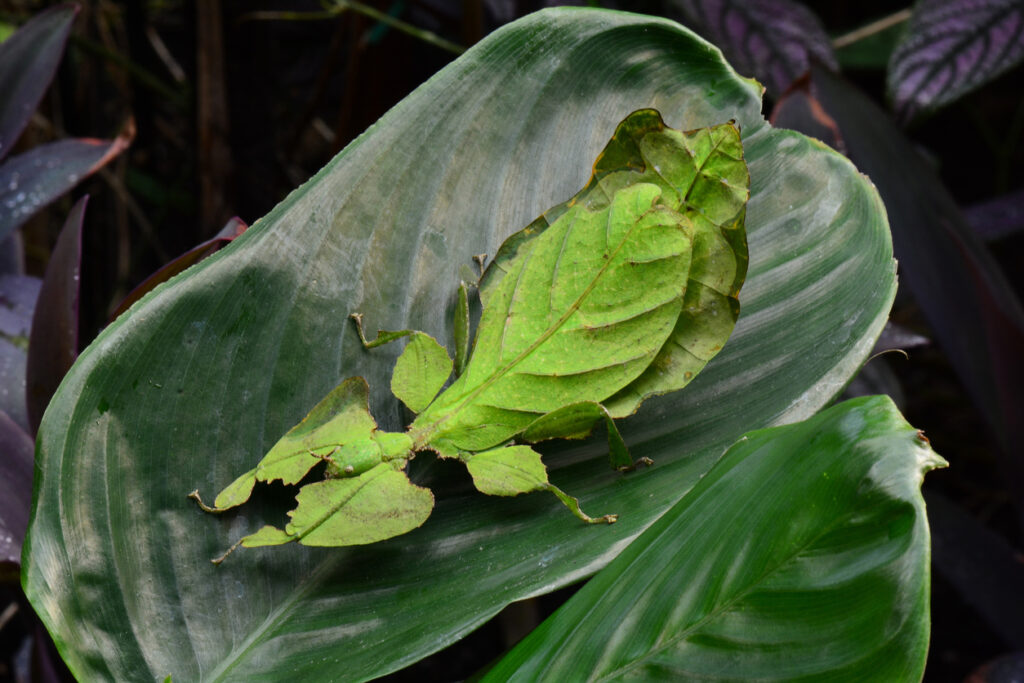
Leaf insects have evolved to look exactly like leaves, complete with realistic veins, brown spots that mimic decay, and even fake bite marks that make them look like leaves that have been nibbled by other insects. Their camouflage is so perfect that they’re almost impossible to spot, even when you know where to look.
These masters of disguise enhance their camouflage by moving in slow, gentle motions that mimic leaves swaying in the breeze, and when threatened, they’ll fall to the ground and curl up to look like dead, dried leaves. Some species can even change colour slightly to match different types of foliage throughout the seasons.
8. Coral snakes and their harmless mimics.
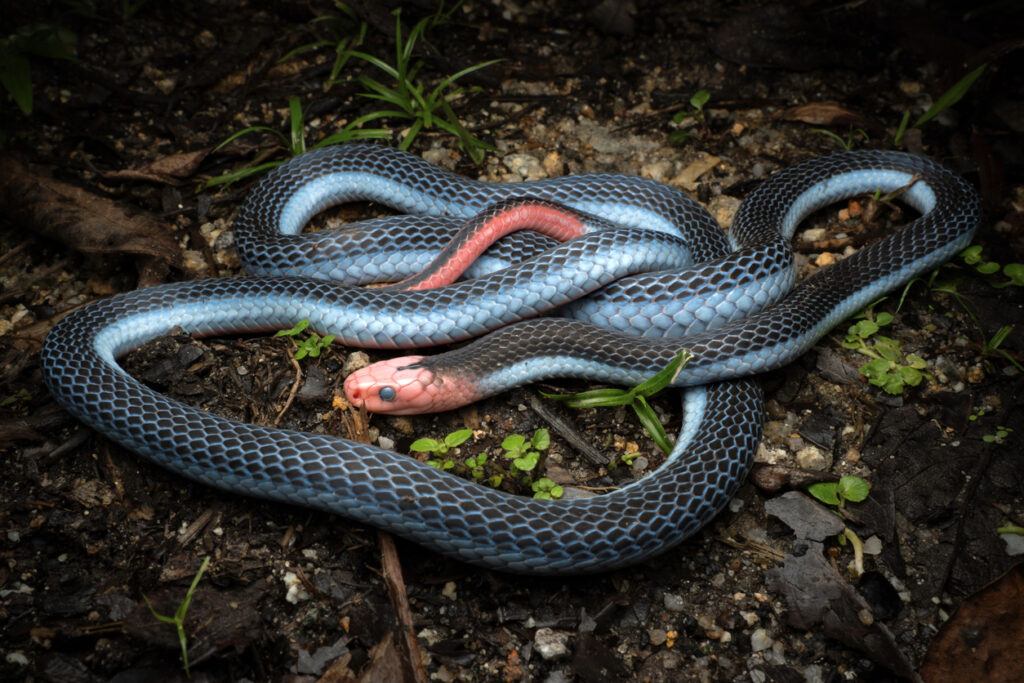
Venomous coral snakes have bright warning colours that advertise their danger, and several harmless snake species have evolved to copy these exact colour patterns to fool predators into thinking they’re also deadly. The mimicry is so precise that even experienced herpetologists sometimes have trouble telling them apart.
That copycat strategy works because predators learn to avoid the bright red, yellow, and black patterns after encountering real coral snakes, so the harmless mimics get protection without having to invest energy in producing actual venom. It’s like wearing a fake designer label that actually provides real benefits.
9. Archerfish use water bullets to hunt.
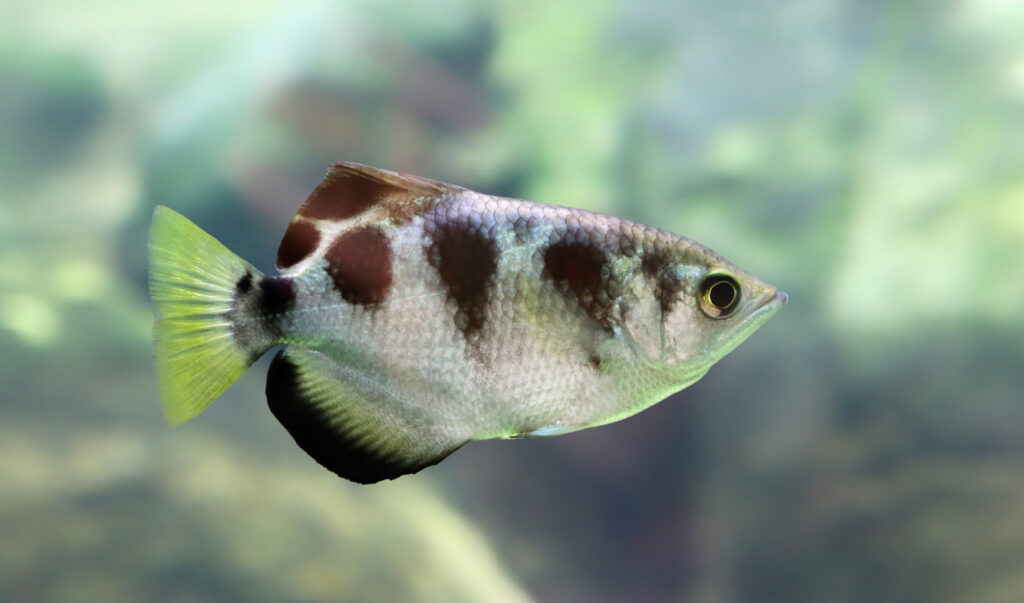
Archerfish have developed an incredible hunting technique where they shoot precise jets of water to knock insects off overhanging branches and into the water, where they can be easily caught. They can hit targets up to six feet away with remarkable accuracy, adjusting for refraction and the movement of their prey.
These aquatic snipers work together in groups, with some fish creating disturbances to make insects move while others line up the perfect shot. They’ve even learned to anticipate where falling prey will land and position themselves accordingly, showing a level of planning that rivals human hunters.
10. Cleaner fish run underwater cleaning stations.
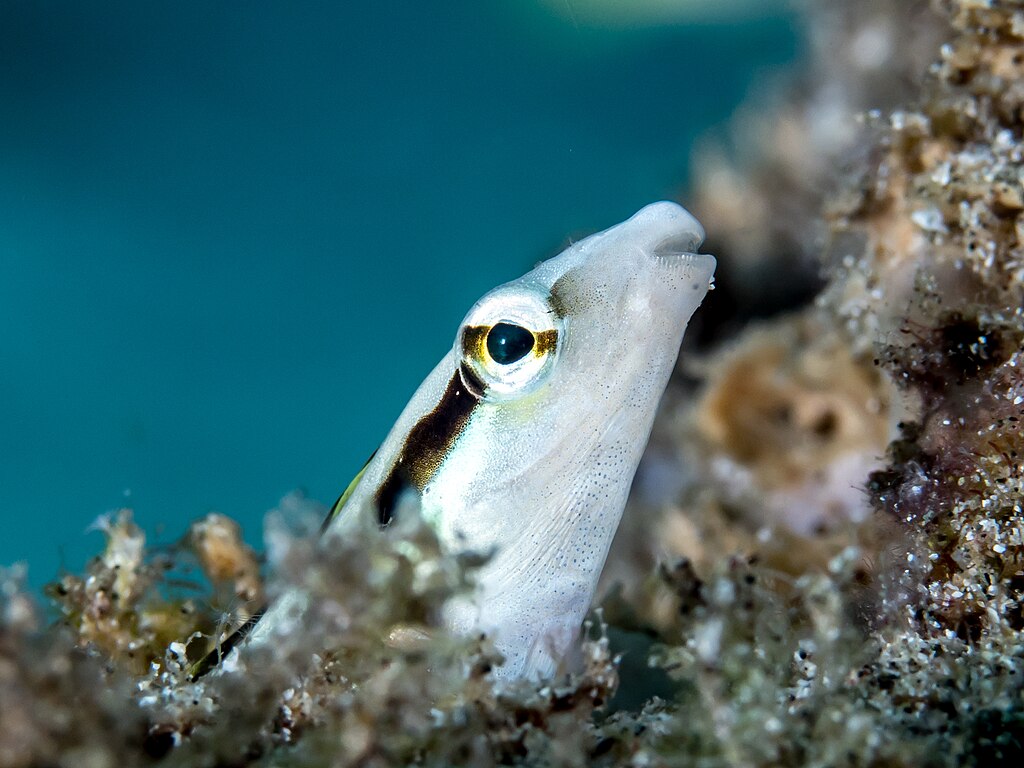
Cleaner fish advertise their services through specific colours and movements that signal to larger fish that they provide parasite removal services, but some sneaky species have learned to mimic these signals to get close to larger fish for completely different reasons. The imposters bite chunks out of their victims instead of removing parasites.
The fake cleaners have evolved to look and behave exactly like the real thing, and they’ve learned to time their attacks perfectly to get a quick bite before the victim realises they’ve been tricked. The deception works so well that the same large fish will often fall for the trick multiple times.
11. Burrowing owls use fake rattlesnake sounds.
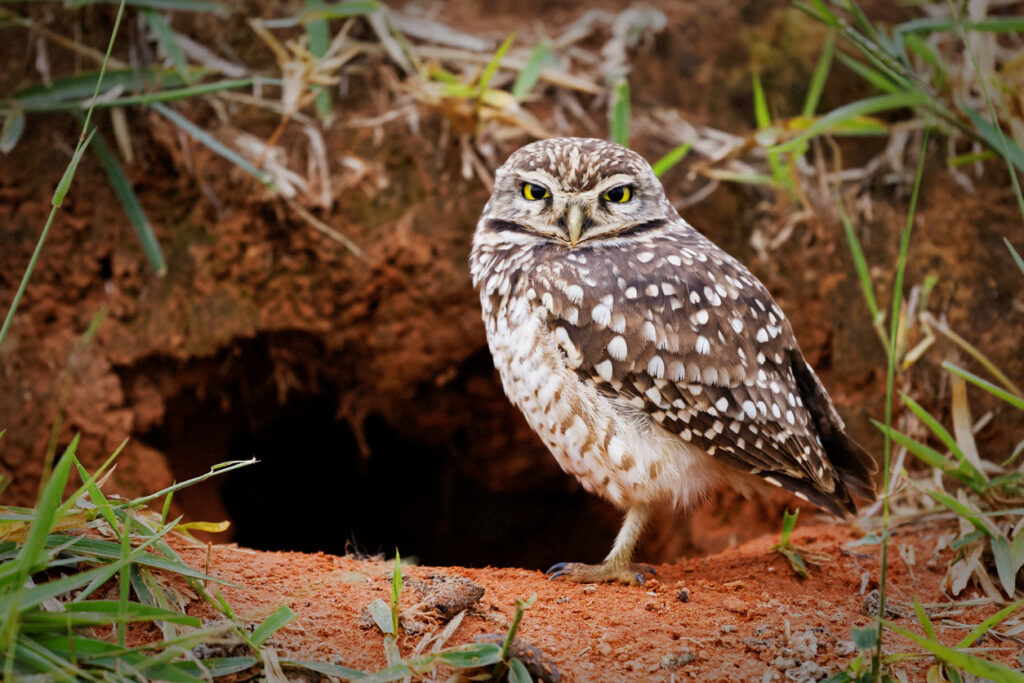
When threatened in their underground burrows, young burrowing owls produce sounds that are virtually identical to rattlesnake warnings, complete with the same pitch, rhythm, and intensity that makes predators think twice about investigating further. The mimicry is so accurate that it fools both animals and humans.
This vocal deception is particularly clever because rattlesnakes often use abandoned burrows as shelter, so the sound coming from underground is completely believable to potential predators. The owls have essentially learned to impersonate one of the most feared sounds in their environment without any of the actual danger.
12. Decorator crabs wear living camouflage.
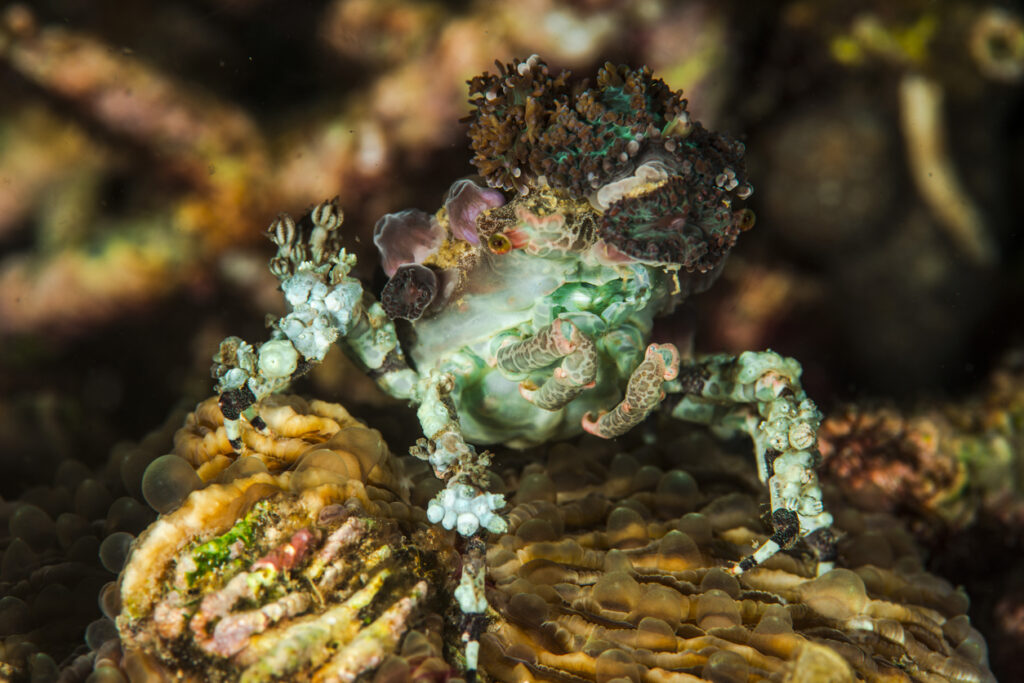
Decorator crabs actively collect and attach living sponges, anemones, algae, and other sea creatures to their shells to create perfect camouflage that moves and grows with them. They carefully select decorations that match their environment and even tend their living disguises like gardeners.
These crabs are so committed to their disguise that they’ll transfer their decorations to new shells when they moult, and they’ll adjust their camouflage based on where they’re living. Some species have learned to attach stinging anemones as both camouflage and protection, creating a living suit of armour that actively defends them.