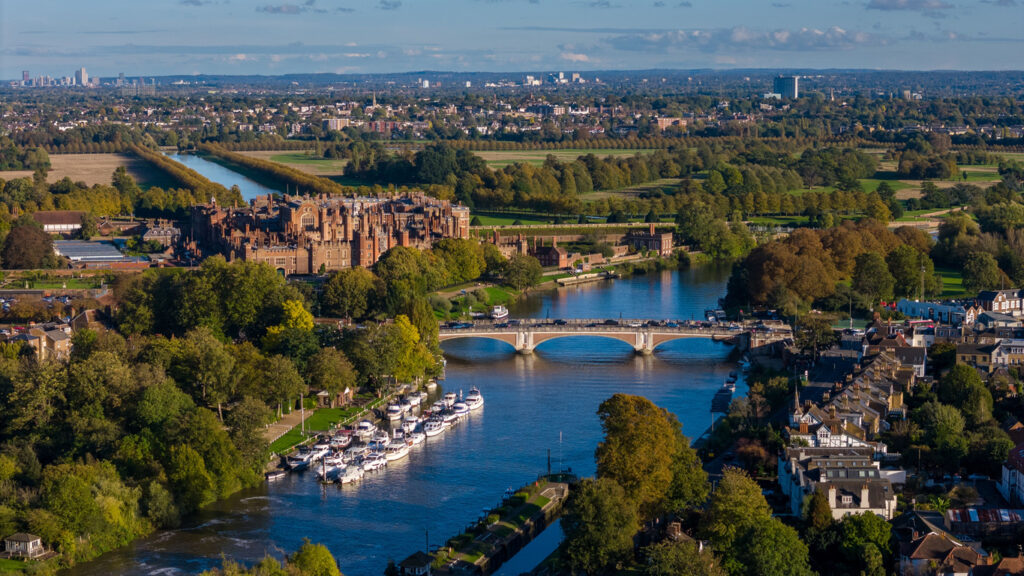
Standing by a river or lake in the UK, you’d hope for crystal-clear water, but the truth is more complicated. Some spots look pristine, yet hide long-standing pollution, and others that seem murkier are doing better than you’d expect. Let’s cut through the guesswork and break down what’s really happening, and what can be done, that’s easier to understand.
Most rivers and lakes fail ecological tests.
Only around 14% of the UK’s rivers and lakes pass ecological checks, according to GOV.UK figures, and things like chemical contamination often fail even more frequently. That means 86% don’t meet the mark for water that’s healthy enough for ecosystems to thrive.
The response? We have to tackle run-off, sewage, and litter at its source, rather than pretending our waters are fine. Improving regulations and investing in clean-up infrastructure will help more places meet those ecological goals.
Sewage spills are still a major issue.
Over 4 million hours of sewage entered rivers and seas last year, which is not something you can relax about. It’s overflowing into waterways over 500,000 times annually, and often alongside booming profits for water firms. Fixing pipes, cracking down on illegal spills, and ending executive bonuses tied to “performance” rather than results should help turn this around, so money stops flowing out of shareholders and into cleaner water.
Some lakes suffer from toxic pollution and bacteria.
Citizen-led tests at Windermere, the UK’s largest lake, revealed sewage bacteria and excess phosphorus in popular areas, despite official reports rating the site as “excellent” based on far fewer samples. This shows that more local, frequent testing using real-time data can catch issues before they become crises, and stop safe-looking lakes from becoming health hazards.
Even official swimming rivers can fail.
The River Wharfe at Ilkley, celebrated as an inland swimming water, has received four poor ratings in a row, despite £60 million in clean-up plans. It’s likely to stay under scrutiny even if it keeps its designation. That gap reveals the need for ongoing monitoring, not just one-time clean-ups, so solutions keep pace with new sources of pollution instead of losing progress over time.
Most popular swim spots aren’t officially tested.
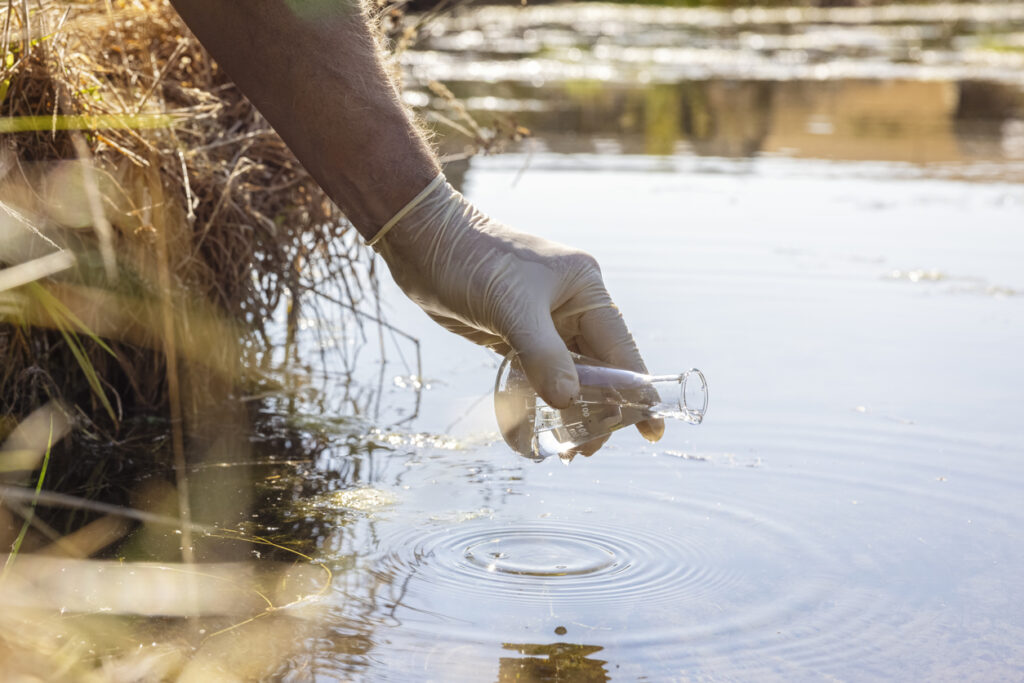
There are over 3,300 sites where people swim, paddleboard, or boat—majorly more than the 450 designated bathing spots that are tracked. That leaves most recreational waterways unchecked and potentially harmful. So we need to expand testing beyond the usual places and seasons. Water bodies used by the public should be monitored year-round, to ensure they’re safe when you want to dive in.
Pollution comes from multiple sources.
Agricultural run-off, sewage overflows, and urban drains all pour contaminants into our waters. Some areas get hit with fertilisers and pesticides, while others see a steady drip of chemicals from roads and gardens. Bringing together farmers, councils, and water firms to coordinate efforts, share resources, and tackle pollution hotspots is key to creating cleaner water across the board.
Some water quality trends are improving.
There has been slow and steady improvement in lowland river quality and in macroinvertebrate populations, like clean-water insects. It shows that restoration projects can deliver real results over time. To keep that momentum, we need sustained commitment, not just one-off projects. Investing in long-term monitoring and management plans will ensure progress keeps going forward.
England is falling behind EU standards.
Since removing some EU water protections post-Brexit, the UK is lagging behind in tackling sewage, microplastics, and chemicals. That puts both wildlife and people at risk compared with our neighbours. So, tightening domestic rules to match, or even exceed, EU levels could make a real difference. Stronger laws would help protect water and bridge the gap we’re seeing in ecological health.
Citizen science is filling data gaps.
Crowdsourced projects are exposing pollution issues that official monitoring misses, and often forcing the issue into the spotlight. When people step up to test and share data, problems get noticed sooner. Supporting these local efforts with tools and training makes trust and clarity stronger because when communities take part, clean-up becomes a shared responsibility.
Wildlife is slowly returning to rivers.
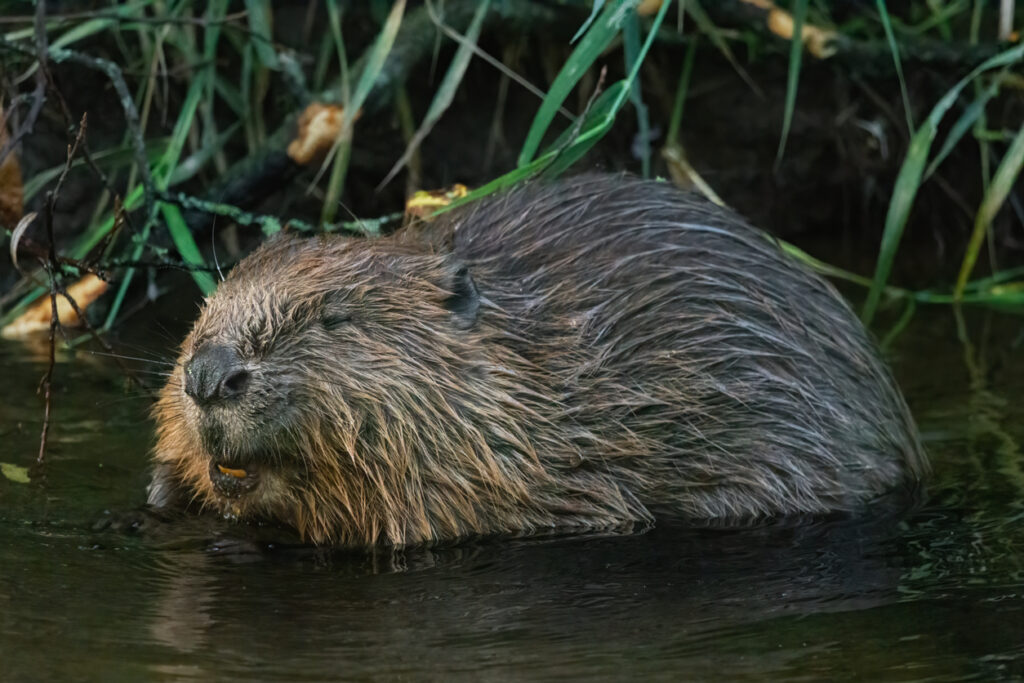
Otters, salmon, and other species are coming back to some of our healthiest rivers after years of decline, showing that ecosystems can heal when conditions improve. We can help that recovery by protecting habitats and giving wildlife room to rebound. Cleaner water isn’t just about us. It’s about bringing life back to rivers.
Pools of algae are a warning sign.
Where you see bright green algae or murky buildups, that’s often a sign of high nutrient pollution. It chokes oxygen from the water and hurts fish, bugs, and plants. Cutting back fertiliser use and investing in better sewage control can reduce these blooms. It also keeps water healthy for people and wildlife alike.
Monitoring and investment are ramping up.
There’s more funding flowing into better sewage infrastructure, inspections, and restoration efforts, along with new powers for enforcing clean-up and banning harmful practices. This means tools and policies are finally catching up, but it’s only meaningful if they turn into sustained action, not just good reporting. Let’s keep pushing until waterways stay clean for good.