Sunflowers have always seemed like the happiest flowers, and they certainly bring a smile to most people’s faces.
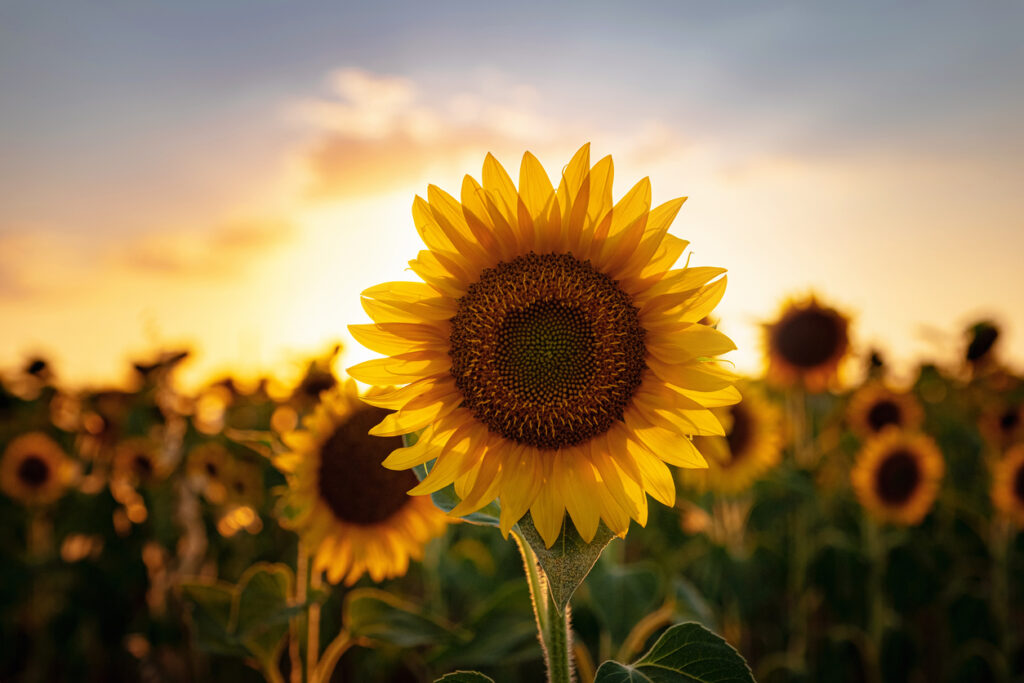
However, there’s a lot more going on behind their bright yellow faces than most people realise. From surprising movements to clever survival tricks, here are the most fascinating facts about sunflowers that prove they’re more than just a cheerful garden plant.
1. They actually move to follow the sun.
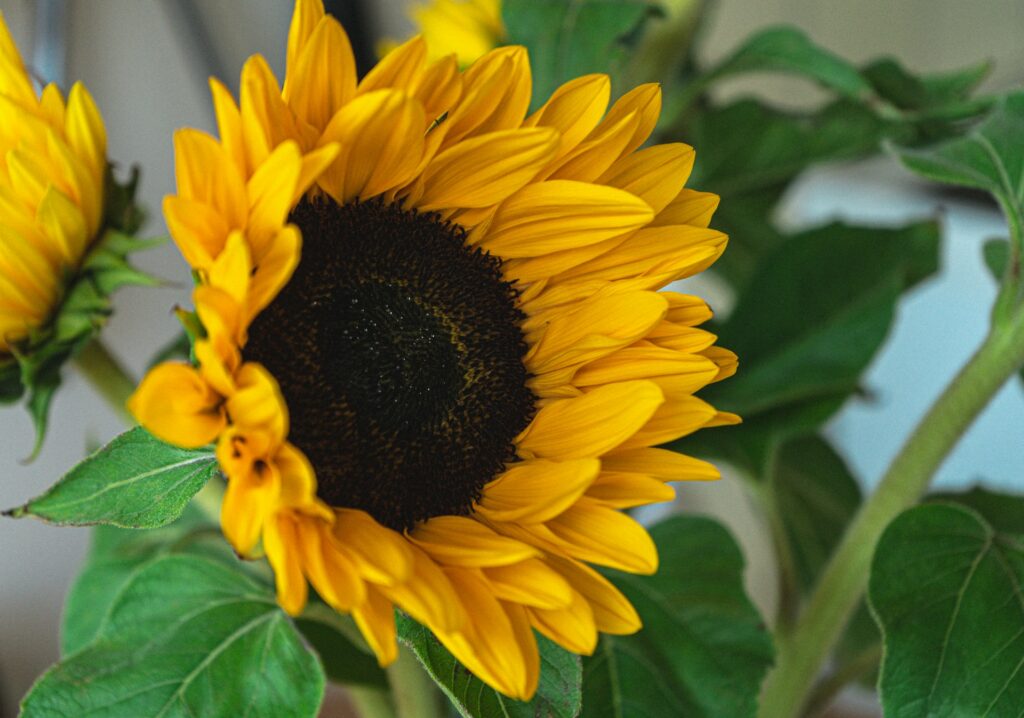
Sunflowers are famous for turning their heads as the sun moves across the sky, a behaviour called heliotropism. Young plants lean east in the morning and gradually turn west throughout the day before resetting overnight, which means they’re constantly adjusting to get maximum light.
That movement helps them soak up as much energy as possible, and more light means faster growth and stronger development. Once they mature, most flowers settle facing east because it keeps them warmer, and that warmth makes them even more appealing to bees and other pollinators.
2. They ‘dance’ together in fields.
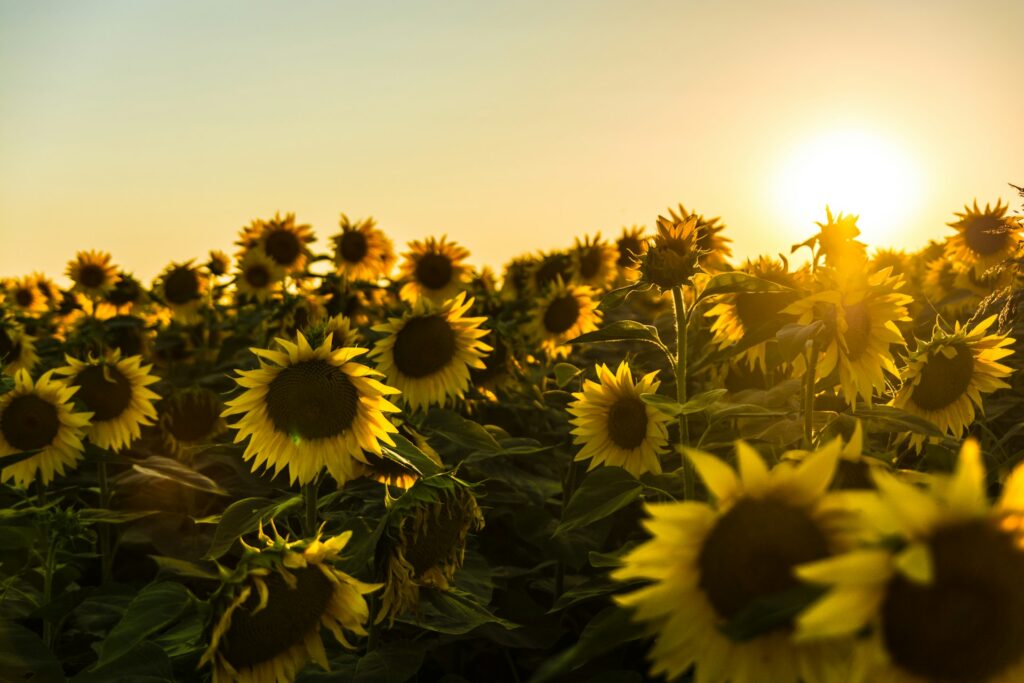
When planted closely, sunflower stems subtly move and sway to avoid shading one another. This gentle movement almost looks like a slow, synchronised dance, and it’s a clever way of ensuring every plant gets its fair share of sunlight.
The behaviour shows how even plants adapt socially to their environment because instead of competing too aggressively, they make adjustments to grow together. This cooperation is part of the reason sunflower fields look so evenly spaced and striking to the eye.
3. They can grow to staggering heights.
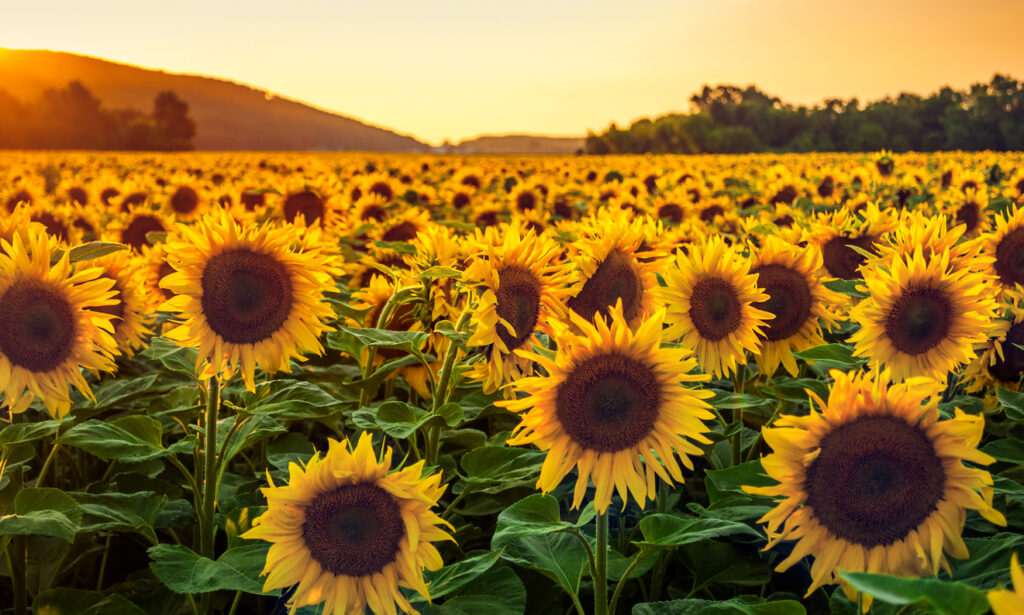
While most garden sunflowers grow to six or ten feet tall, certain varieties shoot up much higher. The tallest on record measured over thirty feet, towering above houses and looking almost too dramatic to be real.
Gardeners can encourage taller growth by planting in nutrient-rich soil and making sure the plants get plenty of sun and water. These giants remind us of how much potential lies in a single seed when the conditions are perfect.
4. They’re natural pollinator magnets.
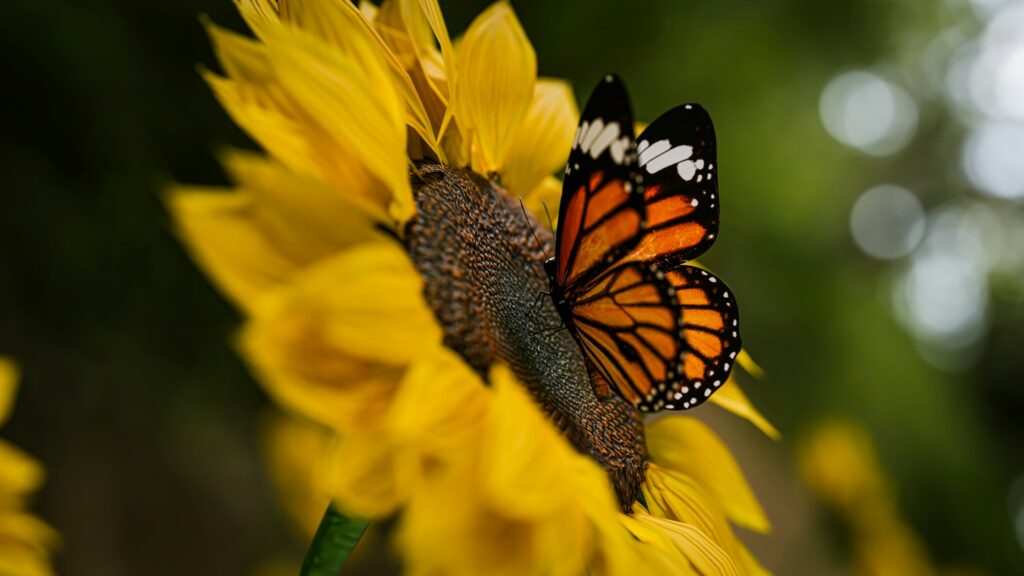
The wide, flat heads of sunflowers are like landing pads for bees, butterflies, and even beetles. Each flower is made up of hundreds of tiny florets, which means there’s no shortage of nectar and pollen for visiting insects.
This constant traffic doesn’t just help the sunflower reproduce, it also benefits nearby crops. That’s why farmers often plant sunflowers at the edges of fields because they know pollinators drawn to the flowers will also visit fruit and vegetable plants.
5. They produce edible seeds packed with nutrients.
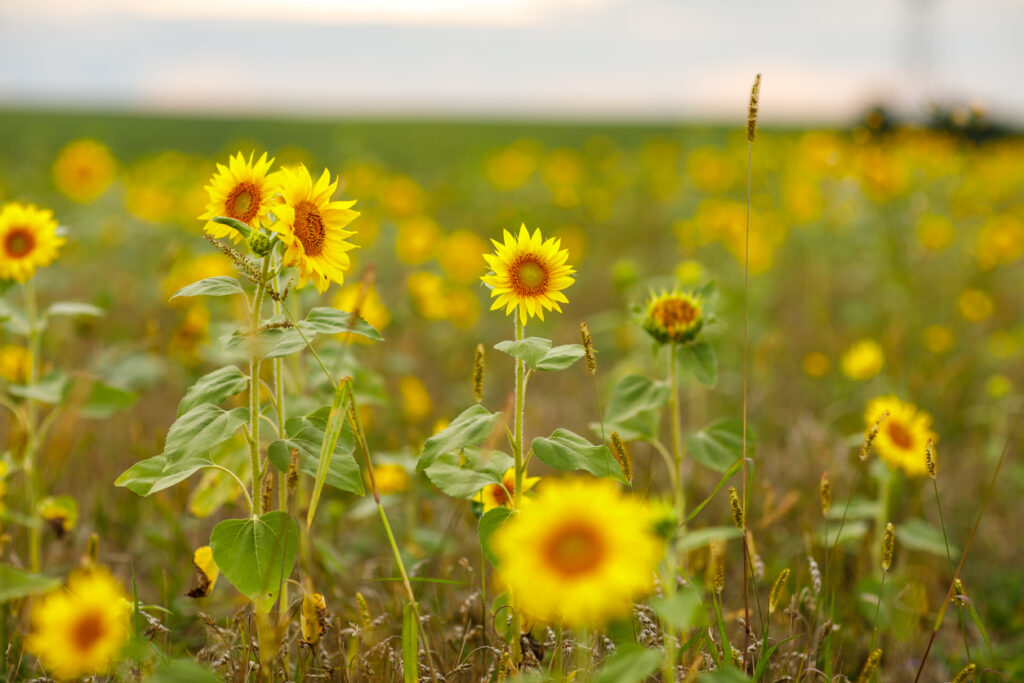
Sunflower seeds aren’t just for birds because they’ve been part of human diets for centuries. They’re full of protein, vitamin E, and healthy fats, which makes them both nutritious and filling. Whether roasted, salted, or eaten raw, they’re an easy snack that provides quick energy, and the oil pressed from the seeds is one of the most widely used cooking oils in kitchens around the world.
6. Their roots help clean up soil.
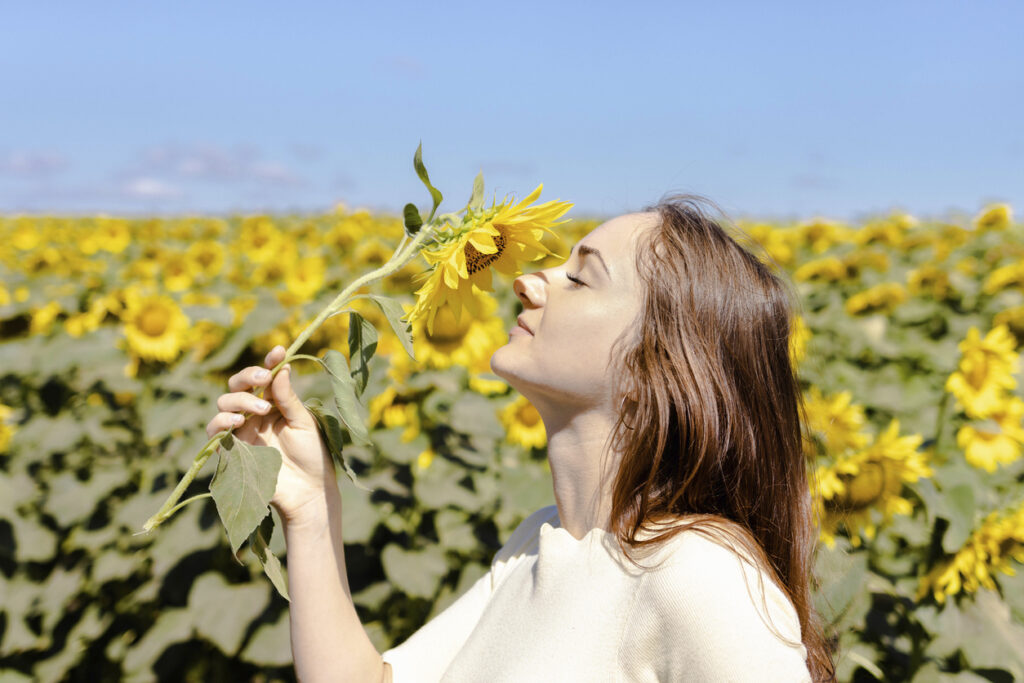
Sunflowers have an impressive ability to absorb toxins and heavy metals from the soil, a process known as phytoremediation. After events like Chernobyl, sunflowers were planted to help draw harmful substances out of contaminated ground.
Although they can’t solve every issue, their ability to improve soil conditions shows how plants can play a role in repairing damaged environments. It’s a simple but powerful example of nature lending a hand in recovery.
7. They grow better in groups.
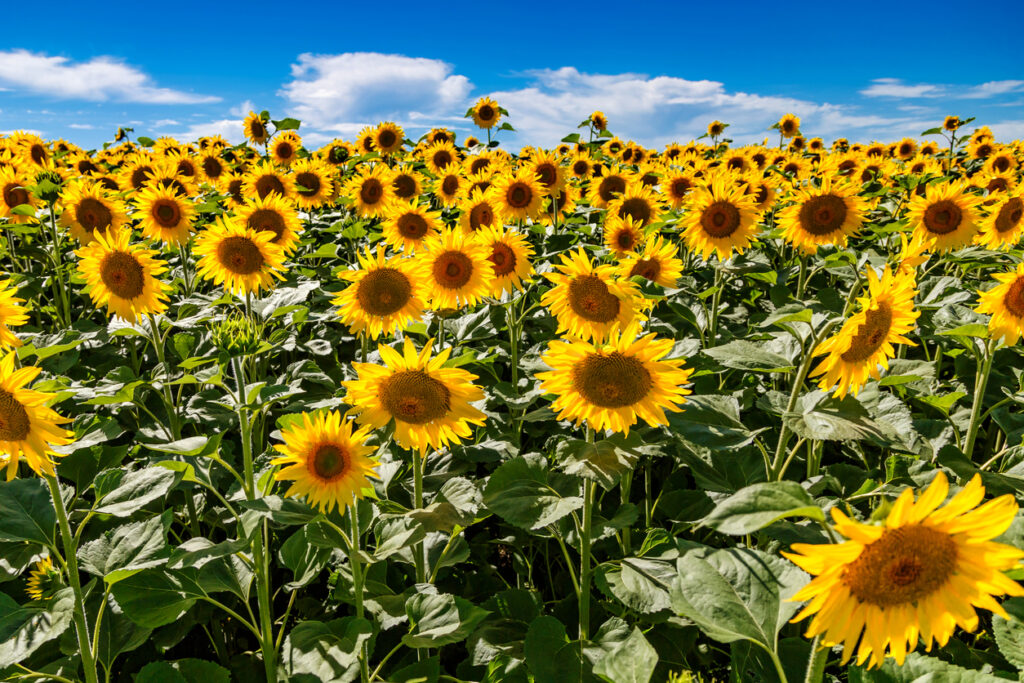
A single sunflower looks lovely, but groups of them tend to thrive far more. They create a small ecosystem together, protecting one another from wind and encouraging each other to grow taller and stronger. That group advantage explains why fields of sunflowers are so striking. Together, they create a sense of strength and resilience that a lone plant can’t always manage on its own.
8. Their faces are made of spirals.
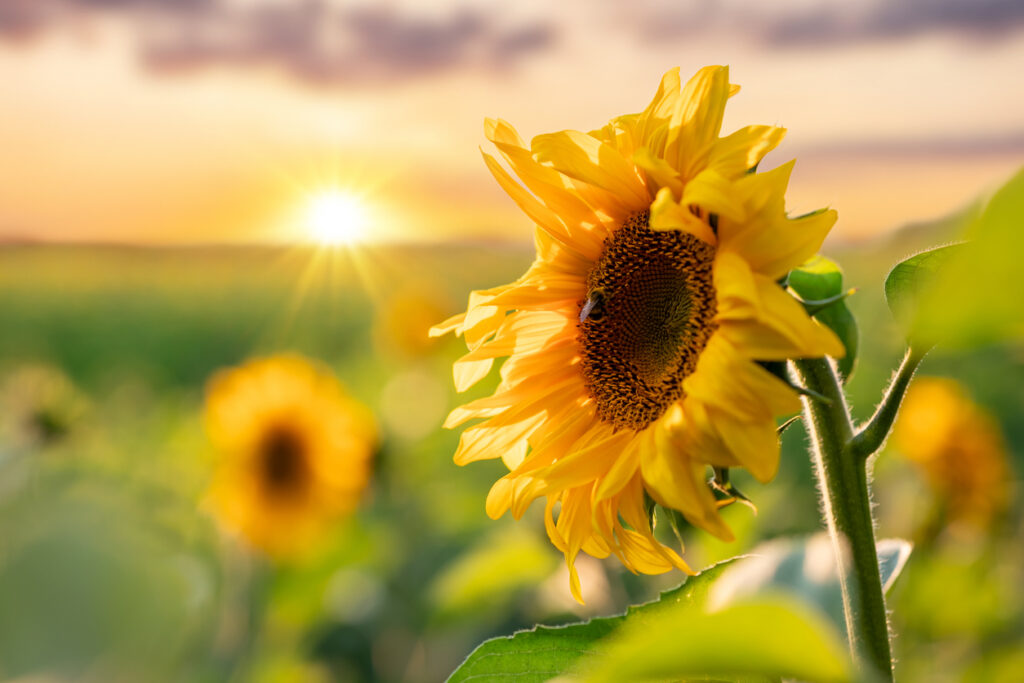
If you study the centre of a sunflower closely, you’ll notice intricate spiral patterns. This arrangement follows the Fibonacci sequence, which is a mathematical order that plants naturally use to make the most of space. The result isn’t just beautiful, it’s also highly efficient. Each tiny floret is perfectly positioned to grow into a seed without wasting any room, which explains why sunflowers are so famously abundant.
9. They symbolise positivity across cultures.

Sunflowers have long been linked with joy, loyalty, and strength. Many cultures gift them to bring good luck or to brighten someone’s spirits, especially during difficult times. That symbolism feels natural because their golden faces have a way of lifting moods. Whether in a bouquet or a garden bed, they’re one of the easiest flowers to associate with positivity.
10. They’re surprisingly resilient.
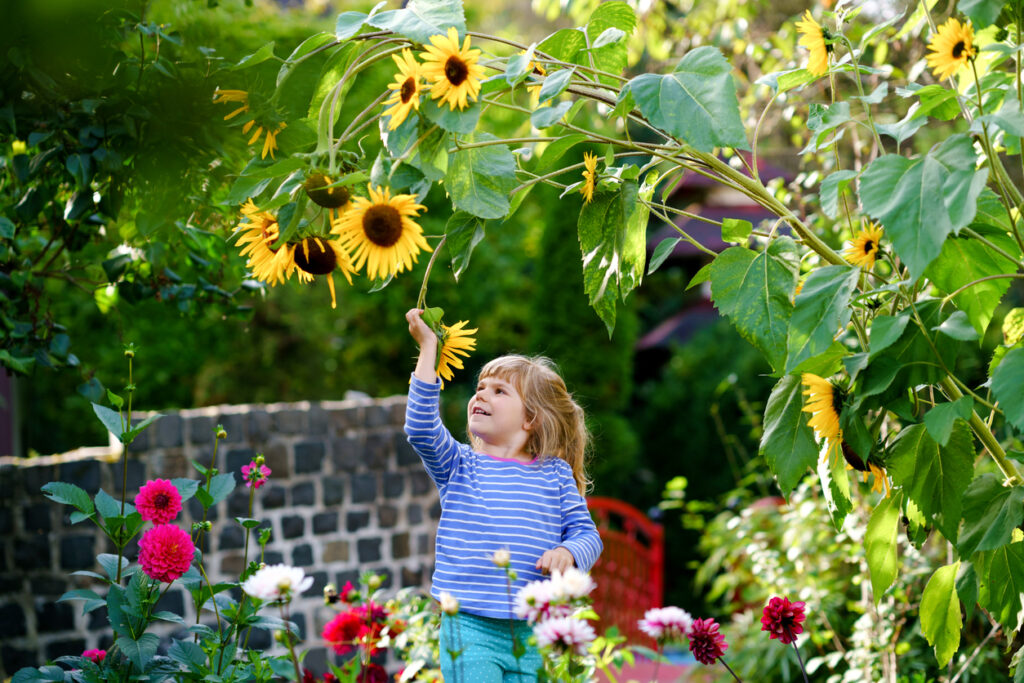
Despite their cheerful appearance, sunflowers can handle a lot more than you’d expect. They’re drought-tolerant, they can grow in poor soils, and they adapt quickly to a variety of climates. That resilience is why they’re grown across so many regions, from small UK gardens to huge fields across Europe and North America. They prove that beauty and toughness often go hand in hand.
11. They support biodiversity.
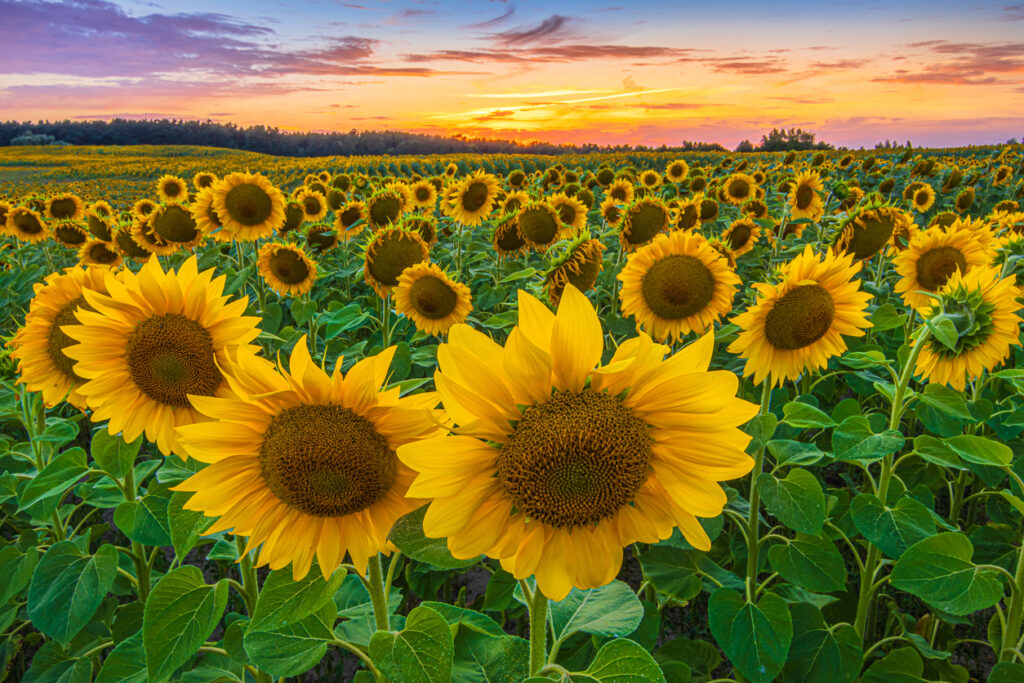
As soon as seeds begin to develop, sunflowers become a valuable food source. Birds, squirrels, and even insects depend on them as summer turns into autumn, and that makes them a lifeline in many areas. Their ability to provide sustenance shows how important they are in ecosystems. Their role goes far beyond decoration because they actively sustain wildlife throughout the year.
12. They keep inspiring human creativity.
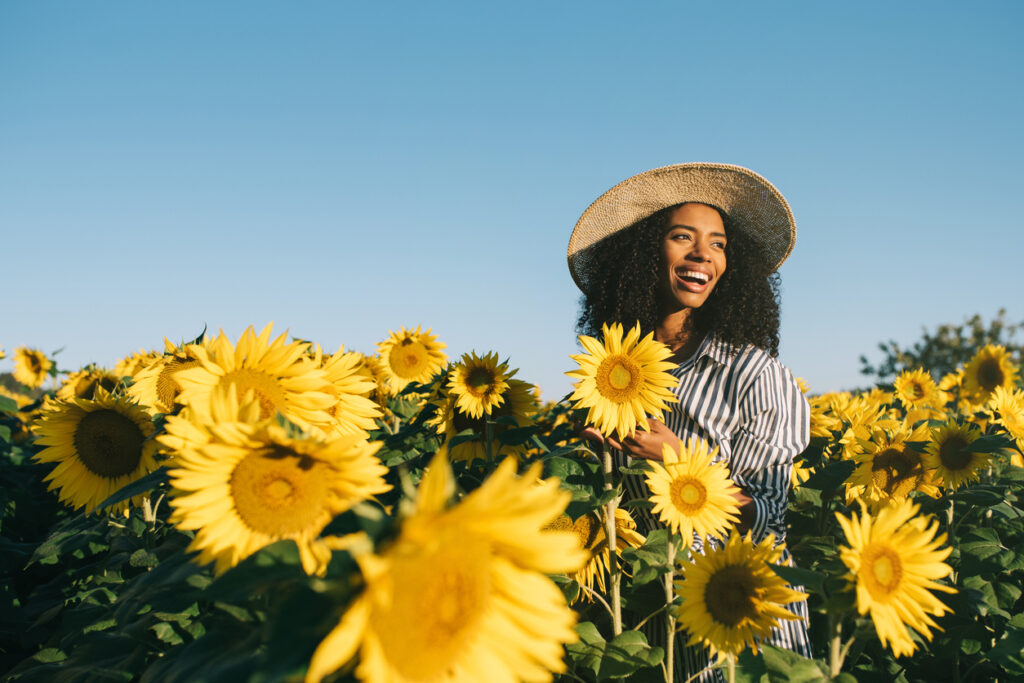
From Van Gogh’s paintings to modern-day prints and fashion designs, sunflowers are one of the most commonly depicted flowers in art. Their bold shape and vivid colour keep them timelessly appealing. They also appear in festivals and cultural traditions, symbolising growth, optimism, and renewal. Their blend of science and symbolism means they’re likely to keep inspiring for generations to come.