Most of us grew up thinking that grabbing a handful of wildflowers from a hedgerow was just a bit of harmless fun, but the law in the UK is actually a lot stricter than you might reckon.
While the old “don’t pick the bluebells” rule is common knowledge, there are dozens of rare species that are protected by serious legislation, meaning you could end up with a hefty fine or even a criminal record for the sake of a nice bouquet. It isn’t just about protecting the odd rare orchid, either; the rules are there to make sure our local ecosystems don’t get completely stripped by people who don’t know any better.
From ancient woodland flowers to specific weeds that look like nothing special, these 12 plants are strictly off-limits to anyone without a special permit. Knowing which ones to leave well alone helps keep the countryside intact and ensures you don’t get a tap on the shoulder from a park ranger or a copper for simply being a bit too keen with your gardening shears.
1. Wild orchids of any species are completely off limits.
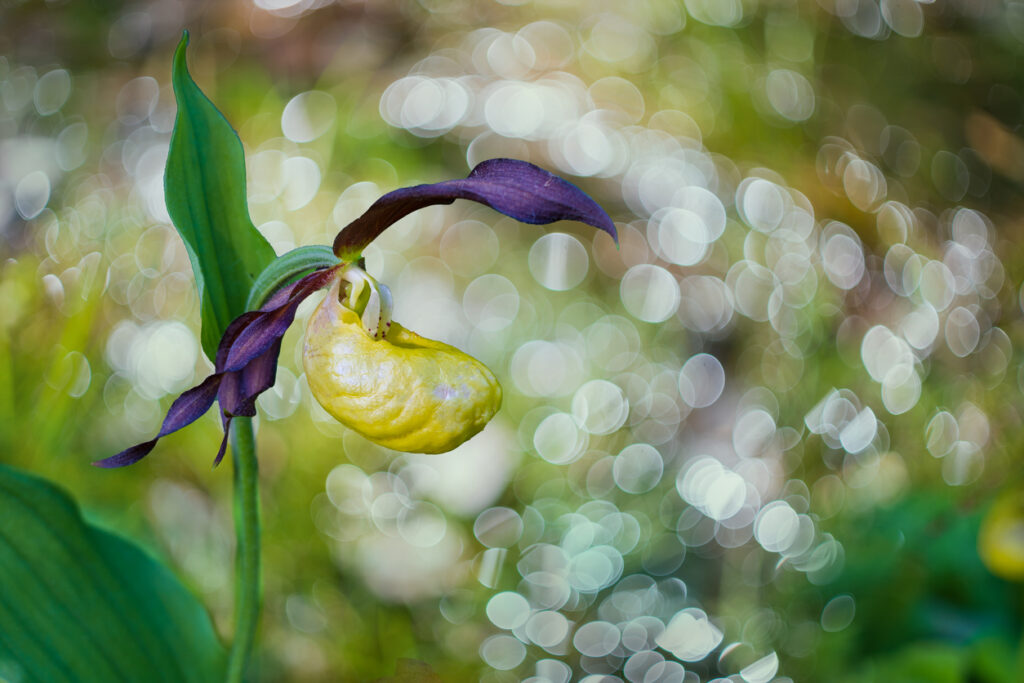
All wild orchids in the UK are protected under the Wildlife and Countryside Act 1981, making it illegal to pick, uproot, or damage them in any way. Britain has over 50 orchid species, from common spotted orchids to incredibly rare lady’s slipper orchids, and they’re all covered by the same protection.
These plants are particularly vulnerable because they rely on specific fungi in the soil to survive and take years to reach flowering age. Picking even common orchids is illegal because enforcement officers can’t tell if you knew which species it was, so the law just protects them all. If you’re caught, you could face fines up to £5,000 per plant.
2. Bluebells are protected and picking them is actually illegal.
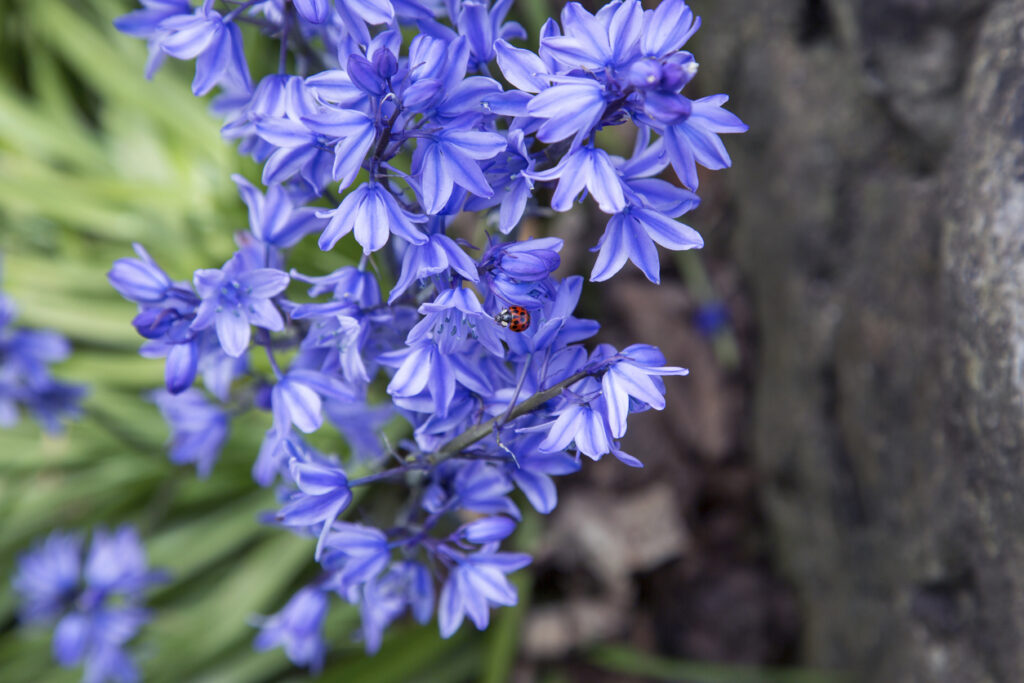
Despite what many people think, you cannot legally pick wild bluebells in the UK. They’re protected under the same legislation that covers orchids, and whilst the law is rarely enforced for casual picking, it’s still technically illegal. The protection exists because of commercial bulb harvesting that was decimating populations, but it applies to individuals too.
You can pick bluebells from your own garden, but taking them from woods or public land breaks the law. The confusion exists because enforcement is inconsistent, so people assume it’s allowed when it absolutely isn’t.
3. Lady’s slipper orchid carries the strictest protection in Britain.
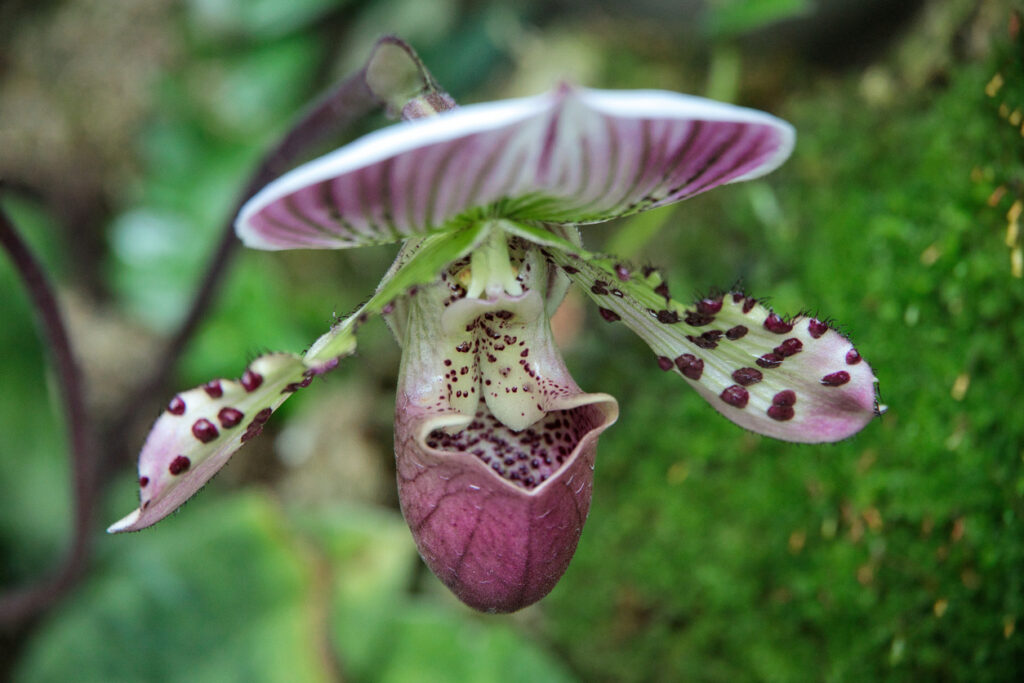
This is one of the rarest plants in the country, with only one natural site remaining in North Yorkshire that’s kept secret and guarded. It’s a Schedule 8 protected species, meaning even approaching the plants with intent to photograph them too closely could theoretically be illegal.
The lady’s slipper was driven to near extinction by Victorian collectors who dug them up for private gardens. Now it’s so rare that every remaining plant is monitored, and disturbing them in any way can result in criminal prosecution and unlimited fines. Reintroduction programmes exist, but the wild population remains critically endangered.
4. Ghost orchid is protected, but hasn’t been seen in decades.
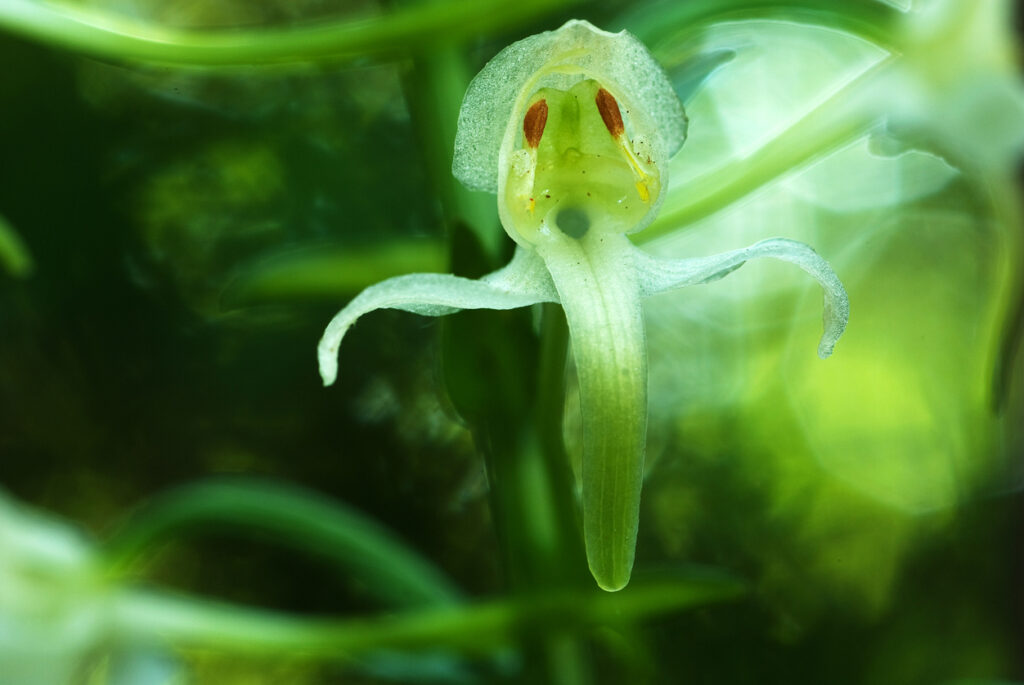
This incredibly rare orchid is legally protected despite possibly being extinct in Britain, with the last confirmed sighting in 2009. It grows in deep beech woods and is almost impossible to find because it has no leaves and only appears above ground when flowering.
The ghost orchid is protected just in case any populations still exist undiscovered. Finding one and picking it would be a serious criminal offence, though given how rare they are, you’d be extraordinarily unlucky to stumble across one. The protection remains in place to prevent anyone who does find one from collecting it.
5. Snowdrops are protected when growing wild, but not in gardens.

Wild snowdrops are protected, meaning you can’t dig them up from woodlands or verges, but garden snowdrops can be picked freely. The law targets people who were harvesting wild bulbs commercially or for private gardens, depleting natural populations.
Many people don’t realise the distinction exists and assume all snowdrops can be picked because they’re so common in gardens. If they’re growing wild in ancient woodland, they’re protected. If they’re in your garden or a park where they’ve been planted, you’re fine to pick them. The problem is proving where they came from if you’re caught.
6. Wild daffodils have protection that cultivated ones don’t.
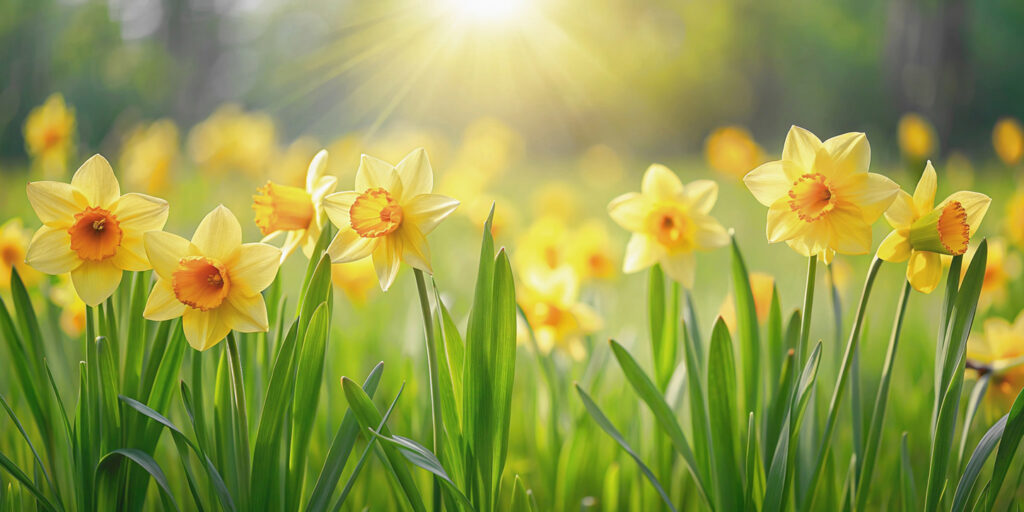
Native wild daffodils are much smaller and paler than the big yellow cultivated varieties, and they’re protected in their natural habitats. These grow in specific ancient woodlands and meadows, particularly in Wales and the West Country. The protection exists because their habitats are threatened, and they don’t regenerate quickly once damaged.
Picking garden daffodils is completely legal, but taking wild ones from protected sites isn’t. Most people can’t tell the difference between wild and cultivated varieties, which is partly why the law exists to protect any that might be native species.
7. Rare ferns are protected and valuable on the black market.
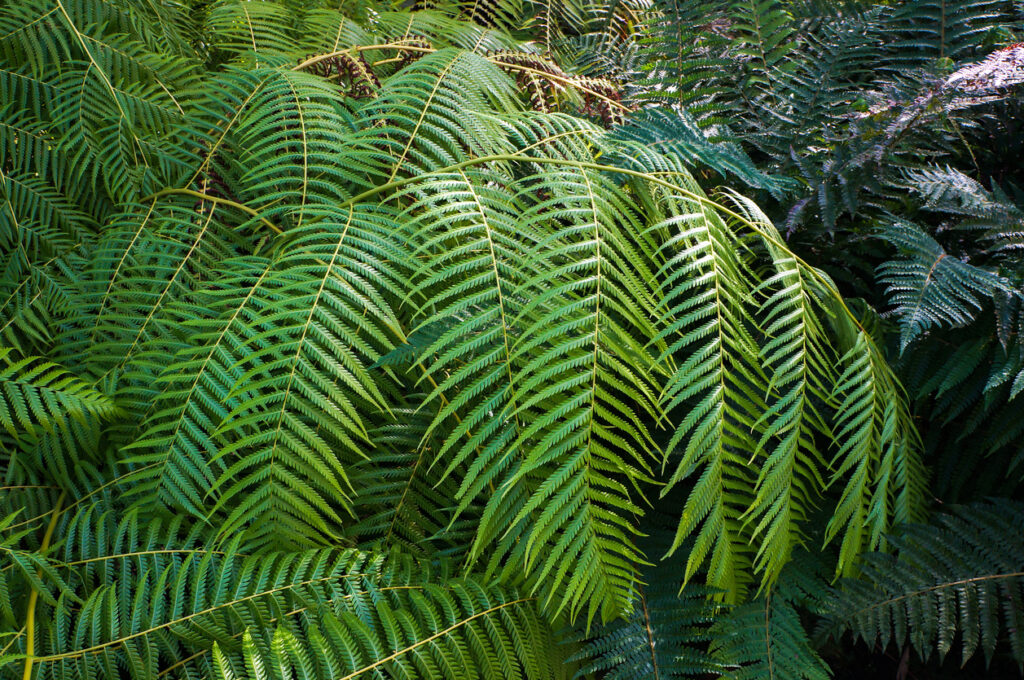
Several fern species are protected under Schedule 8, including Killarney fern and Dickie’s bladder fern. These were nearly wiped out by Victorian fern collectors, who created a craze for rare specimens. Some are so rare that their locations are kept secret because collectors still target them.
The black market for rare plants still exists, and protected ferns can sell for significant amounts illegally. Getting caught removing protected ferns from the wild results in criminal prosecution, and some sites are monitored specifically to prevent theft of these plants.
8. Primroses are protected from uprooting, but not from picking flowers.

You can pick primrose flowers legally, but digging up the plants or removing them with roots attached is illegal. This distinction exists because the law primarily aims to prevent habitat destruction and commercial harvesting, rather than stopping people picking a few flowers.
Primroses were being dug up by the thousands for gardens, which was destroying wild populations. The flowers themselves regenerate, but removing the whole plant kills it. Technically, you could still face issues if you’re picking flowers in a nature reserve or protected site, where different rules apply.
9. Pasque flower is one of Britain’s rarest protected species.
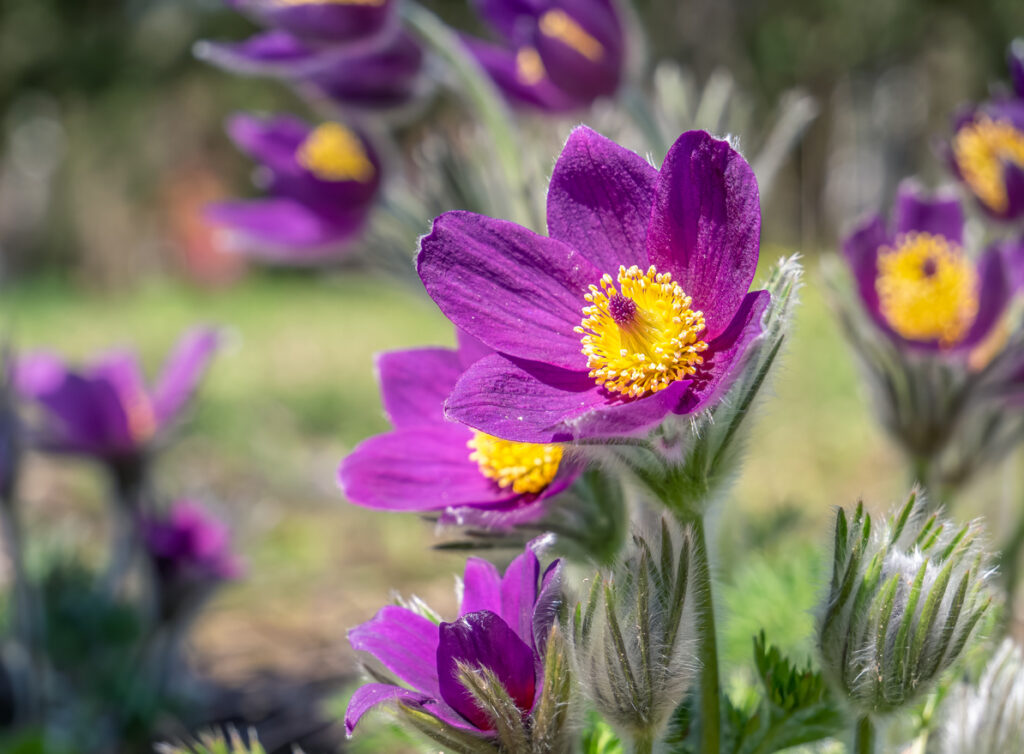
This stunning purple flower only grows on ancient chalk grassland and is legally protected because its habitat is so threatened. There are fewer than 20 sites in England where it still grows wild, making it incredibly rare. Pasque flower populations declined by over 80% in the 20th century due to habitat loss and over-collection.
It’s now a criminal offence to pick, uproot, or damage these plants in any way. Most people will never see one in the wild, but if you do, touching it could land you in legal trouble.
10. Red helleborine orchid is protected and extremely rare.
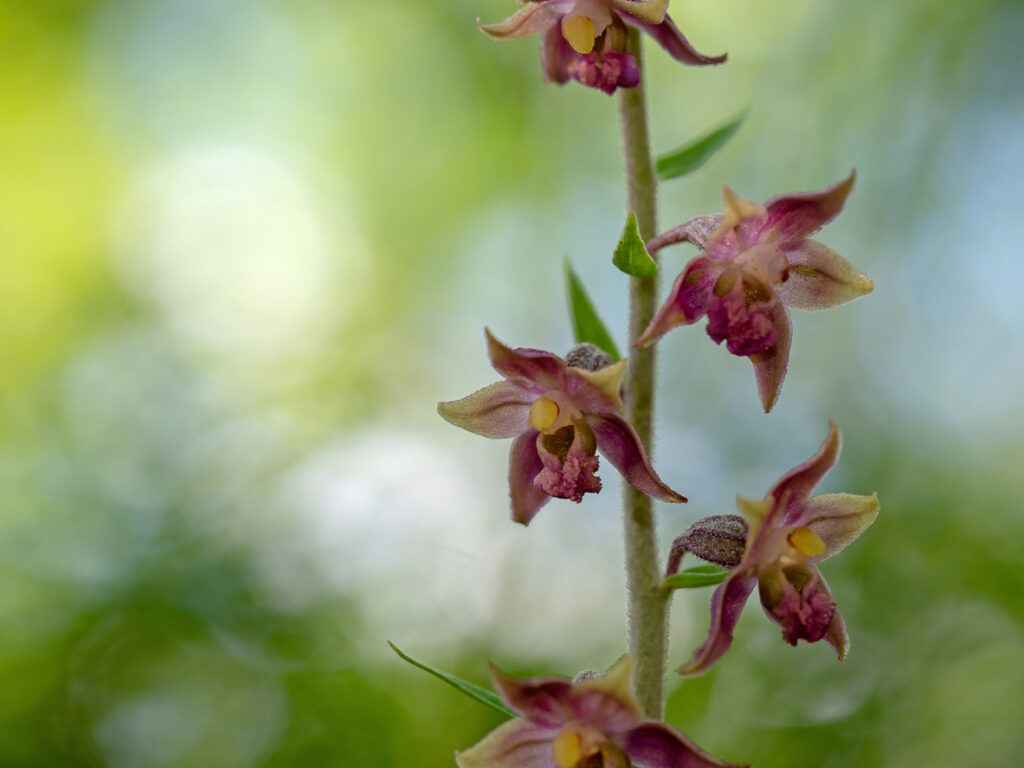
This orchid only grows in a handful of locations in Britain, mostly in beech woods in the Chilterns and Cotswolds. It’s a Schedule 8 protected species, and even photographing it too closely at some sites requires permission. The red helleborine is vulnerable to trampling and habitat disturbance, which is why laws protect it so strictly.
Finding one is remarkable because they’re so scarce, and anyone caught picking or damaging one faces serious penalties. Conservation efforts focus on protecting the few remaining populations.
11. Military orchid has complete legal protection.
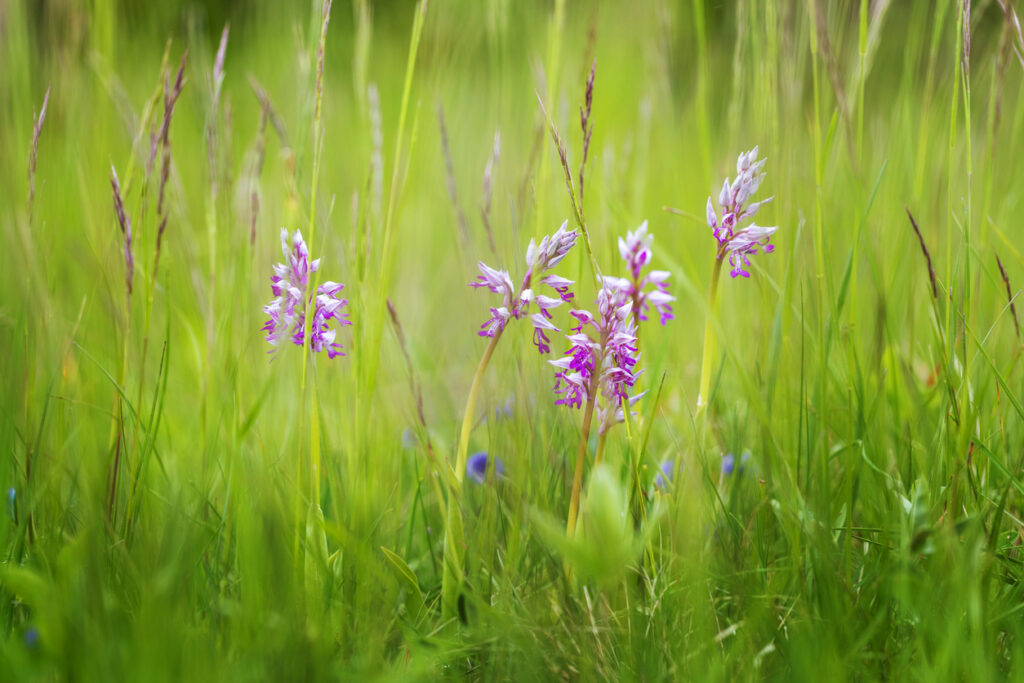
Named because the flowers supposedly look like tiny soldiers, this orchid is one of Britain’s rarest, with only a few sites in Buckinghamshire and Suffolk. It’s protected under Schedule 8, and the locations where it grows are often kept confidential to prevent collectors from targeting them.
The military orchid nearly went extinct in Britain and only survives through careful conservation. Picking, uprooting, or even disturbing these plants is illegal and can result in prosecution. Most Brits will never see one outside of botanical gardens.
12. Early spider orchid is protected and only found in Kent and Dorset.
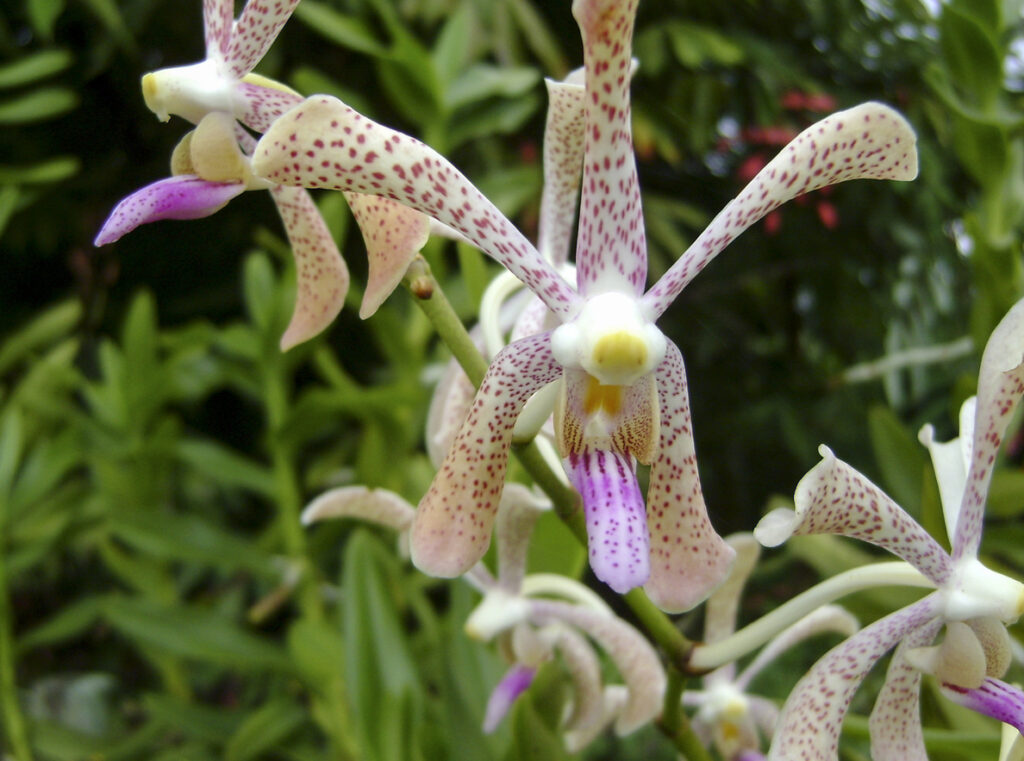
This orchid mimics a female spider to attract male bees for pollination and only grows in a few coastal locations. It’s fully protected under wildlife legislation because its habitat is so limited and vulnerable to development and erosion. The early spider orchid is threatened by climate change and habitat loss, making legal protection crucial for its survival. Picking or damaging these plants carries the same penalties as other Schedule 8 species, including fines and criminal records. They flower briefly in spring, and their rarity makes them targets for illegal collectors.
The penalties for picking protected plants might seem harsh, but these laws exist because many species were nearly collected to extinction. If you’re unsure whether something’s protected, the safest approach is to leave it alone and just enjoy it where it grows. Photographing plants is always legal and doesn’t damage populations, so that’s the best way to appreciate Britain’s rare flora without risking prosecution.