Most of us imagine ocean extinctions as a massive, blockbuster event where everything dies off at once.

In reality, it doesn’t happen with a bang. Marine animals tend to thin out slowly, generation by generation, until we suddenly wake up and realise they’re practically gone. The scary part is that a lot of this is happening right now, within our own lifetimes. Because the surface of the water looks much the same as it always has, it’s easy to miss the fact that the life beneath it is fading away.
Coral reefs are losing their builders, not just their colour.
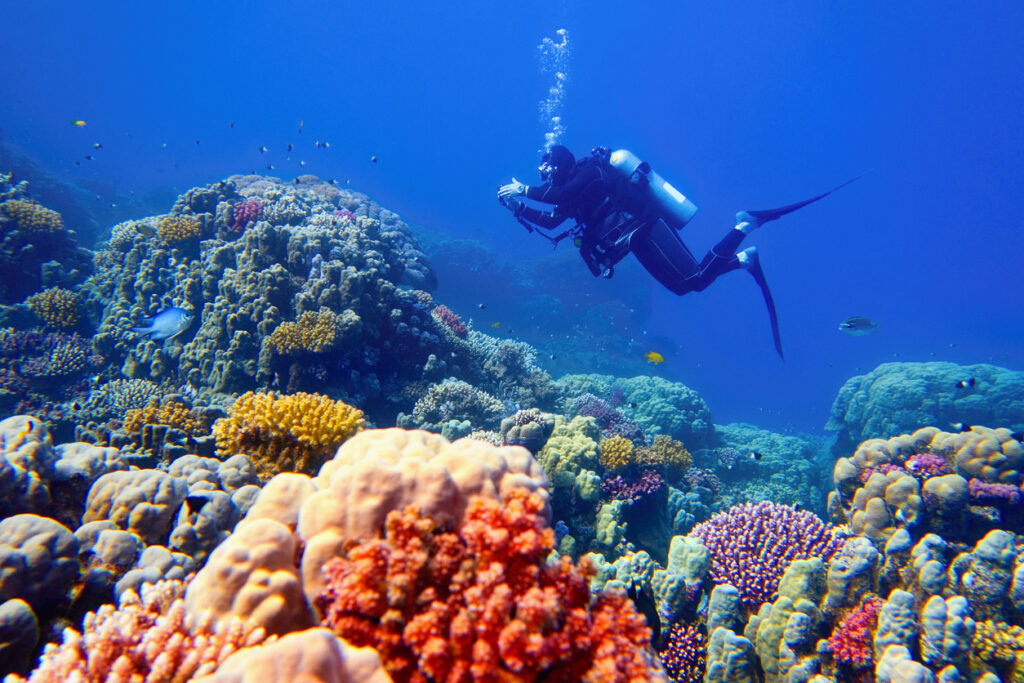
When you hear about coral reefs, you probably think of those bright colours turning white, but it’s not just a change in look. The actual animals that build the reefs are dying off. As the water gets warmer and more acidic, these tiny creatures struggle to grow or even survive. When the coral goes, the whole neighbourhood falls apart. All the fish and little critters that use the reef for shelter or a place to have babies suddenly have nowhere to go. It’s a total breakdown of one of the most important systems in the sea.
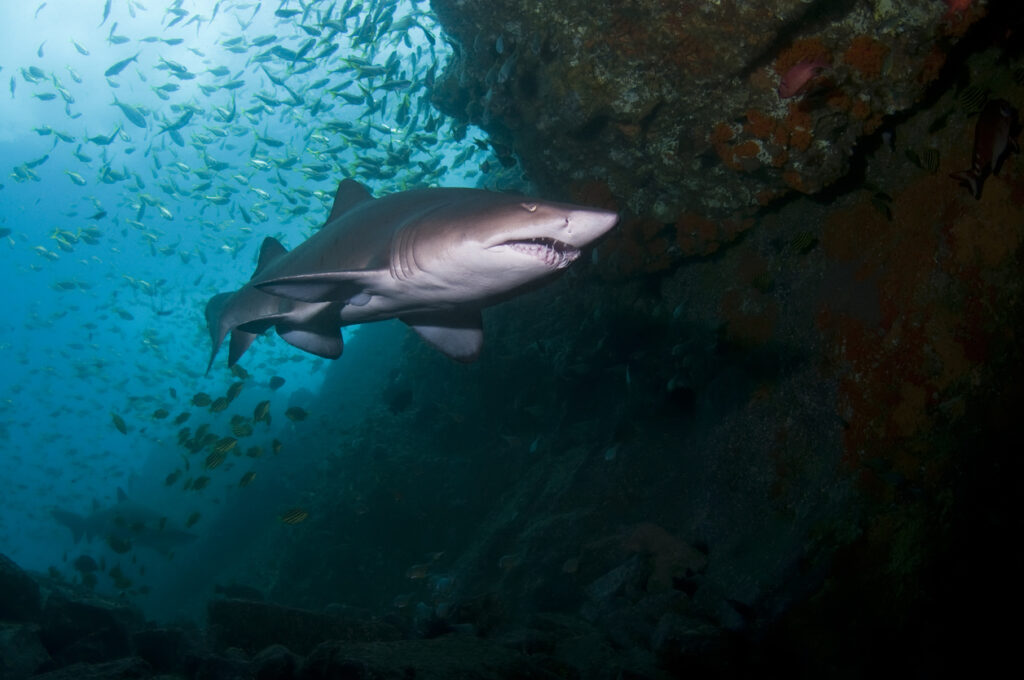
Sharks are vanishing from huge parts of the ocean.
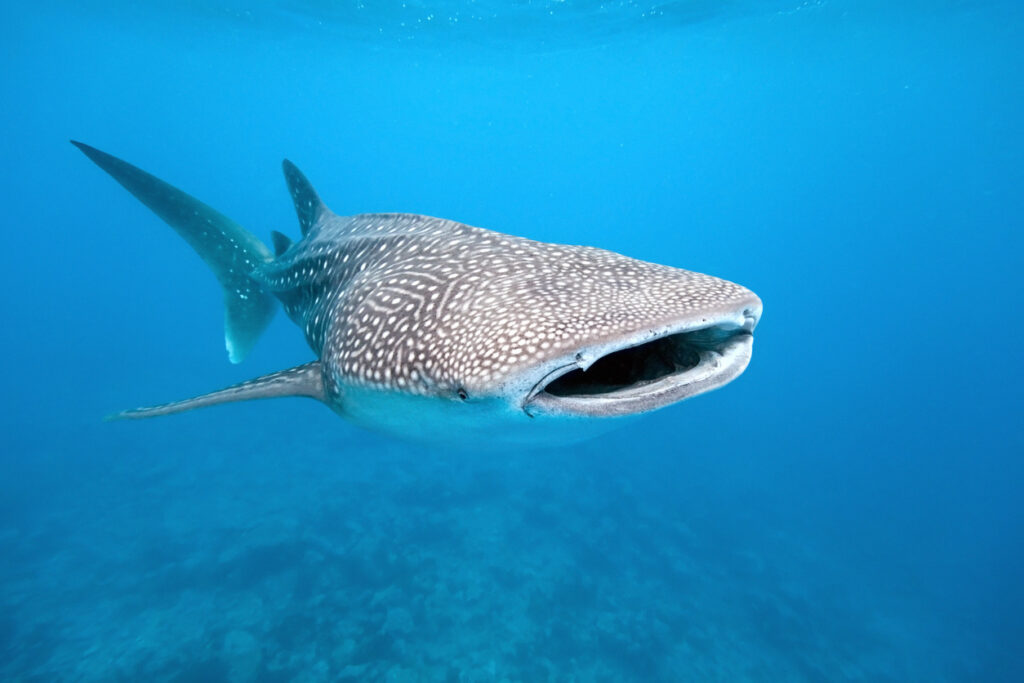
Sharks have seen their numbers drop off a cliff in many parts of the world, often without anyone really noticing. Between overfishing and the horrific practice of finning, we’ve removed the top bosses of the ocean. When you take out the predators, the whole balance shifts. The prey species multiply like mad, they eat everything in sight, and the entire ecosystem becomes unstable. The impact of losing sharks ripples out for years after they’ve disappeared.
Large whales are still struggling to recover.
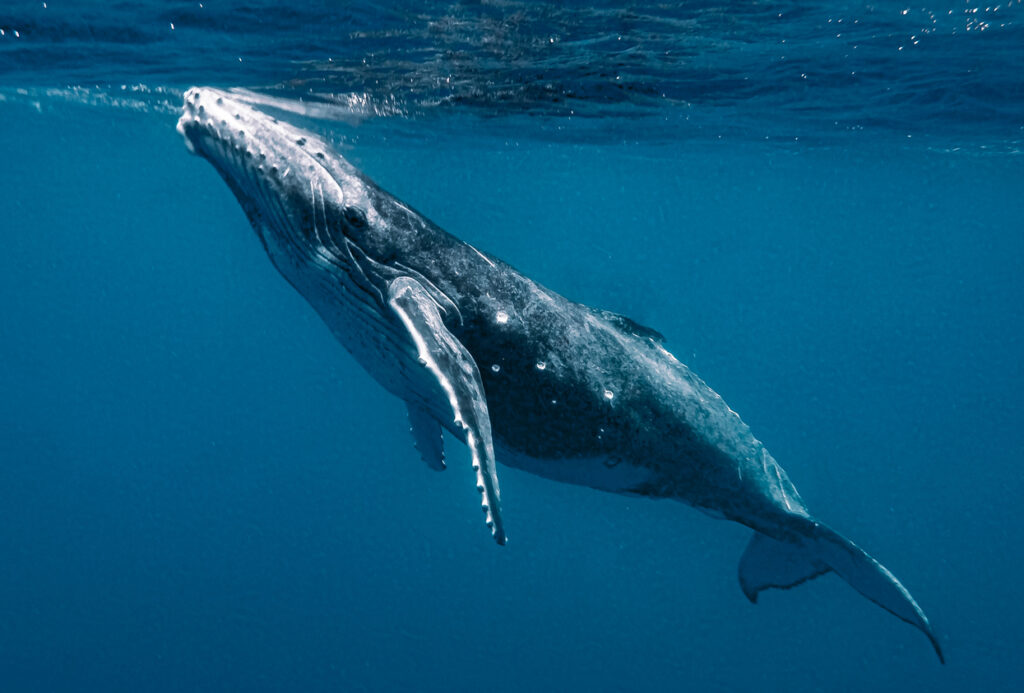
We stopped the big commercial whaling ships years ago, so most people think whales are doing fine now. Sadly, many populations have never really bounced back. They’re still getting hit by massive ships, tangled up in fishing gear, and stressed out by the constant noise of human activity. Because whales take a long time to have babies, even losing a few can have a massive knock-on effect. They also play a huge role in keeping the ocean productive by moving nutrients around, so their absence is a much bigger deal than it looks.
Seagrass meadows are disappearing faster than rainforests.
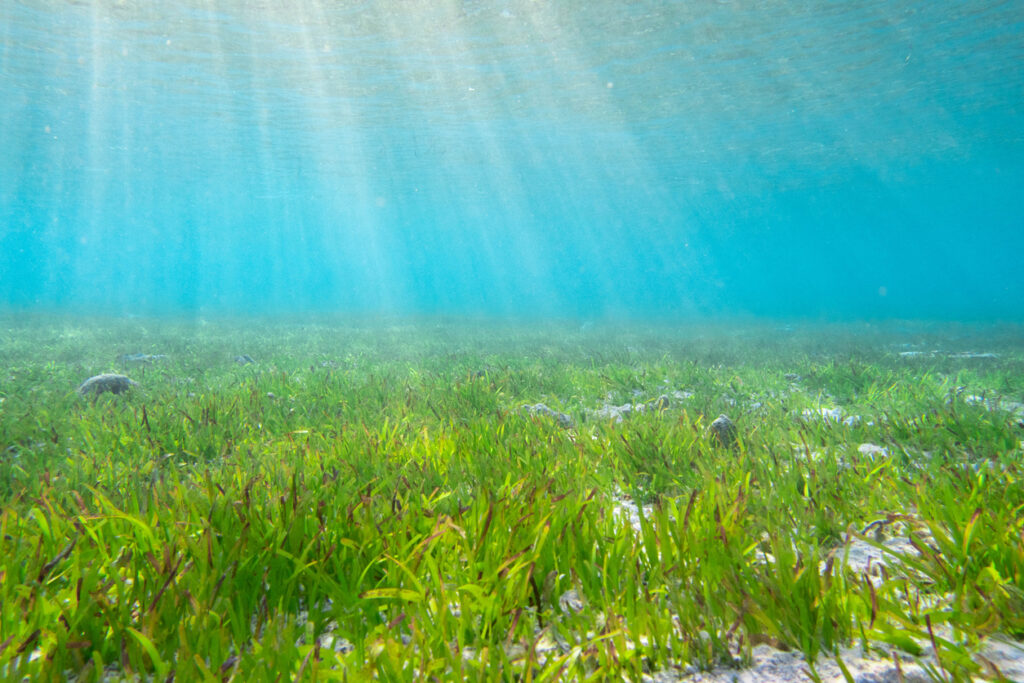
Seagrass isn’t as “sexy” as a coral reef, so it doesn’t get the same headlines, but it’s just as vital. These underwater meadows are being wrecked by coastal building and pollution. When the seagrass goes, it takes a whole world with it. Young fish, seahorses, and turtles rely on these spots for food and safety. They’re often the first ones to quietly vanish when their habitat is destroyed.
Turtles are surviving, but barely.
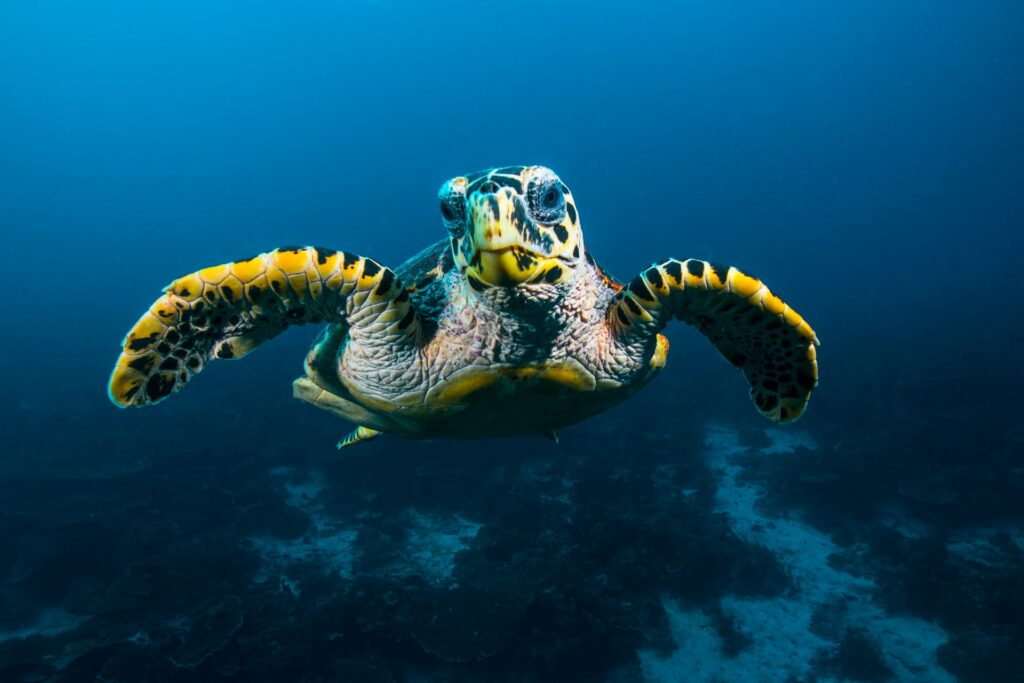
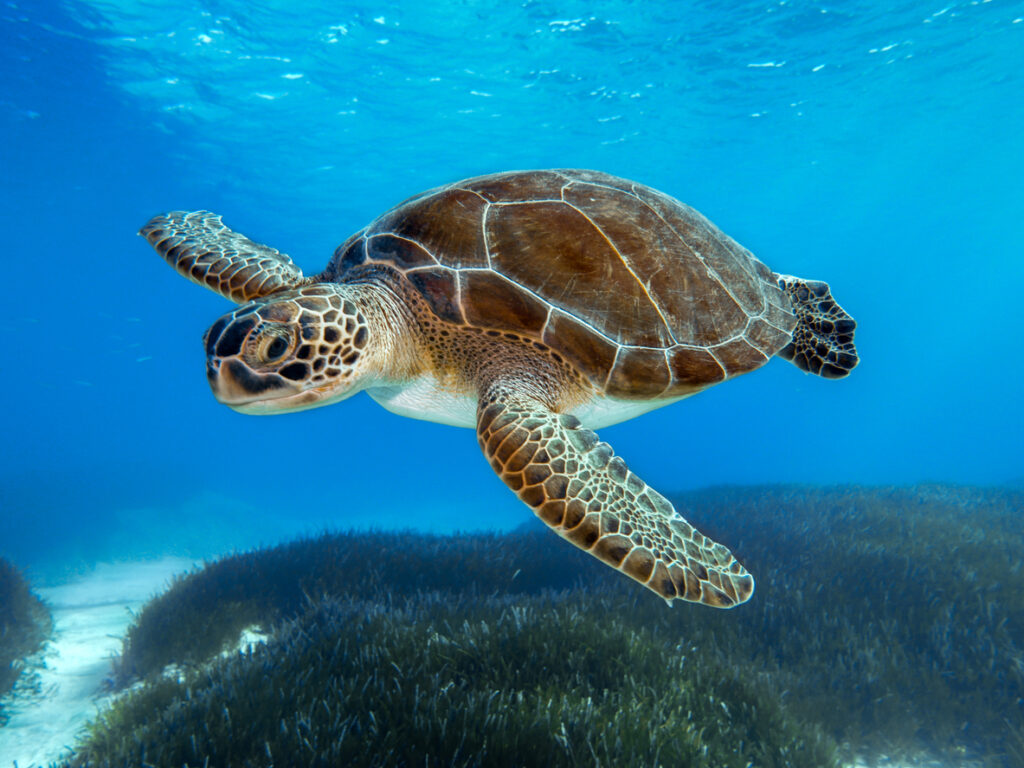
You still see photos of sea turtles, so it gives the illusion that they’re doing alright. In reality, they’re under massive pressure. They get caught in nets, eat plastic by mistake, and lose their nesting beaches to hotels. Plus, warming sands are actually changing the sex of the hatchlings, which is a bit of a disaster for the future of the species. Because turtles live so long, a population can look okay on the surface while it’s actually in the middle of a slow-motion collapse.
Small plankton species are shifting or declining.
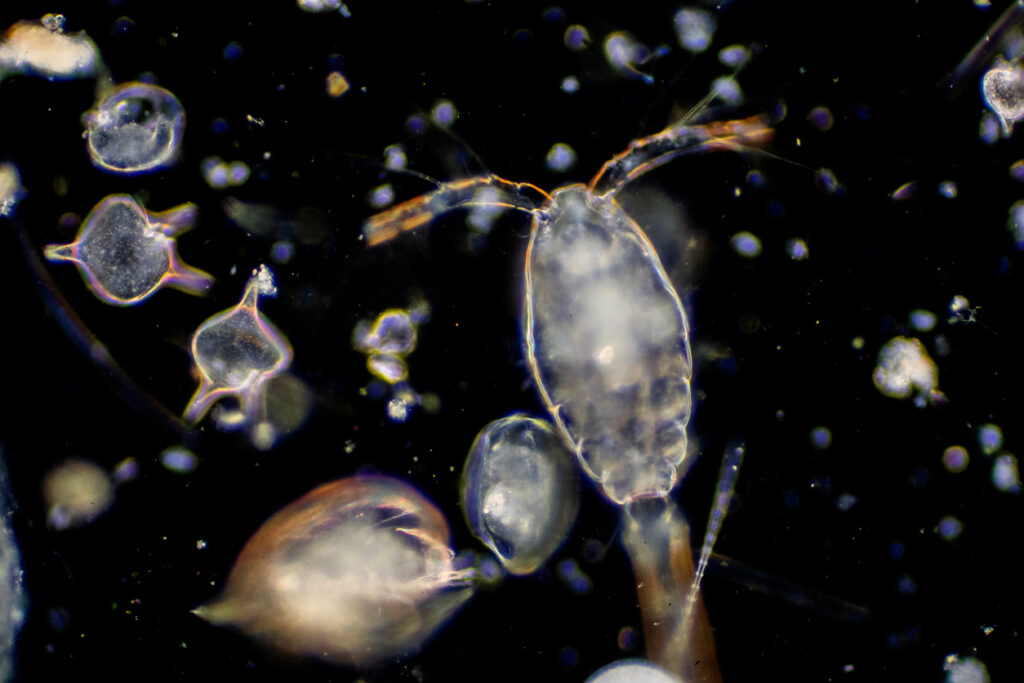
Plankton might be microscopic, but they basically run the show. Changes in the water are causing some plankton species to die out or move to colder spots. When the foundation of the food chain moves or shrinks, everything else feels it. From seabirds to massive whales, every animal in the ocean depends on these tiny organisms. If they go, the whole system is in serious trouble.
Deep-sea animals are disappearing without being properly studied.
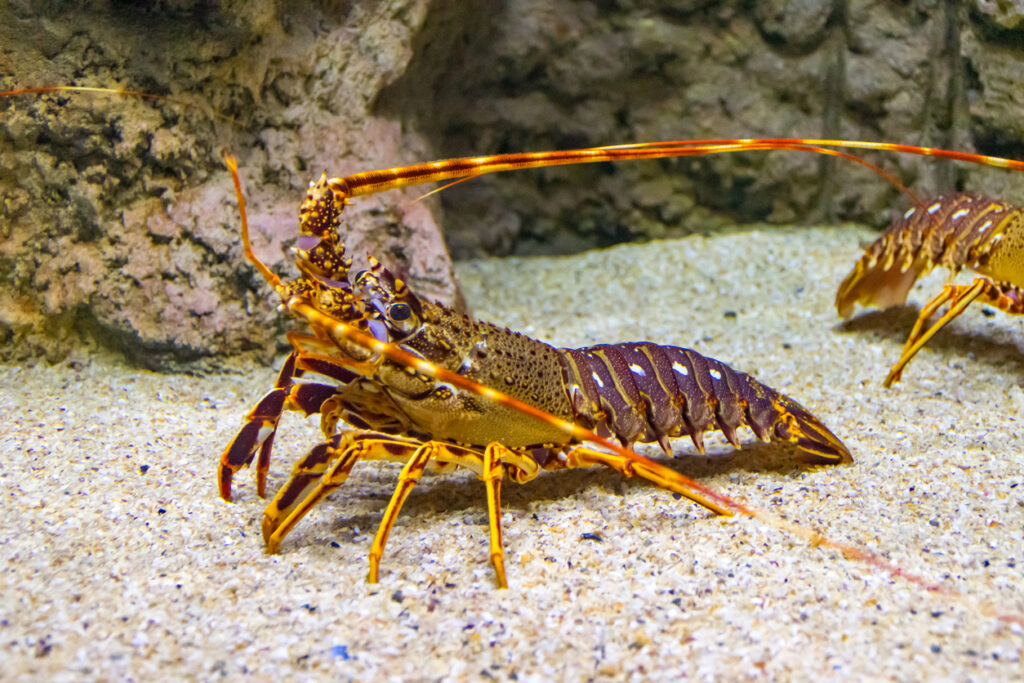
We know less about the deep ocean than we do about space, yet we’re already damaging it with mining and trawling. Species are being wiped out before scientists have even had a chance to give them a name. These deep-sea animals often grow incredibly slowly and live for hundreds of years, so any damage we do now is going to take centuries to fix. We’re effectively breaking things that we don’t even understand yet.
Coastal fish populations are thinning out.

If you talk to anyone who’s been fishing for 40 years, they’ll tell you the same thing: there just aren’t as many fish as there used to be. Overfishing and warmer water are pushing coastal species to their limits. The worrying part is how we’ve just accepted this as the new normal. Each new generation thinks the empty-looking water they see is just how the ocean is supposed to look, forgetting how full of life it used to be.
Ocean warming is outpacing adaptation.
Marine life can adapt to change, but they need time. Right now, the water is heating up way faster than most species can handle. It forces them to move to new, unfamiliar areas or leaves them stuck in water that’s literally too hot for them to survive in. It’s not always a sudden mass die-off; it’s more like a steady chipping away at the variety of life in the sea.
Silence is replacing life in some regions.
In many parts of the world, the “sound” of the ocean is changing. Scientists are reporting fewer whale songs and less overall chatter from marine life. These areas aren’t completely empty, but they’re much quieter than they were a few decades ago. This growing silence is one of the clearest signs that things are disappearing. The ocean might look full from the deck of a boat, but underneath, the life that makes all that noise is slowly fading away.