If you’ve ever seen a cat suddenly bolt across the room at 3 a.m. or absolutely no reason, you’ve seen a “zoomie” in action.

While we usually just laugh it off as our pets being a bit weird, these frantic bursts of energy—officially called Frenetic Random Activity Periods—are actually a massive part of how plenty of animals blow off steam. It’s not just limited to bored house pets, either; out in the wild, these sudden explosions of movement serve a real purpose, whether it’s burning off excess adrenaline after a close shave with a predator or just keeping their muscles primed for action.
It’s basically like a pressure valve for the brain. When an animal has been sitting still or feeling a bit pent up, their internal engine suddenly revs to the redline, and they have to move right that second. From tiny rodents to some surprisingly large mammals, these 12 creatures all have their own version of “going mental” for a few minutes before immediately crashing out like nothing happened. Understanding why they do it helps you realise that they aren’t actually losing their minds; they’re just handling a massive biological surge of energy in the most direct way possible.
1. Cats get the zoomies for seemingly no reason.

Domestic cats will be lying peacefully one moment and then suddenly tear through the house like they’re being chased by invisible demons. This behaviour, officially called frenetic random activity periods, typically happens in the evening and involves sprinting at full speed, leaping onto furniture, and generally acting possessed.
It’s thought to be a release of pent-up hunting energy, since indoor cats don’t get to chase actual prey. The burst usually lasts just a few minutes before they collapse back into their usual state of doing absolutely nothing. Cats that do this aren’t stressed or ill, they’re just burning off excess energy in the most dramatic way possible.
2. Ferrets perform the weasel war dance.
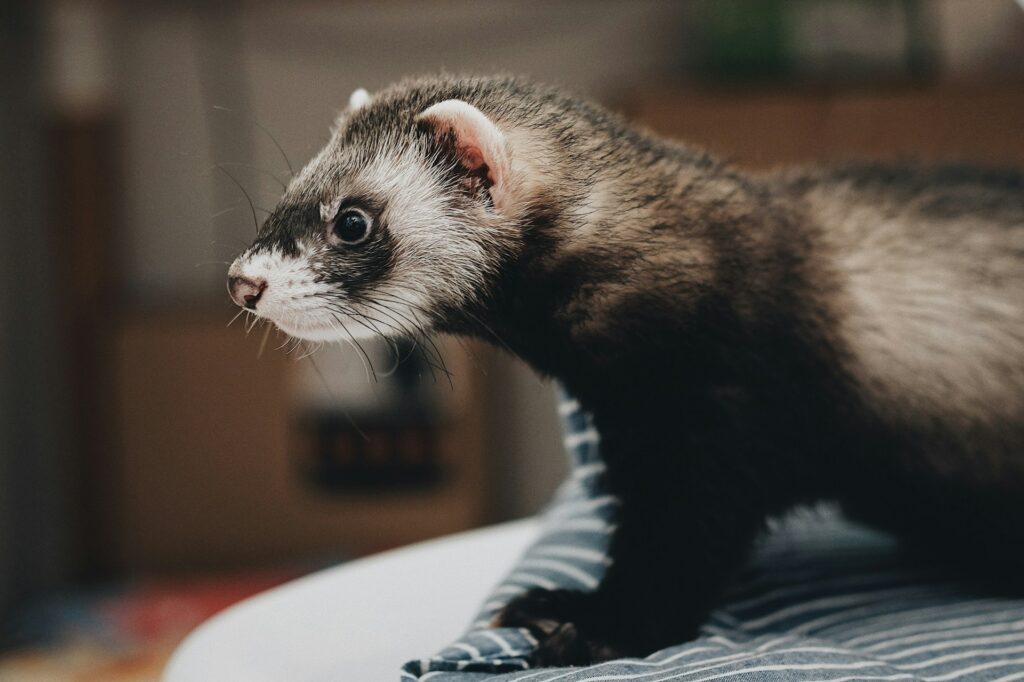
When ferrets get excited, they bounce around in a chaotic, arching pattern that looks genuinely deranged. They hop sideways, arch their backs, puff their tails, and sometimes make little hissing sounds whilst careening off walls and furniture. This behaviour is called the weasel war dance, and it happens when they’re playing, hunting, or just feeling particularly energetic.
The dance can be so frantic that ferrets occasionally crash into things because they’re not paying attention to where they’re going. It looks aggressive, but it’s actually a sign they’re happy and having a brilliant time.
3. Rabbits binky when they’re feeling joyful.

A binky is when a rabbit suddenly jumps into the air, twists its body, and kicks its legs out in mid-flight before landing and continuing whatever it was doing. That explosive movement happens when rabbits are genuinely happy or excited, often during playtime or when they’re let out of their enclosure.
The jump can be surprisingly high and the twist quite dramatic, making it look like the rabbit’s momentarily lost control of its body. Binkying is pure joy expressed through sudden athletic chaos. It’s one of the clearest signs that a rabbit is content and comfortable in its environment.
4. Dogs experience random activity bursts after baths or excitement.
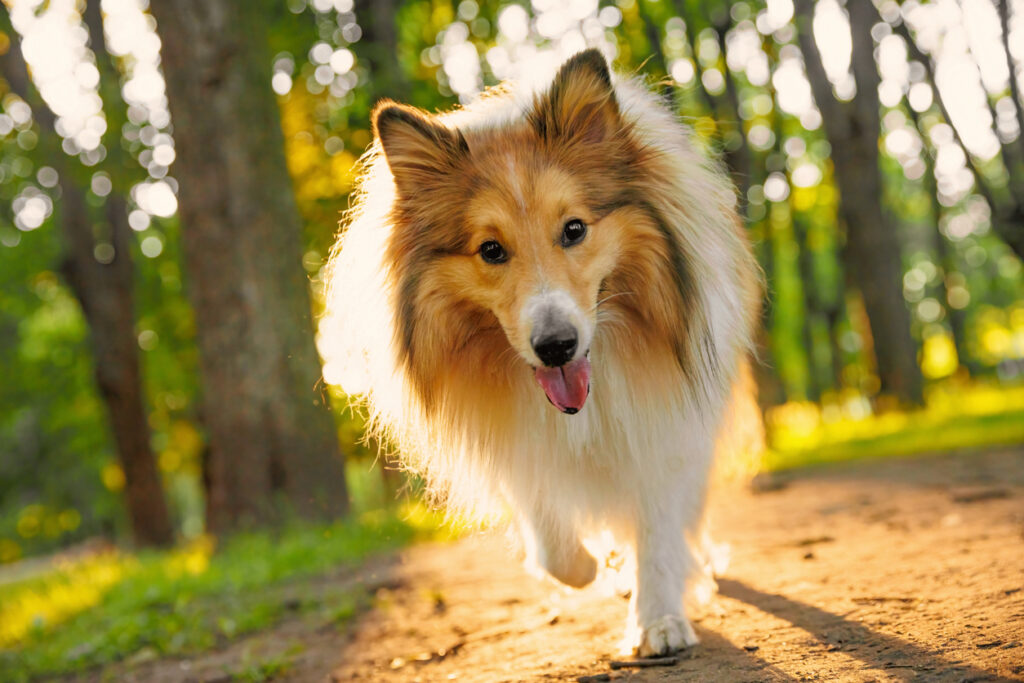
Most dog owners have witnessed their pet go absolutely mental after a bath, running laps around the house or garden at top speed. These frenetic bursts also happen after being released from confinement, during play, or sometimes for no apparent reason at all. Dogs will sprint in circles, bounce off furniture, and generally lose their minds for a few minutes before suddenly stopping.
The post-bath version might be related to relief at being done with the bath or trying to dry off, but the random ones are just excess energy release. Younger dogs do this more frequently, though plenty of adult dogs maintain the habit throughout their lives.
5. Sugar gliders zoom around their enclosures at night.

These small marsupials are nocturnal and spend their active hours engaging in frantic bursts of gliding, climbing, and bouncing around. Sugar gliders can go from completely still to launching themselves across their cage in a split second. They’ll run up and down branches, leap between platforms, and glide short distances repeatedly in quick succession.
This activity is how they’d naturally forage and explore in the wild, covering large areas quickly. In captivity, they direct this same manic energy into exploring every inch of their space multiple times per night.
6. Squirrels dart around in unpredictable patterns.

Squirrels move in sudden explosive bursts rather than steady movement, darting up trees, across branches, and along the ground in erratic patterns. This frantic energy serves a survival purpose, since unpredictable movement makes them harder for predators to catch. They’ll sprint a few metres, freeze completely, then sprint again in a different direction with no apparent pattern.
During mating season or territorial disputes, this energy intensifies into chasing behaviour that involves incredible acrobatic feats. Their metabolism runs incredibly fast, which supports these constant bursts of intense activity throughout the day.
7. Hummingbirds live in a constant state of controlled frenzy.
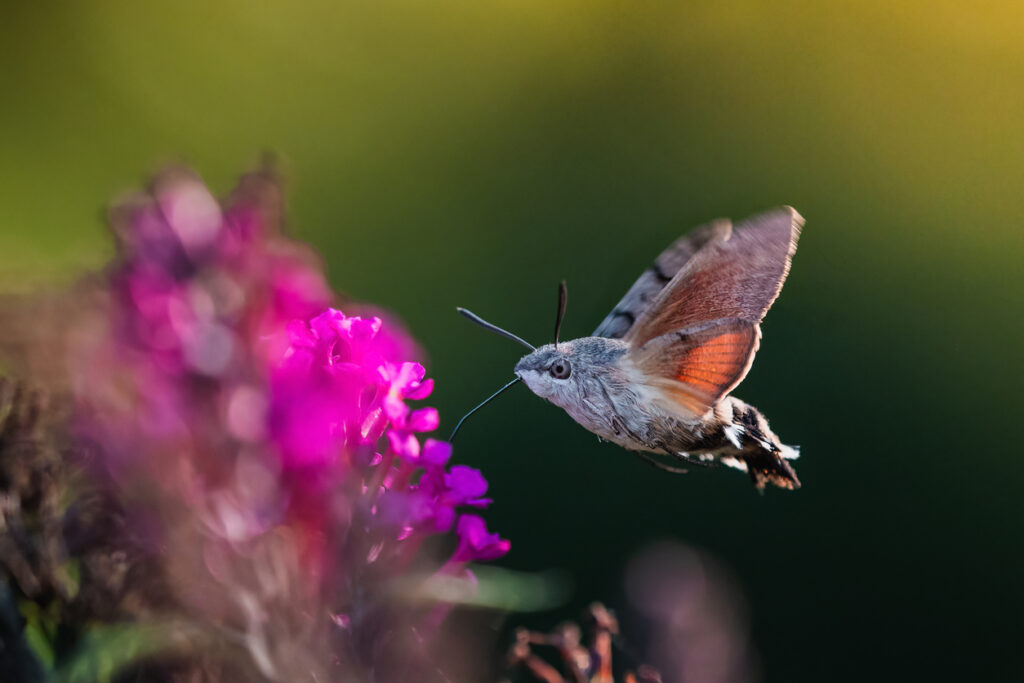
Hummingbirds beat their wings up to 80 times per second, and their hearts can reach over 1,200 beats per minute during flight. Everything they do is essentially a frantic energy burst because their metabolism is so high they need to consume their body weight in nectar daily. They dart between flowers at speeds up to 30 miles per hour, hover in place with precision, and can fly backwards or upside down.
Their entire existence is energetically expensive, so they alternate between these intense feeding frenzies and periods of torpor where they lower their metabolism to survive. Watching them feed is like watching a tiny helicopter having an emergency.
8. Dolphins breach and spin for pure entertainment.
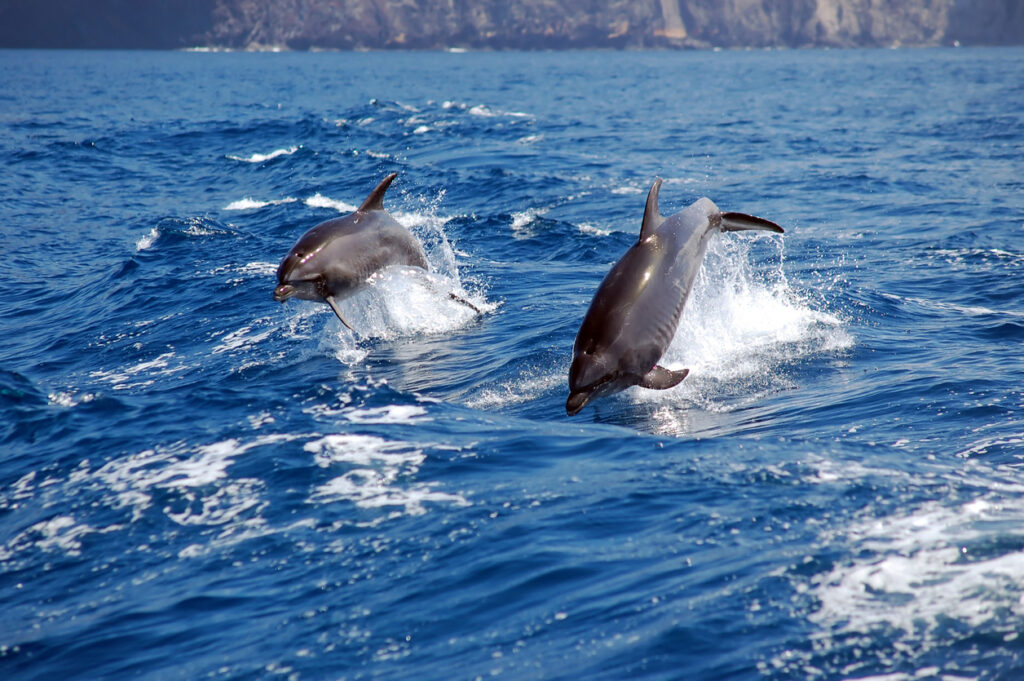
Dolphins regularly launch themselves completely out of the water, spin, flip, and crash back down in displays that seem to serve no purpose beyond fun. These acrobatic bursts happen during play, after successful hunts, or when they’re travelling and apparently just feel like it.
Young dolphins are particularly prone to these energy explosions, breaching repeatedly in quick succession. The behaviour might help remove parasites or could be a form of communication, but often it genuinely seems like they’re just messing about. Their intelligence and energy combine to create playful chaos that’s remarkable to witness.
9. Young goats bounce and jump constantly.

Baby goats have seemingly endless energy that manifests in constant jumping, bouncing, and leaping onto anything available. They’ll spring straight up into the air from a standing position, bounce off their mothers, and climb onto any surface they can reach.
Doing so helps develop coordination and strength, but it’s also clearly just fun for them. Kid goats playing together will chase each other, headbutt, and perform synchronised jumping sessions. The frantic energy gradually decreases as they mature, but young goats are basically spring-loaded chaos machines.
10. Hamsters run obsessively on their wheels.
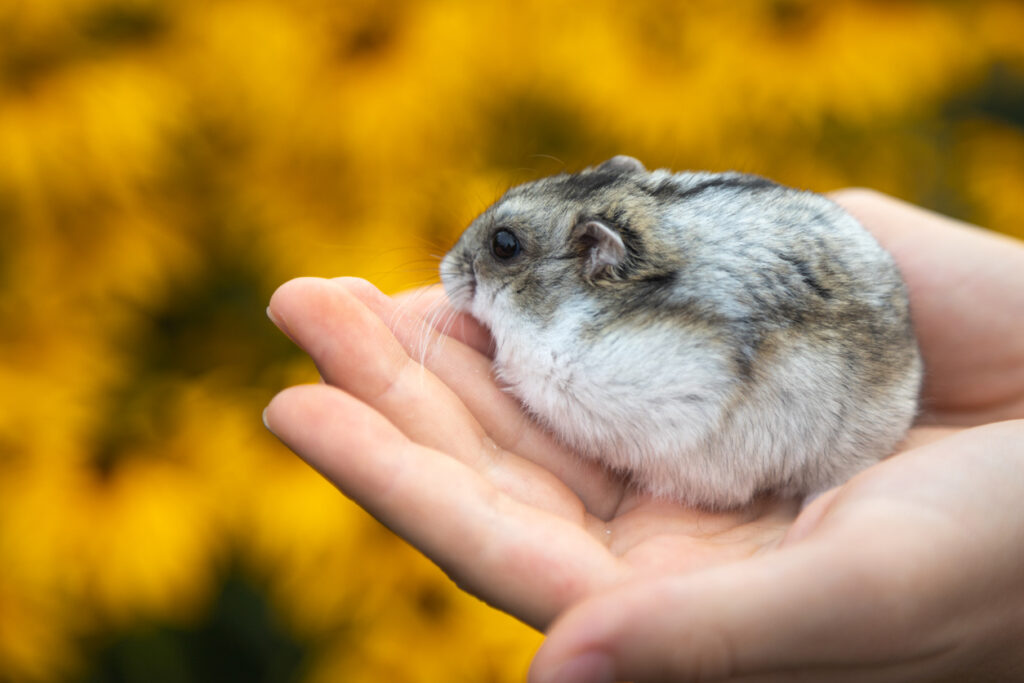
Hamsters in the wild travel several kilometres nightly searching for food, and pet hamsters redirect this instinct into marathon wheel-running sessions. They’ll suddenly jump onto their wheel and run at full speed for extended periods, sometimes covering the equivalent of several miles.
It’s not stressed behaviour, it’s their natural activity pattern compressed into a smaller space. The running happens in bursts throughout the night, since hamsters are crepuscular and nocturnal. Without this outlet for their energy, hamsters become genuinely frustrated and unhealthy.
11. Horses buck and play when feeling good.
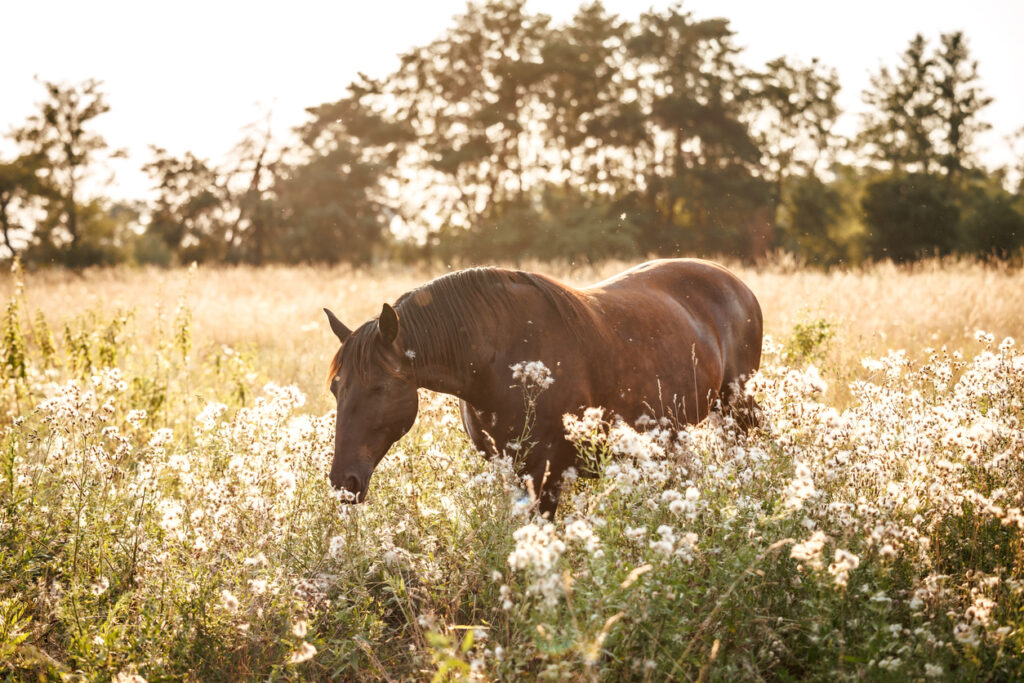
Horses that are feeling fresh, particularly after being confined or in cold weather, will suddenly buck, rear, or take off running across their field. This explosive energy release is called “feeling their oats” and it’s a sign of health and happiness rather than aggression.
Young horses play-fight with dramatic rearing and kicking that looks dangerous but is carefully controlled. After rolling in dirt or being turned out after stabling, many horses gallop in wide circles or buck repeatedly. These bursts usually last just a few minutes before they settle back down to grazing.
12. Parrots have frantic play sessions with their toys.
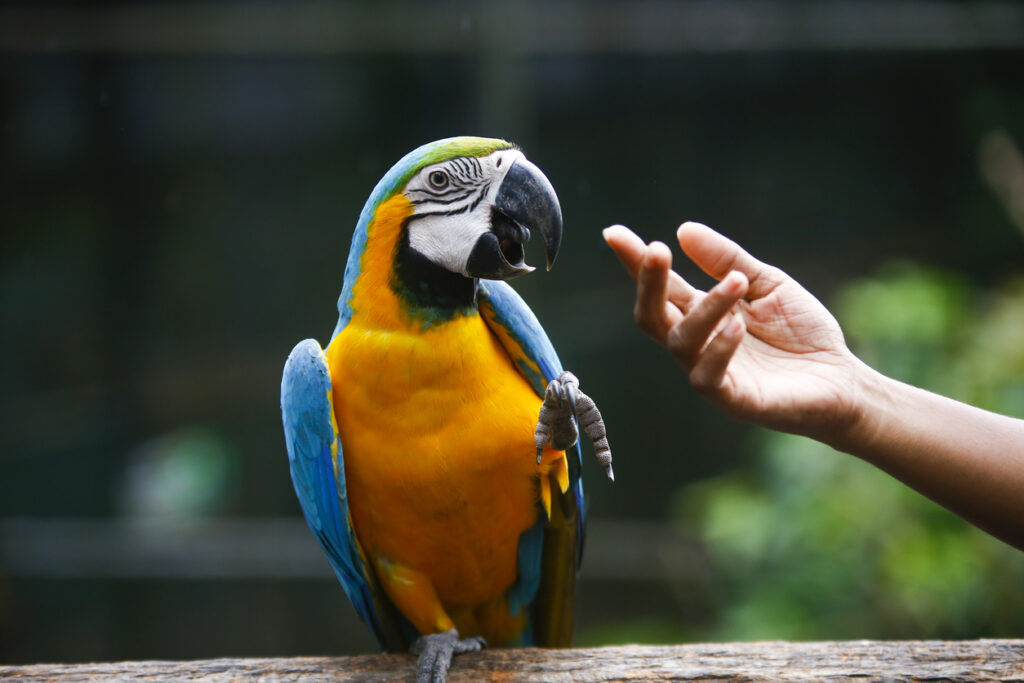
Parrots will suddenly attack their toys with intense energy, shaking bells violently, throwing objects, and making loud vocalisations. These play sessions involve rapid head movements, wing flapping, and generally destroying whatever they can get their beaks on. The energy burst might last several minutes before they calm down and go back to preening or eating.
This behaviour is healthy and necessary since parrots are highly intelligent and need mental stimulation. Without appropriate outlets for these energy surges, parrots develop behavioural problems from boredom and frustration.