When we look up at a clear night sky, it looks empty and peaceful, but there’s actually a massive mechanical graveyard spinning around us at thousands of miles an hour. We’ve spent the last 70 years launching stuff into orbit and just leaving the debris behind, creating a cloud of “invisible junk” that’s becoming a serious problem.
It’s not just old satellites the size of buses that we have to worry about; it’s the millions of tiny flecks of paint, frozen coolant, and metal shards that are even more dangerous. Because they’re moving so fast, even a tiny bolt can hit with the force of a hand grenade, threatening the tech we use every day for everything from GPS to weather tracking. These 14 realities show how we’ve managed to turn the space around our planet into a cluttered mess that could eventually trap us on Earth if we don’t start tidying up after ourselves.
There are over 130 million pieces of space junk orbiting Earth right now.
This isn’t an exaggeration or theoretical number, it’s tracked debris ranging from dead satellites to tiny paint flecks, all circling the planet at thousands of miles per hour. We can only track objects larger than about 10 centimetres, meaning millions of smaller but still dangerous pieces are up there completely unmonitored. Every rocket launch, satellite deployment, and collision creates more fragments. The junk doesn’t fall down or disappear, it just accumulates in orbit, and we’re adding to it faster than natural orbital decay can clear it. We’ve essentially created a rubbish dump in space that’s getting more crowded every single day.
@astrokobi Our skies are filled with Space Junk… #space #spacetok #spacejunk #astronomy #astrokobi ♬ Spooky, quiet, scary atmosphere piano songs – Skittlegirl Sound
Even tiny debris travels at 17,500 mph and can destroy satellites.
At orbital speeds, a paint chip the size of a fingernail hits with the force of a bowling ball dropped from a building. A screw or bolt becomes a bullet that can punch straight through spacecraft shielding. The International Space Station has been hit multiple times by debris too small to track, leaving impact craters in windows and equipment. Satellites cost millions or billions to build and launch, and they can be destroyed instantly by a piece of rubbish smaller than your thumb. The speed is what makes even tiny objects catastrophically dangerous, turning harmless bits of metal into high-velocity weapons.
One collision can trigger a cascade that makes space unusable.
This is called Kessler Syndrome, where one collision creates thousands of new debris pieces that cause more collisions in a chain reaction. Each impact multiplies the problem exponentially until certain orbital zones become too dangerous to use. We’re already seeing the early stages of this with several major collisions that created massive debris clouds. If Kessler Syndrome fully triggers, we could lose access to the orbital altitudes we use for communications, GPS, and weather satellites. It would effectively trap humanity on Earth by making space too hazardous to navigate, and it could take centuries for natural orbital decay to clear enough debris to make those zones safe again.
A Chinese anti-satellite test created 3,000 trackable debris pieces in one go.
In 2007, China destroyed one of its own weather satellites with a missile to demonstrate military capability, creating the largest single debris-generating event in history. Those 3,000 trackable pieces are still up there, along with countless smaller fragments, all spreading out and crossing paths with other satellites regularly. The debris cloud from this one test increased collision risk for everything in low Earth orbit and will remain a hazard for decades. Other countries have conducted similar tests, each one adding thousands more pieces of junk that endangers everyone’s space infrastructure, regardless of which nation created it.
Dead satellites stay in orbit for decades or longer.
When satellites stop working, they don’t immediately fall back to Earth, they become permanent obstacles drifting in their orbits. There are thousands of dead satellites up there right now, each one a collision risk that serves no purpose but can’t be easily removed. Some will take 25 years to decay naturally, others could stay up for centuries depending on their altitude. We’re launching new satellites constantly while the old ones accumulate, creating increasingly crowded orbital highways. It’s like abandoning broken-down cars in the middle of a motorway and just driving around them while adding more vehicles.
Space debris has already caused deaths and property damage on Earth.
Debris that re-enters the atmosphere doesn’t always burn up completely. Large pieces have crashed into houses, fields, and the ocean, and while deaths are rare, they’ve happened. In 1997, a woman in Oklahoma was hit by debris from a rocket, and large chunks regularly survive re-entry to impact the ground. As we put more stuff in orbit, the statistical likelihood of someone being killed by falling space junk increases. Most of Earth is ocean or uninhabited land, so the odds remain low, but it’s genuinely possible to be killed by a piece of satellite falling from space.
We have no effective way to clean up the existing debris.
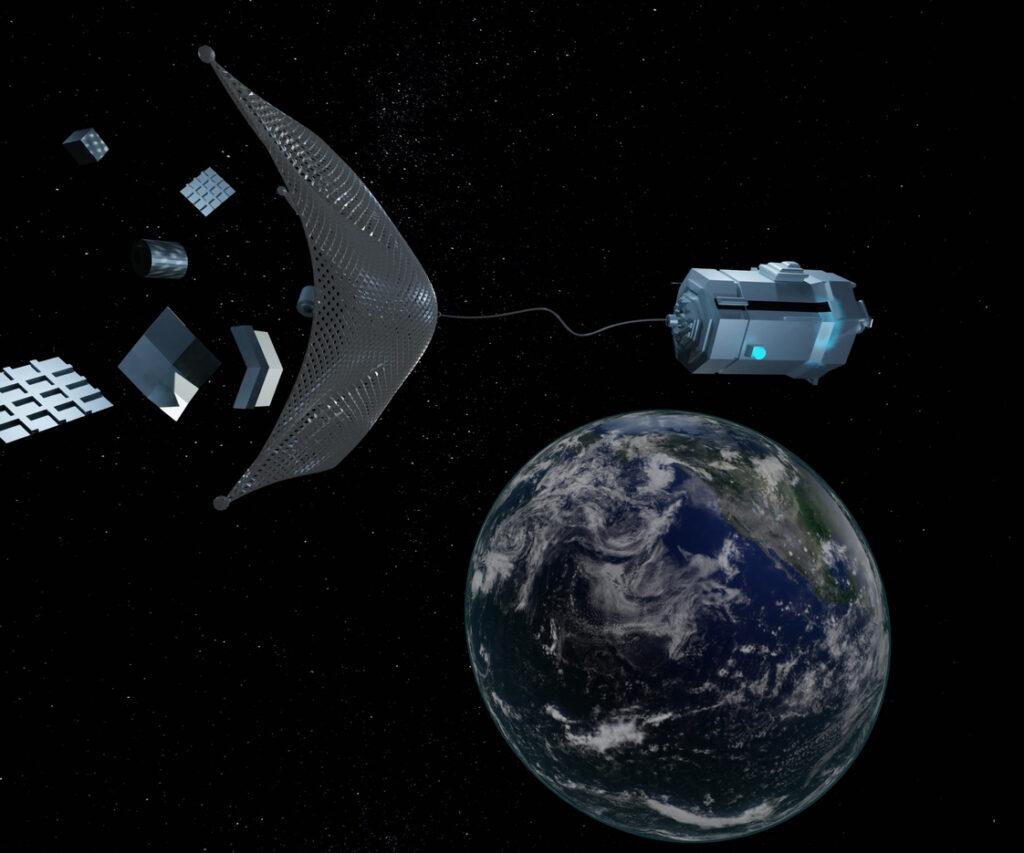
Various concepts exist for debris removal like nets, harpoons, or lasers, but none are currently operational at scale. The economics don’t work because removing one piece of junk costs as much as launching a new satellite, and there are millions of pieces up there. Even if we stopped creating new debris today, the existing problem would take decades to address. Some debris is in orbits that are incredibly difficult to reach, and capturing fast-moving objects in space is technically challenging and expensive. We’ve created a problem we don’t yet have the technology or funding to solve.
Major satellite constellations are making the problem exponentially worse.
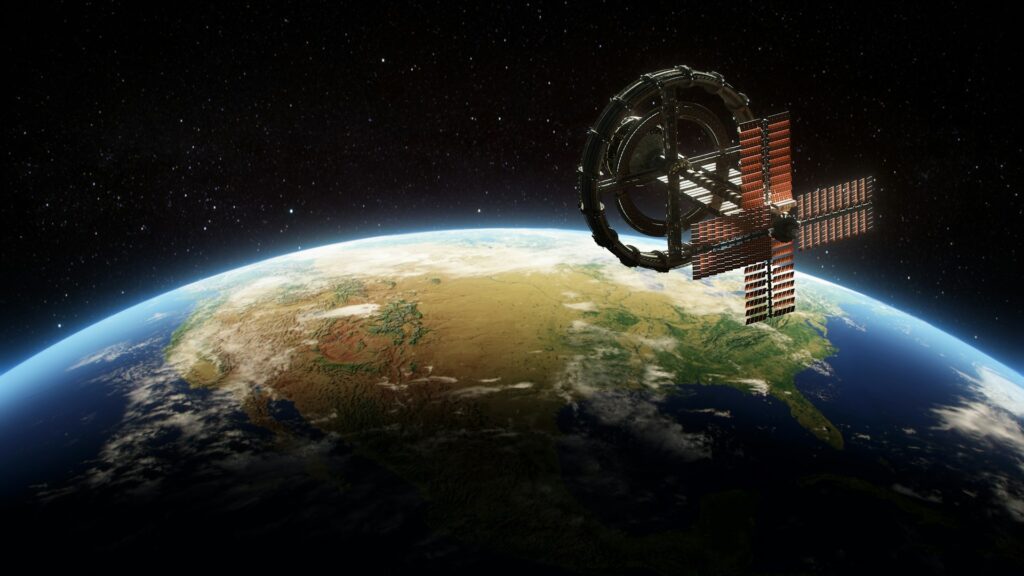
Companies like SpaceX are launching thousands of satellites for internet coverage, with plans for tens of thousands more. Each satellite is another potential piece of debris, another collision risk, and another object contributing to orbital crowding. When these satellites fail or reach end of life, they add to the junk pile unless they successfully deorbit, which doesn’t always work. The rapid increase in satellite numbers is accelerating us towards critical debris density, where collisions become common rather than rare. We’re prioritising short-term commercial benefits over long-term sustainability of Earth’s orbital environment.
Military operations in space are creating intentional debris.
Anti-satellite weapons tests and potential space warfare scenarios deliberately create debris fields as nations demonstrate capability to destroy enemy satellites. Each test adds thousands of fragments that endanger everyone’s assets, regardless of nationality. There’s currently no international agreement preventing these tests, so countries continue conducting them despite knowing the debris will remain hazardous for decades. Space is becoming militarised, and the weapons being tested create pollution that affects civilian infrastructure and scientific missions. The debris from military activities doesn’t distinguish between targets, it’s a threat to everything in orbit.
Insurance costs for satellites are skyrocketing because of debris risk.
As collision risk increases, insuring satellites becomes pricier, which makes space operations more costly for everyone. Some orbital zones are becoming uninsurable because the risk is too high. This economic pressure might eventually force better debris management, but currently it’s just making space access more expensive while the underlying problem worsens. Launch providers and satellite operators are absorbing higher costs, which gets passed down to consumers through increased prices for services that rely on satellites. The invisible junk above our heads has real economic consequences that affect everything from your phone’s GPS to weather forecasting.
Space junk is one of those problems that seems abstract until you realise it threatens the satellite infrastructure that modern civilisation depends on. We’re filling Earth’s orbit with rubbish faster than we can clean it up, and if we don’t sort it out soon, we risk losing access to space entirely through our own carelessness.