Most of us think we’re pretty good at reading the room, but when it comes to the animal kingdom, we often miss the “keep out” signs until it’s nearly too late.
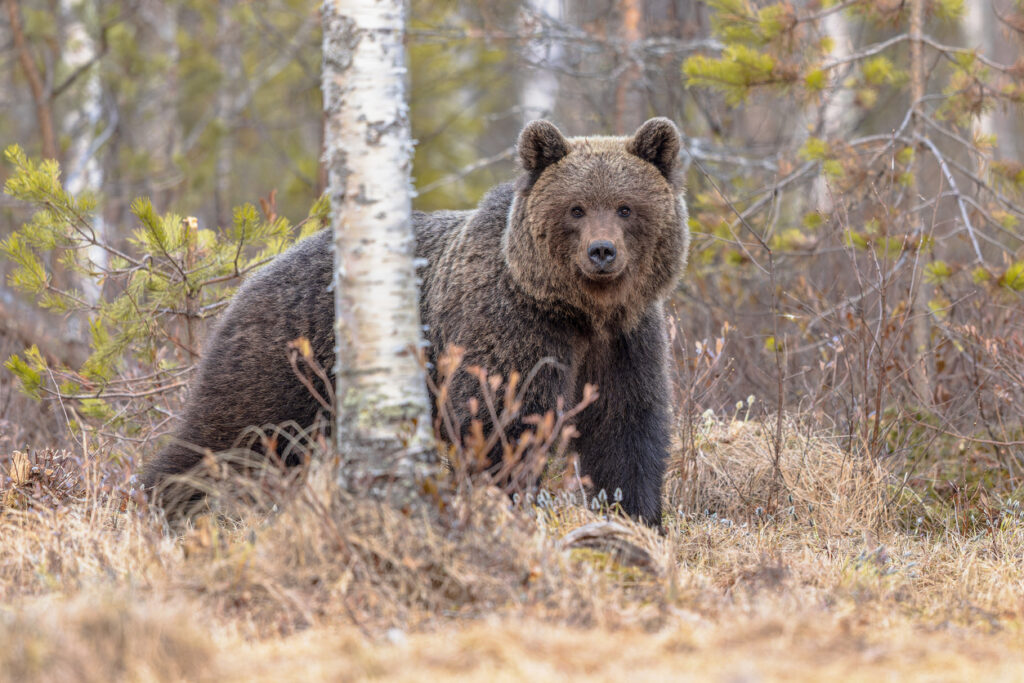
Animals don’t usually want a fight because getting injured in the wild is basically a death sentence, so they’ve developed a whole language of subtle nudges and physical tells to warn you off. The problem is that we often mistake an animal’s defensive posture for something cute or curious, which is how people end up getting a nasty nip or worse.
Whether it’s a specific way they’re holding their ears or a noise that sounds harmless but is actually a final warning, these signals are there to prevent a scrap. Learning these 12 signs means you can respect their space and keep yourself in one piece, avoiding a situation where a wild animal feels it’s got no choice but to have a go.
1. A sudden freeze followed by hard, unblinking eye contact

When an animal abruptly stops moving and fixes its gaze on you, it’s not pausing out of curiosity. That freeze is a calculation moment. The animal is assessing whether you’re a threat that needs to be challenged or driven away. That kind of stare is very different from relaxed looking or brief glances. It’s intense, focused, and often paired with a stiff body. In many species, direct eye contact is confrontational, so meeting it head-on can push the situation toward aggression rather than easing it.
2. Ears flattened tightly against the head

Flattened ears are one of the most reliable warning signs across many mammals, including cats, horses, dogs, and wild species. It signals discomfort, agitation, or fear that’s tipping into defensive readiness. This posture protects vulnerable parts of the head and prepares the animal for quick movement. When ears stay pinned rather than flicking back briefly, it usually means the animal feels cornered or overstimulated and wants space immediately.
3. Fur, feathers, or body hair standing on end

When an animal raises its fur or feathers, it’s trying to look bigger and more intimidating than it actually is. This is a visual warning designed to stop you from moving closer. This reaction often comes with a rigid stance and slower, deliberate movements. It’s a sign the animal feels threatened and is bracing itself for possible conflict rather than preparing to flee.
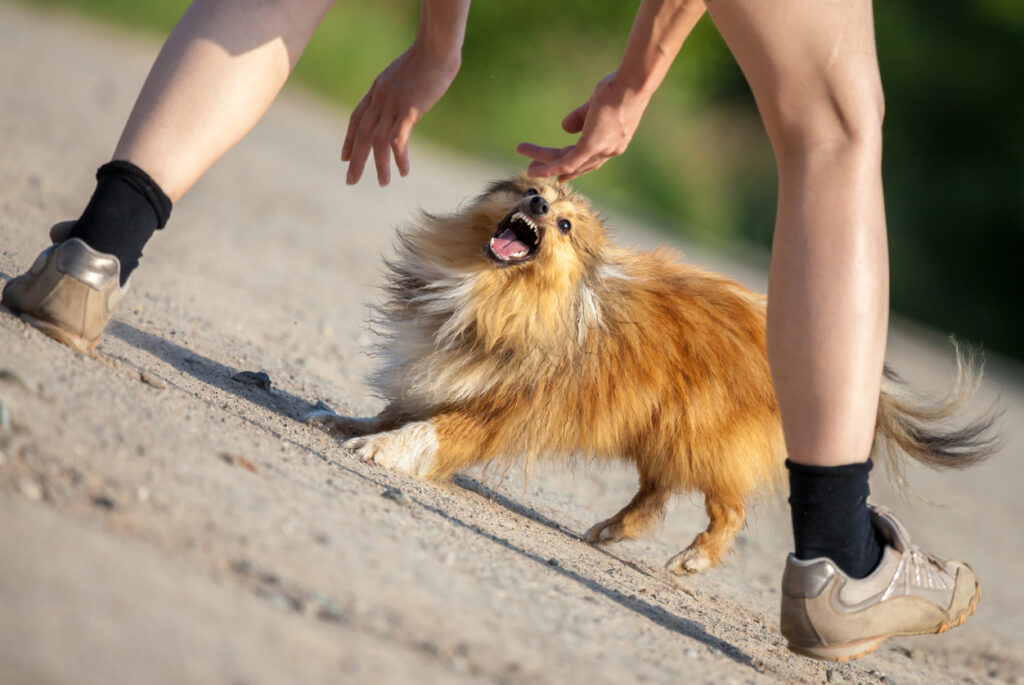
4. Low growling, hissing, or deep rumbling sounds

These sounds aren’t background noise or casual vocalisations. They’re deliberate warnings meant to communicate, very clearly, that the animal is uncomfortable and nearing its limit. Ignoring these sounds is one of the most common mistakes people make. Once an animal has started vocalising its displeasure, it’s already giving you a chance to back off before physical force becomes the next step.
5. Sharp, rigid, or twitching tail movements
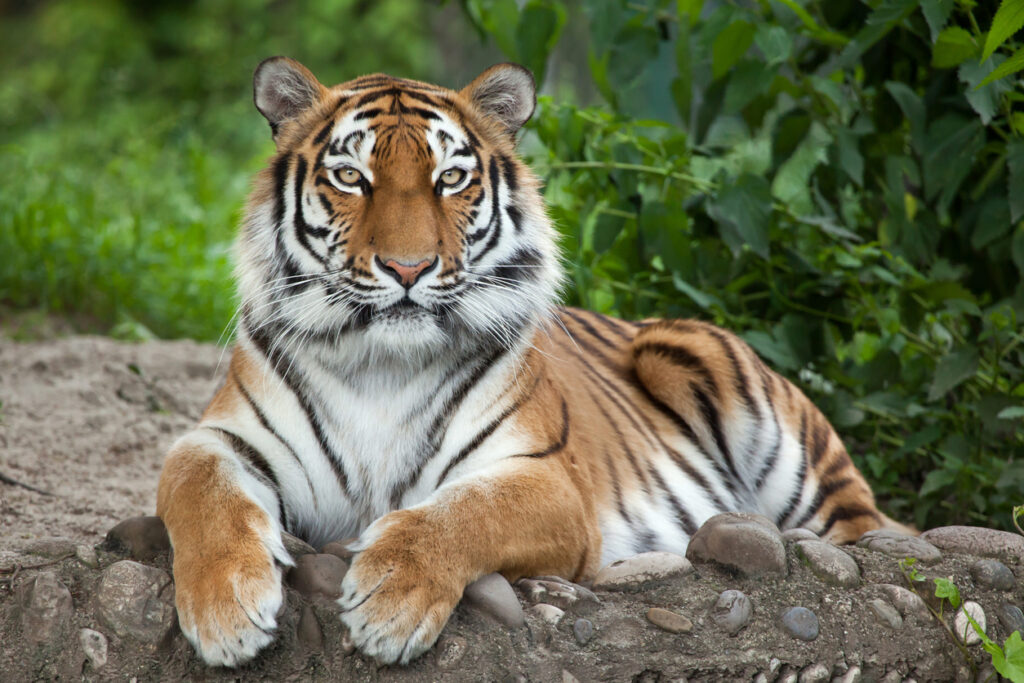
A tail that lashes, flicks sharply, or holds stiffly is often a sign of high emotional arousal. This is very different from loose, relaxed tail movement. In many animals, the tail reflects internal tension. Rapid, jerky movements often appear just before a bite, swipe, or charge, especially if combined with a fixed stare or stiff posture.
6. Teeth, tusks, or beak displayed without contact
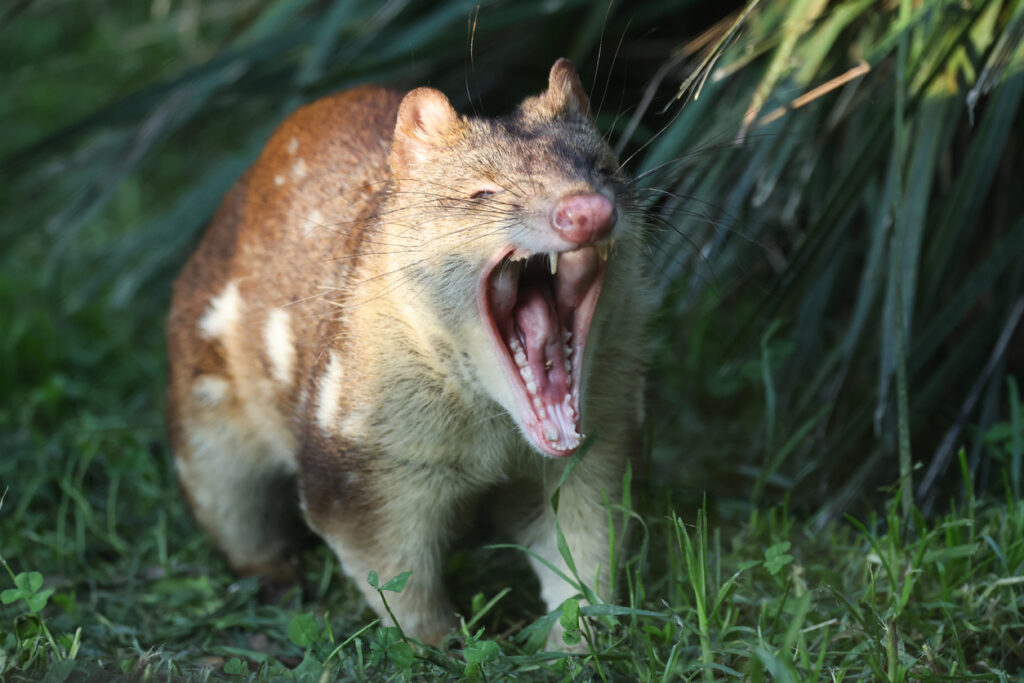
Showing teeth, snapping the jaw, or opening the beak wide without actually striking is a classic threat display. It’s the animal saying it’s prepared to use force if necessary. This behaviour is meant to end the interaction immediately. If it doesn’t work, the animal may escalate very quickly because its earlier warnings have been ignored.
7. Short lunges or mock charges that stop just short
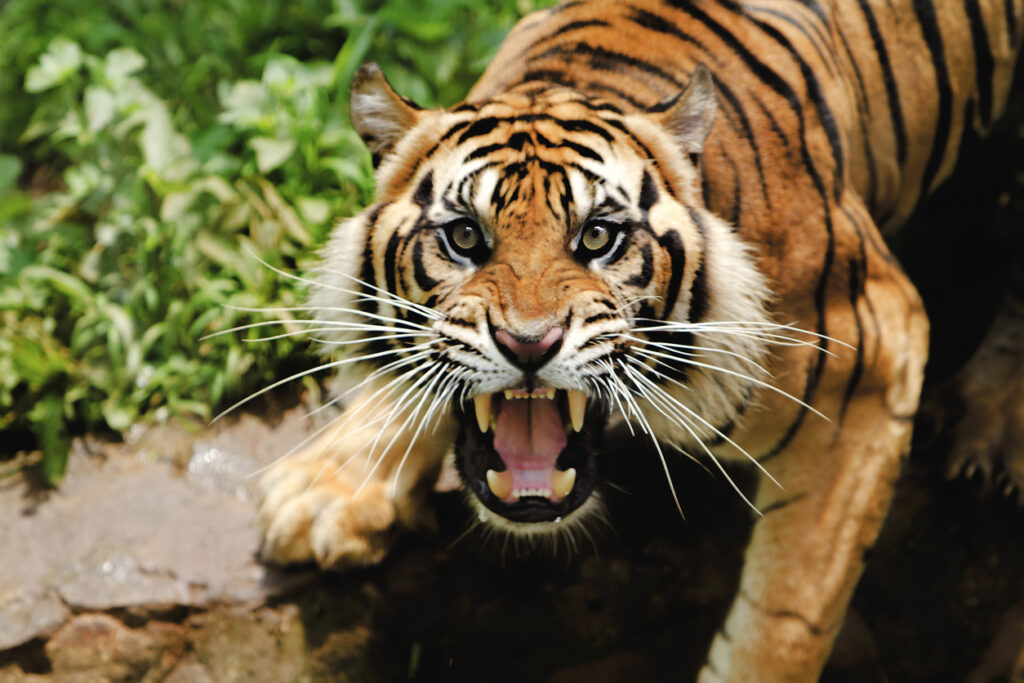
False charges are often misunderstood as bluffing, but they’re serious warnings. The animal is testing whether you’ll retreat without it having to commit to a full attack. If you stand your ground or move closer after this, many animals interpret that as a failure to respect boundaries. At that point, the next lunge is far more likely to make contact.
8. Turning sideways while remaining tense
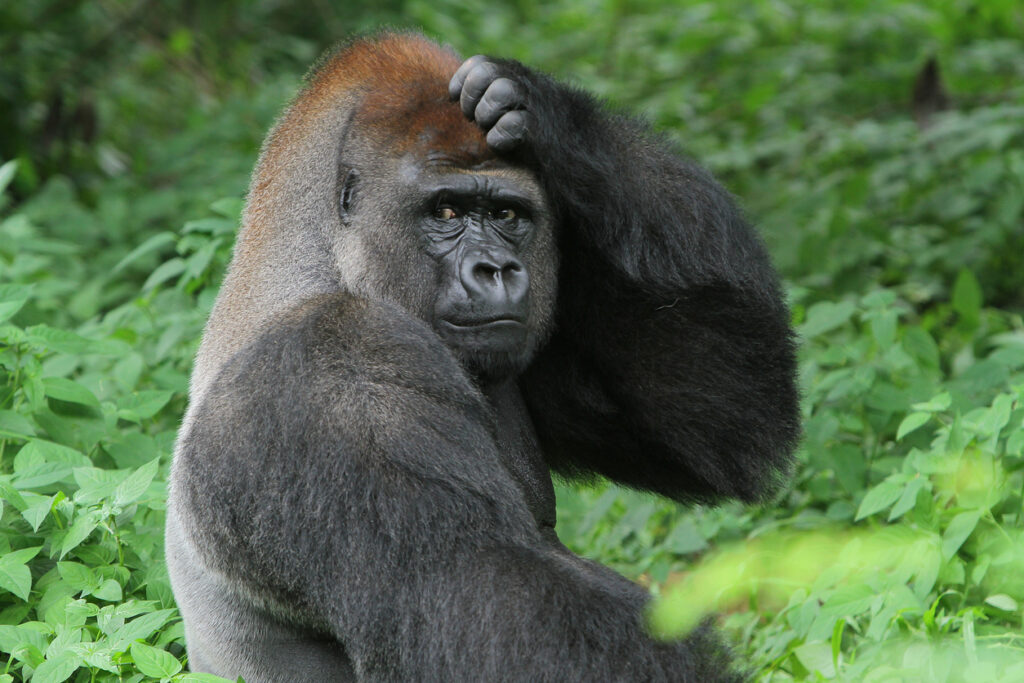
A sideways stance allows the animal to look larger while keeping both attack and escape options open. It’s a strategic position, not a relaxed one. This posture is often paired with stiff legs and controlled movement. It signals readiness and alertness, showing the animal is prepared for what happens next.
9. Repeated yawning, lip-licking, or exaggerated swallowing

These behaviours are often misread as calmness or boredom, especially in familiar animals. In reality, they’re common stress signals in many mammals. When they appear repeatedly in a tense situation, they suggest the animal is uncomfortable and trying to regulate itself. If the stress continues, self-soothing can quickly give way to aggression.
10. Sudden silence after warning sounds
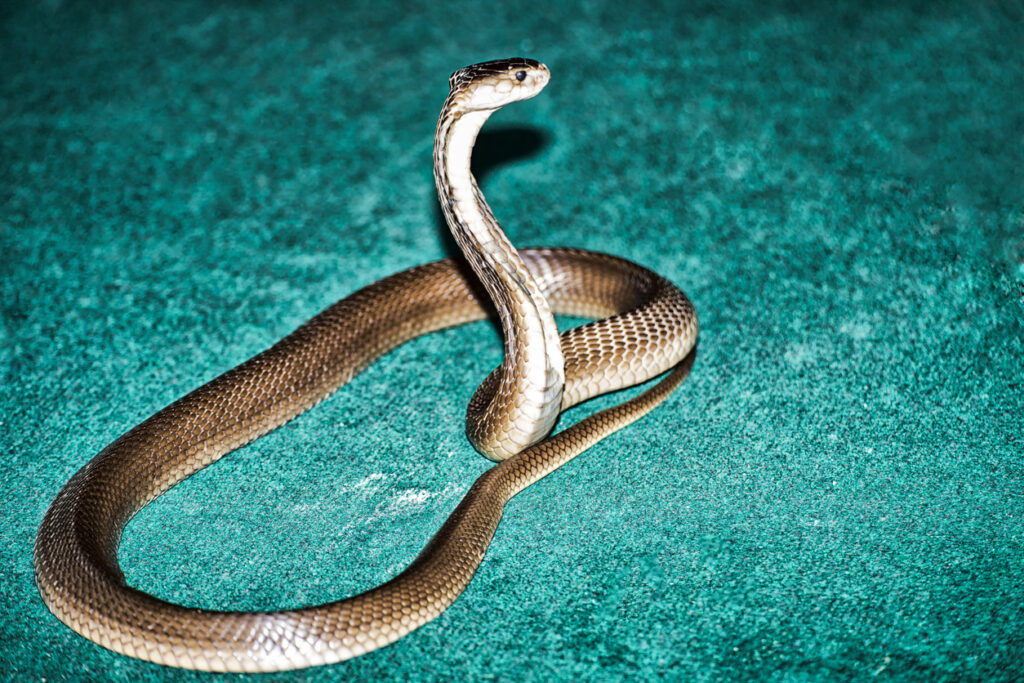
It might seem counterintuitive, but silence can be more dangerous than noise. An animal that stops growling or hissing after warning you may be shifting from signalling to acting. That intense focus often precedes a rapid movement. At this stage, the animal has likely decided that further warnings aren’t working.
11. Blocking or guarding behaviour
When an animal positions itself between you and something valuable, such as food, offspring, or territory, it’s issuing a clear boundary. This placement is deliberate. Trying to step around or past the animal often triggers defensive aggression. From the animal’s perspective, you’re approaching something it feels obligated to protect.
12. Repeated attempts to create distance
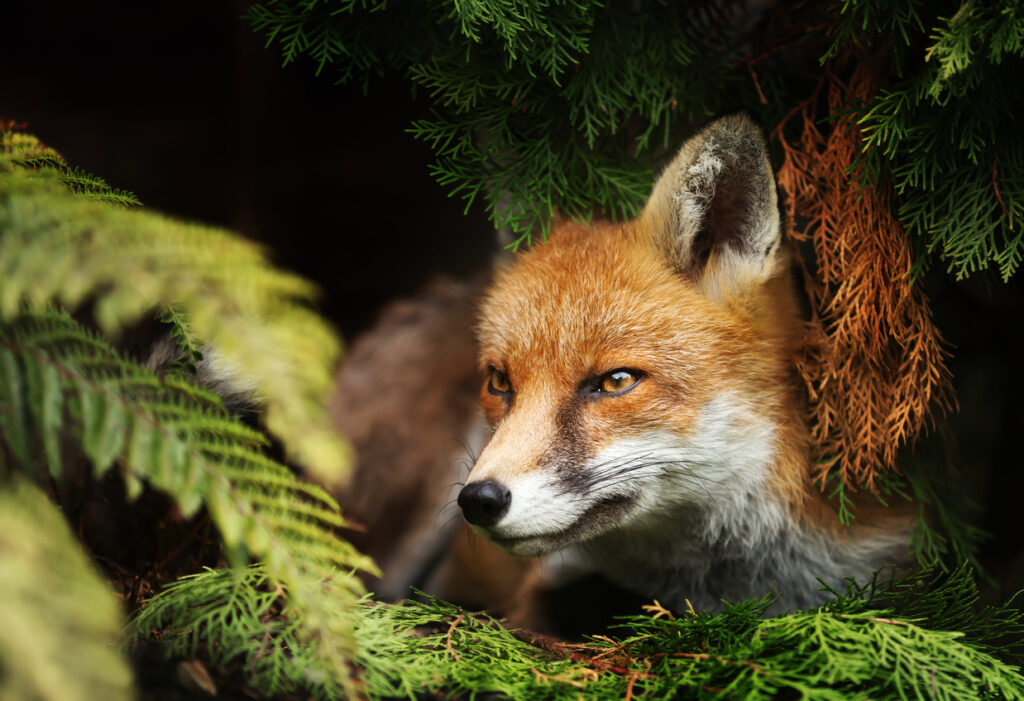
Backing away, circling, or repositioning to increase space is an animal’s attempt to avoid conflict. It’s a warning, not an invitation to follow or corner it. When escape options disappear, many animals switch quickly from avoidance to attack. Respecting these early distancing behaviours is often what prevents an encounter from turning dangerous.