It’s easy to assume that modern medicine is all about sterile labs and complex synthetic chemicals, but a surprising amount of what you’ll find in a pharmacy actually started out growing in a British hedgerow.

Even in 2026, we’re still heavily reliant on compounds first discovered in the plants that have been part of our landscape for centuries. We’ve moved on from the days of old-school herbalism and “magic” cures, but the core ingredients in many life-saving drugs remain exactly the same. From common garden flowers to trees you’d walk past in any local park, these plants provide the raw materials for everything from standard painkillers to advanced heart treatments. These 10 British plants show that while our tech has moved on, nature is still doing a lot of the heavy lifting when it comes to keeping us healthy.
1. Willow bark contains the compound that became aspirin.

Willow trees grow throughout Britain, and people have been chewing the bark to relieve pain and fever for thousands of years. The active ingredient is salicin, which your body converts into salicylic acid, the basis for aspirin. Pharmaceutical companies eventually synthesized a more stable version called acetylsalicylic acid, but the original compound came directly from British willows.
You can still make willow bark tea today for headaches, though aspirin is obviously more convenient and precisely dosed. The connection between a common British tree and one of the world’s most widely used medications is pretty remarkable.
2. Foxglove provides life-saving heart medication.

Foxgloves are those tall purple flowers you see in British gardens and wild areas, and they’re also the source of digoxin, a crucial heart medication. The plant contains compounds called cardiac glycosides that strengthen heartbeats and regulate rhythm in people with heart failure.
A doctor in the 1700s learned about foxglove’s heart benefits from a traditional healer and introduced it to mainstream medicine. Modern pharmaceutical companies still extract digitalis compounds from foxglove because they can’t synthesize them as effectively. The whole plant is extremely poisonous if you eat it, so this is definitely one to leave to the professionals.
3. Hawthorn is prescribed for mild heart conditions.

Hawthorn bushes are everywhere in Britain, forming hedgerows and producing red berries in autumn. The leaves, flowers, and berries all contain compounds that improve blood flow to the heart and strengthen contractions. Doctors in several European countries prescribe hawthorn extract for mild heart failure and circulatory problems.
It works more gently than pharmaceutical heart drugs and has fewer side effects for minor conditions. Hawthorn preparations are available over the counter as well, though you should check with a doctor before taking them alongside other heart medications.
4. Elderflower and elderberry treat colds and flu.

Elder trees grow wild across Britain, producing creamy white flowers in spring and dark purple berries in autumn. Both parts contain compounds that reduce inflammation, fight viruses, and support the immune system. Elderberry syrup is sold in chemists specifically for shortening the duration of colds and flu.
The flowers make a tea that encourages sweating and helps break fevers. Studies have shown elderberry actually does reduce flu symptoms and duration, so traditional medicine got this one right. Just don’t eat the raw berries as they’ll make you sick.
5. St John’s Wort is prescribed for mild depression.
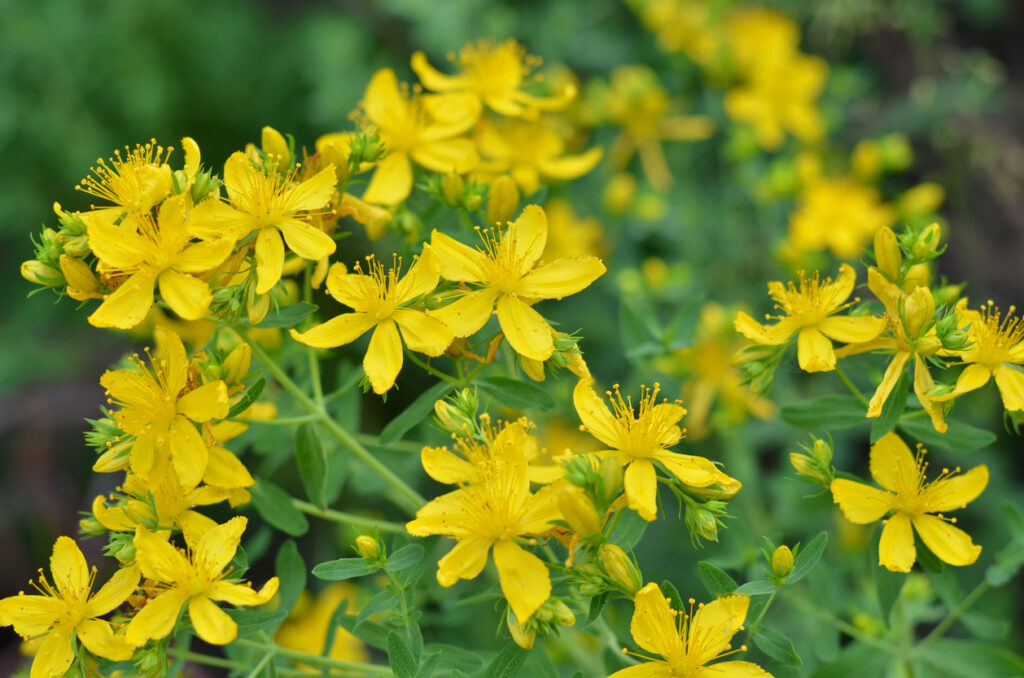
This yellow-flowered plant grows wild in British meadows and along roadsides, and it’s one of the most researched herbal medicines. In Germany, doctors prescribe St John’s Wort more often than pharmaceutical antidepressants for mild to moderate depression.
The active compounds affect brain chemistry similarly to conventional antidepressants, though the exact mechanism isn’t fully understood. It’s available over the counter in Britain, but you need to be careful because it interferes with loads of other medications including birth control pills. This is proper medicine, not just a gentle herb, so it needs treating with respect.
6. Stinging nettles reduce inflammation and allergies.

Nettles are the bane of British walkers, but they’ve got genuine anti-inflammatory and antihistamine properties. Freeze-dried nettle leaf is used to treat hay fever and seasonal allergies with decent results. The plant also contains compounds that help with arthritis pain and inflammation.
Some people drink nettle tea for urinary tract health and prostate issues. The sting comes from histamine in the hairs, which is ironic given that nettle preparations actually work as antihistamines when you consume them properly.
7. Meadowsweet was the original source of aspirin compounds.
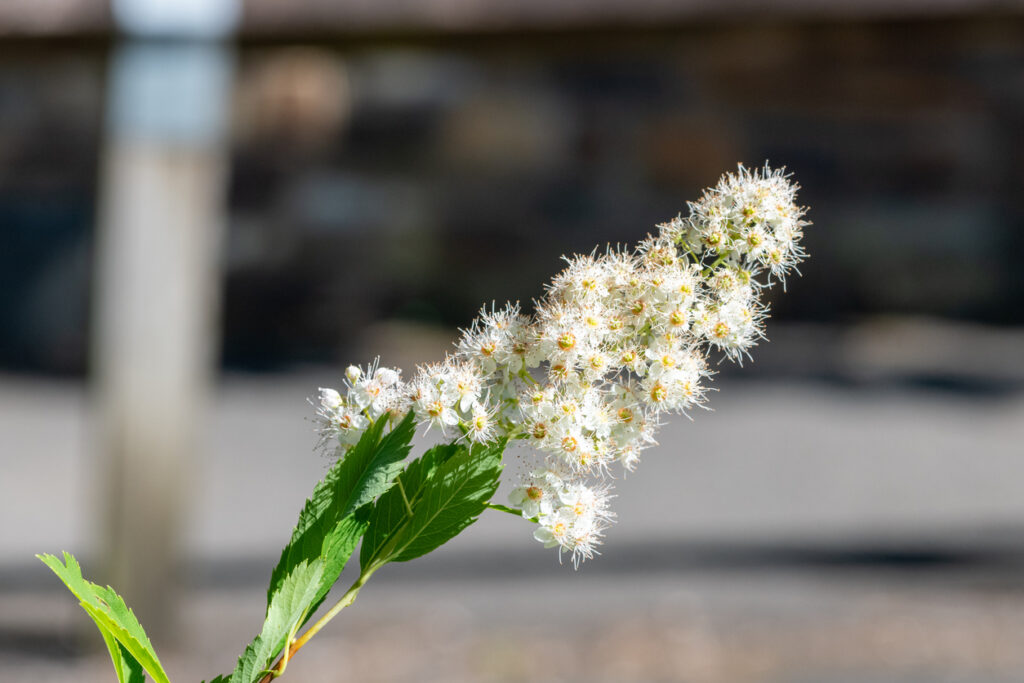
Meadowsweet grows in damp British meadows and along streams, producing clusters of creamy white flowers that smell sweet. Like willow, it contains salicylates that reduce pain and inflammation. Before synthetic aspirin, people made meadowsweet tea for headaches, fever, and joint pain.
The plant also soothes digestive problems, which is handy because aspirin can irritate your stomach. Aspirin actually got its name from meadowsweet’s old Latin name, Spiraea, showing how central this British plant was to developing modern pain relief.
8. Chamomile calms digestion and anxiety.
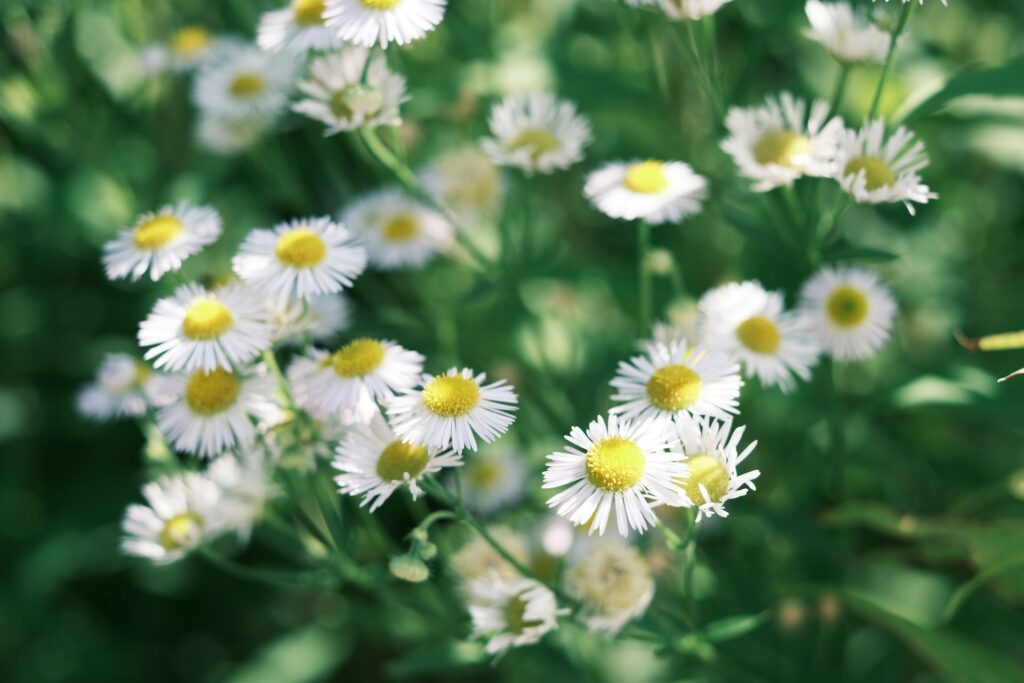
Wild chamomile grows throughout Britain, though most medicinal chamomile is now cultivated. The flowers contain compounds that relax smooth muscle, reduce inflammation, and have mild sedative effects. Chamomile tea is sold in every supermarket for good reason because it genuinely helps with indigestion, anxiety, and sleep problems.
It’s also used topically for skin inflammation and wound healing. This is probably the most widely used medicinal plant in Britain today, even though most people think of it as just a nice bedtime drink.
9. Yarrow stops bleeding and reduces inflammation.
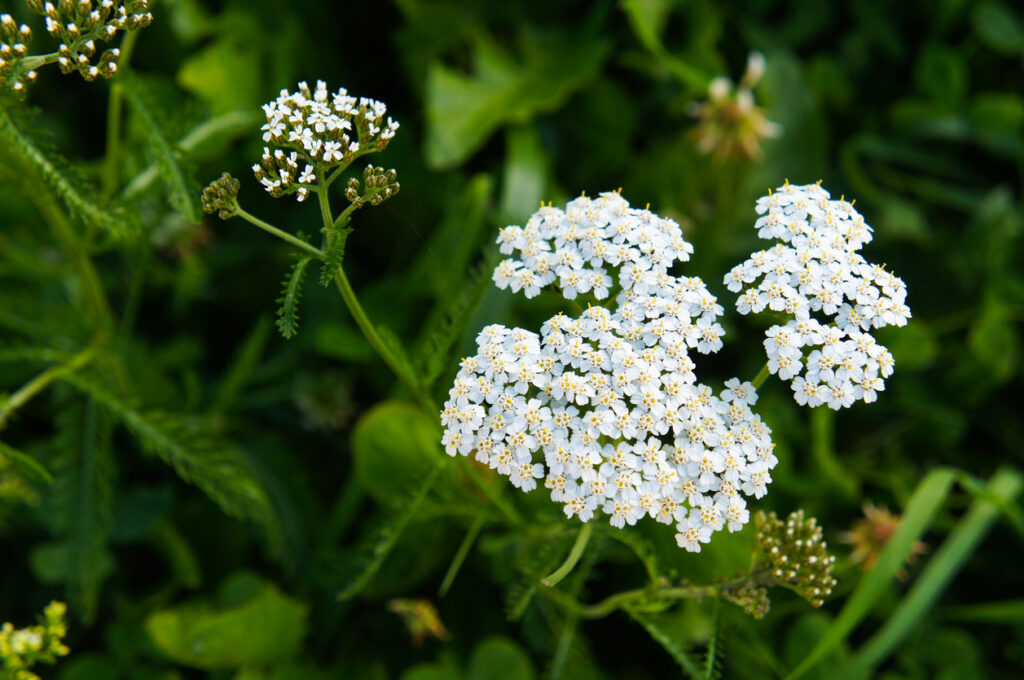
Yarrow is that white-flowered plant with feathery leaves that grows wild across Britain. It’s been used to stop bleeding for centuries, and soldiers carried it to treat wounds on battlefields. The plant contains compounds that promote blood clotting and reduce inflammation.
Modern herbalists still use yarrow for heavy periods, nosebleeds, and minor wounds. It also works as a fever reducer and digestive aid. Yarrow tea tastes fairly bitter, but it’s effective for colds and flu when you want to encourage sweating.
10. Plantain treats minor wounds and insect bites.
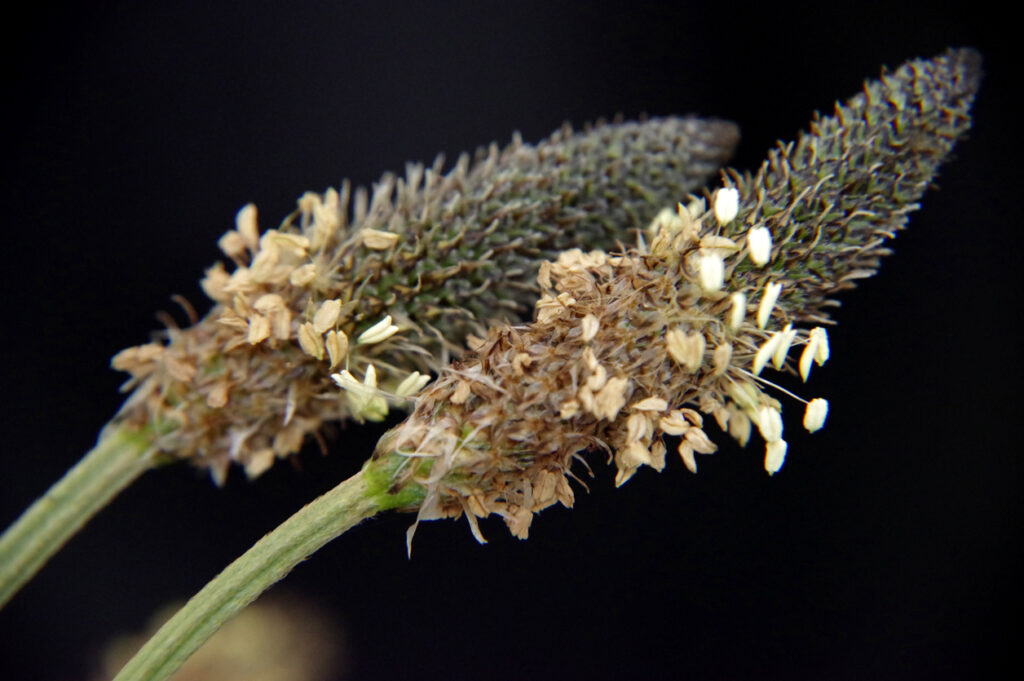
Not the banana-like fruit, but the weedy plant with oval leaves that grows in every British lawn and path. Ribwort plantain and broadleaf plantain both have medicinal properties that soothe inflammation and promote healing. The leaves contain compounds that are antibacterial and reduce swelling.
Crushing fresh plantain leaves and applying them to insect bites, stings, or minor cuts provides immediate relief. Plantain is also used in cough syrups because it soothes irritated mucous membranes. It’s possibly the most accessible medicinal plant in Britain since it literally grows everywhere, even in cities.