We Brits grew up with the idea that Australia is basically one giant death trap where everything with eight legs or a tail is actively plotting your demise.

While a tourist might see a huntsman spider on the wall and consider burning the whole house down, most Aussies wouldn’t even look up from their breakfast. It’s a massive culture clash between people who think a fox in the garden is a big deal and people who grew up sharing their laundry basket with creatures that look like they crawled out of a prehistoric nightmare.
You eventually realise that locals aren’t being brave; they’ve just lived with these things long enough to know which ones are actually a problem and which ones are just ugly. These 10 animals are the stuff of British nightmares that Australians have simply accepted as part of the furniture.
1. Huntsman spiders are treated like harmless roommates.
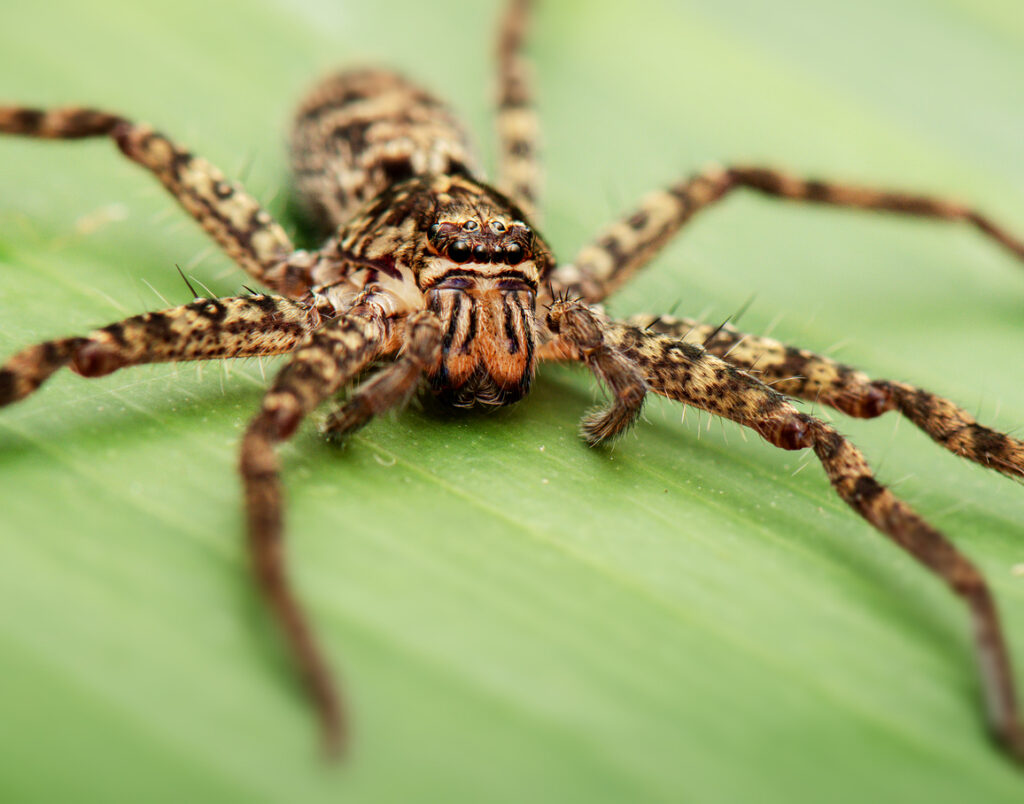
These massive spiders are the size of your hand and can move incredibly fast, which absolutely horrifies British visitors. Australians, however, often let them live in the house because they eat other insects. You’ll see Aussies casually relocating huntsmen with a cup and paper, or just leaving them on the wall indefinitely.
They’re not aggressive, and their bite isn’t medically significant, but try telling that to a Brit who’s never seen a spider larger than a 50p piece. The relaxed Australian attitude towards what looks like a tarantula wandering across the ceiling is genuinely baffling to visitors.
2. Redback spiders live in everyone’s shed.

These venomous spiders are related to black widows and their bite can be nasty, requiring antivenom in some cases. Yet, Australians treat them as a mild inconvenience. They’re everywhere, particularly in outdoor furniture, letterboxes, and garden sheds. Locals just check before reaching into places where redbacks might be hiding, then get on with their day.
Brits usually lose their minds at the idea of a potentially deadly spider living in the garden furniture. Australians shrug and mention that no one’s actually died from a redback bite since the 1950s, when antivenom became available.
3. Magpie swooping season is considered a minor annoyance.
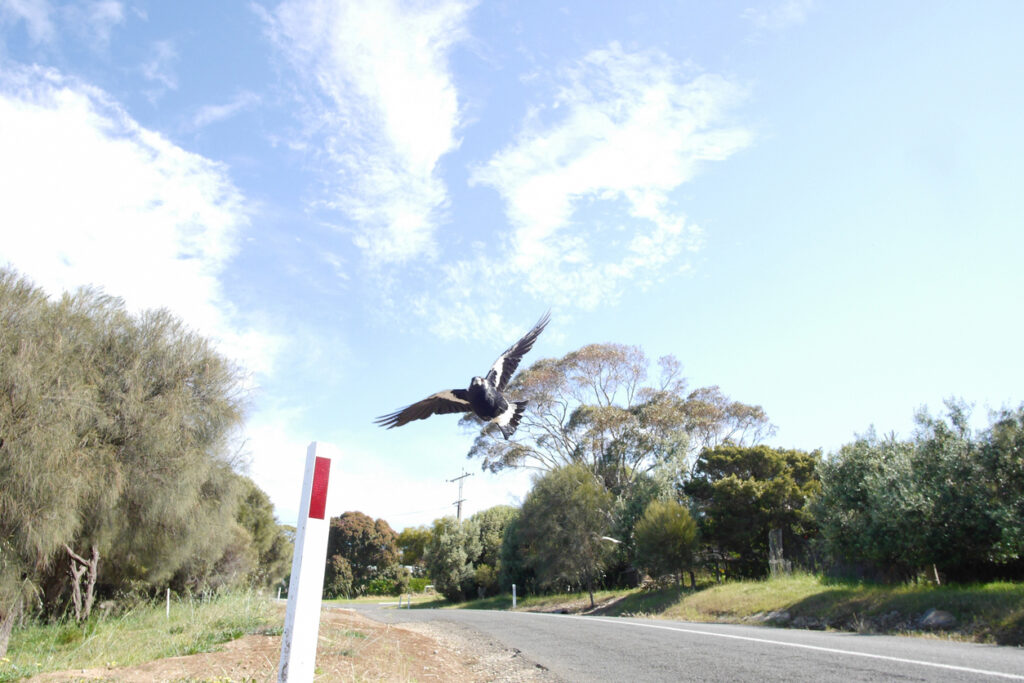
For six weeks during breeding season, Australian magpies dive-bomb anyone who walks near their nests. They can draw blood with their beaks and have caused cycling accidents when they attack riders. Australians respond by wearing ice cream containers on their heads, cable-tying zip ties to helmets, or just walking faster. They treat it like bad weather, an unavoidable seasonal nuisance.
Brits, on the other hand, are genuinely traumatised by being attacked by what looks like a normal bird. The casualness with which Aussies accept that birds will assault you from the sky is deeply unsettling to outsiders.
4. Blue-ringed octopuses are tiny but carry enough venom to kill 26 adults.
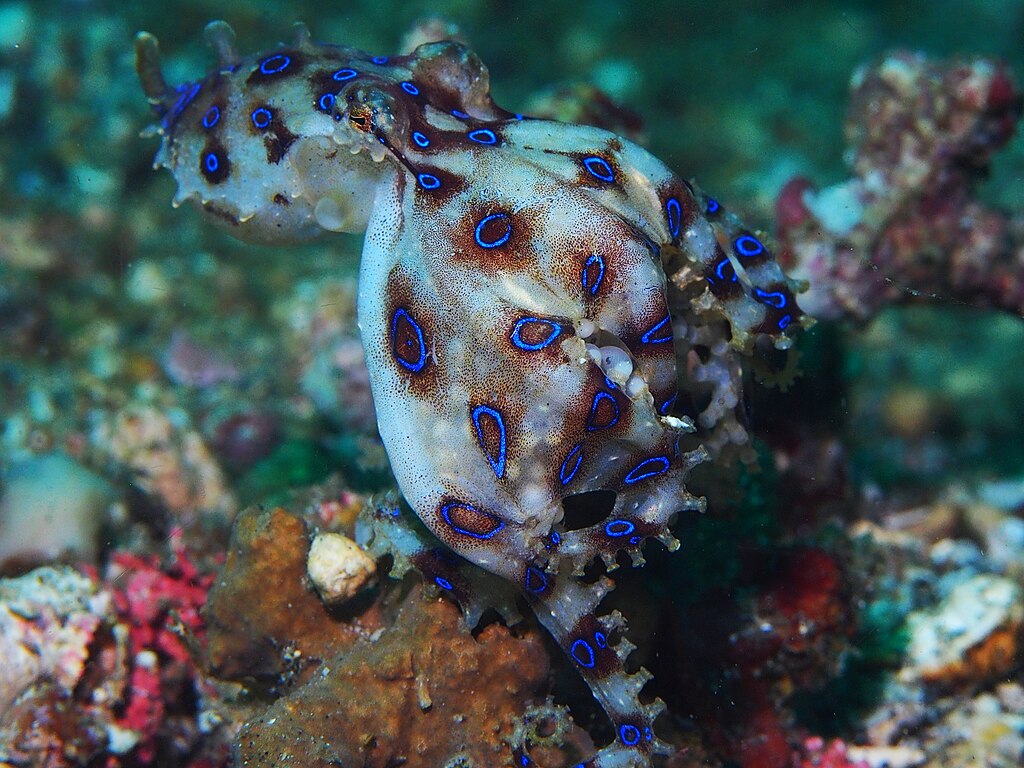
These beautiful little octopuses, often found in rock pools, contain tetrodotoxin with no known antivenom. Their bite can cause complete paralysis and respiratory failure within minutes. Yet Australian kids are just taught not to touch them, the same way British kids learn not to touch stinging nettles.
Locals spot them in tide pools and simply give them space, but tourists panic at the idea of something so deadly being in shallow water where children play. Australians treat them with respect but not terror, which seems insane given the lethality.
5. Funnel-web spiders are genuinely dangerous but get casual treatment.
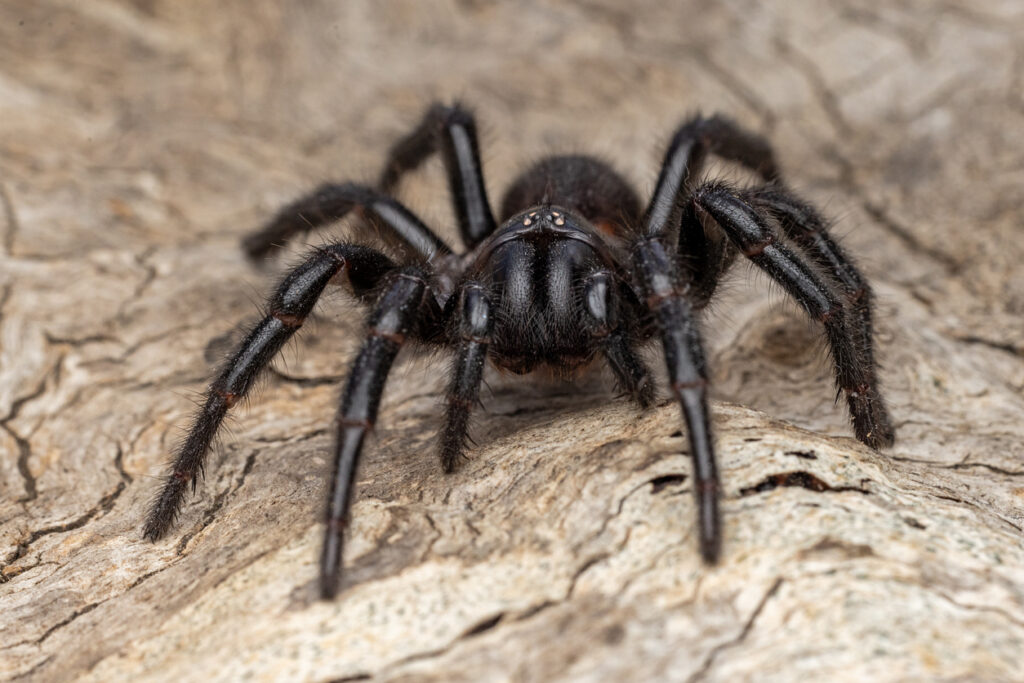
Sydney funnel-webs have fangs that can pierce fingernails and venom that can kill within 15 minutes if untreated. They’re aggressive and will rear up when threatened. Despite this, Sydneysiders just check their shoes before putting them on and avoid leaving washing on the ground. They know where funnel-webs like to hide and work around them.
The idea that you need to shake out your shoes every morning because deadly spiders might be inside would send most Brits straight back to the airport. Australians treat it as basic morning routine.
6. Snakes are everywhere and barely cause concern.
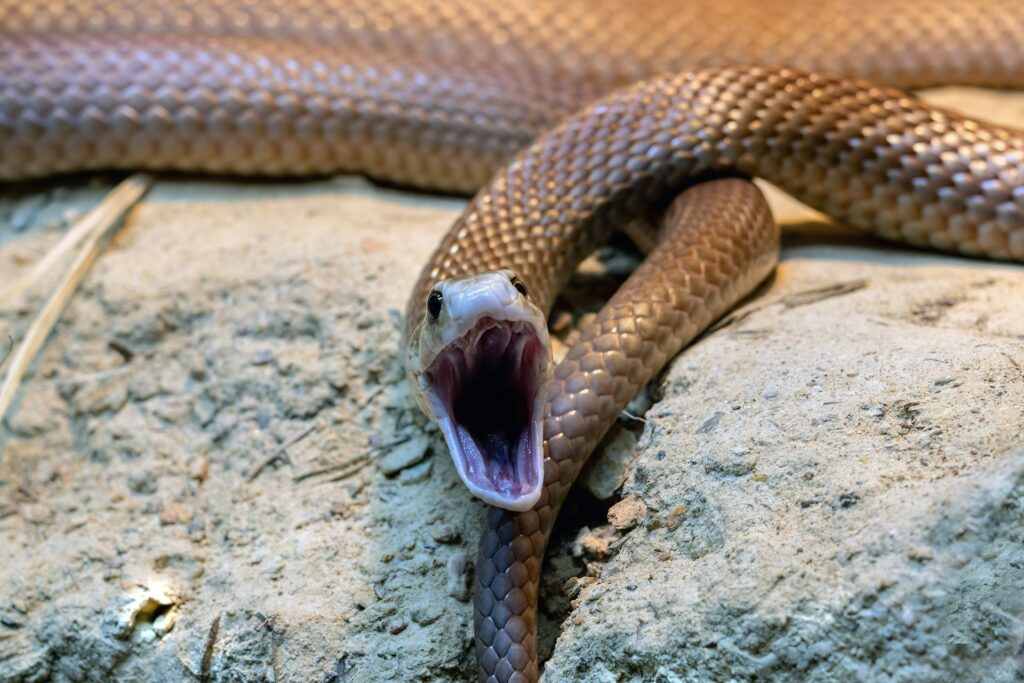
Australia has some of the world’s most venomous snakes, including the eastern brown, tiger snake, and taipan. However, Australians encounter them regularly and just back away slowly. They know most snake bites happen when people try to catch or kill the snake, so they leave them alone.
We tend to freak out at the idea of deadly snakes in suburban gardens, parks, and even shopping centre car parks. Australians call a snake catcher if one gets into the house; otherwise, they let it go about its business. The casualness towards creatures that can kill you with one bite is genuinely shocking to visitors.
7. Saltwater crocodiles are just part of life in the north.
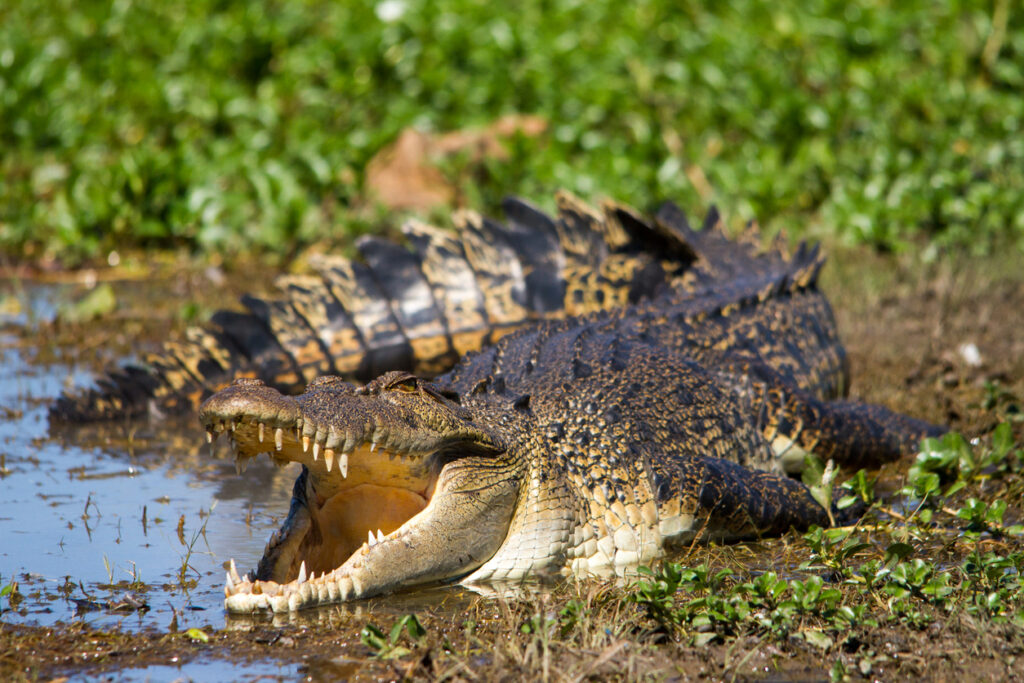
Salties can grow to six metres, kill several people a year, and inhabit waterways throughout northern Australia. Locals swim anyway, just not in certain areas, and treat croc safety like road safety. They know the rules and follow them without constant fear.
Tourists can’t comprehend swimming anywhere near water that contains ambush predators large enough to eat a cow. Australians in croc territory laugh at southern Australians who are scared, creating a hierarchy of casualness about danger. The signs saying “crocodiles inhabit this area” don’t stop locals from launching boats or fishing, they just make them watchful.
8. Bull ants deliver incredibly painful stings but get ignored.
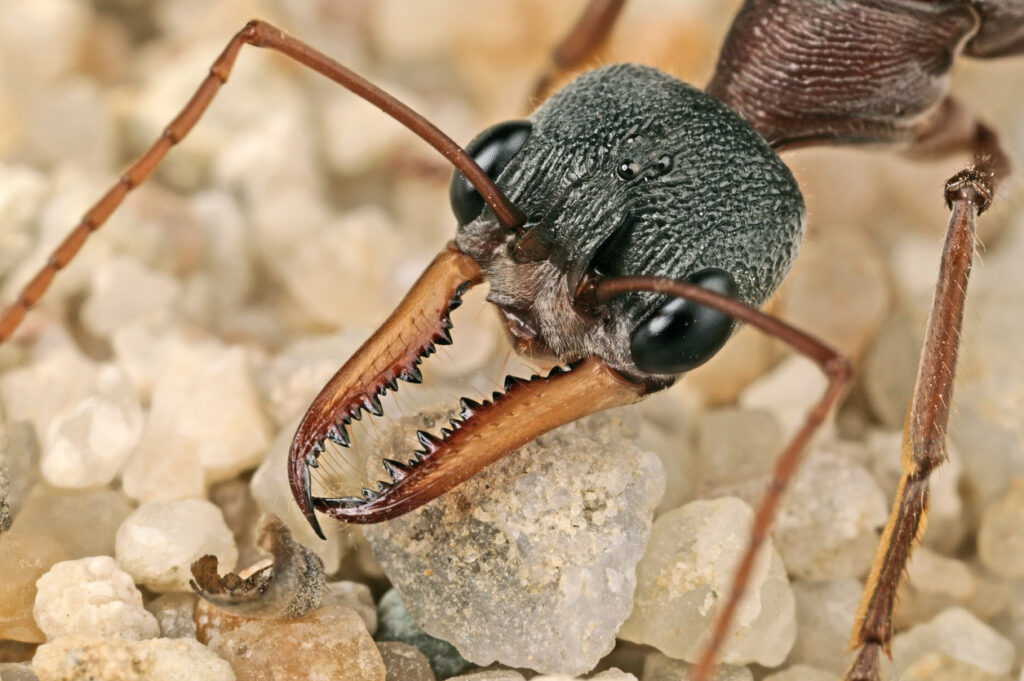
These aggressive ants are over two centimetres long with massive mandibles and painful stings that cause severe allergic reactions in some people. Australians just avoid their nests and get on with gardening or bushwalking. Children learn to spot bull ant nests and step around them.
Lots of Brits are horrified that ants the size of your fingernail can bite and sting simultaneously, and that Australians just accept their presence in parks and gardens. The idea of taking children to a park where they might encounter these things would shut down playgrounds in Britain, but Australian kids just learn not to disturb the nests.
9. Box jellyfish season just means you swim in stinger nets.

Box jellyfish tentacles can kill within minutes and cause excruciating pain. They’re found in tropical waters during summer months. Rather than avoiding the beach entirely, northern Australians just swim in netted enclosures or wear stinger suits. They treat it as a scheduling issue, not a reason to never swim.
We can’t fathom going to the beach knowing that invisible floating death might be in the water. The casual acceptance of swimming in an ocean that requires protective equipment because of deadly jellyfish is completely alien to British beach culture.
10. Drop bears are the ultimate test of gullibility.
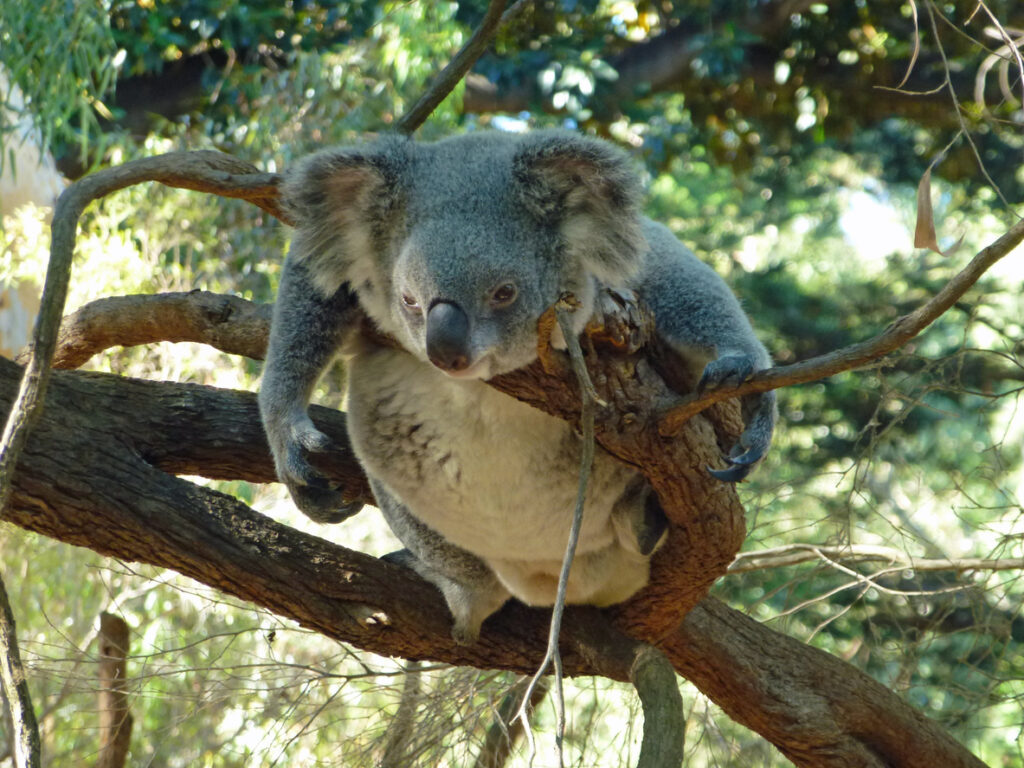
This is where Australians have the most fun with terrified tourists. Drop bears don’t exist, but Australians convince visitors that carnivorous koalas drop from trees to attack people. The fact that Brits believe this while Australians keep straight faces reveals how successfully Australia has exported its reputation for deadly wildlife.
British tourists are so primed to expect danger that they’ll believe in fictional predatory koalas. Meanwhile, actual dangerous animals get treated with the same energy Brits reserve for wasps, just a minor irritation to be managed. The gap between perceived danger and actual Australian attitudes is what makes visiting Australia such a psychological adjustment for Brits.