Small dogs usually get a free pass because they’re portable, fluffy, and easy to scoop up when they start acting out.

People tend to brush off their bad behaviour as sassy or cute, but a dog’s size doesn’t magically cancel out its instincts or its fear. Some of these tiny breeds are actually more prone to snapping and guarding than the big guys, and when we ignore their warning signals, we’re basically training them that aggression is the only way to get their point across. You can’t just treat them like stuffed toys and expect them to be well-adjusted; they need the same structure and respect you’d give a hundred-pound Doberman.
1. Chihuahuas
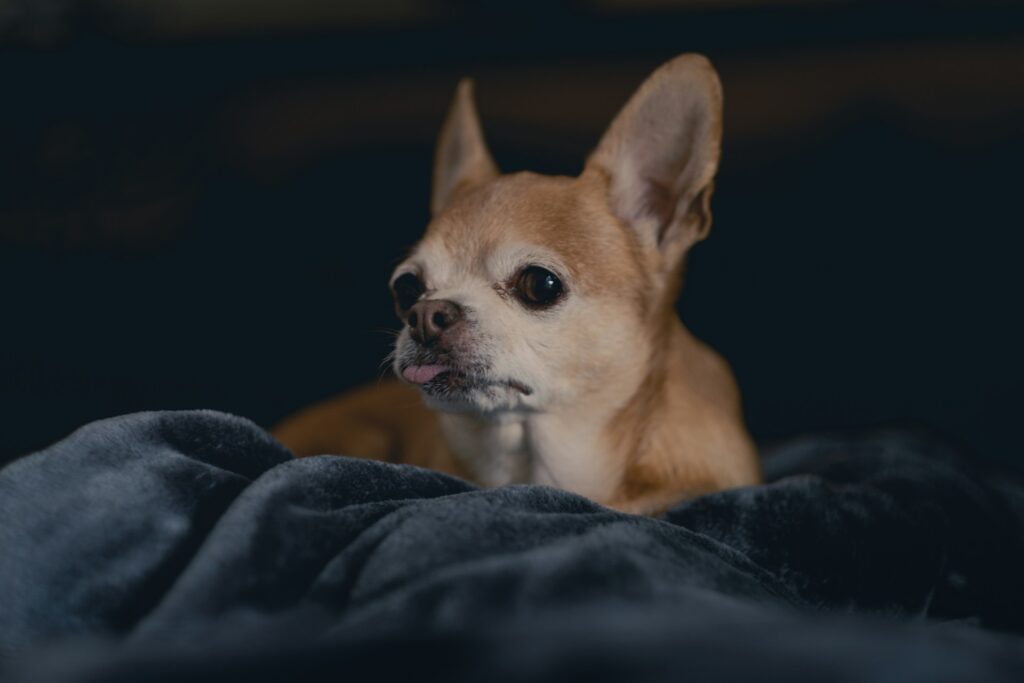
Chihuahuas aren’t being mean when they snap; they’re usually just terrified and trying to defend their personal space. They’re wired like tiny guard dogs: highly alert, fiercely loyal to one person, and incredibly reactive to anything they find threatening.
Because they’re so small, people often ignore their growls or find their “tough guy” act funny, which is a massive mistake. When a Chihuahua realises its subtle warnings are being laughed at, it learns that the only way to get people to back off is to go straight for the teeth. They need owners who actually listen to their body language instead of constantly invading their bubble for a photo op.
2. Dachshunds
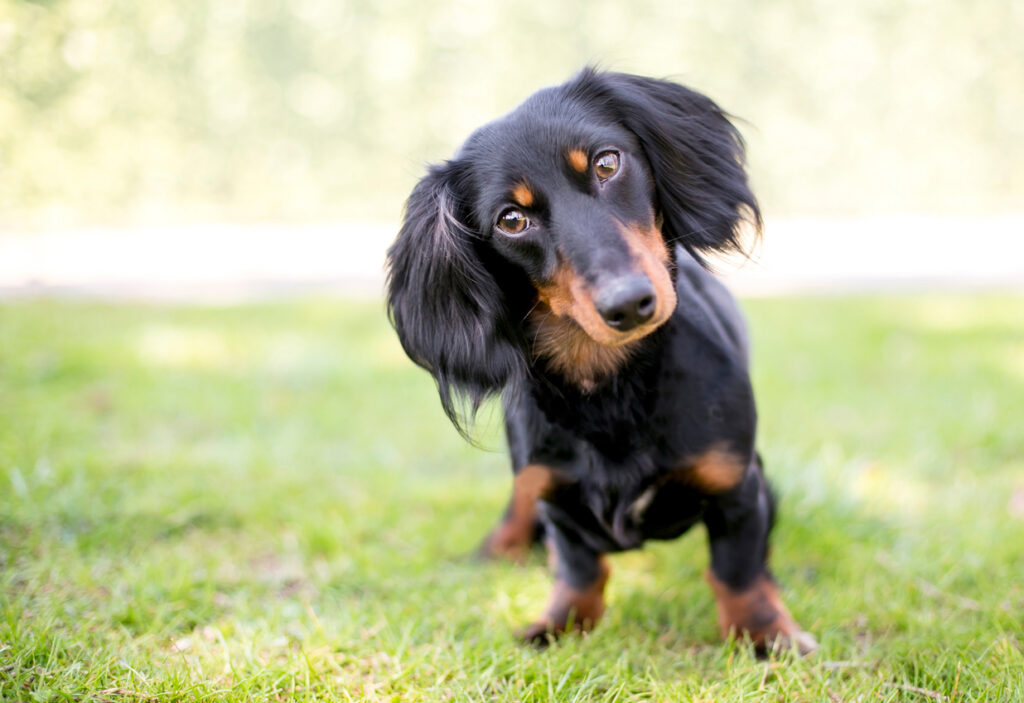
Dachshunds were originally bred to hunt badgers in underground tunnels, so that fearless, stubborn streak is literally in their DNA. They’re bold, territorial, and have a level of intensity that catches a lot of casual owners off guard. When they feel challenged or like their favourite human is under threat, they won’t hesitate to react.
They’re also notorious for guarding their food, their toys, or even the spot next to you on the sofa. If you don’t set firm boundaries early on, that confidence quickly turns into bossiness and snapping, especially since their long backs make them sensitive to being handled incorrectly.
3. Jack Russell Terriers
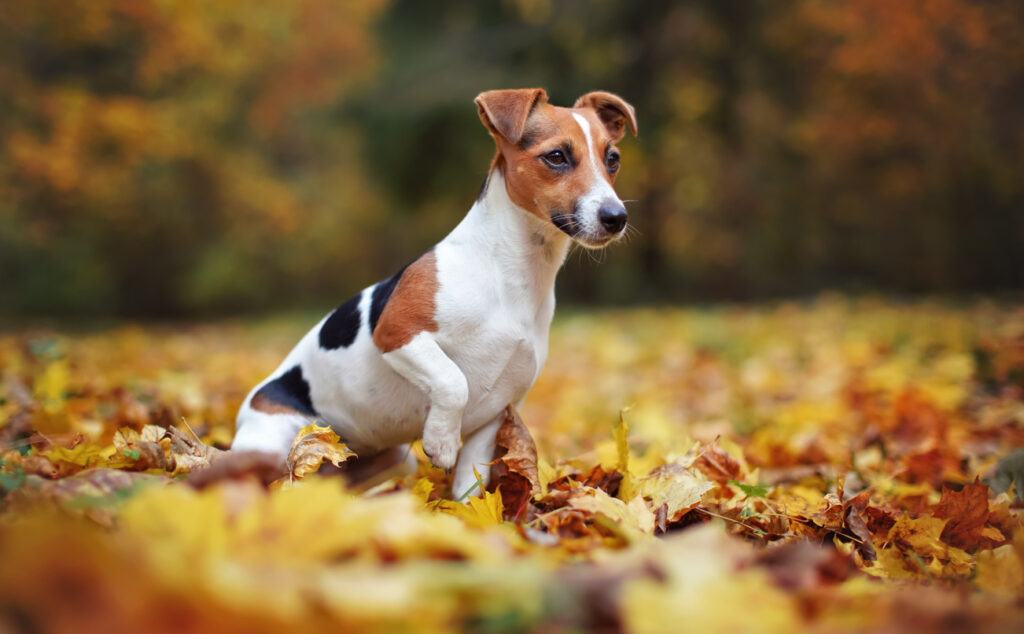
A Jack Russell is basically a high-speed engine trapped in a ten-pound body. They were bred to chase and kill vermin, and that high prey drive means they’re constantly looking for something to hunt or dismantle. When they don’t get enough exercise or mental stimulation, all that pent-up energy turns into frustration and hair-trigger reactivity.
You’ll see them lunging or snapping not because they’re inherently aggressive, but because they’re bored out of their minds. These dogs need a job to do and a lot of structure; otherwise they become short-tempered and start seeing every passing ankle as a target.
4. Pomeranians
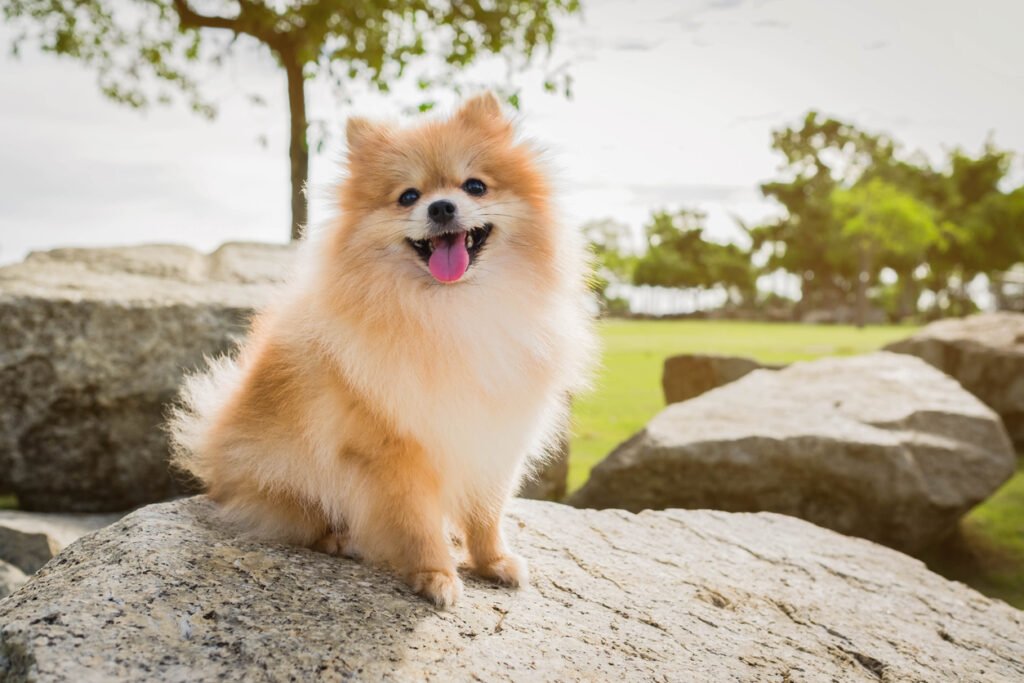
Behind all that ridiculous fluff is a sharp, vocal watchdog that is naturally suspicious of anything new. Pomeranians aren’t exactly the “friendly to everyone” type by default; they’re alert and quick to sound the alarm at the slightest sound.
Because they look like literal toys, they get picked up, crowded, and poked more than almost any other breed, which can be totally overwhelming for them. Many Poms eventually learn that a quick snap is the fastest way to get some breathing room when people won’t stop in their tracks. They need to know that their personal space is respected, or they’ll spend their lives on the defensive.
5. Miniature Pinschers

Often called the “King of Toys,” the Miniature Pinscher has no idea how small it actually is. They’re bold, intense, and territorial to the point of being reckless, often picking fights with dogs ten times their size just to prove a point. If they aren’t socialised properly from day one, they can become incredibly reactive with strangers and other animals.
They have an assertive nature that requires a calm, consistent owner who knows how to lead. Without that guidance, they’ll happily take charge of the household themselves, and they’ll usually use their teeth to enforce their rules.
6. Yorkshire Terriers
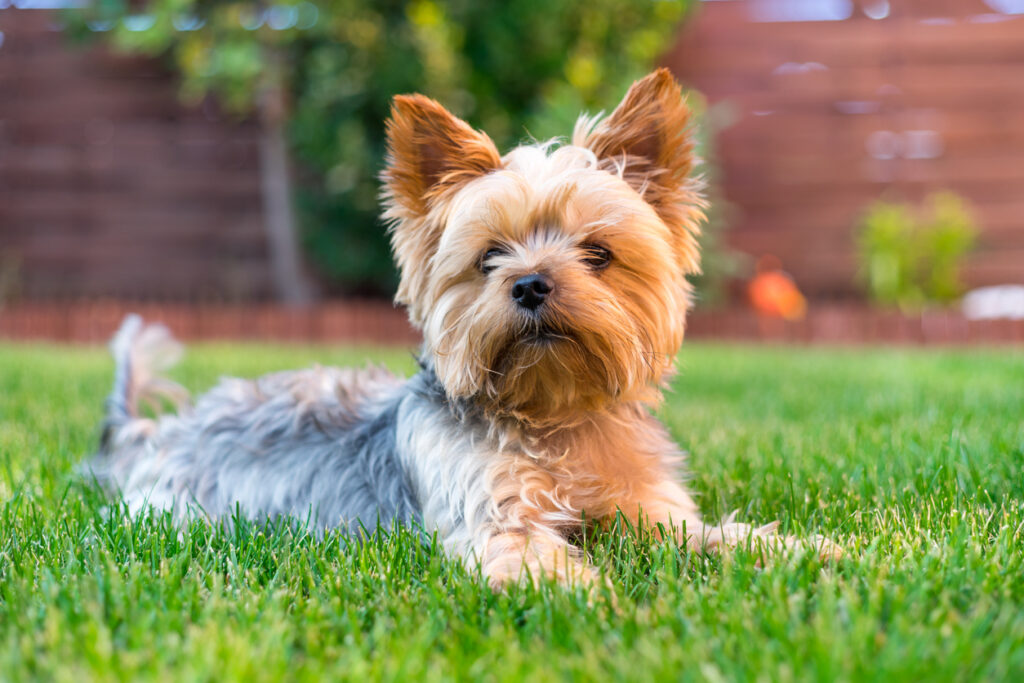
Yorkies might be a staple of the lapdog world now, but they started out as gritty rat-catchers in English mills. That feisty, confident heritage is still very much alive, and they often react to threats as if they’re the biggest dog in the park. Their small size means their aggression is frequently excused or even encouraged as being “brave,” which only reinforces the bad behaviour.
This teaches them that growling and snapping are perfectly acceptable ways to communicate. Consistent training matters just as much for a Yorkie as it does for a Great Dane because an unchecked ratter instinct can lead to a lot of nipped fingers.
7. Shih Tzus

Shih Tzus are generally seen as gentle companions, but they can be surprisingly defensive when they feel cornered or uncomfortable. They’re sensitive to how they’re handled, and they don’t always have a high tolerance for the rough, unpredictable movements of children or strangers.
When their subtle “leave me alone” signals are missed, they can escalate to a bite remarkably fast. Because everyone expects them to be calm and lazy, the early warning signs often get ignored until snapping becomes their default response. They need a predictable environment where they don’t feel like they have to protect themselves from constant manhandling.
8. Toy Poodles
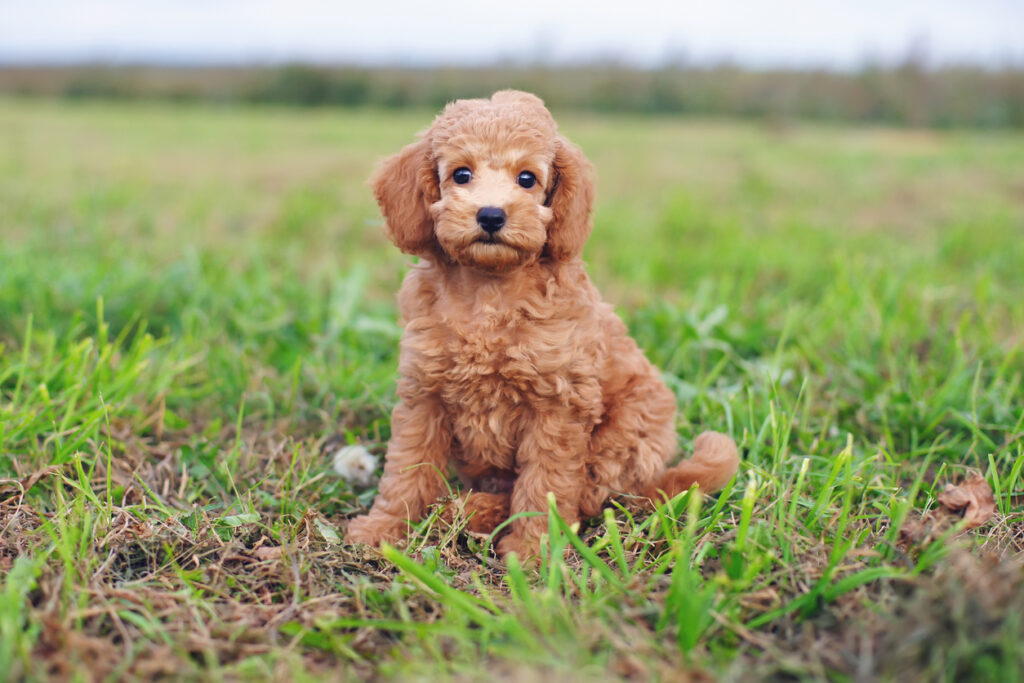
Toy Poodles are incredibly smart and emotionally sensitive, which means they pick up on every bit of tension in the house. If they aren’t given clear boundaries and plenty of confidence-building exercises, that intelligence can easily turn into anxiety-based aggression.
They’re quick to notice changes in their environment, and fear can quickly lead to nipping if they feel unsure of themselves. Their brains work fast, so they learn bad habits just as quickly as good ones. If they find out that a snap gets them out of a scary situation, they’ll use that tactic every single time.
9. Lhasa Apsos
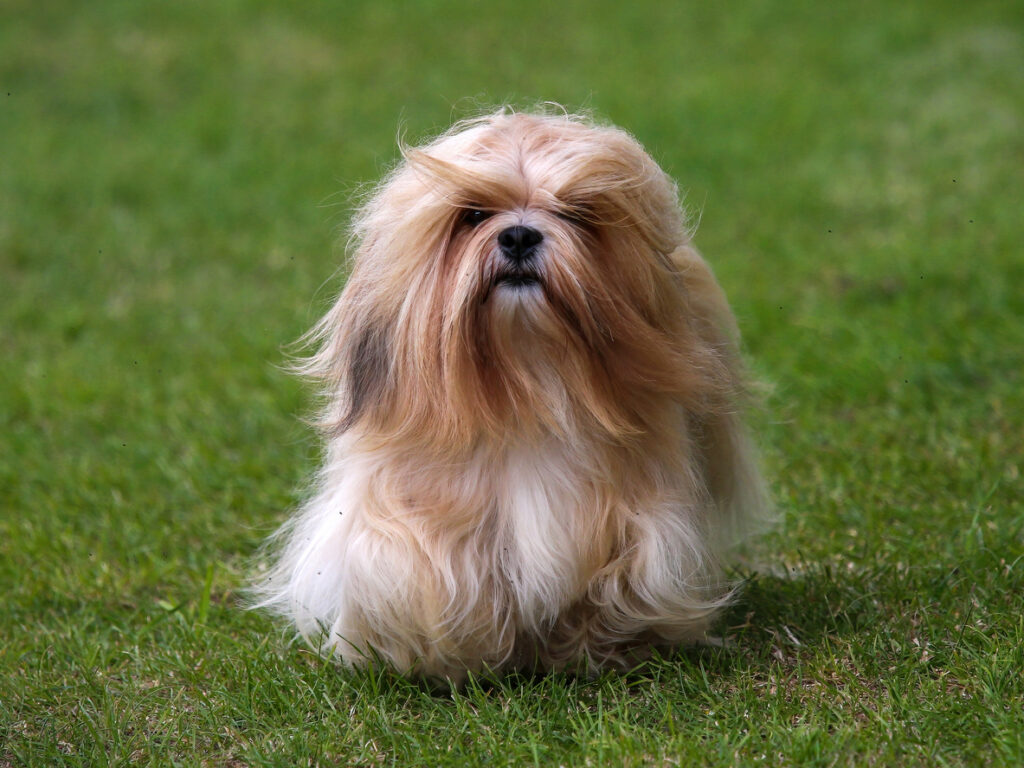
Bred as watchdogs for Tibetan monasteries, Lhasa Apsos take their role as protectors very seriously. They’re naturally suspicious of anyone who isn’t part of their “inner circle” and are deeply bonded to their owners. If those protective instincts aren’t guided properly, they can become territorial and reactive toward anyone entering their space.
This isn’t random meanness; it’s just a dog doing the job it was bred for without any direction from its owner. They need to be taught who is a guest and who is a threat, or they’ll just assume everyone is the latter.
10. Pekingese

The Pekingese has a massive sense of self-importance and zero interest in being treated like a toy or handled roughly. They are independent, stubborn, and will let you know immediately if they’re displeased with how you’re interacting with them.
When owners ignore their grumpy body language or try to force them into cuddles they don’t want, snapping becomes their primary way of protesting. Respecting their space and their dignity makes a huge difference in their temperament. Most people just don’t expect a dog that looks like a footstool to demand that much respect, but the Pekingese absolutely insists on it.