Most people think that training a cat is about as easy as herding clouds, but that’s usually because we’re trying to treat them like small, pointy dogs.

If you’ve got the right motivation—usually involving a specific brand of tuna or a bit of chicken—it’s amazing what these stubborn little creatures can actually pull off. It’s not just about getting them to sit or stay; there’s a whole range of proper stunts that’ll have your mates wondering if you’ve secretly replaced your pet with a circus performer. From high-fiving on command to actually fetching their own toys, these 10 tricks prove your cat’s probably been ignoring your instructions out of choice rather than a lack of brains.
1. Cats can learn to fetch just like dogs.

Plenty of cats naturally enjoy chasing and carrying objects, so teaching fetch isn’t as impossible as it sounds. Start with something lightweight like a small toy or crumpled paper, throw it a short distance, and reward them when they bring it back. Some cats take to this immediately because it mimics hunting behaviour. The key is keeping sessions short and stopping before they lose interest because cats won’t keep going just to please you like dogs will.
2. They can be taught to give high fives.

Cats use their paws constantly, so teaching them to tap your hand on command is surprisingly straightforward. Hold a treat just above their head so they reach up with a paw, say “high five” as they do it, and reward them immediately. After enough repetition, they’ll lift their paw when you hold your hand out. It’s a simple trick, but people are always impressed when cats do it because they expect dogs, not cats.
3. Teaching them to sit is actually quite easy.

The sit command works for cats using the same basic principle as dogs. Hold a treat above their head and slightly back, which naturally makes them sit to keep their eyes on it. Say “sit” as their bottom touches the ground and give them the treat. Most cats figure this out within a few training sessions because the movement feels natural, and the reward is immediate.
4. Cats can learn to walk on a lead.
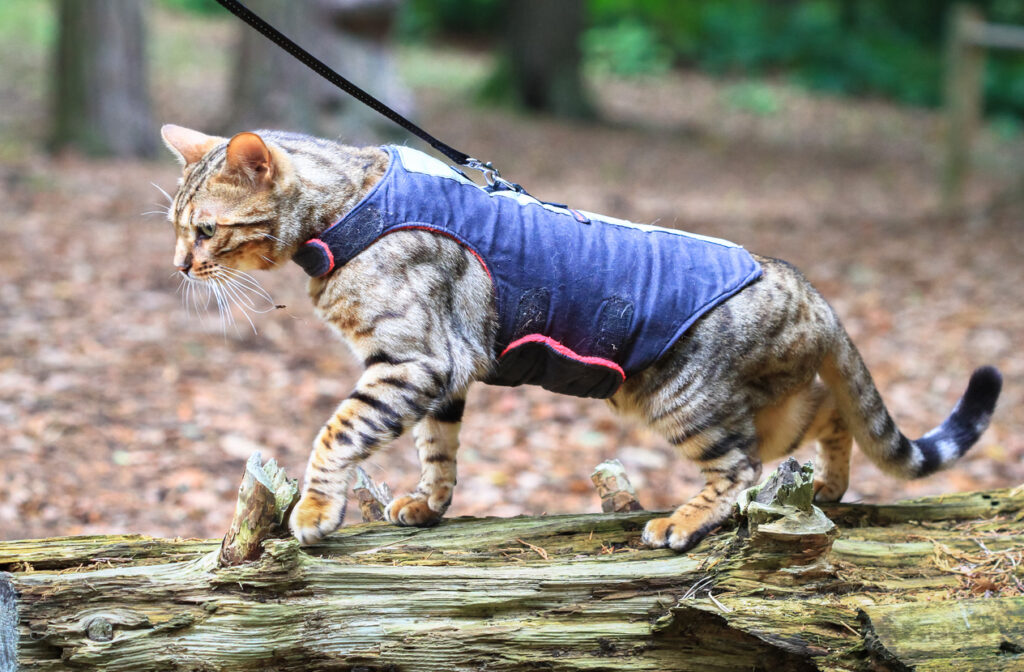
With patience and the right harness, many cats can be trained to walk outside on a lead. Start by letting them wear the harness indoors until they’re comfortable, then attach the lead and let them wander while you follow. Eventually, you can guide them gently, though you’re never going to control a cat’s walk the way you would a dog’s. Some cats absolutely love lead walks, while others tolerate them, and a few will never accept it, no matter what you do.
5. They can be trained to use the toilet instead of a litter tray.
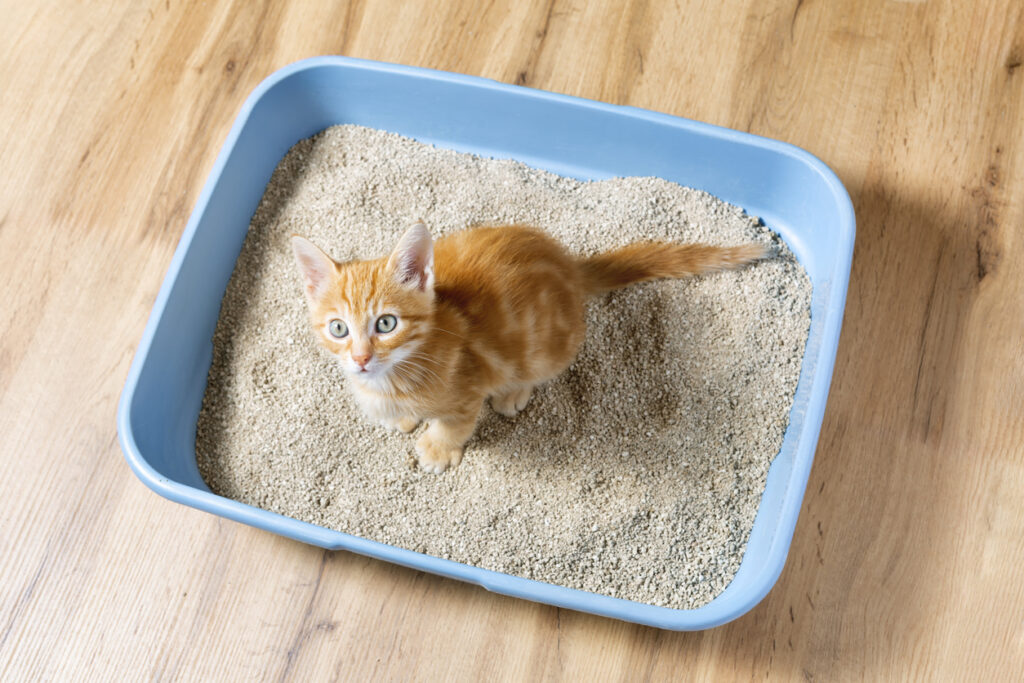
Toilet training a cat takes weeks and specific equipment, but it’s genuinely possible for most cats. You gradually raise the litter tray closer to toilet height, then transition to a training seat that fits over the toilet bowl. Eventually, you remove the training seat entirely and they just use the toilet directly. It eliminates litter completely, though some cats struggle with balance or revert to the floor if they’re stressed.
6. Teaching them to come when called actually works.

Cats have selective hearing, but they can learn to respond to their name or a specific call. Use the same word or sound every time, reward them immediately when they come, and practise when they’re already heading towards you so they associate the call with the action. It won’t work 100% of the time because cats make their own decisions, but most will come reliably when they know food or attention is involved.
7. They can learn to stay off certain surfaces.

Training cats to avoid counters, tables, or furniture is possible through consistent redirection rather than punishment. Use deterrents like double-sided tape or foil on surfaces you want them to avoid, and provide appealing alternatives like cat trees near windows. Reward them for using appropriate surfaces, and calmly remove them from forbidden ones without drama. It takes longer than training dogs because cats are more stubborn, but it does work with patience.
8. Some cats can be taught to play dead.
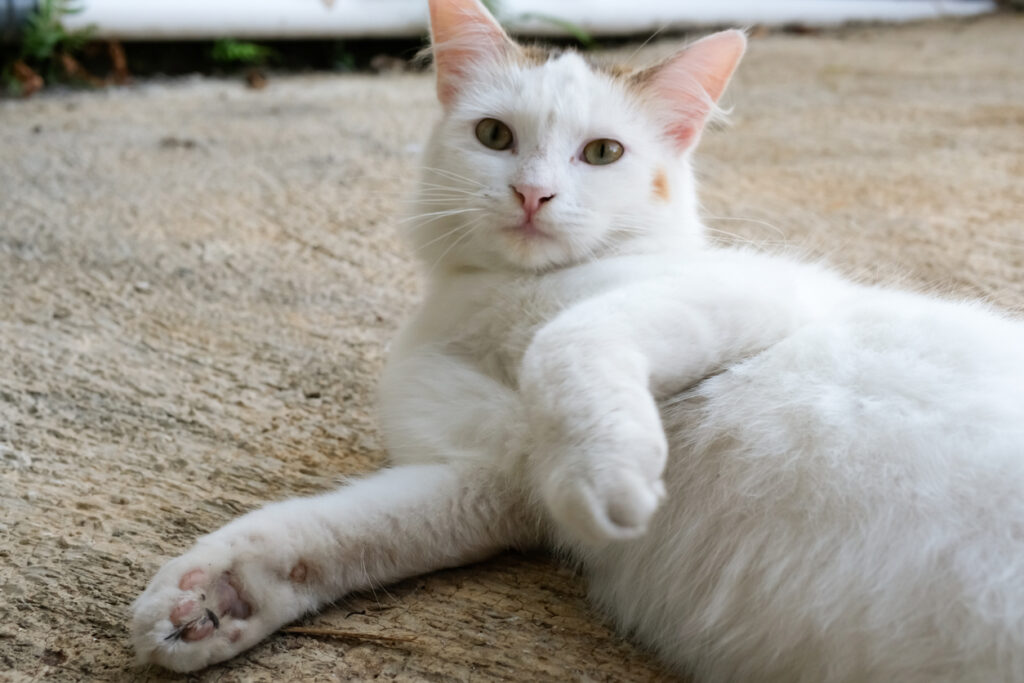
This trick works best with cats who already like lying on their side for attention. Gently guide them into a lying position, say your command word like “bang” or “play dead”, and reward them for staying still. It looks impressive because people don’t expect cats to cooperate with something so theatrical. The challenge is getting them to hold the position rather than immediately standing back up for the treat.
9. They can learn to use buttons to communicate.

Recordable buttons that play words when pressed have become popular for teaching pets to communicate. Cats can learn to press specific buttons for “food”, “play”, “outside”, or other wants. Start with one button for something they request frequently, press it yourself while saying the word, then reward them when they eventually press it. Some cats pick this up remarkably quickly, while others never quite connect the button to the outcome.
10. Cats can be trained to accept having their claws trimmed.
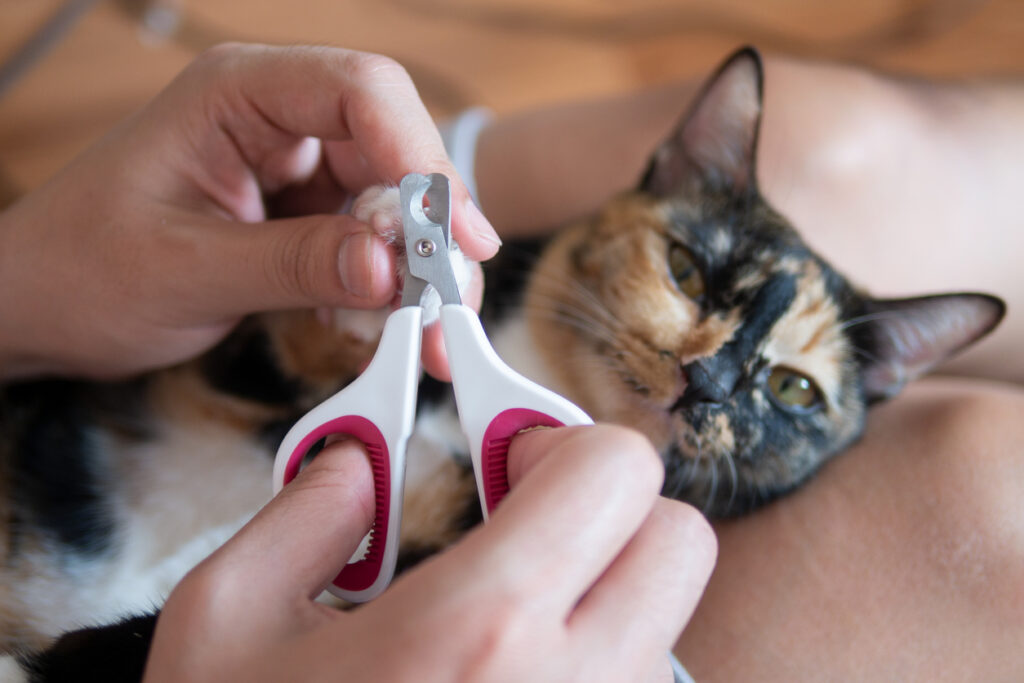
Most cats hate nail trimming, but you can train them to tolerate it through gradual desensitisation. Start by just touching their paws during calm moments and rewarding them. Progress to gently pressing their paw to extend the claws, then touching the clippers to their paw without cutting. Eventually, you can trim one nail per session, building up until they accept the whole process. It takes weeks but makes nail care infinitely easier than wrestling an angry cat.