There’s a specific kind of feeling you get when you’re standing at the edge of something so massive and ancient that it makes your daily dramas feel completely pointless.
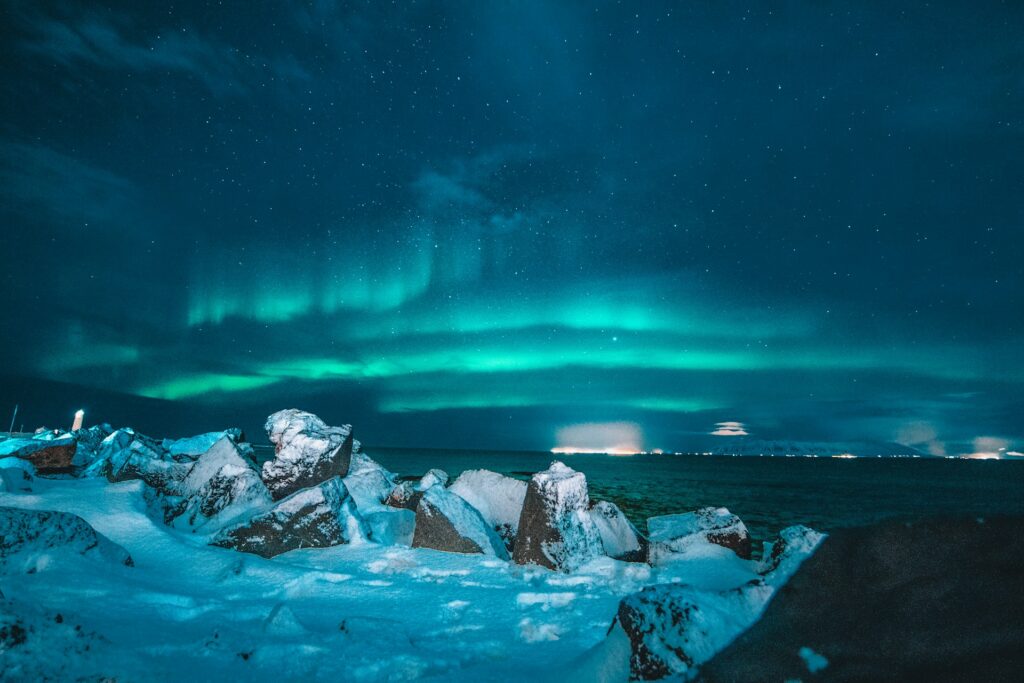
We spend so much time staring at screens and worrying about the mortgage that it’s easy to forget there are places on this planet that don’t even look like they belong in this century. Whether it’s a massive canyon that’s been carved out over millions of years or a forest that seems to glow in the dark, these spots have a way of knocking the ego out of you and resetting your perspective. If you’ve been feeling a bit boxed in lately, looking at these 12 natural wonders is a solid reminder that the world is a lot bigger and weirder than our tiny routines suggest.
1. The Northern Lights
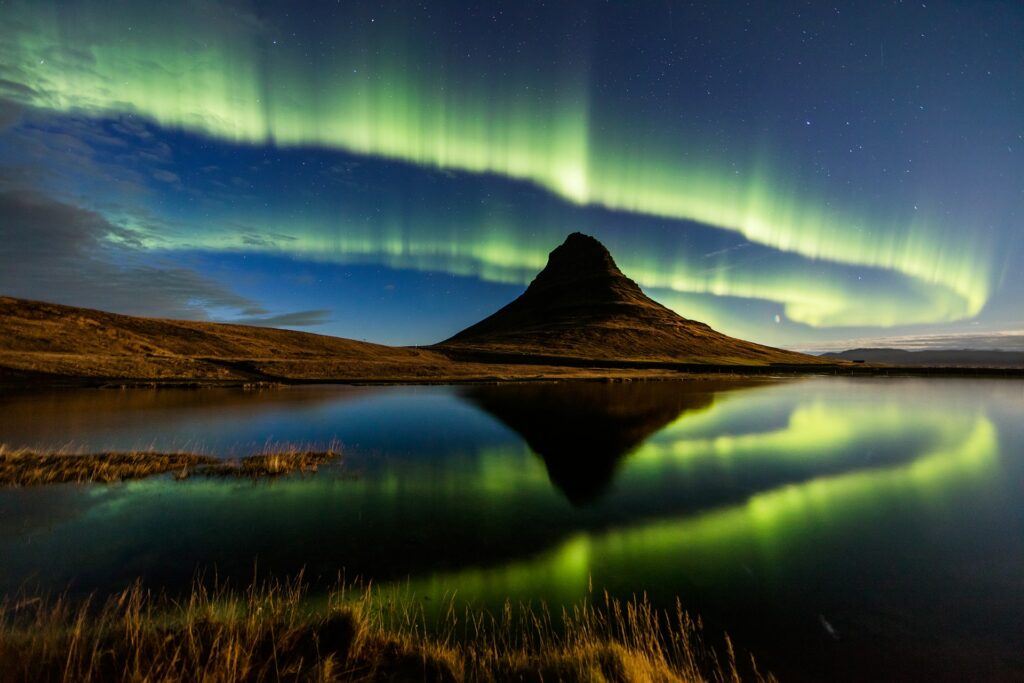
The northern lights feel unreal the first time you see them. The sky starts glowing and moving, and your brain keeps trying to explain it away as cloud or mist, but it can’t. Even if you’ve seen photos, the real thing hits differently because it feels alive. It changes how you see the night sky afterwards. You stop thinking of it as just darkness with stars and start realising it’s full of activity and movement. It’s also one of those rare moments where you go completely quiet without even trying.
The Grand Canyon
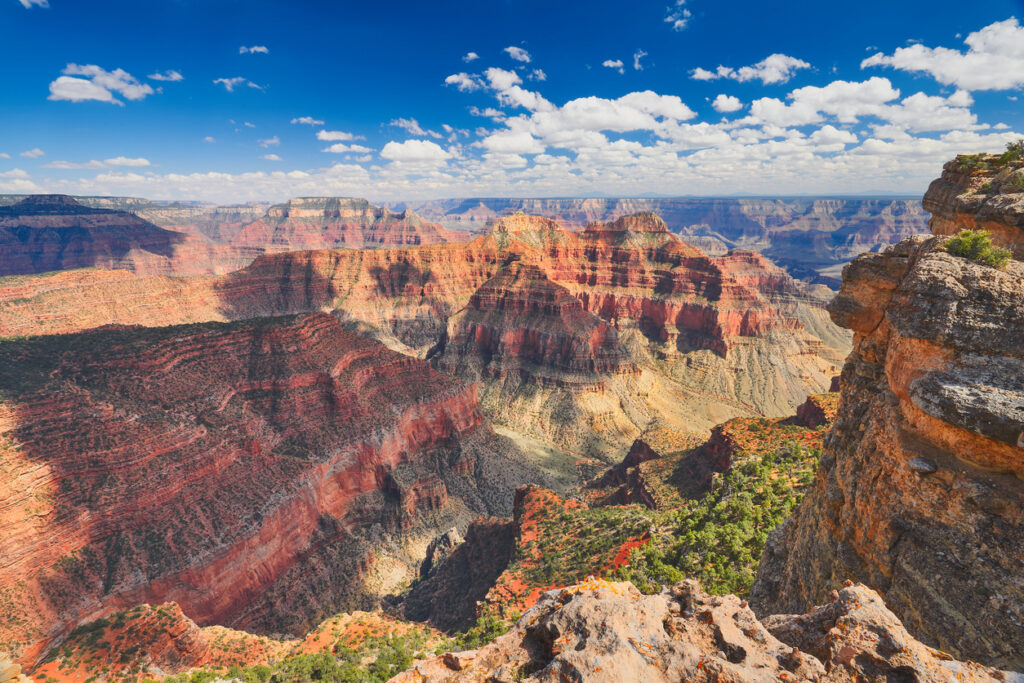
The Grand Canyon is so big your eyes don’t really know where to land. It’s wide, deep, and packed with layers that look like they’ve been carved on purpose. You can stare at it for ages and still feel like you’ve only seen a fraction of it. What really gets you is the sense of time. You’re looking at the planet’s history sitting right there in front of you. It makes your own life feel smaller, but in a calming way, like you’ve been reminded the world keeps going no matter what.
The Great Barrier Reef
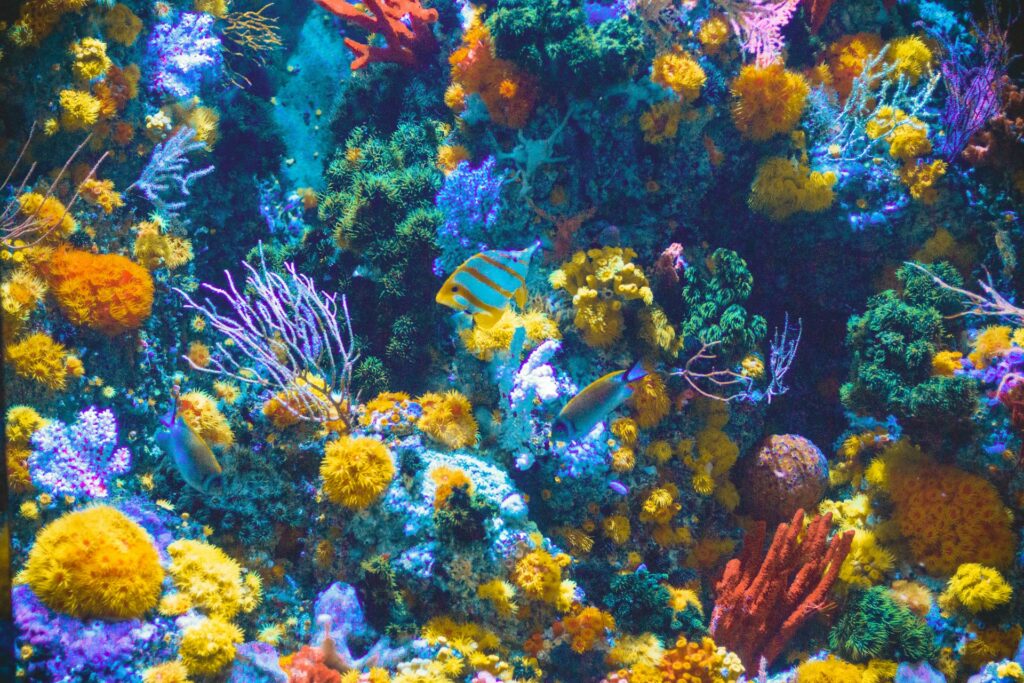
The Great Barrier Reef doesn’t feel like a simple snorkel spot. It feels like a whole world under the surface, full of movement and colour. You look down, and suddenly, you’re surrounded by life, all doing its own thing. It changes how you think about the ocean because it stops being just blue water. You realise how much is happening under there that most people never see. It also makes you understand why reefs matter because it feels less like scenery and more like something living.
Salar de Uyuni
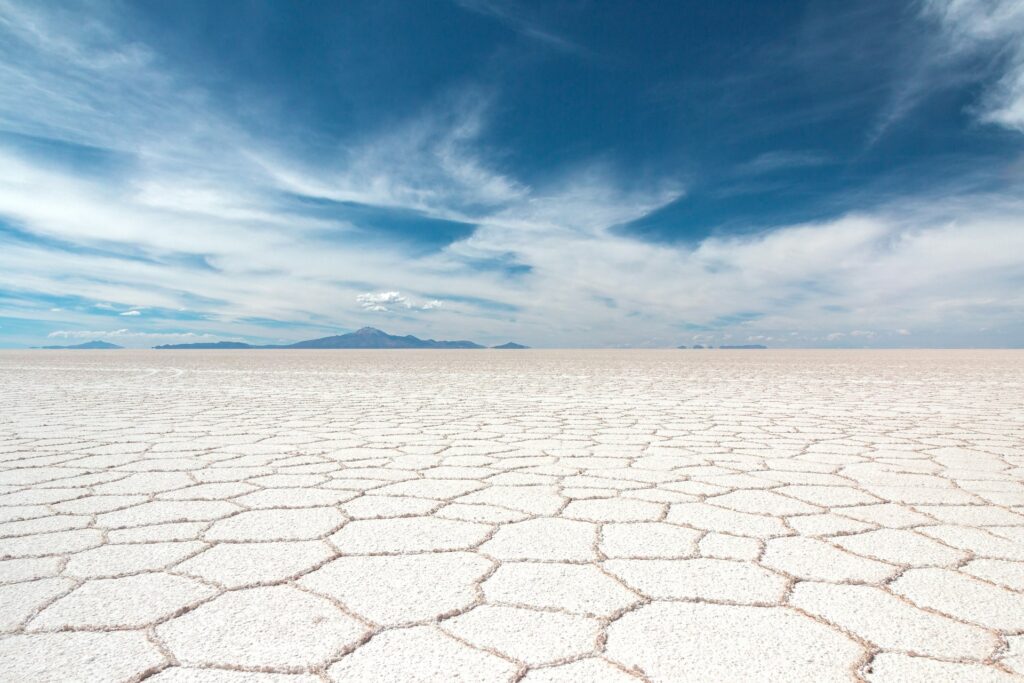
Salar de Uyuni in Bolivia messes with your eyes, especially when there’s a thin layer of water on it. The salt flat turns into a mirror, the sky reflects perfectly, and the horizon line basically disappears. It feels like you’re standing inside a weird optical illusion. It changes how you see space and distance because there’s nothing to anchor you. No trees, no buildings, no landmarks. It’s just light and open air, and it makes you realise how much your brain relies on little clues to feel steady.
Victoria Falls
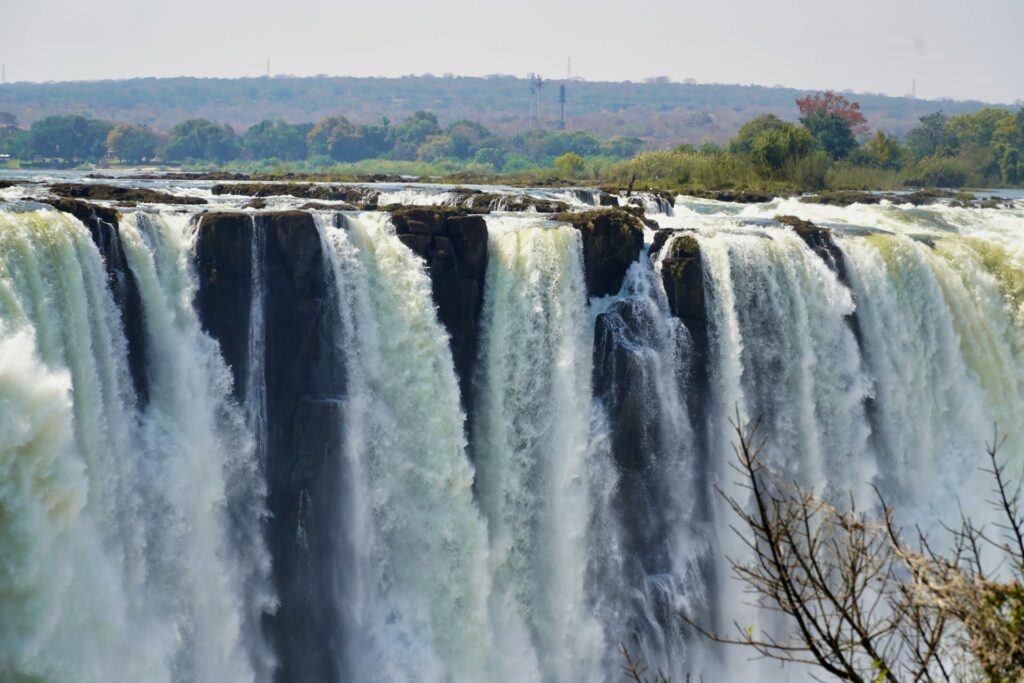
Victoria Falls is loud in a way you can feel in your chest. You hear it before you see it, then you get close and the amount of water is honestly ridiculous. The spray hits you, the ground feels alive, and it’s impossible to act casual. It changes how you see power in nature because it’s so unstoppable. You can’t ignore it or talk over it. It also makes you appreciate water differently because at home it’s just something that comes out of a tap, but here it’s doing something wild.
The Giant’s Causeway
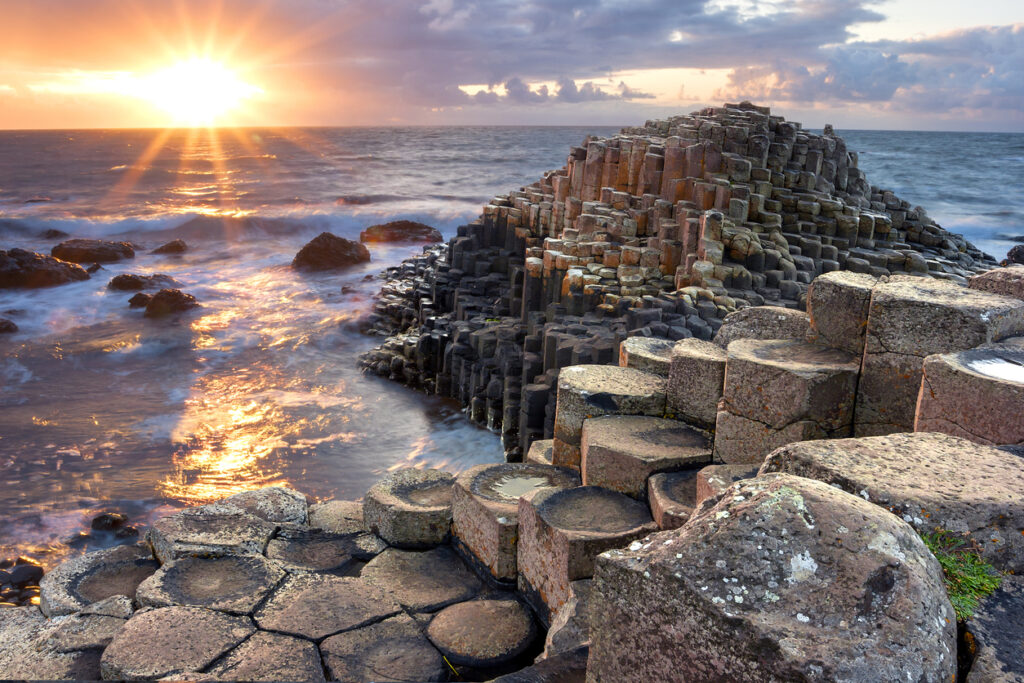
The Giant’s Causeway in Northern Ireland looks like someone built it. The stones are neat and hexagon-shaped, stacked like stepping stones into the sea. It’s one of those places that makes you keep looking closer because it doesn’t feel random. It changes how you see the landscape around you because it reminds you the planet can be oddly precise. You stop thinking of the ground as just ground and start noticing patterns, shapes, and weird details you’d normally walk past.
The Zhangjiajie mountains
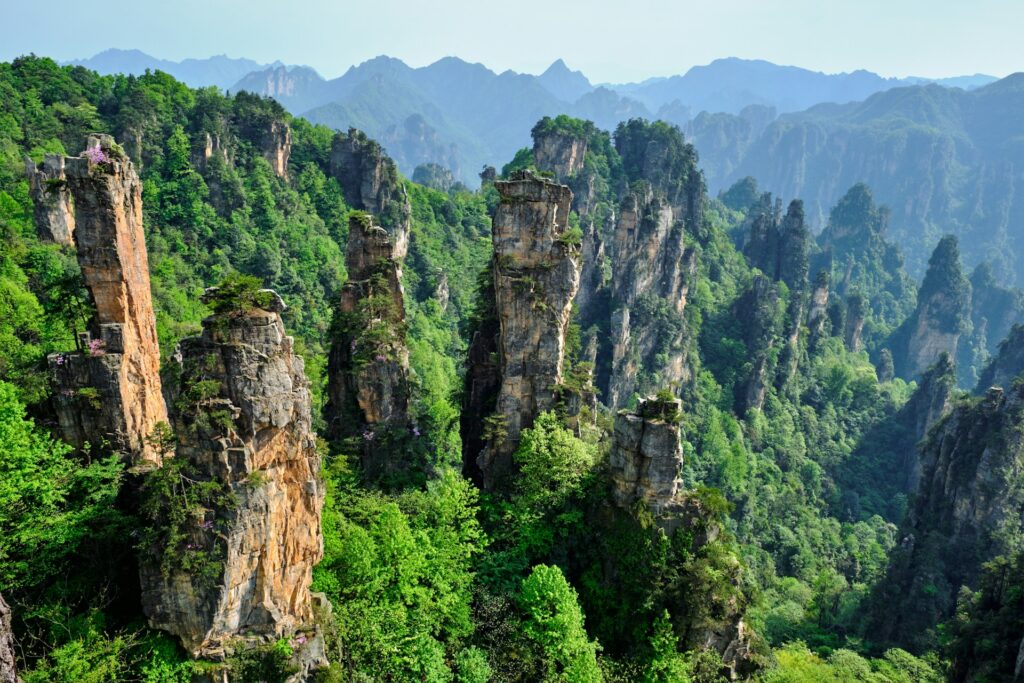
The Zhangjiajie mountains in China look like towering stone pillars rising out of mist. It doesn’t feel like a normal mountain range, it feels like the land is reaching straight up. The view keeps changing as the fog moves through it. It changes your sense of scale because the shapes are so dramatic. It also makes you feel like the world has more variety than you give it credit for. You leave thinking, how is this even real, and then remembering it’s been there all along.
Patagonia’s glaciers
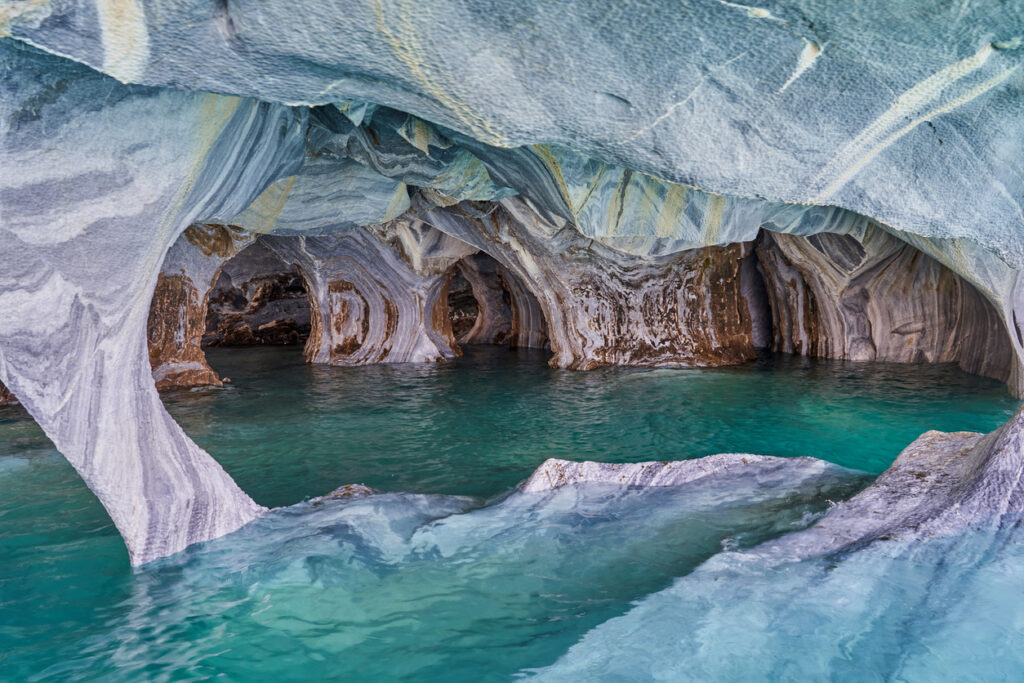
Glaciers in Patagonia have that eerie, unreal blue colour that doesn’t look natural until you’re right there. They’re massive and silent, but you’ll hear cracks and pops as the ice shifts, which reminds you it isn’t actually still. It changes how you see time because glaciers move slowly, but they change everything. Watching ice break into the water makes you feel small in a very honest way. It’s also one of those places that sticks with you because it feels ancient.
The Galápagos Islands
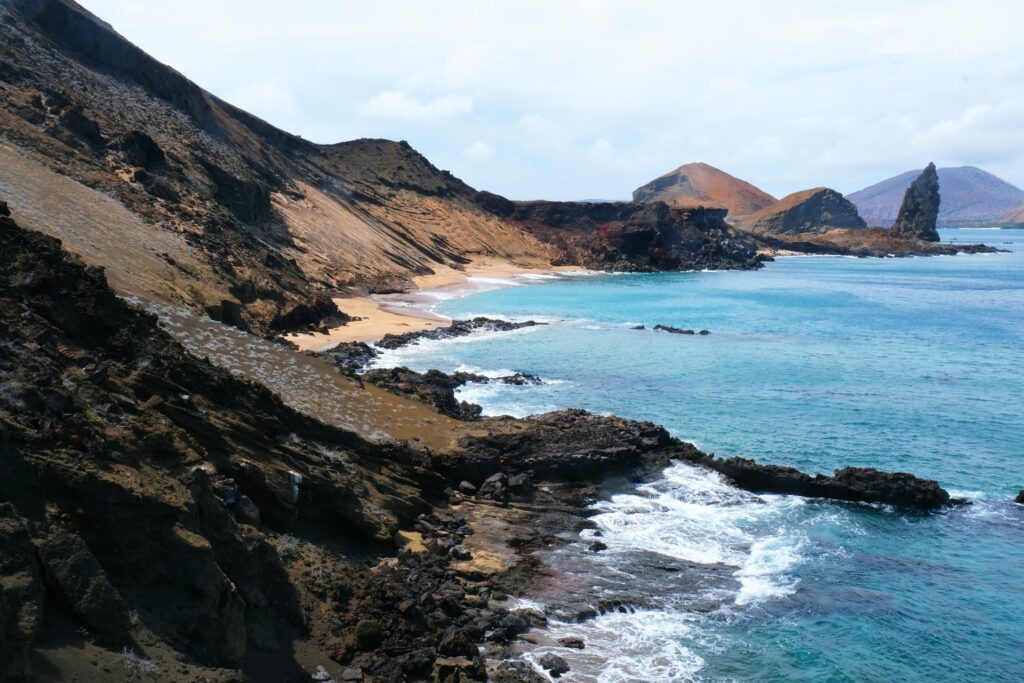
The Galápagos feel different because the animals don’t behave like they do elsewhere. You’re not chasing glimpses from a distance. They’re just there, living normally, like you’re the odd one for turning up. It changes how you see wildlife because it reminds you animals have their own lives, not just cute moments for humans. It also makes evolution feel real, not just something you learned in school. You can actually see how life adapts when it has to.
The Namib Desert and Deadvlei
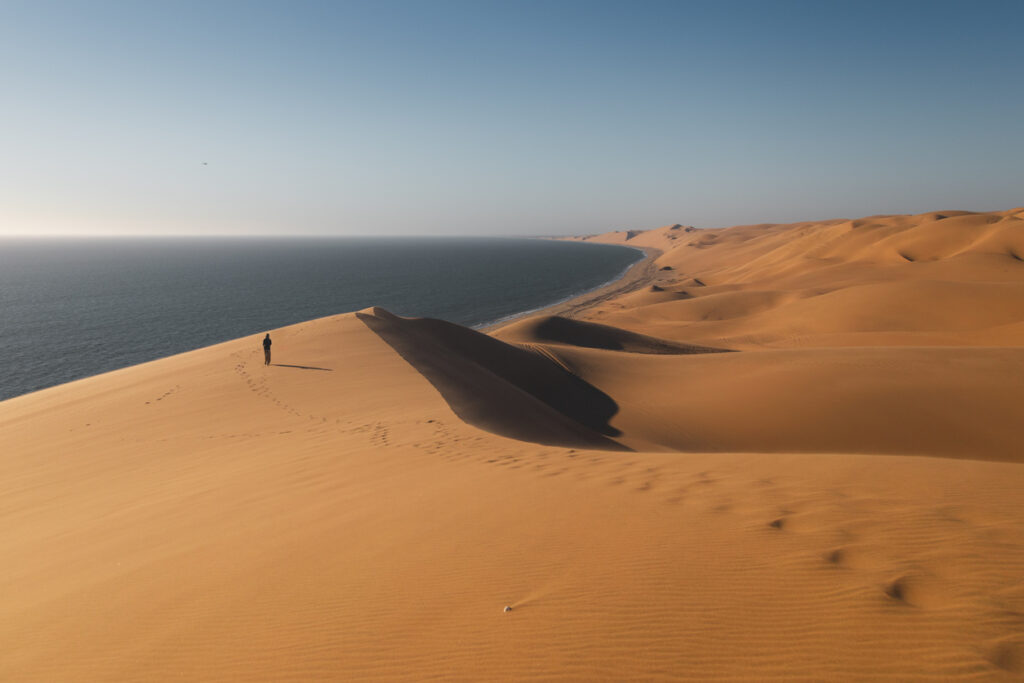
The Namib Desert is stunning in a way that feels almost too clean. The dunes look smooth and endless, and the colours change through the day. Then Deadvlei hits you with its white ground, black dead trees, and bright blue sky, like a painting that shouldn’t exist. Without a doubt, that changes how you see emptiness. You realise empty doesn’t mean boring, it can feel intense and full of atmosphere. It’s also one of those places that leaves you strangely calm, like the world has stripped everything back and told you to just stand there and look.