It’s a bit of a grim feeling when you realise those “worst-case scenarios” from 10 years ago have stopped being headlines and started being your daily reality.

We spent years listening to experts talk about what might happen if we didn’t change our ways, usually while we all just shrugged and carried on with our lives. It’s not just about the weather getting a bit weird, either; it’s everything from the total collapse of certain insect populations to the way our data is being used to predict our every move before we’ve even thought of it. Looking back at these 13 warnings is a proper reality check, mostly because it proves that the stuff we used to dismiss as “fearmongering” was actually a dead-accurate map of exactly where we were heading.
1. Heat records becoming the new normal

Back then, scientists talked about rising average temperatures, but most people imagined it as a slow, distant thing. Now it’s here in the form of summers that keep breaking records, heatwaves that last longer, and nights that don’t cool down properly. It doesn’t feel like a one-off freak event anymore, it feels like a pattern that’s settling in.
The real change is how heat now messes with everyday life. Trains struggle, roads soften, hospitals get pressure, and people who used to cope fine suddenly feel wiped out. Heat used to be a nice bonus in the UK, and now it can feel like something you have to plan around.
2. Wildfires becoming bigger, faster, and harder to control
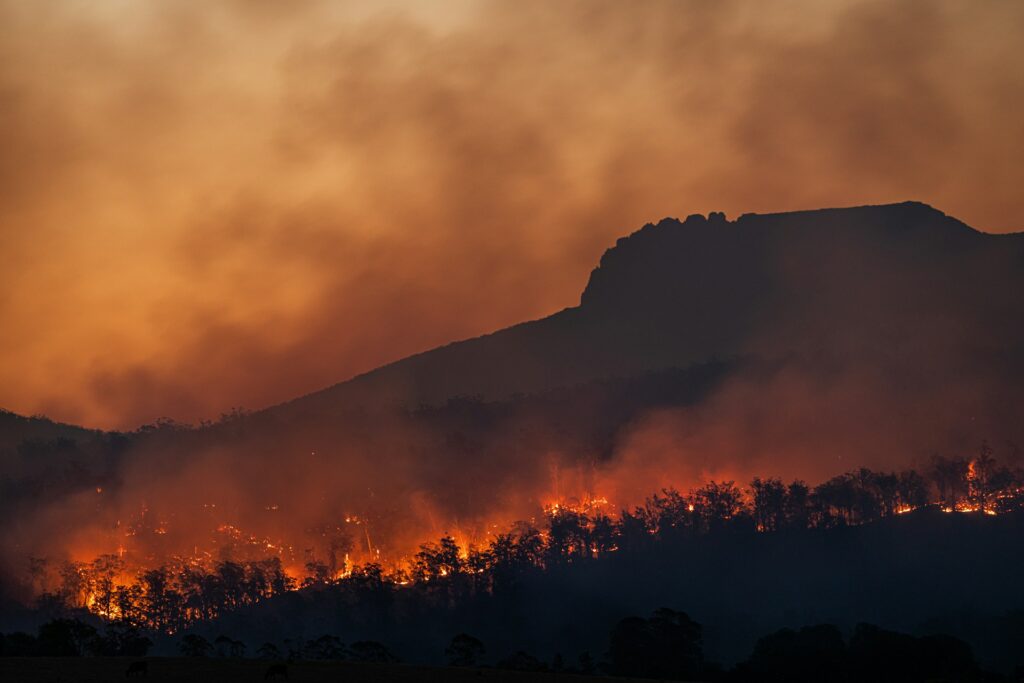
Wildfires used to feel like something that happened somewhere else, like a foreign news story you watched while eating dinner. Scientists warned that hotter, drier conditions would make fire seasons worse, and now we see it playing out across huge areas. Fires spread faster, burn hotter, and pop up in places that didn’t used to worry about it as much.
It’s not just about flames on a hillside, either. Smoke travels, air quality drops, and whole towns can be affected without ever seeing the fire itself. Even when you’re far away, you feel it through travel disruption, food prices, and the general sense that the planet is a bit more fragile than we pretended.
3. Extreme rain and flooding becoming more common

Scientists warned that warming air holds more moisture, which can mean heavier downpours when the rain finally comes. That warning has aged extremely well, in the worst way. We now get sudden, intense rain that overwhelms drains, floods roads, and turns a normal commute into a nightmare.
The annoying part is how random it can feel. One street is fine, the next one is underwater. It’s also expensive because flooding isn’t just wet carpets. It’s wrecked cars, damaged homes, mould, insurance stress, and people having to rebuild their lives after what looks like a single bad day.
4. Drought happening alongside floods

It sounds backwards, but scientists have been saying for years that climate change can bring more extremes, not just more warmth. That’s why we can swing between very dry stretches and then sudden heavy rain that the ground can’t absorb. You end up with cracked soil and dried-out rivers, followed by flash flooding that still doesn’t properly refill the system.
This is when things start feeling properly out of balance. Farmers struggle, reservoirs drop, and hosepipe bans become a normal headline, then a few weeks later you’re watching cars drive through waterlogged roads. It’s not neat or logical, it’s messy, which is exactly what the scientists warned.
5. The sea creeping into places it never used to reach
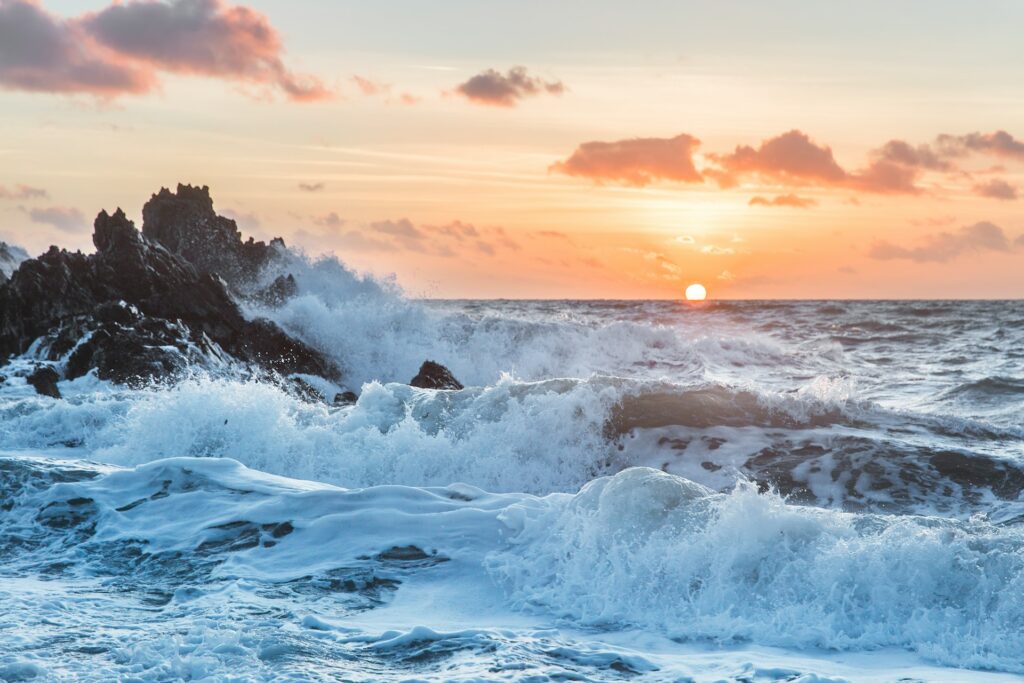
Sea level rise can sound boring on paper because it’s usually measured in small numbers. In real life, it shows up as nuisance flooding, higher storm surges, and coastal areas getting battered more often. It’s not always dramatic, it’s just constant pressure, like the sea is slowly testing the edge of everything.
You see it in damaged sea defences, eroding cliffs, and towns having to rethink what’s even safe anymore. It’s also changing insurance and property decisions because people are starting to realise that a lovely view near the coast comes with risks that didn’t feel as urgent years ago.
6. Coral bleaching becoming routine, not rare
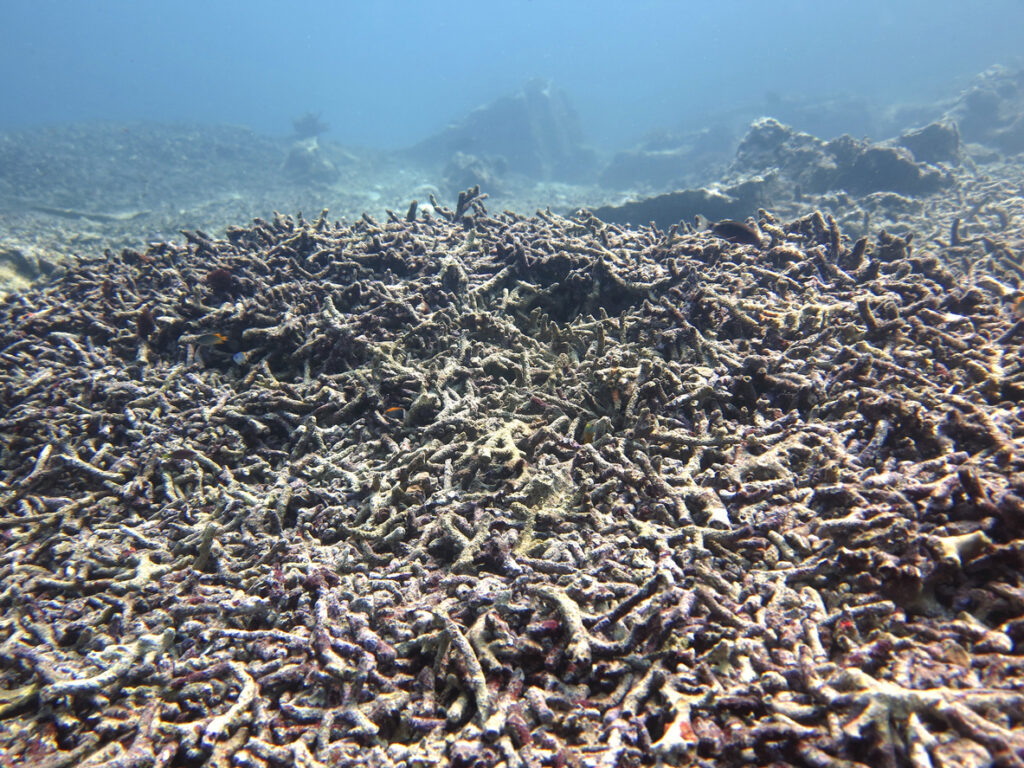
Scientists have been warning about coral reefs for ages, and for a while, it still felt like a distant conservation problem. Now, mass bleaching events feel like they happen all the time. When oceans heat up, corals get stressed, and they lose the colour and life that make reefs what they are.
Even if you never plan to snorkel in your life, it still matters. Reefs support fish populations, protect coastlines, and keep whole ecosystems running. Watching them struggle is one of those moments where you realise the ocean isn’t a limitless, indestructible thing. It can be damaged, and it doesn’t bounce back overnight.
7. The Arctic changing faster than expected
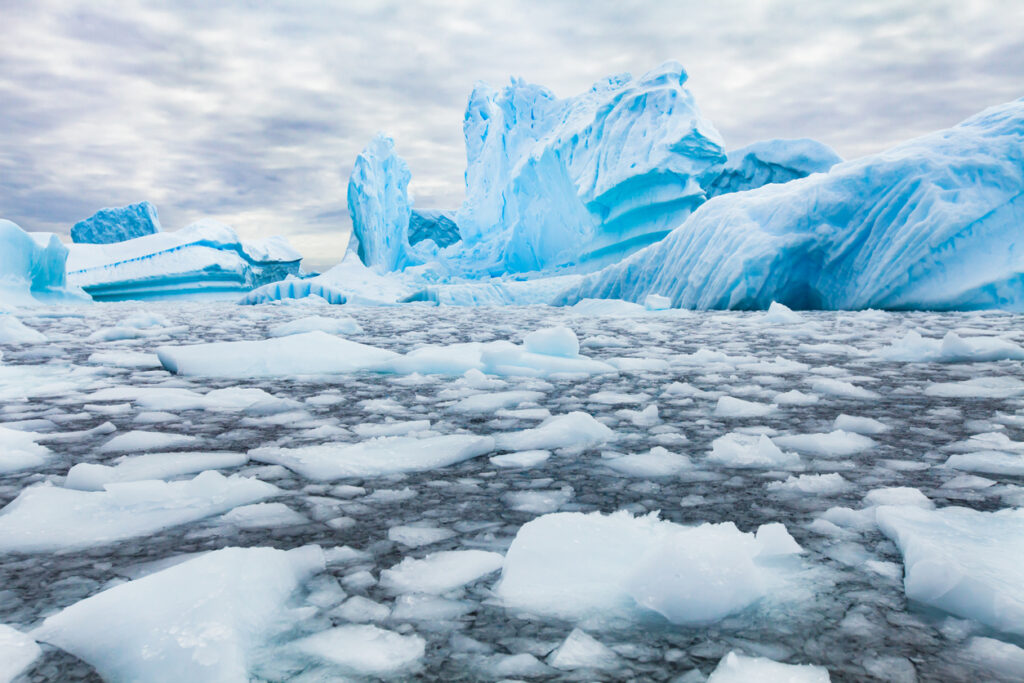
A decade ago, you’d hear about melting sea ice and shrinking glaciers, and it sounded like a slow-motion issue. Now, the Arctic is one of the clearest examples of how quickly things can change. Ice loss, warmer temperatures, and knock-on effects are happening in a way that’s hard to ignore if you pay even a little attention.
This isn’t just sad polar bear footage, either. The Arctic affects weather patterns, ocean currents, and the overall stability of the climate system. When it changes, it doesn’t stay neatly up north. It sends ripples through everything, including the kind of weather we get down here.
8. Microplastics turning up literally everywhere
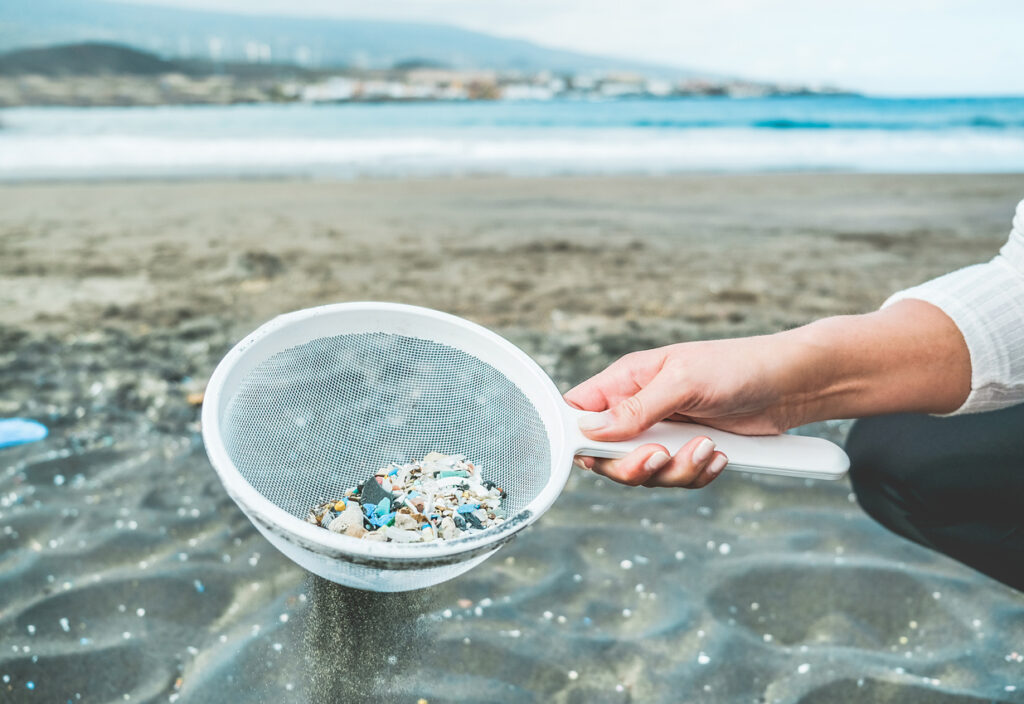
Scientists warned that plastics don’t go away, they just break down into smaller bits. Now microplastics are found in oceans, rivers, soil, food, and even in the air. It’s one of those problems that went from niche research to an everyday word because the evidence became too obvious to ignore.
What makes it unsettling is how hard it is to avoid. You can recycle, you can cut down, you can try to be careful, but it’s already in the system. It changes how you see convenience. That cheap, quick plastic packaging doesn’t feel harmless anymore when you realise it sticks around for ages in forms you can’t even see.
9. Forever chemicals becoming a mainstream worry
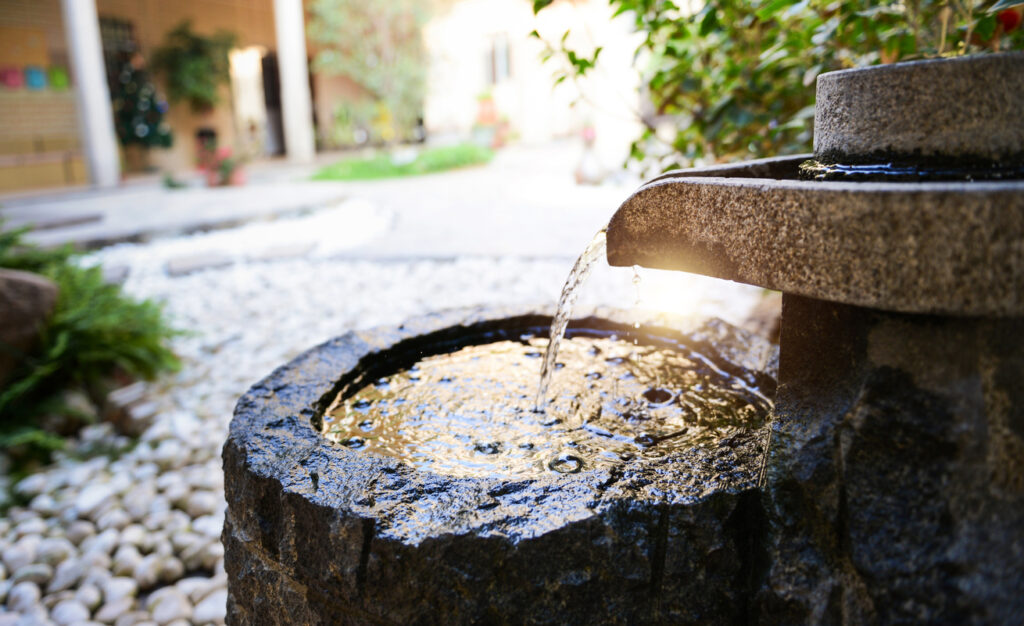
For years, scientists have been raising alarms about certain chemicals that don’t easily break down in the environment. These are often called forever chemicals, and the name alone tells you the problem. They can build up over time, travel through water systems, and hang around long after the product they came from is forgotten.
Now it’s moved from research papers into public conversations, headlines, and clean-up projects. It’s another reminder that modern life isn’t just about what’s useful today, it’s about what lingers. People are suddenly having to think about what’s in everyday items in a way nobody bothered with ten years ago.
10. Insects declining in a way you can actually notice

Scientists have warned about insect decline for ages, but it used to feel abstract, like one of those environmental topics people nodded at and then forgot. Now more people are noticing it in normal life. Fewer bugs on car windscreens, quieter summer evenings, and gardens that feel a bit emptier than they used to.
This is more important than people realise because insects are the base of so much. Birds eat them, plants rely on them, and ecosystems depend on them doing their small jobs. When insects struggle, everything above them starts wobbling too, and the damage doesn’t stay limited to a few creepy-crawlies.
11. Tick and mosquito problems spreading into new places

Scientists have long said warming temperatures can help certain pests expand into areas they didn’t thrive in before. That’s now showing up more often, with ticks and mosquitoes getting attention in places where people used to shrug them off. It’s not just annoying bites, it’s the diseases they can carry that make it serious.
This is one of those changes that feels personal because it changes how you live. People start thinking differently about long grass, woodland walks, camping, and even what to pack for a day out. It’s not about panic, it’s just the reality that the risks are shifting in ways we didn’t have to think about as much before.
12. Antibiotic resistance getting scarier and more normal
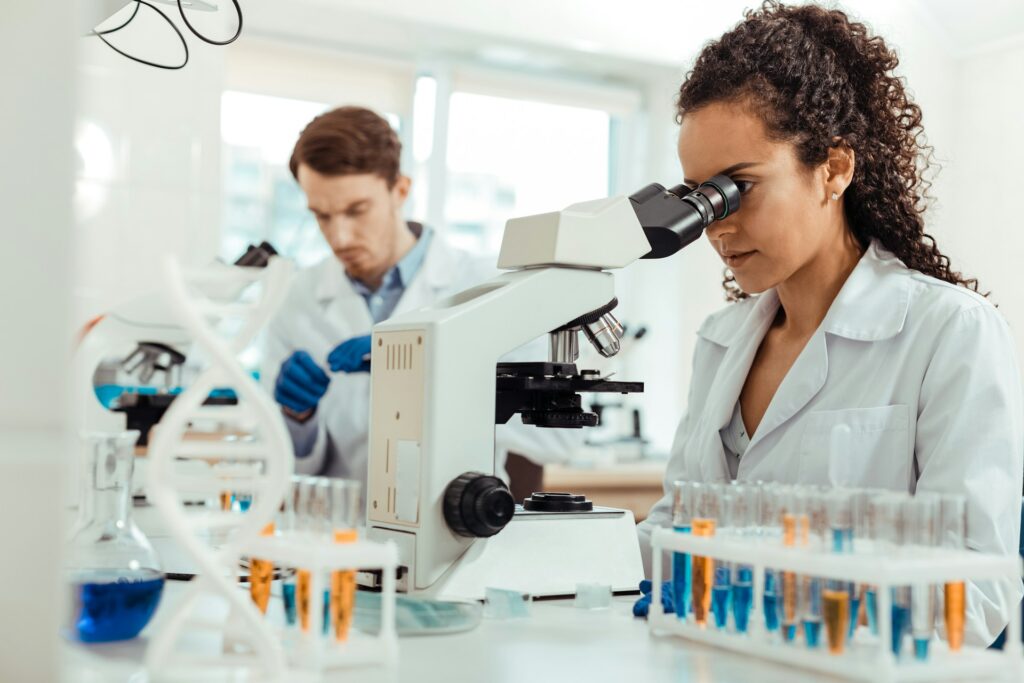
A decade ago, antibiotic resistance was often talked about like a future threat, something for scientists and hospitals to worry about in the distance. Now it’s an everyday concern in healthcare because more infections are getting harder to treat. The idea of antibiotics as a guaranteed fix has started to crack.
It doesn’t mean modern medicine has stopped working, but it does mean the easy wins are disappearing. It also changes how we think about small infections because things that used to clear up quickly can become more complicated. It’s one of those warnings that feels less dramatic than a disaster film, but more serious the longer you sit with it.
13. Pandemic risk going from theory to lived experience
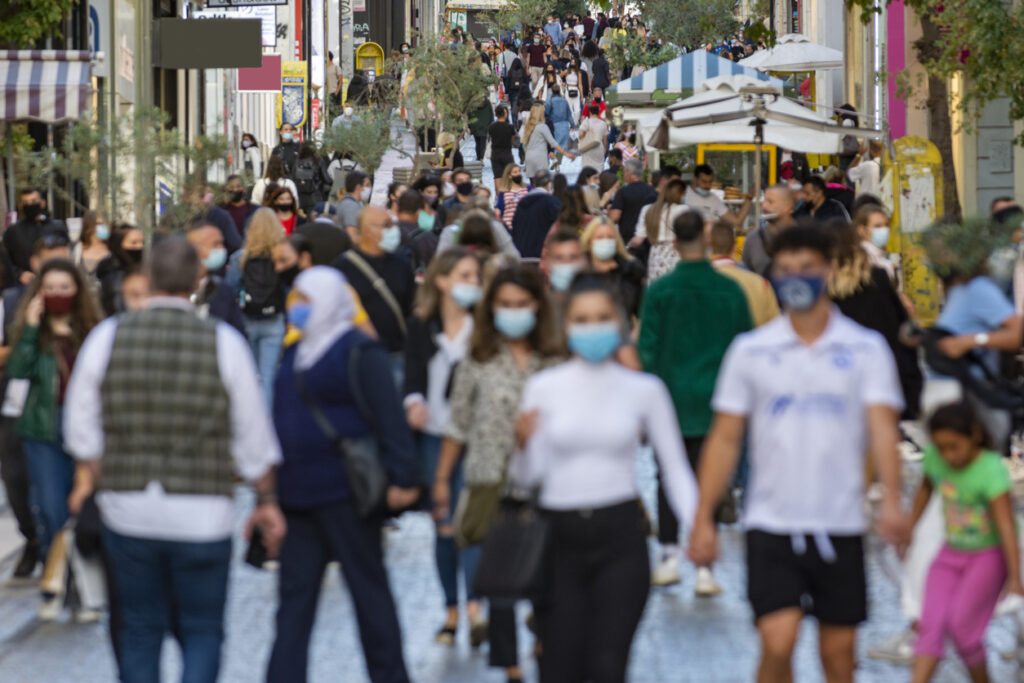
Scientists have been warning for years that new diseases would keep emerging, especially with global travel, dense cities, and humans pushing into wildlife habitats. For a long time, it sounded like a scary possibility, not something that would become part of everyone’s actual life. Then COVID happened, and suddenly the warning wasn’t theoretical anymore.
Even now, it’s changed how people see illness and public health. We’re more aware of how fast things spread, how supply chains break, and how quickly normal life can flip. It also made it clear that science warnings aren’t just pessimism. A lot of them are early heads-ups that we ignore until the problem is already in our living room.