Most people see a cute clip of an exotic animal online and think it’d be a laugh to have one in the living room, but the reality is often a total nightmare.

It’s easy to forget that a lot of these creatures haven’t spent thousands of years learning how to live with humans. They’ve got instincts and needs that don’t care about your work schedule or your nice furniture. You might start out with the best intentions, but within a few weeks, you start to see that your entire life now revolves around a pet that’s basically a full-time job with no holidays.
It’s more than just the mess or the cost of the food, though those are massive factors. It’s the mental weight of realising you’ve taken on a living thing that needs constant stimulation, specialised environments, or a very specific diet that you can’t just pick up at the local corner shop. Some of these animals are brilliant, but they’re also incredibly high-maintenance and will make it very obvious if they’re bored or annoyed. If you aren’t prepared to change your entire lifestyle, these 10 animals are going to make you regret that “cute” impulse buy pretty fast.
Parrots can live for 50-plus years.

When you get a parrot, you’re making a commitment that could outlast your mortgage. Large parrots like African Greys, Macaws, and Cockatoos can live for half a century or more in captivity. They’re intelligent, which sounds appealing until you realise that means they get bored, frustrated, and destructive without constant mental stimulation.
They’re also incredibly loud, messy, and emotionally demanding. Parrots bond intensely with their owners and can develop serious behavioural problems if those needs aren’t met. They need hours of interaction daily, specialised diets, expensive vet care, and environments that accommodate their need to fly and climb. Most people who get parrots massively underestimate what they’re signing up for.
Sugar gliders are nocturnal and social.

These tiny marsupials might look adorable, but they’re active all night and require constant companionship. Sugar gliders are colony animals, which means keeping one alone is cruel. You need at least two, which doubles the care requirements. They need specialised diets that include fresh fruits, vegetables, and protein sources you’ll be preparing daily.
Their enclosures need to be large with climbing opportunities, and they make noise through the night when you’re trying to sleep. They also have scent glands that produce quite a strong smell. Sugar gliders can live 12 to 15 years, and they need exotic vet care that’s expensive and not available everywhere. They’re not cuddly pocketpets,s despite what social media suggests.
Horses require daily care regardless of weather.
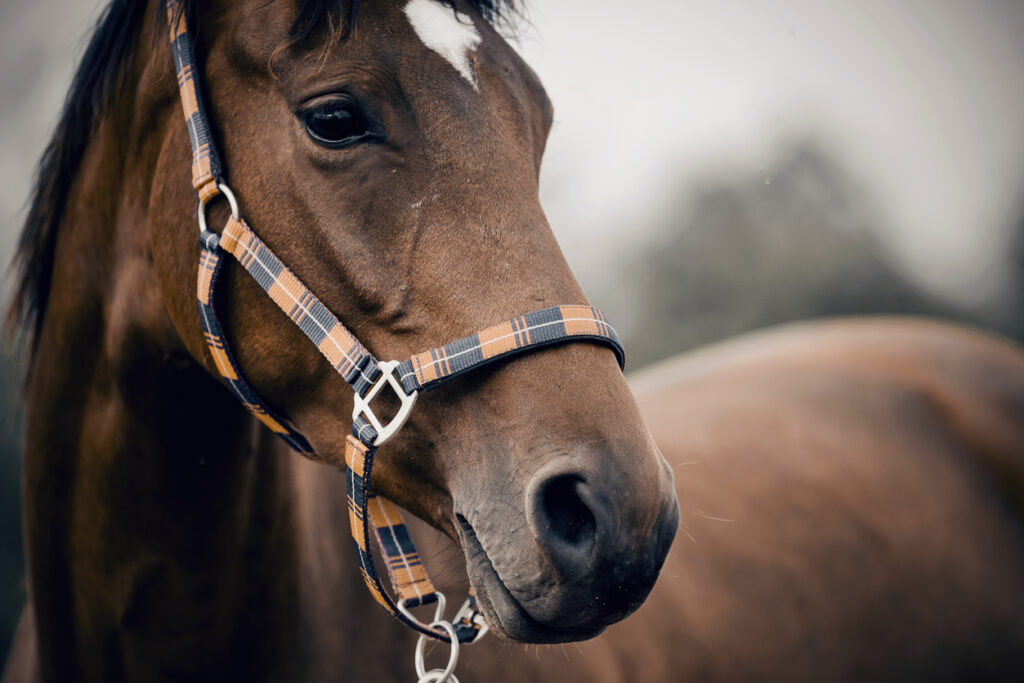
Owning a horse means committing to daily mucking out, feeding, grooming, and exercise no matter if it’s freezing, raining, or you’re ill. You can’t take a day off from horse care. They need regular farrier visits every six to eight weeks, annual vet checks, vaccinations, dental care, and immediate veterinary attention for injuries or illness.
The costs are astronomical before you even start riding. Stabling, feed, bedding, and basic care run into thousands annually. Horses are prey animals that spook easily and can seriously injure you even when they don’t mean to. They’re also herd animals that need companionship, so you’re ideally keeping multiple horses or paying for livery where they’re not isolated.
Reptiles need precise temperature and humidity control.
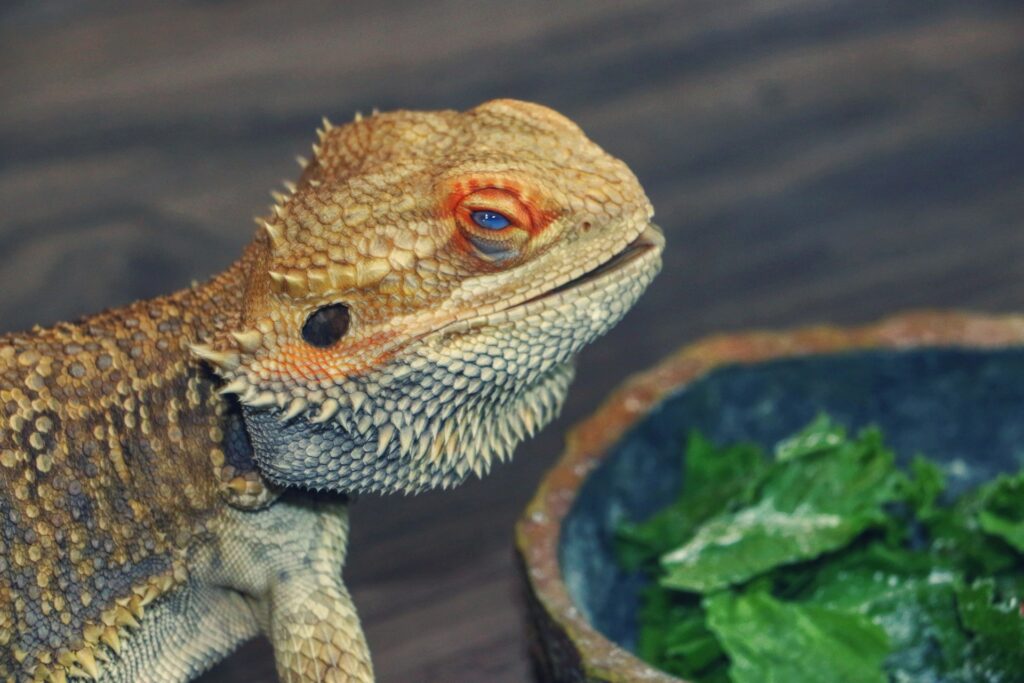
Most reptiles require very specific environmental conditions to survive, and getting it wrong means your pet dies slowly. You need thermostats, heat lamps, UV lighting, humidity gauges, and backup equipment in case something fails. Many species require live food, which means keeping colonies of insects or rodents to feed them.
Reptiles can carry salmonella, so handling them requires proper hygiene practices. They also don’t show affection or bond with you the way mammals do, so you’re providing intensive care for an animal that’s essentially indifferent to your existence. Vet care for reptiles is specialised and expensive, and many vets won’t see them at all.
Pigs are extremely intelligent… and destructive.
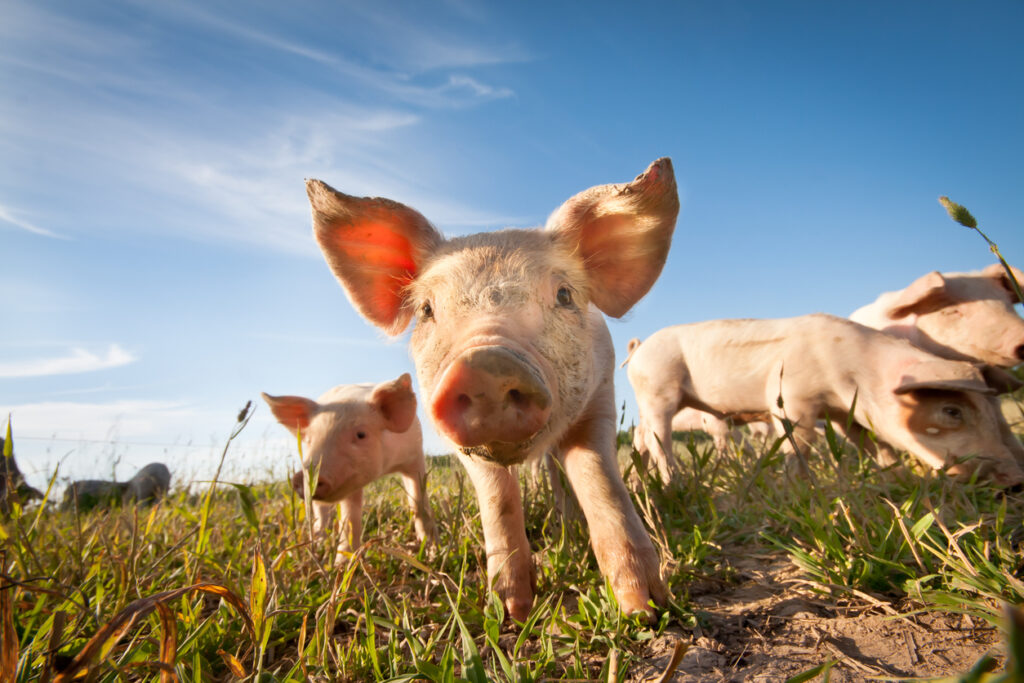
Miniature pigs aren’t actually that miniature, and they’re smarter than dogs, which creates problems. They root and dig instinctively, destroying gardens and even indoor flooring if kept inside. Pigs need outdoor space, special diets, and hoof care. They can become aggressive if not properly trained and socialised, and they’re strong enough to cause injury.
Many areas have zoning laws that prohibit keeping pigs as pets. They live 15 to 20 years and can weigh 100 pounds ormore,e despite being sold as “teacup” or “micro” pigs. Finding veterinary care for pigs is challenging, and most vets treat them as livestock rather than pets, which affects the quality of care available.
Exotic cats are still wild animals.

Servals, Savannah cats, and Bengal cats retain significant wild instincts that make them challenging pets. They need far more space than domestic cats and can be destructive to furniture and property. Many have strong prey drives and can’t safely live with small pets or children. They mark territory with urine that’s far more pungent than domestic cat spray.
Exotic cats often require raw meat diets and have very high energy levels that need outlets. They’re also expensive to purchase, require special vet care, and in many areas need special licences to keep. The appeal of owning something “exotic” doesn’t compensate for the reality of living with an animal that’s only semi-domesticated at best.
Ferrets smell and need constant supervision.
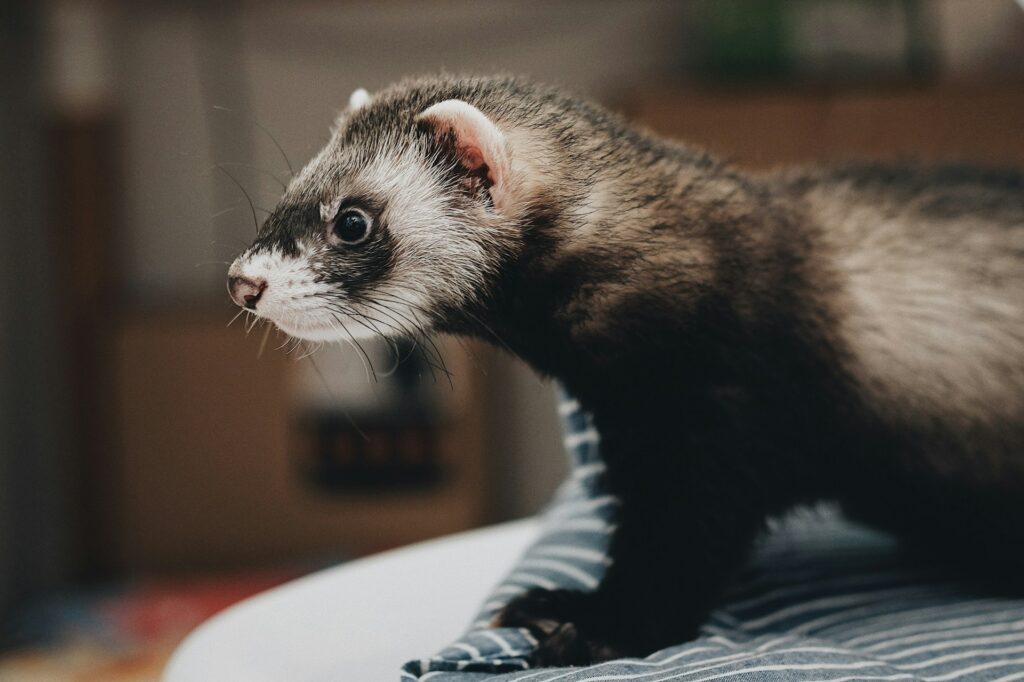
Ferrets have a natural musky odour that many people find overwhelming, even when they’re descented and kept clean. They’re incredibly curious and get into everything, which means ferret-proofing your home to a ridiculous degree. They can squeeze through tiny gaps, chew through wires and furniture, and will eat things that require emergency surgery to remove.
Ferrets need several hours of supervised play outside their cage daily because they’re highly active. They’re also prone to serious health problems including adrenal disease and insulinoma, both requiring expensive treatment. Their lifespan is relatively short at six to ten years, but those years involve intensive daily care and significant veterinary costs.
Hedgehogs are solitary and delicate.

Hedgehogs are nocturnal, which means they’re active when you’re trying to sleep and sleepy when you want to interact with them. They’re solitary animals that don’t enjoy being handled and will curl into a ball of spines when stressed. They need consistent temperatures and can attempt hibernation if it gets too cold, which can be fatal in captivity.
Their diet requires live insects, and they’re prone to obesity if not managed carefully. Hedgehogs are also illegal to keep as pets in several areas. They’re messy, producing a surprising amount of waste for their size, and they don’t learn to use litter boxes. The cute factor doesn’t offset the reality of caring for a spiky nocturnal animal that mostly wants to be left alone.
Monkeys and primates are illegal in most places for good reason.
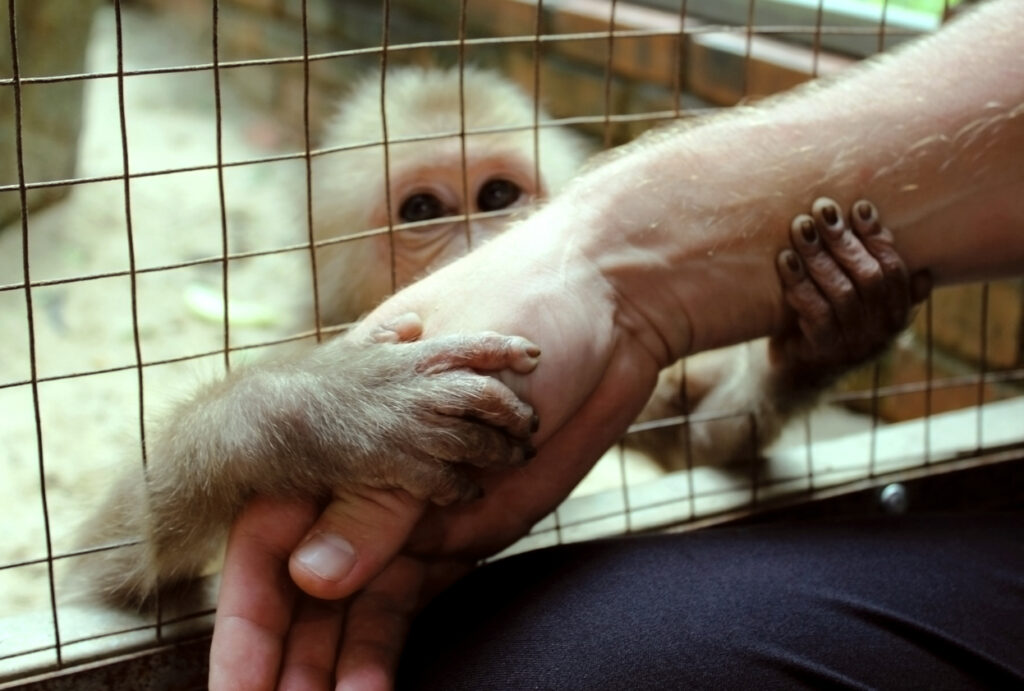
Primates are incredibly intelligent, strong, and dangerous as pets. They require complex social environments that homes can’t provide. Most species become aggressive at sexual maturity, and even small monkeys can cause serious injuries. They throw faeces, scream loudly, and destroy everything within reach. Primates can carry diseases transmissible to humans, and they need special diets and veterinary care that’s nearly impossible to find.
In most countries and regions, keeping primates as pets is illegal because it’s recognised as cruel to the animal and dangerous to people. The few places where it’s legal shouldn’t be interpreted as it being a good idea. These are wild animals that suffer in captivity and make their owners’ lives miserable.
Large aquarium fish require constant water management.
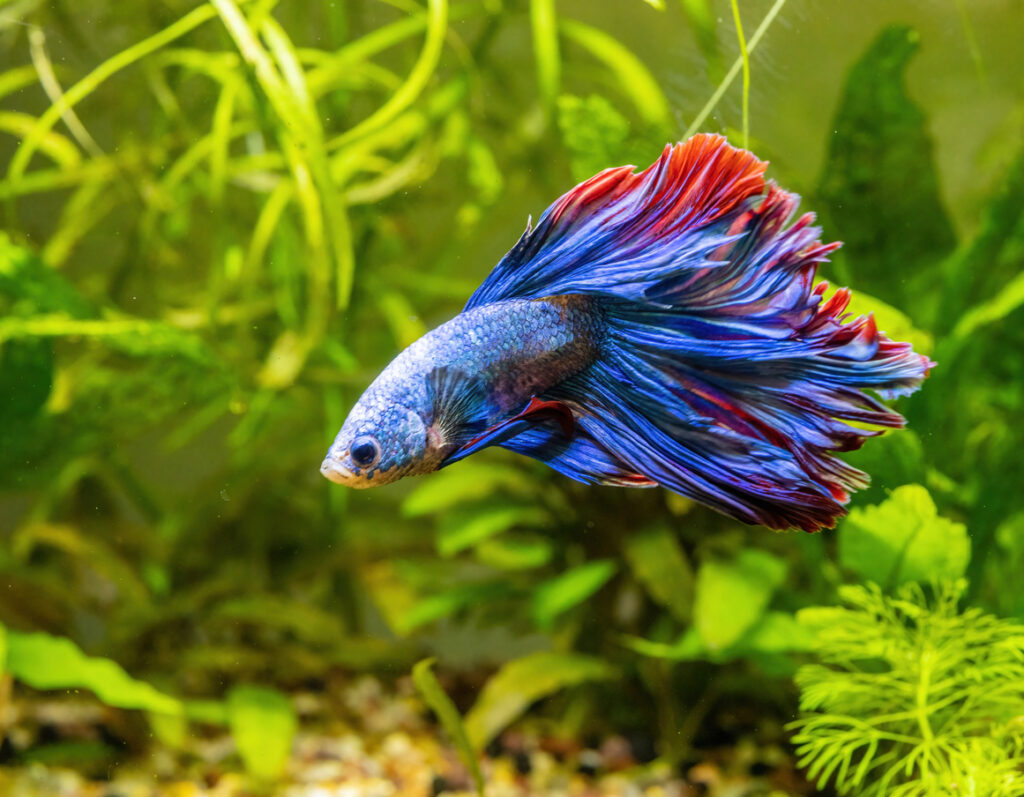
Keeping fish like Oscars, Arowanas, or marine species means maintaining perfect water chemistry constantly. These fish produce significant waste, requiring powerful filtration systems and frequent partial water changes. Marine tanks are exponentially more difficult than freshwater, needing precise salinity, pH, and temperature control. Equipment failures can kill your entire tank overnight, so you need backup systems and constant monitoring.
Large fish need appropriately sized tanks, as well, which means hundreds of gallons of water that’s heavy and expensive to maintain. The fish themselves can be costly, and finding veterinary care for sick fish is nearly impossible. What seems like a low-maintenance pet is actually an expensive, time-consuming commitment to water chemistry and equipment maintenance.