Scientists have spent decades warning that disappearing sea ice would be the end for polar bears, but the bears themselves aren’t just sitting around waiting for the inevitable.

While the loss of their primary hunting ground is a massive blow, these animals are proving to be much more resourceful and adaptable than we initially gave them credit for. They’re being forced to reinvent their entire way of life, from changing what they eat to finding completely new ways to track down prey in a landscape that’s melting beneath their feet. It’s a high-stakes game of survival where the bears are having to ditch their old habits and learn new tricks just to keep their species going. Watching how they adjust to these brutal changes is giving us a real-time look at evolution under extreme pressure, and some of the strategies they’re coming up with are genuinely surprising.
They’re swimming longer distances to find ice that still holds.
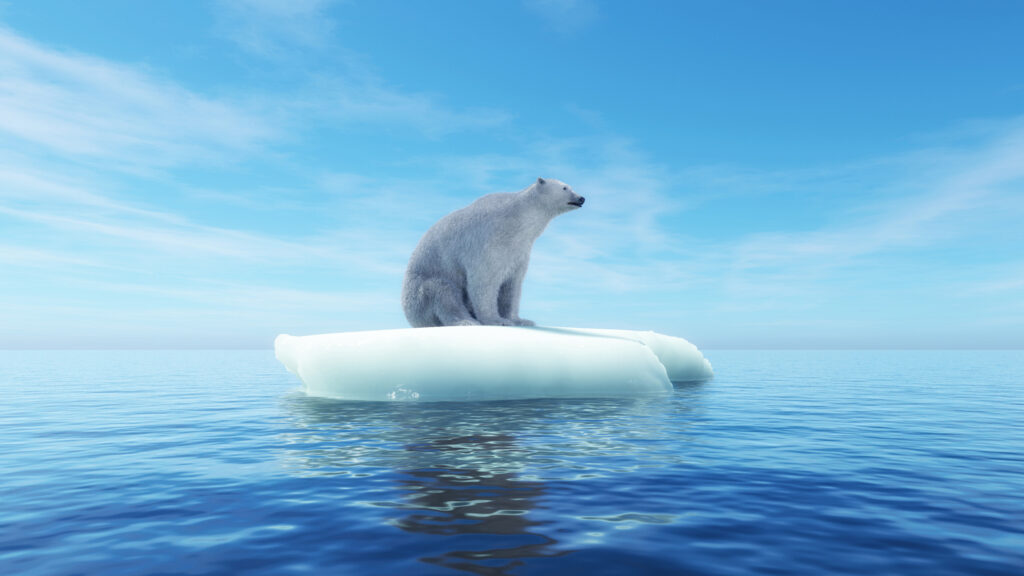
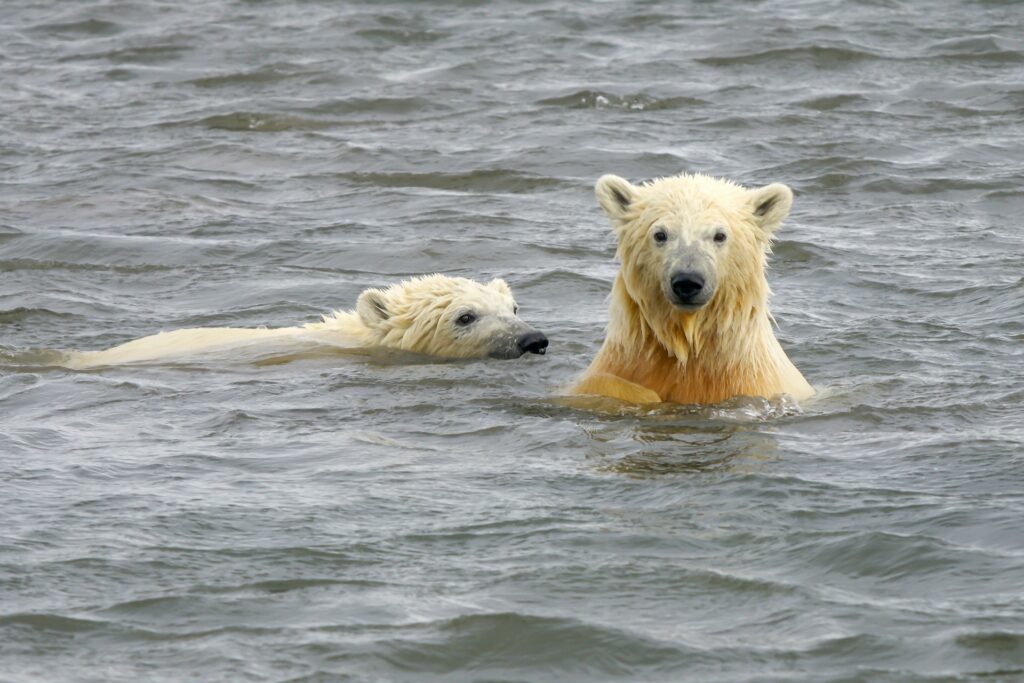
When the ice breaks up, polar bears can’t just wander across it like they used to. In some places, they’re forced to swim between chunks of ice, or swim out to areas where the ice is thicker. That can mean hours in freezing water, with no place to rest. Polar bears are strong swimmers, but long swims burn a lot of energy. If a bear can’t find food soon after, it starts running on empty. Young bears struggle most because they tire faster and don’t have the same fat reserves to fall back on.
They’re spending more time on land each year.
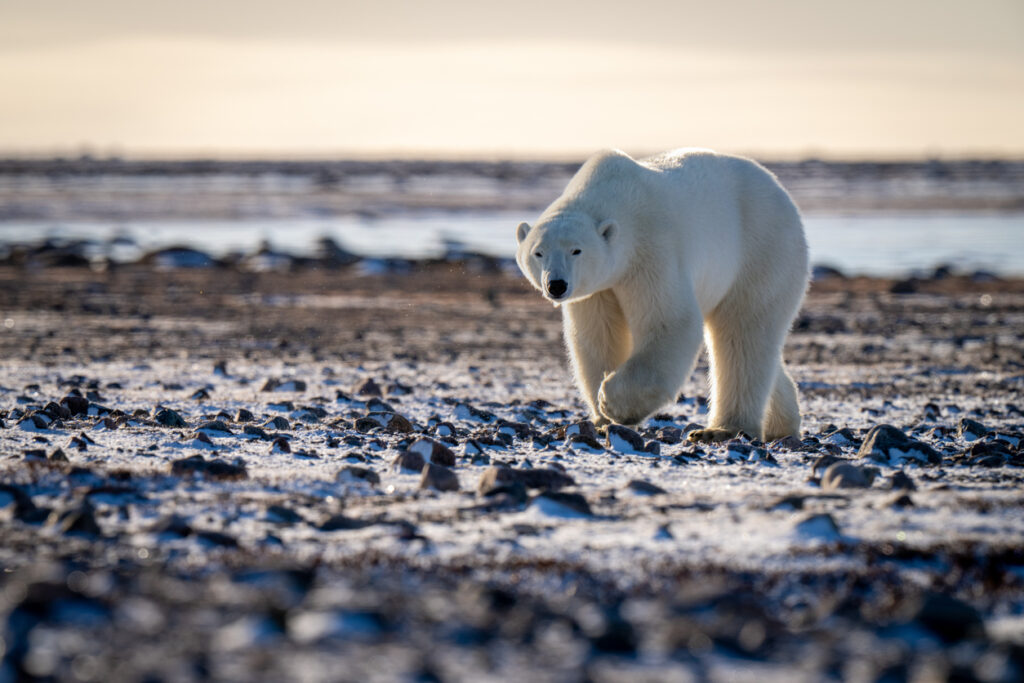
In many regions, polar bears are coming ashore earlier in summer and staying longer into autumn. The sea ice used to be their hunting platform, but when it’s gone, there’s nowhere else to go. So they wait on land until the ice comes back. Being on land sounds fine, but it’s not their natural feeding ground. They can roam around and explore, but it’s harder to find the kind of food that keeps them going. A lot of time on land is basically a waiting game, and you can’t “wait” forever without losing condition.
They’re becoming more opportunistic with food.
On sea ice, their main target is seals. On land, they’ll eat whatever they can get, like bird eggs, fish, berries, carrion, and even scraps near human areas. They’re not being picky, they’re being practical. The problem is that most land food doesn’t match what seals give them. Seals are rich and fatty, like a full meal that actually sticks. Many land foods are more like snacks, so bears may still lose weight even when they’re technically eating something.
They’re scavenging more from carcasses and whale remains.
In some coastal areas, polar bears have started relying more on dead whales and other large carcasses. These big finds can feed multiple bears and keep them going when hunting on ice is tough. It’s a rare bit of good luck in a hard season. Still, scavenging isn’t reliable, and it can cause trouble. It brings bears closer together, which can lead to fights, injuries, and stress. It can also pull them nearer to human settlements, which increases the risk of conflict and removals.
They’re changing where they travel to follow the last good ice.

Some bears are moving farther north, or spending more time near areas where sea ice lasts longer. They’re basically chasing the best hunting ground left, even if it means covering more distance than they used to. It’s a natural response when your usual “home base” keeps disappearing. This can help in the short term, but it’s tiring. More travel means more energy burned before they even start hunting. If they arrive late or the hunting is poor, they’ve spent all that effort just to end up in the same problem, only further from where they started.
They’re using sea ice edges and narrow hunting windows.
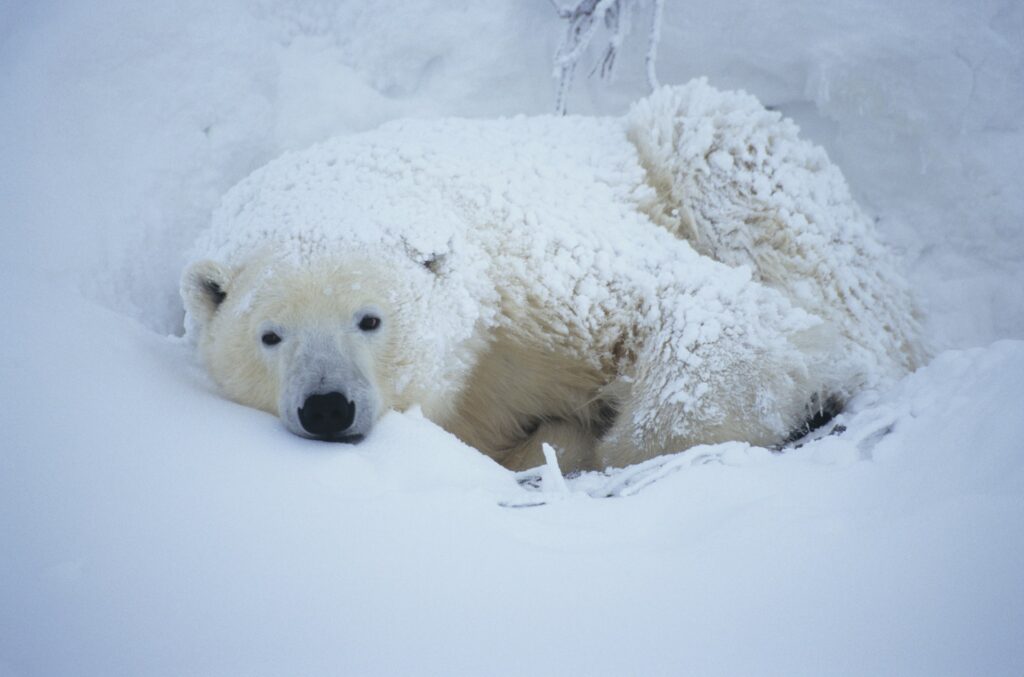
Instead of having long seasons to hunt, bears in some areas are working with smaller windows. They focus on the ice edge, where sea meets ice because that’s where seals still pop up. It becomes a reminder that timing matters more than ever. When hunting time shrinks, every missed chance hurts more. A few bad weeks can be the difference between staying strong or dropping into survival mode. Bears can’t just make up for lost hunting later because the ice might already be gone again.
Some are taking bigger risks, including coming closer to people.
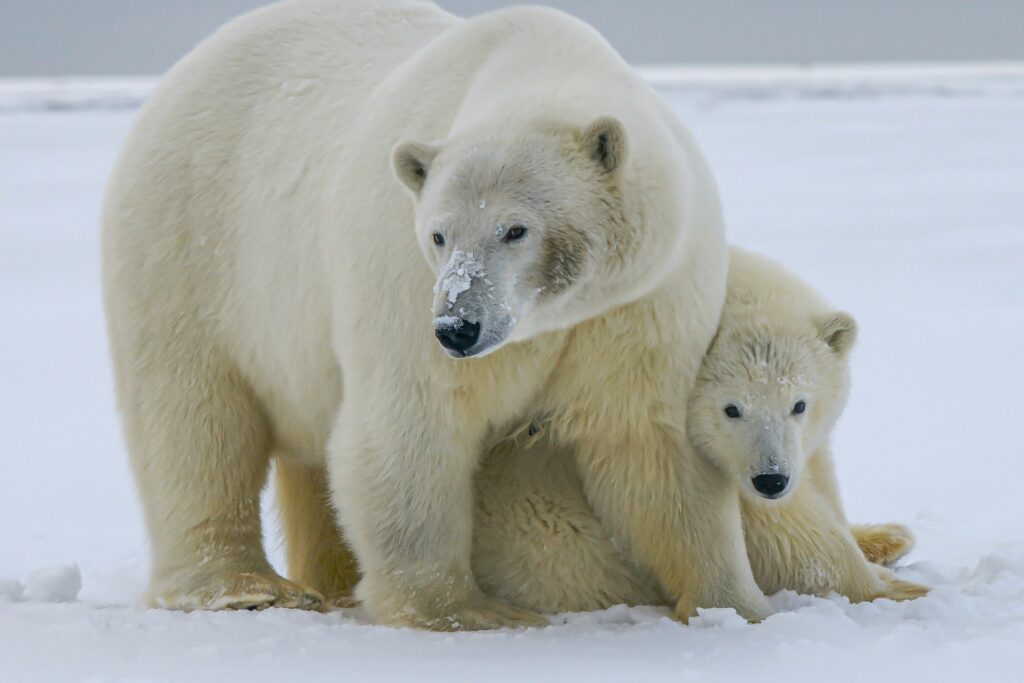
When food is harder to find, polar bears can end up exploring areas they’d normally avoid. That might mean walking into towns, hanging around rubbish dumps, or checking out cabins and camps. It’s not because they’re “aggressive”, it’s because hunger makes them bold. This is one of the most dangerous forms of adaptation. Bears can get hurt, or they can be killed for safety reasons. Even if nobody wants that outcome, a hungry bear near people is a situation that can turn serious very fast.
Mothers are having a harder time raising cubs.
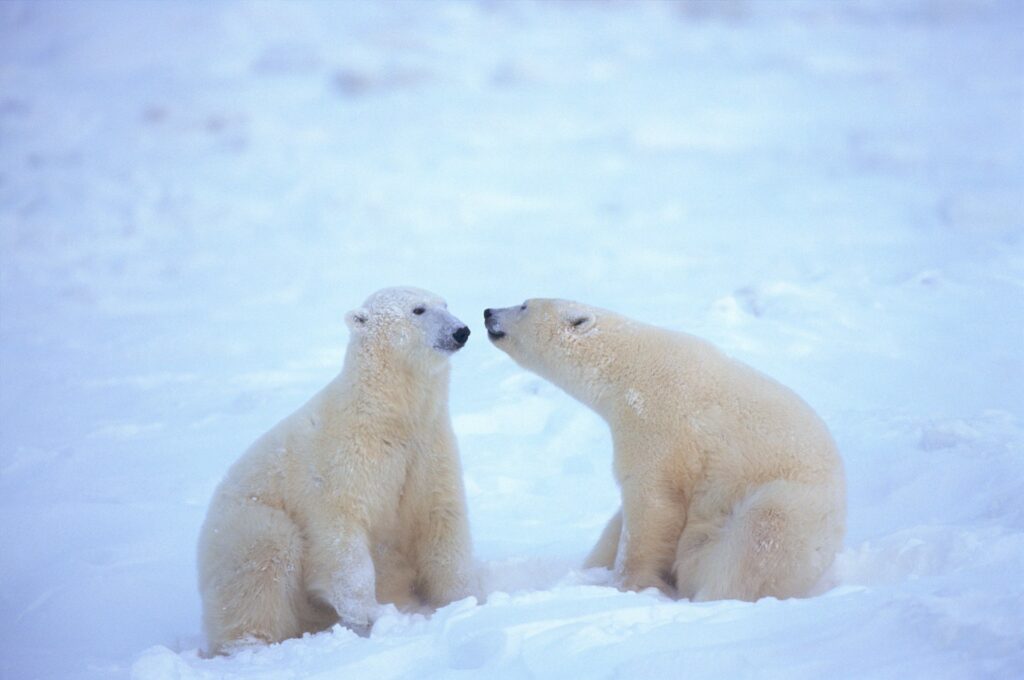
Female polar bears need strong hunting seasons to build up enough fat to get through pregnancy and nursing. When the ice season gets shorter, it’s harder for mums to gain and keep that weight. That affects how well they can feed their cubs. In tough years, cub survival can drop because mum simply doesn’t have enough in the tank. Cubs also struggle with long swims, long walks, and rough conditions. The younger they are, the less room for error they have.
Bears are adjusting their behaviour to save energy.
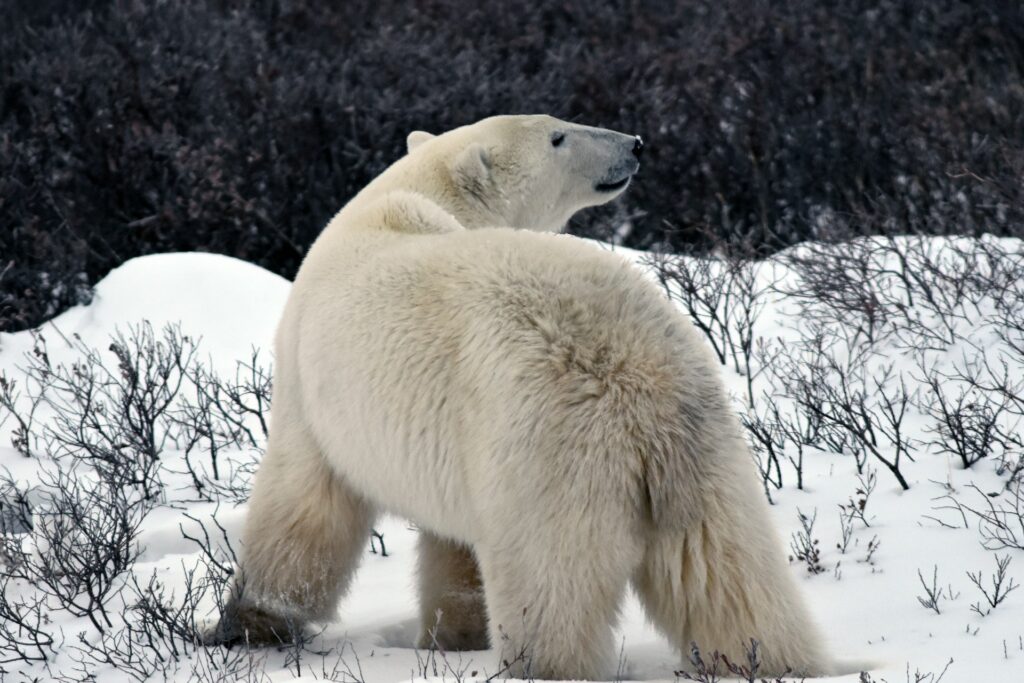
When hunting is poor, polar bears often try to conserve energy. They might rest more, move less during warm periods, and avoid wasting effort when there’s no real chance of finding food. It’s a survival tactic, like running your phone on low battery mode. This helps them last longer, but it’s not a comfortable way to live. Saving energy doesn’t replace food, it just slows the damage. If the waiting stretches on too long, they still lose weight and strength, no matter how careful they are.
Some are trying new hunting targets, but it’s not a perfect swap.
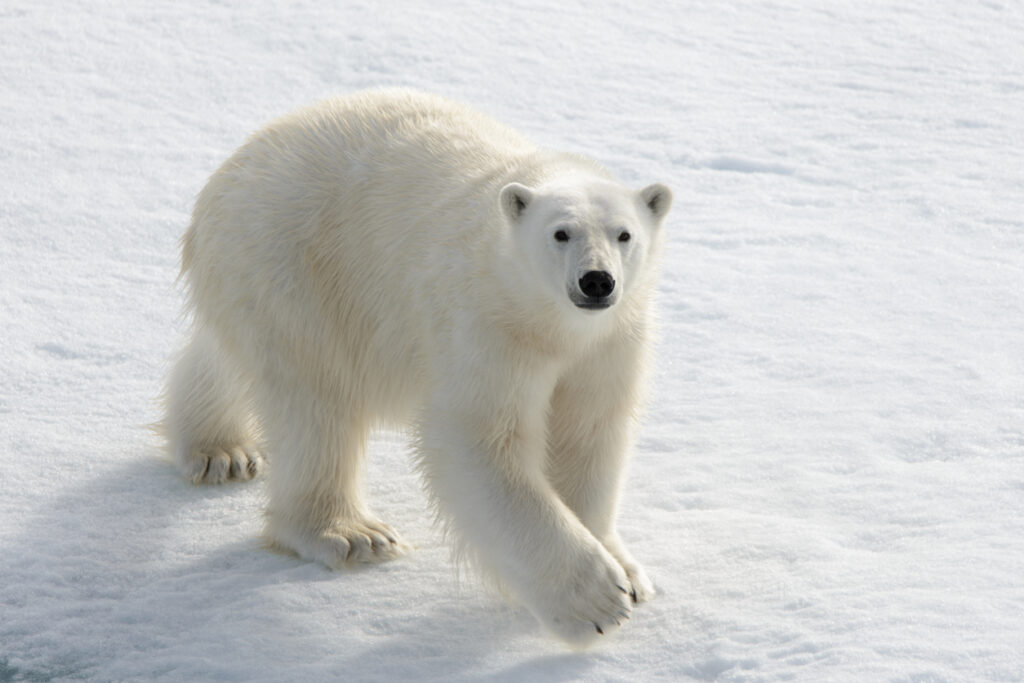
In a few places, polar bears have been seen hunting animals they didn’t rely on as much before, like reindeer or seabirds. It shows they can adapt their hunting behaviour when they need to. They’re smart animals, and they will try what’s available. Even so, these new targets don’t fully replace seal hunting. They’re harder to catch, not as fatty, and not as dependable. It’s a bit like swapping a proper dinner for whatever you can find in the cupboard, it might keep you going for a while, but it’s not the same life.