Some gardens feel lively from dawn to dusk, while others stay surprisingly still, no matter how many feeders you put out.

A lot of it comes down to the mix of plants, food, and shelter your space offers, and how that lines up with what different birds actually look for. Some species want open ground, some prefer dense cover, and some are only interested if there’s a steady food source they can return to. Your garden becomes appealing the moment it matches the needs of the birds passing through your area.
You might think you’re doing everything right, but small details make a big difference. The height of your plants, the type of seeds you put out, and even how close things are to hedges or fences all influence which birds feel comfortable landing and feeding. Basically, it’s less about luck and more about creating a space that feels safe and worth the visit. Here’s what you need to know.
The plants you grow decide who visits.
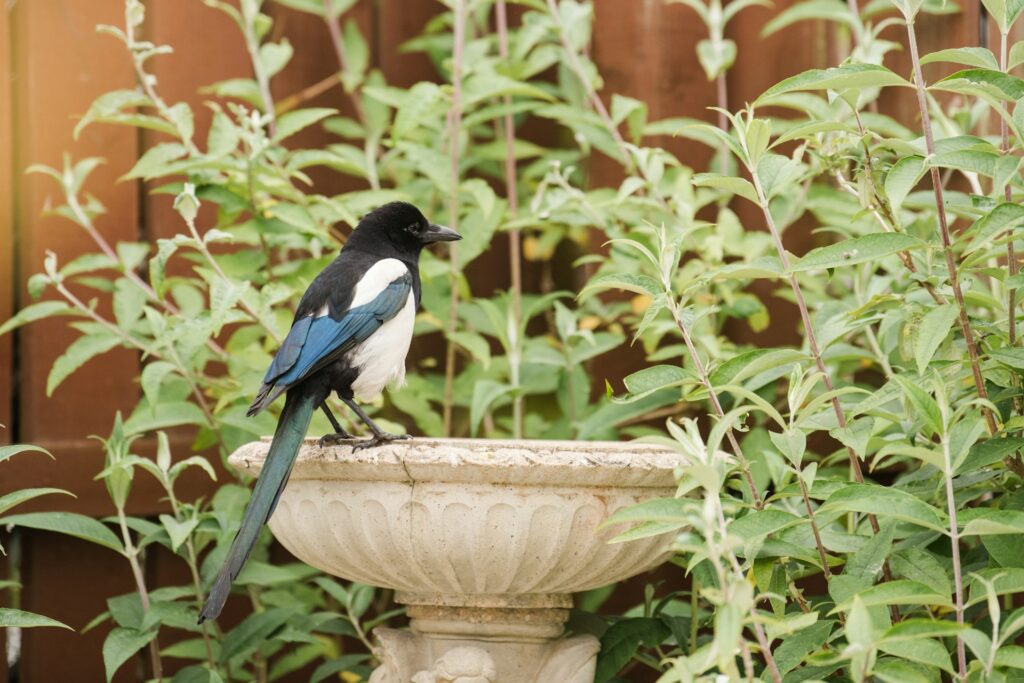
Native plants are the foundation of a bird-friendly garden. They provide the seeds, berries, and insects that local birds rely on. Exotic or decorative plants may look beautiful, but they often offer little food or shelter. If your garden is full of species that naturally grow in your region, you will see more birds. Choosing plants that fruit, seed, or flower at different times of year keeps a steady food supply, encouraging birds to return regularly.
Some birds prefer open spaces, but others need cover.
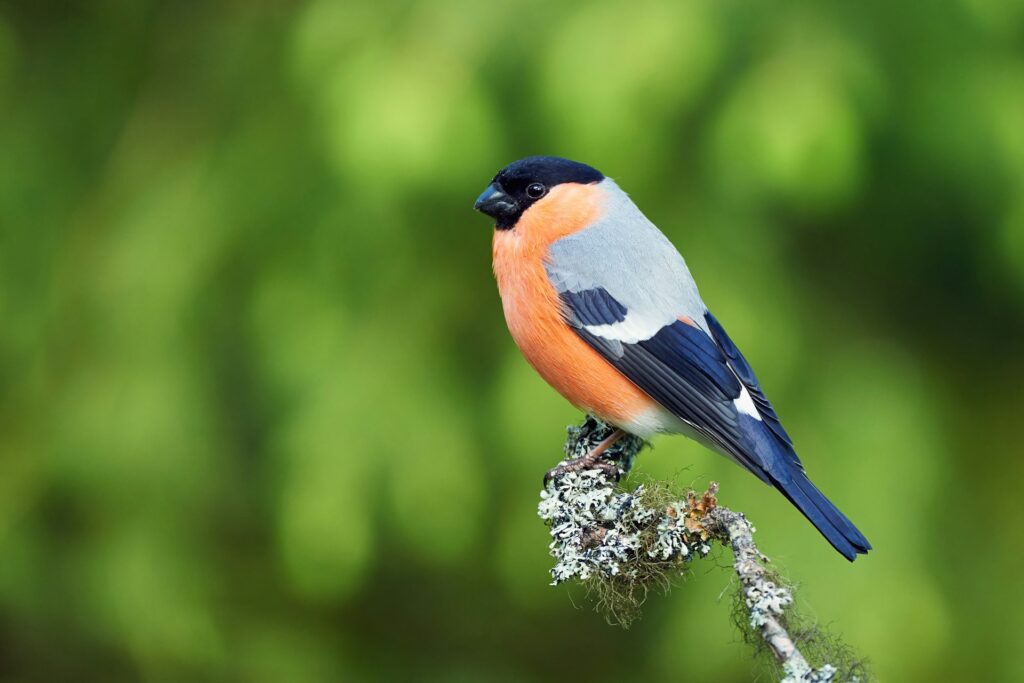
Not all birds feel safe in the same environment. Robins, blackbirds, and thrushes enjoy open lawns where they can hunt for worms. Finches and sparrows prefer dense shrubs or hedges for protection, while wrens and dunnocks like low, tangled plants to hide in. If your garden is too open or too overgrown, you might only attract one type of bird. A mix of both open and sheltered spaces gives a better balance, welcoming more species throughout the year.
The type of food you offer matters.
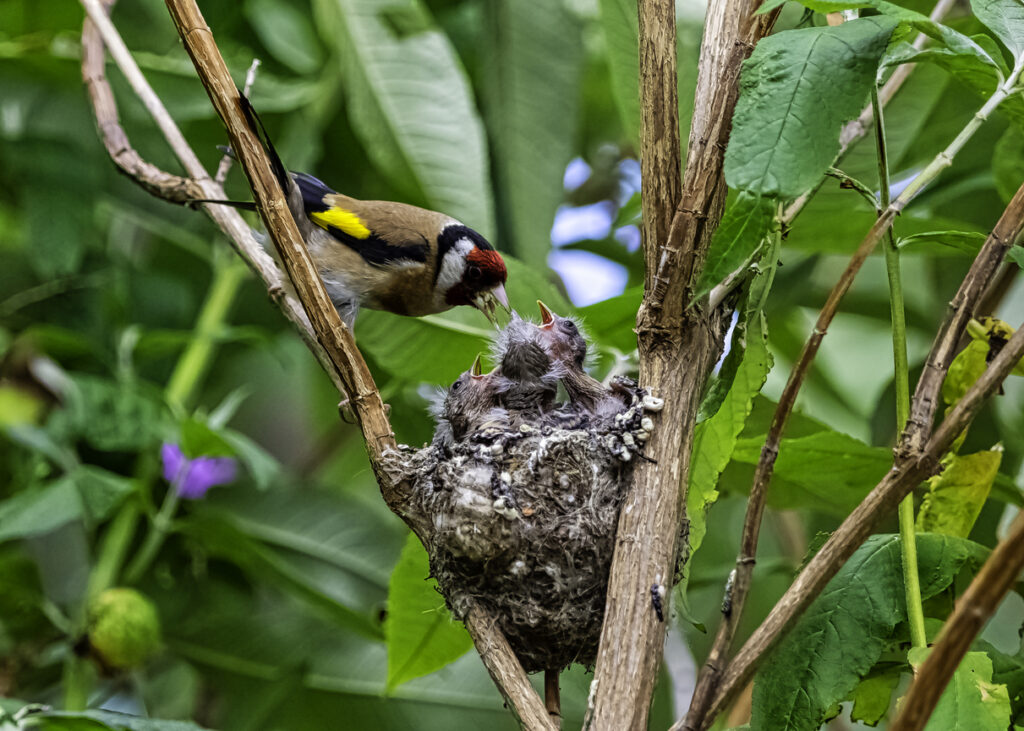
Different birds eat different things. Blue and great tts love fat balls and sunflower seeds, while blackbirds prefer fruit and mealworms. Goldfinches are drawn to nyjer seeds, and woodpeckers like suet blocks and peanuts. If you only provide one kind of bird food, you will only attract species that like it. Offering a variety including seeds, nuts, fruit, and insects keeps a wider range of birds visiting your feeders.
Water is as important as food.
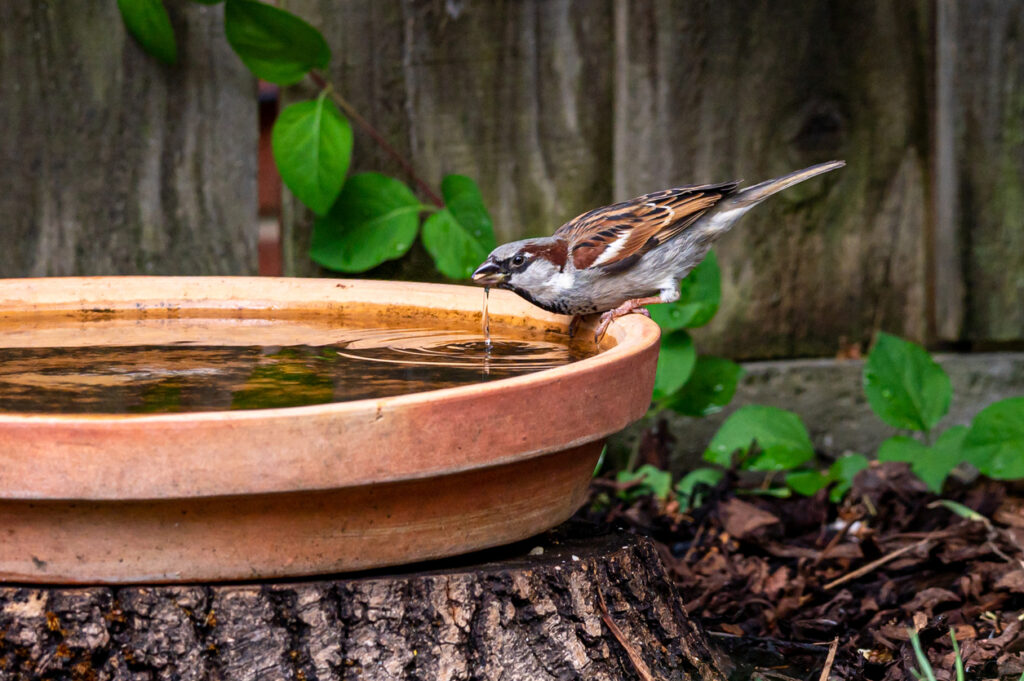
Birds need water to drink and bathe, especially during dry or freezing weather. A simple bird bath or shallow dish of clean water can make a huge difference, drawing in species that might otherwise pass by. Running water, such as a small fountain or dripper, is even more appealing. The sound attracts birds from a distance, signalling a safe, fresh source that they can rely on.
The height of your trees affects which birds visit.
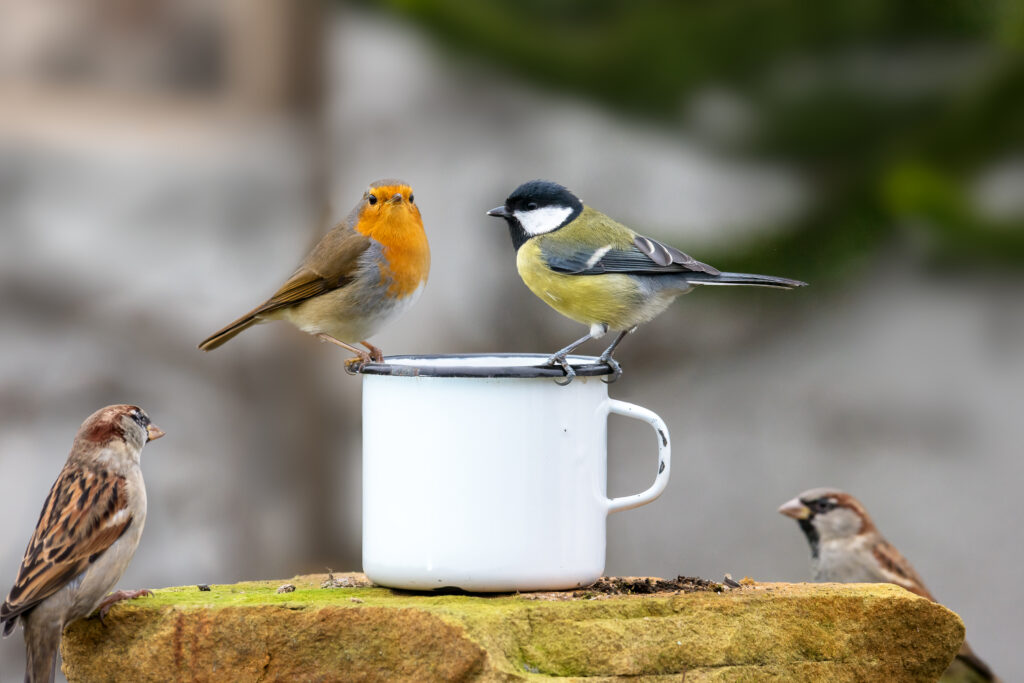
Tree height determines which species feel at home. Tall trees attract birds like wood pigeons, magpies, and crows, while smaller trees or shrubs draw in songbirds and finches. Gardens with layered vegetation tend to host the most diversity. If your garden has only short plants or none at all, some birds will stay away because they lack safe perching or nesting spots. Adding even one tree can definitely change who shows up.
Noise levels make a difference.
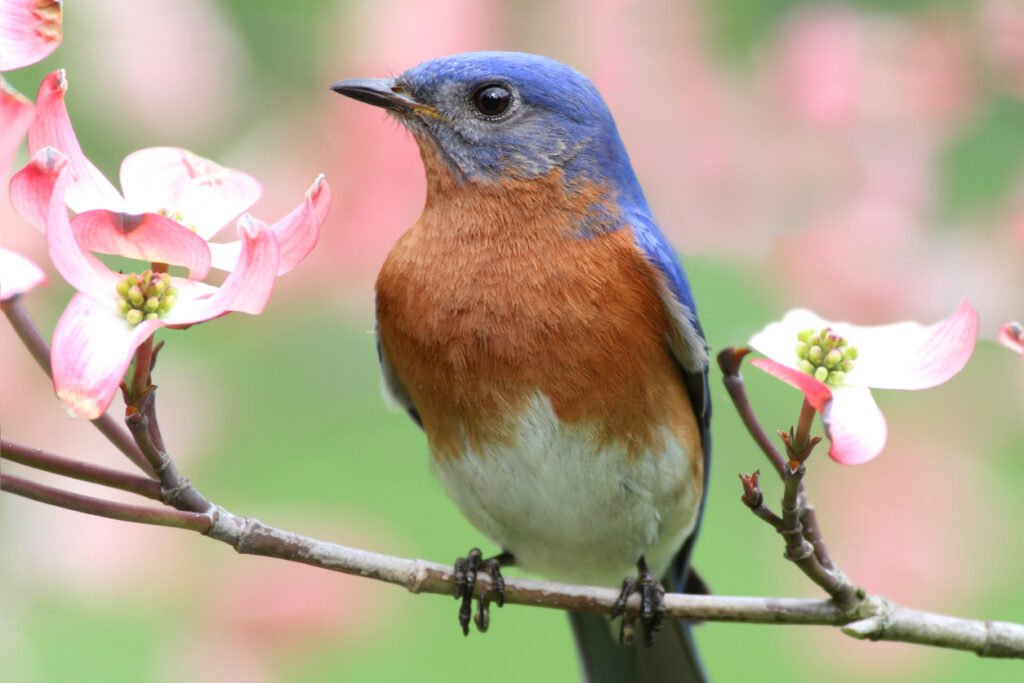
Birds are sensitive to sound, and too much noise can drive them away. Constant traffic, loud voices, or garden machinery can make them feel unsafe. Quiet, calm gardens attract far more species. If your area is noisy, planting thick hedges or trees helps reduce sound. Over time, birds will start to return once the space feels peaceful again.
The presence of predators keeps some birds away.

Cats, foxes, and even other birds like magpies or sparrowhawks can scare smaller species. If your feeders or bird baths are easy targets, the smaller birds will quickly disappear. Placing feeders near dense shrubs or using caged feeders helps protect visiting birds. When they feel safer, they’re more likely to return each day.
Some birds are territorial.
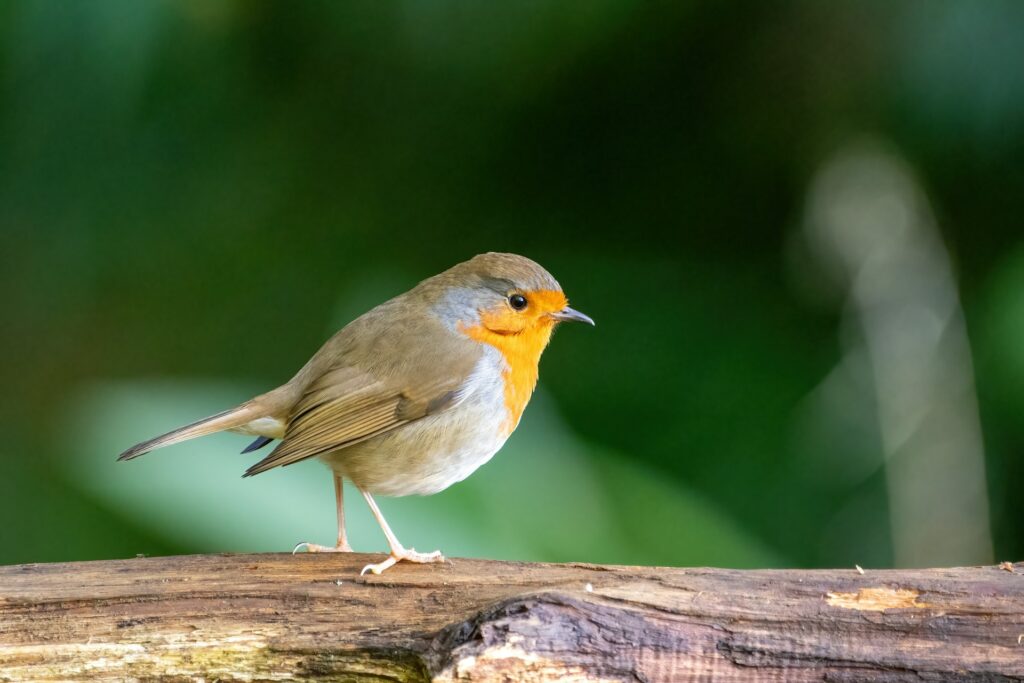
Not all species like to share space. Robins and wrens, for example, are famously territorial and will chase away rivals. If one dominant bird has claimed your garden, others might avoid it altogether. Adding more feeding areas in different corners of the garden can help reduce conflict. It gives smaller or shyer birds a chance to feed in peace.
Nesting sites are crucial for returning birds.
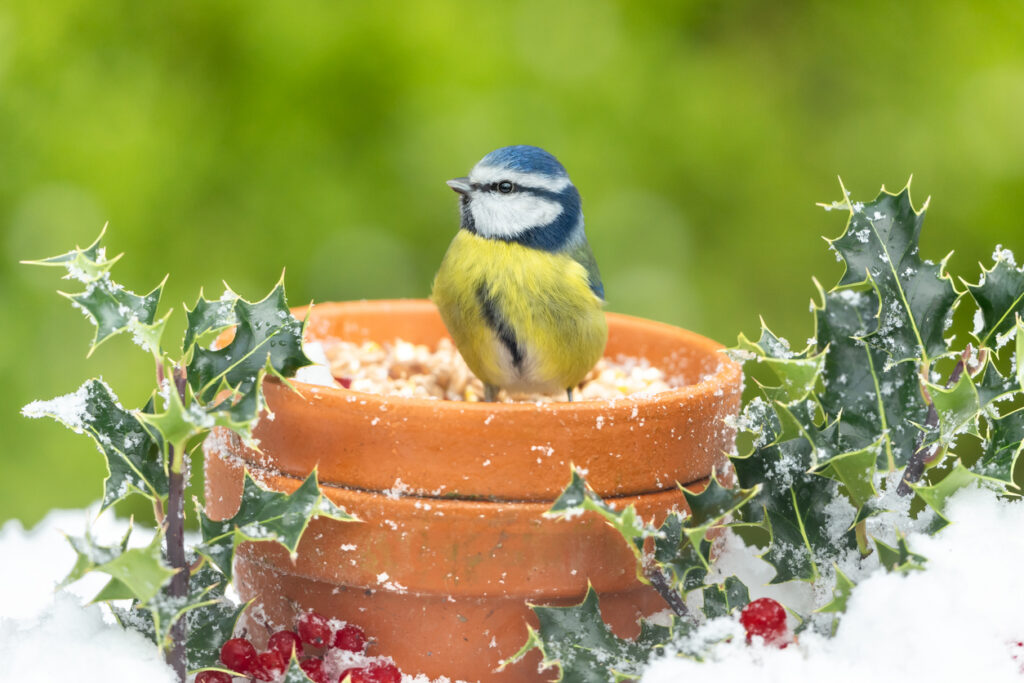
Birds often come back to the same place each year to nest, but only if it feels safe and suitable. Nest boxes attract species like sparrows and starlings, while hedges and thick ivy provide natural shelter. Once a pair successfully raises young in your garden, they’re likely to return the following year. Providing safe nesting spots turns casual visitors into regular residents.
Seasonal changes affect who shows up.
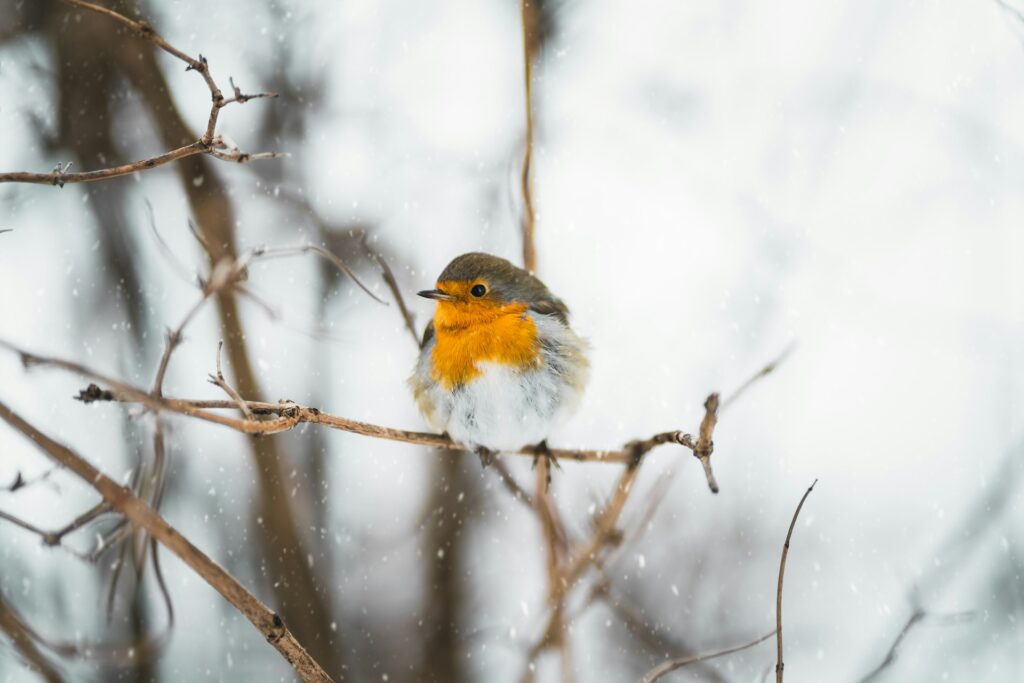
The mix of birds in your garden changes with the seasons. In winter, species like redwings and fieldfares arrive from colder regions, while in summer, warblers and swifts return from migration. If you want visitors year-round, plan for it. Offer food in winter, flowering plants in spring, and berry bushes in autumn. Your garden can then support a rotating cast of birds through every season.
Chemical use can quietly drive birds away.
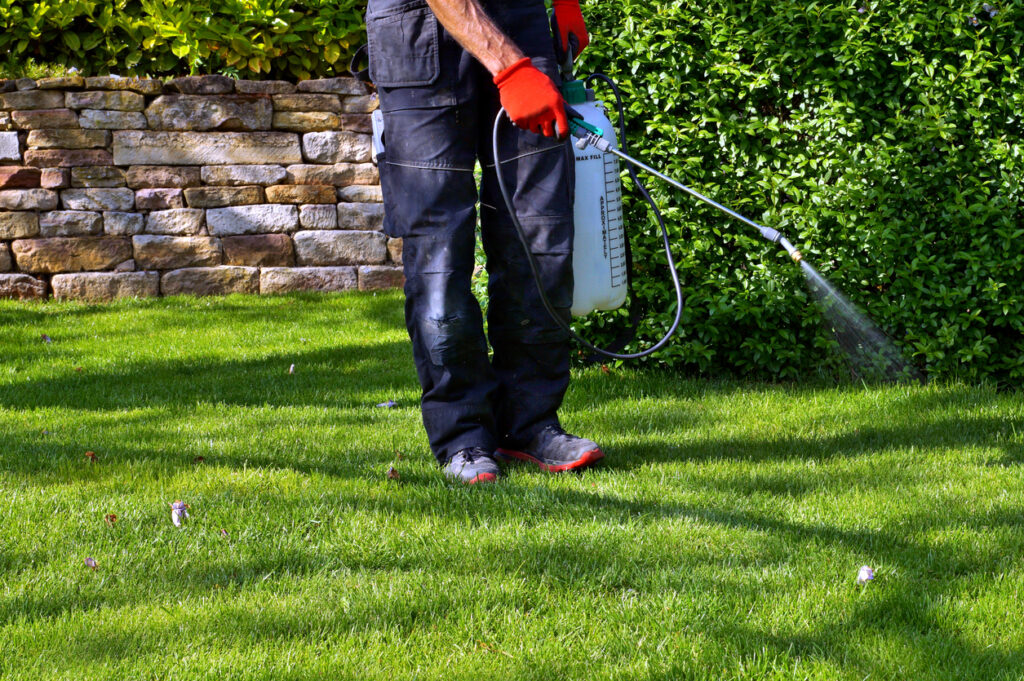
Pesticides, weedkillers, and slug pellets reduce the insects that many birds depend on. Even small amounts can affect what thrives in your garden, changing the whole food chain. Going organic or using natural pest controls helps birds by protecting their main food sources. It also makes your garden healthier and more balanced in the long run.
Gardens look different to birds from above.
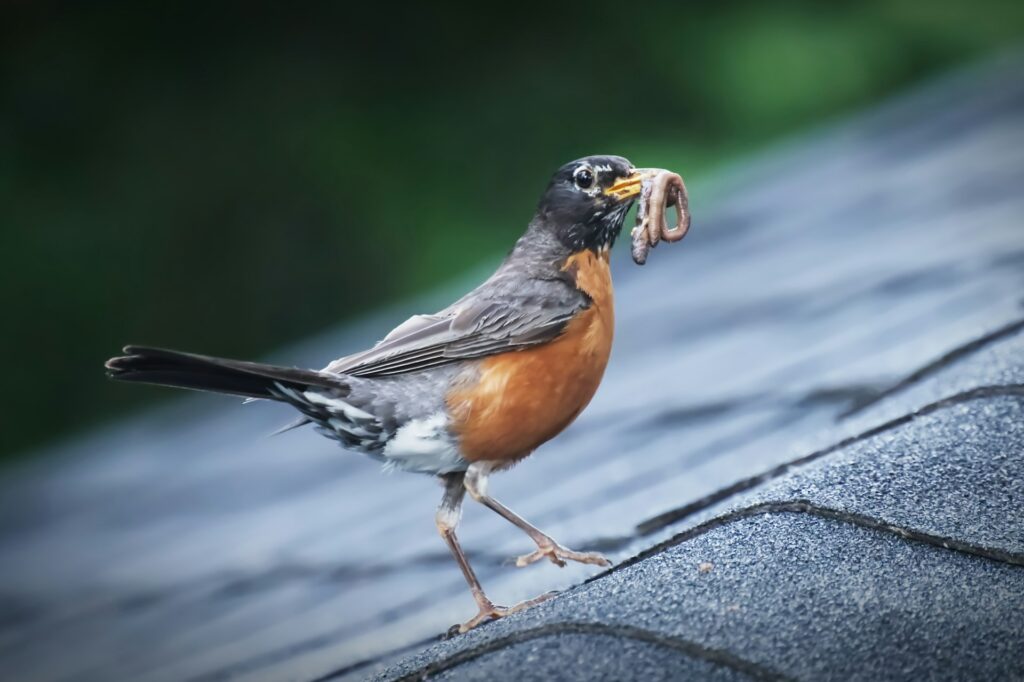
From the air, birds see patterns, shapes, and colours that we don’t notice. Large open lawns or bright roofs might seem uninviting, while green, textured areas signal food and safety. Dense, mixed vegetation draws the eye of birds flying overhead. Creating contrast in your garden’s design such as trees beside open spaces or water beside flowers makes it more visually appealing to passing birds. It helps them spot your garden as a potential refuge.
Some birds just prefer wilder spaces.
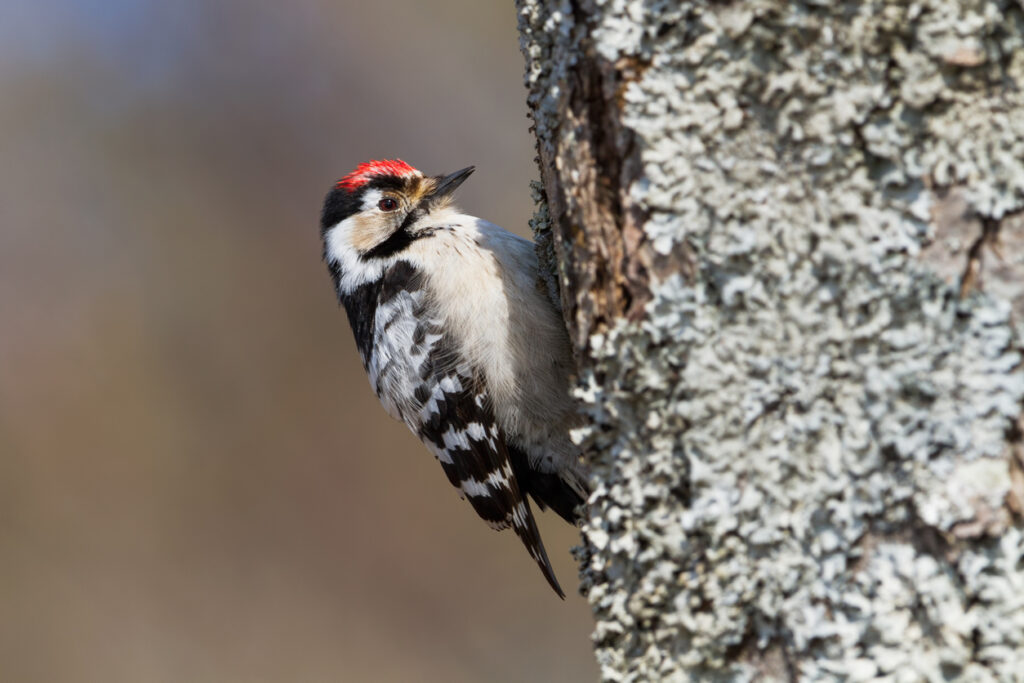
Even the best-kept garden can’t compete with untouched woodland or wetlands. Some species, like woodpeckers, owls, or warblers, need larger areas to thrive. Your garden might not meet their needs, no matter how welcoming it feels to others.
The good news is that your space still contributes to a bigger network of habitats. When many gardens provide food, water, and safe shelter, they become stepping stones for wildlife, helping birds travel and survive across changing landscapes.