Most people would put asparagus and orchids in completely different boxes in their heads.
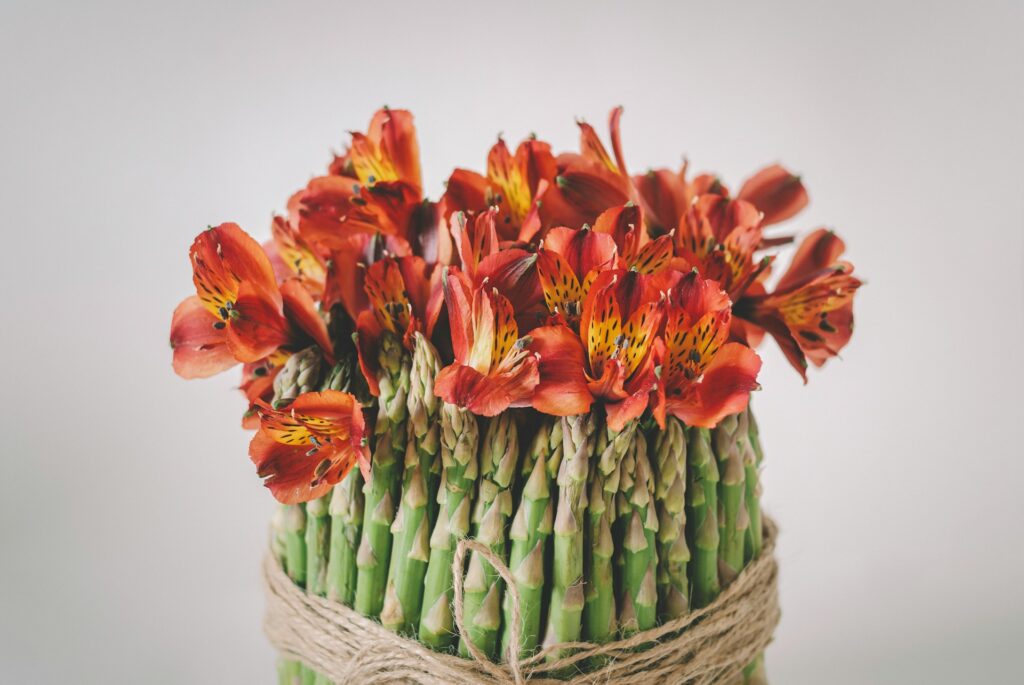
One turns up on your dinner plate, the other sits in a pot on a windowsill or in a tropical glasshouse. One feels practical and everyday, the other feels delicate and a bit showy. On the surface, they couldn’t seem further apart, which is why the links between them catch people off guard.
Look a little closer, though, and you start noticing threads that connect them, from the way they grow to where they fit on the plant family tree. The details sit in their roots, leaves and flowers, and in the kind of environments they’re built to handle. Those overlaps tell a deeper story about how plants evolve, travel and adapt. Once you see how asparagus and orchids line up behind the scenes, you’ll never look at either of them in quite the same way again.
They’re both in the same plant order.
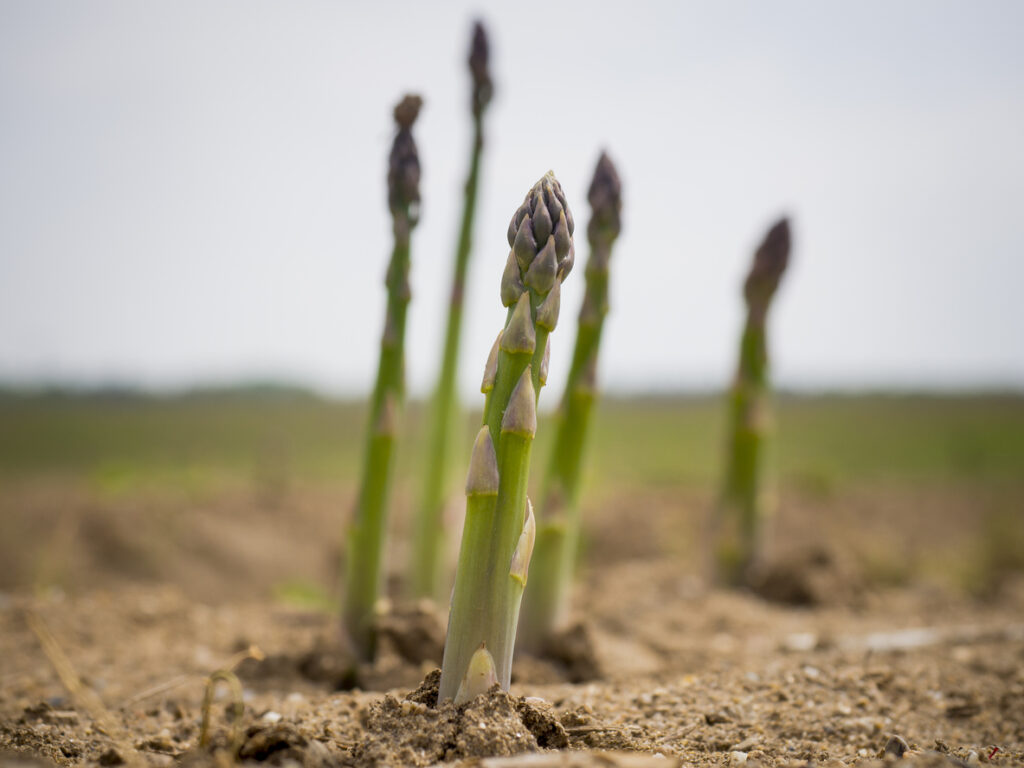
Asparagus and orchids both belong to the order Asparagales. This is a massive group of monocot plants that includes over 25,000 species. Despite looking completely different, they share fundamental genetic and structural characteristics that make them botanical cousins.
This relationship surprises people because orchids seem exotic and delicate, while asparagus is a common vegetable. But evolutionary history groups them together based on their flower structure, growth patterns, and reproductive systems.
Both grow from underground storage systems.
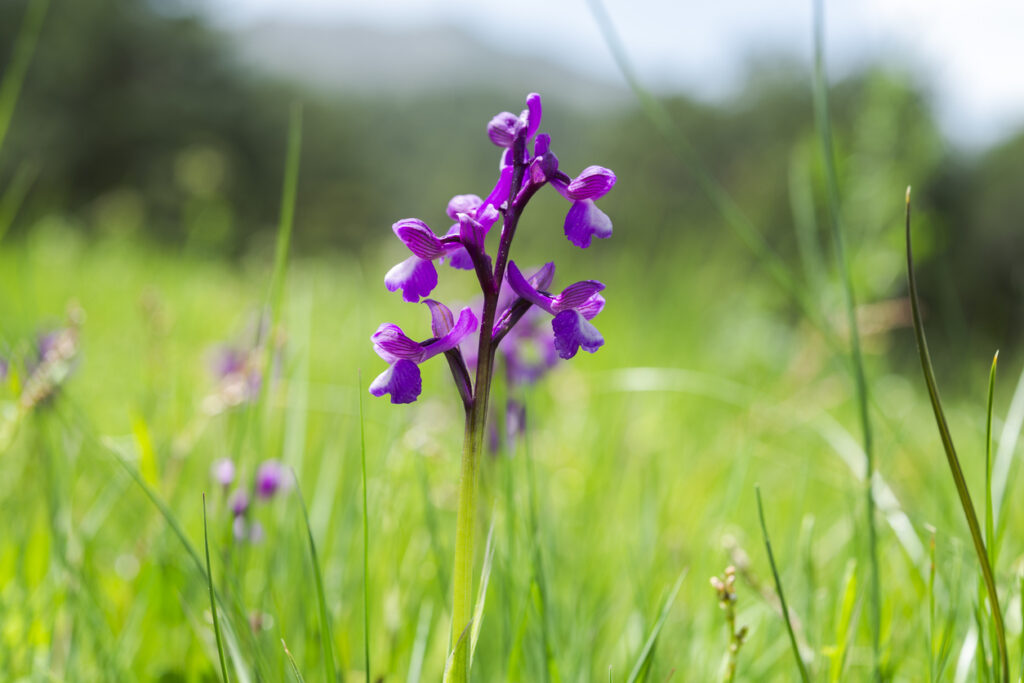
Asparagus grows from a crown with thick storage roots underground. Orchids often grow from pseudobulbs, or thick roots that store water and nutrients. Both use underground structures to survive difficult conditions and regrow each season. These storage systems allow both plants to go dormant during unfavourable conditions and bounce back when things improve. It’s a survival strategy they’ve evolved independently but share due to their common ancestry.
Their flowers have similar structures.
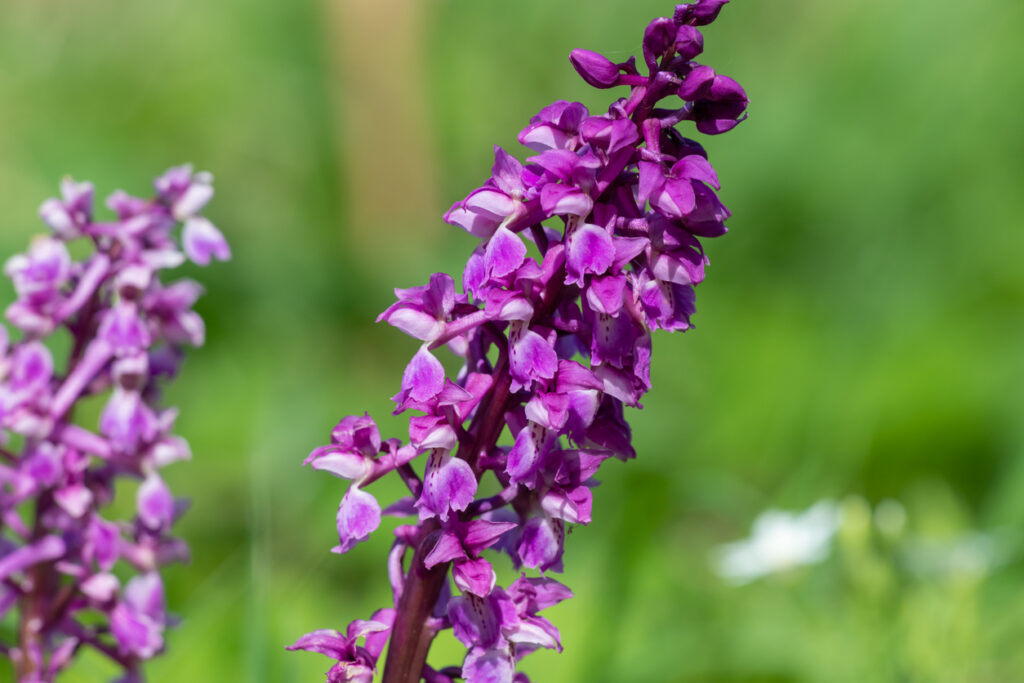
If you look closely at asparagus flowers, they have six segments arranged in two whorls of three, just like orchid flowers. Most people never see asparagus flowers because we harvest the spears before they bloom, but when they do flower, the structure is recognisably similar.
Both have flowers with parts in threes or multiples of three, which is characteristic of monocots. The arrangement and symmetry follow the same basic pattern, even though orchid flowers are far more elaborate and showy.
They’re both monocots.
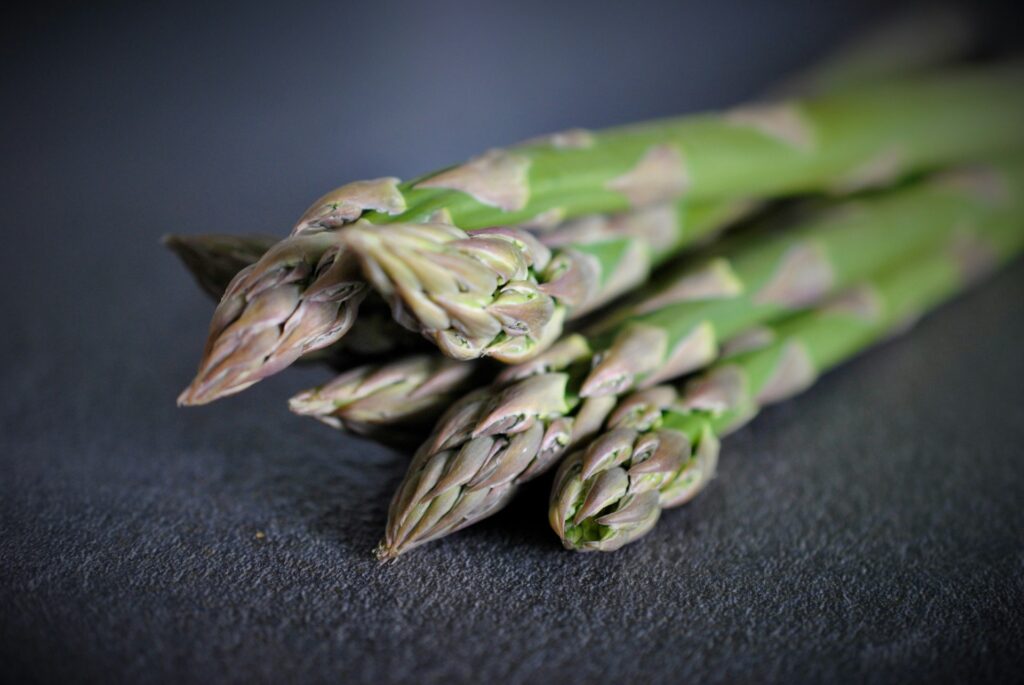
Monocots are plants that produce seeds with one embryonic leaf. Asparagus and orchids share this fundamental trait along with grasses, lilies, and palms. Monocots have parallel leaf veins, fibrous roots, and flower parts in threes. Being monocots links them to a huge group of economically important plants including rice, wheat, corn, and bananas. It’s a fundamental classification that determines how they grow and develop throughout their lives.
Both produce berries as fruit.
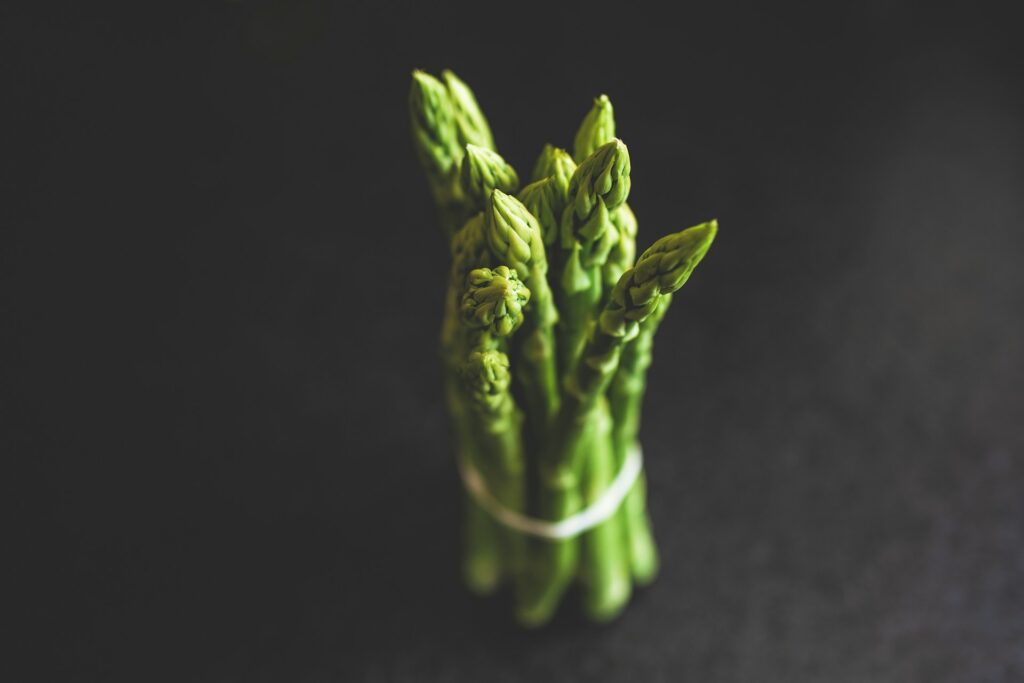
Asparagus produces small red berries if left to mature. Many orchids also produce berry-like capsules containing seeds. Both use fleshy fruit as a seed dispersal method, though orchid seed capsules are usually dry by the time they split open. The berries on asparagus plants are toxic to humans but attractive to birds who eat them and disperse the seeds. This fruiting pattern is another trait they share through their evolutionary relationship.
They’ve both been cultivated for thousands of years.
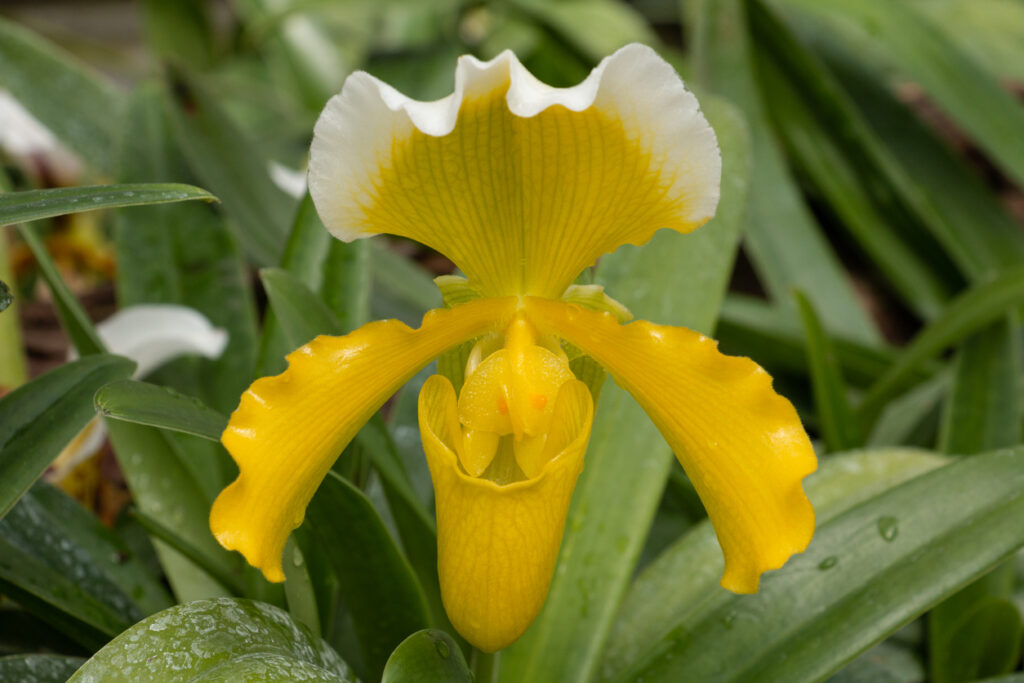
Asparagus has been cultivated as food for at least 2,000 years, prized by ancient Egyptians, Greeks, and Romans. Orchids have been cultivated in China for over 3,000 years for their beauty and fragrance. Both have long histories of human cultivation. That long cultivation history means both have been selectively bred extensively. Modern asparagus varieties and orchid hybrids look quite different from their wild ancestors because of centuries of human intervention.
Both can live for decades.
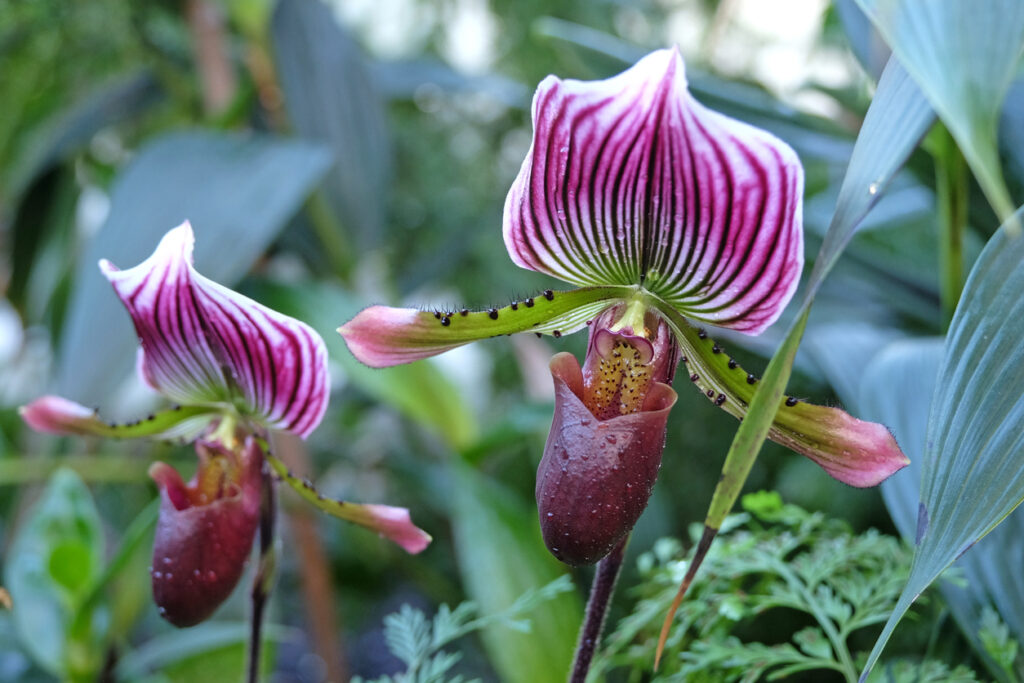
Asparagus crowns can produce spears for 15 to 20 years or more with proper care. Orchids can live for decades, with some specimens surviving for over 100 years. Both are perennial plants with remarkable longevity compared to annual vegetables and flowers. Their longevity comes from their storage systems and ability to go dormant. They don’t die back completely each year, they persist underground or in their pseudobulbs and regrow when conditions are right.
They’re both surprisingly diverse.
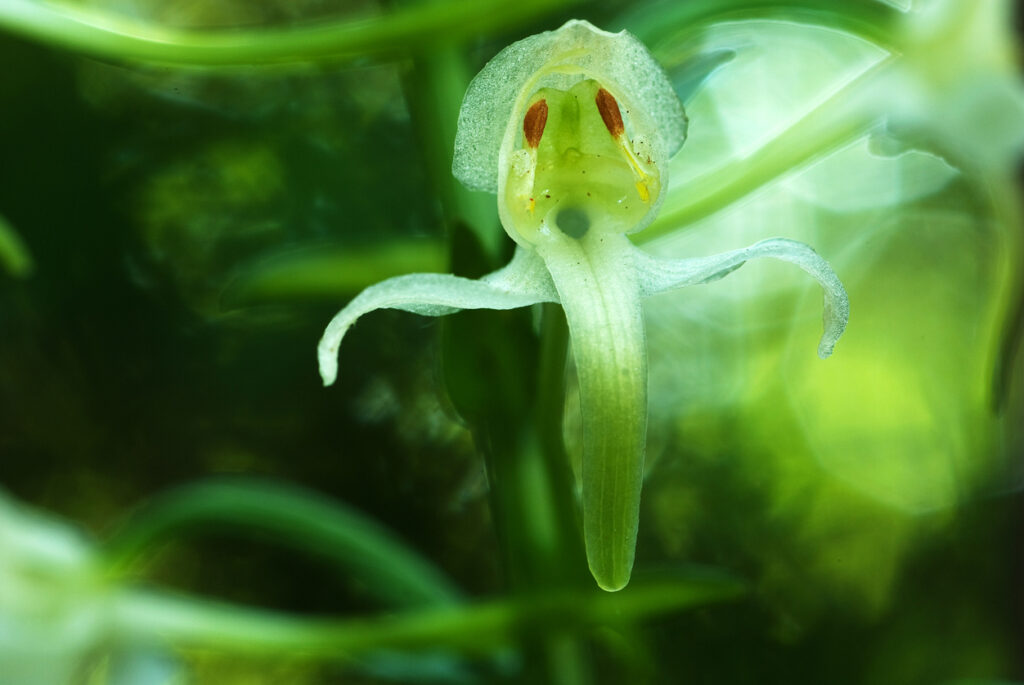
There are about 300 species of asparagus worldwide, not just the one we eat. The orchid family is even more diverse, with over 25,000 species. Both groups have adapted to fill numerous ecological niches across the globe. Most people only know edible asparagus and common ornamental orchids, but both families include wild species that look nothing like the familiar varieties. This diversity reflects millions of years of evolution.
Both have modified stems that look like leaves.

The feathery foliage on asparagus plants isn’t actually leaves, it’s modified stems called cladodes that photosynthesize like leaves. Some orchids also have flattened stems that function as leaves. Both use stem modifications for similar purposes. This is a botanical trick that allows for different growth strategies. True leaves in both plants are actually tiny scales. The green parts we see are stems doing the work of leaves.
They both have tiny, dust-like seeds.
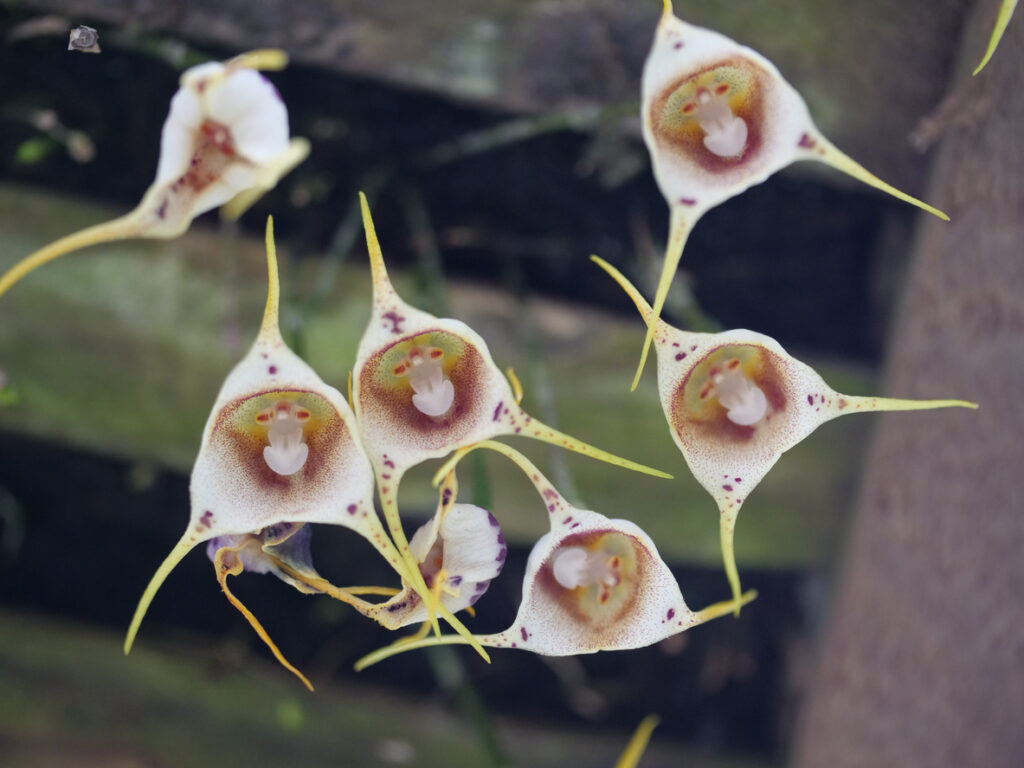
Orchid seeds are famous for being microscopically small, almost like dust. Asparagus seeds, while larger than orchid seeds, are still quite small relative to the plant. Both produce numerous tiny seeds rather than fewer large ones. That seed strategy means producing lots of offspring with minimal investment per seed. The trade-off is that tiny seeds have fewer resources and lower individual survival rates, so both plants compensate with quantity.
Neither can survive without fungi (at least initially).
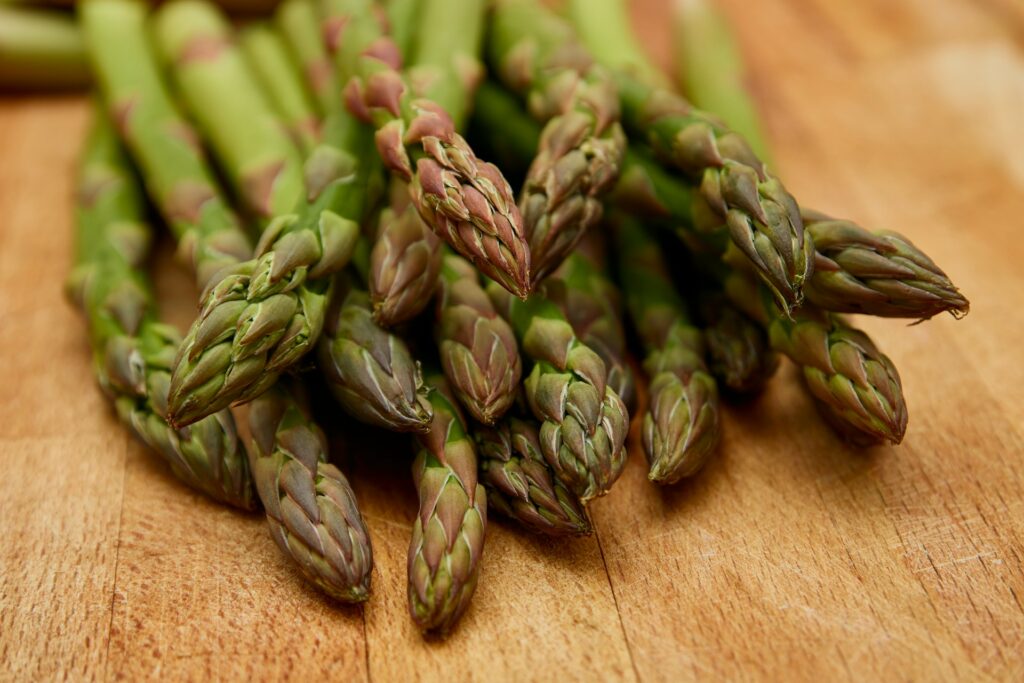
Orchids famously require specific fungi to germinate and establish. Asparagus also benefits enormously from mycorrhizal fungi associations in its roots. Both have evolved relationships with soil fungi that help them absorb nutrients and water. These fungal partnerships are crucial for both plants, especially in early growth stages. The fungi extend the effective root system and help access nutrients the plants couldn’t reach alone. It’s a mutualistic relationship both rely on.
They’re both more complicated than they look.
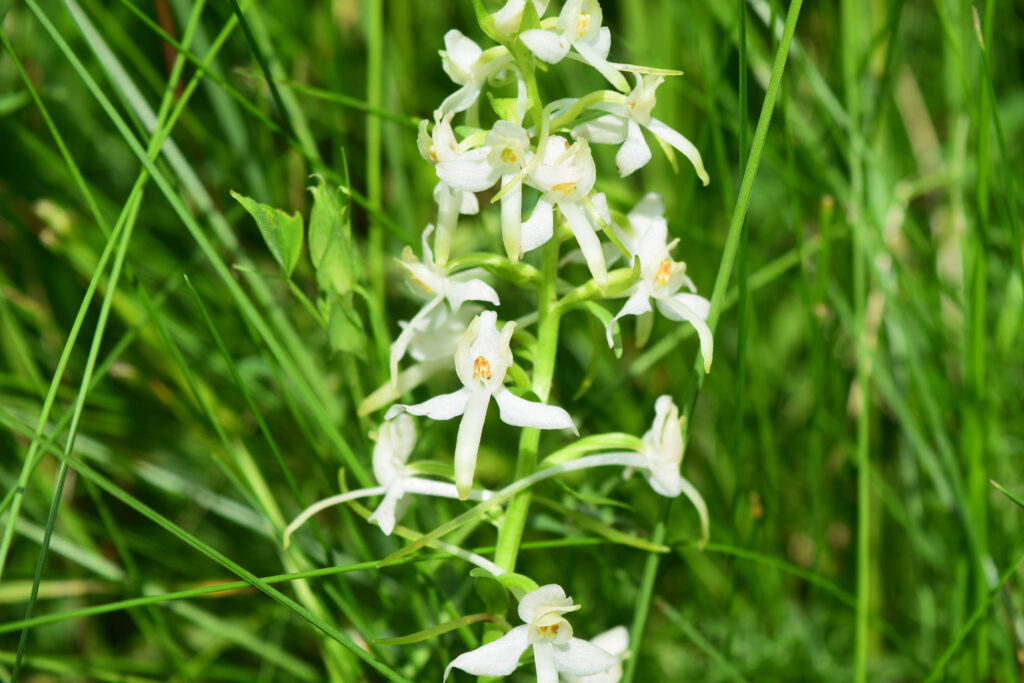
Asparagus seems simple, just a vegetable that grows spears. Orchids seem straightforward, just pretty flowers. But both are botanically complex with intricate life cycles, specific growing requirements, and sophisticated survival strategies that most people never consider.
Understanding their relationship reveals how evolution creates diversity while maintaining underlying similarities. These two seemingly unrelated plants share a common ancestor and still carry genetic and structural evidence of that relationship, despite looking totally different today.