Most people put their gardening tools away in autumn and don’t think about the garden again until spring. The general assumption is there’s nothing to do out there when it’s cold and dark, so why bother? But winter gardening is actually brilliant for loads of reasons that have nothing to do with growing tomatoes.
Your garden doesn’t shut down completely in winter, and neither should you. Staying connected to your outdoor space through the cold months benefits your mental health, keeps your garden healthier, and sets you up for a better spring. Here’s why you should keep gardening through winter instead of abandoning it until March.
It’s genuinely good for your mental health.
Winter is when mental health often takes a dive. Less daylight, colder weather, and staying indoors all contribute to seasonal low mood. Getting outside into your garden, even for 20 minutes, exposes you to natural light and fresh air when you need it most.
Gardening gives you purpose on grey days when motivation is hard to find. Having a reason to go outside and do something active fights the winter slump. Even just tidying or checking on plants gets you moving and engaged with something beyond your own four walls.
There’s actually loads to do.
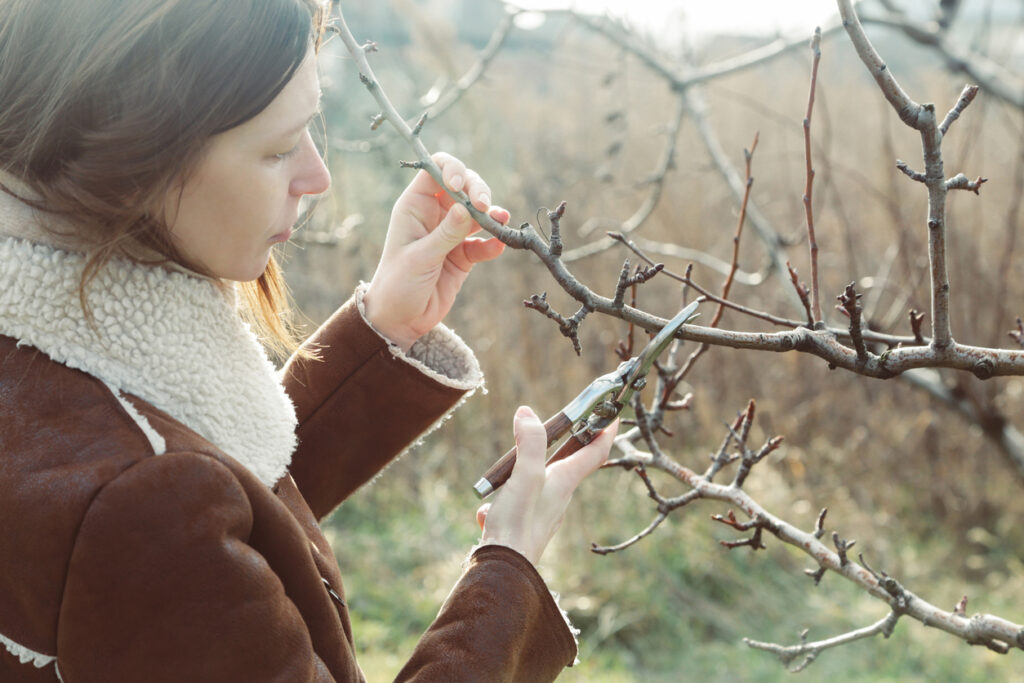
Winter isn’t dead time in the garden, it’s preparation time. You can prune trees and shrubs while they’re dormant, plant bare-root trees and roses, protect tender plants from frost, clear out dead growth, improve soil, and plan for spring. These jobs are easier in winter because the garden’s not growing frantically.
If you wait until spring to do everything, you’re overwhelmed when plants are already growing, and you’ve missed optimal timing for tasks like pruning. Winter work makes spring easier and more successful. You’re not behind before you’ve even started.
Winter gardens have their own beauty.
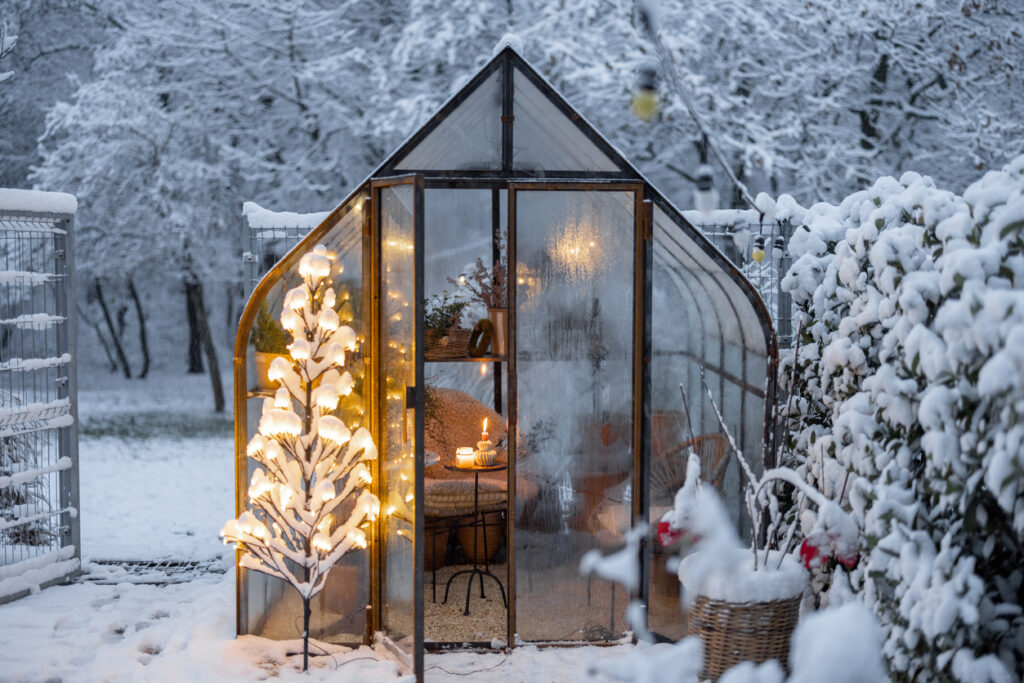
People think winter gardens are just dead brown stuff, but they’re wrong. Frost on seed heads, evergreen structure, winter-flowering shrubs like mahonia and viburnum, coloured stems on dogwood and willow, berries on holly and pyracantha. Winter gardens are quietly beautiful if you actually look.
Appreciating this different kind of beauty changes your relationship with your garden. It’s not just about summer flowers, it’s about year-round interest. Spending time in your winter garden trains you to notice subtler things you’d miss in summer’s riot of colour.
It keeps you physically active when you’d otherwise be sedentary.
Winter makes everyone less active. It’s dark when you leave for work and dark when you get home. Going to the gym feels impossible. Your garden offers accessible exercise right outside your door. Digging, raking, moving pots, all of it keeps you moving.
You don’t need special clothes or equipment, and you can stop whenever you want. Twenty minutes of gardening is twenty minutes you weren’t sat on the sofa. Over a winter, that physical activity adds up and stops you becoming completely inactive.
Your soil actually improves in winter.
Winter is the best time to improve your soil. You can dig in compost and organic matter while beds are empty. Frost breaks down heavy clay soils, improving their structure. Leaving beds rough-dug over winter lets weather work on them naturally.
If you wait until spring to think about soil, you’re planting into whatever you’ve got rather than improved ground. Winter soil work means spring plants go into better conditions. This single factor makes a massive difference to how well things grow.
You can actually see your garden’s structure.
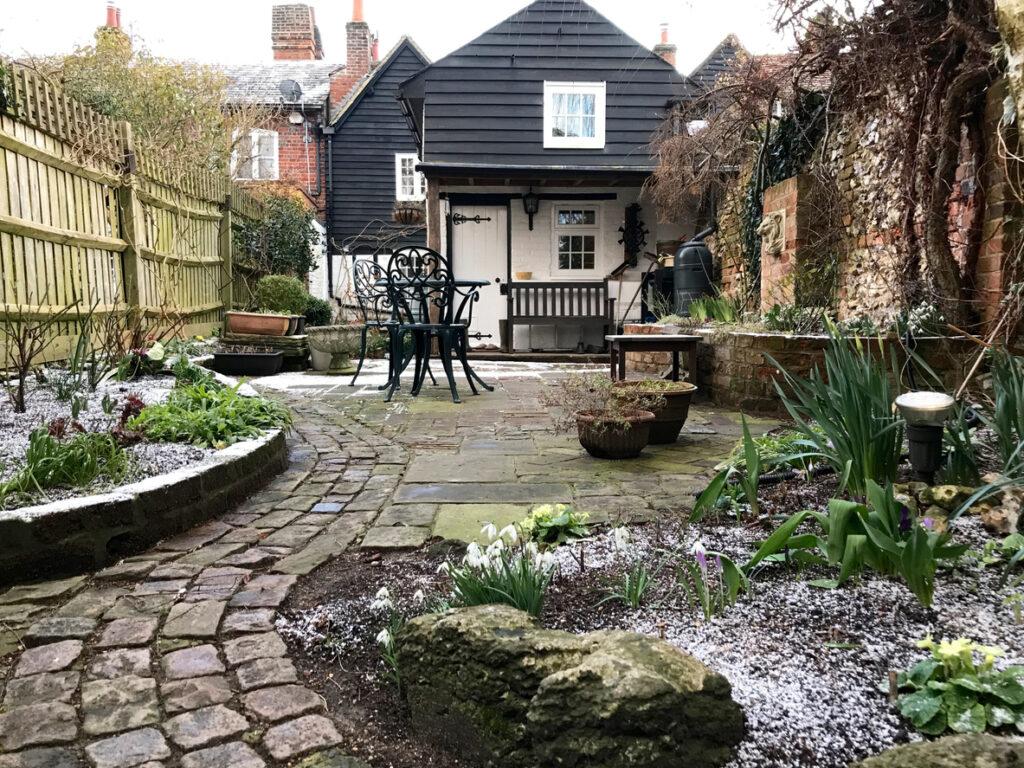
Without leaves and flowers everywhere, you can see the bones of your garden properly. Paths, borders, problem areas, structural issues, all become obvious. This is when you notice that fence needs fixing or that tree’s grown too big or that border’s shaped badly.
Making decisions about layout and structure in winter means you can implement changes before spring growth starts. You’re working with the garden as it actually is, not distracted by pretty flowers covering up fundamental problems.
Wildlife still needs your help.
Birds, hedgehogs, insects, and other wildlife rely on gardens for food and shelter through winter. Leaving some areas messy provides habitat. Putting out bird food keeps birds alive through cold snaps. Checking bonfire piles for hibernating animals before burning them saves lives.
If everyone abandons their garden in winter, wildlife loses crucial resources at the hardest time of year. Your ongoing presence and care makes a genuine difference to the creatures sharing your space. You’re part of their winter survival strategy.
It stops everything becoming a massive job in spring.
If you ignore your garden all winter, spring hits, and you’ve got months of work to catch up on while everything’s already growing. Weeds are established, pruning windows have closed, and you’re playing catch-up all season.
Doing bits through winter means spring maintenance is manageable. You’re on top of things rather than overwhelmed. Your garden responds better because you’ve stayed engaged rather than neglecting it for months, then expecting instant results.
You can grow actual food in winter.
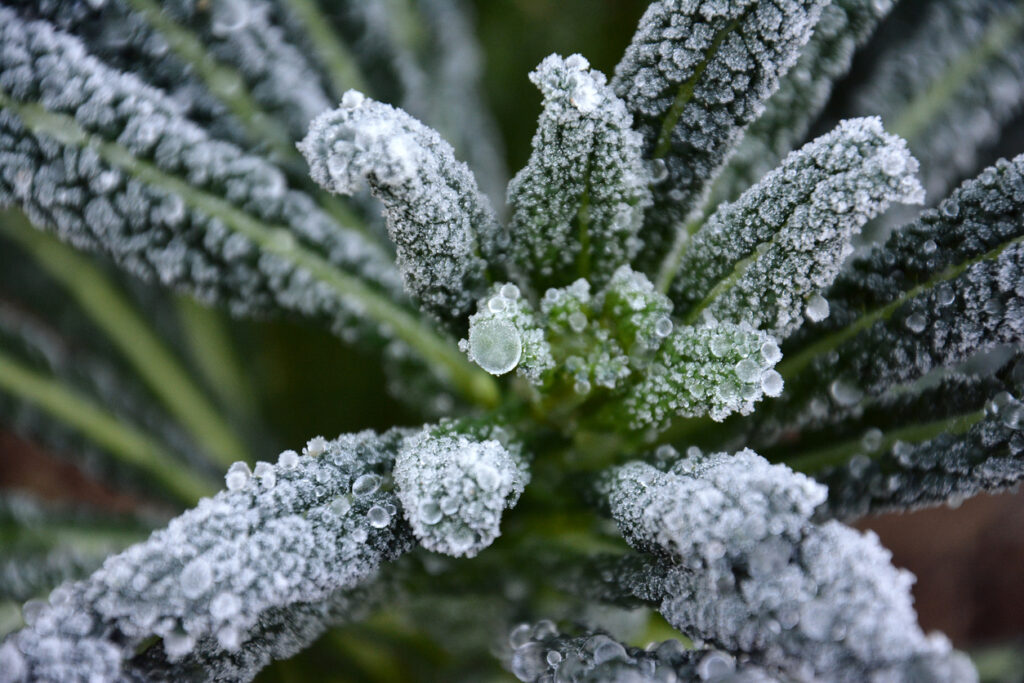
Winter veg is underrated. Kale, Brussels sprouts, leeks, winter cabbage, purple sprouting broccoli, all of it grows through cold months. You can harvest fresh greens from your garden in January and February when shop veg is expensive and boring.
Growing winter food gives you fresh produce when you need it most for immune support. There’s something brilliant about picking your own vegetables in December. It completely changes how you think about the productive potential of winter gardens.
It teaches you patience and observation.
Winter gardening is slow. Nothing dramatic happens. Changes are subtle and take weeks. This teaches you to notice small things, to be patient, to understand that not everything needs to be instant and productive.
In a world of constant stimulation and instant gratification, winter gardening is deliberately slow and quiet. That’s actually valuable. Learning to find satisfaction in gradual change and small observations is a skill that benefits you beyond gardening.
Planning happens better in winter.
Sitting inside on a January evening looking at seed catalogues and planning what to grow is one of gardening’s great pleasures. You’ve got time to think properly about what worked last year, what to change, what to try. Spring planning is rushed, winter planning is considered.
This thinking time improves your gardening. You make better decisions about plant placement, crop rotation, new projects. You order seeds in time instead of panic-buying whatever’s left in March. Good planning transforms your gardening success.
It connects you to seasonal rhythms.

Modern life is weirdly seasonless. Supermarkets sell strawberries in December, houses are climate controlled, work happens regardless of weather. You lose touch with natural cycles. Winter gardening reconnects you to seasons in a way that feels grounding.
Understanding that different times of year have different purposes, that rest periods matter, that not everything happens in summer, changes how you see time. This awareness affects more than just gardening. It shifts how you approach your own energy and productivity cycles.
You’ll have a better garden year-round.
Gardens that get attention all year are simply better than gardens that only get worked in summer. The plants are healthier, problems get caught early, soil quality improves, structure develops properly. Continuous care creates better results than sporadic, intense effort.
If you want a genuinely good garden rather than a few nice months, winter work is essential. The effort you put in during cold months pays off all year. You’re investing in long-term garden health rather than just maintaining appearance during peak season. Winter gardening might not be glamorous, but it’s when gardens are really built.