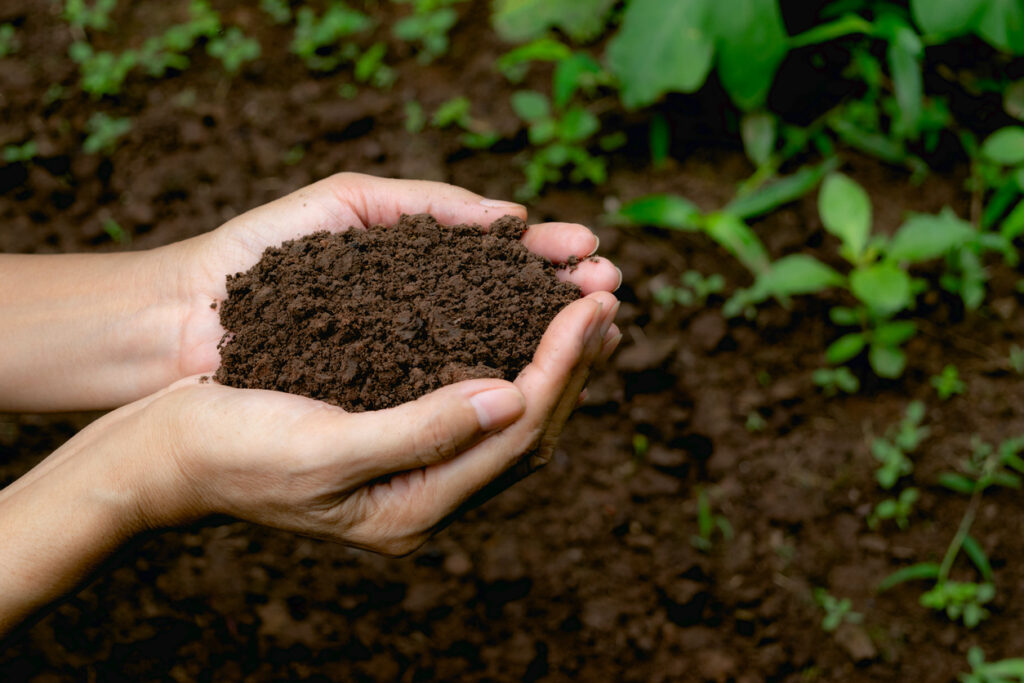
Healthy soil is the foundation of any thriving garden, and you don’t need expensive compost or fertiliser to achieve it. With a little creativity, most of what your garden needs is already in your kitchen bin. Recycling everyday household waste reduces rubbish and feeds your soil with natural nutrients. Here are 10 easy ways to turn ordinary leftovers into rich, living soil.
Turn kitchen scraps into compost.
Fruit and vegetable peelings, eggshells, coffee grounds, and tea leaves all break down into nutrient-rich compost. They provide the perfect balance of nitrogen and carbon that soil microbes love. Adding green waste like fruit peels and brown waste such as paper or dry leaves helps keep your compost healthy and active.
A simple compost bin or pile in the corner of your garden can transform these scraps in a few months. The result is dark, crumbly compost that improves soil texture, boosts drainage, and feeds your plants naturally. It also keeps tons of organic matter out of landfill, where it would otherwise release methane as it decomposes.
Save eggshells for calcium.
Crushed eggshells release calcium carbonate as they decompose, which helps prevent blossom end rot in tomatoes and strengthens cell walls in other plants. They’re especially helpful in vegetable beds or pots where nutrients wash away easily.
Rinse and dry the shells, then crush them finely before sprinkling them around the base of plants or mixing them into compost. They also help deter slugs and snails when scattered on the soil surface, adding a small layer of natural protection as well as nutrition.
Reuse coffee grounds to boost nitrogen.
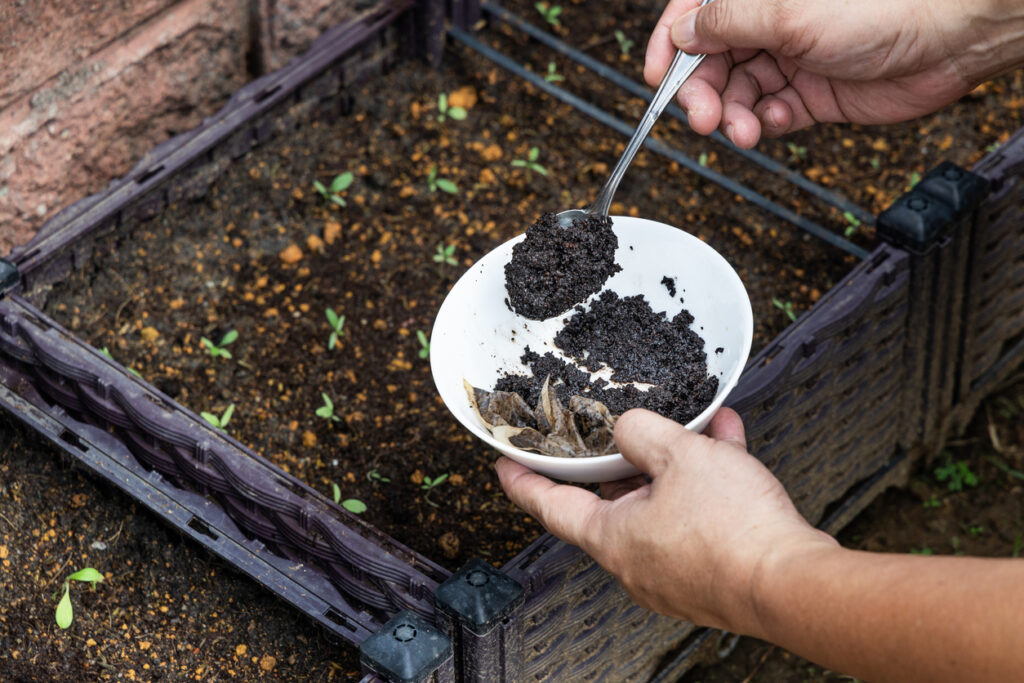
Used coffee grounds are rich in nitrogen and act as a slow-release fertiliser. They also attract earthworms, which help aerate and enrich soil while improving its structure. Worms love the texture of coffee grounds and help pull nutrients deeper where roots can reach them.
Mix coffee grounds directly into the soil, or add them to your compost heap in small amounts. Just avoid piling them too thickly, as they can compact and block airflow. A light sprinkle mixed with dry leaves or shredded paper balances out their moisture perfectly.
Compost paper and cardboard.
Plain paper, napkins, and uncoated cardboard make great compost material. They add carbon, which balances the nitrogen-rich food waste in your bin and keeps compost from becoming slimy or smelly.
Tear them into small pieces before adding them to help them break down faster. Avoid glossy magazines or printed packaging, as these may contain inks and coatings that don’t compost well. Corrugated cardboard is especially useful because it adds air pockets that help compost breathe.
Use banana skins as a natural fertiliser.
Banana peels are full of potassium and phosphorus, key nutrients for strong roots and healthy flowers. Instead of binning them, bury strips of peel just below the surface near your plants or drop them into your compost pile.
They’ll slowly release nutrients as they decompose, feeding the soil around them. You can also soak peels in water for a few days to create a gentle liquid fertiliser. Pour it around flowering plants or fruiting vegetables to give them an organic boost.
Turn stale bread into worm food.
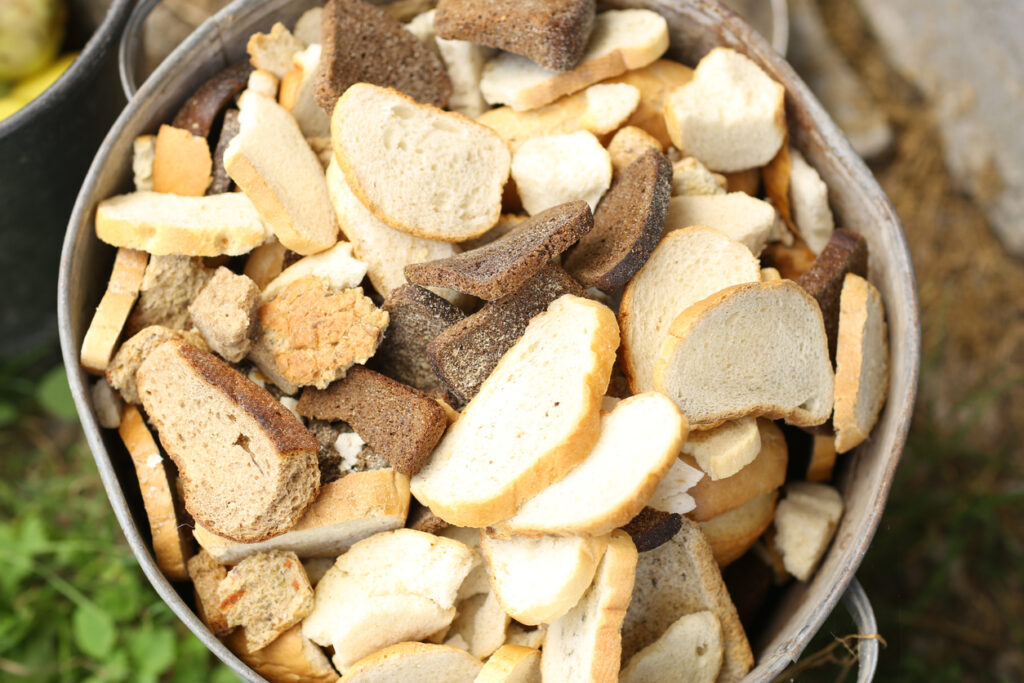
Worms love old bread, and a wormery is one of the most efficient ways to recycle kitchen waste. Worms break food down quickly, turning it into rich, fine compost called worm castings, and that’s one of the best soil enhancers you can get.
These castings are packed with nutrients and good bacteria that improve soil structure. Just avoid adding mouldy or greasy bread, which can attract pests. Combine bread with other soft scraps like fruit peelings or shredded paper for balanced composting.
Recycle wood ash from the fireplace.
Wood ash contains potassium, calcium, and trace minerals that help balance acidic soil. Use it sparingly, as too much can make soil alkaline and reduce nutrient uptake in plants.
Scatter a thin layer over your compost heap or directly onto vegetable beds. Always make sure the ash is completely cool and comes from untreated wood. You can also mix small amounts into water to make a mild nutrient solution for potted plants.
Use old cooking water as a soil booster.
Water used to boil vegetables, pasta, or rice is full of nutrients that plants can absorb. Once it cools, you can pour it directly onto the soil instead of tipping it down the sink. It’s a quick way to recycle nutrients back into your garden with no extra effort.
It’s an easy, waste-free way to give your plants a gentle feed. Just avoid salted or oily water, which can harm roots and soil organisms. Vegetable water works especially well for herbs and leafy greens grown in pots or raised beds.
Add hair and pet fur for trace nutrients.
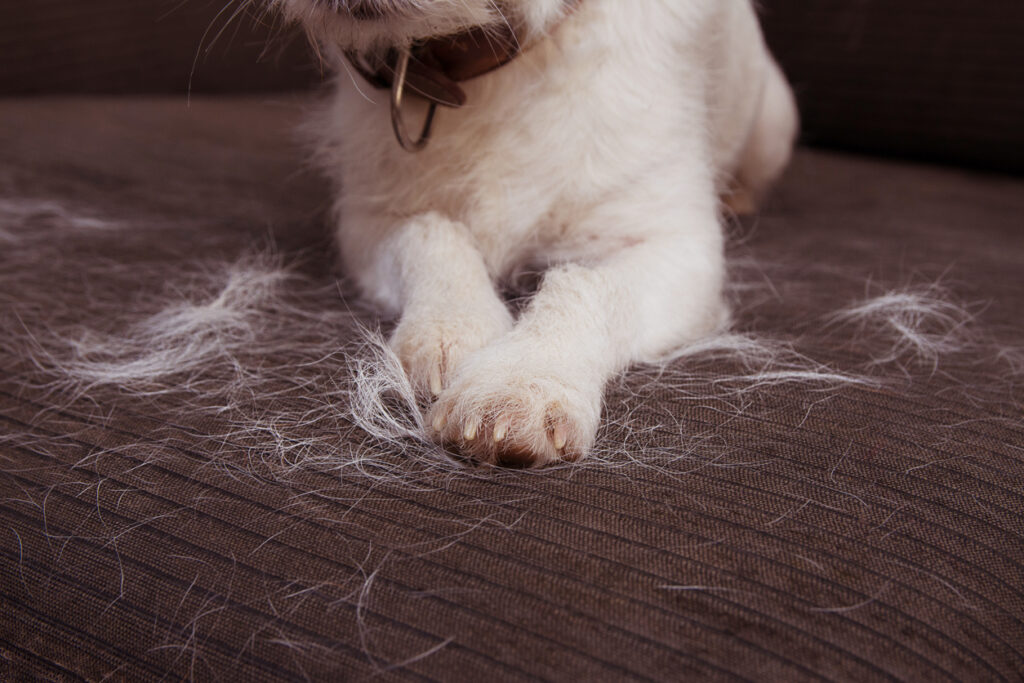
Human hair and pet fur both break down slowly, releasing nitrogen and keratin into the soil. They also help improve soil texture by creating tiny air pockets as they decompose, which boosts drainage and prevents compacting.
Mix small handfuls into compost or dig them lightly into garden beds. It’s a surprising but effective way to recycle something you’d normally throw away. Hair also helps deter some garden pests, like deer and rabbits, thanks to its human scent.
Collect rainwater to keep soil healthy.
Healthy soil isn’t just about nutrients; moisture matters too. Collecting rainwater reduces tap water use and gives your soil a steady supply of soft, chemical-free hydration. Tap water often contains chlorine, which can affect beneficial soil bacteria over time.
Set up a water butt under a downpipe and use it during dry spells. Rainwater supports soil microbes and helps maintain natural pH balance, creating the perfect conditions for plant roots to thrive. It’s a simple but powerful way to make your garden more sustainable year-round.