
Australia’s beaches are cleaner than they’ve been in a generation, thanks to a decade of determined action to curb waste. A national study led by the Commonwealth Scientific and Industrial Research Organisation (CSIRO) found that plastic pollution along the country’s coastline has dropped by 39% since the early 2010s, with the number of litter-free sites increasing by 16%. The findings, reported by Happy Eco News and backed by years of fieldwork, show what’s possible when governments, scientists, and local communities push in the same direction.
How Australia got there
CSIRO researchers visited beaches and coastal areas across every state and territory, repeating surveys first carried out more than a decade earlier. Sites ranged from Perth’s urban shoreline to Hobart’s harbours, the Sunshine Coast’s surf beaches, and even remote stretches near Alice Springs. The team collected and categorised debris, building a picture of what was washing up and where it was coming from.
Their results showed a marked decline almost everywhere, with some of the cleanest sites being those where targeted bans had been introduced. In Western Australia, for instance, restrictions on single-use plastic bags and polystyrene takeaway containers appear to have had a direct effect on reducing litter in nearby coastal waters, a link supported by CSIRO’s own report.
Even so, the composition of litter tells a more complicated story. Polystyrene fragments made up nearly a quarter of all debris recorded, while cigarette butts and filters accounted for another 20%. These items persist in the environment for decades, breaking down into microplastics that are almost impossible to remove once they’re in the ocean. Researchers stressed that while beach clean-ups help, prevention is far more effective than chasing the problem after the fact, which is a point echoed by the Marine Conservation Society in Australia, which warns that an estimated 145,000 tonnes of plastic still enter the marine environment each year.
Policy, people, and persistence
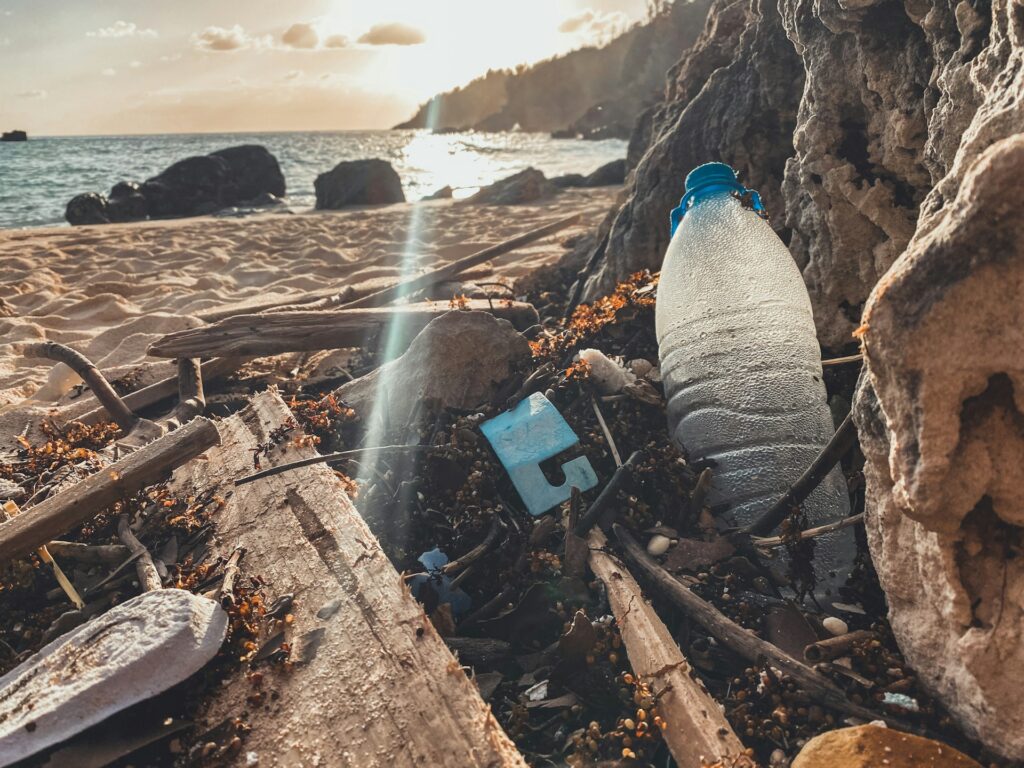
Australia’s improvement didn’t come from community action alone. Federal and state governments rolled out a series of bans and restrictions over the past decade, including outlawing lightweight plastic bags, phasing out single-use cutlery and straws, and banning expanded polystyrene food containers in many jurisdictions. Container deposit schemes, which pay people for returning bottles and cans, have also played a part in cutting the number of drinks containers found in coastal litter surveys.
Public campaigns such as Clean Up Australia Day have amplified the effort. That annual event mobilises hundreds of thousands of volunteers to collect rubbish from beaches, rivers, and streets, creating a visible reminder of how much waste can accumulate in a short time. These clean-ups, combined with better waste management infrastructure and strong messaging about reducing single-use plastics, have reinforced the changes driven by legislation.
Organisations like the Australian Marine Conservation Society argue that it’s the combination of top-down regulation and grassroots involvement that has made the difference. When people see fewer plastic bags in shops and more recycling points on streets, they adapt their habits, and when they take part in clean-up events, they see first-hand why those changes matter.
What the results mean, and what’s next
Cleaner coastlines don’t just look better. They reduce the number of seabirds, turtles, and marine mammals injured or killed by ingesting or becoming entangled in plastic. They limit the spread of microplastics through food chains, a problem scientists are still working to understand fully. And they protect tourism, which in many coastal communities is a major part of the local economy.
The CSIRO findings are encouraging, but researchers caution against complacency. Plastic consumption in Australia is still rising, and without further intervention, it could more than double by 2050. The organisation’s scientists say the next steps should include expanding container deposit schemes nationwide, tightening packaging standards, and tackling cigarette litter, which remains stubbornly common despite anti-smoking campaigns.
The story is also attracting attention abroad because it offers a blueprint for other countries dealing with the same challenges. Australia’s success shows that measurable progress is possible in a relatively short period when there’s alignment between policy, industry, and public behaviour. The bans and incentives that worked there could be adapted elsewhere, particularly in coastal nations facing similar environmental and economic stakes.
For the UK, where polystyrene and cigarette litter still turn up regularly in Marine Conservation Society surveys, there are lessons to draw. Britain has made strides in banning certain single-use plastics and is trialling its own deposit return schemes, but progress is uneven. Looking to Australia’s model, where national coordination and state-level enforcement worked in tandem, could help speed up change. Expanding public clean-up efforts, focusing on the most persistent pollutants, and ensuring recycling schemes are genuinely easy to use might deliver the same kind of results seen on Australian shores.
The drop in coastal plastic pollution by almost 40% in just a decade is more than a statistical win. It’s a sign that collective action, when sustained and targeted, can turn the tide on one of the most pressing environmental challenges of our time. The next step is to make sure the momentum isn’t lost, and that cleaner beaches become not the exception, but the norm.