Giant pandas are instantly recognisable for their bamboo-munching habits, but biologically, they’re built like carnivores.
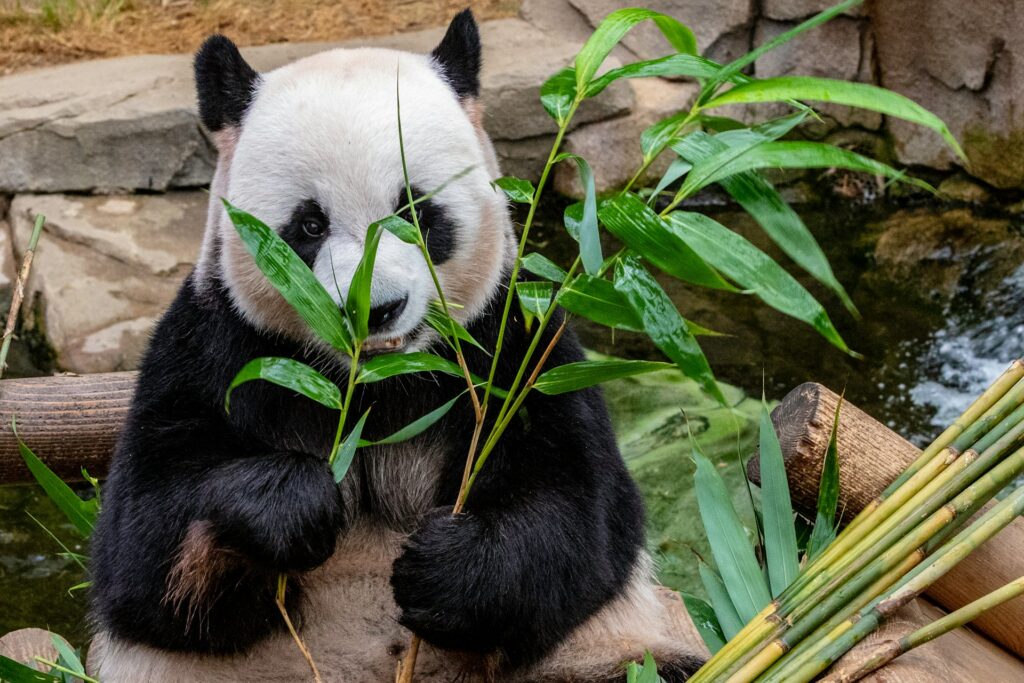
Their digestive systems, teeth, and even DNA all say “meat-eater.” Yet, they survive almost entirely on plants, spending up to fourteen hours a day chewing through bamboo. So why would an animal built for meat choose a leafy, low-energy diet? Here’s how evolution, environment, and biology turned the panda into one of nature’s strangest vegetarians.
Their digestive system still looks like a carnivore’s.
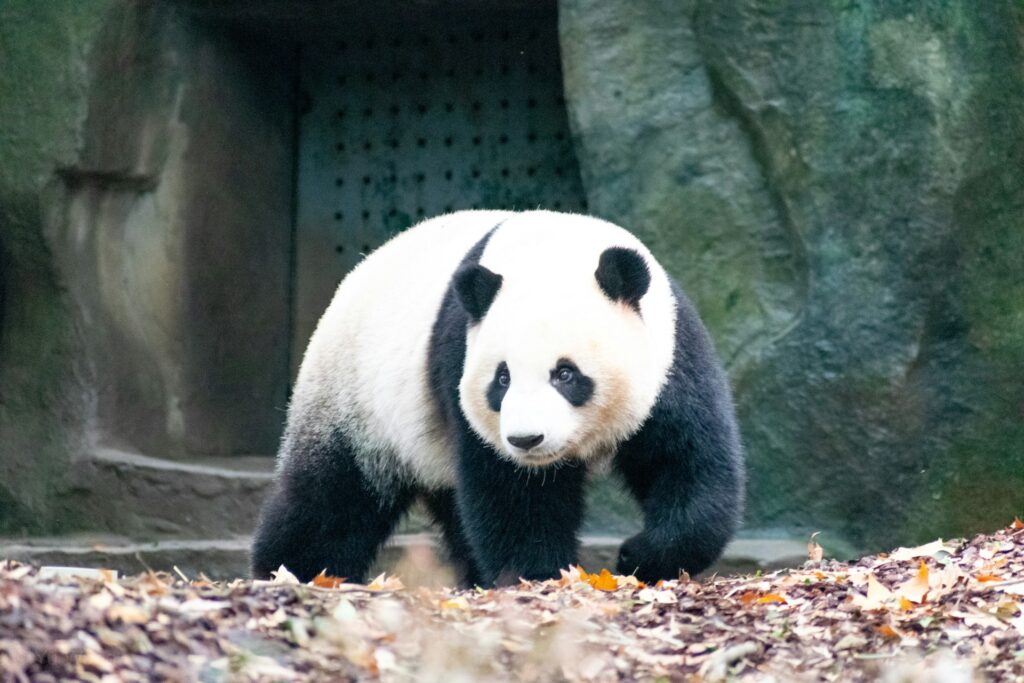
Inside, a panda’s gut is closer to that of a bear or a wolf than a herbivore. They have a short digestive tract and simple stomach, designed to process protein and fat rather than fibrous plant matter. Because bamboo is tough to break down, pandas can only absorb a small fraction of its nutrients. That’s why they need to eat as much as 30 kilograms of bamboo every single day just to survive.
Their ancestors were meat-eaters.

Genetic evidence shows that early panda ancestors were carnivorous bears that hunted and scavenged like other species. Around two to three million years ago, though, food scarcity and habitat changes pushed them toward a plant-based diet. As forests spread and prey became harder to find, bamboo offered a reliable, year-round food source. Over generations, pandas adapted to depend on it, even if their digestive system didn’t fully follow suit.
They still have carnivore-style teeth.

Pandas have sharp canine teeth like other bears, which seem perfect for tearing meat. However, their back molars are wider and flatter than most carnivores, allowing them to crush and grind bamboo stalks efficiently. This strange mix of dental traits shows their evolutionary middle ground. They never lost their predator-like teeth completely, but they evolved just enough to handle their fibrous diet.
Their bodies can’t digest bamboo properly.
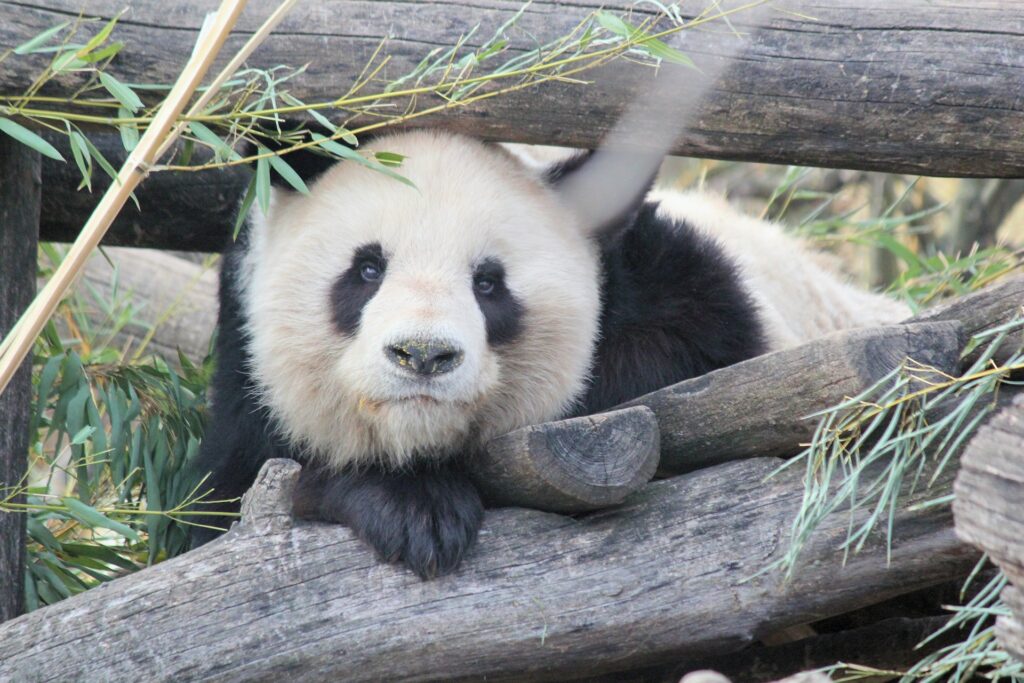
Unlike cows or deer, pandas don’t have gut bacteria that fully break down cellulose, the main component of bamboo. Their digestive system extracts less than twenty per cent of the energy from what they eat. That poor efficiency explains why they eat almost constantly. If they stopped feeding for too long, they’d quickly run out of energy. It’s a full-time job just staying fuelled.
Bamboo became their safest food source.
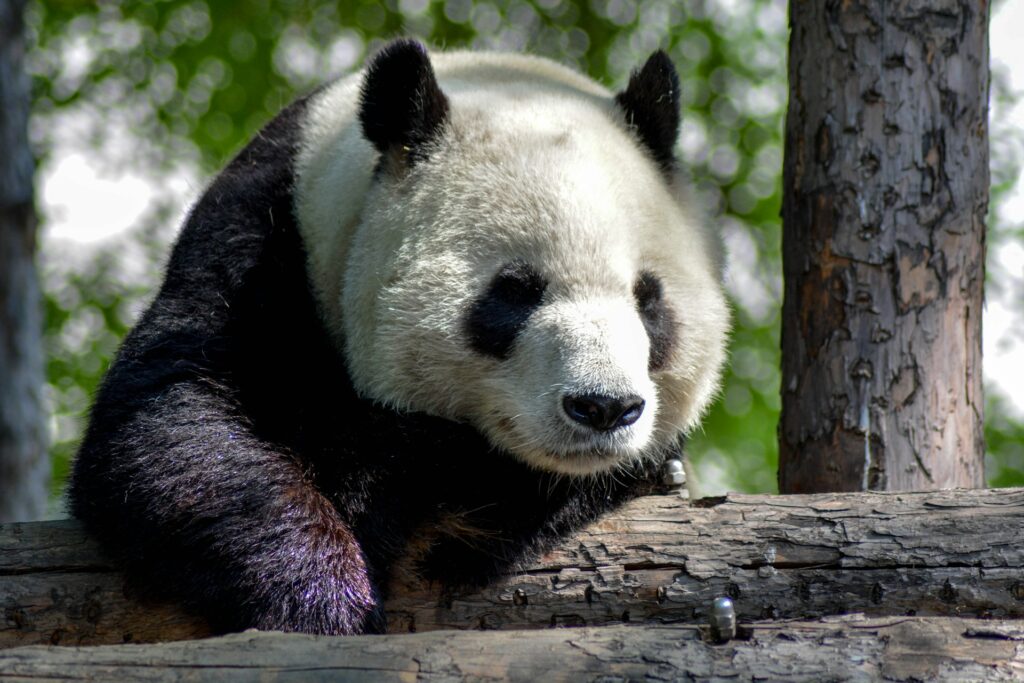
In the mountainous regions where pandas live, bamboo is abundant and grows in dense clusters. While it’s not high in calories, it’s reliable, easy to find, and available all year round. Having that stability gave pandas a major advantage over meat-eating bears competing for scarcer prey. It allowed them to thrive in forests where few other large mammals could survive.
They still have a meat-eater’s instincts.
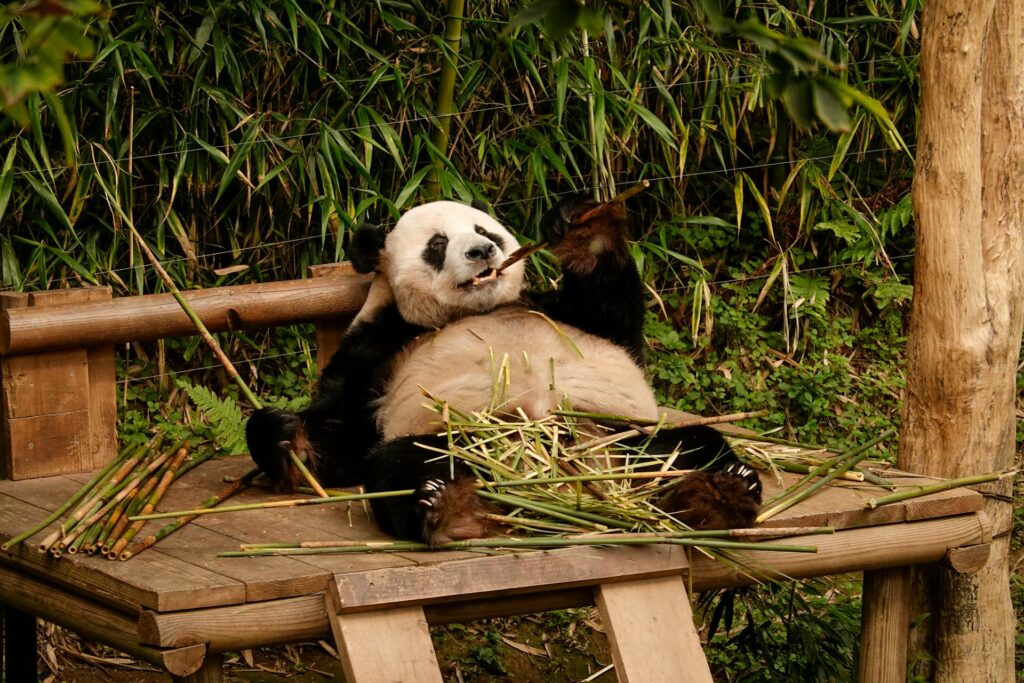
Pandas haven’t lost their interest in meat entirely. In the wild, they’re occasionally seen eating rodents, birds, or carrion when the opportunity arises, proving that the instinct is still there. However, meat alone doesn’t sustain them anymore. Their guts can’t efficiently digest animal protein after millions of years of adapting to bamboo-based nutrition.
Evolution prioritised survival, not efficiency.
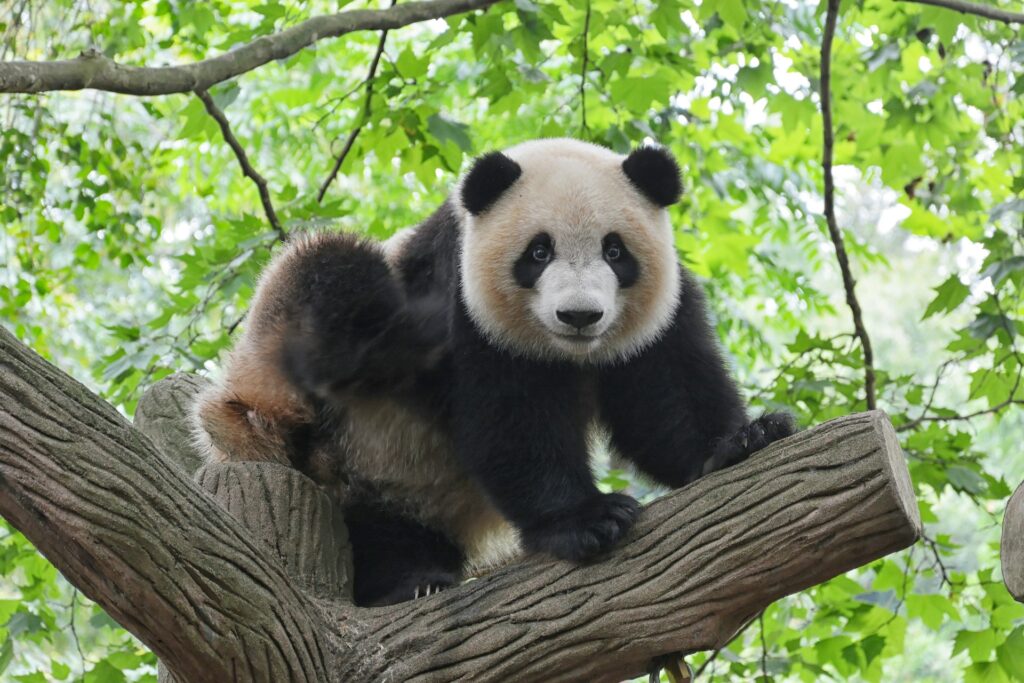
It might seem inefficient for an animal to live off food it can barely digest, but evolution rewards survival, not perfection. Pandas found a niche where bamboo was plentiful and competition was low. As time went on, they became specialists at exploiting that single resource. It’s a strategy that worked so well they never had to go back to hunting.
Their slow metabolism makes it possible.
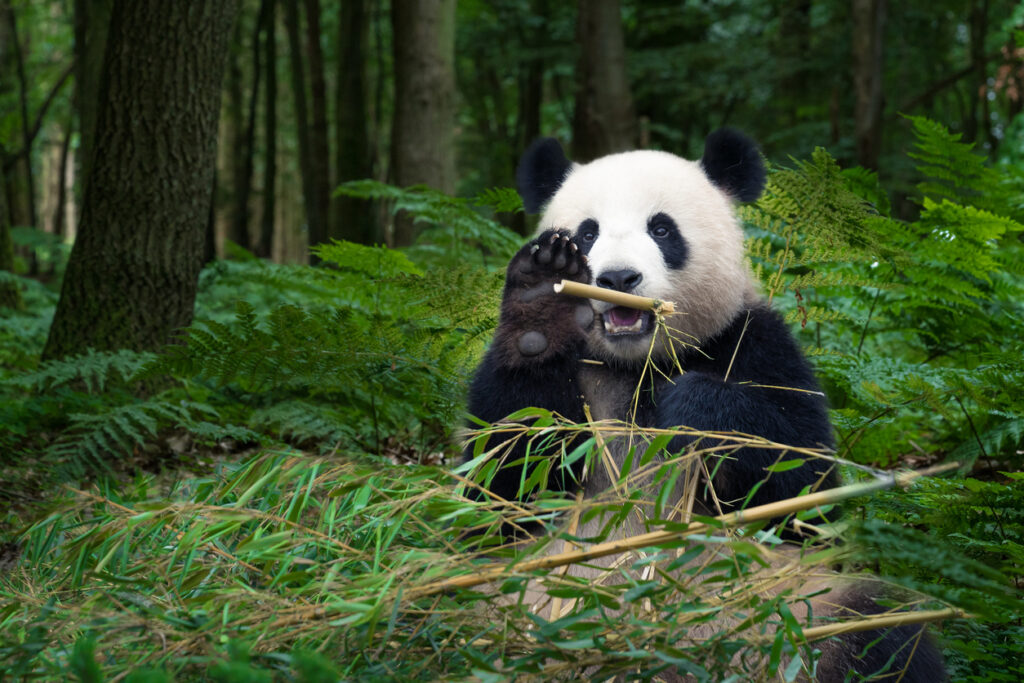
To cope with bamboo’s low energy, pandas evolved a much slower metabolism than other bears. Their heart rate, body temperature, and energy use are all significantly lower, helping them conserve strength. They spend most of their lives resting or eating, avoiding unnecessary exertion. This energy-saving lifestyle makes their bamboo diet just sustainable enough.
A key gene stopped them from craving meat.
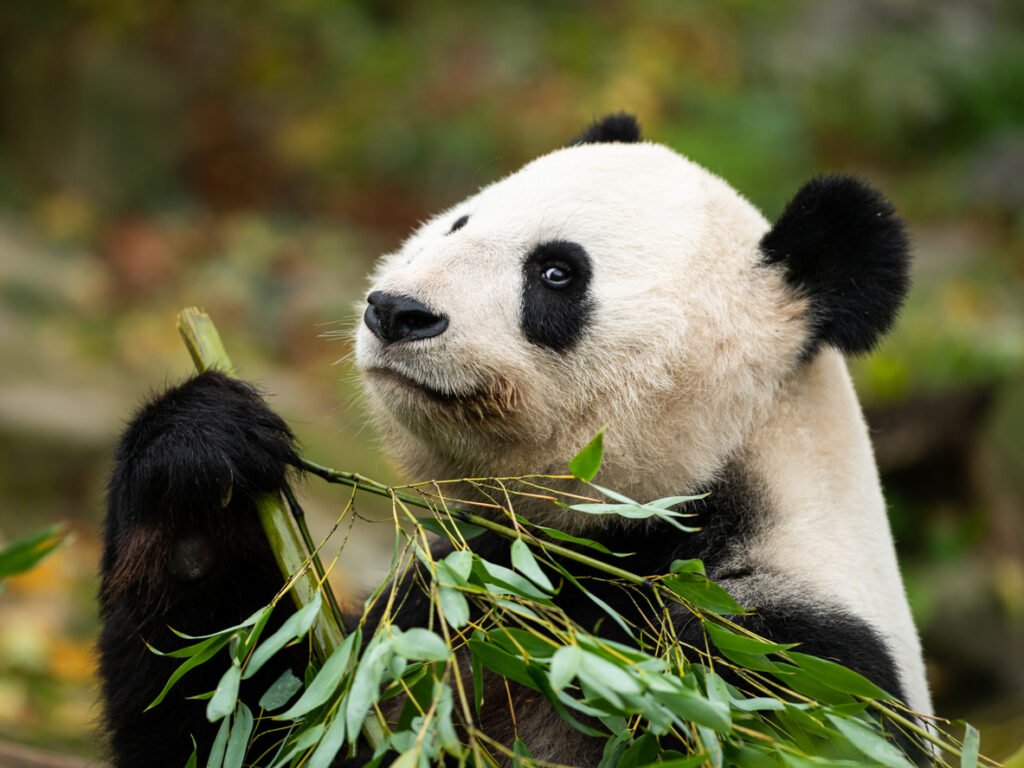
Research has found that pandas lost a gene called TAS1R1, which detects the savoury “umami” taste in meat. Without that craving, they stopped seeking animal protein and leaned more toward plants. It’s a small genetic tweak with massive consequences. Losing the taste for meat pushed their evolution firmly toward a herbivorous lifestyle.
Their paws are perfectly designed for bamboo.
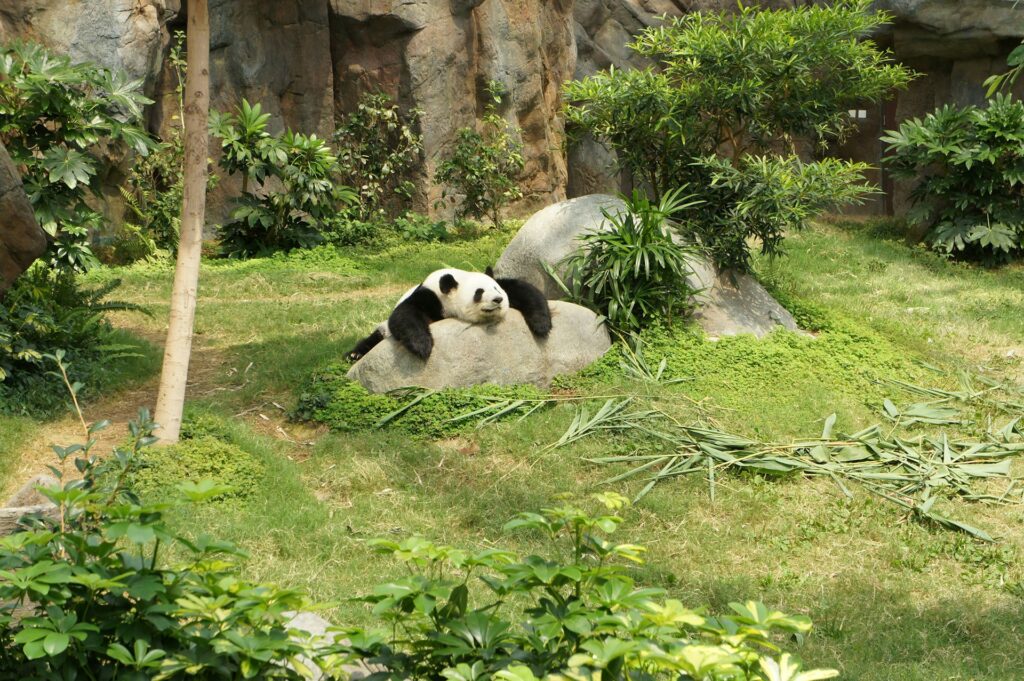
Pandas have a unique adaptation called a pseudo-thumb, which is an extended wrist bone that acts like an extra digit. It helps them grip bamboo stalks with precision and strip leaves efficiently. This clever tool makes their feeding style surprisingly dexterous. It’s another sign that nature has fine-tuned them for a diet they weren’t originally meant to have.
Their diet influences their behaviour and habitat.

Because they rely on bamboo, pandas must stay close to areas where it grows thickly. They migrate between elevations as bamboo species flower and die off in cycles. That dependence shapes their entire way of life, from their territory range to their breeding season. They’ve evolved to follow the rhythm of the forest rather than the hunt.
Their survival shows nature’s adaptability.
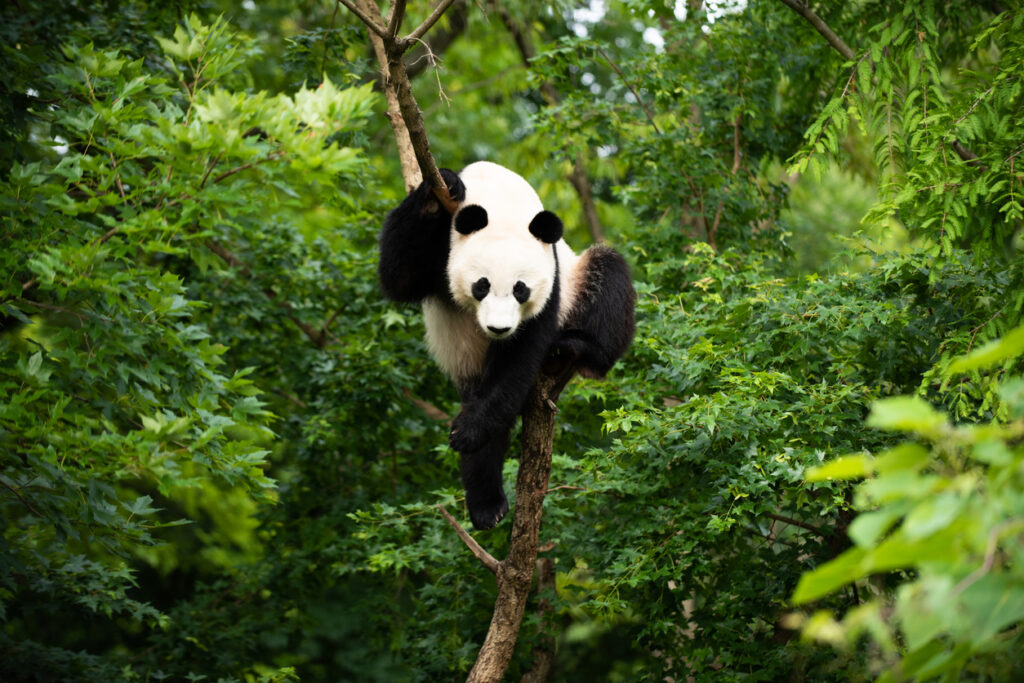
The panda’s bamboo diet might seem like a biological mistake, but it’s a powerful example of how animals adapt when the environment changes. They transformed from predators into gentle grazers to fit their niche. Even though they’re still bears at heart, their success proves that survival sometimes means giving up your instincts to fit a new world. It’s one of evolution’s strangest, most fascinating trade-offs.